Italy

Inside Salone del Gusto, Italy’s Artisanal Foodie Mecca
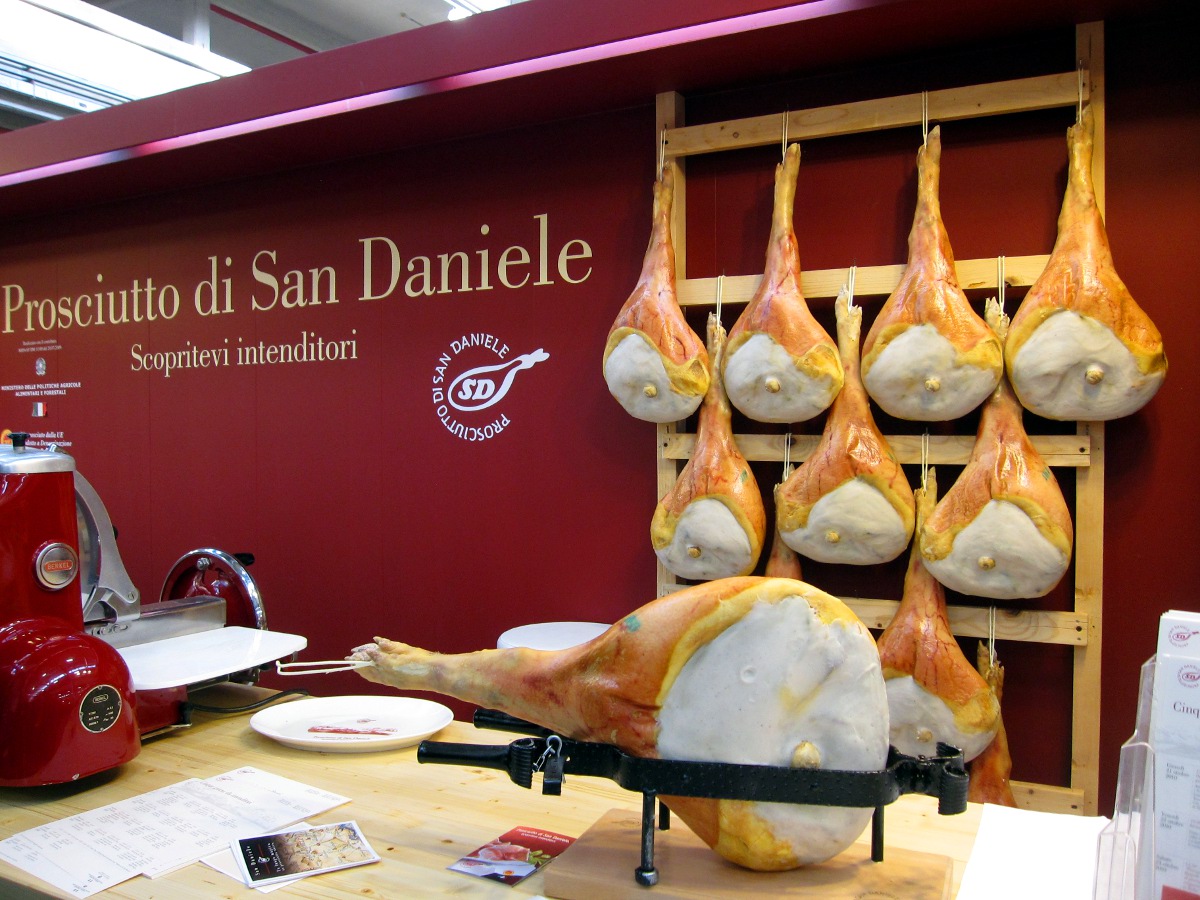
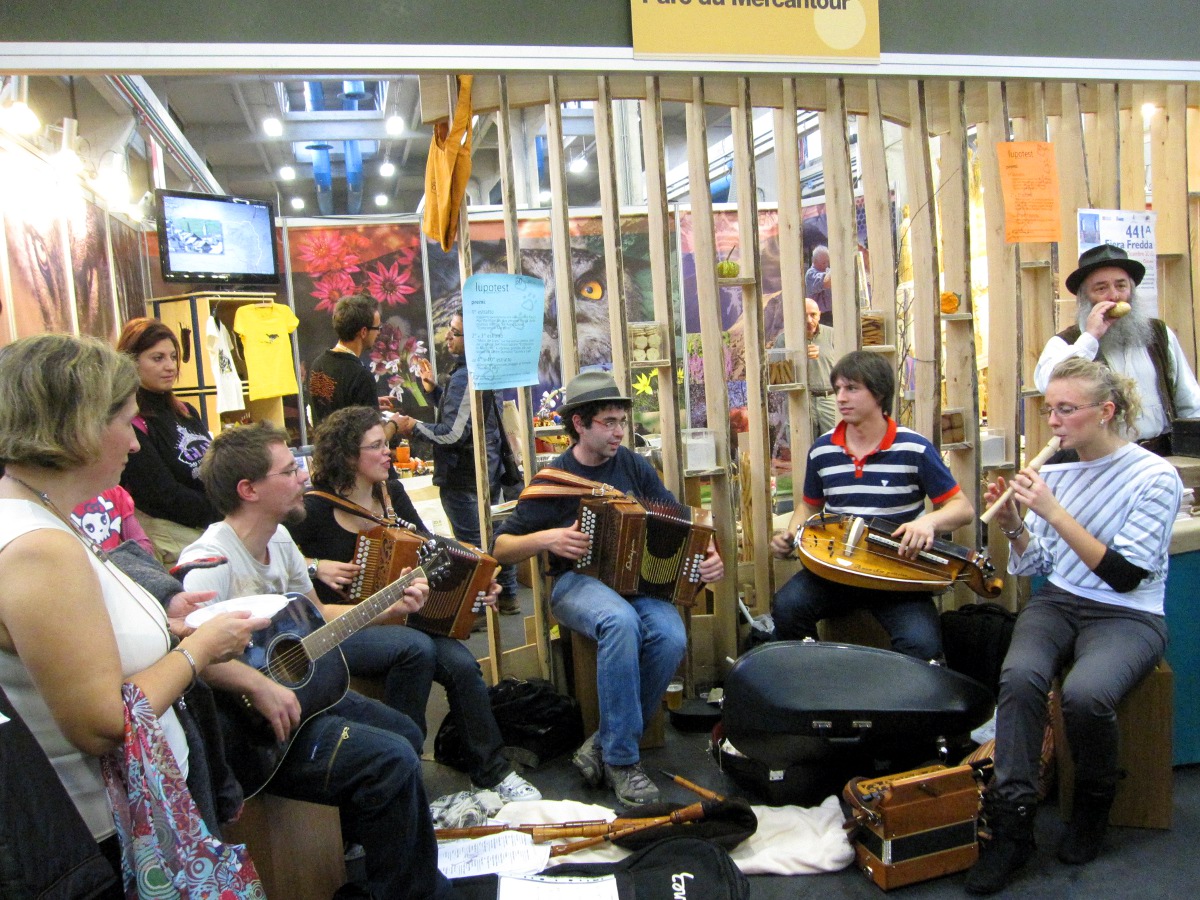
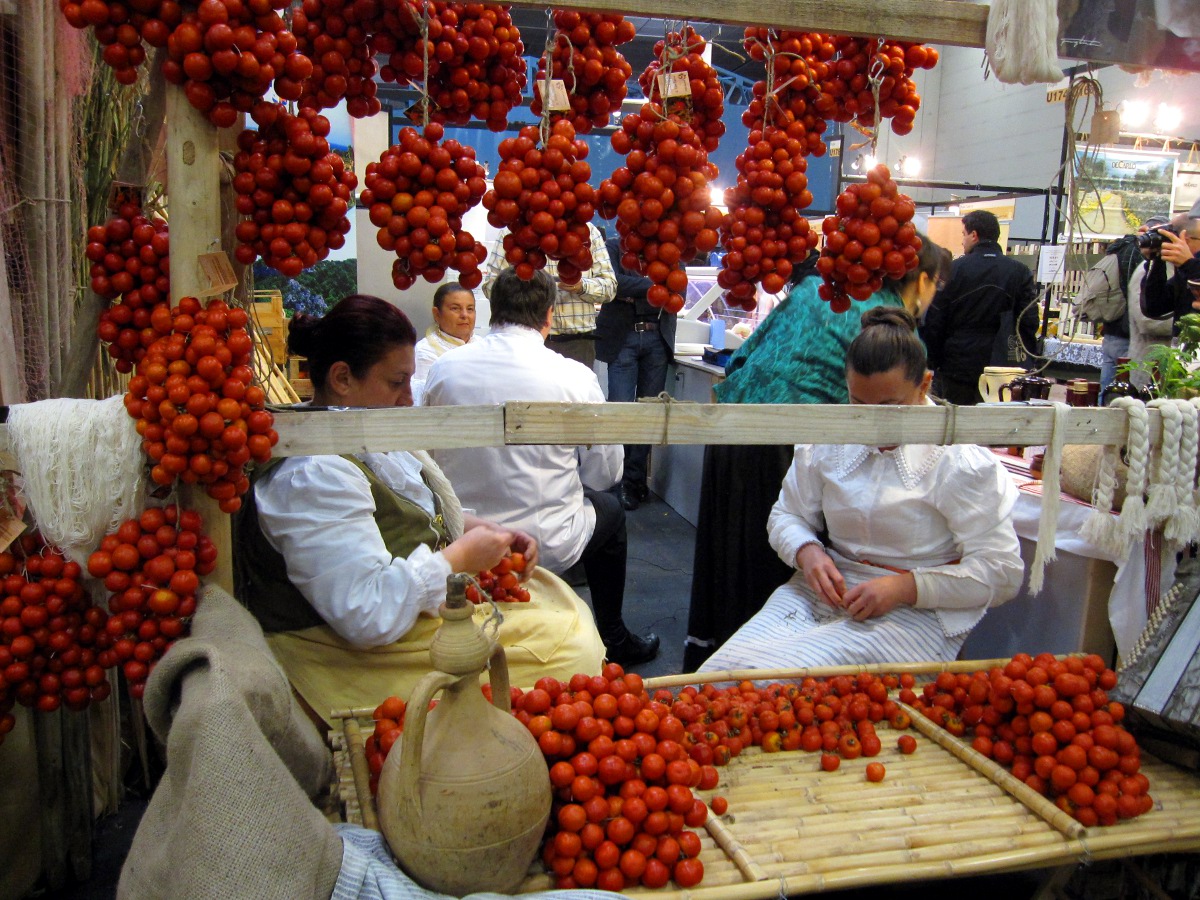
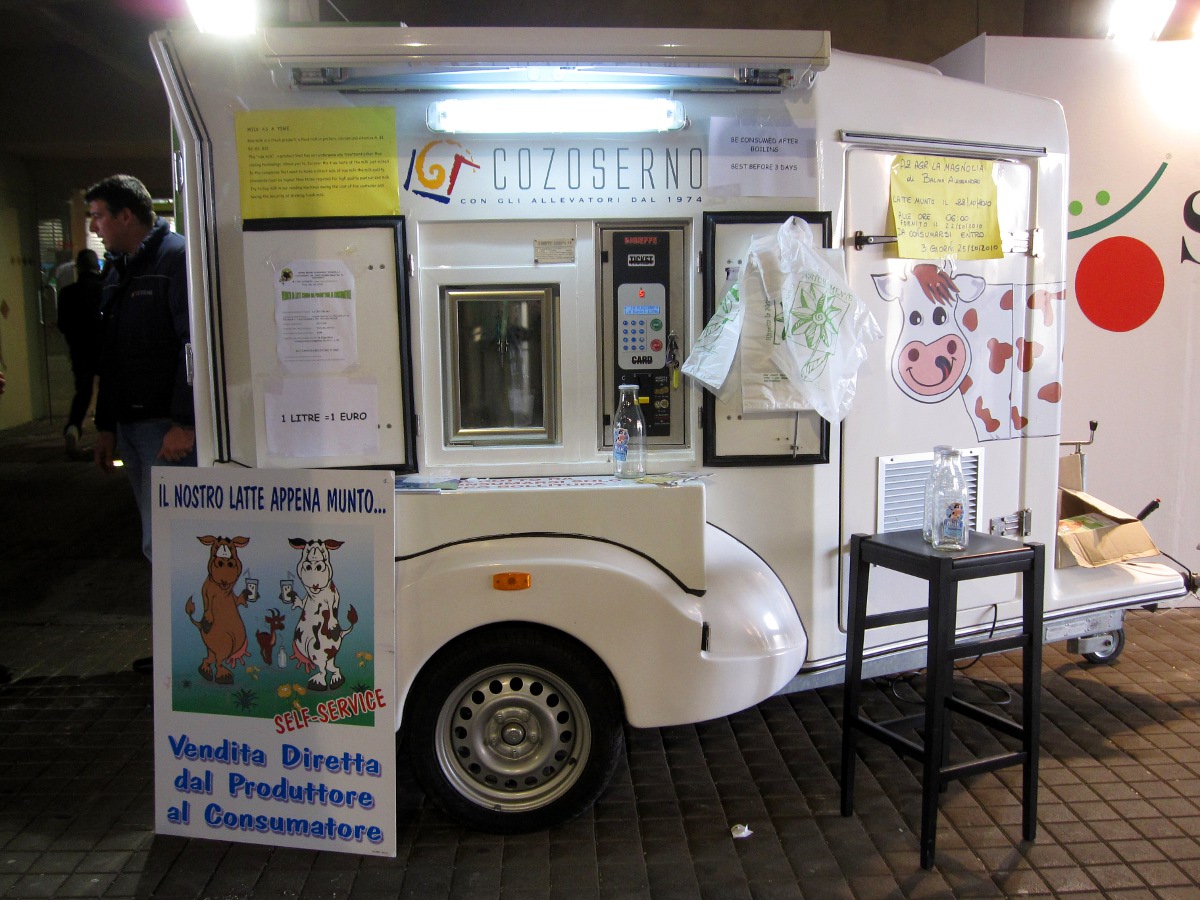
Clockwise: whole prosciutto from San Daniele on display; a band of two accordions, a guitar and a hurdy-gurdy (the bearded man on the right was making animal puppets out of a hankerchief to entertain the kids); a self-service milk truck parked outside Salone del Gusto; Puglian women stringing cherry tomatoes by hand

After a long morning of seminars, I was sipping a glass of Left Hand beer, when the sound of drums and horn began thundering down the hall. It was Macedonian folk ensemble Akud Mirce Acev, beating a lively rhythm and whipping a crowd of Asians into a frenzied dance. Heads bobbed, cameras flashed, women in hanbok dresses waved their arms in the air. Just another day at Salone del Gusto.
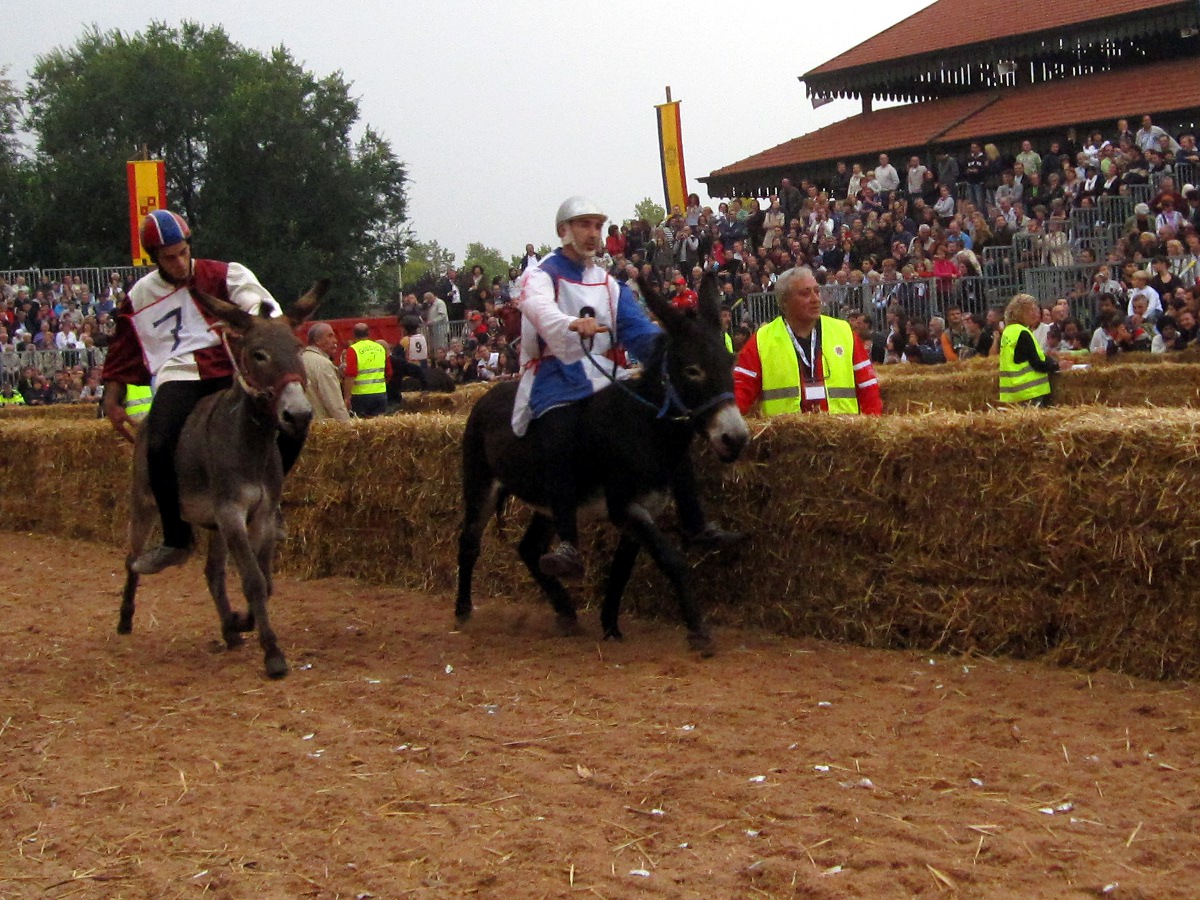
Bad Ass Racing: Alba’s Palio degli Asini

What’s furry, recalcitrant, and represents a medieval middle-finger? The Alba Palio degli Asini donkey race, of course!

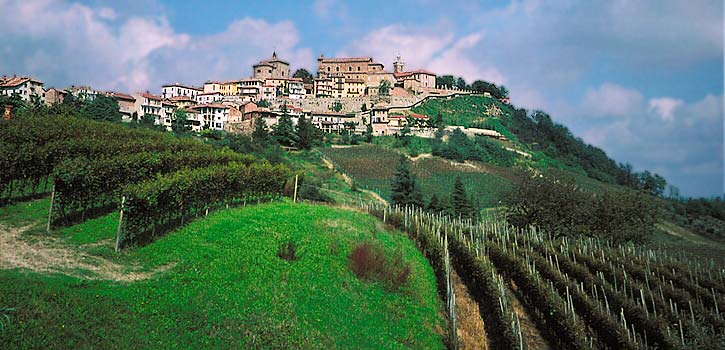
You see, in 1275, the Piedmont towns of Asti and Alba were at war. On August 10, the feast day for Alba’s patron saint San Lorenzo, Asti attacked Alba and laid waste to the fields outside the city walls. To further cement their victory and humiliate the people of Alba, Asti’s army held a horse race around the Alba city walls. According to legend, the residents of Alba simultaneously held a donkey race inside the city walls, as a thumb to the noses of their aggressors.

Venice: Don’t Hate Me ‘Cause I’m Beautiful

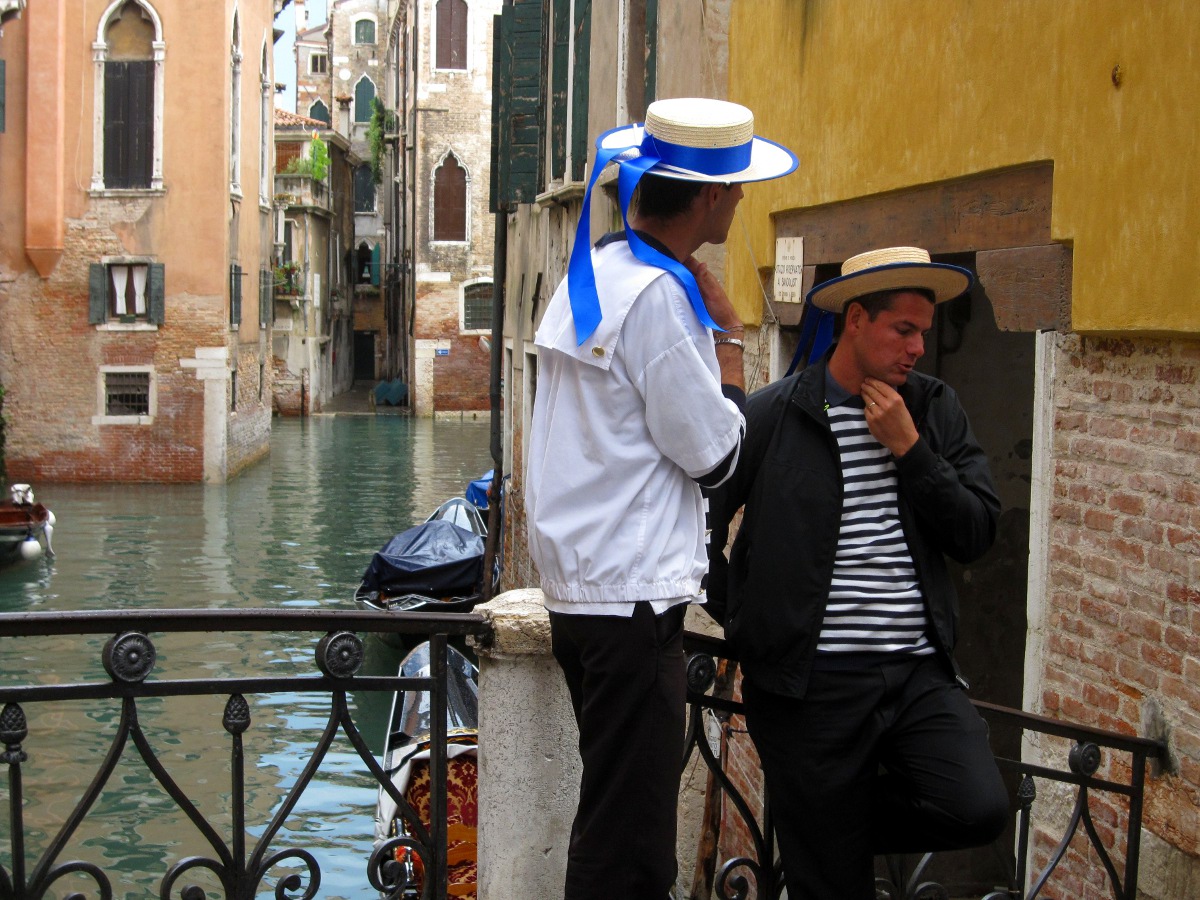
Venice. The name inspires wonder and envy from those who have never seen it, but if you start asking about the city with your seasoned traveler friends, they tend to give a dismissive sniff and say with upturned noses, “Oh Venice, it’s totally overrated. Such a tourist trap. And so overpriced. You’re better off spending your time in Florence.”

While there may be some legitimacy to some of the complaints (there are a hella lot of English-speaking tourists, the mosquitoes are wicked), I found Venice to be delightful and full of hidden charms. If you play your cards right, you can escape the heaving masses to areas blessedly free of foot traffic, with only the slow slap of waves to break the silence. It probably helped that I had a few Veneto locals to steer me around. (Valeria, we love you.)

Arqua Petrarca: Love, Wine and Petrarch


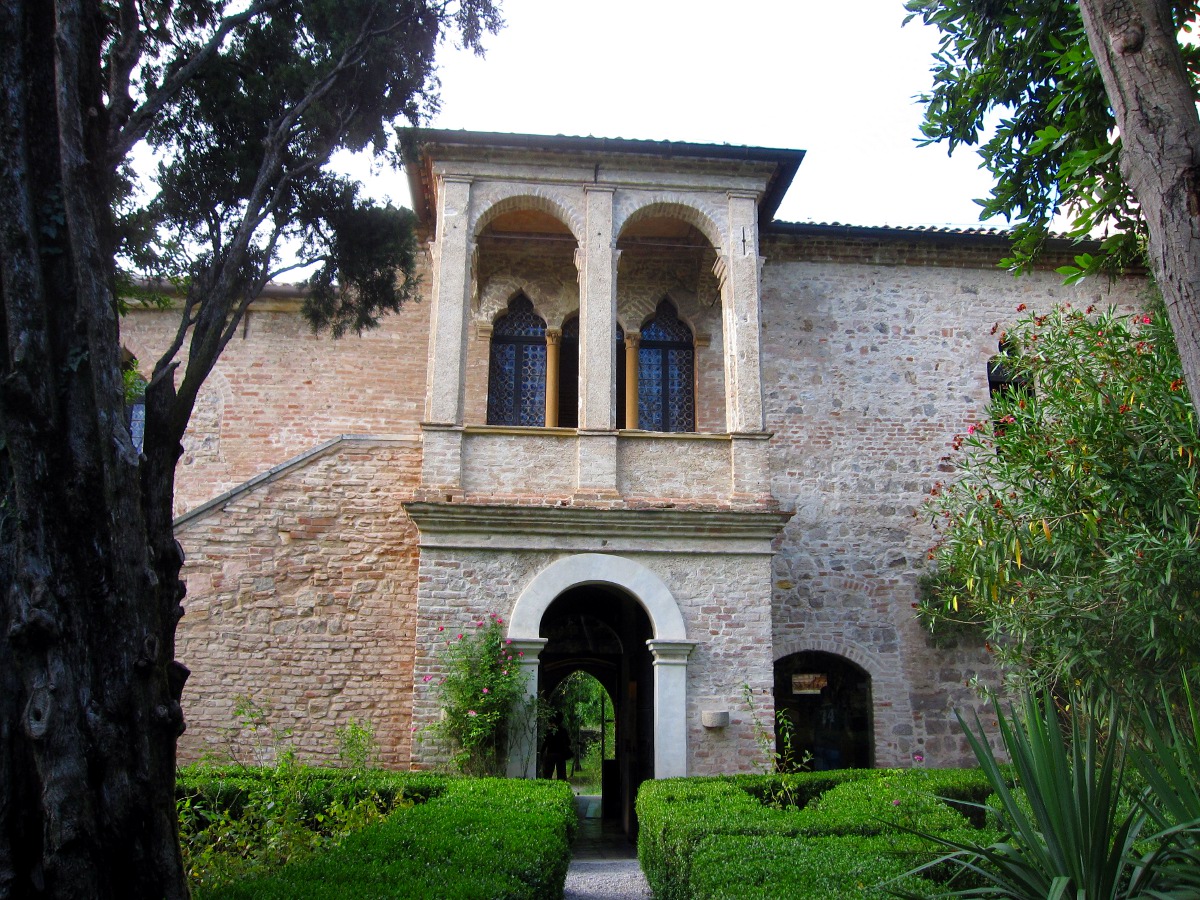
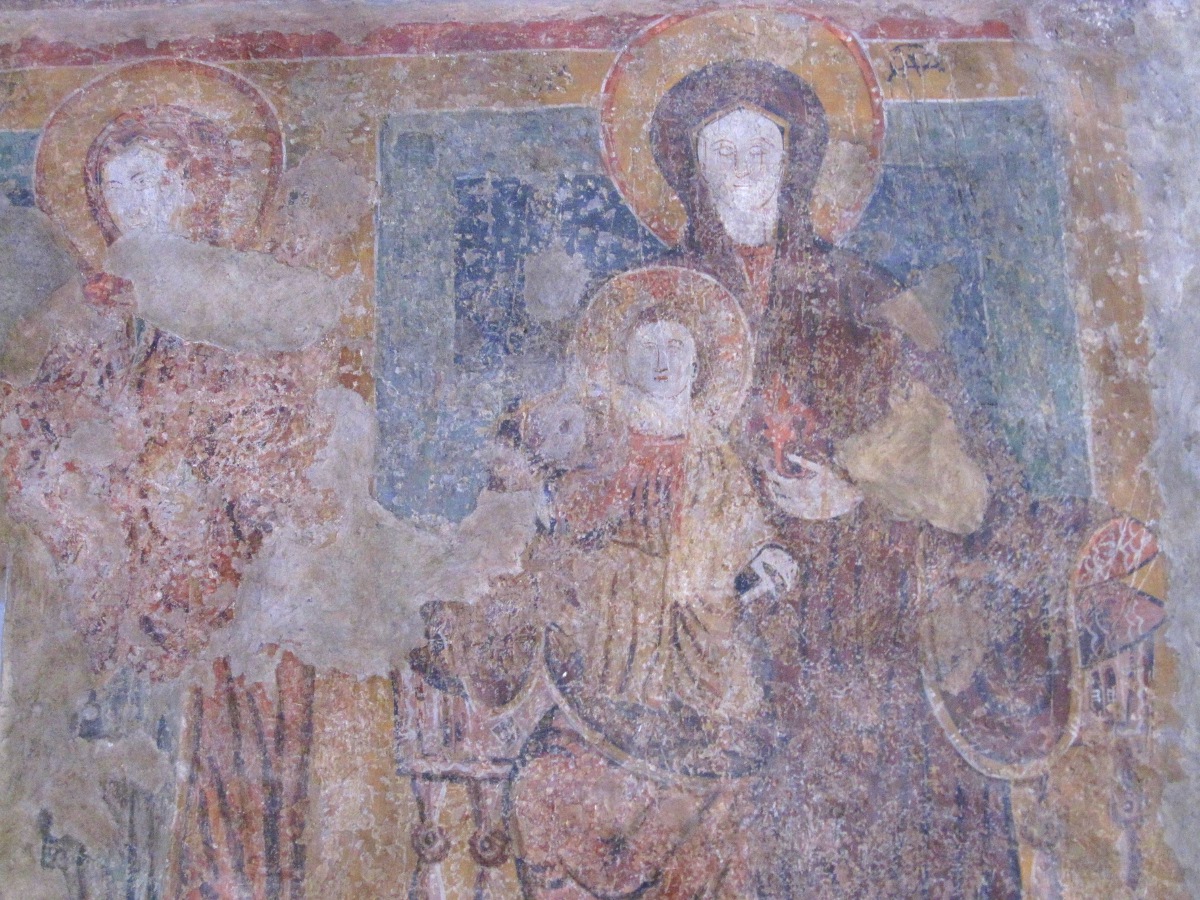
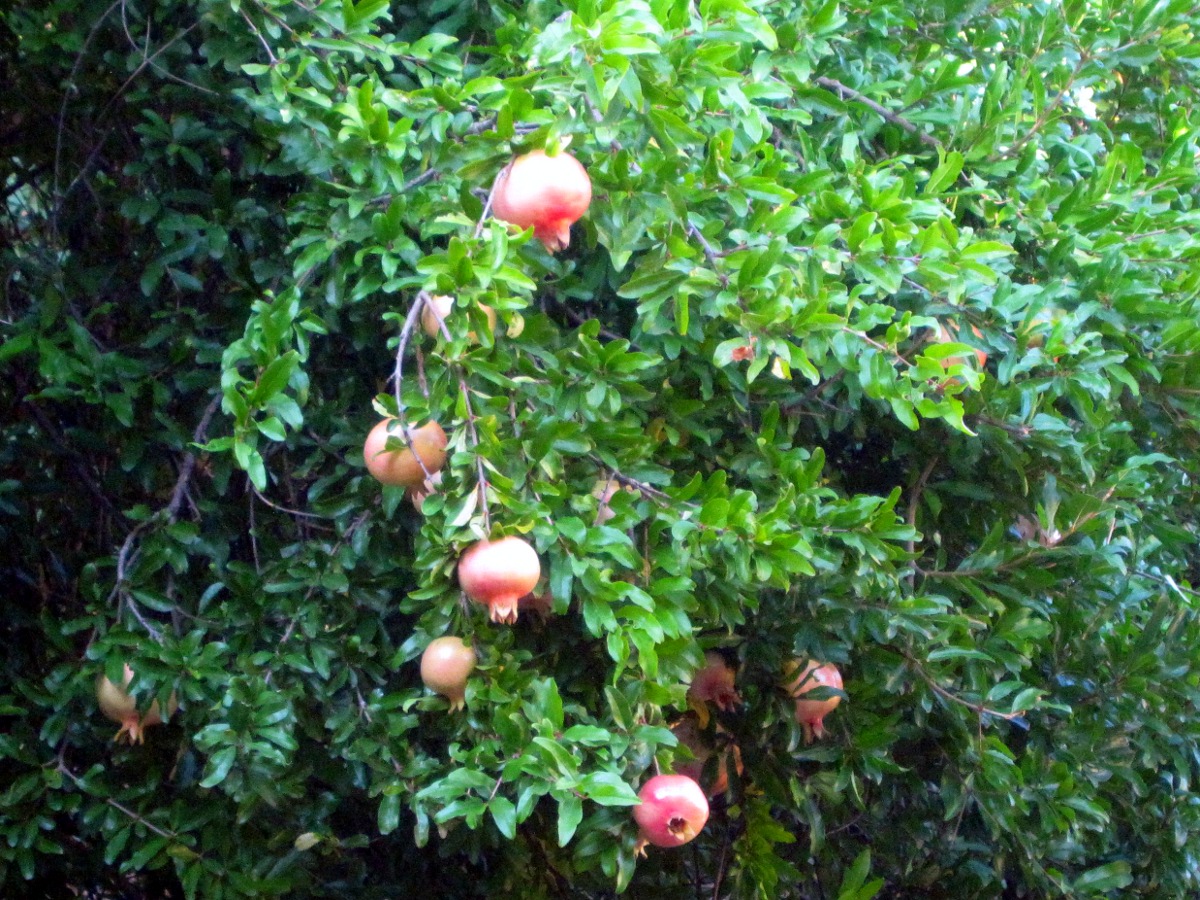
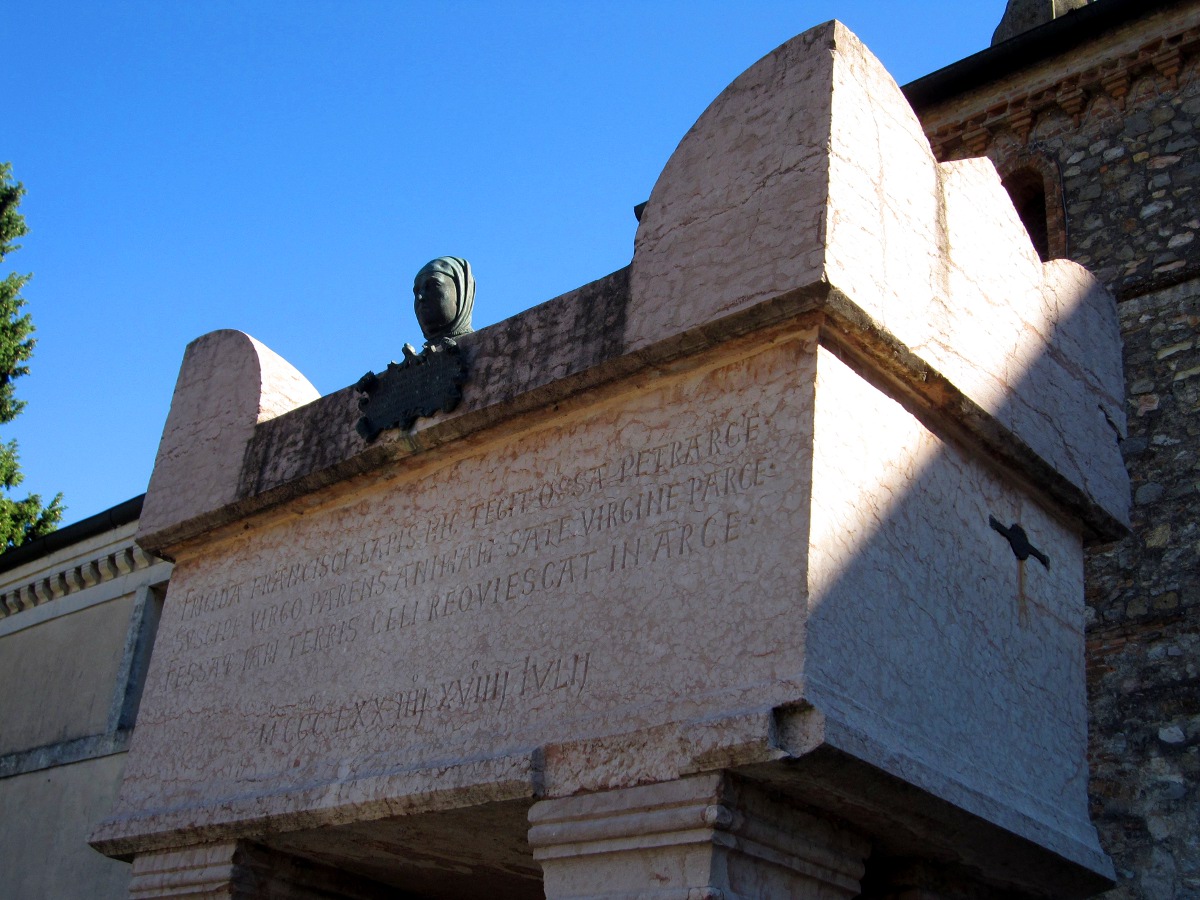
Clockwise: the entrance to Petrarch’s home; 13th century Venetian school fresco inside the Santa Maria church; Petrarch’s tomb; pomegranates growing on a roadside tree

Se ti agita sacro amore di Patria, t’inchina a queste mura ove spirò la grande anima il cantor dei Scipioni e di Laura. If you are moved by the sacred love of country, bow down before this wall where a great soul, the singer of Scipio and of Laura passed away.
-Inscription at the house of Petrarch

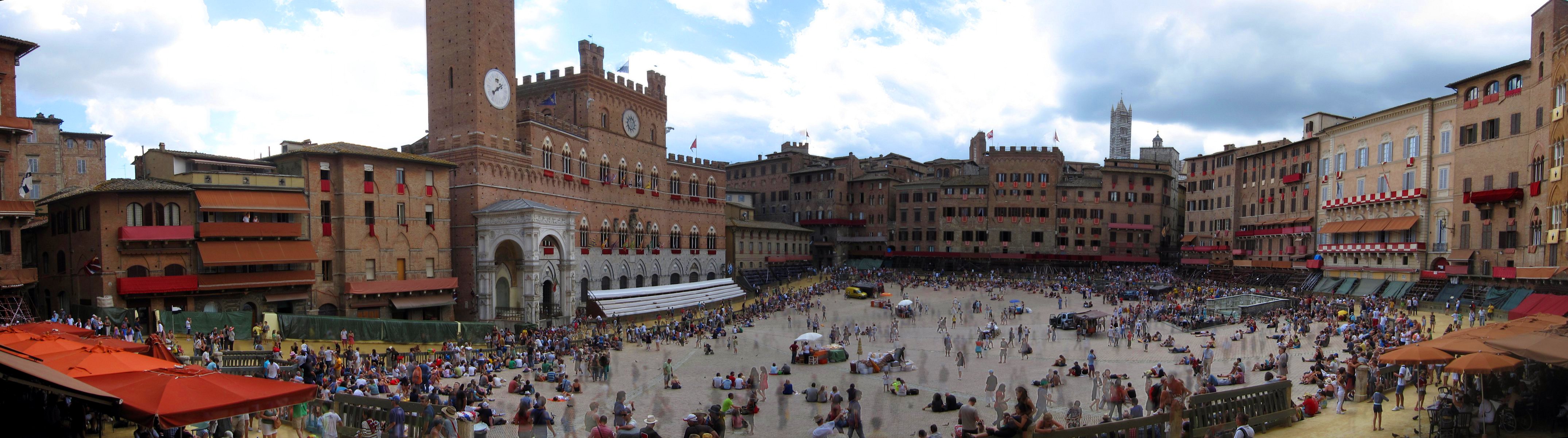
Scenes from the Palio di Siena

Liberamente nel Campo di Siena / Ogni vergogna deposta, s’affisse.
(Freely upon the Campo of Siena / All shame being laid aside, he placed himself.)
-Dante, Purgatory, XI 134-135

Having been born in Louisville, home of the celebrated Kentucky Derby, I was pretty keen to hear about another famed horse race in Italy, the Palio di Siena. This race is generally held twice annually, on July 2 and August 16, and takes place in the town’s main square, the Piazza del Campo. A dirt track is laid out on the ground, bleachers are thrown up and the town takes a day off to carouse and carry on a centuries-old tradition.

Turning Back Time in Florence

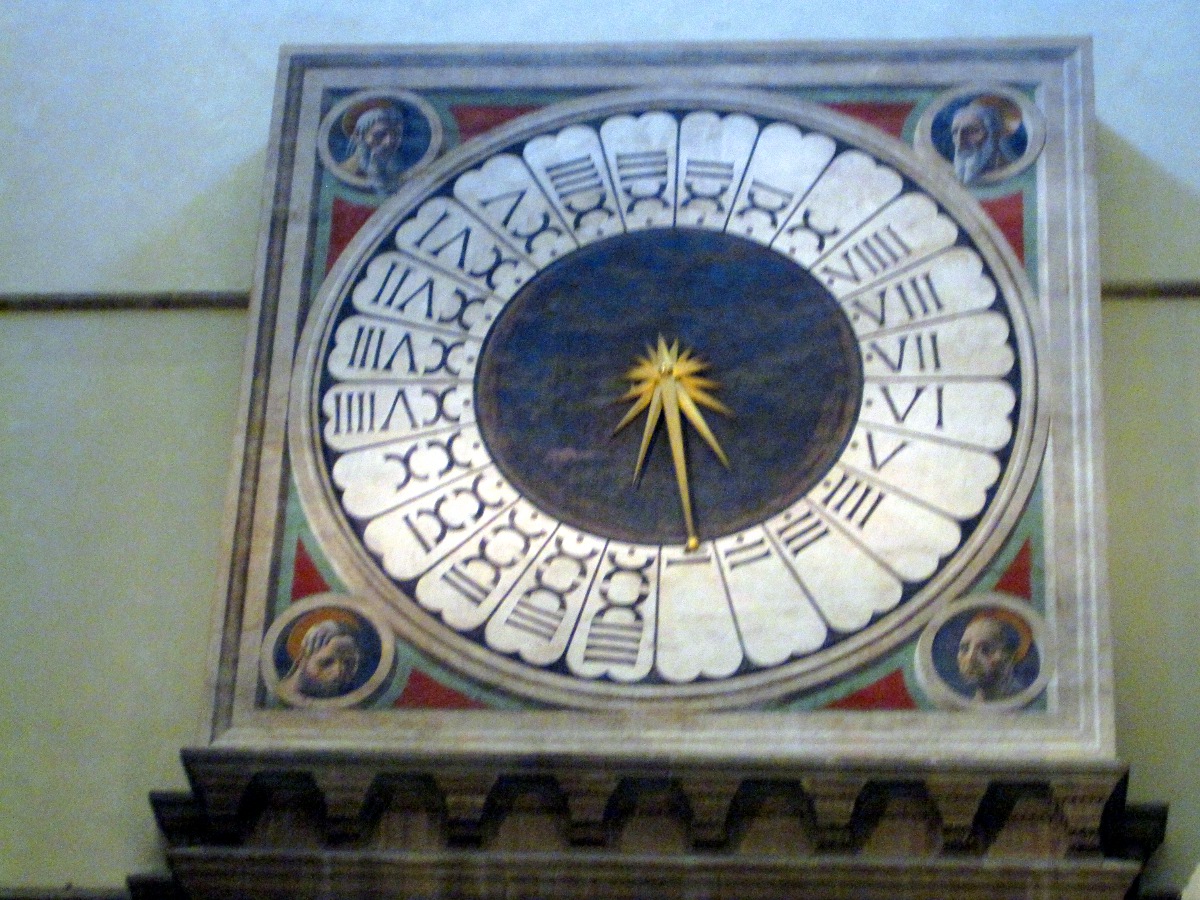
The clock inside the Florence Duomo runs counterclockwise and starts its days at sunset (it is 4-6 hours fast). This is because when the clock was designed in the 1400s, sunset was the point at which the city gates were closed and all residents had to be inside the city walls.

It was the worst of times possible to visit Florence.

August 15 is the height of ferragosto, or summer holiday season in Italy. It also marks the Feast of the Assumption, and is a public holiday in most Catholic countries. The word comes from Latin for feriae Augusti (August vacations), and any proper Italian worth their salt jets to a beach (or possibly mountain) resort and spends the month surrounded by sand and surf. The cities are vacated and left for the hordes of tourists who descend upon Rome, Florence and Venice, wondering why the storefronts are dark and empty. To be fair, things are a lot better now than they were a few decades ago, when Italian news channels would televise shots of hapless tourists wandering outside closed museums, and elderly residents struggling to find an open pharmacy or bakery to buy a loaf of bread. These days, local authorities have mandated that a certain number of businesses need to stay open, so that basic needs can be supplied. Still, my 36 hours in Florence were one disappointment after another, as almost all the independent retailers not geared towards tourists displayed the ubiquitous “chiuso per ferie” (closed for holiday) sign. Did I mention that it also rained all day?

Soaring Through Centuries: Falcons and Farms in Tuscany

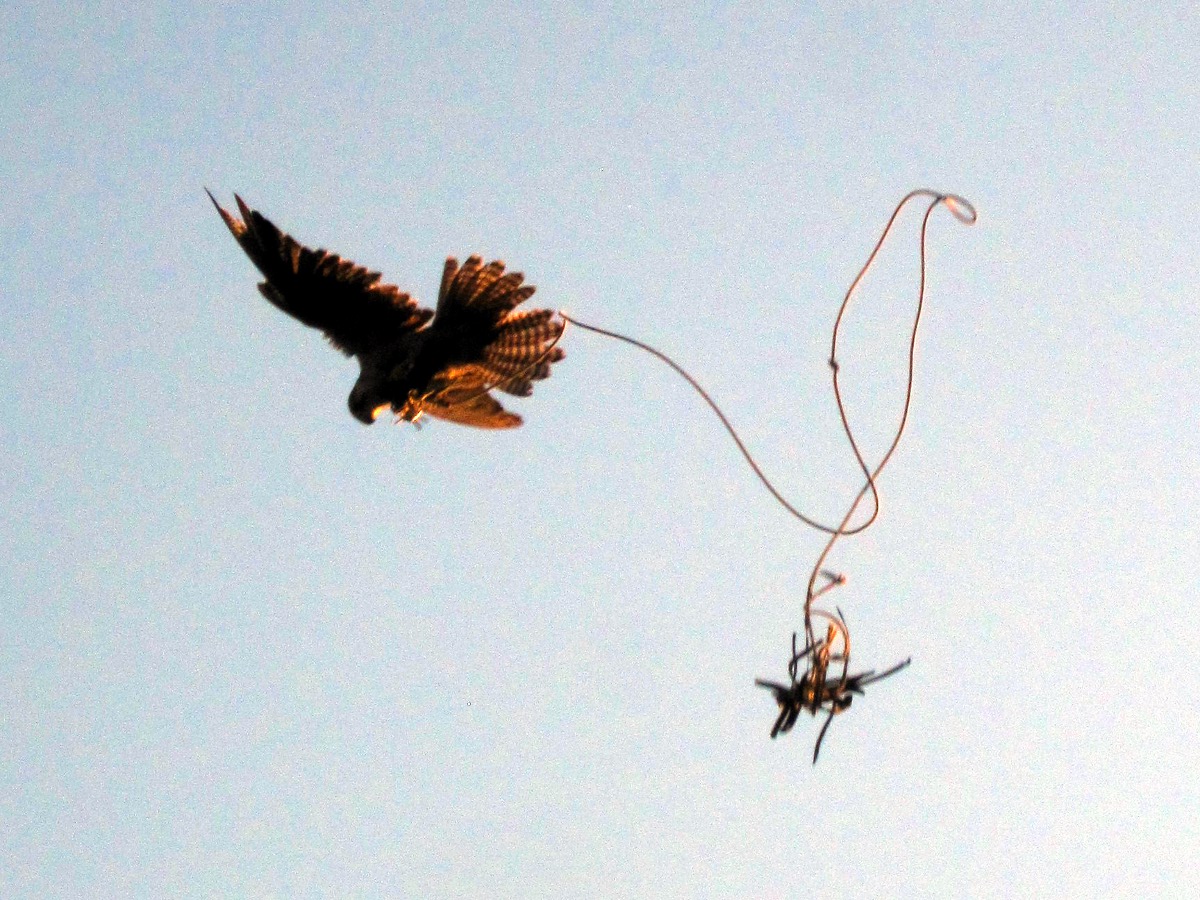
A falcon catches a lure mid-air.

After a 7 hour battle for seating on a hot, overbooked train, I stepped off the platform in San Miniato and took a good look around. This was Italy’s famed Tuscany, the stuff that Hollywood movies and expat marriage dreams are made of. All was quiet, and I paused uncertainly as I looked at the empty train station waiting room. If I were a WWOOF host, where would I be, I thought to myself. My worries were allayed however, when I spotted a woman waiting around the corner. She approached me with a smile and said, “Hi, are you Crystal? I’m Amy, nice to meet you, I’m glad that you made it!”

The Italian Work Ethic

Me: “I’m sure Italians are very hardworking people!”

Italian: “Don’t be silly, all the hardworking Italians are already in the U.S.”

After I announced my move to Italy and the initial excitement had subsided, the jokes started rolling in about the work ethic of Italians and southern Europeans in general. I reassured myself that I’d be living in northern, rather than southern Italy, and surely it would be nice to take a break from the frenetic pace of American work habits? I mean, who needs to run errands between the hours of 12:30 and 3:30 pm anyway? (Most Italian businesses are closed closed in the afternoons, on Sundays, and often on Saturdays and Mondays as well.)

Infrequently Asked Questions on Cinque Terre

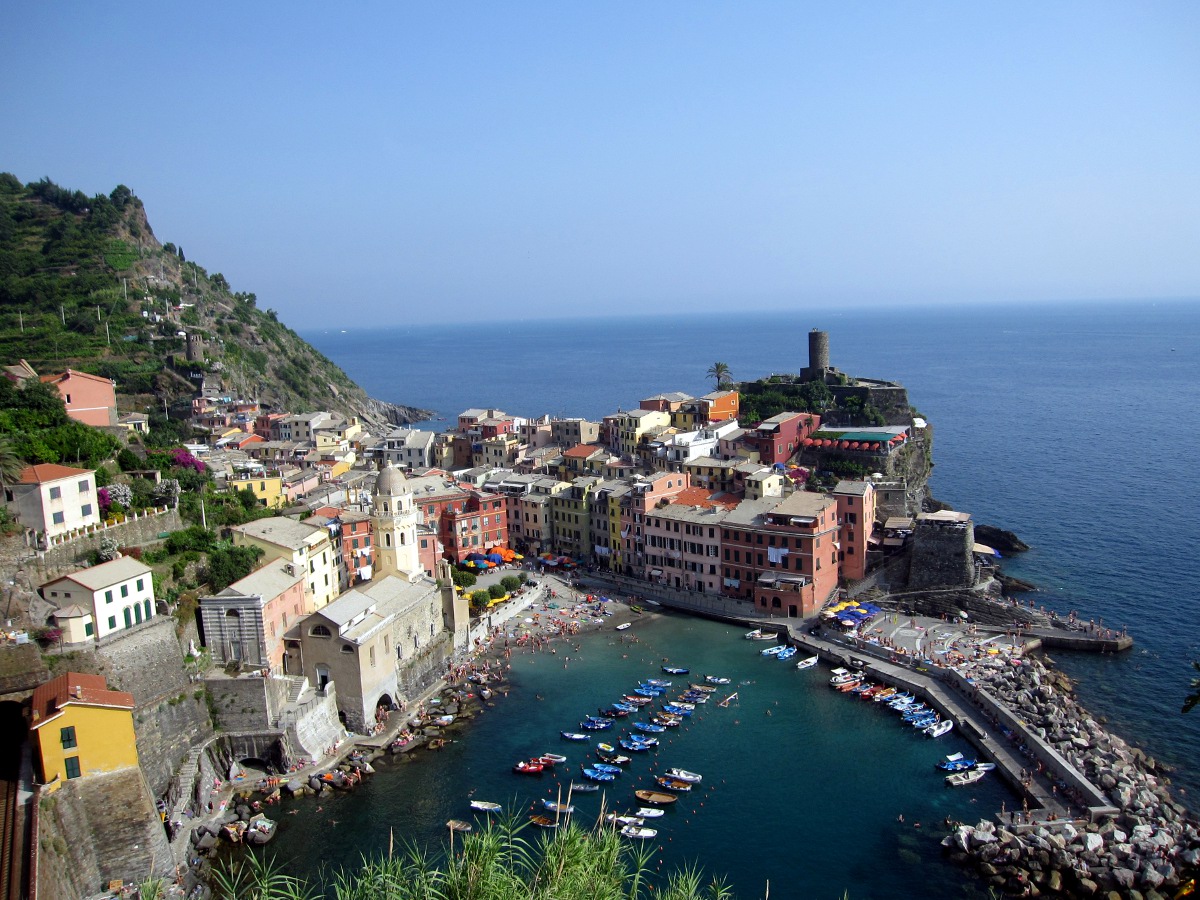
Overhead view of Vernazzo, on the trail towards Monterosso

What is Cinque Terre?

Cinque Terre, or “five lands,” is a series of small seaside towns in the Italian Riviera, in the Liguria region. It is widely known for being one of the most beautiful places on earth, and is recognized as a UNESCO Heritage Site. Visitors can hike the trails between the five towns and be rewarded with gorgeous cliffside views of the sea. Unfortunately, the booming popularity of the region has turned Cinque Terre into something more akin to Disneyland, particularly during the high summer season. The influx of American tourists toting Rick Steve’s guidebooks, kitschy souvenir shops and high prices has warped the towns into a bit of a tourist trap, where more English is spoken than Italian.

Travel Note: Piedmont Stage

Fresh off the heels of a trip to Puglia, we will be away on stage again this week, this time to our home region of Piemonte! Unlike last time though, we will be returning home every night to sleep in our own beds (yay!) and use our own computers (double yay!). So, I expect to not be continuously whining about the lack of internet access.

Piedmont is well known for its rolling mountains, wines (Barolo) and chocolate (in Turin). A sample itinerary (for Thursday July 8th):