Italy

What Do I Bring to UNISG


Photo: NYT

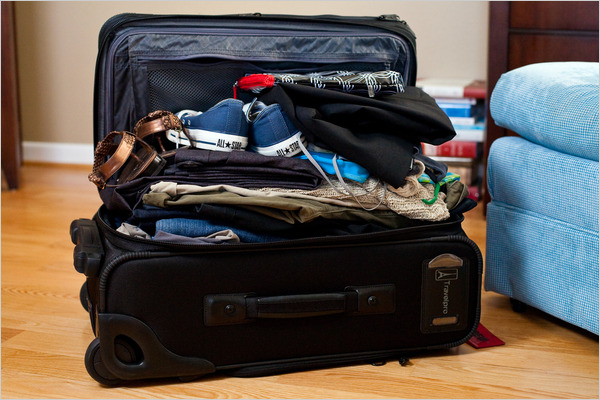
So, my last post didn’t dissuade you and you’re packing your bags anyway to attend the University of Gastronomic Sciences. Congratulations! Here is some advice on what to lug in your two suitcases, each under 23 kgs.

It’s obvious but must be said: when you pack, don’t forget you will have to bring it all back! Or consider bringing items that you would be comfortable donating to charity at the end of the year.

Signs That You Are in Italy

  • “These paintings are from the 17th century, so they are very modern.”
  • You have seen two straight men wearing purple pants in the last four hours. One had a matching lilac shirt and purple moccasins.
  • Voice acting is a serious study; the dubbing is spot on for American TV programs.
  • Coach buses come with coffee makers.
  • McDonald’s is placed next to Roman ruins.
  • You pull to open a door, push to close.
  • Wine is cheaper than petrol.

A Chat with Slow Food Founder Carlin Petrini

In 1986, the first branch of McDonald’s in Italy opened in the heart of Rome, at the Piazza di Spagna. As in many other countries, protesters howled and demonstrated. One man took decisive action.

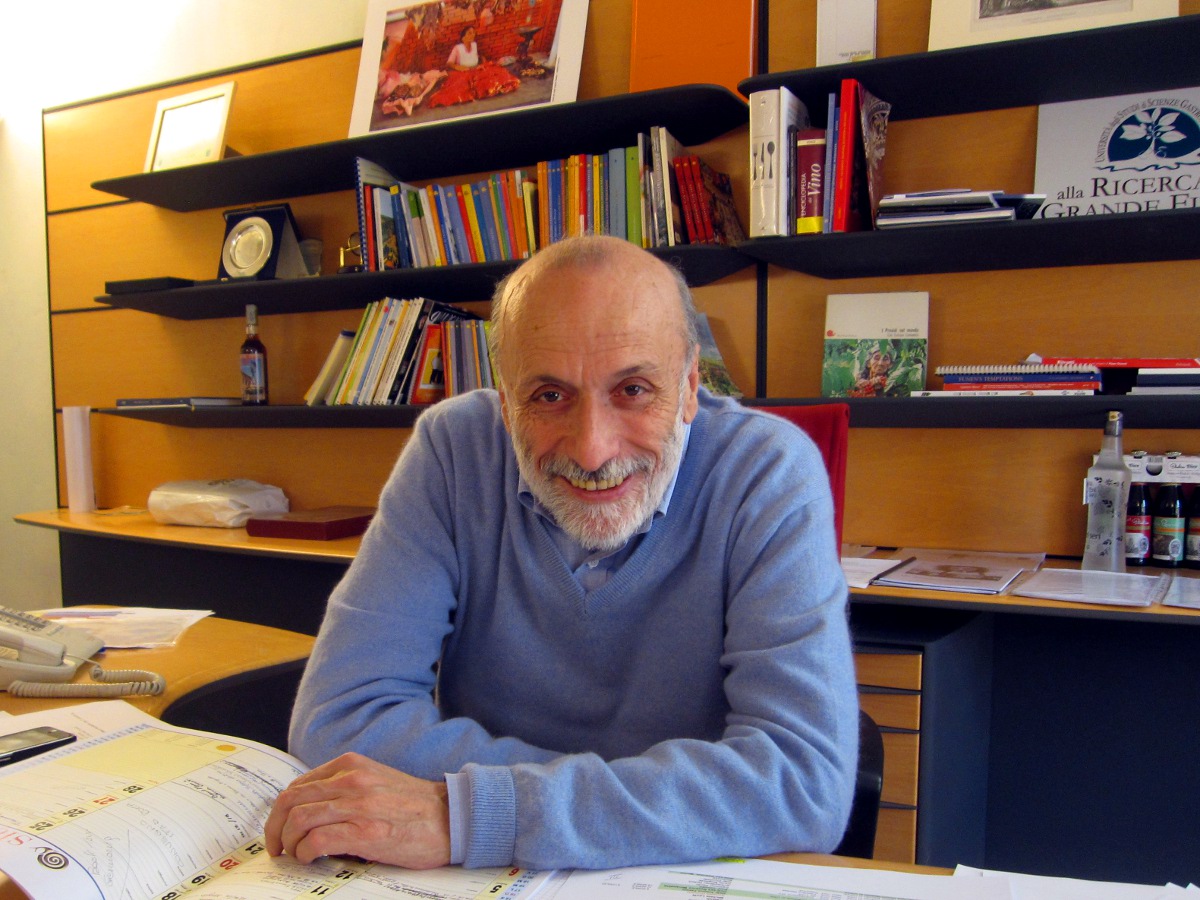
Carlo Petrini, or Carlin as he is known to Italians, has quietly grown from being a little-known left-wing journalist, to becoming the leader of one of the world’s largest food activism organizations. Concerned about the encroachment of multinational influence on traditional food culture, he built a resistance movement to defend and protect local food ecosystems, a counterpoint to the unrelenting onslaught of corporate hegemony.

A Grating Topic: Parmesan Cheese

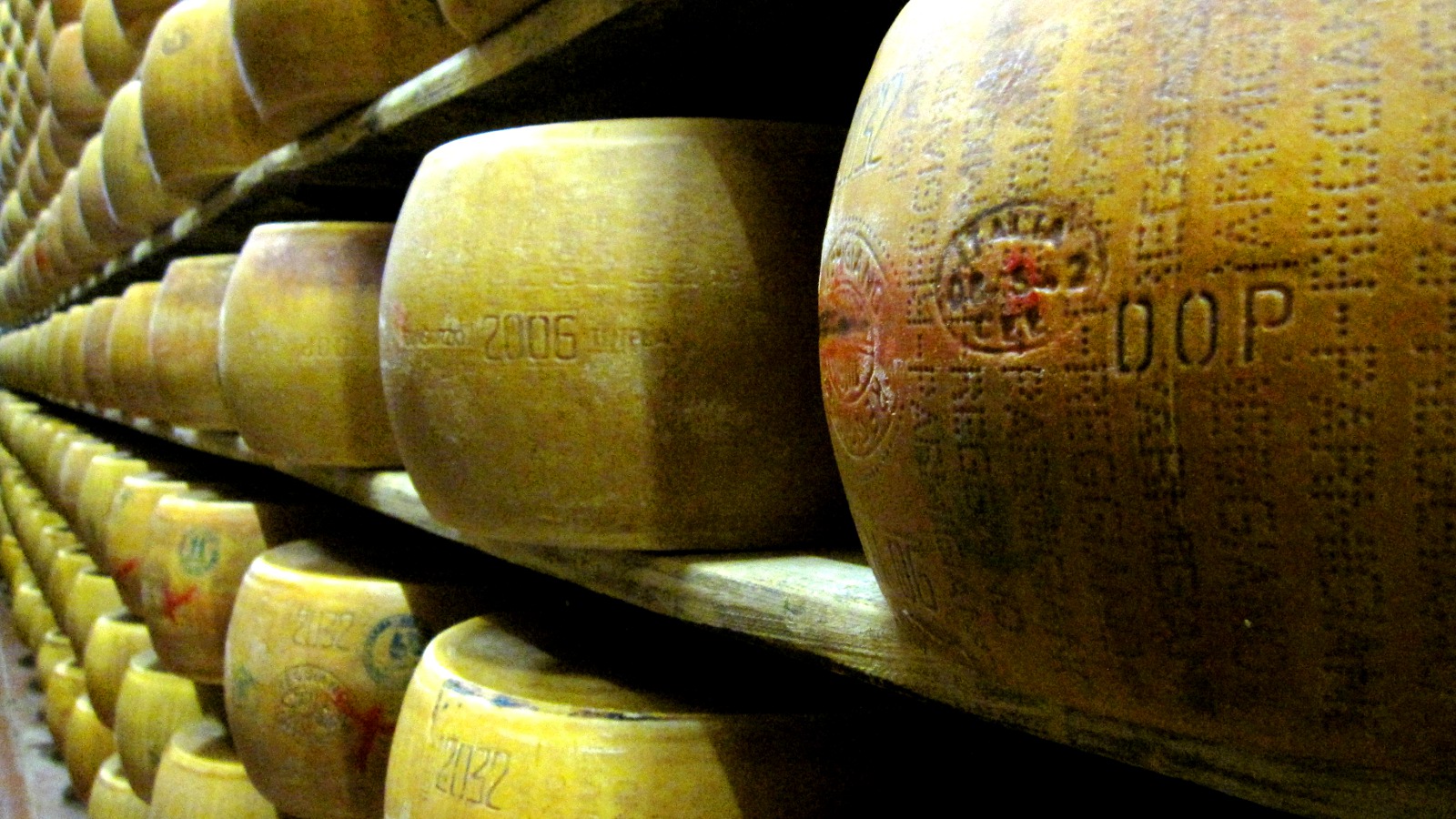
Toward the end of 2008, there was an unpopular multi-million dollar bailout by the government for the benefit of a single industry. No, I’m not talking about Wall Street, or the auto manufacturing industry, or insurance on obscure structured finance products. I’m talking about the Italian cheese market.

Back when the rest of the world’s politicians were stumbling over how to manage the global financial crisis, Italy enacted measures to help its cheesemakers. The government bought up 100,000 wheels of the highly touted parmesan cheese, along with 100,000 wheels of another popular cheese, grano padano. The reason? The wholesale price of these cheeses had fallen to €7-7,50/kg, below the production cost of €8-8,50/kg needed to make traditional parmigiano-reggiano cheese. And if the country’s signature cheese industry went under, what else would Italy have to offer? Mio dio! Thus, much parmesan was bought to help prop up the price and rescue Italy’s 430 or so parmesan cheesemakers. The food was subsequently donated to charity.
The Barilla Gorilla: A Day Inside Academia Barilla

Do you know what Italian company was single-handedly responsible for changing the texture of America’s pasta?

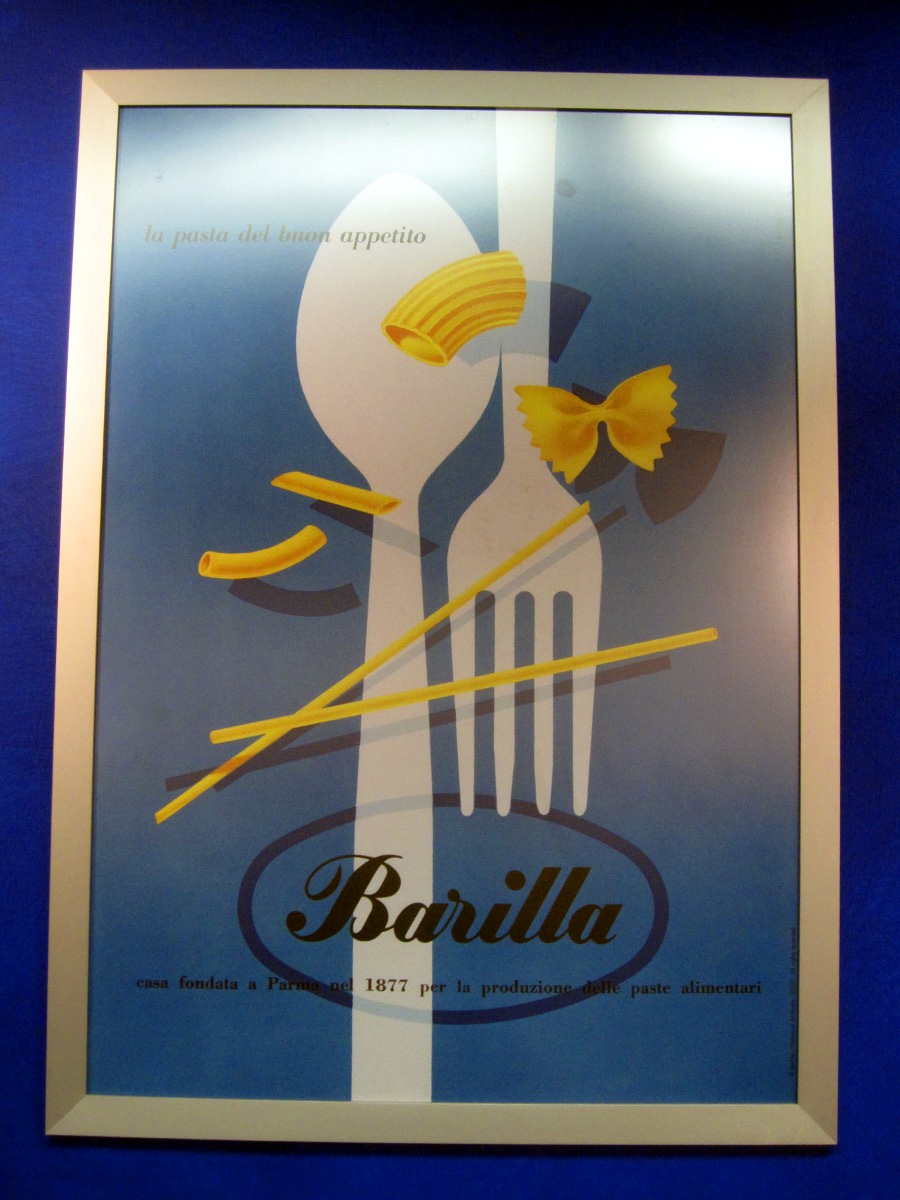
Barilla was founded in 1877 by Pietro Barillo Sr., who began the business as a simple pasta shop in Parma. The company is now on its fourth generation of family owners, and has been almost continuously privately owned, save for a gap in the ‘70s when Barilla was bought out by U.S. multinational W.R. Grace. In 1990, Barilla began aggressively expanding into international markets, through the acquisition of local pasta companies and the development of manufacturing plants abroad. This included the creation of the first American plant in Ames, Iowa in 1999, with a second plant following in upstate New York.

Sausage Party, or the Stuff FDA Nightmares Are Made Of

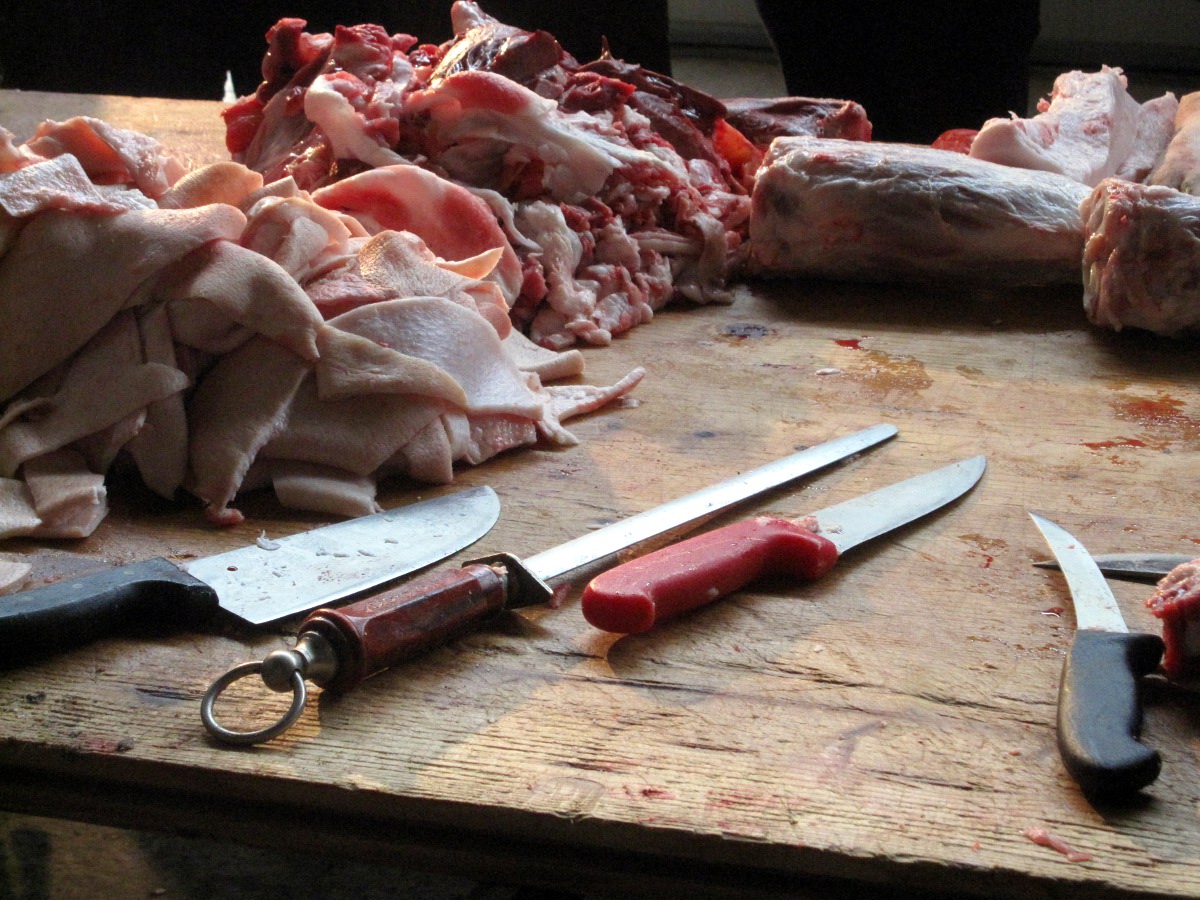
Still foggy with sleep, we tumbled off the bus to see two wood-fired cauldrons, belching out clouds of smoke and steam in a medieval fashion. The air was filled with the finest perfume any gastronome could wear: the scent of pig lard.

I found myself on yet another of northern Italy’s ubiquitous small-scale farms, surrounded by idle farm machinery, deadened remnants of the fall harvest, and the sharp smell of pig shit. This trip had been touted on the syllabus as a visit to an “artisanal butcher,” but we were about to see that this butcher was one of the more minimalistic variety.

Travel Note: Emilia-Romagna Stage

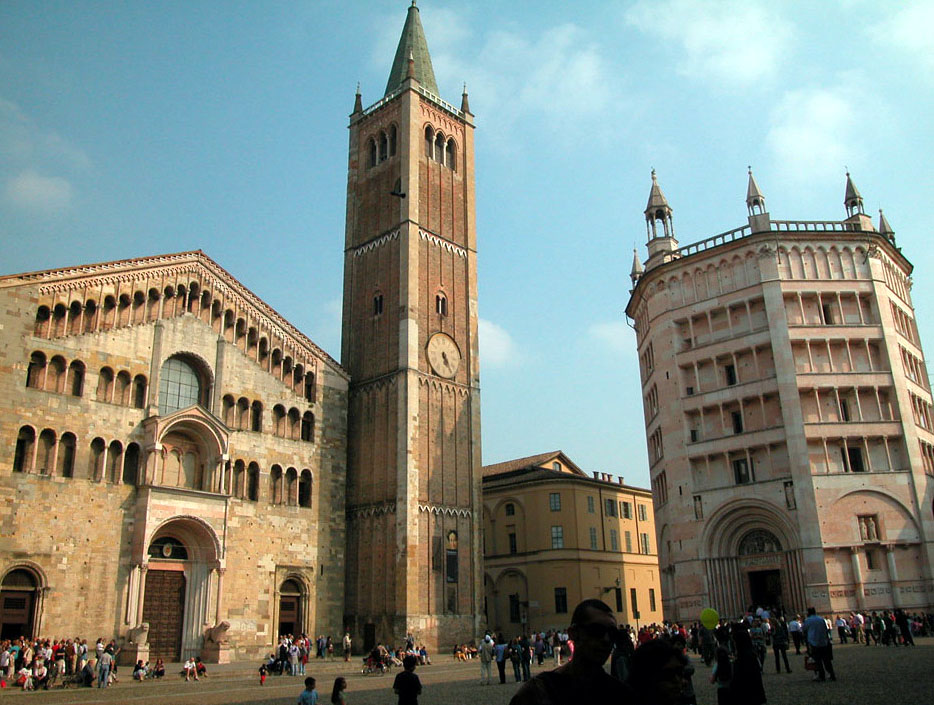
Chiesa di Parma

I’ve been back in Italy for only a week, which means it’s time for another stage! For our last intranational trip, the Food Culture masters students are traveling to Emilia-Romagna, a region in northern Italy that is credited with having the country’s highest quality of life (and cost of living). Here you will find the grand Renaissance city of Bologna, home of the oldest university in the world, and the cities of Modena and Parma. These latter two are the namesakes of the world-renowned products Modena balsamic vinegar and Parma prosciutto. In addition, we will be exploring and tasting our way through culatello (ham aged in a bladder), salami, cotechino (boiled sausage) and pasta. Good thing there are no vegetarians among us.

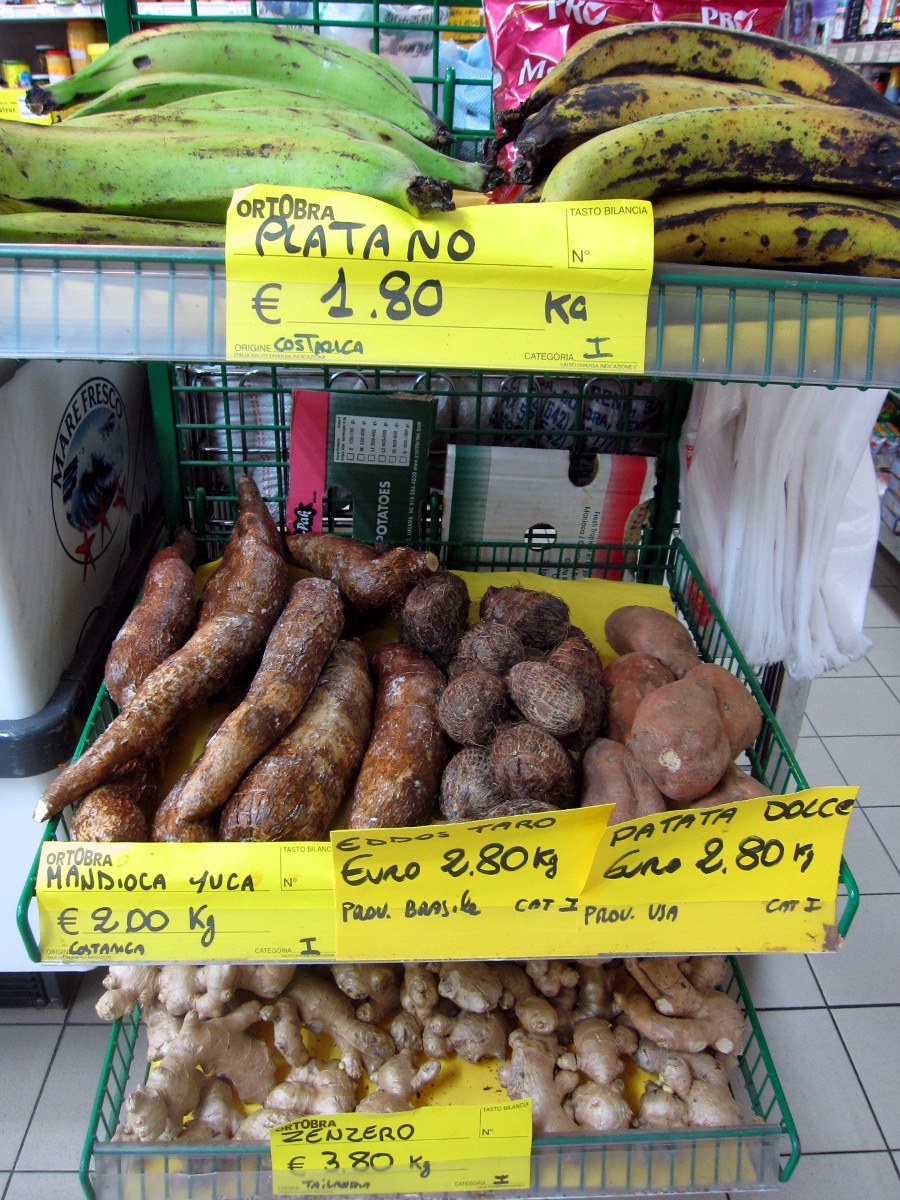
Finding Sticky Gold: The Greatest Grocery Store in Bra

Publication forthcoming in the January 2011 edition of the UNISG newsletter

The discontent arrived in fits and starts. Mere days after arriving in Italy, I stood crestfallen at the market, valiantly searching for a bunch of cilantro. Piles of parsley surrounded me, a taunting, isomorphic reminder that I was far from home. The bulk bins were swollen with cannellini beans and lentils, but there was nary a sign of black beans. In the baking aisle, I combed the shelves for baking powder. Instead, thin packages with florid photos of cakes touted the ammonia-based leavening agent inside. Skeptical, I stifled my frustration and went home to yet another meal with pasta.

Winter in Italy

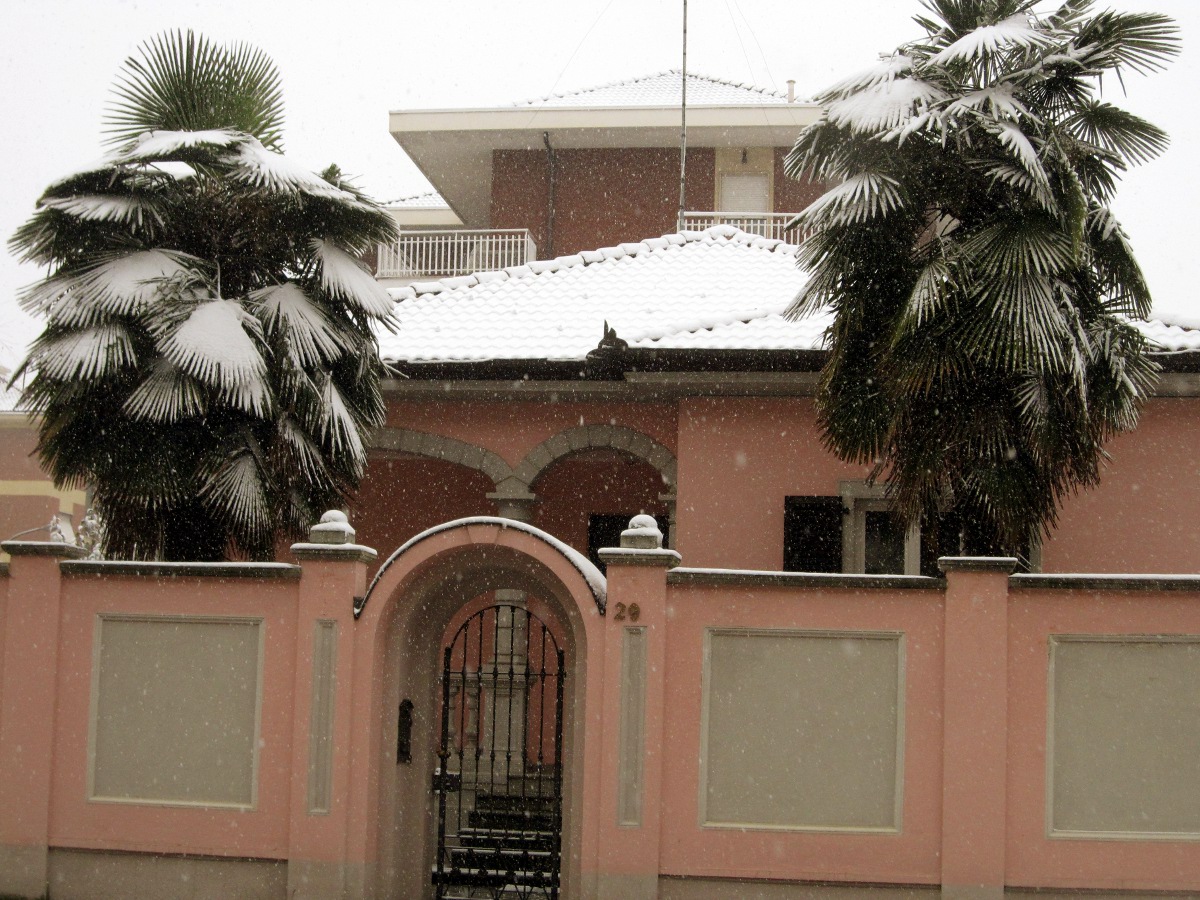
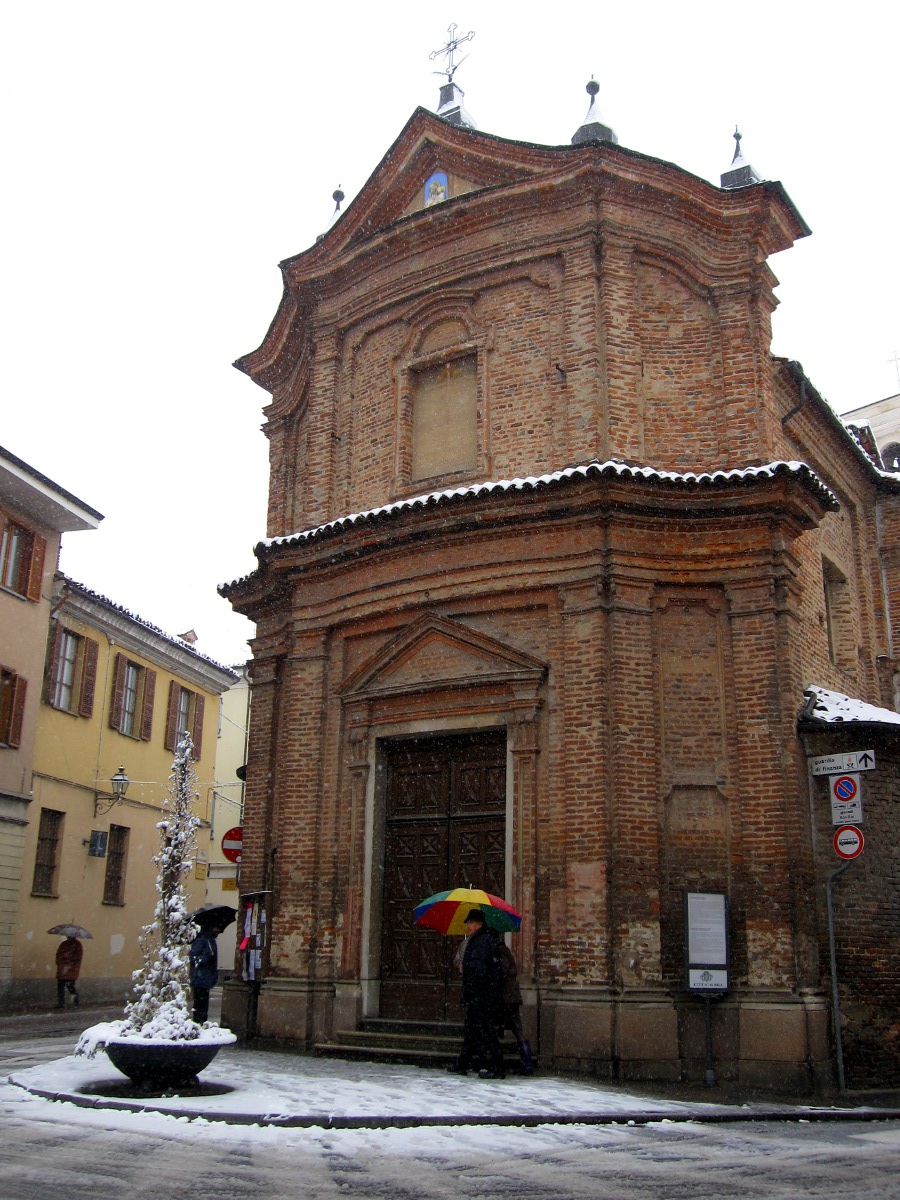
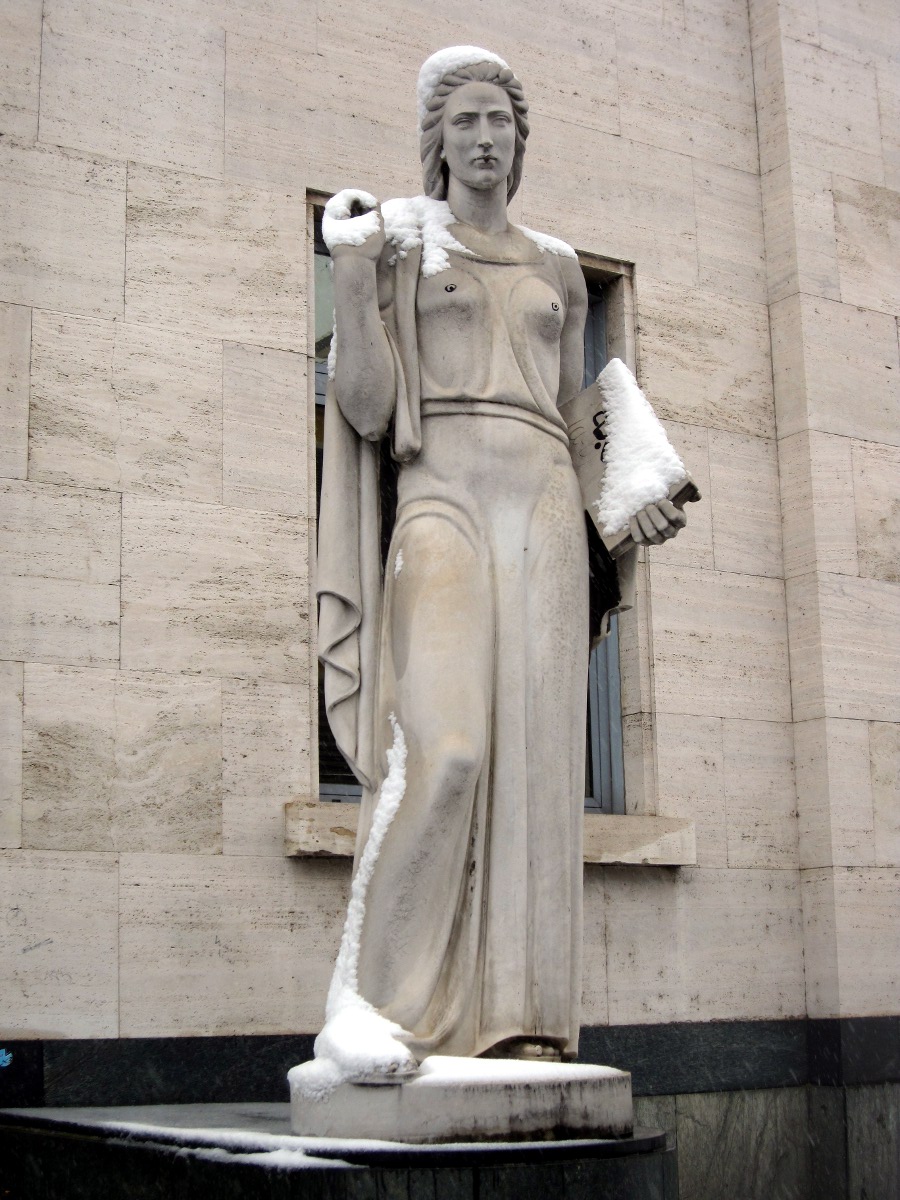
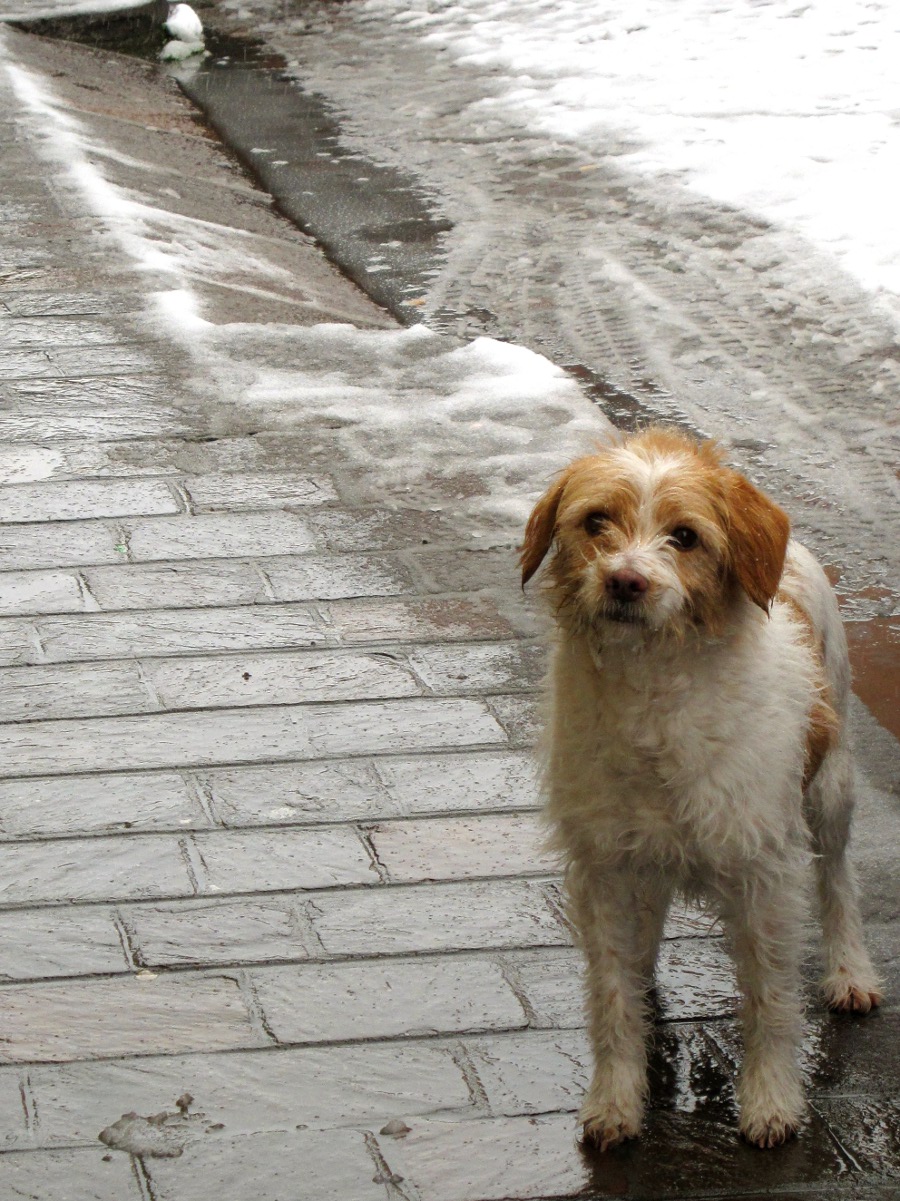
Today I woke to find that everything was covered in a pristine blanket of fluffy, white snow. It was the first snowfall of the season in Bra.

Townspeople gather to read town notices on the bulletin board outside the church.

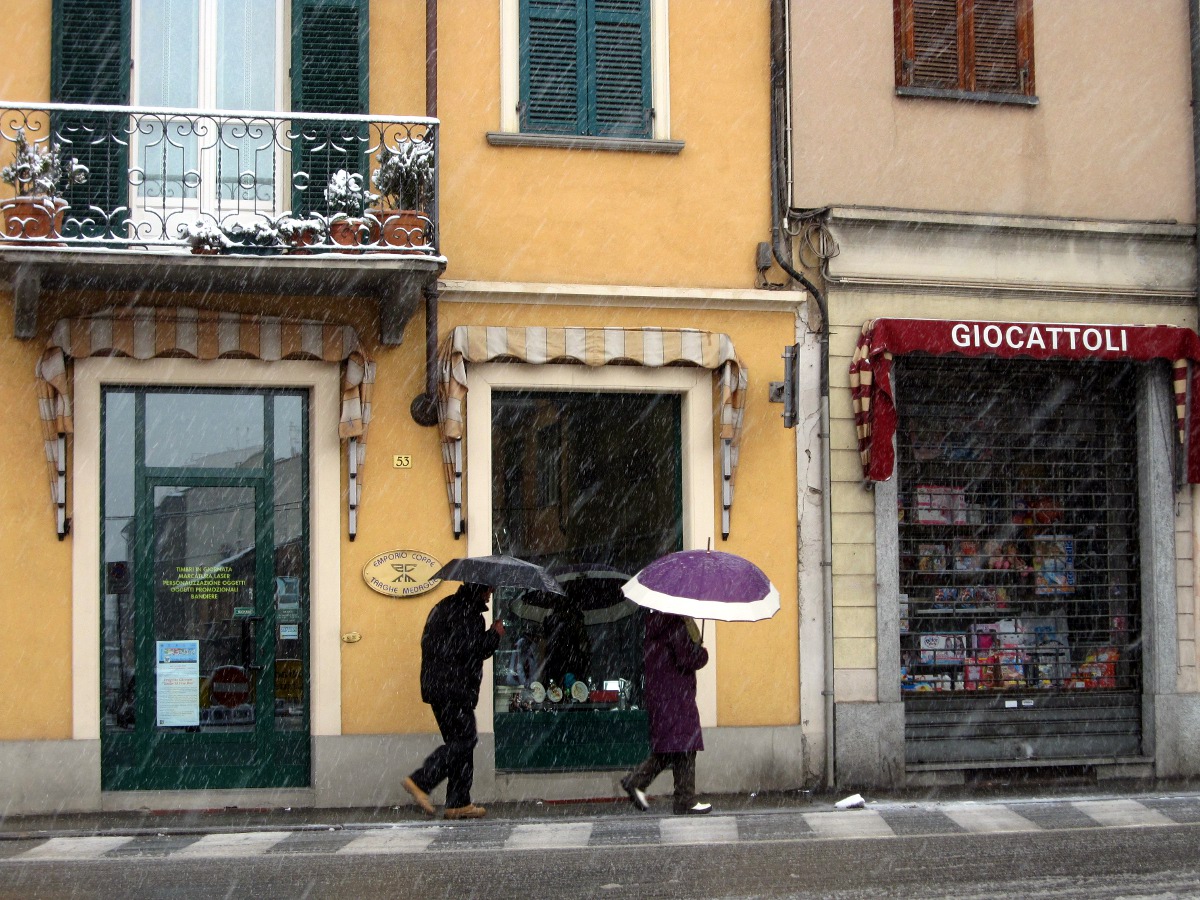
In Italy, umbrellas are commonly used by pedestrians to shield themselves from falling snow.

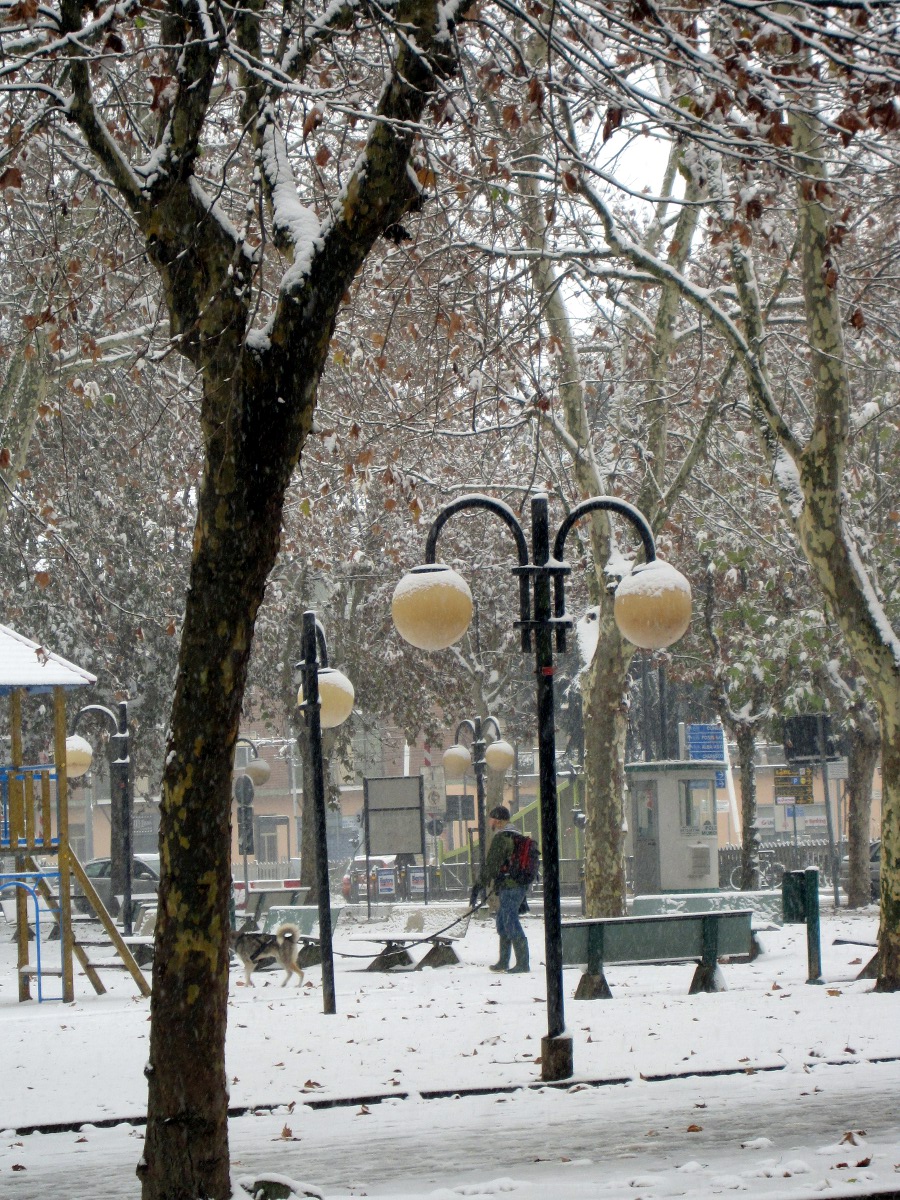
Playgrounds were hushed, save for the padding of dogs walking their masters.

Travel Note: Umbria Stage

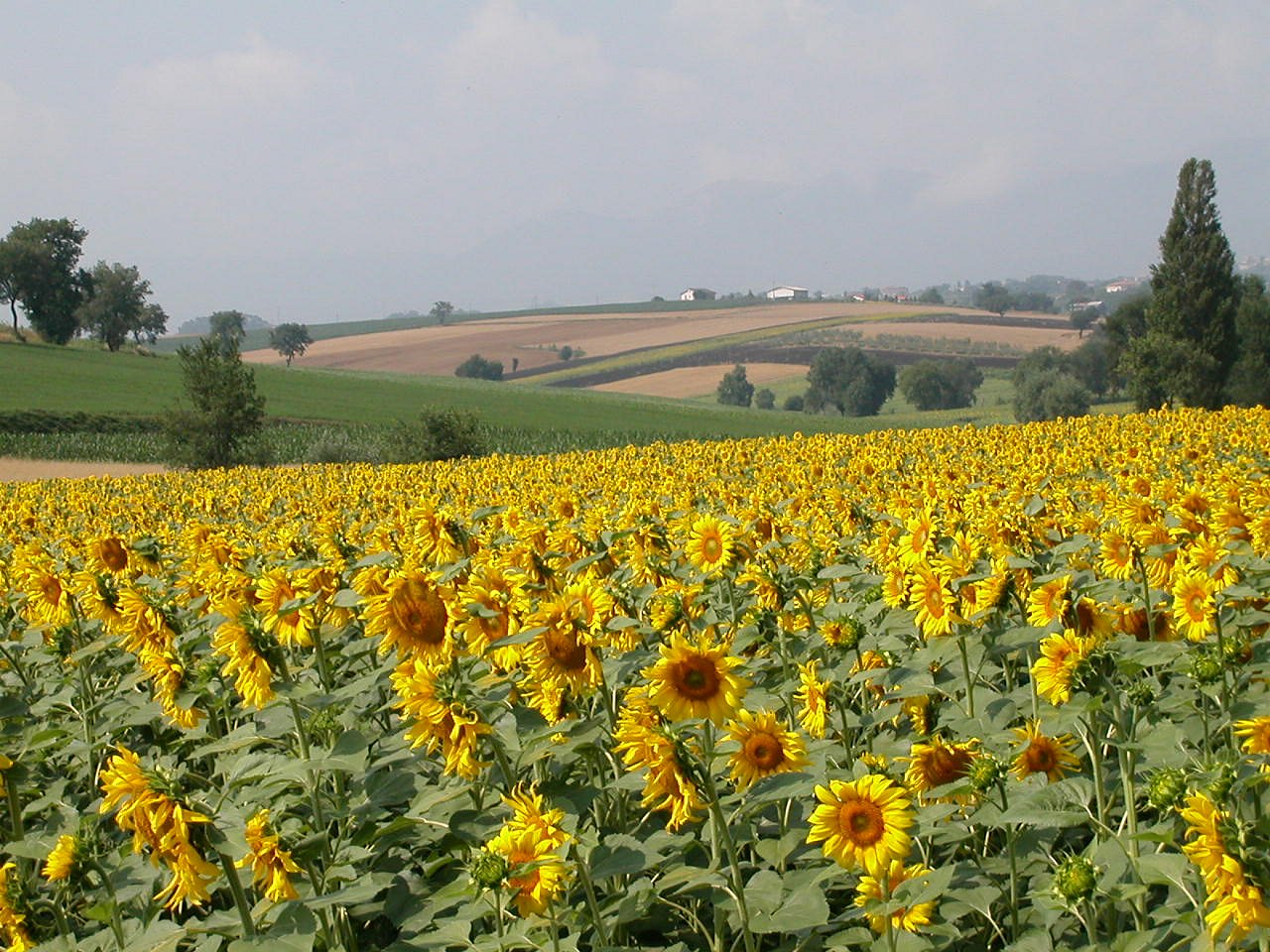
It’s that time of the month again; the UNISG masters students are heading out this week for another round of travel. The destination for this stage is Umbria, a region in central Italy, bordering Tuscany and Lazio, where Rome is located. It is the only region of Italy that has no borders with other countries and no coastal access. Over the next few days, we will be exploring Umbria’s famed olive oils, truffles, wines and cured meat products. Best of all, if the weather cooperates, we will be fishing on Lake Trasimeno with a bunch of local fishermen! I am mildly embarrassed to admit that I have never gone fishing before, so this is pretty exciting.