Italy

Puglia Food Products: Olive Oil, Capocollo, Wine, Cheese and Seafood
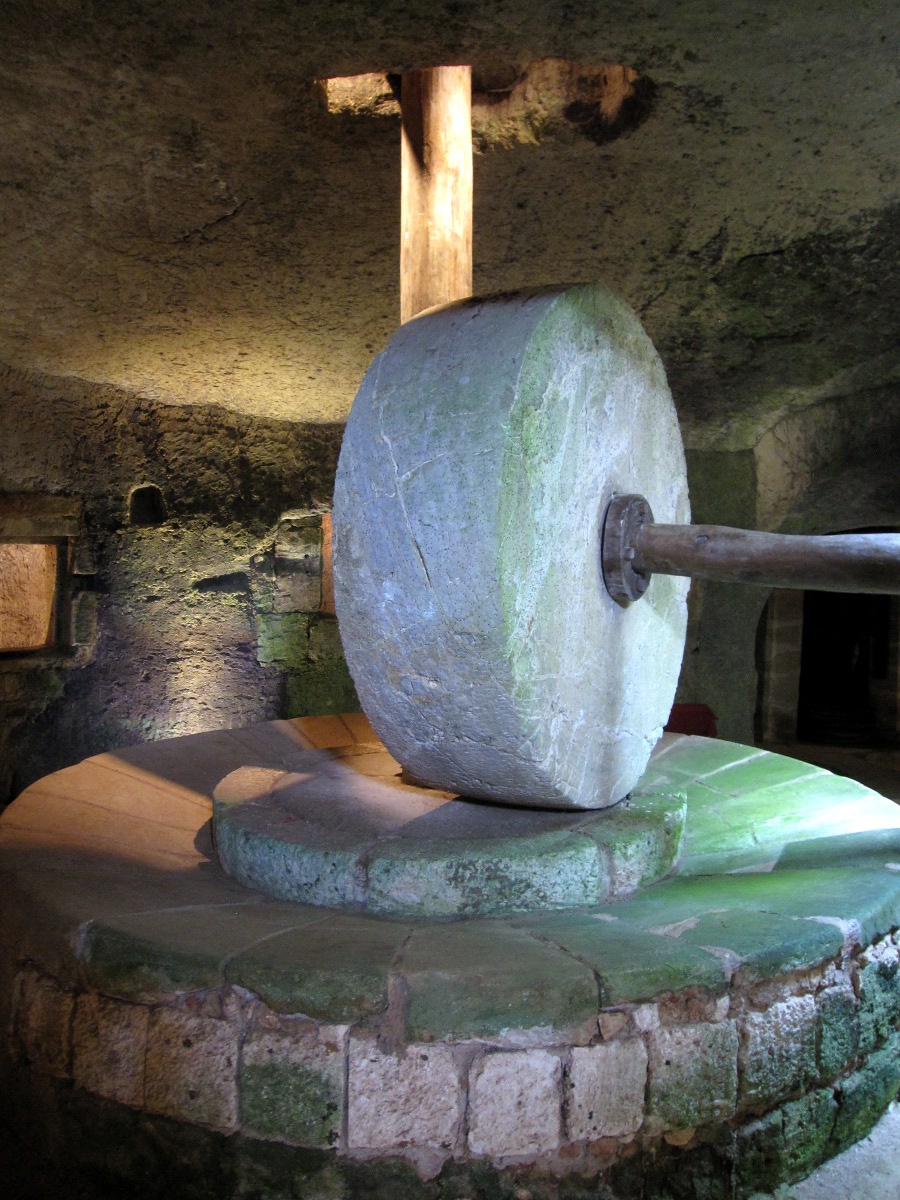
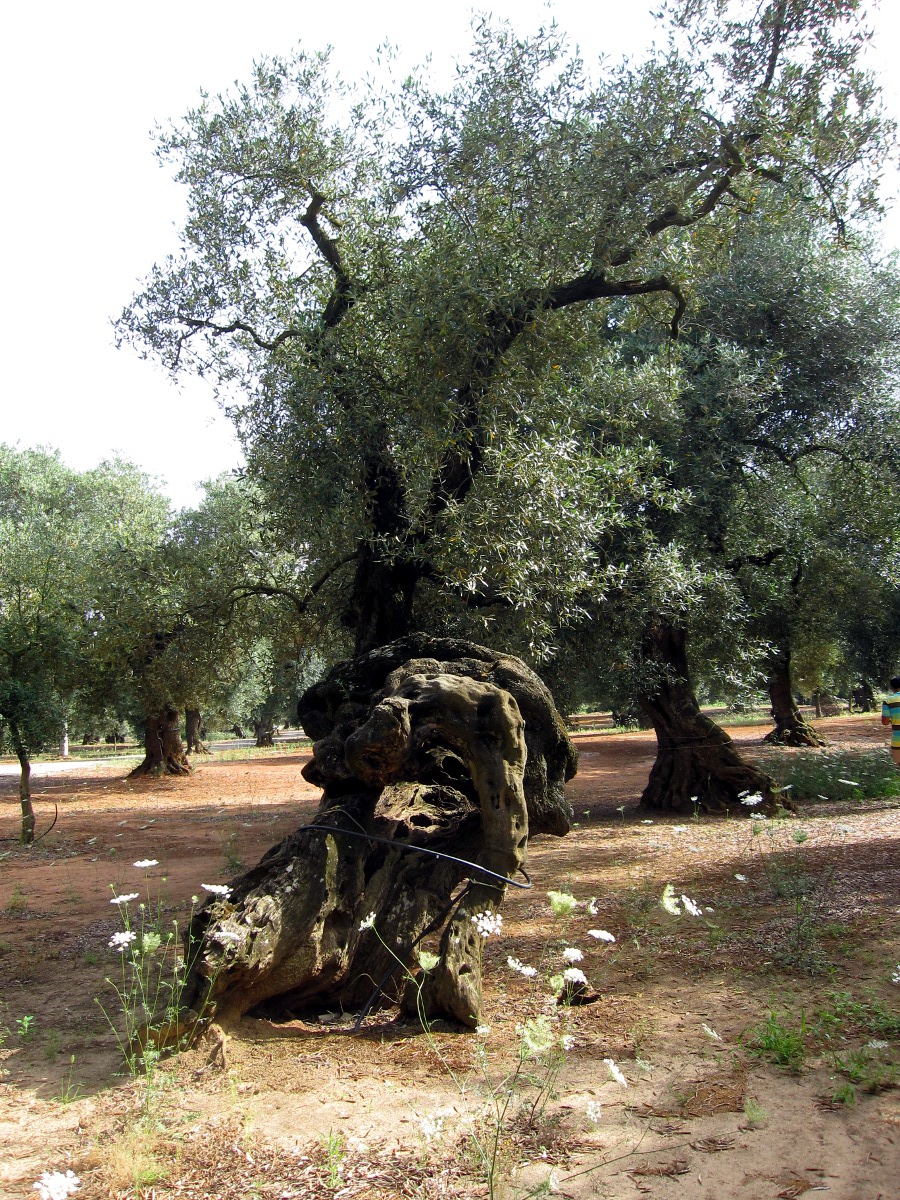
Grindstone for a 17th century olive oil mill, a thousand-year old olive tree

Though some time was alloted in Puglia for activities not requiring mastication, the bulk of the trip was spent at food production sites, restaurants and agricultural lands. I realize that this must sound like the best foodie vacation ever, but eating rich foods nonstop for a week is not as pleasant as it may seem. Some of us had the added stress of documenting the trip in detail because there is a paper and presentation required after the stage. By the end, we were all thoroughly sick of cured meats, cheeses and each other. A few people actually became ill, though I cannot say whether this was due to food poisoning, general infection, or the stress of traveling and eating from 9 am to 1 am every day. My advice for anyone who goes on these trips is to ingest plenty of fiber and choose your roommate carefully.
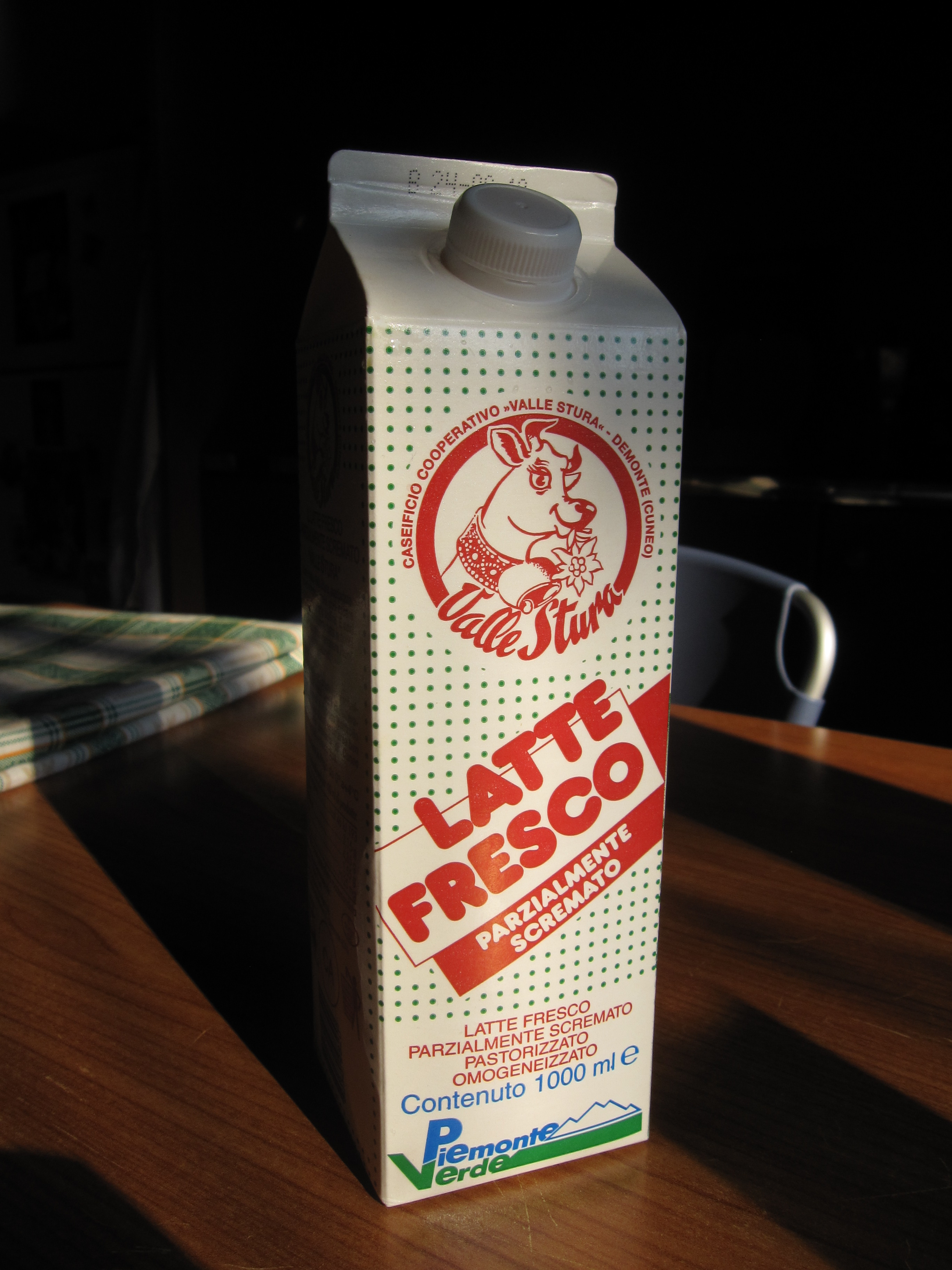
Confession: I Hate Italian Milk

Here in Bra, the heart (and physical headquarters) of Slow Food-landia, people are raised from birth to eat locally, cook with raw, unprocessed ingredients, and buy from small, independent producers. Great, these are philosophies that I have tried to uphold all along, so it’s not like I have suddenly been told to wear a burka.

Well, today I am going to go rogue and fess up about something that has been irritating the hell out of me: Italian milk. It sucks.

Scenes from Puglia


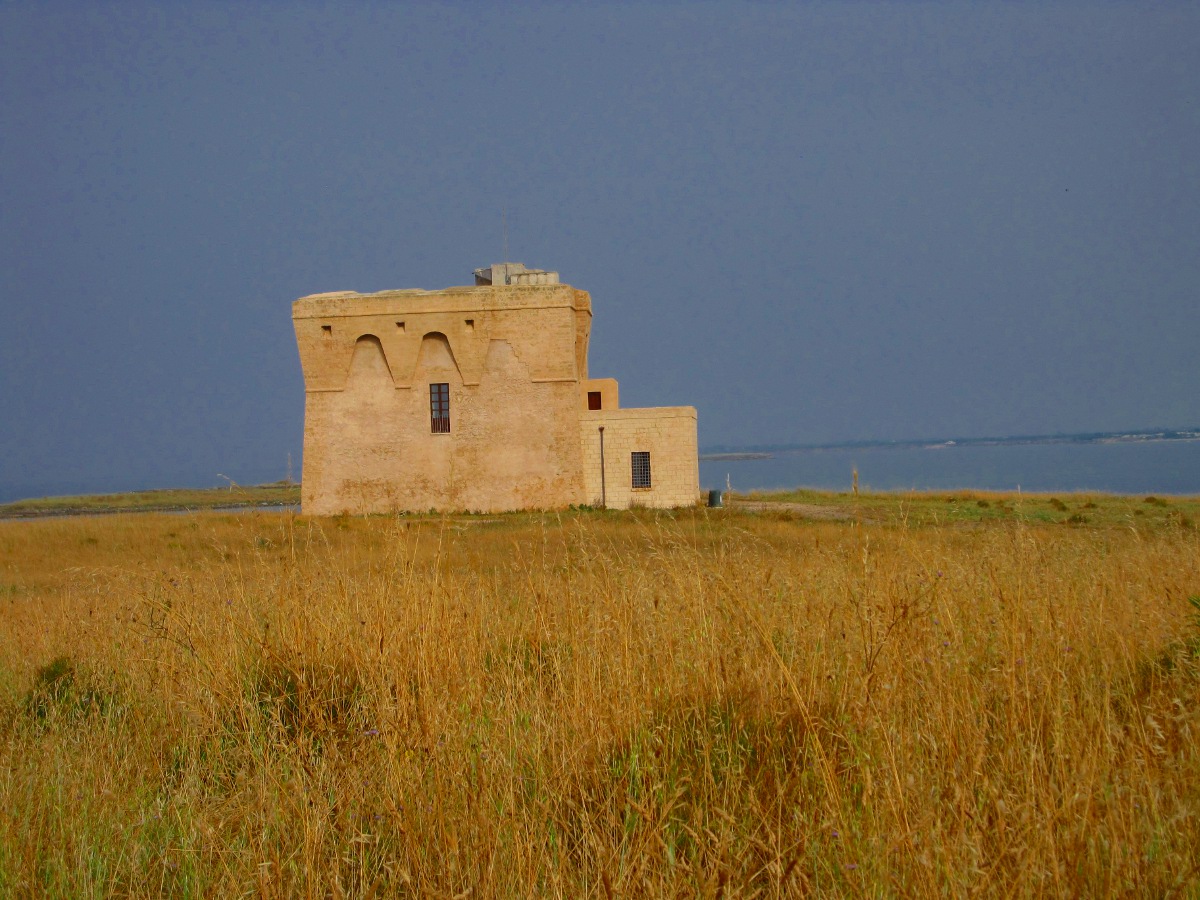
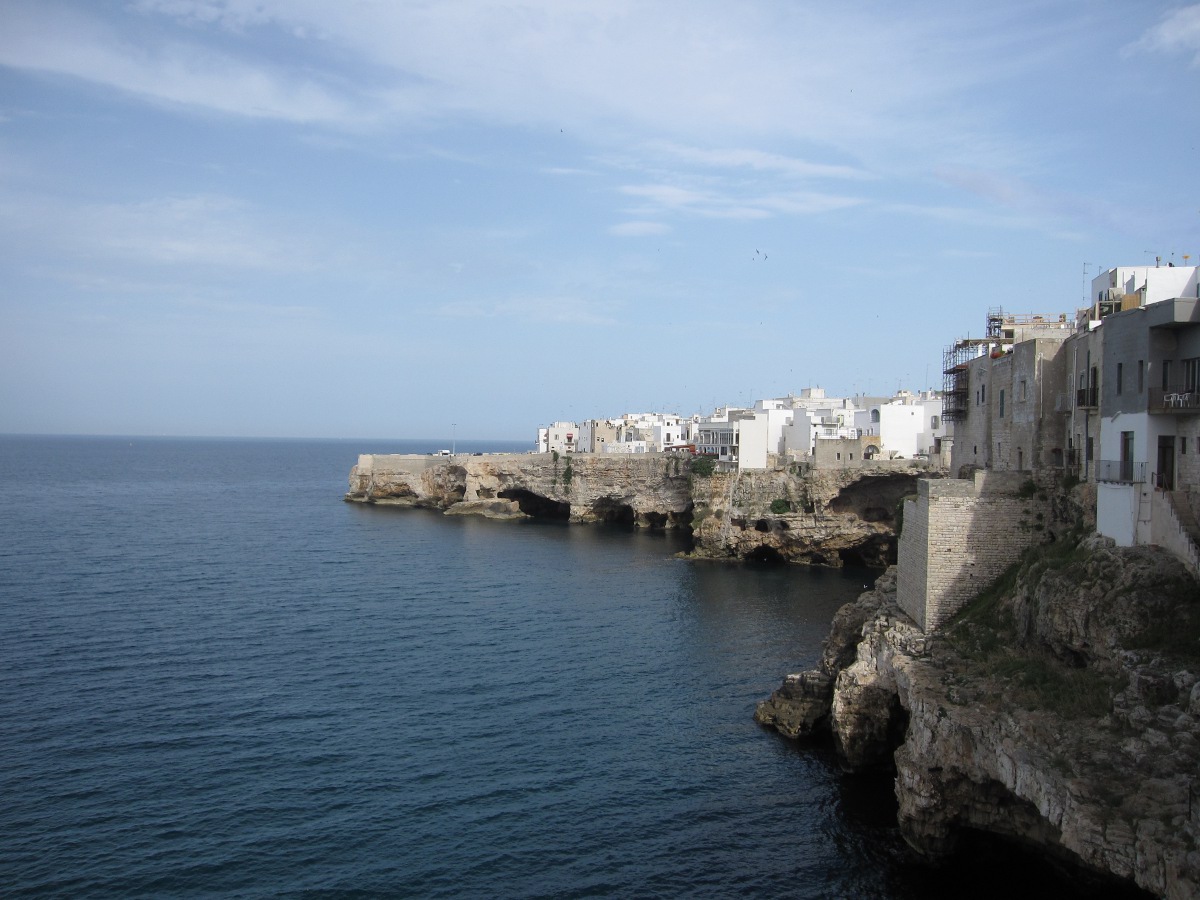
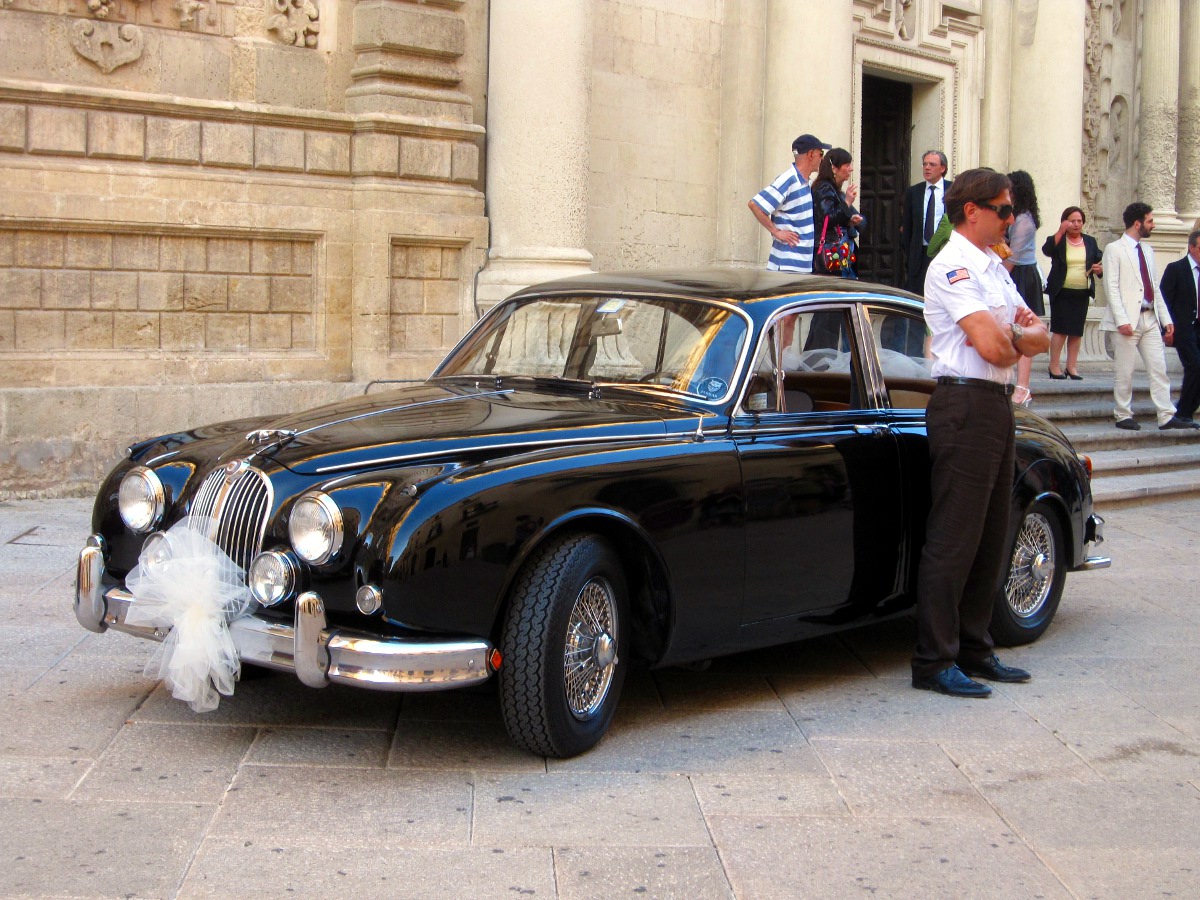
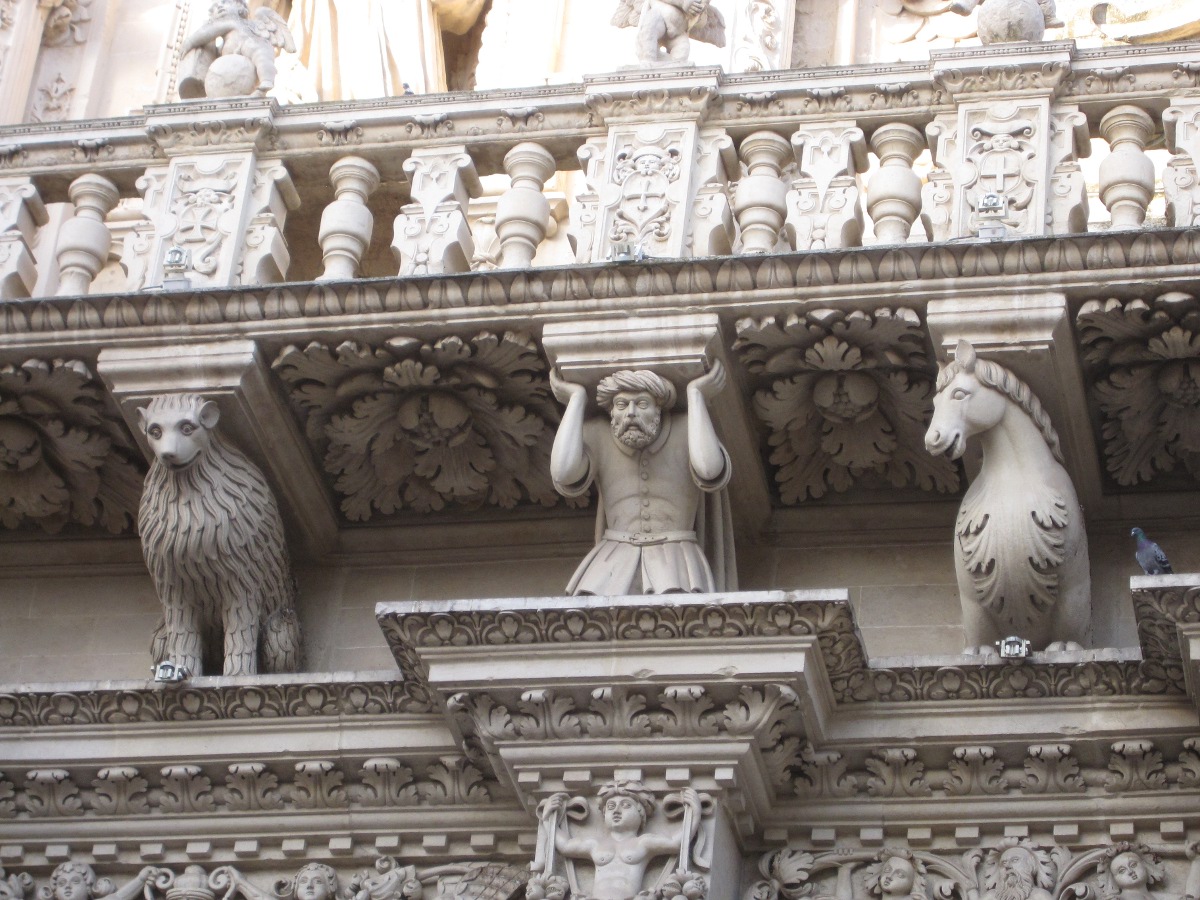
Clockwise: Gargoyles on a cathedral in Lecce, the 16th century watchtower of Torre Guaceto, a driver awaits outside a wedding ceremony, the cliffs of Pogliano a Mare

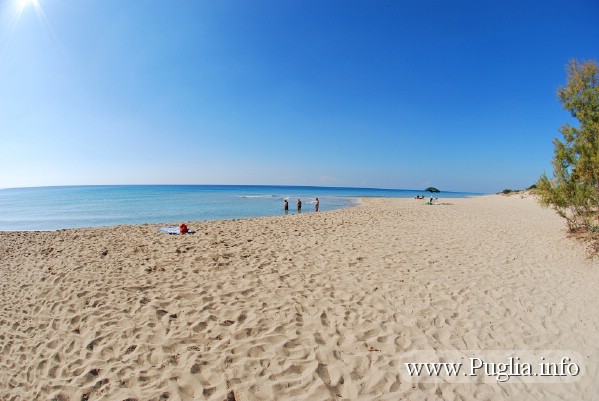
Located in the southeastern part of Italy (the heel of the boot), Puglia is a peninsula of a peninsula, surrounded by sea and just a 12-hour ferry ride across the Adriatic to Greece. Ah, the sea. Having lived in the midwest for several years, it’s been a while since I’ve heard the crash and smelled the sting of saltwater. And as you can imagine, the sea plays a major role in shaping Puglian history. Being first point of entry by sea, Puglia has been conquered by pretty much every major civilization and conquering marauder that has attacked Italy in the past few thousand years. Ergo, it has a rich history of influences from a variety of cultures. As such, the region’s people, places and activities are heavily influenced by the bountiful amounts of sunlight, seafood and historical exchange.

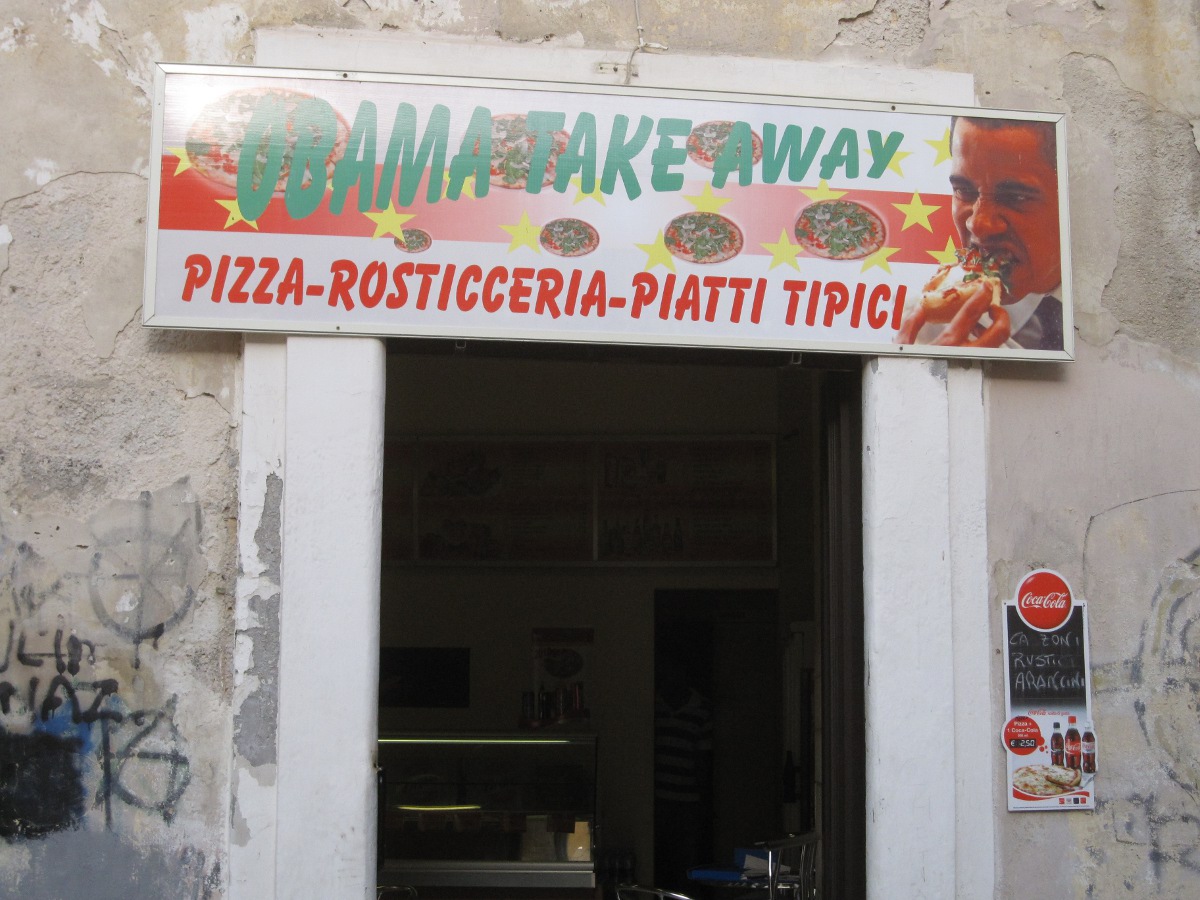
The Best Pizzeria Sign in Italy

Wifi access in Puglia has been sporadic and/or slow, but hopefully I will be able to upload bits and pieces of the last week’s adventures when I get home this weekend. In the meantime, I shall leave you with what is certainly the Best Named Pizzeria in Italy.

2 thoughts on “The Best Pizzeria Sign in Italy

  1. Travel Note: Puglia Stage

    An administrative note from the powers that be: we are traveling to Apulia for a stage (the Italian word for field trip) and will be staying there for the rest of the week. The UNISG program includes about a week’s worth of travel every month or so, where we go to another region of Italy or another country, and spend time learning about local products, meeting producers and sampling the specialties of the region. Puglia is well known for its olive oil, beaches and aggressive men. Ah, my first stint in southern Italy.

    Turin: Piazza San Carlo Panorama

    A panorama of Turin’s Piazza San Carlo, one of the most important town squares in the city. The Americans in the group lamented the lack of town squares in the US when we saw this one. Much of the architecture dates back to the 17th century, with an equestrian monument dedicated to Emanuele Filiberto (Duke of Savoy) in the center, flanked on both sides by the rococo Palazzo Solaro del Borgo, with twin baroque churches dedicated to San Carlo and Santa Cristina on the other end. In the Palazzo Solaro, you can see echos of admiration for the Louvre in Paris. In modern times, the plaza has been the site of many public gatherings, from victory celebrations for Juventus (soccer) fans to mass with the Pope to commemorate the public display of the Holy Shroud of Turin (believed to be the burial cloth of Jesus).

    Back Roads of the Italian Countryside, or My Daily Commute

    Note: This post is mostly geared towards UNISG students, so it will be fairly useless to you unless you need to get from Bra to Pollenzo.

    Living in Italy, you start to realize that there are always two ways of doing everything, the official system and the back door in-the-know route. Take the process of acquiring a permesso di soggiorno residency permit, required for all non-EU citizens staying in Italy for over 90 days. In Bra, you can either go to the Post Office, pick up an application kit and struggle to figure out what to put down so as to not have your application rejected, or you can go to the Al Elka-L’incontro center for foreign citizens, which provides consulting services and staff who fill out the application for you. Granted, the center is only open for 7 hours a week, on Tuesday afternoons and Friday mornings, but that is different gripe. Ah, Europe.