Food

Sausage Party, or the Stuff FDA Nightmares Are Made Of
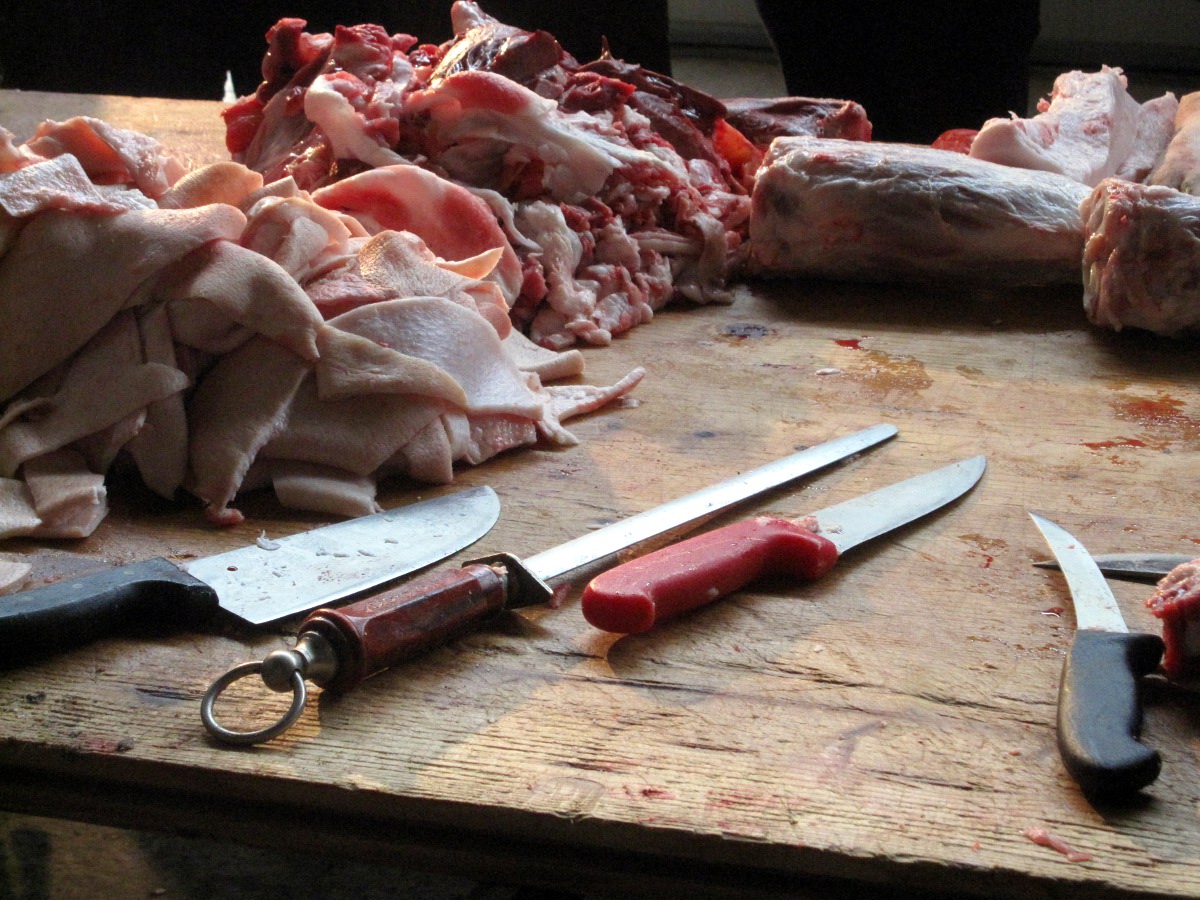
Still foggy with sleep, we tumbled off the bus to see two wood-fired cauldrons, belching out clouds of smoke and steam in a medieval fashion. The air was filled with the finest perfume any gastronome could wear: the scent of pig lard.

I found myself on yet another of northern Italy’s ubiquitous small-scale farms, surrounded by idle farm machinery, deadened remnants of the fall harvest, and the sharp smell of pig shit. This trip had been touted on the syllabus as a visit to an “artisanal butcher,” but we were about to see that this butcher was one of the more minimalistic variety.
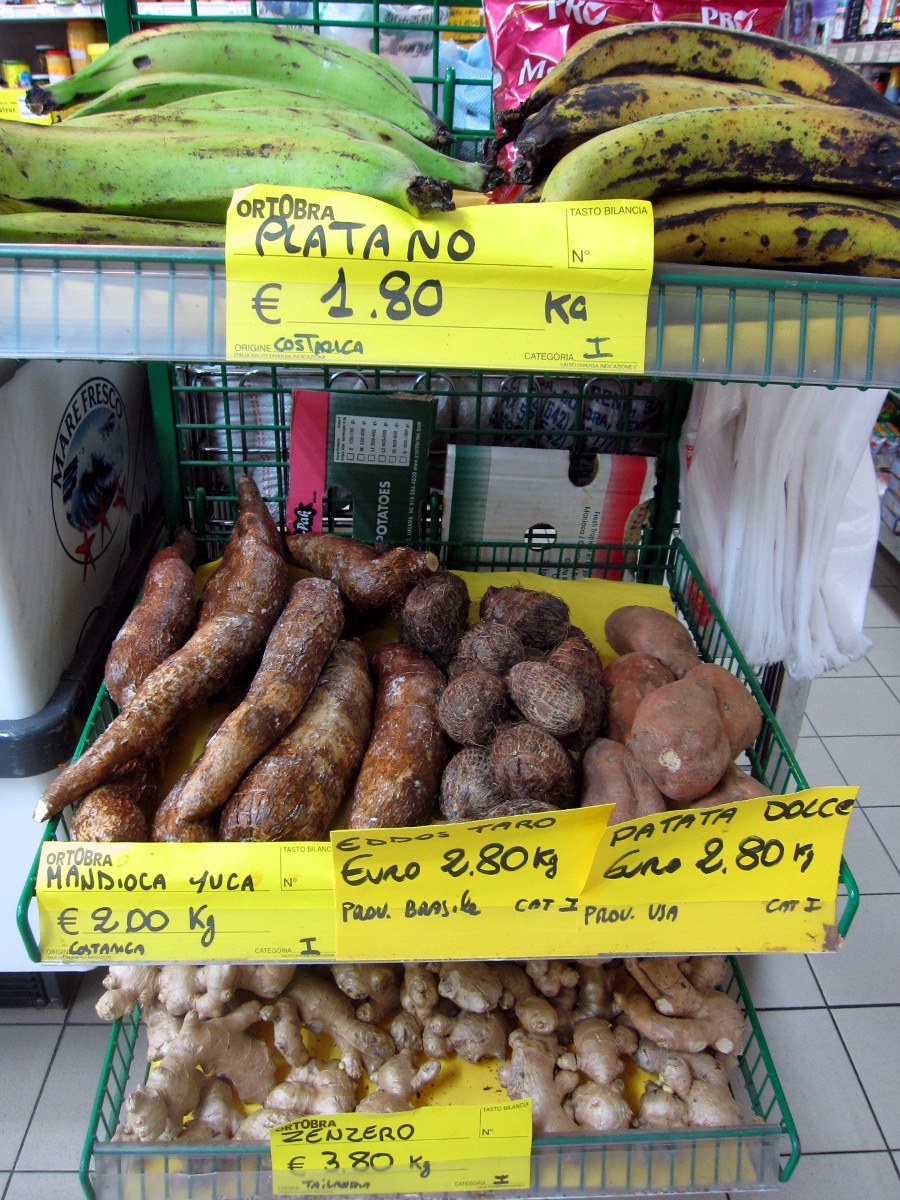
Finding Sticky Gold: The Greatest Grocery Store in Bra

Publication forthcoming in the January 2011 edition of the UNISG newsletter

The discontent arrived in fits and starts. Mere days after arriving in Italy, I stood crestfallen at the market, valiantly searching for a bunch of cilantro. Piles of parsley surrounded me, a taunting, isomorphic reminder that I was far from home. The bulk bins were swollen with cannellini beans and lentils, but there was nary a sign of black beans. In the baking aisle, I combed the shelves for baking powder. Instead, thin packages with florid photos of cakes touted the ammonia-based leavening agent inside. Skeptical, I stifled my frustration and went home to yet another meal with pasta.

Gone Fishing on Lake Trasimeno

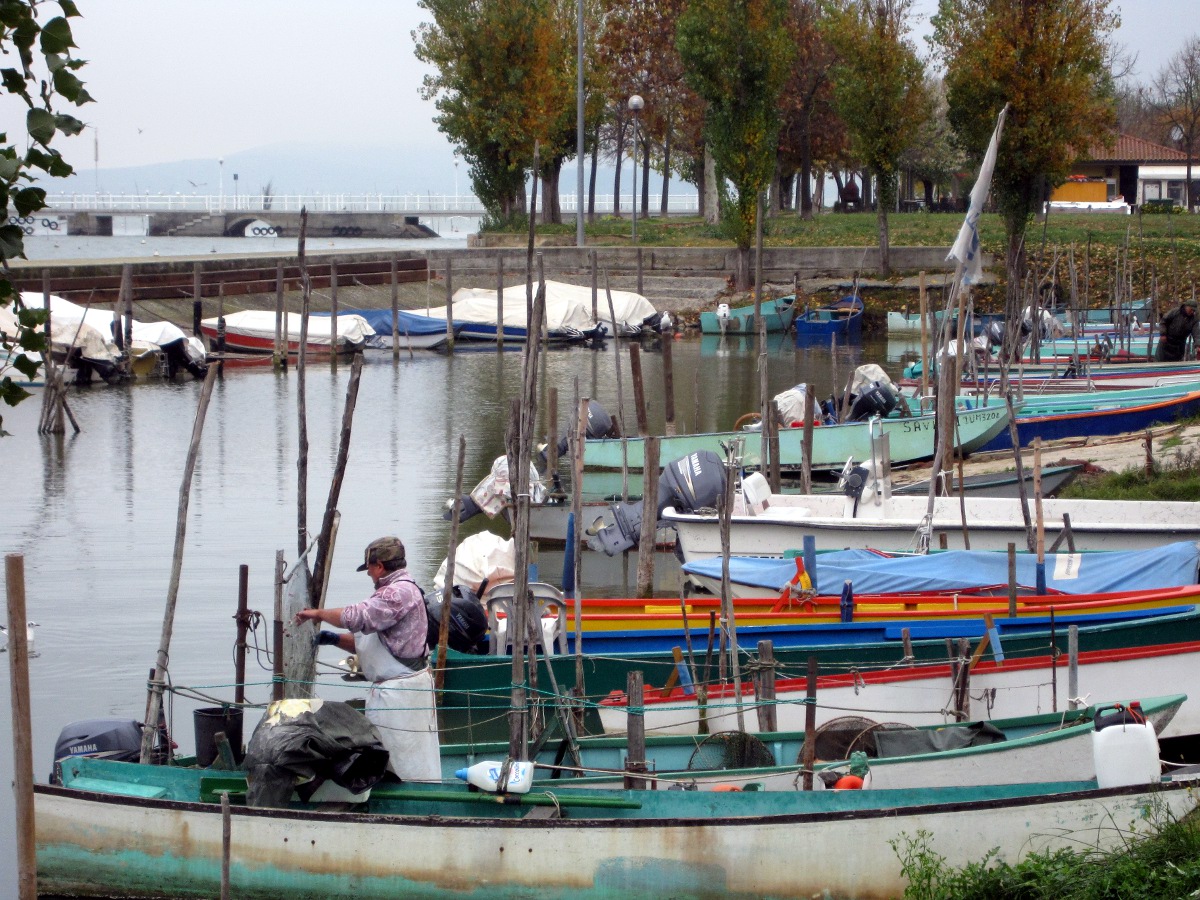
A bone-chilling wind whistled across the water, as I huddled on a boat with fingers tucked into my armpits. We were sailing across Lake Trasimeno, the second largest body of freshwater in Italy. Aurelio, our captain and president of the local Trasimeno fishermen’s cooperative, explained that the maximum depth of the lake was about 5 m, and the area we were currently in was only 1,8-2 m deep. Moreover, this is an endorheic body of water, a lake with no natural outlets that is entirely rain-fed. Essentially, we were rocking our way across a giant puddle.

Cash, Lies and Truffles at Urbani Tartufi

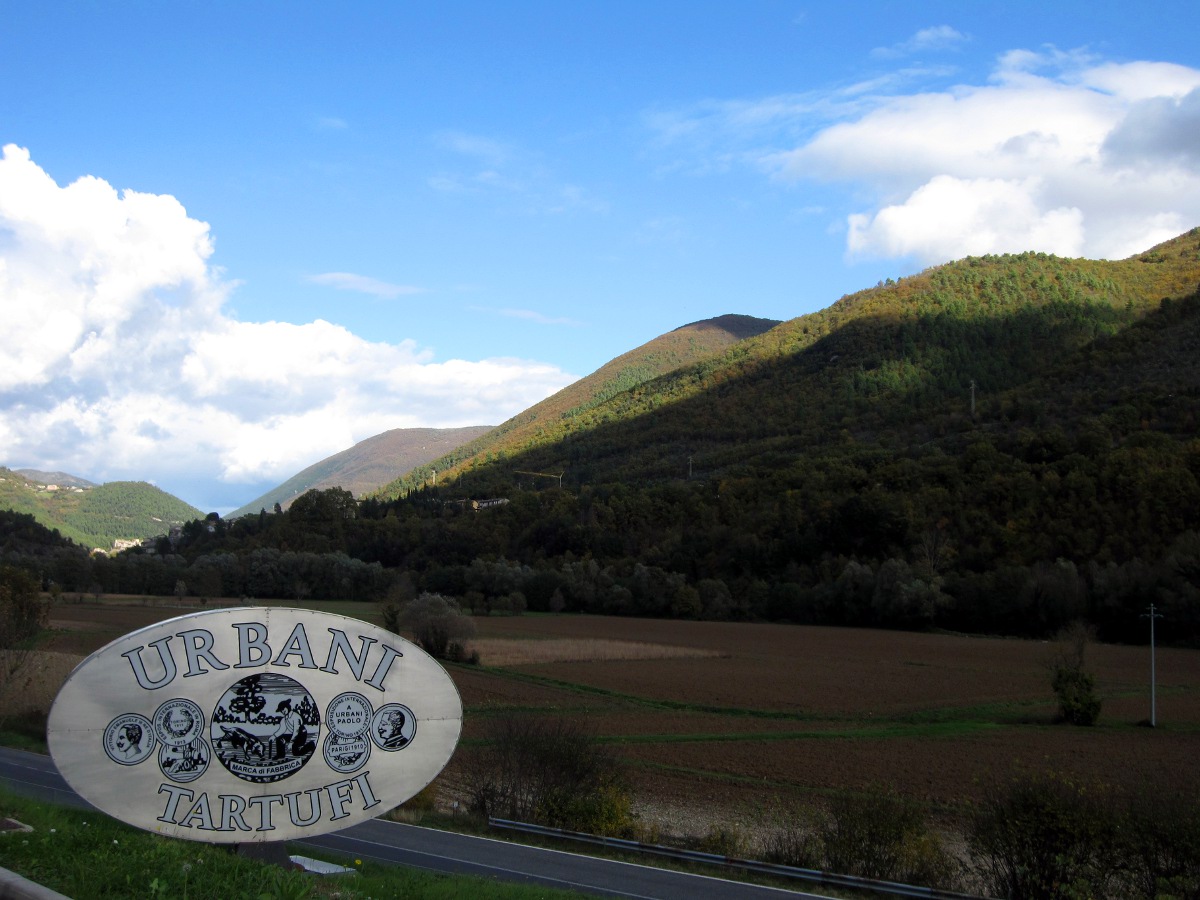
The stillness was broken only by the sound of breathing. All around us, rolling foothills and oak-covered peaks stretched into the distance, a gently shimmering tapestry of fall foliage. But the outward peace of this halcyon setting masked a burning secret. Beneath the roots of these forests, there was buried treasure–truffles, worth millions of euros and sitting in the cross-hairs of Italy’s legions of truffle hunters.

Inside Salone del Gusto, Italy’s Artisanal Foodie Mecca


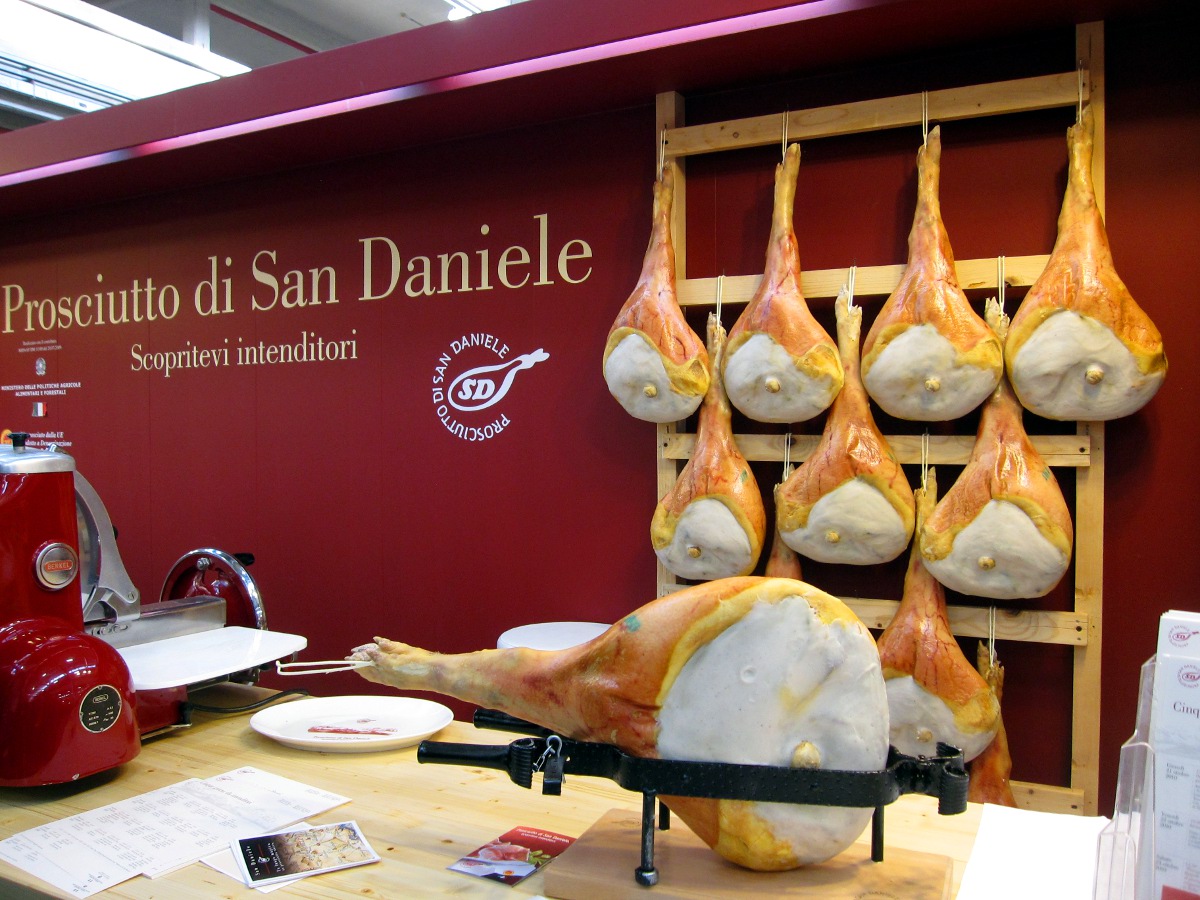
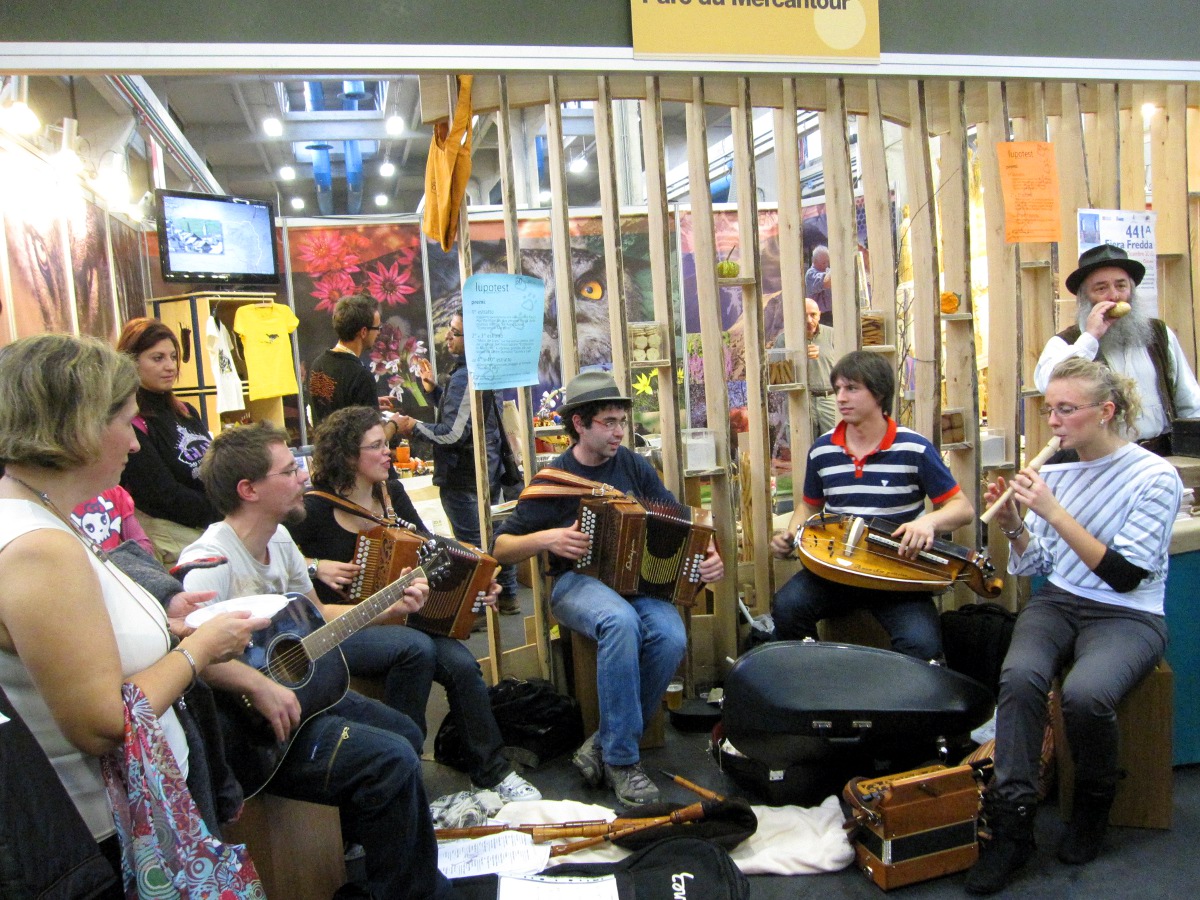
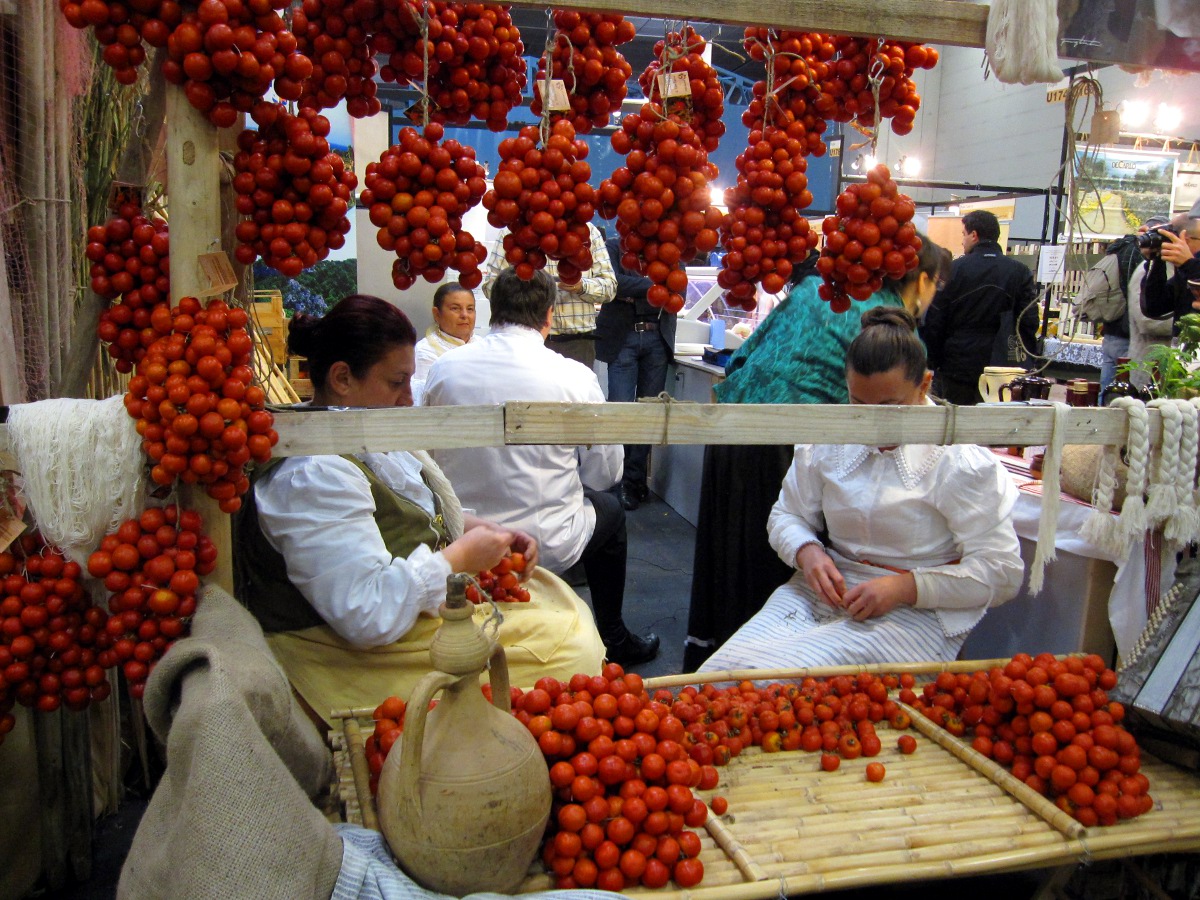
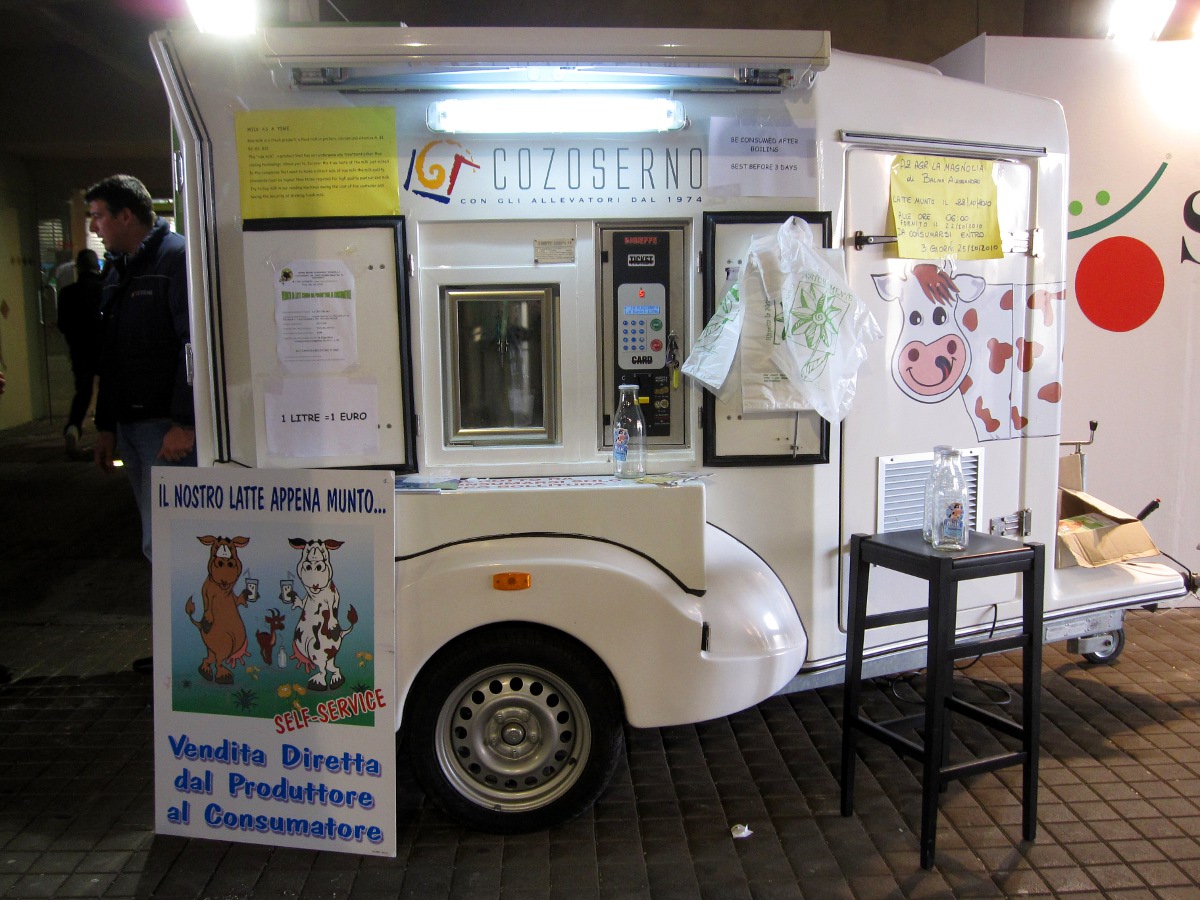
Clockwise: whole prosciutto from San Daniele on display; a band of two accordions, a guitar and a hurdy-gurdy (the bearded man on the right was making animal puppets out of a hankerchief to entertain the kids); a self-service milk truck parked outside Salone del Gusto; Puglian women stringing cherry tomatoes by hand

After a long morning of seminars, I was sipping a glass of Left Hand beer, when the sound of drums and horn began thundering down the hall. It was Macedonian folk ensemble Akud Mirce Acev, beating a lively rhythm and whipping a crowd of Asians into a frenzied dance. Heads bobbed, cameras flashed, women in hanbok dresses waved their arms in the air. Just another day at Salone del Gusto.

Bruges: In Flanders Fields, the Chocolates Grow


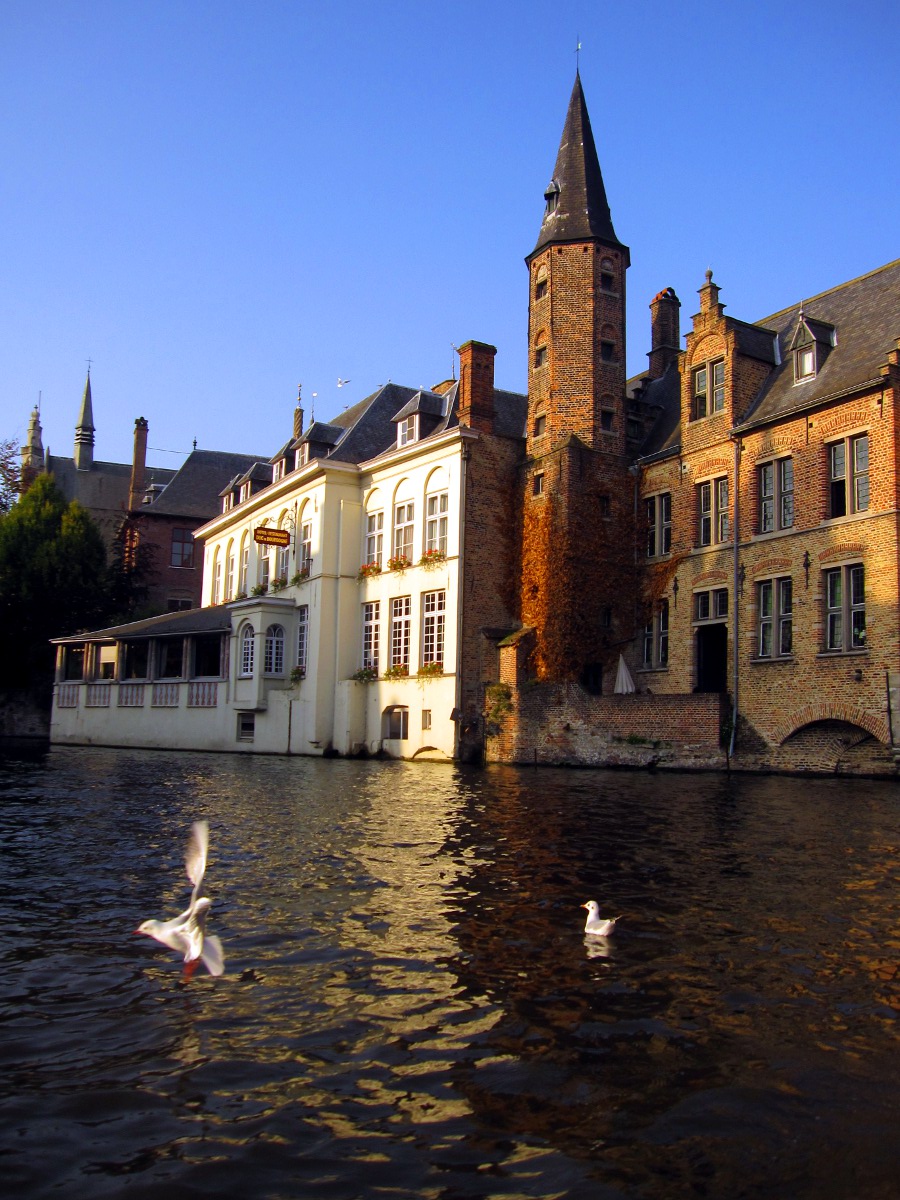
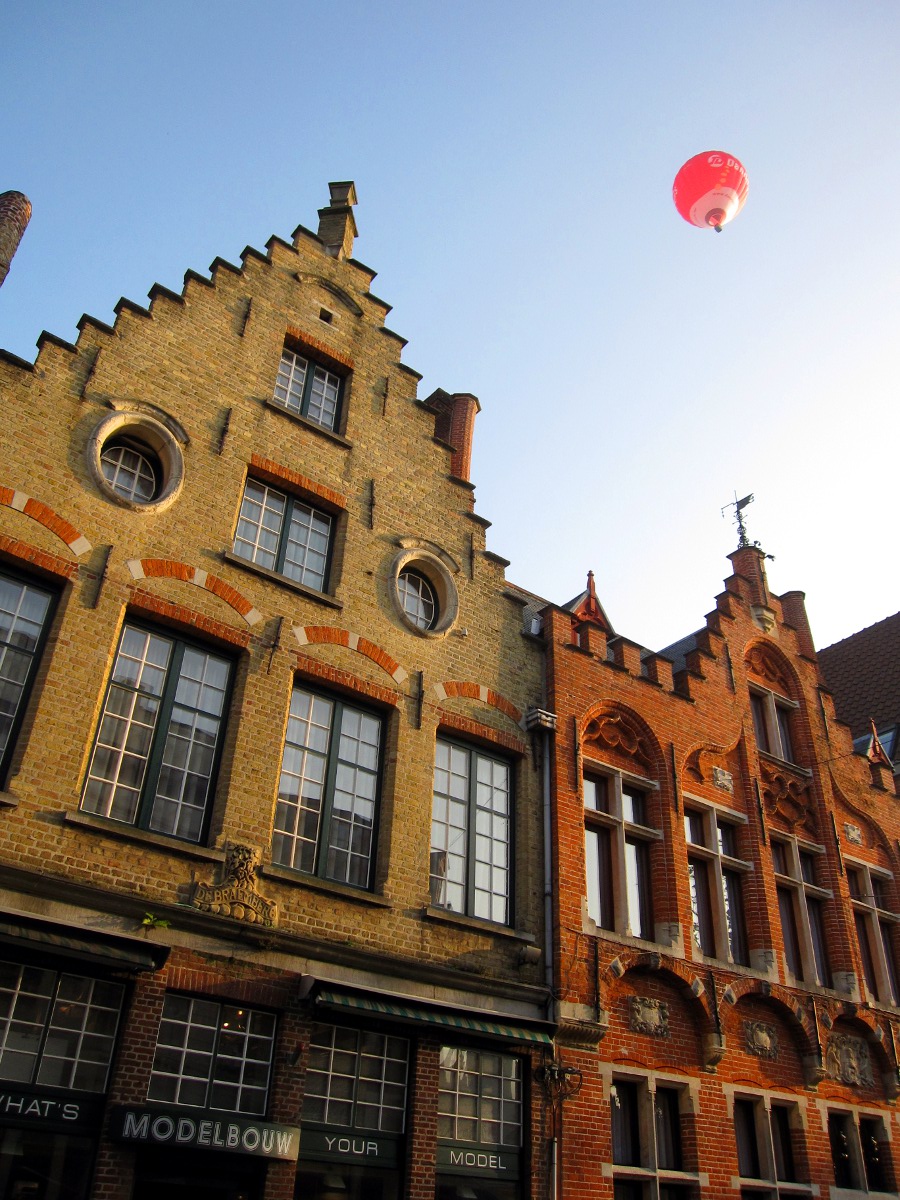
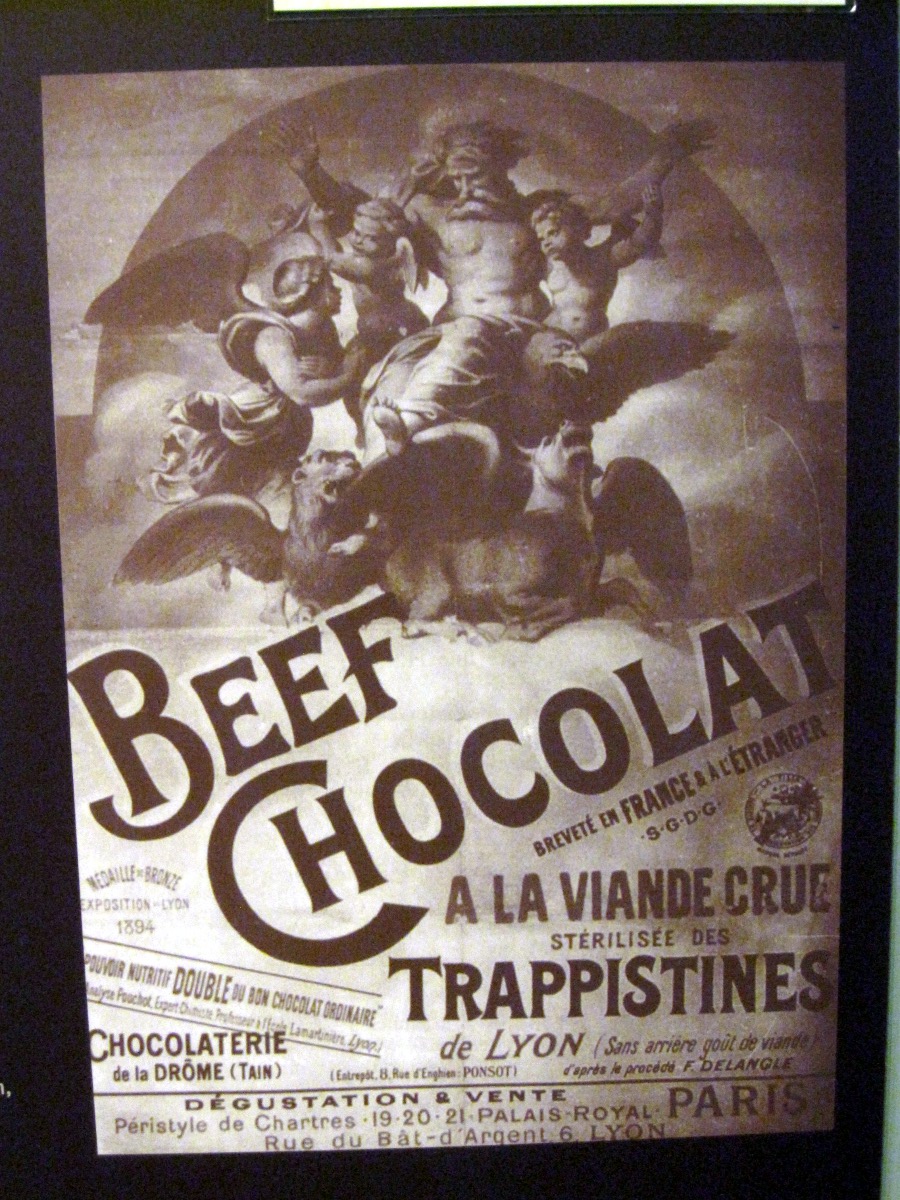
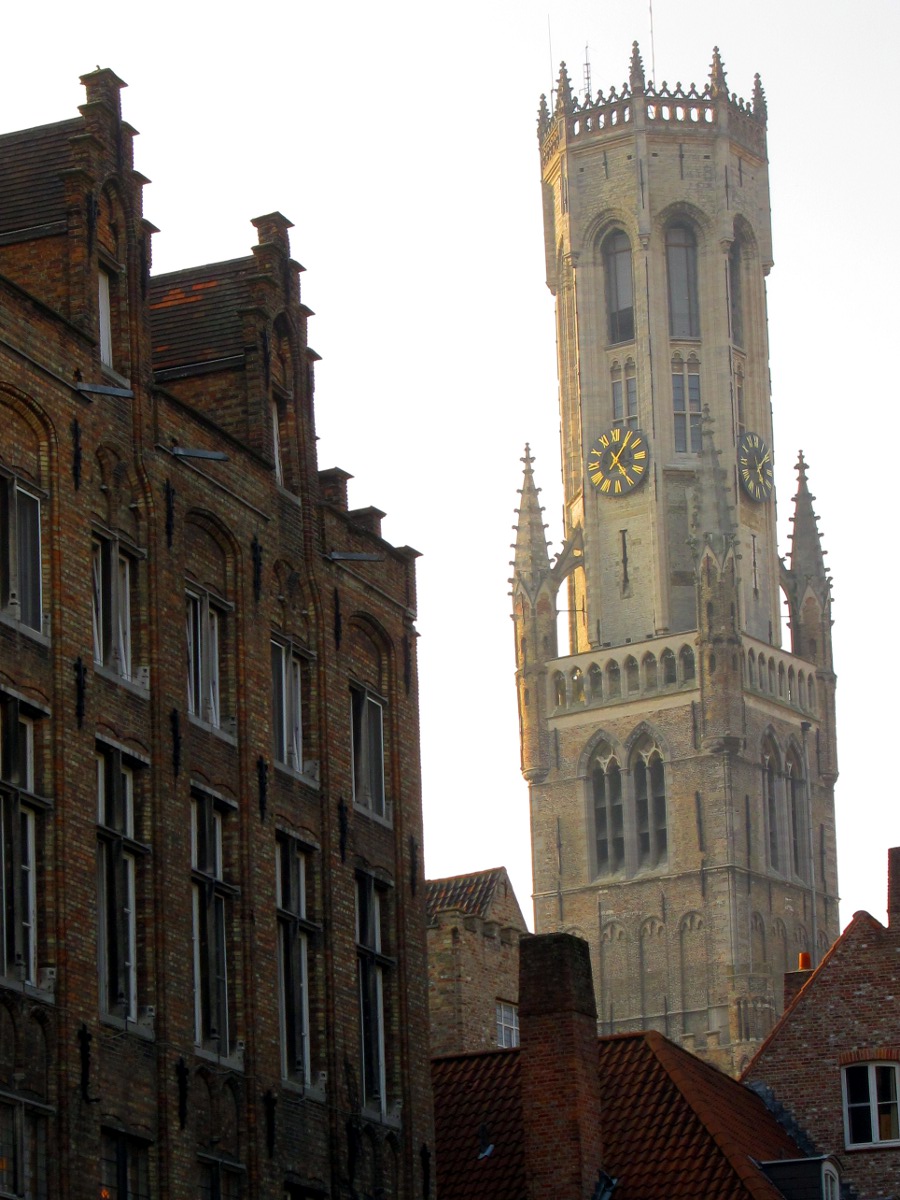
Clockwise: ducks and swans swim through the canals of Bruges; a hot air balloon rises above the city; the Grote Markt belfry dominates the skyline; old advertisement for Trappist-made beef chocolate using raw meat, designed to fight fatigue

Bruges is a quaint little town located in West Flanders, in a Flemish-speaking section of Belgium. The Gothic architecture of the old city center is recognized as a UNESCO Heritage site, and the town is often nicknamed the “Venice of the North,” due to the network of canals traversing the city. Like the center of Brussels, Bruges features a stunning central public square named Grote Markt, which includes the Belfort tower housing a 47-bell carillon. You can climb the 366 steps to reach the top of the 83 m tower for an aerial view of the city. It seems that the carilloneur’s repertoire is as diverse as that of Cornell chimesmasters; all afternoon, the air was filled with the tinkling of baroque and Billy Joel.

Mussels in Brussels and Other Carbtastic Adventures

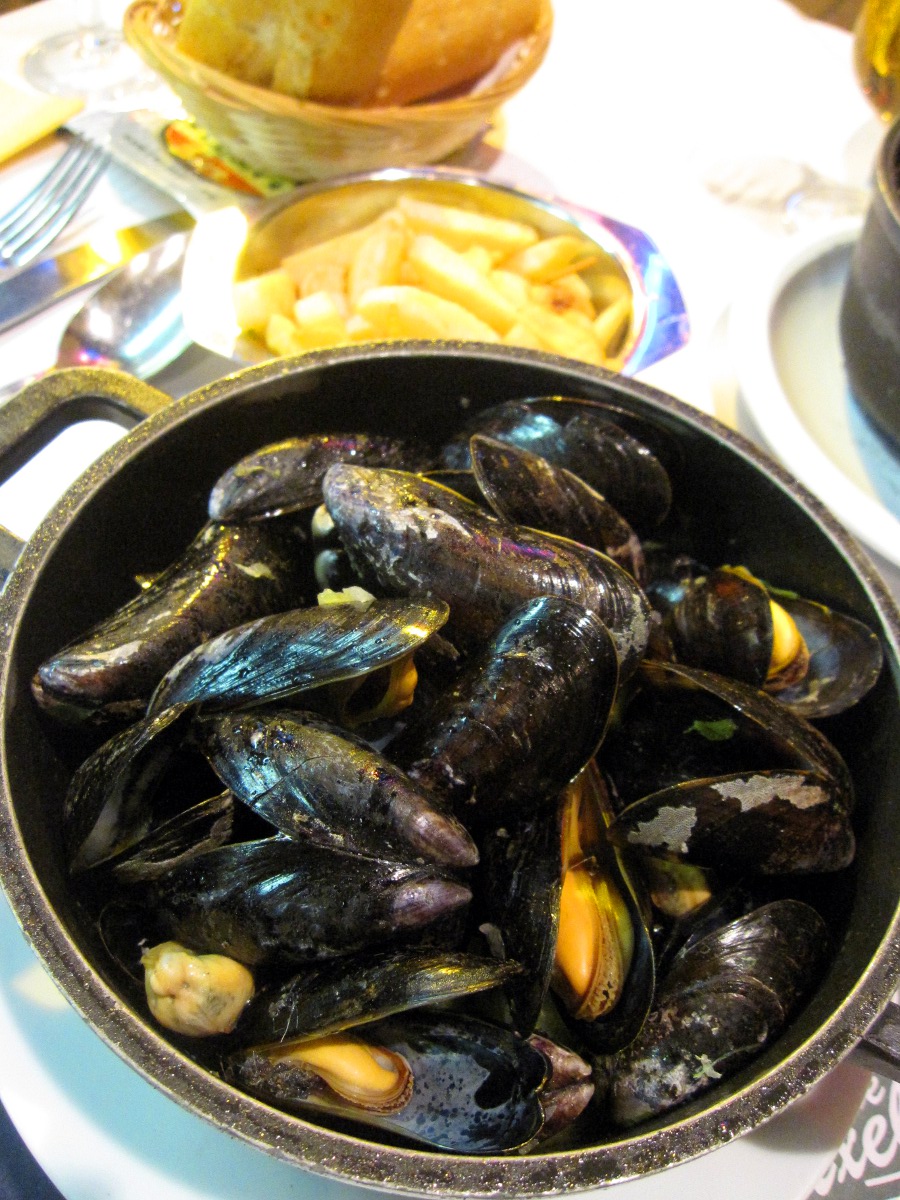
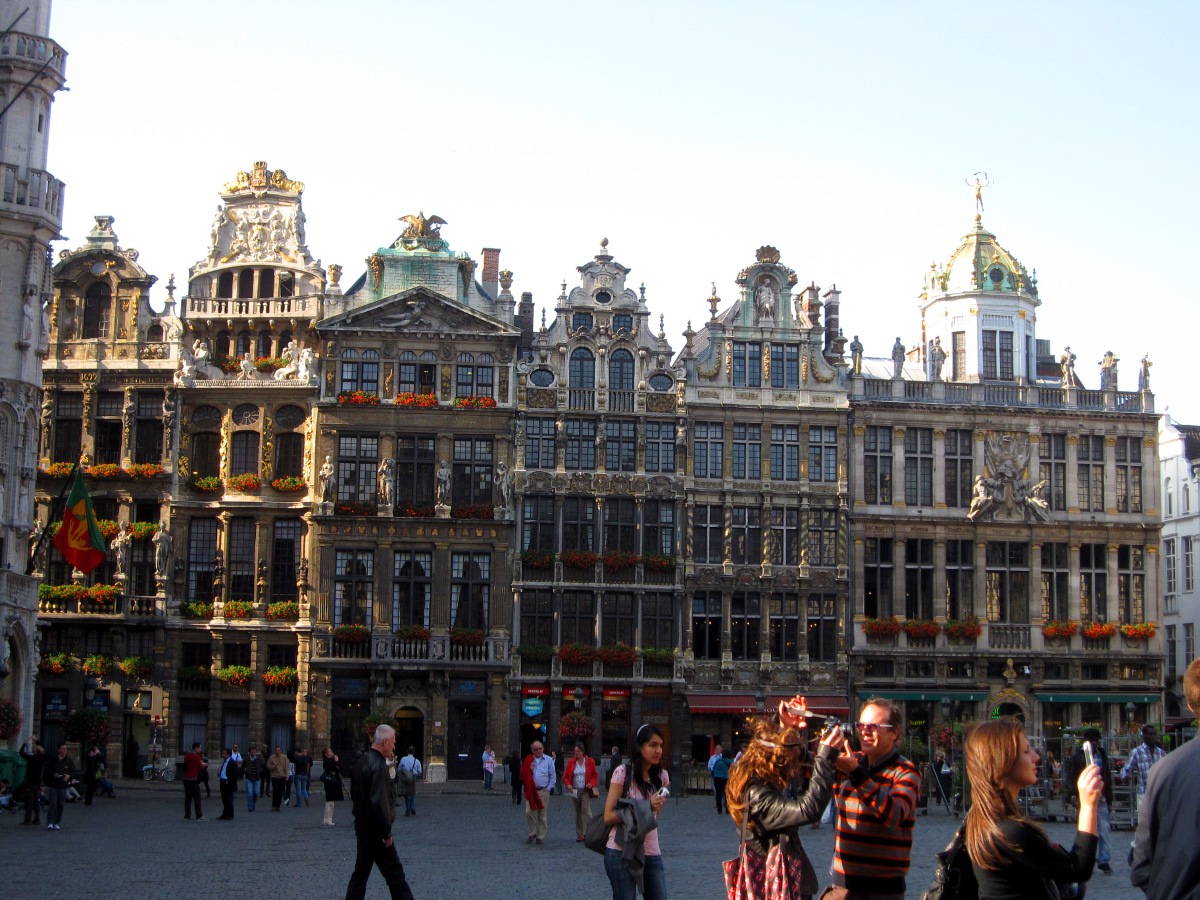
You can get a classic moules-frites dinner with mussels, fries and a beer for about €13 in Brussels; Grand Place/Grote Markt is the central square of Brussels and recognized by UNESCO

Several weeks ago, Professor Peter Scholliers of Vrije Universiteit in Brussels stopped by to give our class some lectures on Belgian and European food history of the 19th and 20th centuries. Soon afterwards, one of my roommates noticed that Ryanair flights from Torino to Brussels were quite inexpensive, and there was a four-day weekend coming up, so we made a spontaneous decision to treat ourselves to a weekend in Belgium. After all, isn’t the point of living in Europe that you can fly off at a moment’s notice to another country? I’d like to think we were inspired by class, so this was really a didactic experience anyway.

French Cuisine Triptych: Terrible, Traditional and Avant-Garde

The other day, my aunt asked me, “So you keep raving about how delicious everything is, but are there any bad meals?” Yes, of course there are. Though I generally travel with boatloads of research and a good sense of intuition, I do get stuck with bland, uninspired meals like everyone else. While in France, the quality of the food was (unsurprisingly) very good, but no country is fail-proof. Here is a glimpse into how our class of well-traveled and knowledgeable students critiques meals:

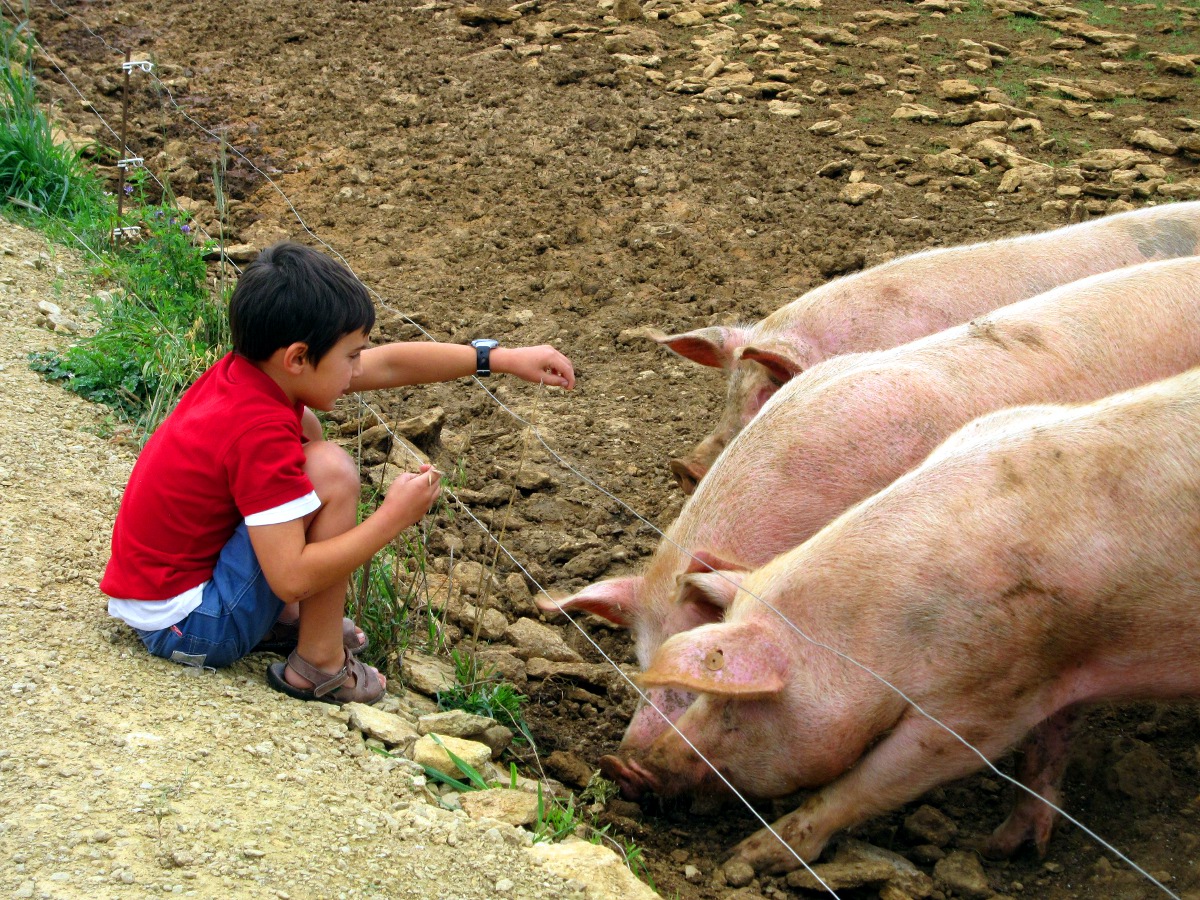
Ferme des Levées: the Happiest Pigs in France

Anyone who has even briefly investigated livestock production at industrial farms knows that the process is wholly unnatural, with animals reduced to meat-generating machines, forced to live in dirty, cramped conditions.

At Ferme des Levées, owners Anne and Jacques Volatier firmly believe in treating their pigs with respect and raising them with traditional, organic farming methods. Jacques began raising pigs in 2000, and prior to purchasing this farm, he had no farming experience and worked as a civil engineer in town planning. “I don’t know how exactly to describe it, but I had an intuitive sense that I wanted to find a way to help grow the planet and start a project that would benefit the local economy. The intuition has now become certainty and a way of life in the countryside.” He attended an agricultural training program for a year, acquired the necessary capital and decided to launch a pig breeding operation because it was a product that could be raised and transformed entirely on the farm.