Food

How to Build a Restaurant Empire
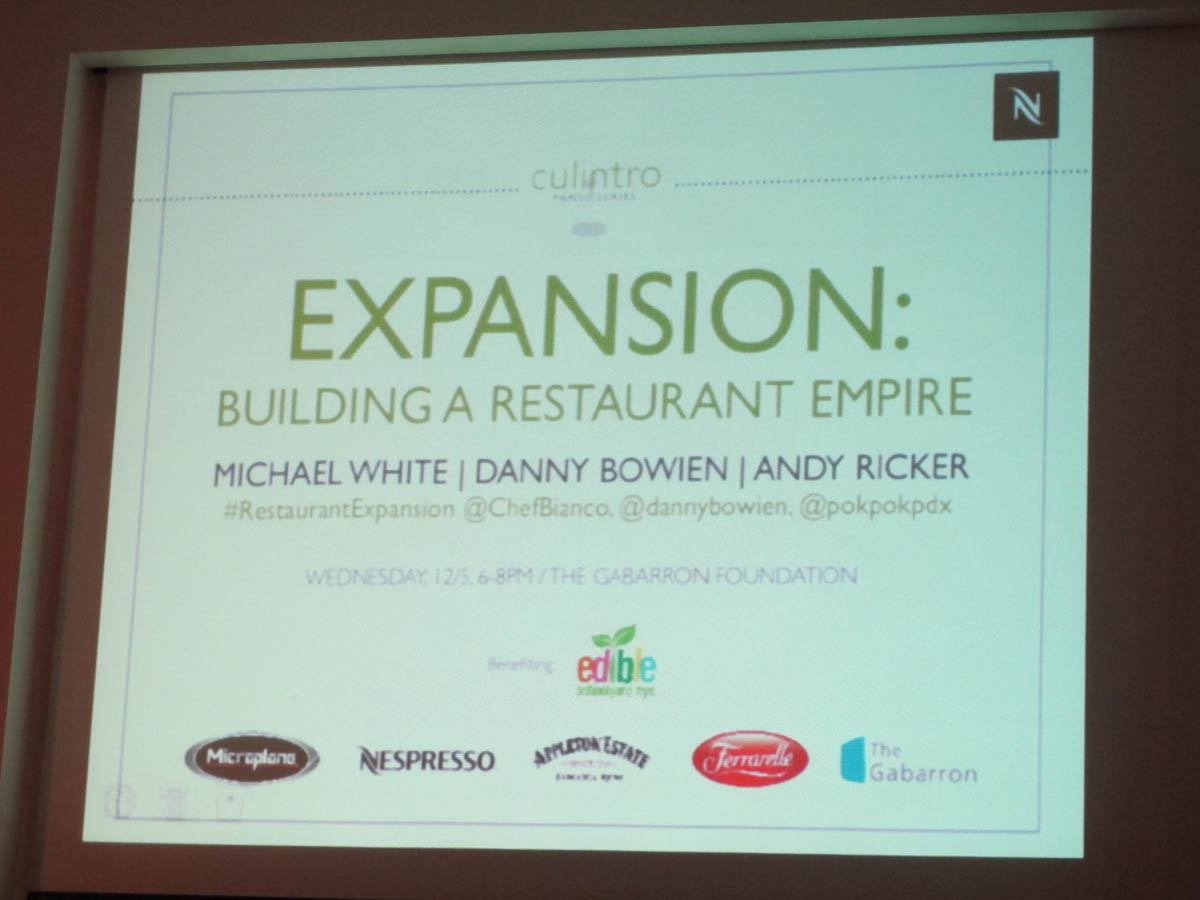
So you’ve created a wildly successful restaurant, and you’re just beginning to have some semblance of stability and free time again. Is it time to expand and build another location? At last night’s Culintro panel on restaurant expansion, three prominent chefs tackled that question and more. Danny Bowien (Mission Chinese), Andy Ricker (Pok Pok) and Michael White (Marea, Ai Fiori, Osteria Morini, Nicoletta) collectively shared their insights and mused on why anyone would decide to “go do the hardest thing in the world—open a restaurant in New York.”
The NYC Food Film Festival, or How I Legally Yanked Food from a Truck

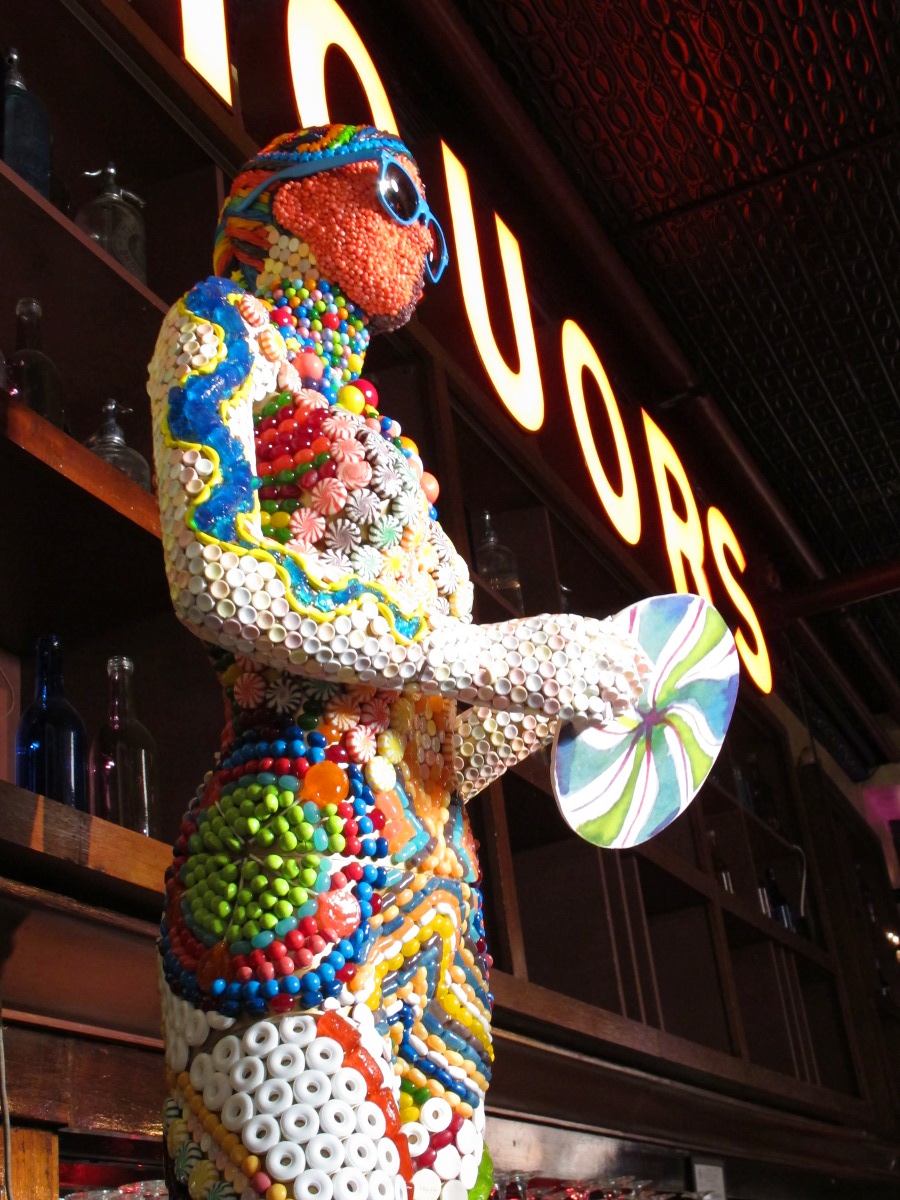
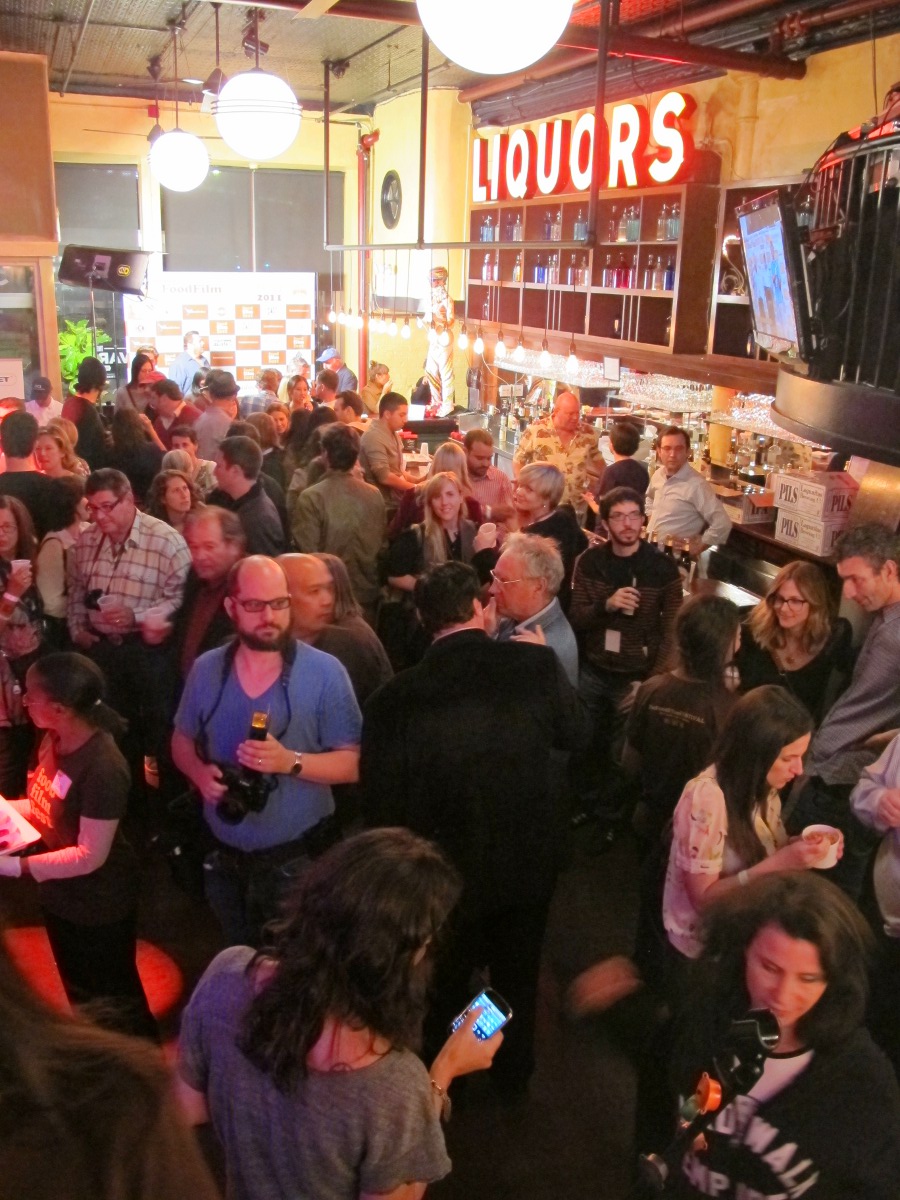
Gastrocinephiles! So you’ve watched and rewound the opening scene of Eat Drink Man Woman multiple times? Your dreams involve recreating the timpano from Big Night? Then the NYC Food Film Festival is the place to be, celebrating the year’s accomplishments in food film, food documentary, and of course, food porn. In its fifth year of running, the Food Film Fest is attracting all sorts of attention from food media, filmmakers, and even Mayor Bloomberg, who kicked off the opening ceremony by declaring “Food Film Fest Day” in New York.

The Sixth Sense of Dining: Inside the StarChefs Conference

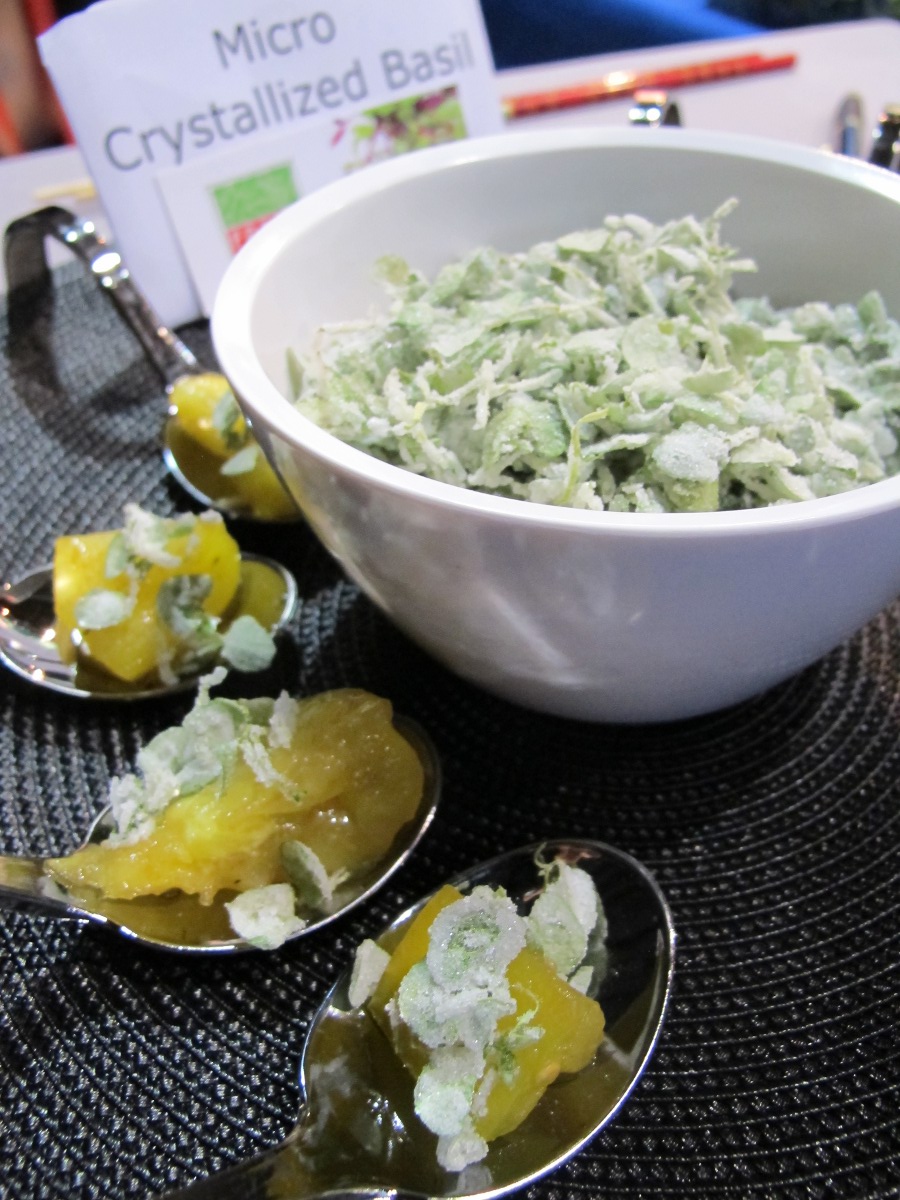
IMG_1013Want to rub elbows with the nation’s brightest culinary stars? The 6th annual StarChefs conference opened yesterday at the Park Place Armory with a star-studded roster of speakers.

The event is open only to industry professionals, however for culinary students and restaurant workers, this is a dazzling opportunity to ask questions and get your hands dirty with a workshop from your favorite kitchen god (or goddess). There is also opportunity to walk away with a dash of fame; 20 rising pastry chefs are in fierce competition to win the International Pastry Competition.

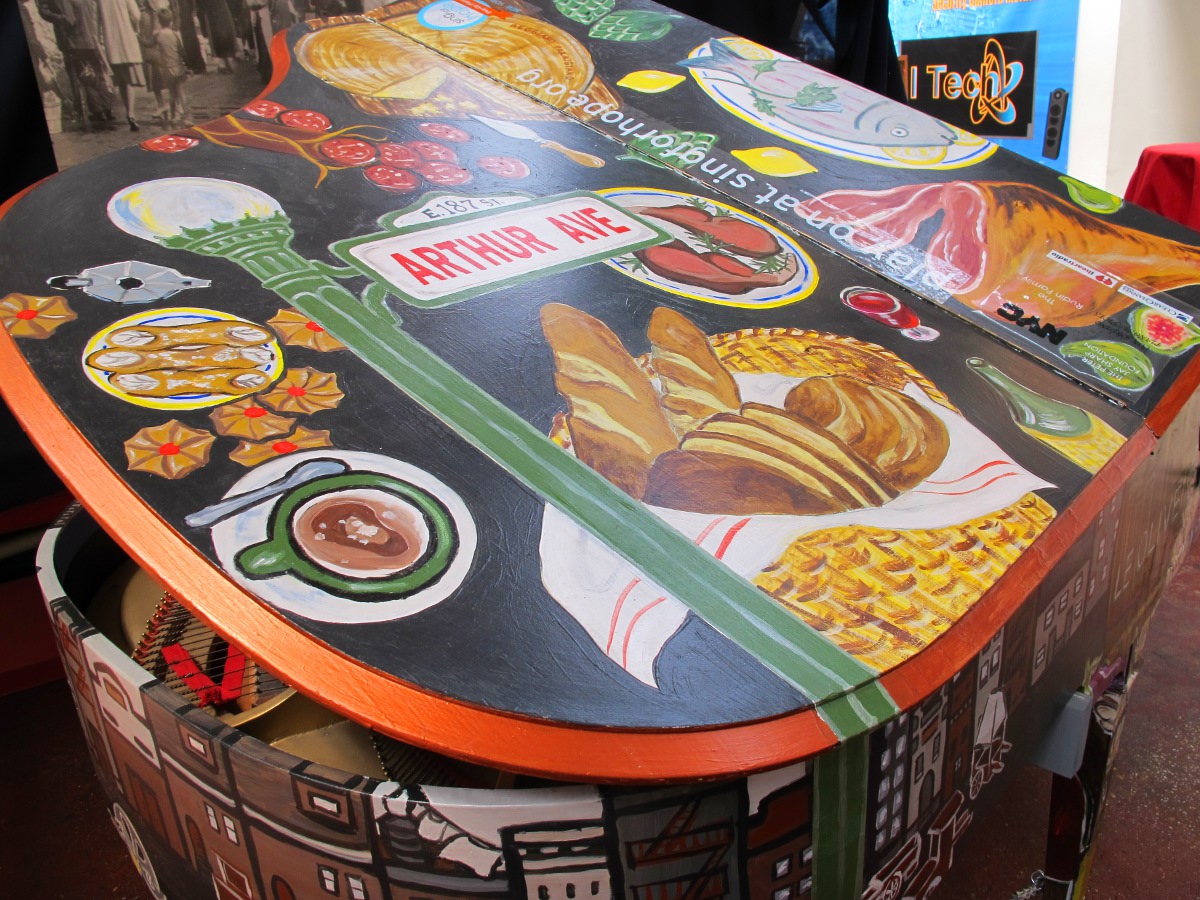
An Old New World: Arthur Avenue’s Little Italy

When I left Italy in March, I’ll confess it wasn’t so much a graceful departure as a beeline to escape. I was tired of fighting bureaucracy in the Living Museum, missed the bustle of a proper city, and had eaten so much cured meat that my sweat stank with lactic fermentation. Italophiles may weep, but I’ll say it anyway—I was totally over Italy and ready to abandon la dolce vita forever.

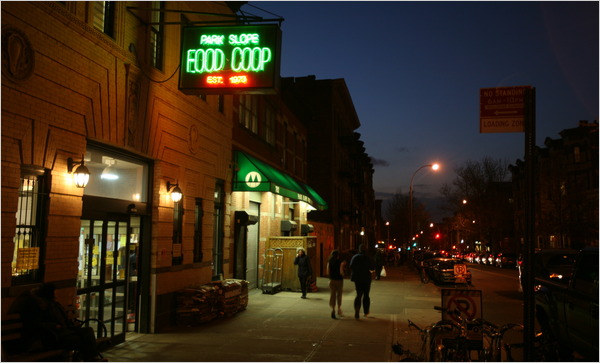
Park Slope Food Coop: Will Work for Food


Photo: Michael Nagle/NYT

“The co-op is worse than socialism. Because at least in a socialist country, if you know the right people, you can get out of it.”

“For a long time, the co-op member who lived furthest away was from—can anyone guess?—Ithaca, NY. Once a month, he would drive all the way to Park Slope, do his work shift, and then load up his car with groceries. There’s a food co-op in Ithaca too, but apparently it was still worth it to come all the way here.”

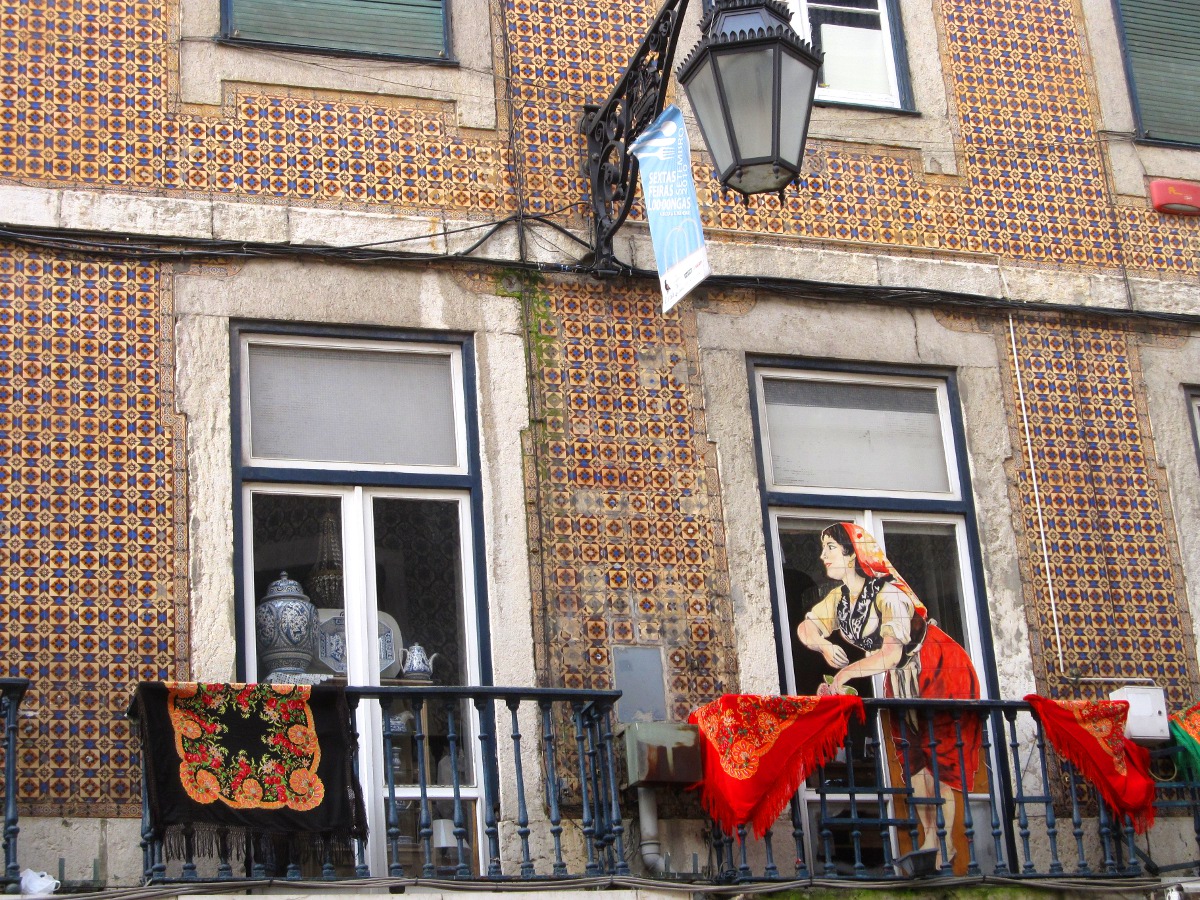
Lisbon’s Pastéis de Belém: Religiously Good?

Lisbon, seaside port and the commercial heart of Portugal. For centuries, Portugal wielded outsize influence beyond its borders through a vigorous policy of mercantilism and colonial exploration. From these waters, Vasco da Gama captained the first ships to set sail directly from Europe for India. Other explorers would reach the shores of South Africa, China and Japan. “Look, we have Spain on one side, water on the other. So everyone either has to fight, to conquer, or face the ocean and see what’s beyond,” said our guide, Victor Lamberto, head of Slow Food’s Alentejo chapter.

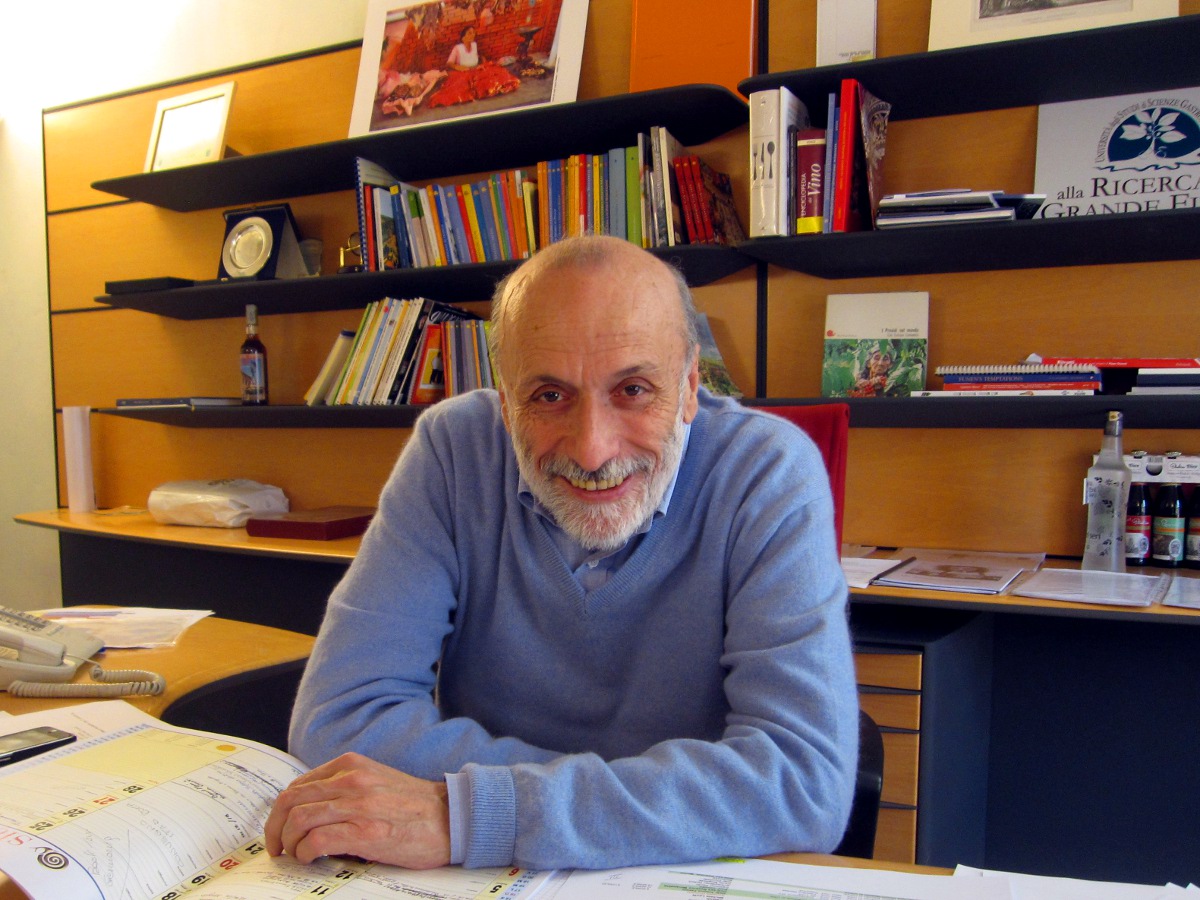
A Chat with Slow Food Founder Carlin Petrini

In 1986, the first branch of McDonald’s in Italy opened in the heart of Rome, at the Piazza di Spagna. As in many other countries, protesters howled and demonstrated. One man took decisive action.

Carlo Petrini, or Carlin as he is known to Italians, has quietly grown from being a little-known left-wing journalist, to becoming the leader of one of the world’s largest food activism organizations. Concerned about the encroachment of multinational influence on traditional food culture, he built a resistance movement to defend and protect local food ecosystems, a counterpoint to the unrelenting onslaught of corporate hegemony.

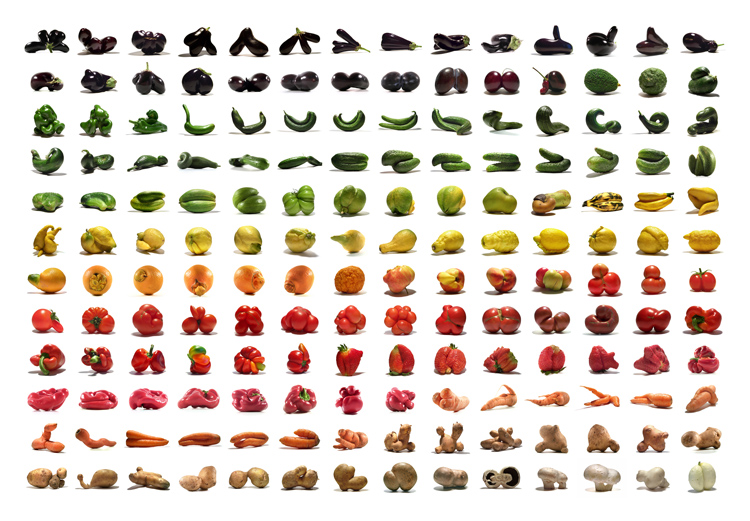
Mutato-Archive: Celebrating the Beauty of Heterogeneous Fruit

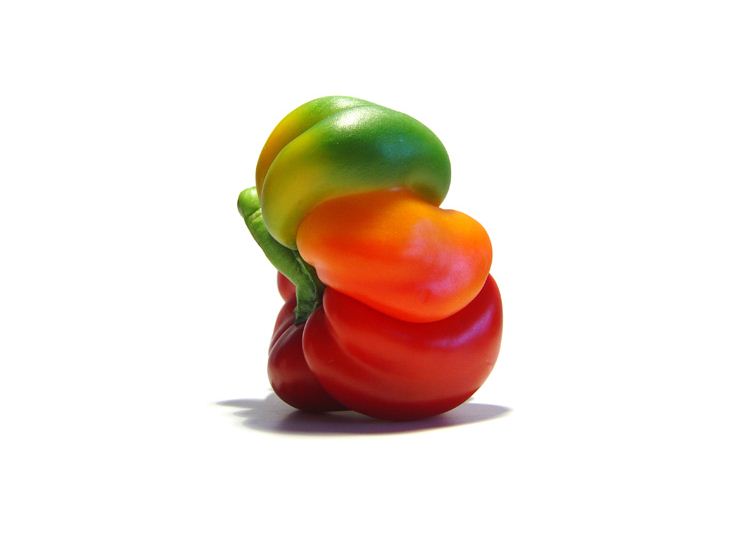
SwissMiss pointed me to this gorgeous poster from the Mutato-Archive, a collection of misshapen and irregular fruits, vegetables and roots. With an eye for color and careful selection, Uli Westphal took dozens of photos of gnarly tubers, trident-shaped carrots and Siamese mushrooms. In other words, the set is a stunning display of natural diversity.

Too often, produce is bred to be perfectly uniform, symmetric and well, monotonous. Anything that shows a little too much character is often thrown out at the supermarket. What a shame! At least the EU has finally abandoned a law that bans the sale of irregularly-shaped but still nutritious produce. Maybe it’s not always about looks after all.

A Grating Topic: Parmesan Cheese

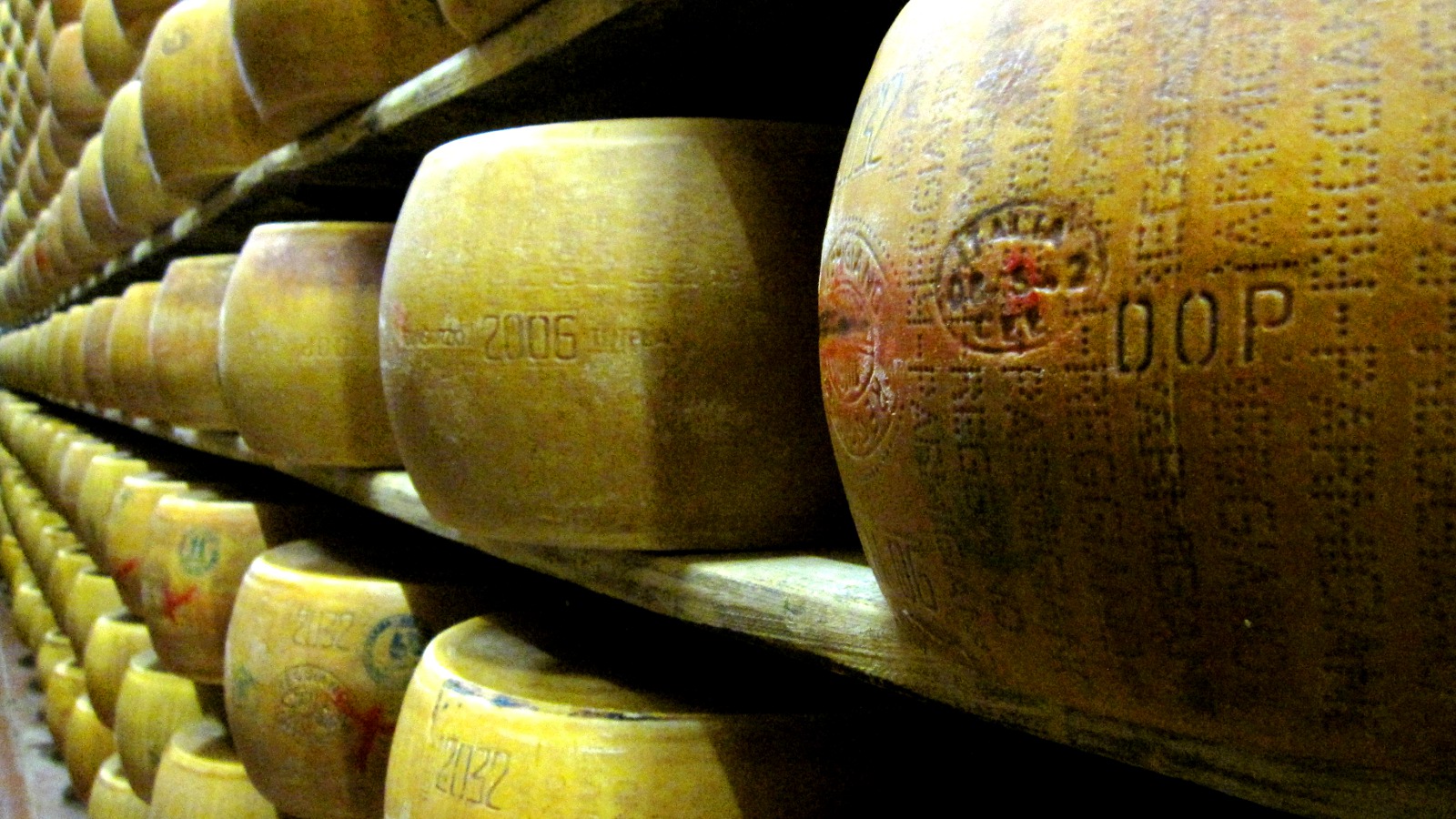
Toward the end of 2008, there was an unpopular multi-million dollar bailout by the government for the benefit of a single industry. No, I’m not talking about Wall Street, or the auto manufacturing industry, or insurance on obscure structured finance products. I’m talking about the Italian cheese market.

Back when the rest of the world’s politicians were stumbling over how to manage the global financial crisis, Italy enacted measures to help its cheesemakers. The government bought up 100,000 wheels of the highly touted parmesan cheese, along with 100,000 wheels of another popular cheese, grano padano. The reason? The wholesale price of these cheeses had fallen to €7-7,50/kg, below the production cost of €8-8,50/kg needed to make traditional parmigiano-reggiano cheese. And if the country’s signature cheese industry went under, what else would Italy have to offer? Mio dio! Thus, much parmesan was bought to help prop up the price and rescue Italy’s 430 or so parmesan cheesemakers. The food was subsequently donated to charity.

The Barilla Gorilla: A Day Inside Academia Barilla

Do you know what Italian company was single-handedly responsible for changing the texture of America’s pasta?

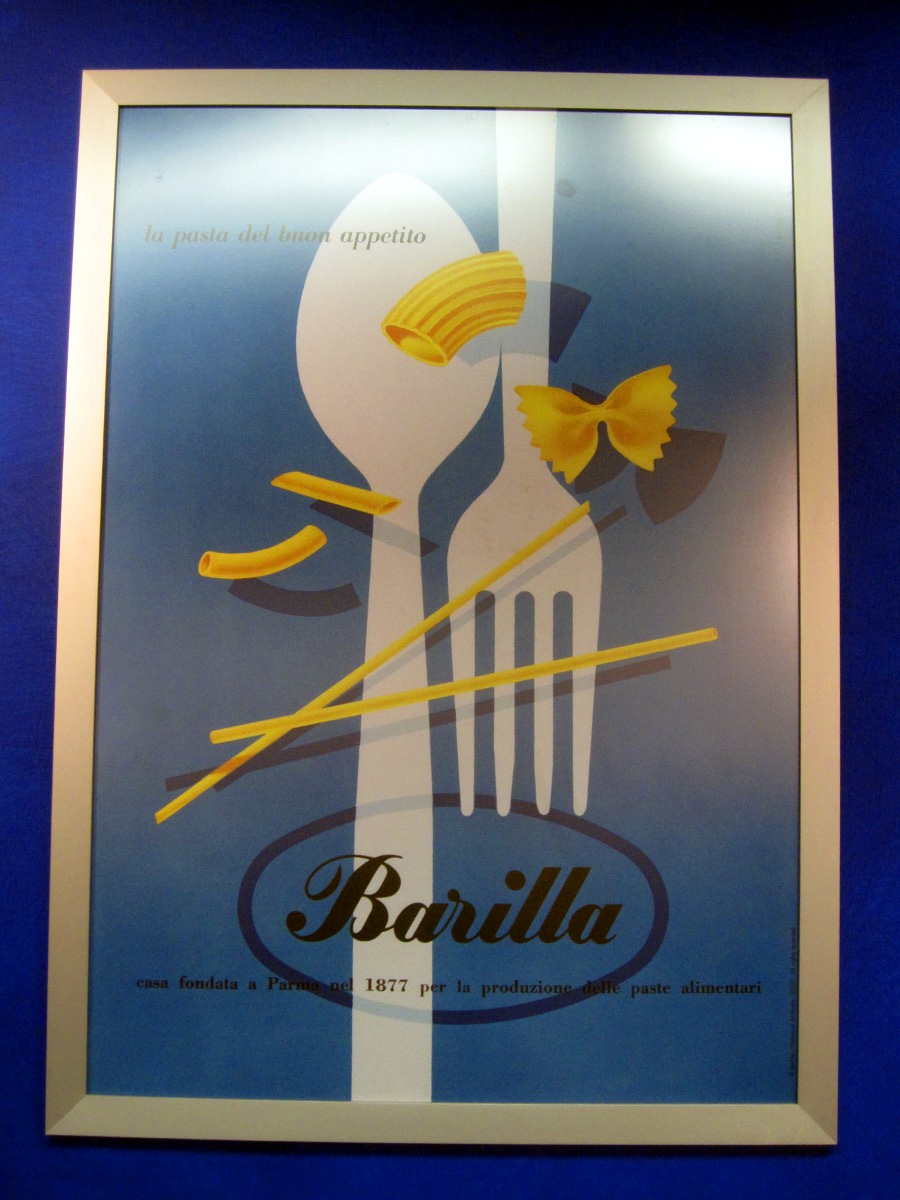
Barilla was founded in 1877 by Pietro Barillo Sr., who began the business as a simple pasta shop in Parma. The company is now on its fourth generation of family owners, and has been almost continuously privately owned, save for a gap in the ‘70s when Barilla was bought out by U.S. multinational W.R. Grace. In 1990, Barilla began aggressively expanding into international markets, through the acquisition of local pasta companies and the development of manufacturing plants abroad. This included the creation of the first American plant in Ames, Iowa in 1999, with a second plant following in upstate New York.