Food

Eat Your Veggies…Because They’re Surprisingly Fun to Cook
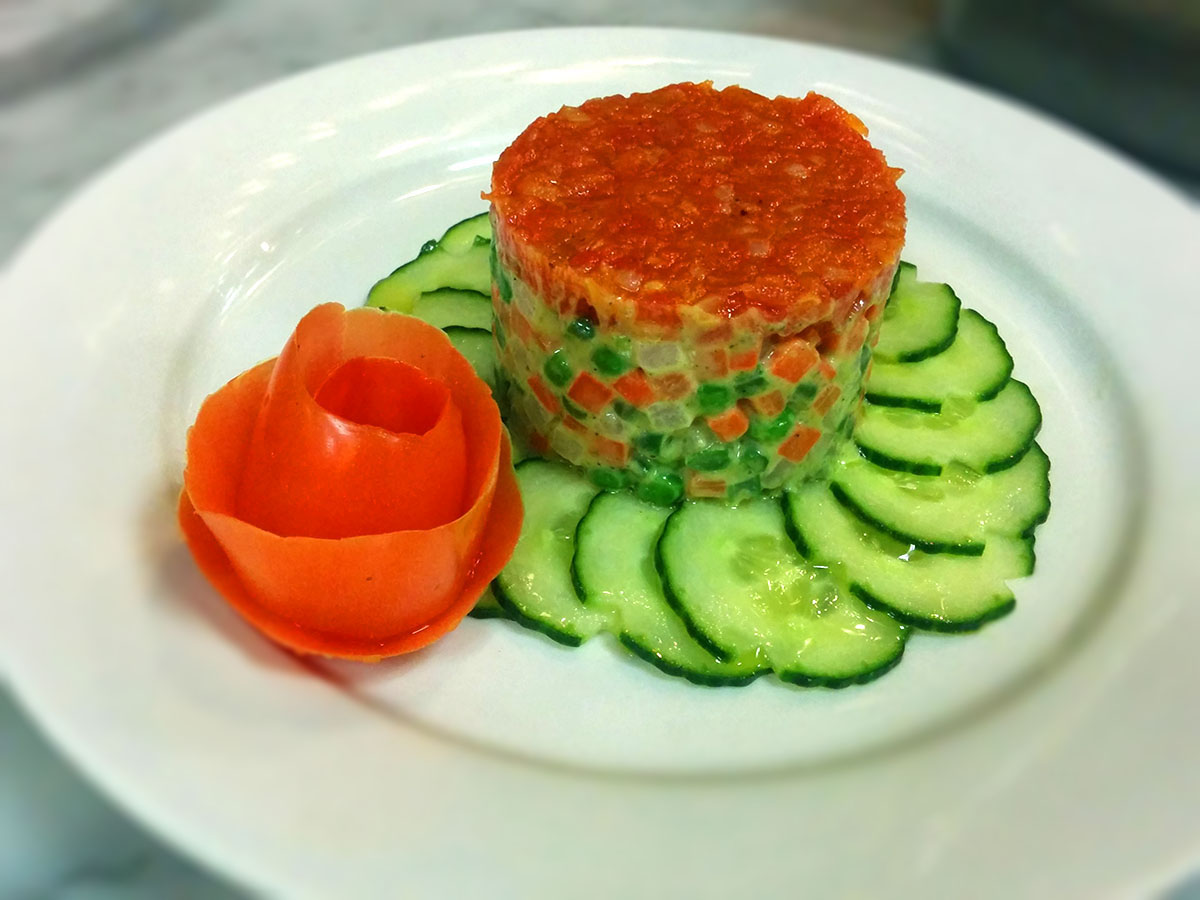
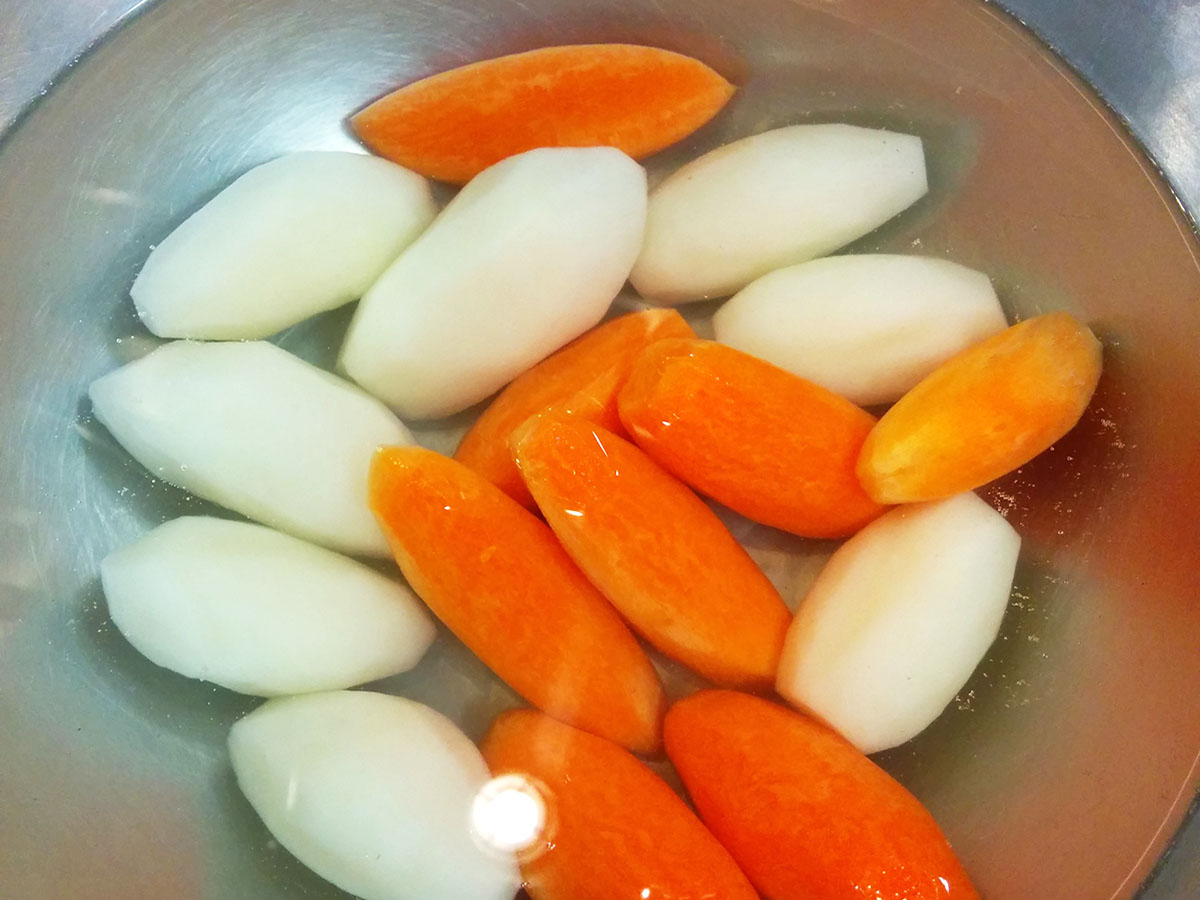
Macédoine  de légumes

After several introductory classes of stock and sauce making, we moved into making complete dishes. Namely, salads, vegetable dishes and soups. I tried not to yawn. “Vegetables are important!” insisted my chef-friend Wendy. “It’s difficult to do them well.” I tried to muster some excitement, but the thought of making 6 different types of vinaigrette was already making my whisking arm ache.
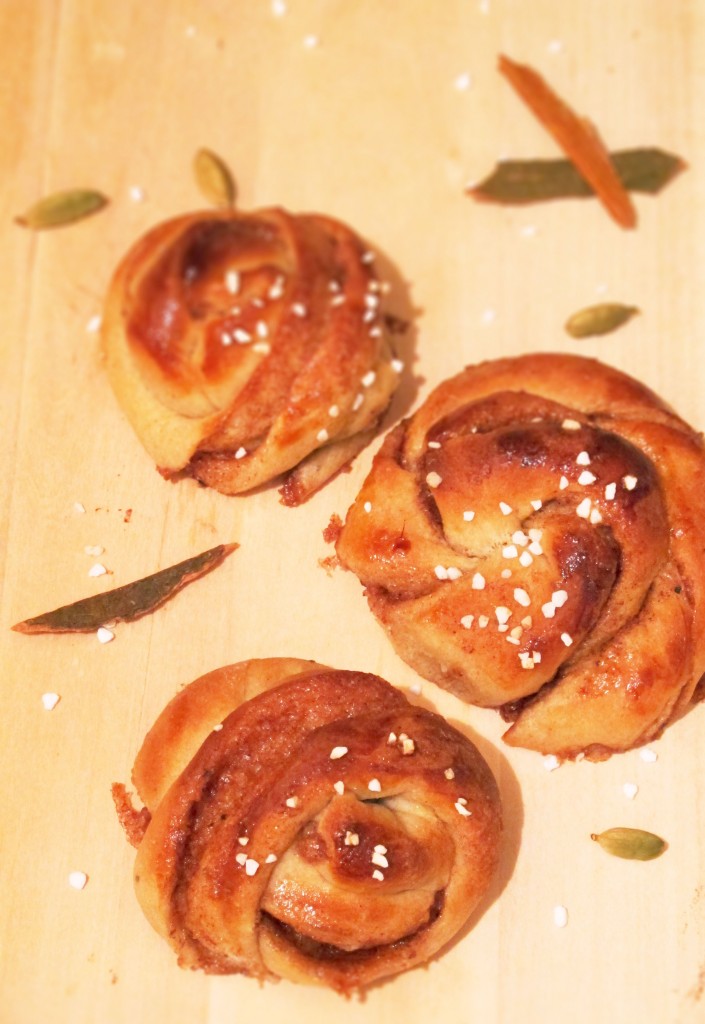

Recipe: Swedish Cinnamon Rolls

Swedish cinnamon rolls

While I was in Sweden, I fell in love with the cinnamon rolls that are ubiquitous in their bakeries and cafes. Buttery pinwheels laced with cinnamon and crunchy pearl sugar, and a hint of cardamom to add an exotic depth not seen in your monstrous American Cinnabon.

Unfortunately, when I looked at recipes for Swedish-style cinnamon rolls, many of them were for massive batches (30-40 rolls?!) or in uncomfortable European measurements (deciliters). Baking is already fraught with volume vs weight peril as is, and I was hesitant to follow any one recipe. So, as is usually the case in situations like this, I analyzed several recipes and came up with some averages in convenient quantities.

Europe for a Weekend: Stockholm

Stockholm Map
Image: designlovefest

Ever since I subscribed to The Flight Deal, there’s been a constant stream of cheap flights that drop in and tantalize me with dreams of kicking off and leaving the country on a whim. Well, I was finally in the right frame of mind when I saw direct flights from New York to Stockholm through Norwegian Air for just €282 (approximately $384). Given that I’ve paid more to get to the West Coast, going to Europe for a long weekend was sounding like a pretty good proposition.

Tournage and Stocks: How to Channel OCD into Acceptable Culinary Pursuits

Tournage vegetables

After last week’s lesson on taillage vegetable cuts, we reconvened for the quintessential skill of tournage, or turned vegetables. Essentially, you have to cut pieces of vegetables into blunt footballs. “For tonight, don’t worry too much about the number of sides,” said Chef Ray, “but traditionally there are seven sides to each turned vegetable. And remember, you have to use your wrists to curve around the vegetable.” He demonstrated and in just a few deft moves, he held up a perfectly shaped cocotte out of a shower of carrot trimmings.

Lesson 1: Who Knew Cutting Vegetables Could Be So Complicated?

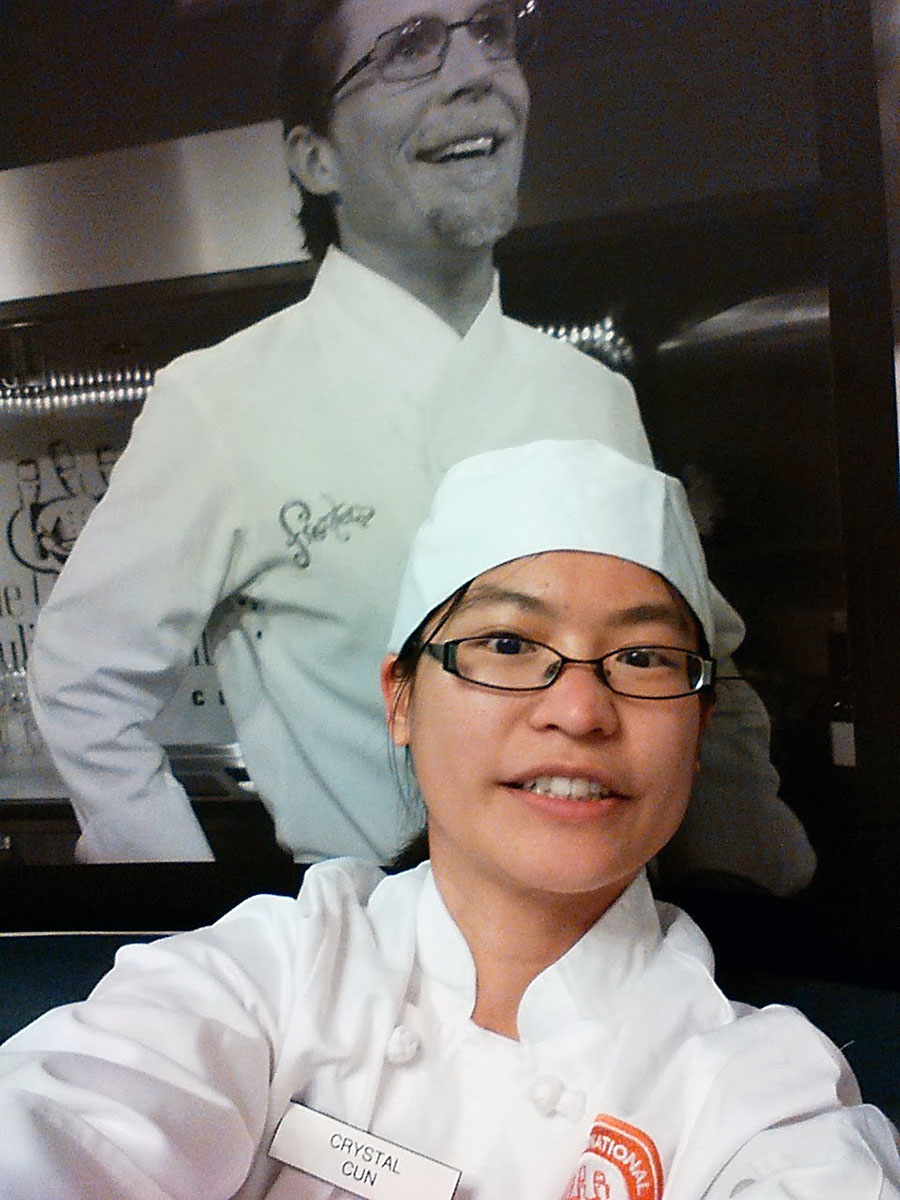
In the locker room, we carefully unpacked the contents of our tote bags. Crisp white jackets with cloth knot buttons, wide-legged houndstooth pants and a cap to keep stray hairs in place. I carefully slipped the knots on the jacket in and out of the loops; it was a long, laborious process. “Wait a minute,” said the girl down the aisle, “The jackets are big enough that you can put them on without untying the buttons!” At the bottom of my bag, a neatly folded triangle of white cloth remained. “Is this a side towel? Or a napkin?” I asked. “Actually, I think it’s the neckerchief,” another student replied. “But I have no idea how to tie it on.”

So You Think You Can Cook: Signing Up for Culinary School

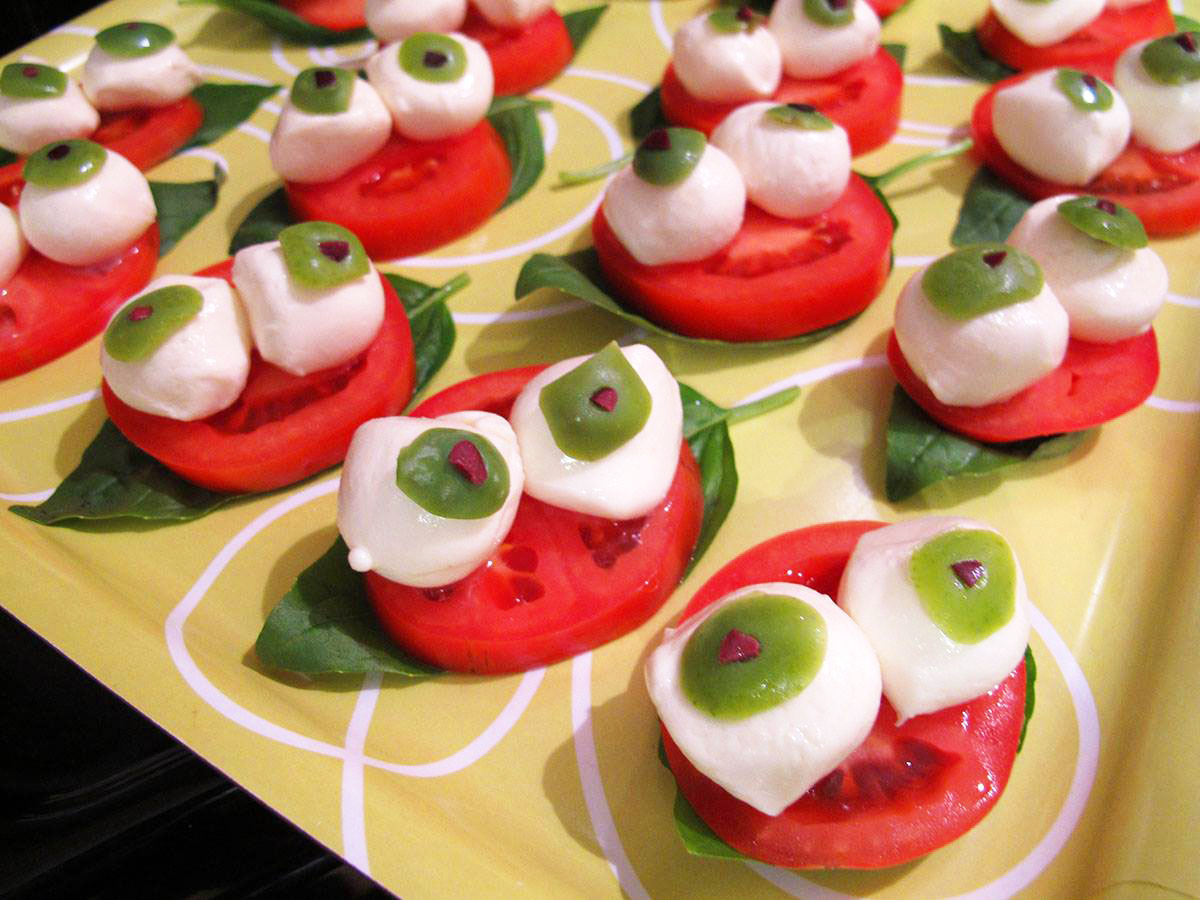
A Spooky Eyeball Caprese

For a year while attending the University of Gastronomic Sciences, I was constantly asked, “How’s culinary school? Are you going to be a chef?” I would patiently explain that no, that’s not really what gastronomy is about.

Don’t get me wrong, I spent A LOT of time cooking during that year, with some of the freshest, most affordable produce I’ve ever seen in my life. Our class potlucks were lavish, internationally diverse and subtly competitive; everyone worked hard to bring their A-game to the table. Since coming to New York (land of take-out and tiny kitchens), I have yet to be surrounded by cooks in the same intensity and density.

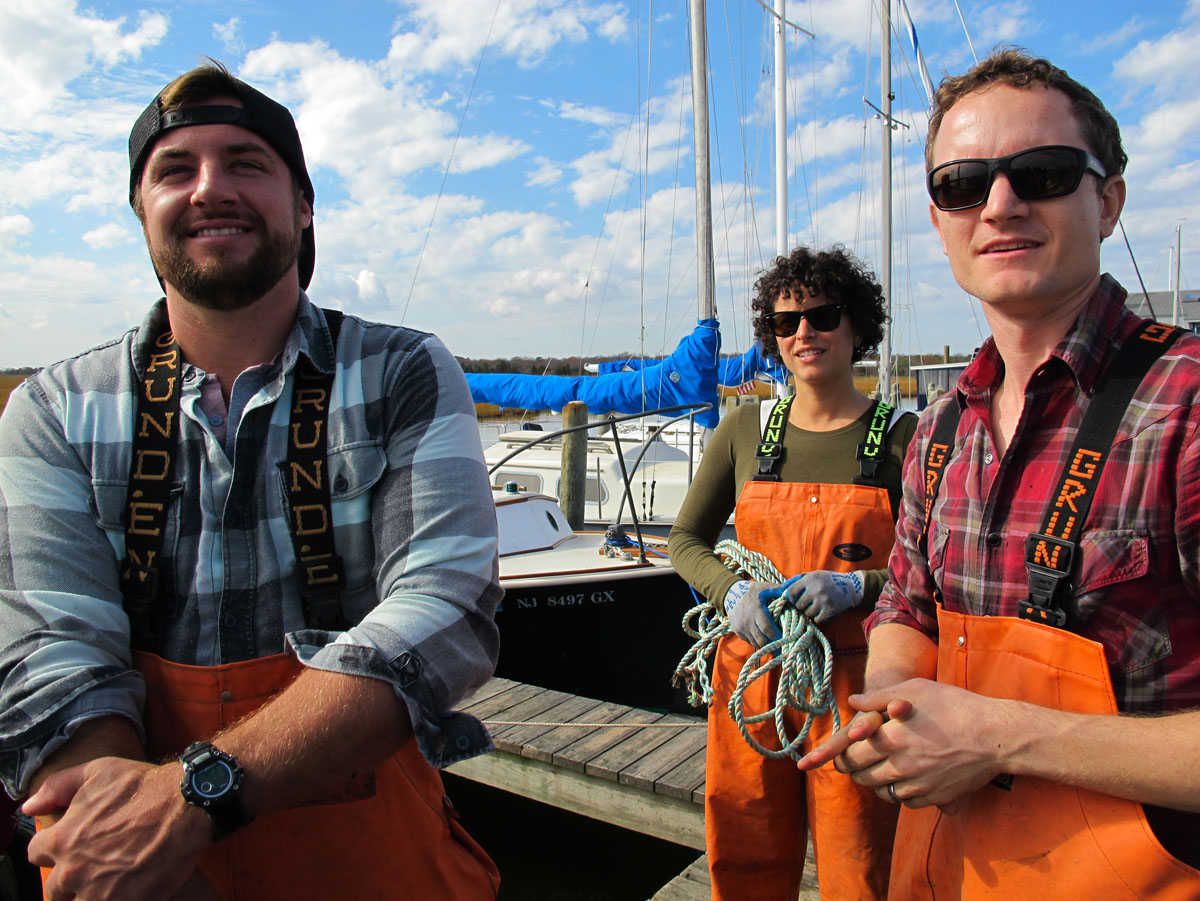
Forty North Oyster Farm: Surviving and Thriving Post-Hurricane Sandy

In the fall of 2012, Forty North Oyster Farm had just begun planting their first crop of oysters. Mere days later, Hurricane Sandy hit the Eastern seaboard, destroying coastal towns and remaking the shoreline. “Of the 300 or so houses in Mantoloking, 50 or 60 of them were missing after Sandy,” said founder and farmer Matt Gregg. “We were cleaning up plastic and debris for months, and it was incredible how the contents of people’s lives were scattered all across the bay.”

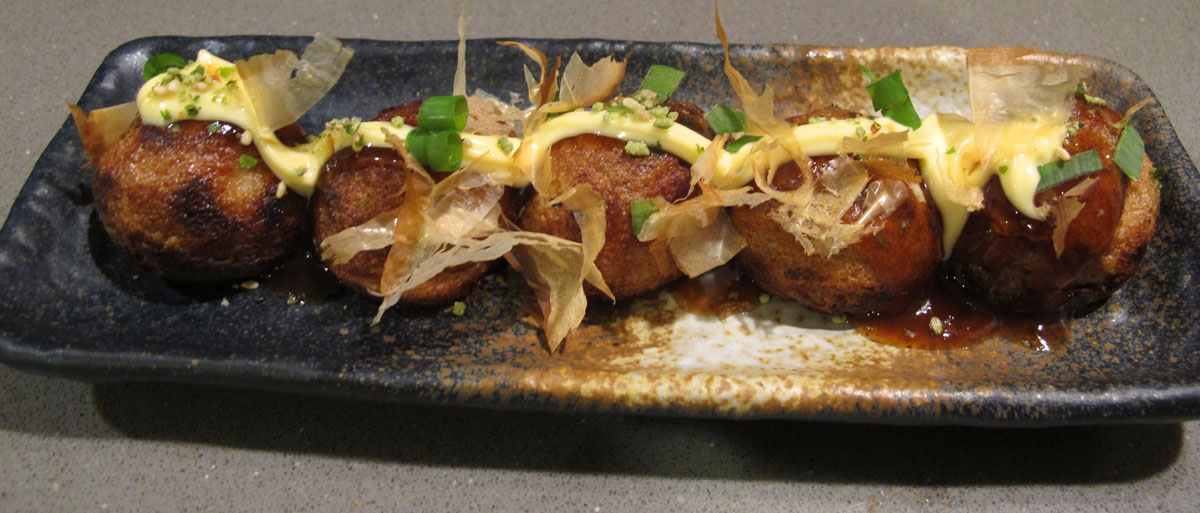
Recipe: Takoyaki Octopus Balls

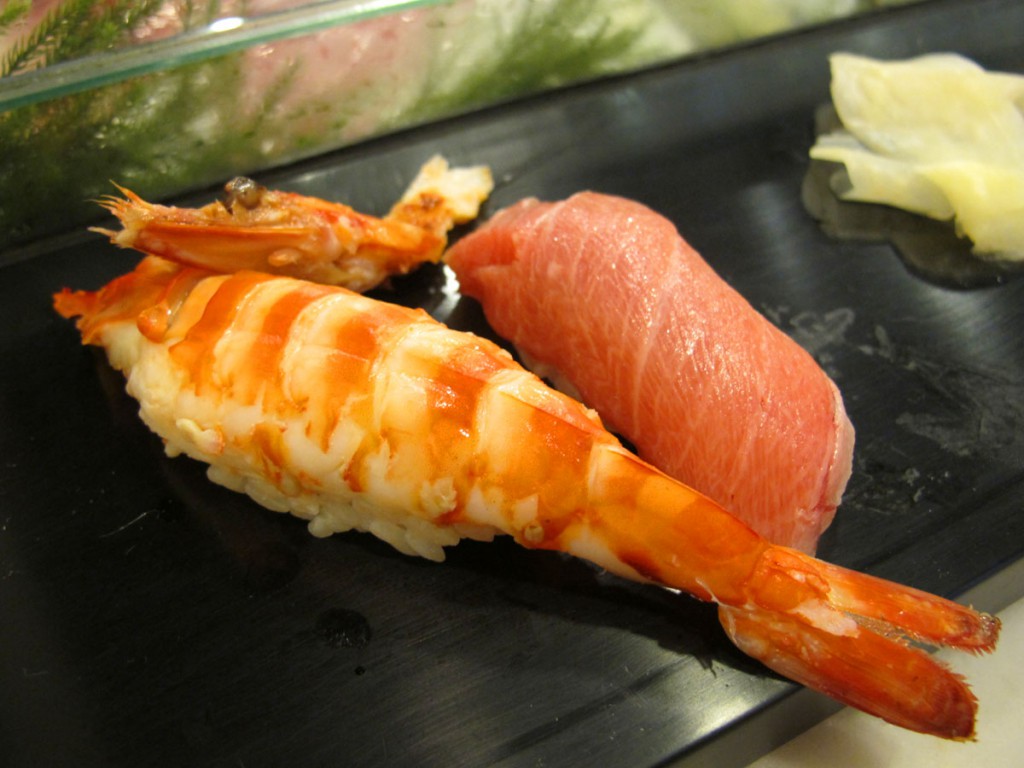
When you think of Japanese food, sushi may be the first thing that comes to mind. But the world of Japanese street foods and bar snacks is just as eye-opening and tasty, while eschewing less accessible ingredients like bluefin. One of my favorite dishes is takoyaki, or octopus balls. These are typically cooked in massive hot plates at street stalls and festivals. In Japan, it’s not unusual to see just one chef deftly turning, cooking and serving dozens of takoyaki in a matter of minutes—the speed is truly remarkable! After watching these takoyaki masters at work, I began to wonder how I might replicate the dish at home.

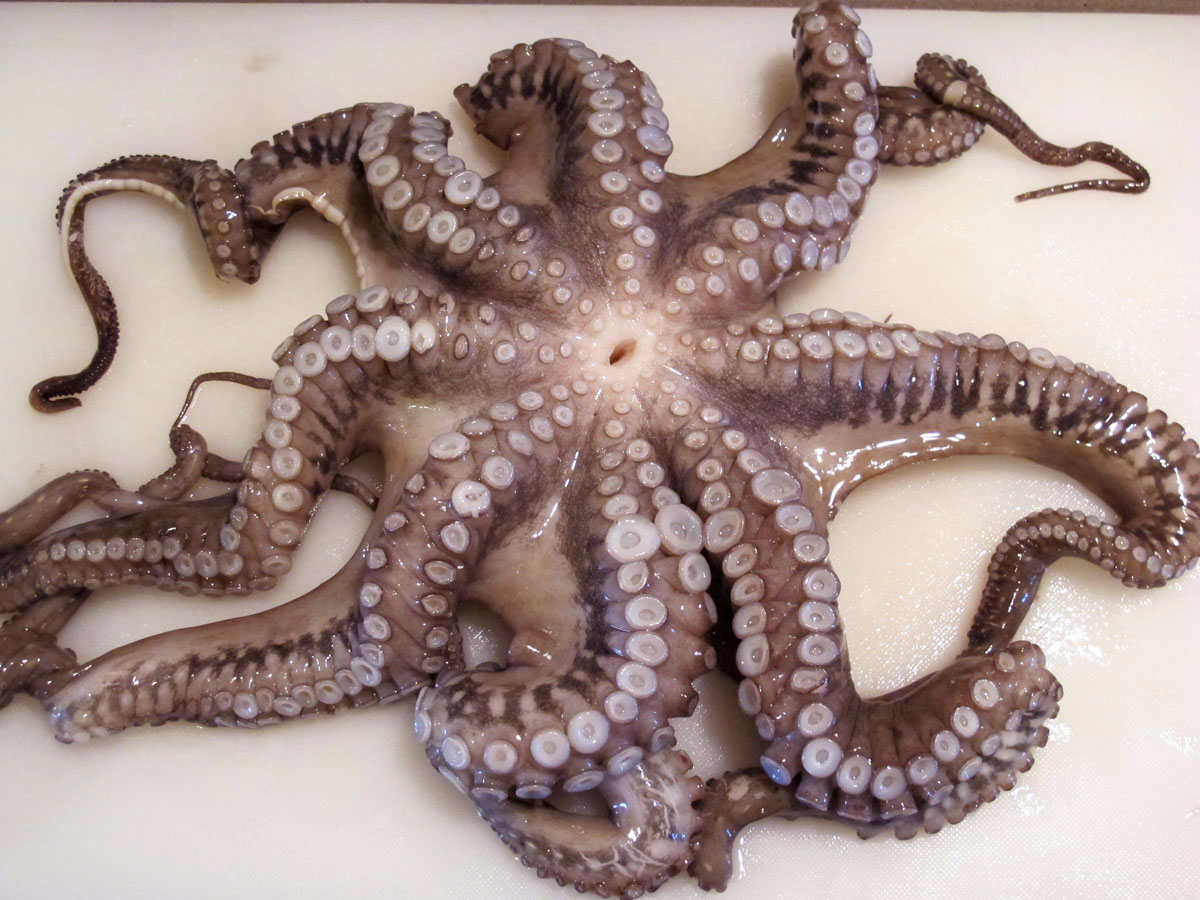
Cork, Rocks and Vinegar: How (Not) to Cook an Octopus

So you can break down a chicken, truss a duck and french a rack of lamb? Have you tried cooking an octopus?

There are some dishes which are so failure-prone that a vibrant mythology is built around how to avoid the usual pitfalls. Tenderizing octopus certainly falls into that camp. A quick Google search on the subject quickly reveals that the best way to cook a tender octopus is to vigorously beat it on some Grecian rocks. Or to cook it with wine corks in the pot. Or to add some vinegar. Or maybe the secret is to rub the octopus with grated daikon radish. Actually, scratch all that, the real key to success is to slowly dip the octopus a few seconds at a time into hot water until it acclimates to the boiling temperatures. All of these methods have their proponents, who will wholeheartedly assure you that it will work because after all, that is how their grandfather did it, and his father and his before that.

Inside Tsukiji: Our Last Wild Urban Market

Turret trucks careening around corners, workers unloading boxes of glistening scales and tentacles, tuna carvers wielding samurai swords. All happening while Tokyo sleeps.

Tsukiji Market holds a storied place among international visitors and chefs in Tokyo. It is the world’s largest wholesale seafood market, sprawling across 23 hectares or about 55 American football fields. Over 2,000 tons of product moves through these stalls every day, ranging from tiny anchovies and smelt to hulking tunas and cuts of whale.