Food

Soylent Experiment: Day 1

Soylent Selfie

One day and three meals into Soylent week and I have to say it’s been awesome.

Last night, I made a week-long batch of Soylent. For 21 or so meals, my food will come from this container. It’s a little weird for me to eat shelf-stable food (aside from the milk), and probably the first time I’ve “cooked” a meal that’s intentionally not seasonal.
I’m Giving Up Cooking to Drink Soylent This Week, Here’s Why

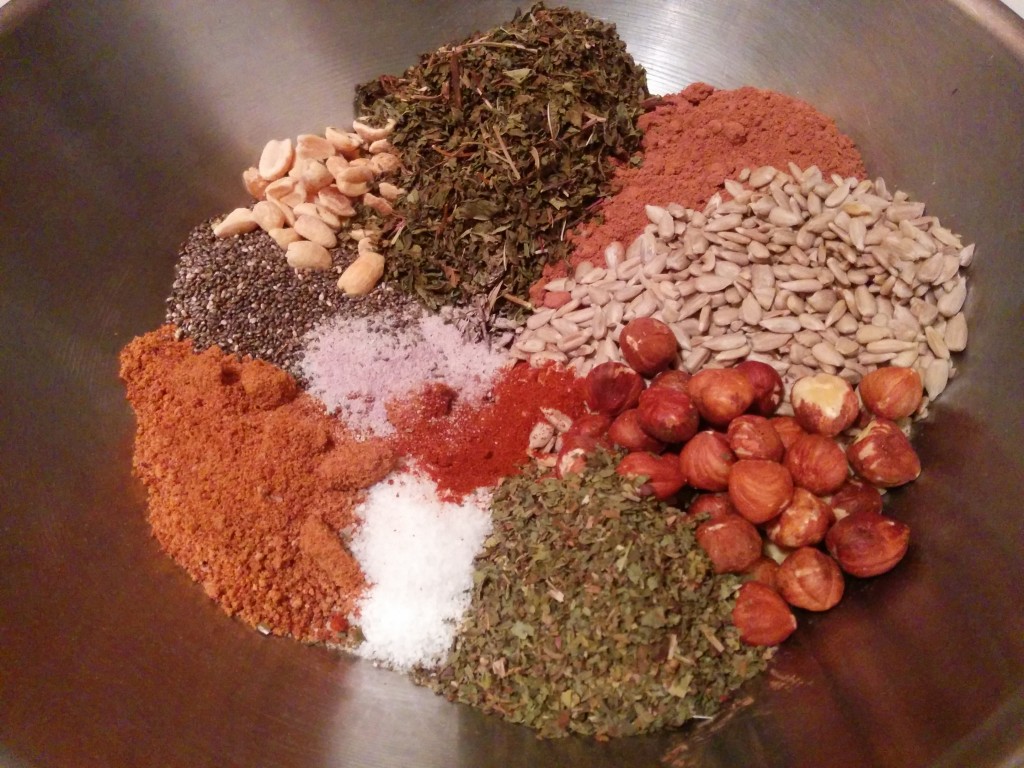
All natural Soylent mix

Last month, the New Yorker published a piece on Soylent, a shelf-stable powder that can be mixed with water to become a meal replacement. “The End of Food,” the headline screamed, “Has a tech entrepreneur come up with a product to replace our meals?” Unlike Slim Fast and similar products, Soylent claims to be nutritionally complete, the only thing you’ll need to eat (er, drink) for the rest of your life (which hopefully will not be shortened due to diet). Also, it was invented by a bunch of young engineers who subsequently launched a successful Kickstarter campaign to manufacture Soylent for the masses. $755,000 later, we are that much closer to a humanity that doesn’t have to think about food ever again. This despite a name that was intentionally chosen for dark humor.
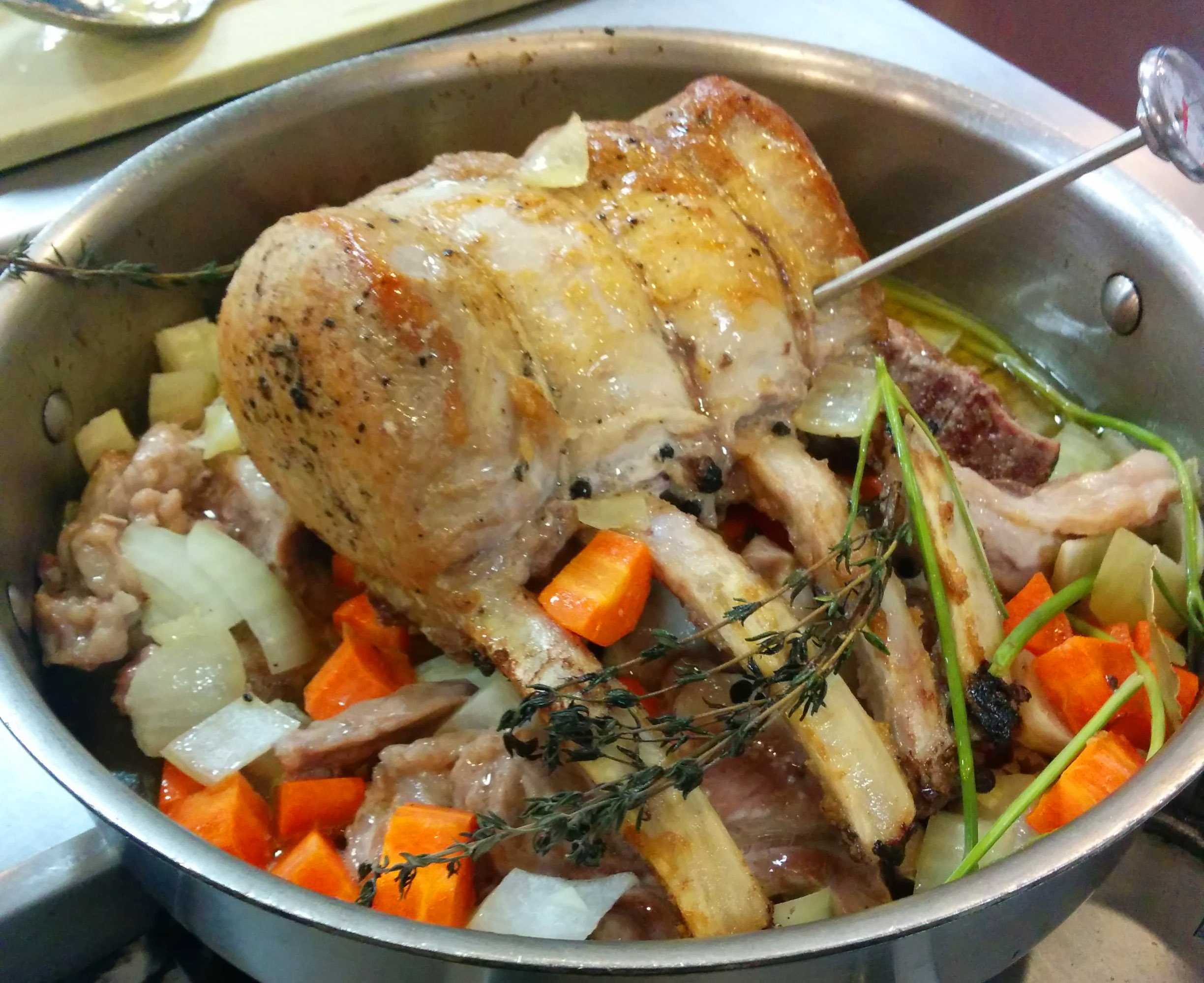
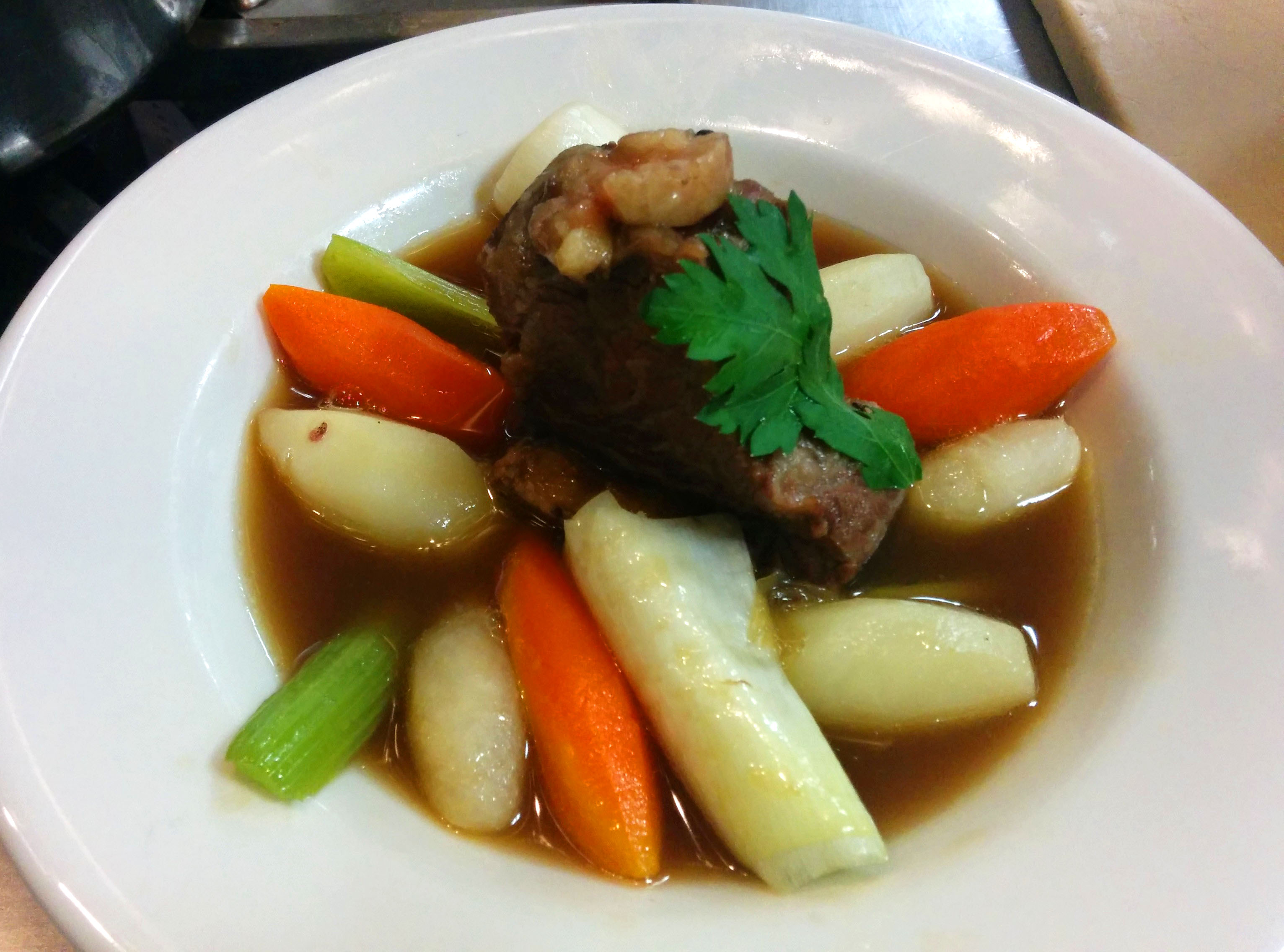
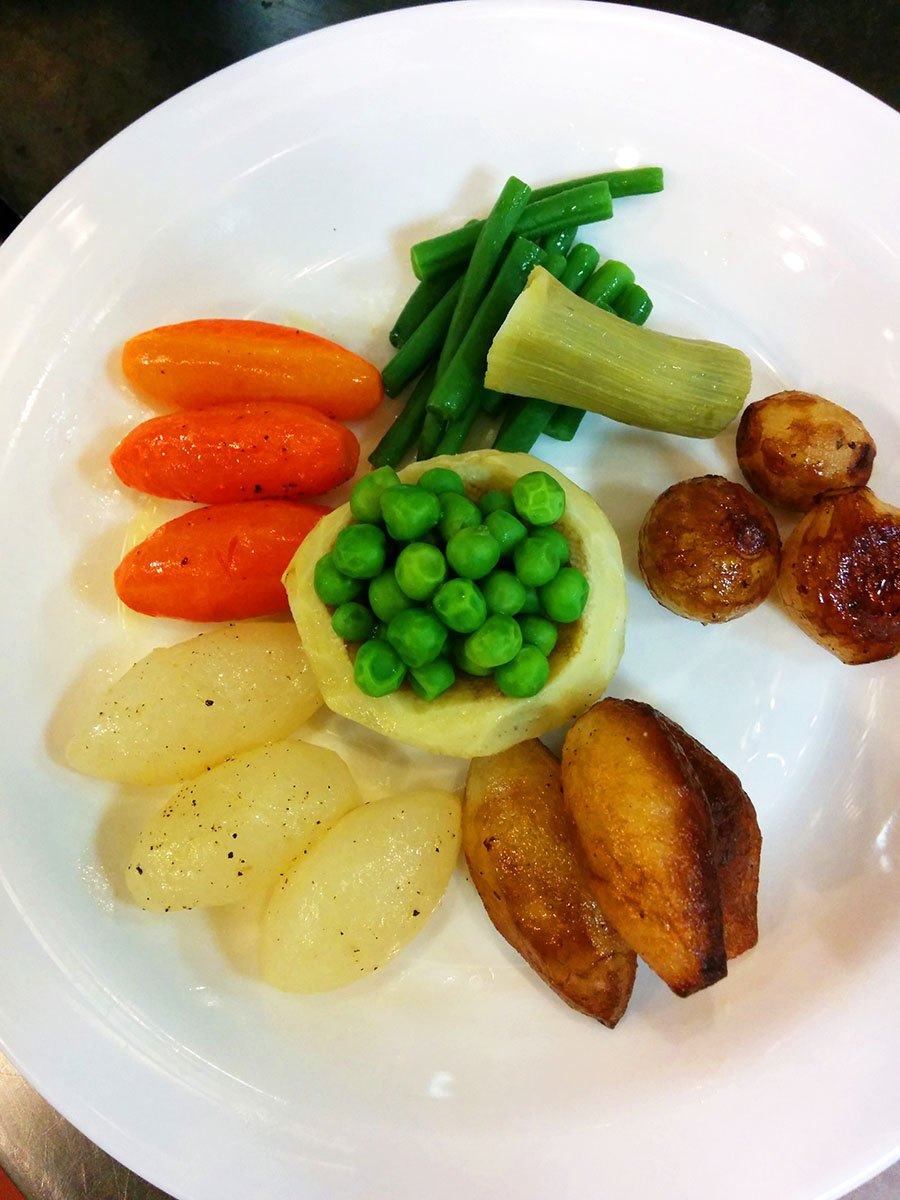
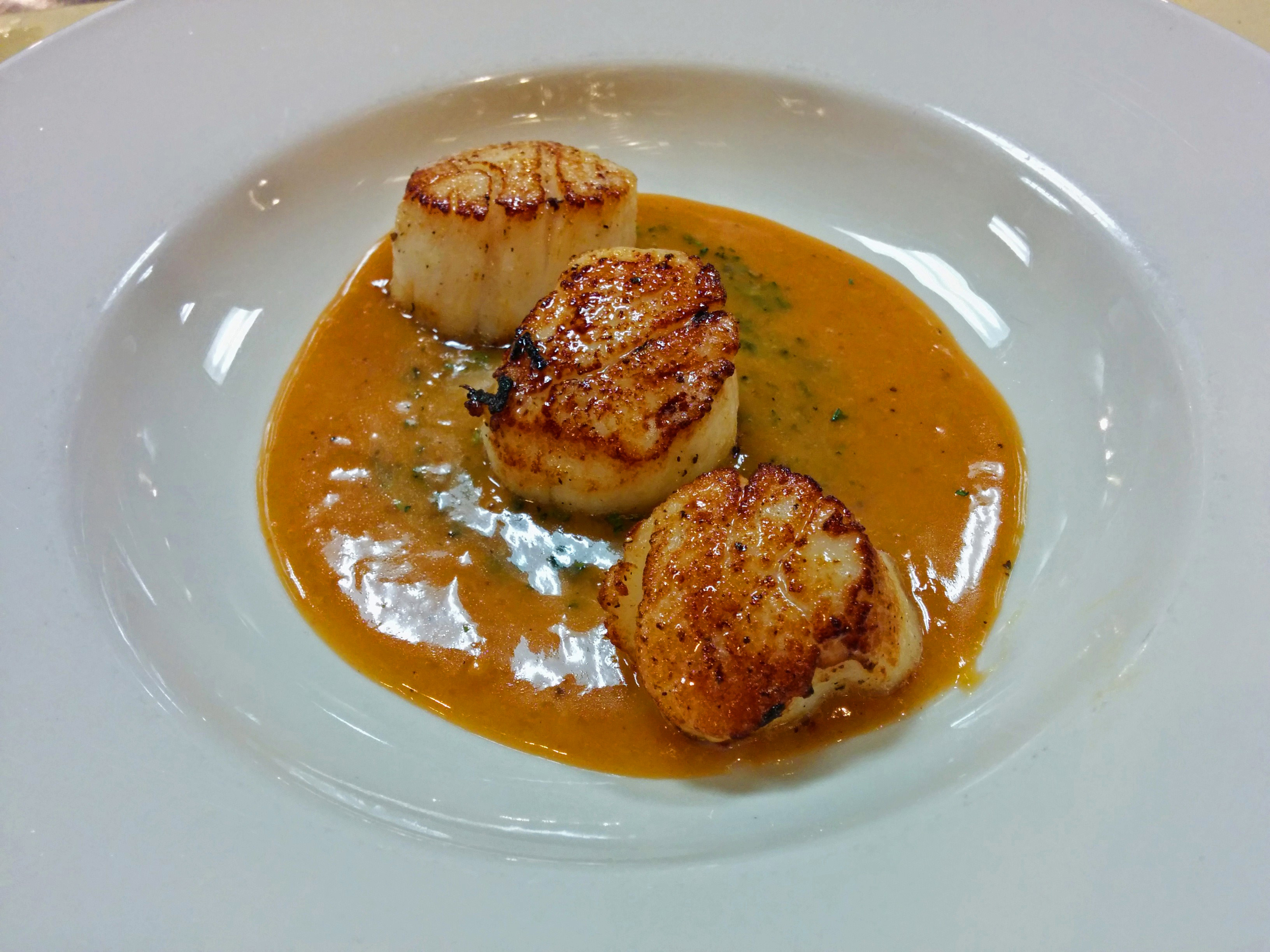
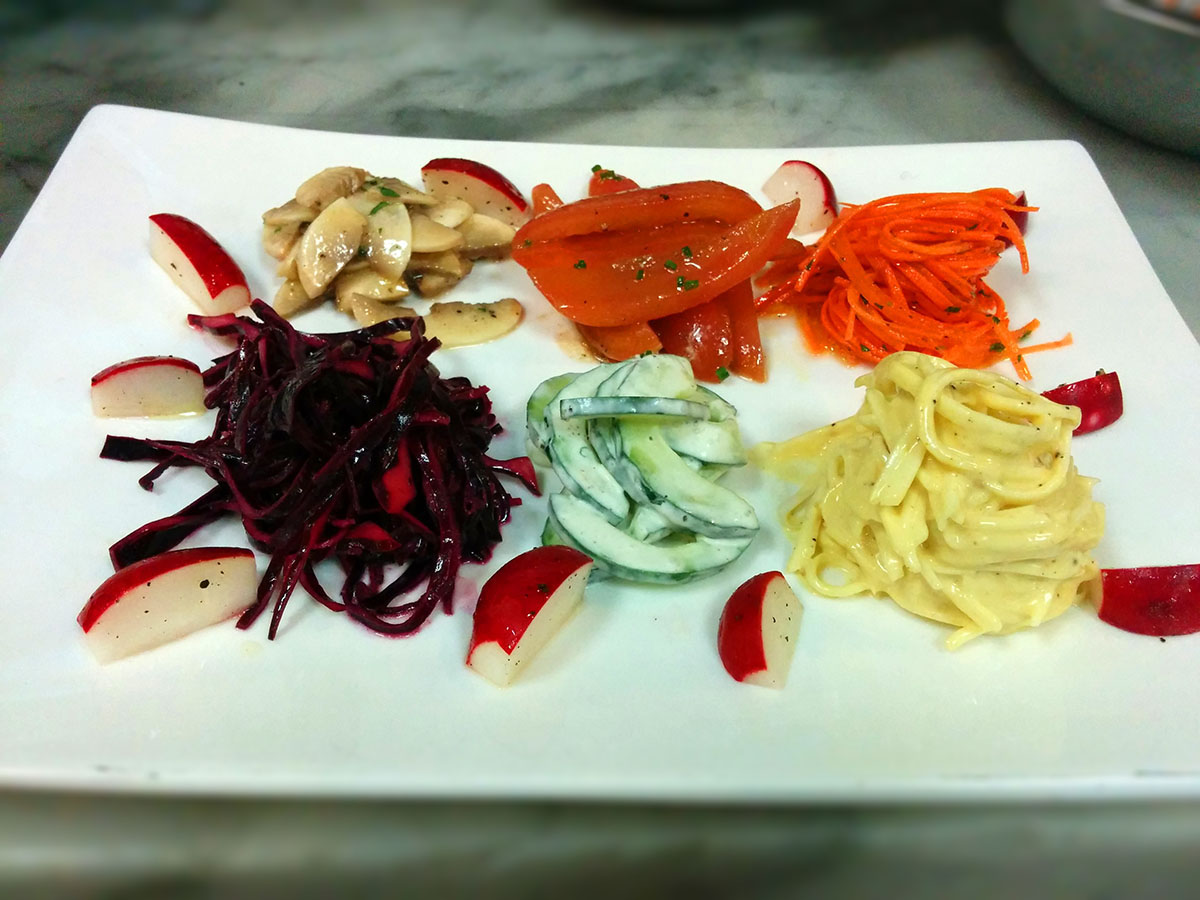
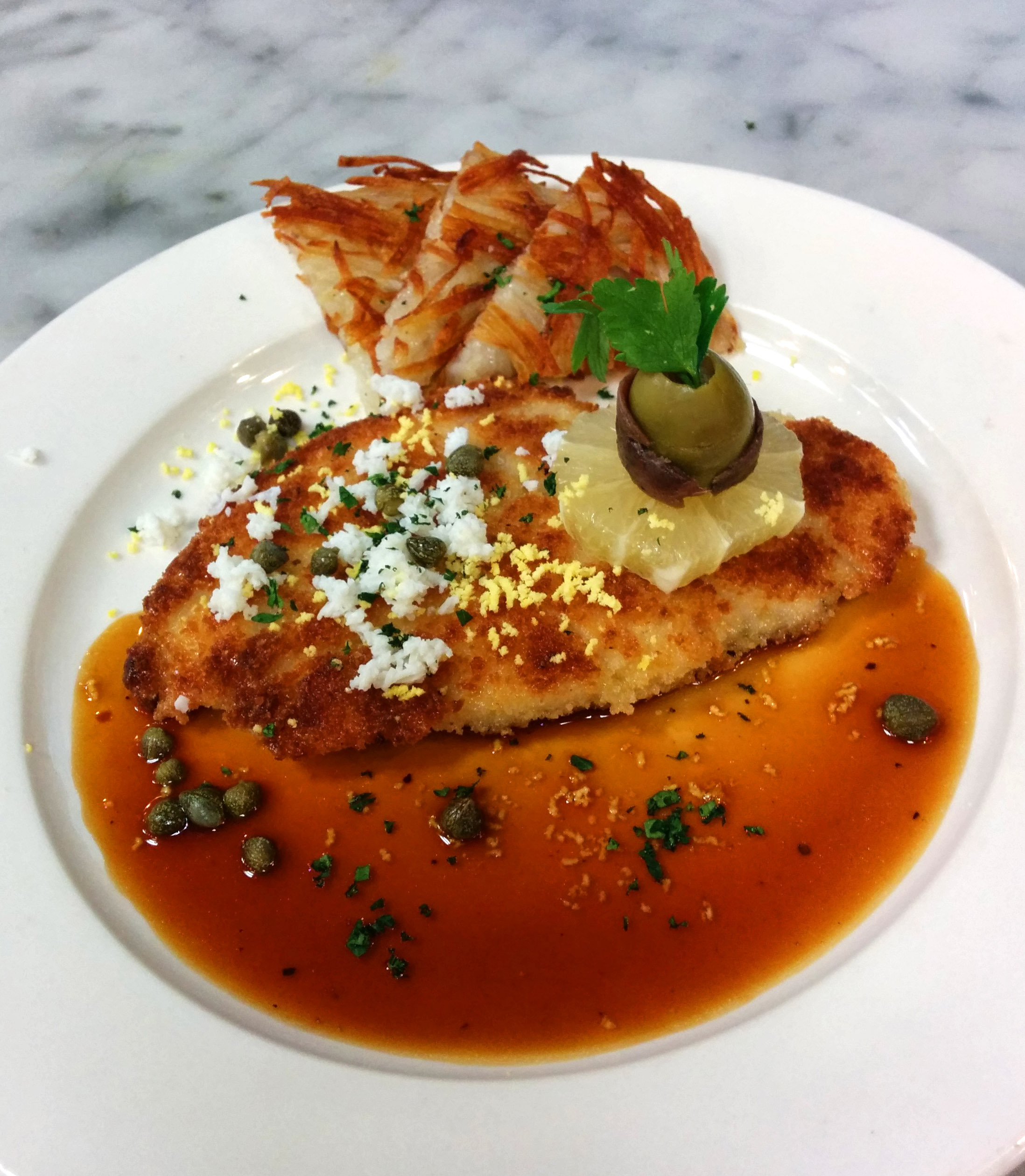
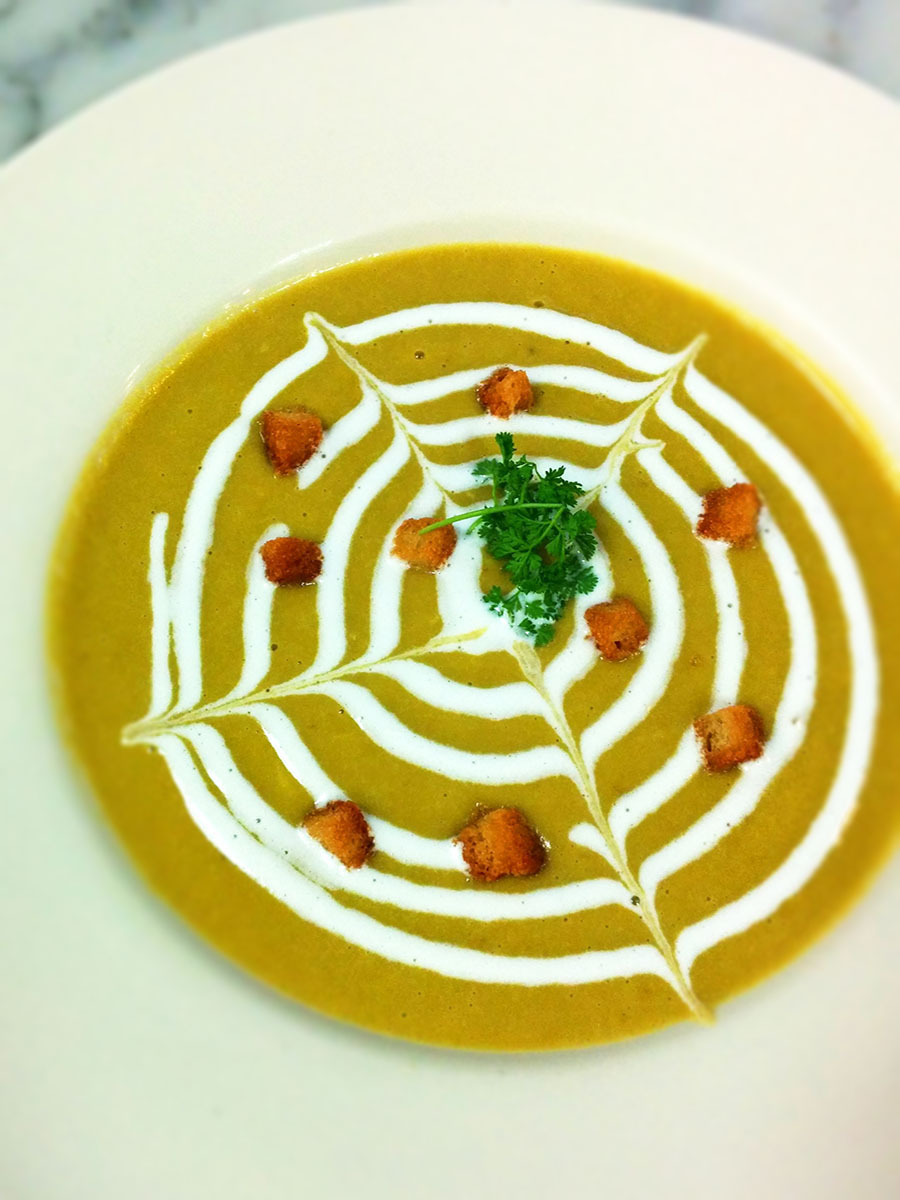
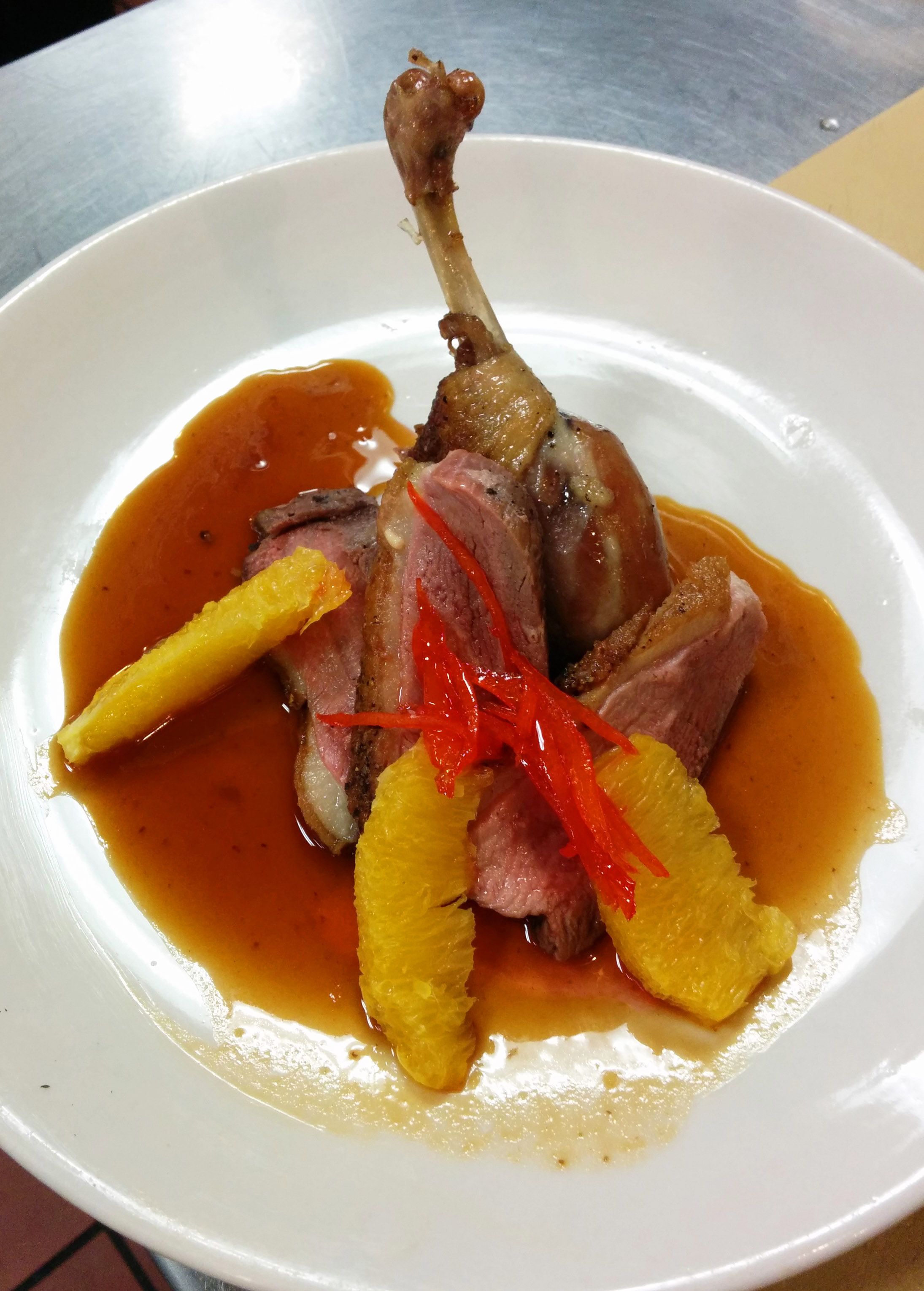
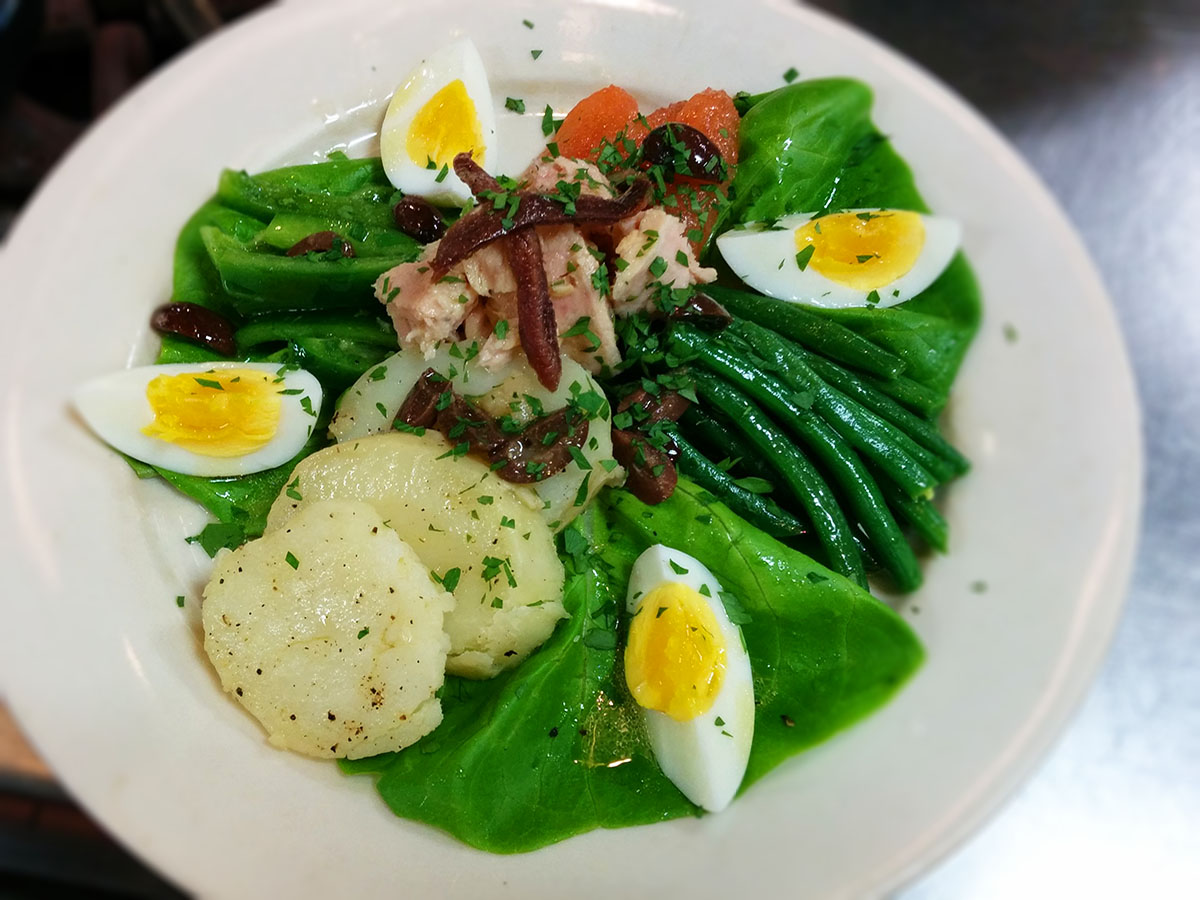
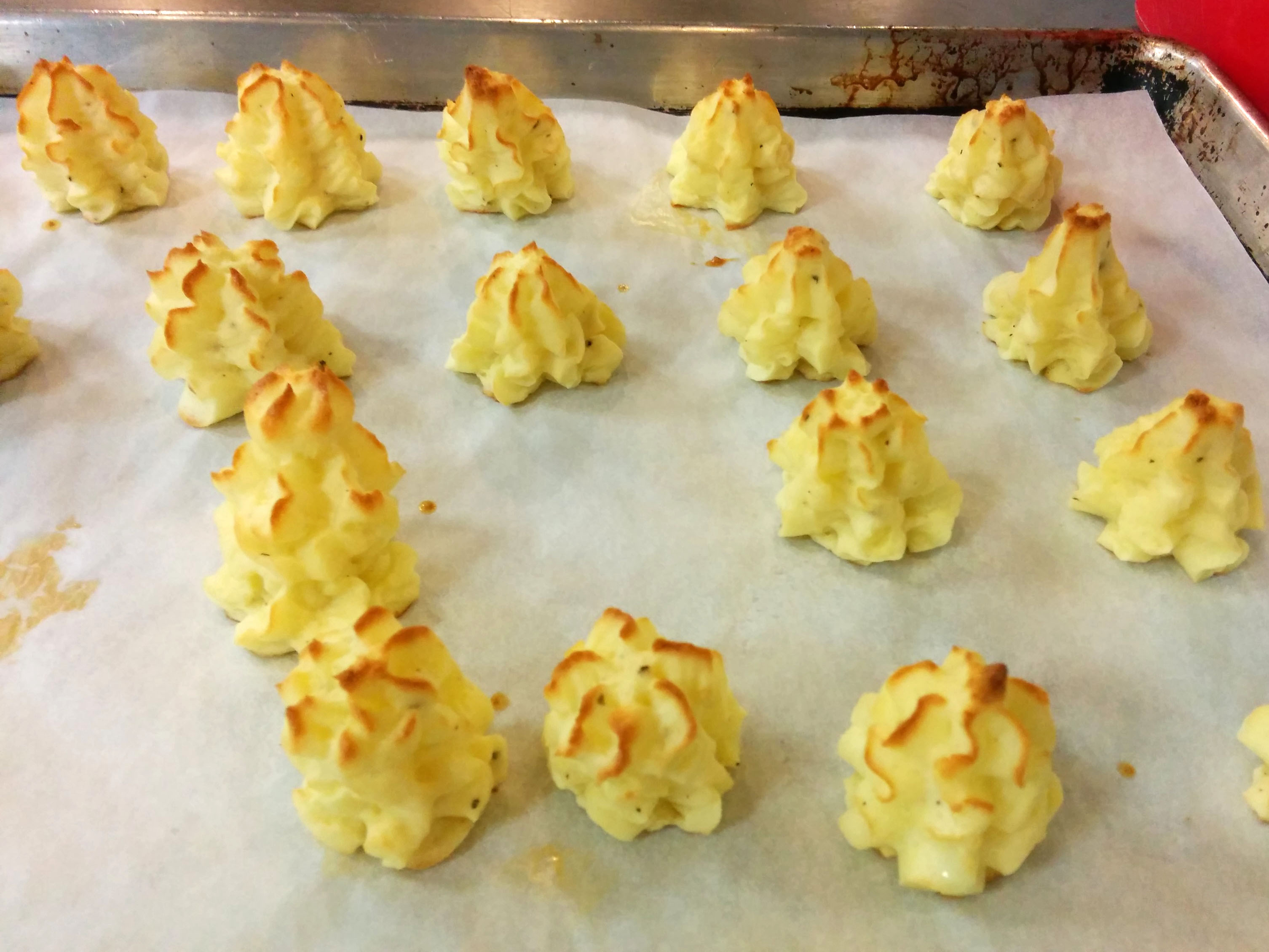
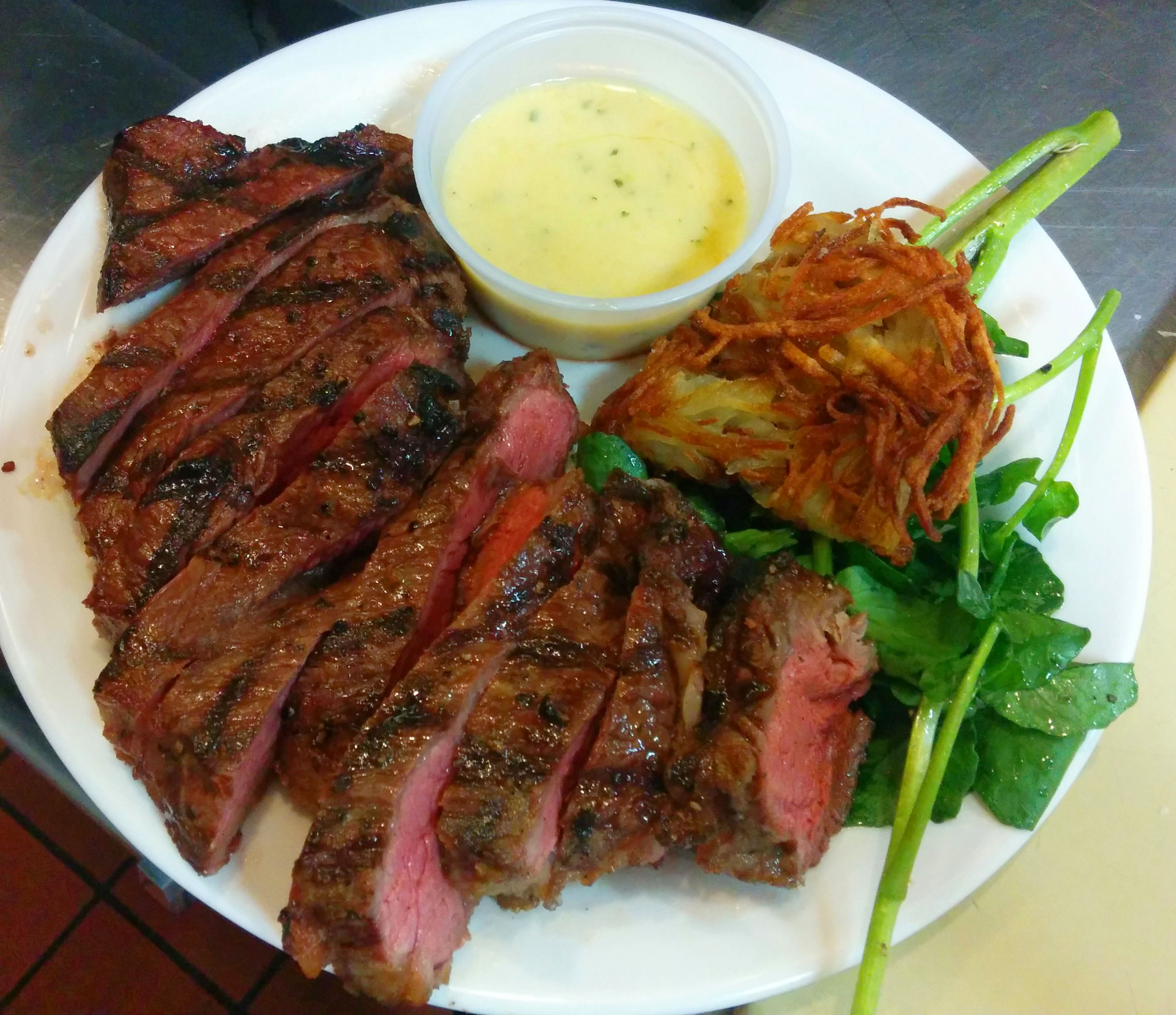
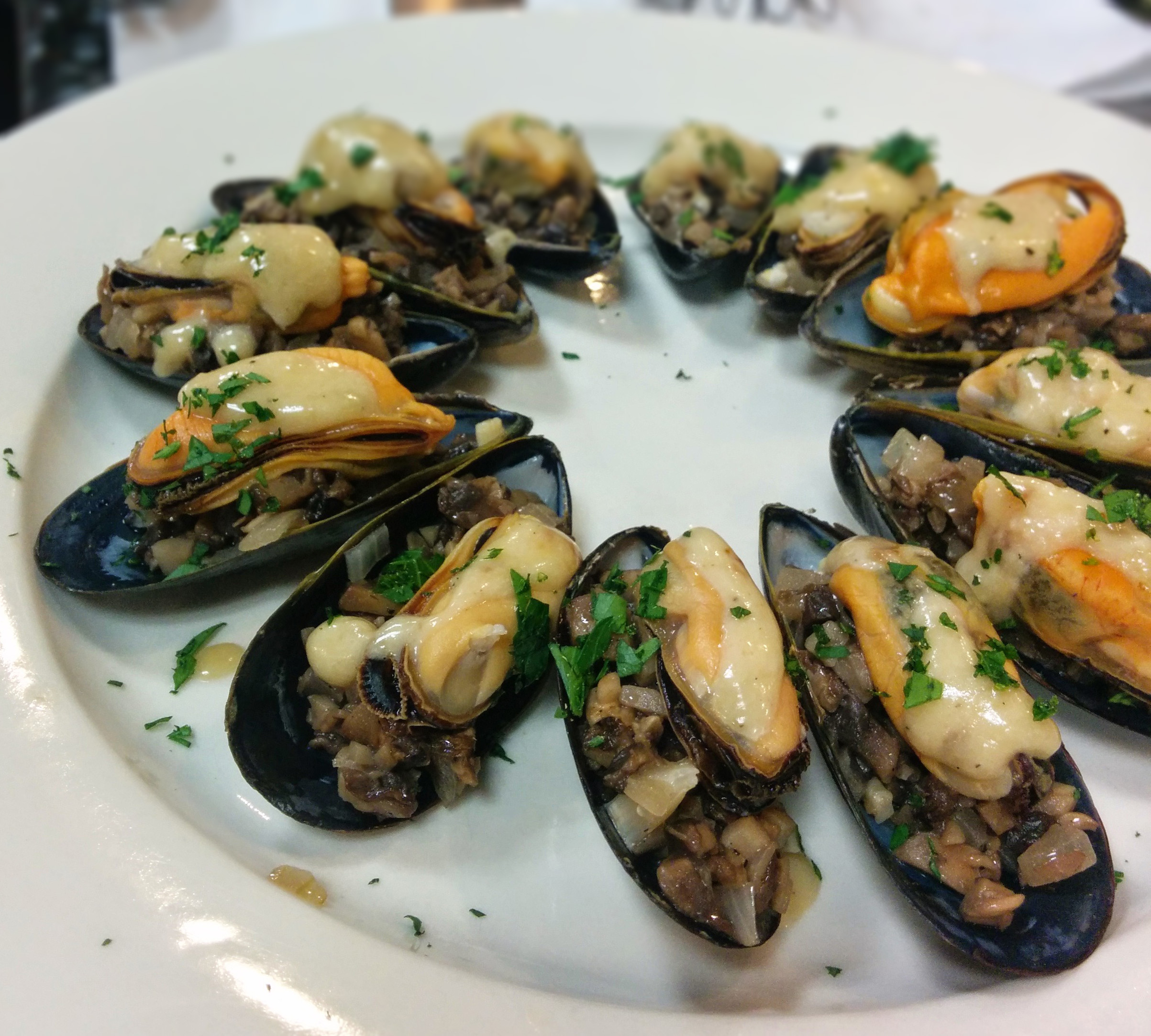
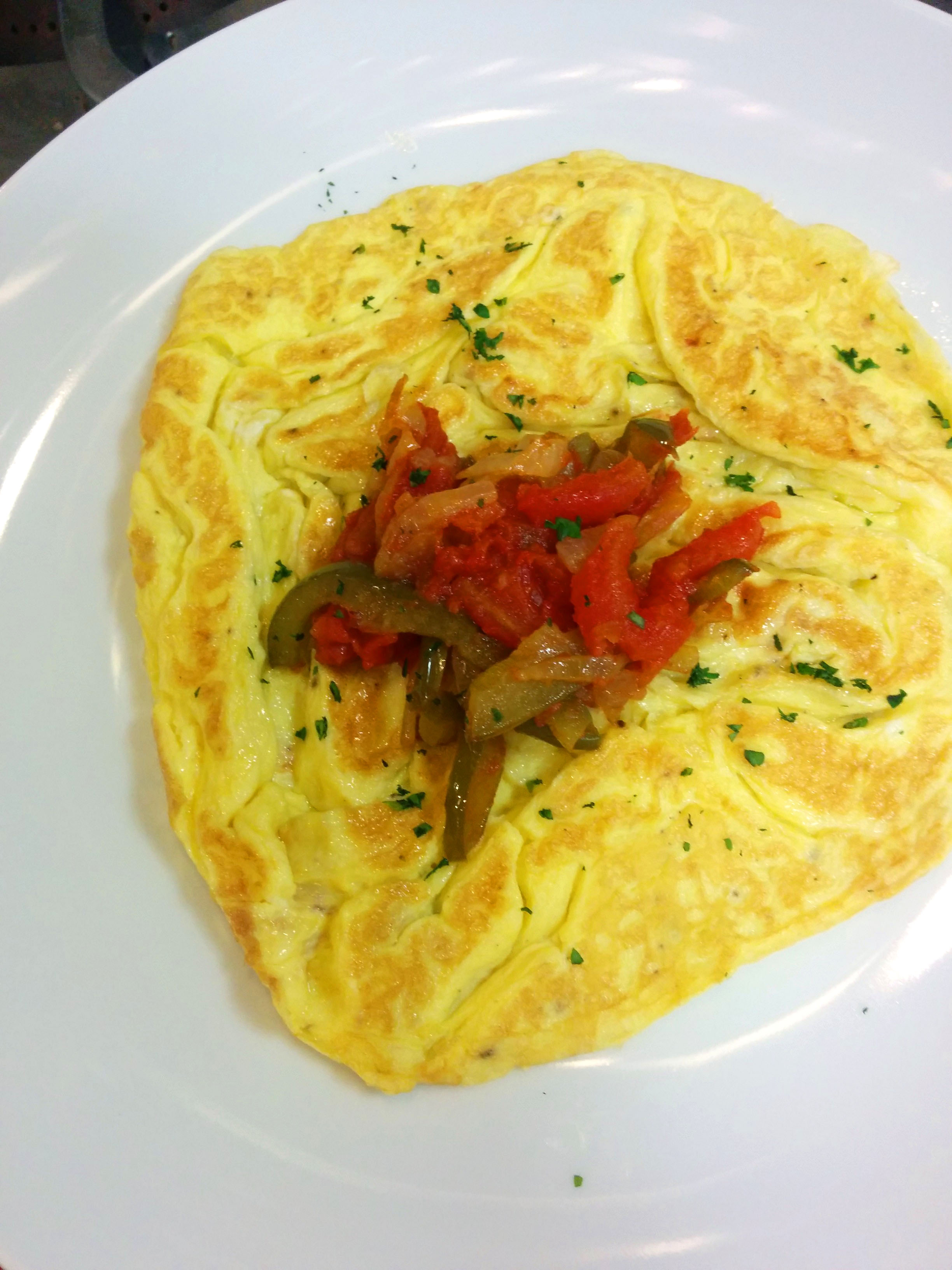
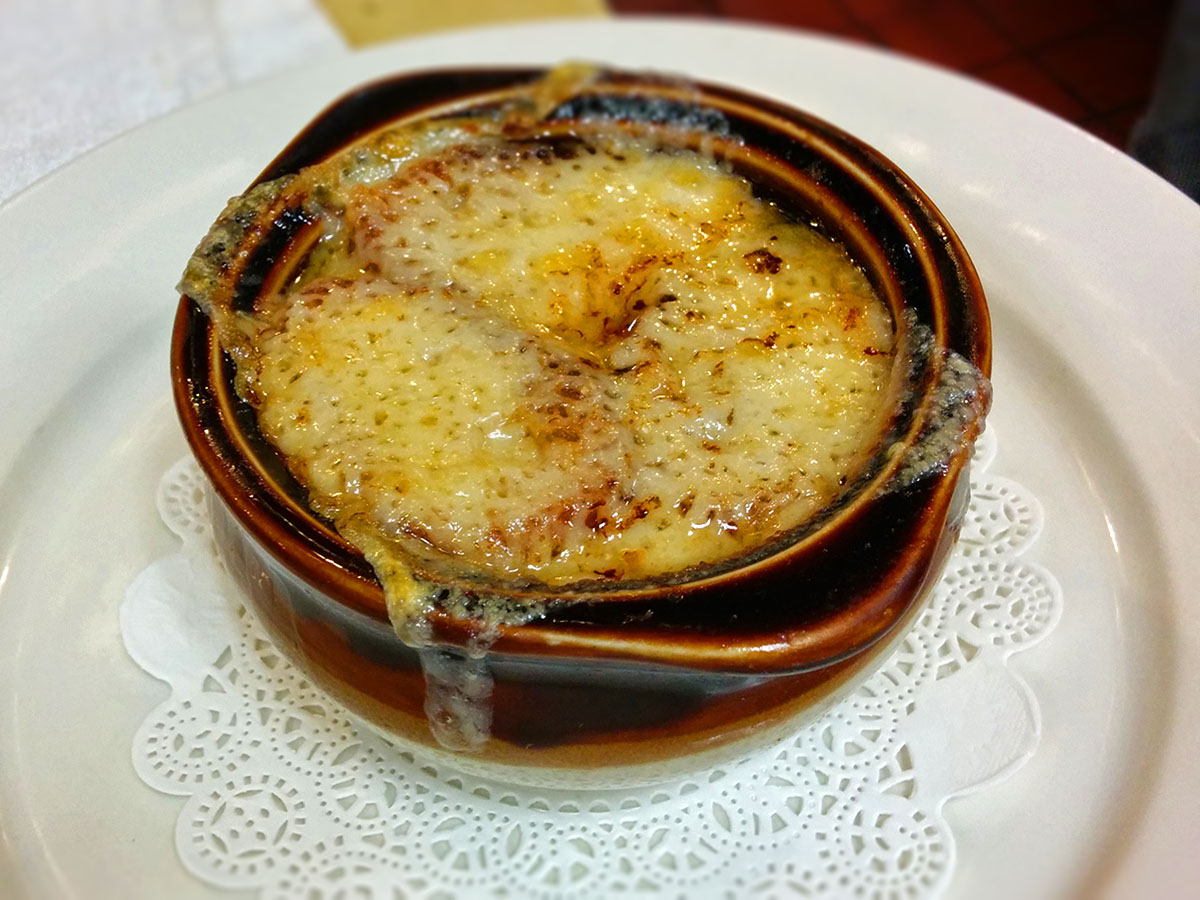
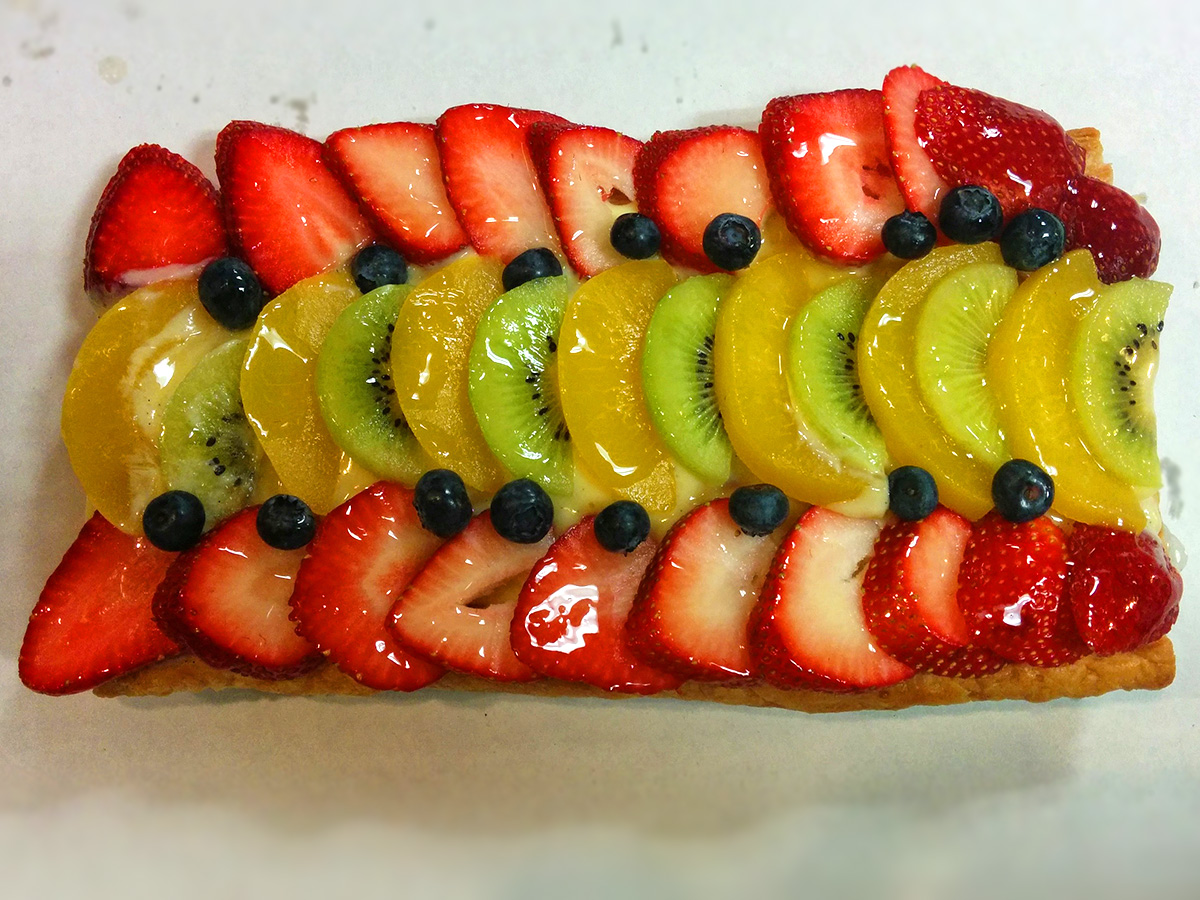
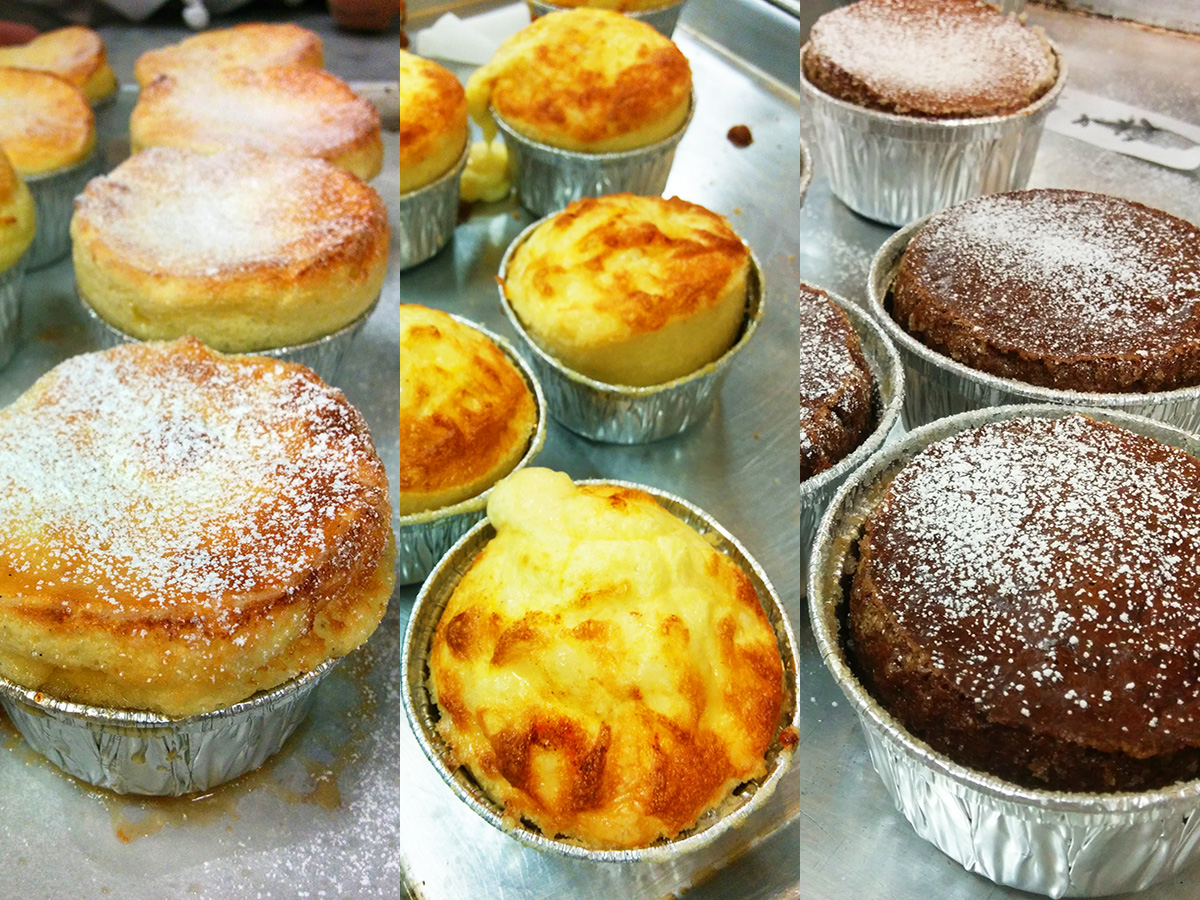
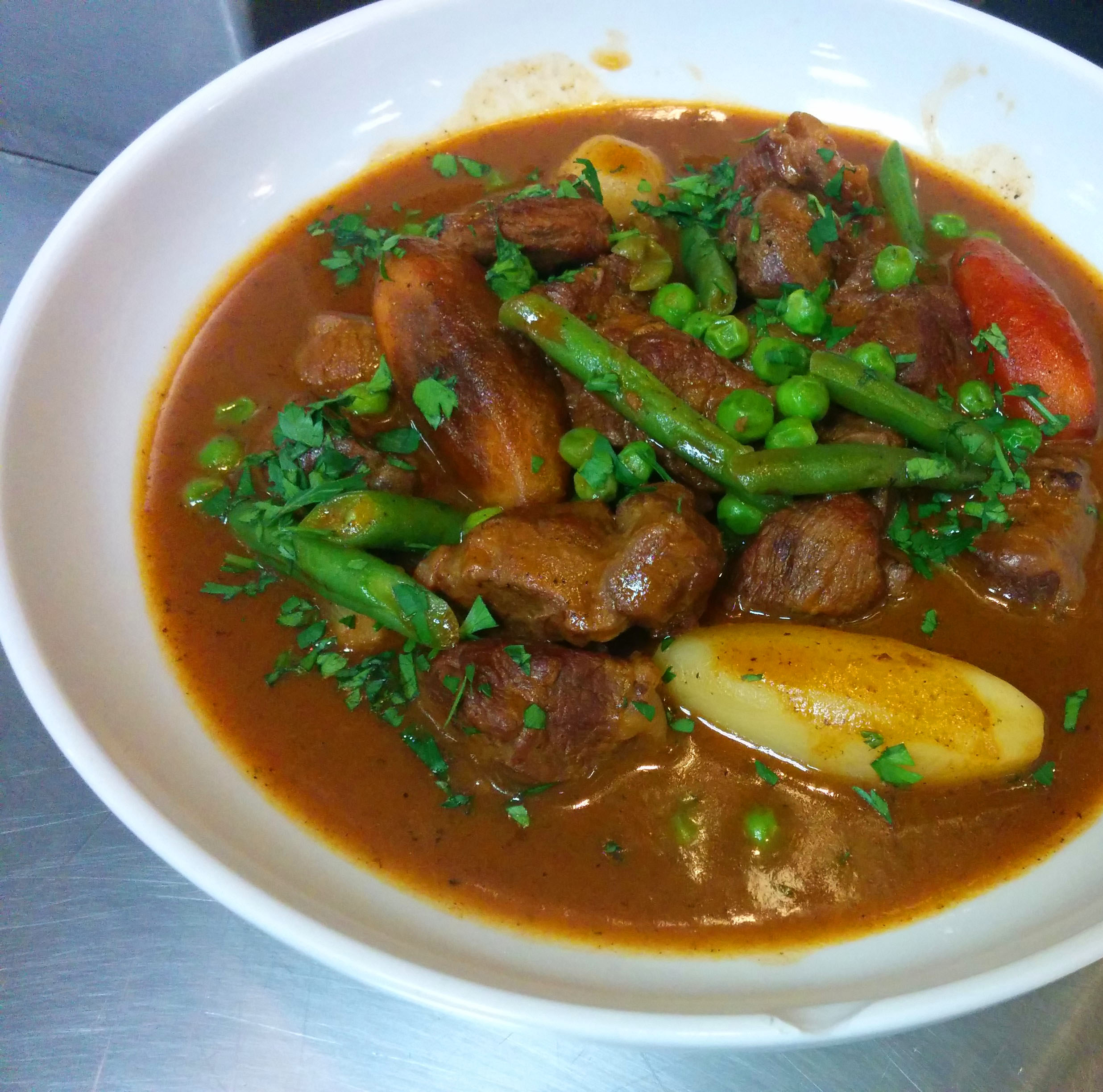
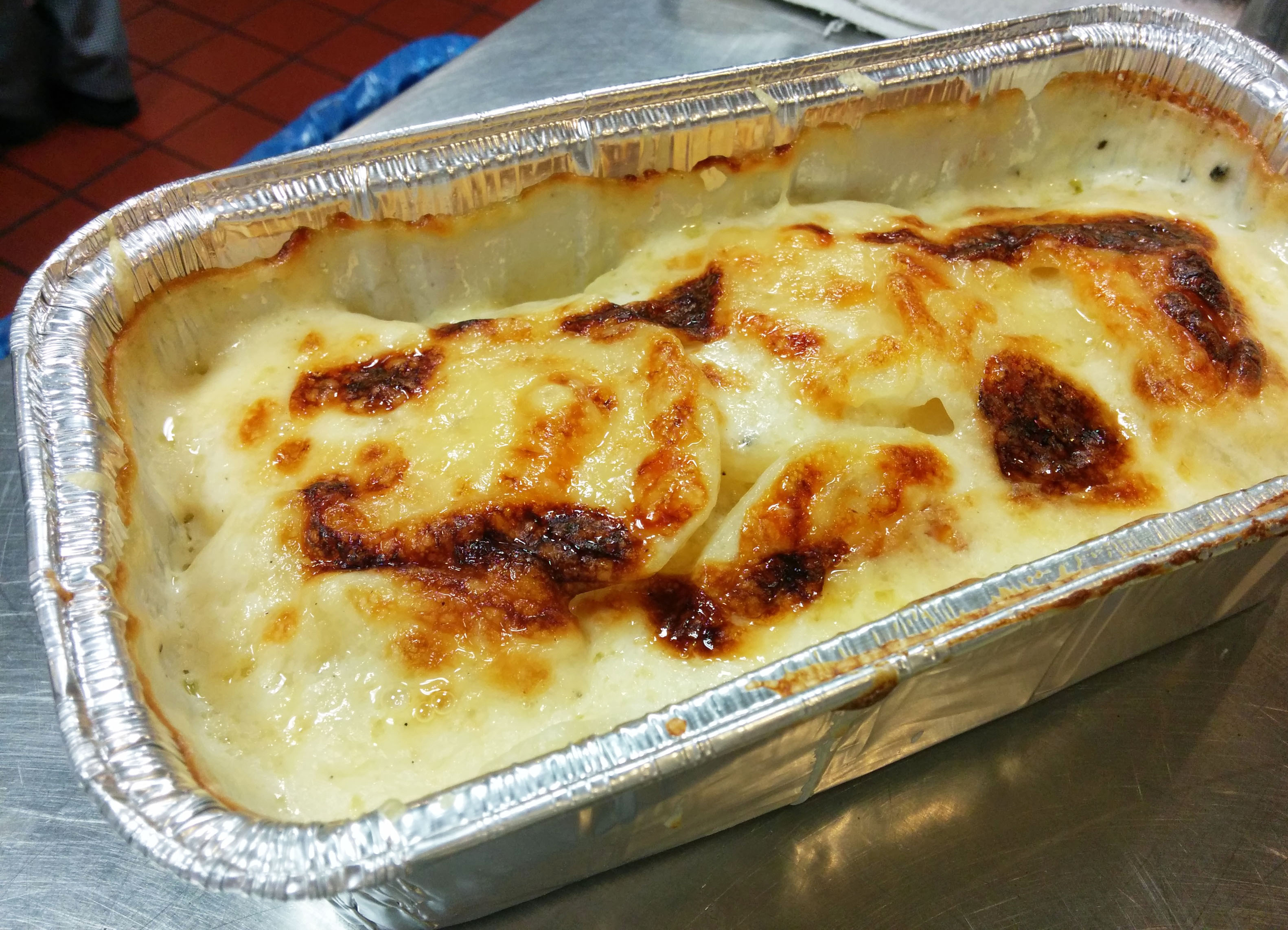
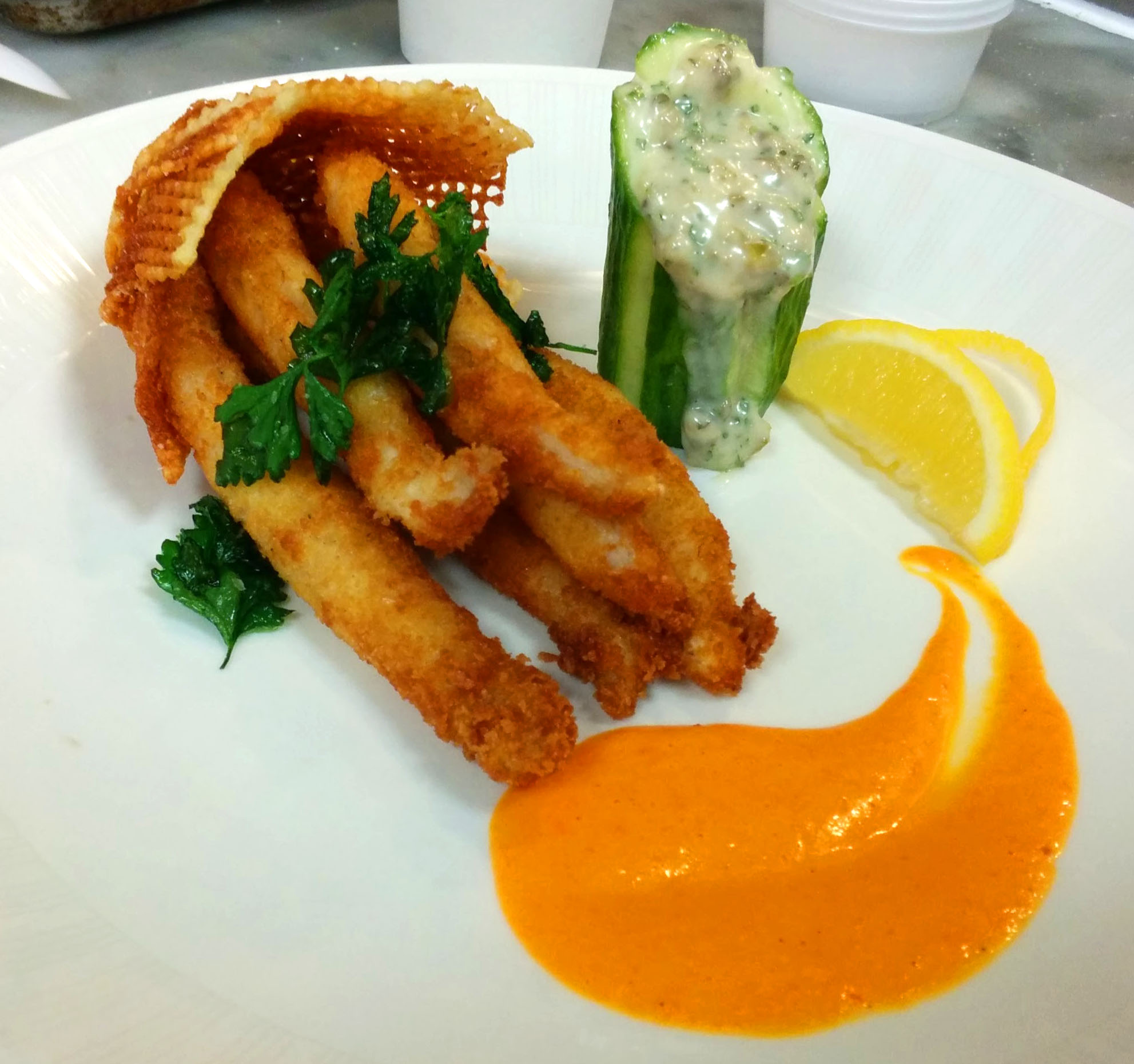
Culinary School Food Porn: What We Cooked

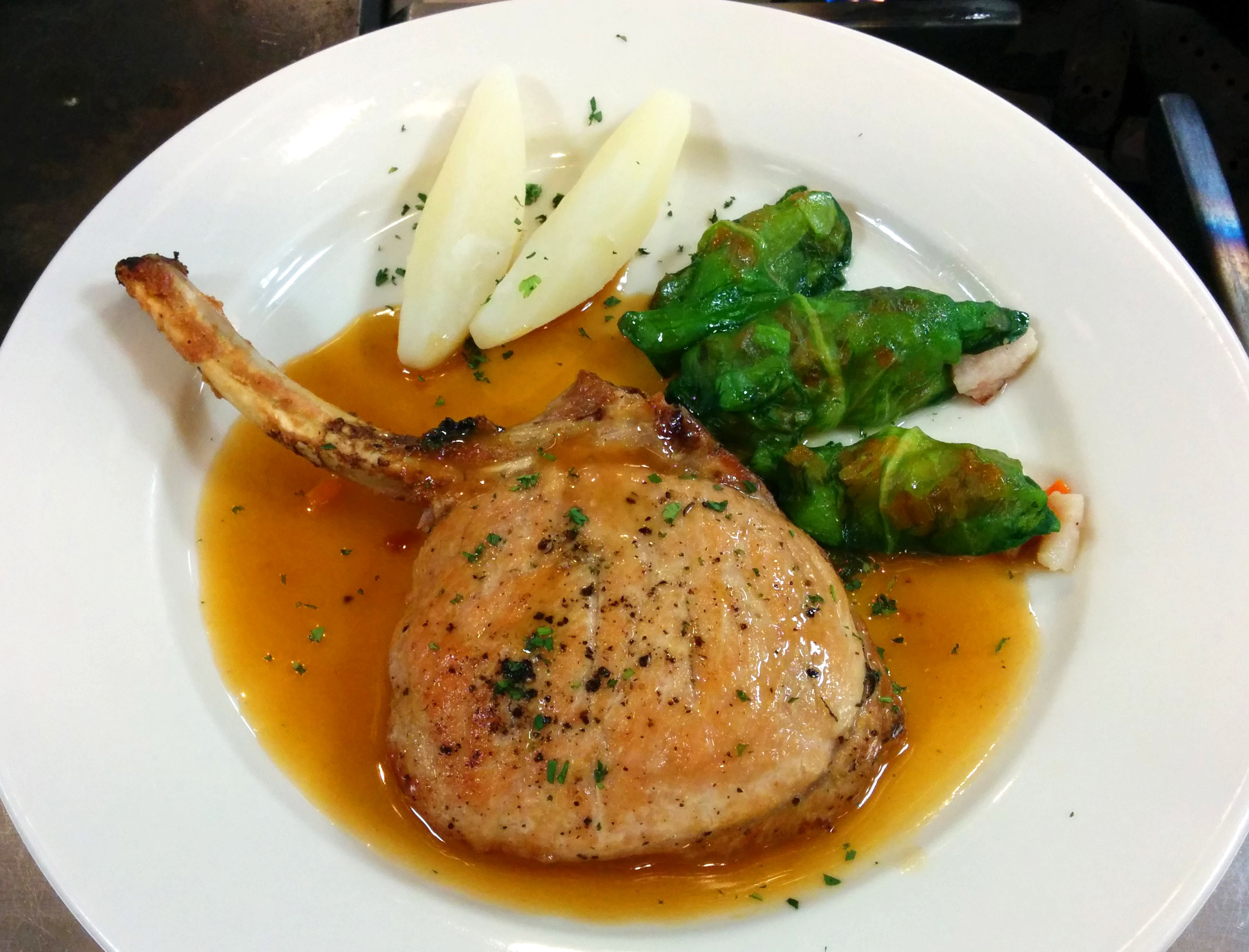
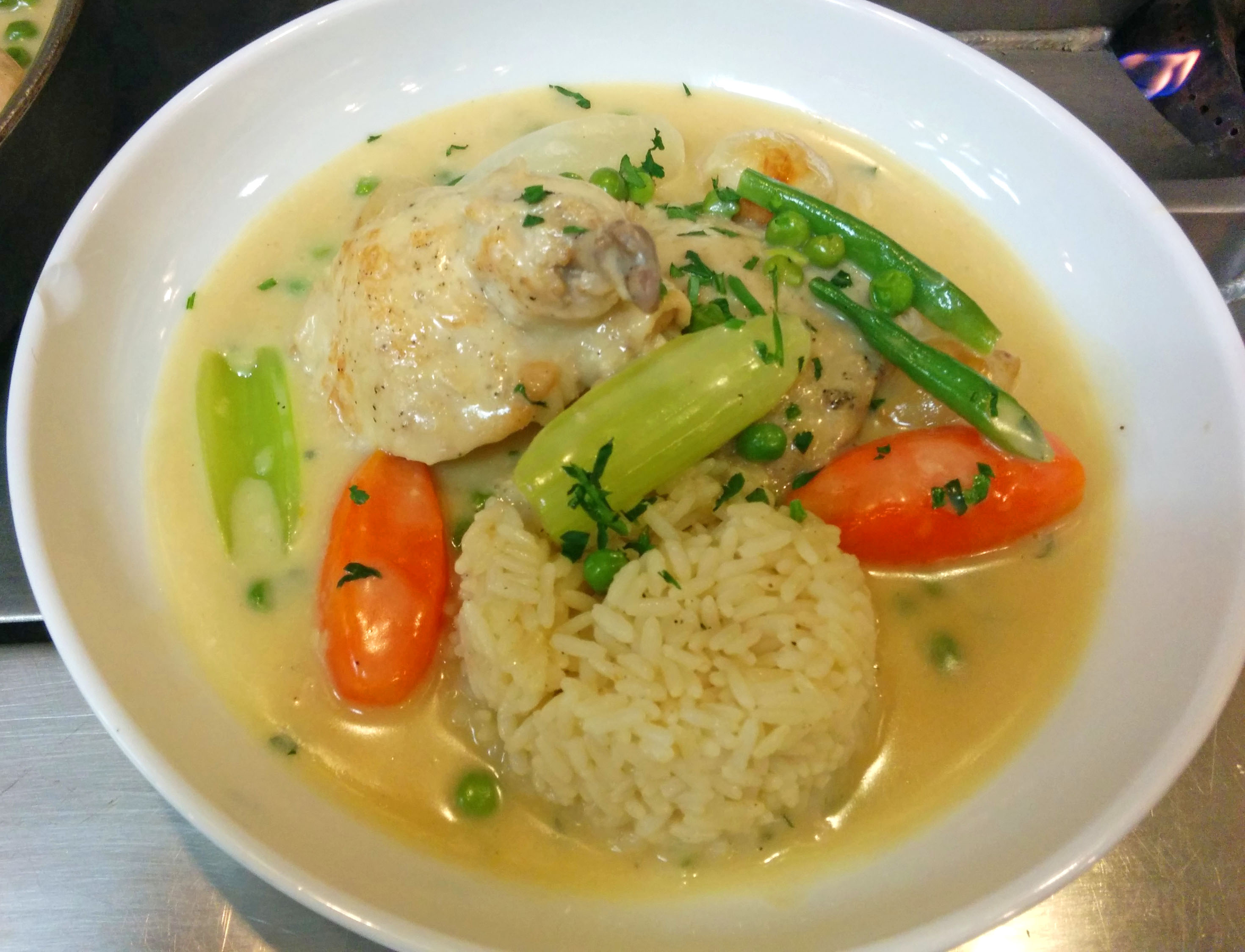
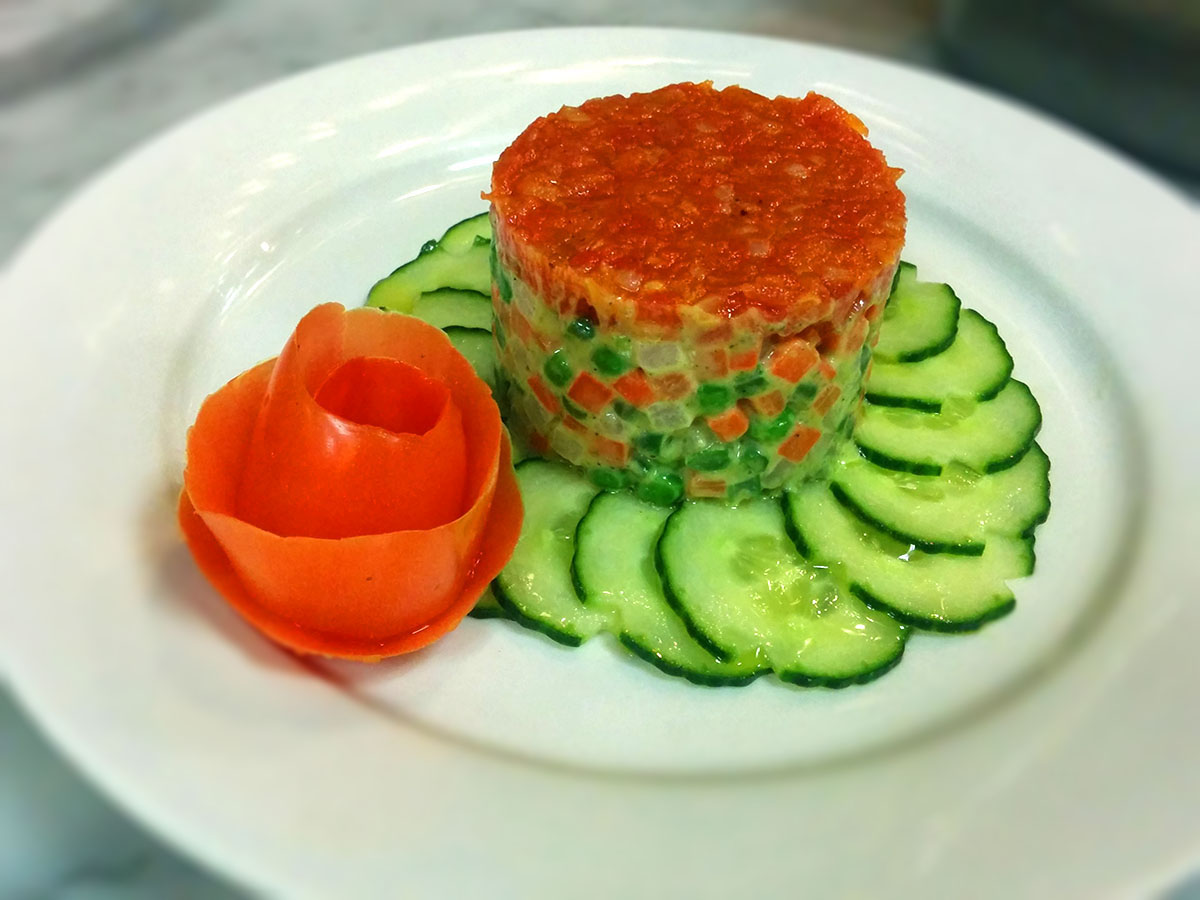
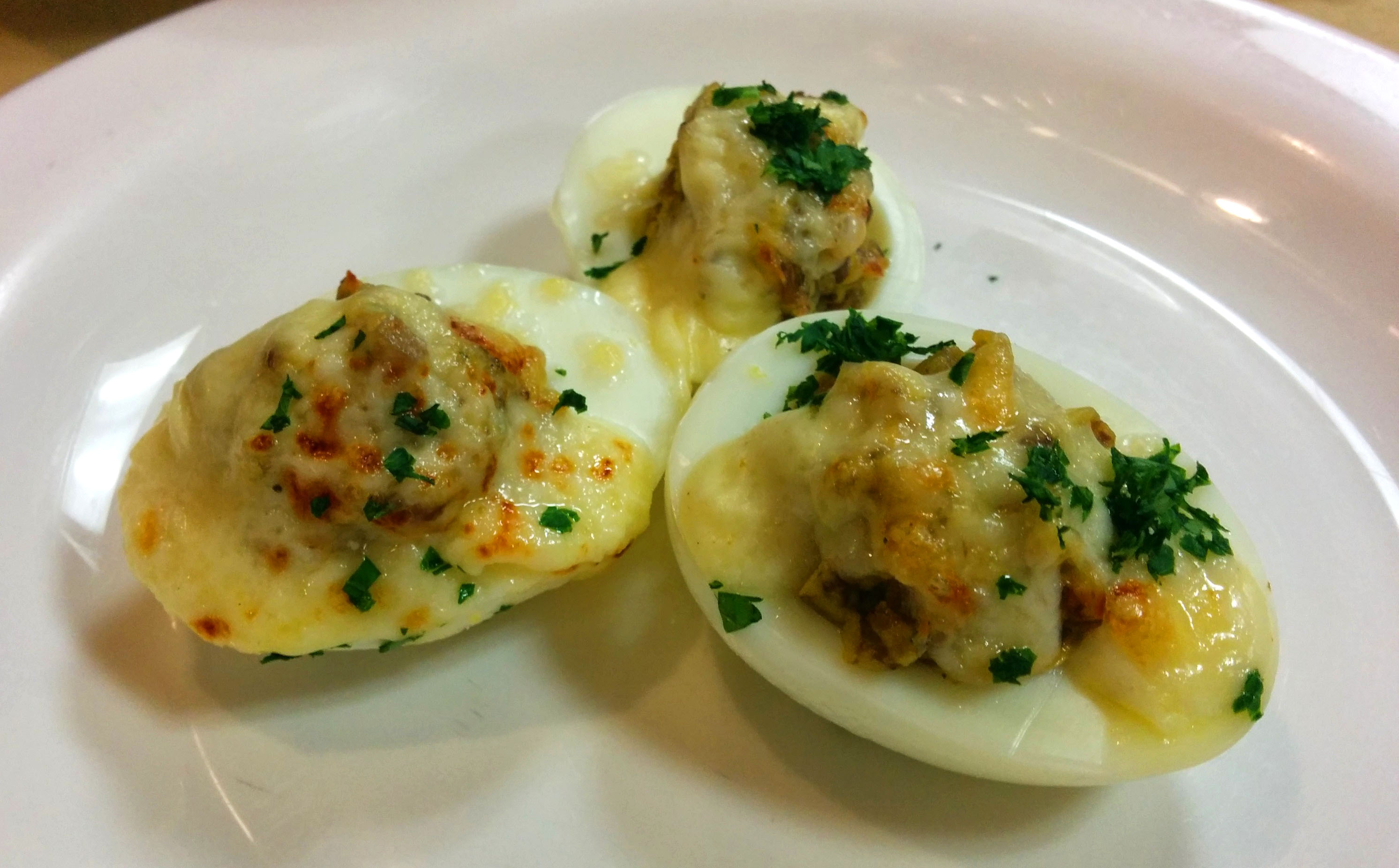
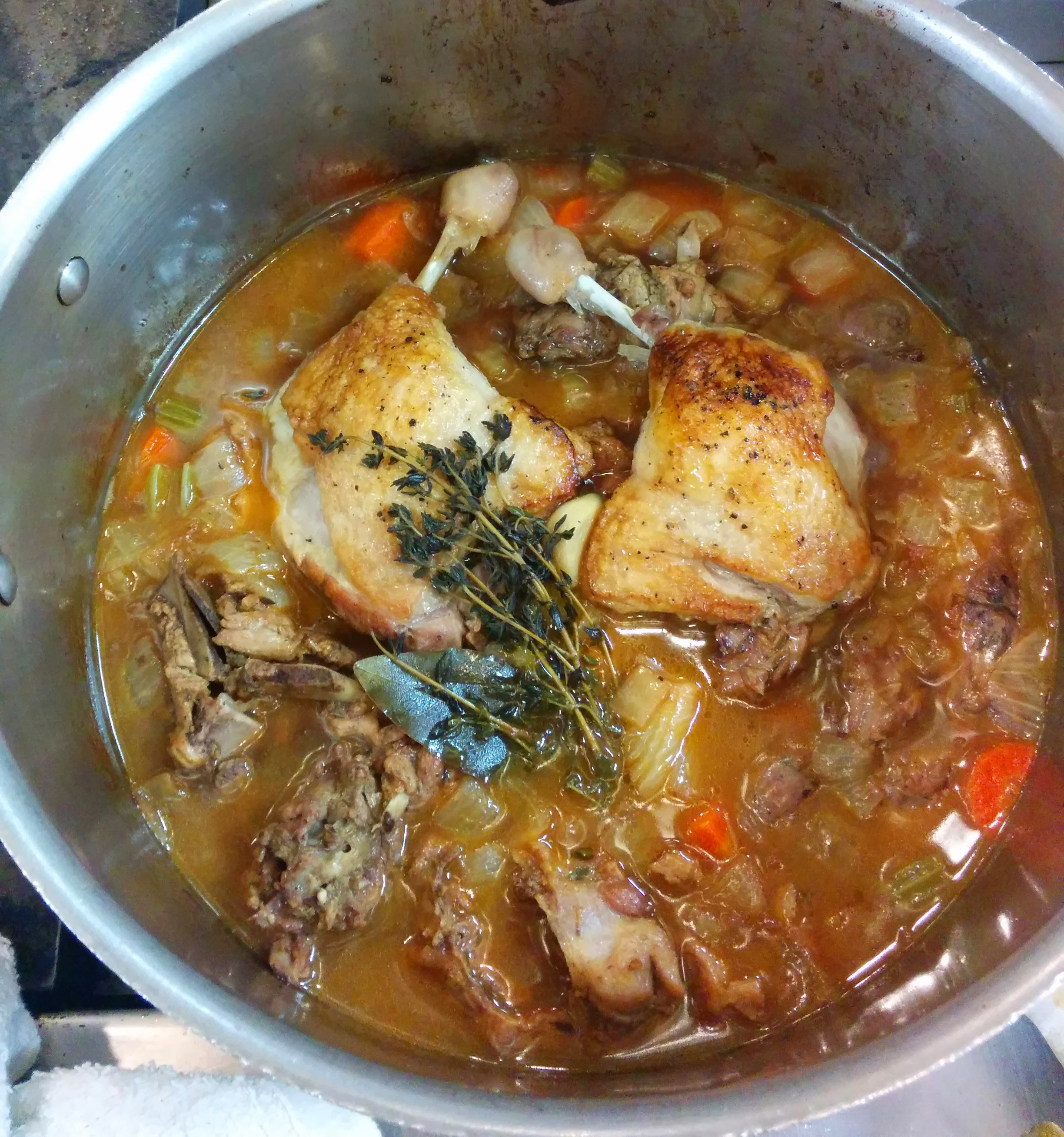
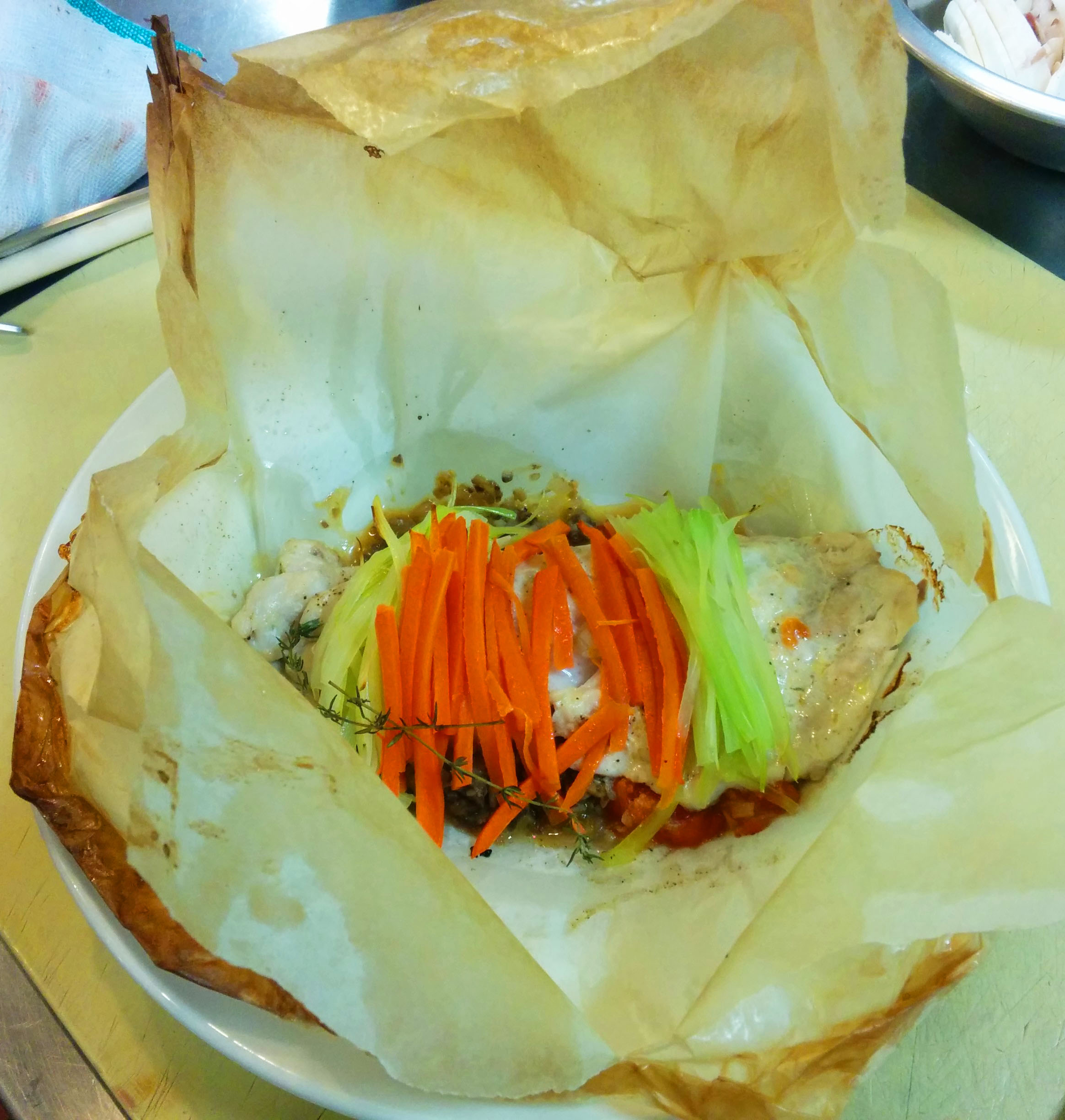
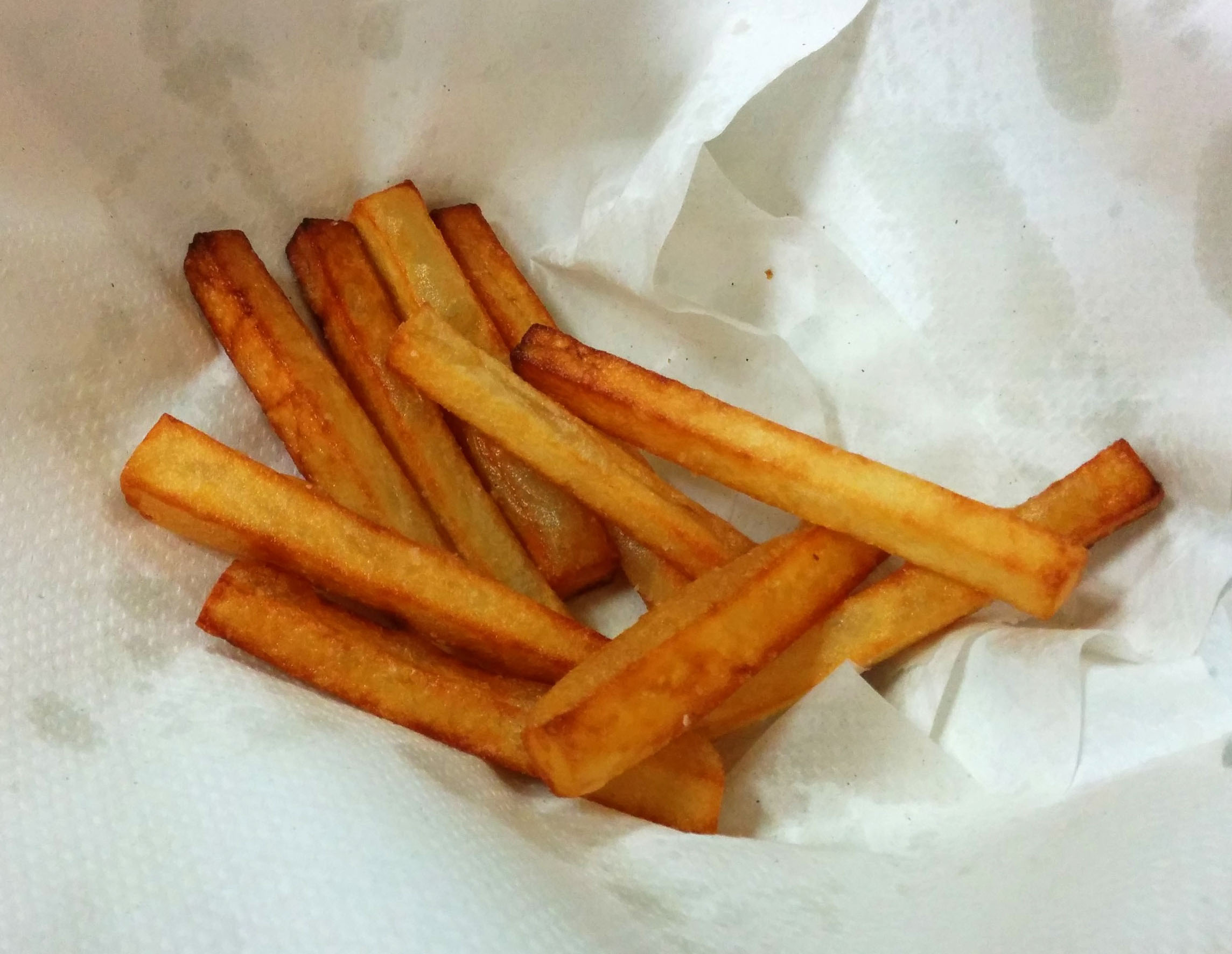
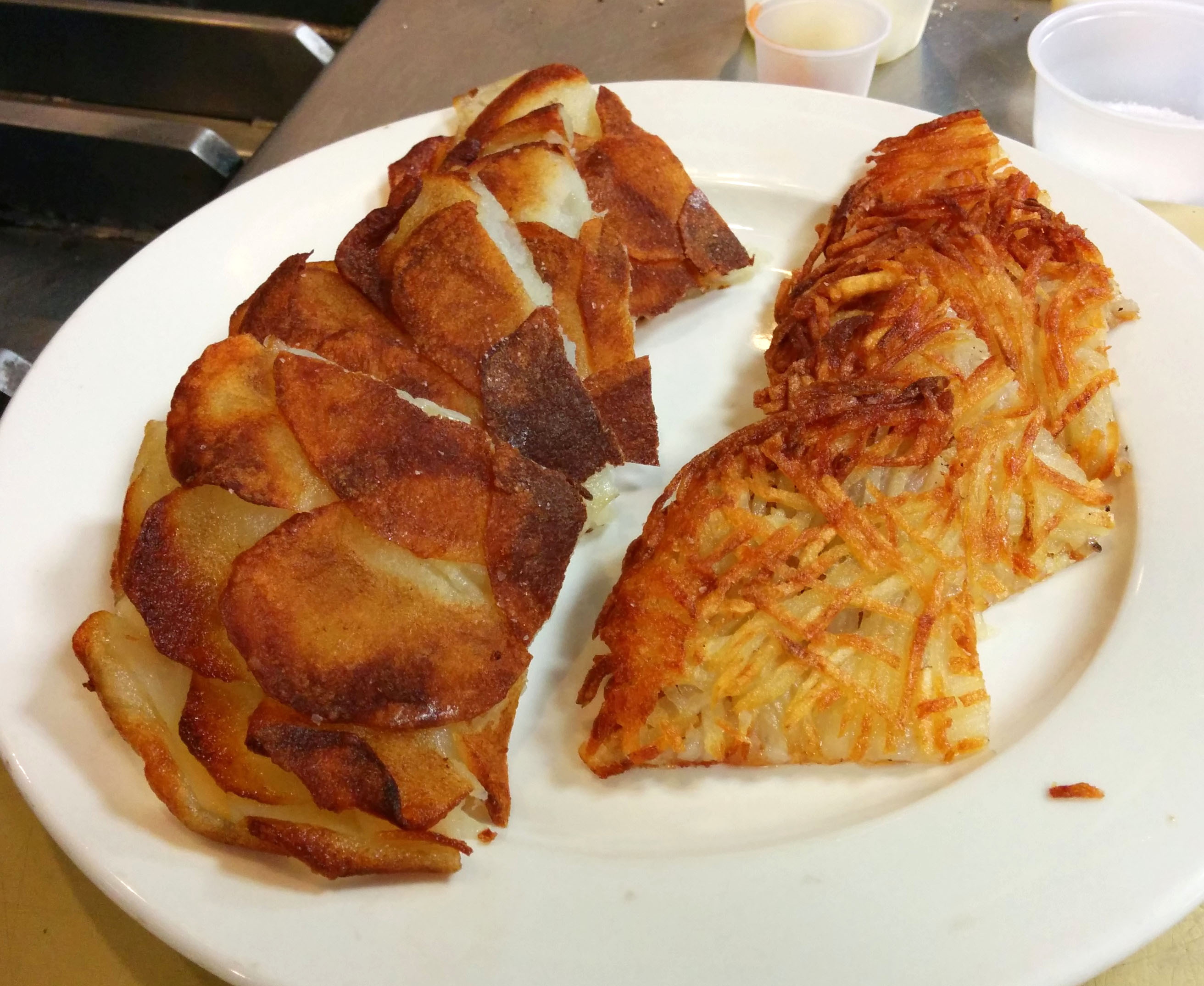
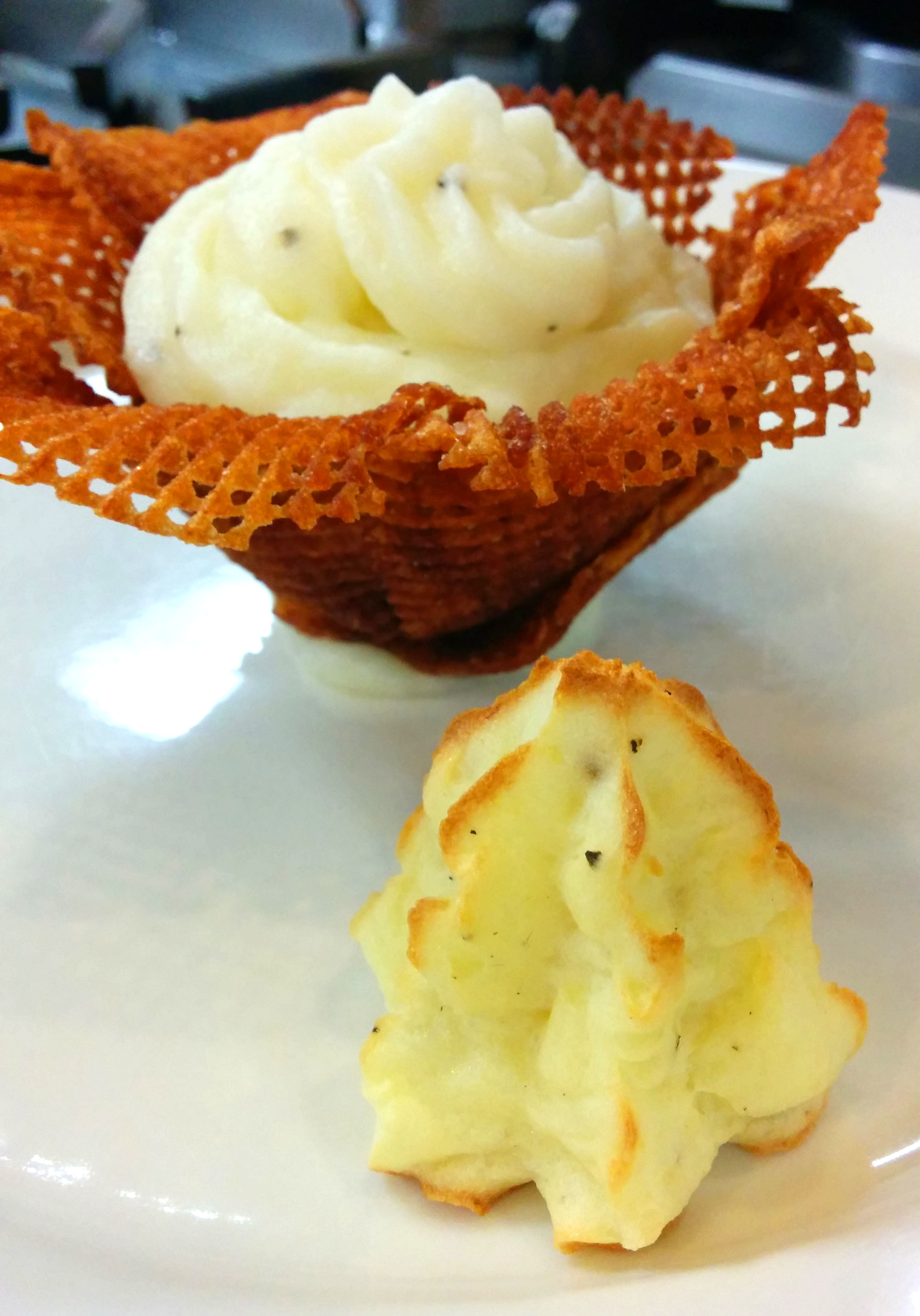
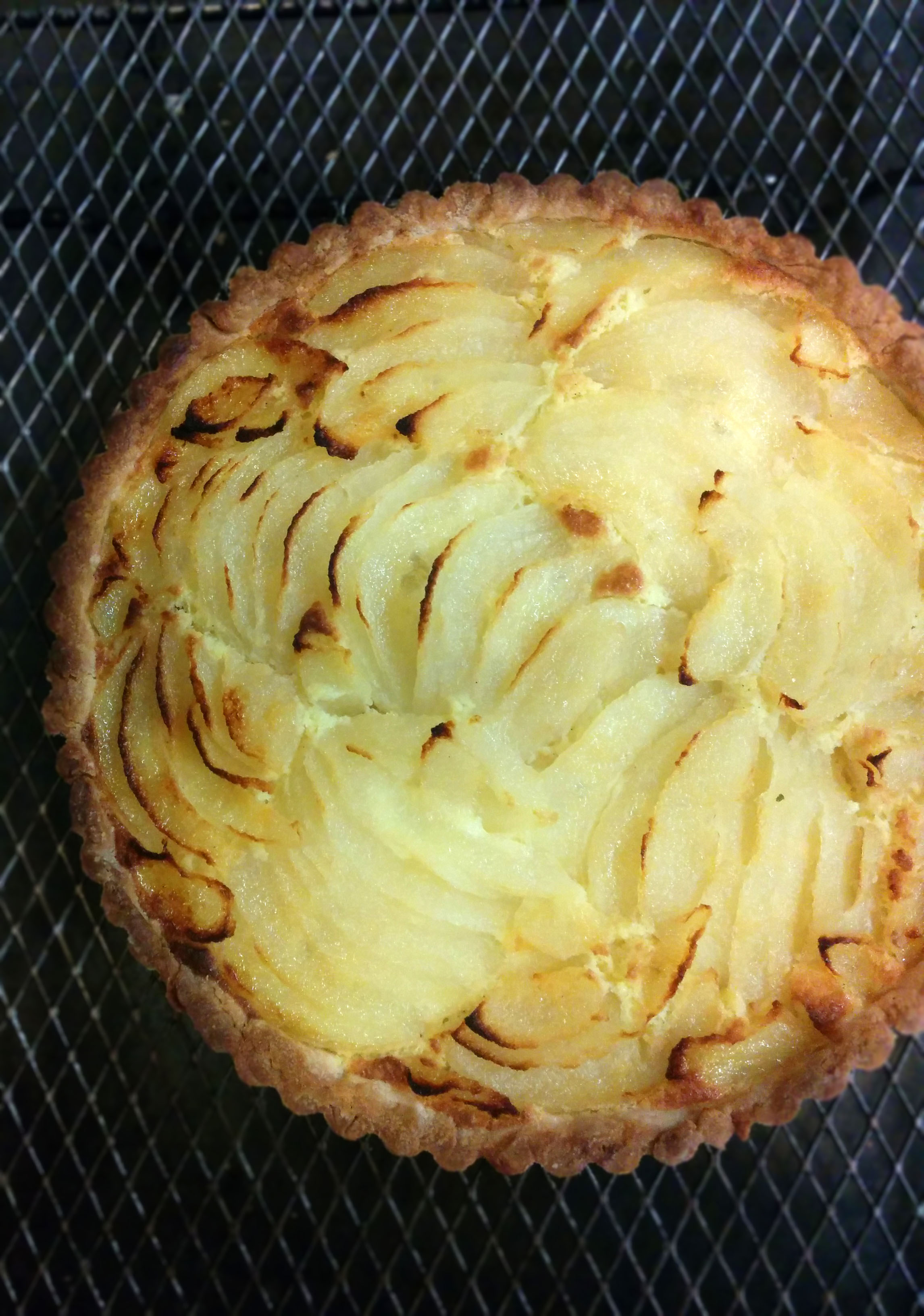
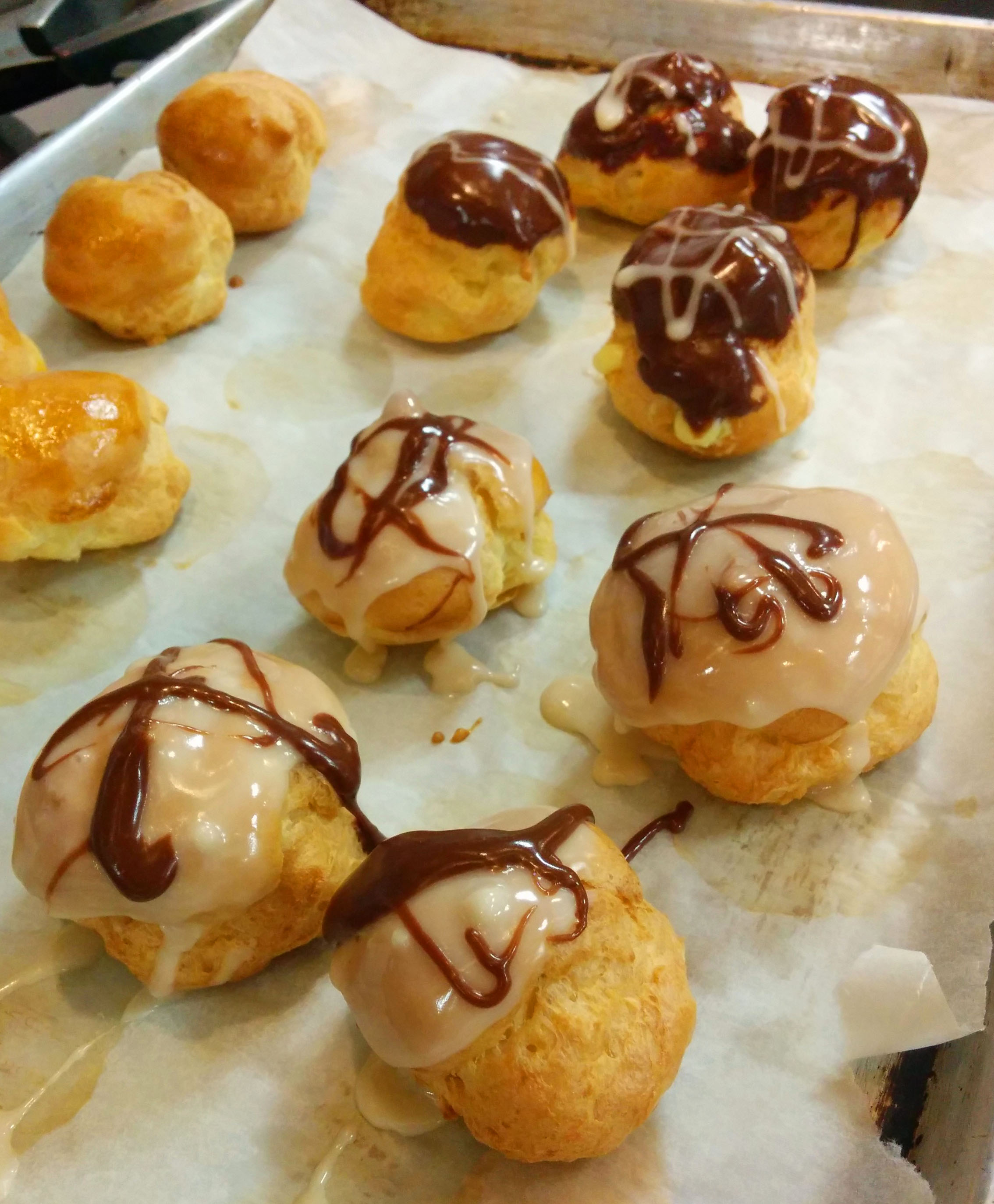
The less photogenic dishes (sauces, knife work) are omitted, but otherwise this gallery gives you a pretty good sense of what you’ll be cooking in the Culinary Techniques class.

What I Learned in Culinary School (and Why I’m Quitting)

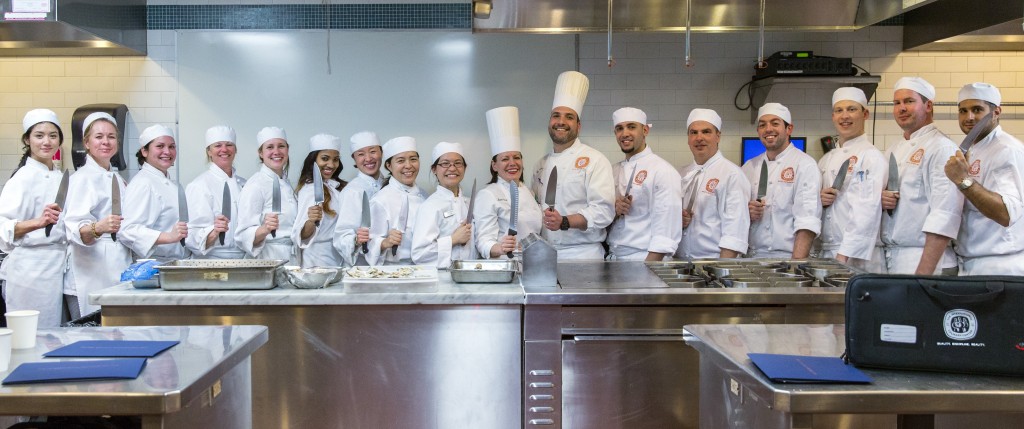
Class Photo

After 22 classes and 110 hours in the kitchens, I am sad but proud to have finished the Culinary Techniques course at the International Culinary Center.

We began on day one by struggling to chop some onions and carrots, and trying to memorize the French names of all the new equipment. Some of us cut ourselves simply pulling knives out of our bags. Somehow that lesson took five hours to cover. We were green as the tray of herbs that was passed around for an identification lesson.

Nature as Measure: What’s the future of farming?

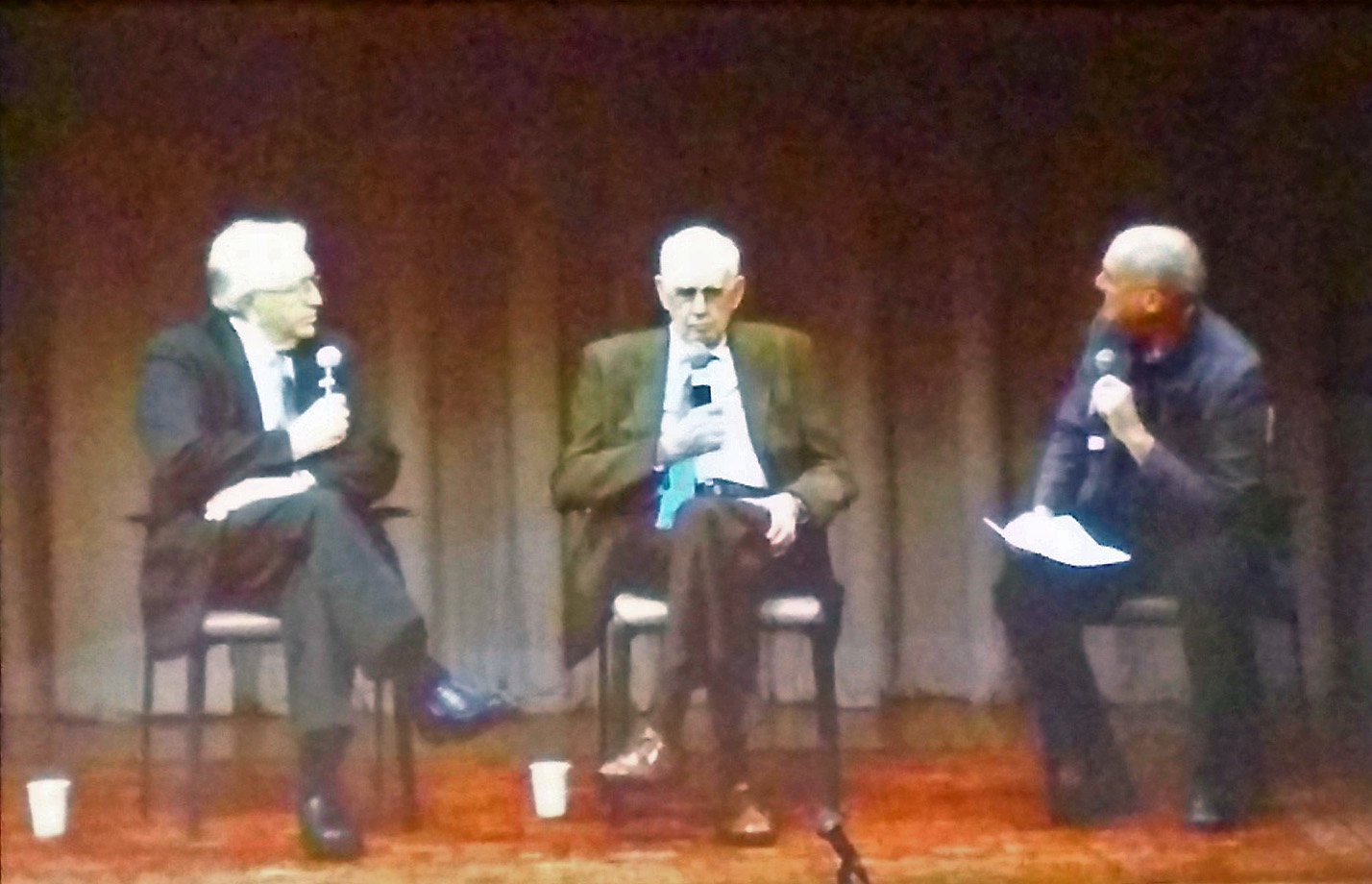
Wes Jackson, Wendell Berry, Mark Bittman at Cooper Union
Wes Jackson, Wendell Berry and Mark Bittman at Cooper Union

Tonight, some of the biggest names in the sustainable food movement gathered in the Great Hall at Cooper Union. The occasion? “Nature as Measure,” a talk on agriculture and the future of farming presented by the Land Institute and the Berry Center.

If I had to choose a single cookbook for today’s aspiring home chefs, it would be Mark Bittman‘s How to Cook Everything. He first became nationally known through his NYT column “The Minimalist,” which cut through the confusion to teach healthy, painless home cooking. I used to describe Bittman as my generation’s Julia Child, but he has since moved on to bigger and bolder topics: influencing national food policy. I don’t always agree with his pronouncements, but aside from perhaps Michael Pollan, no other American food writer is as well-loved and widely-read as Mark Bittman.

Truffle Lobster Rolls: Because you deserve a treat today

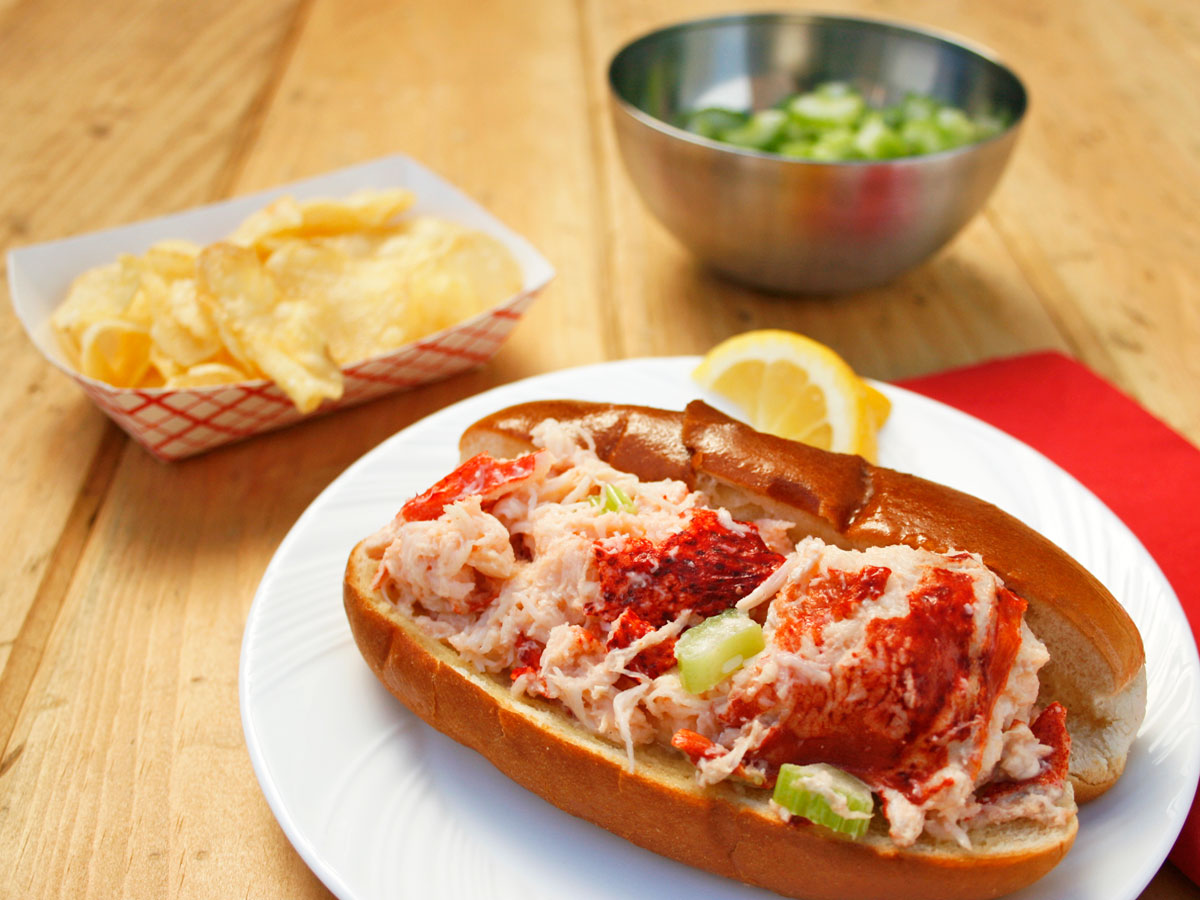
Truffle lobster roll

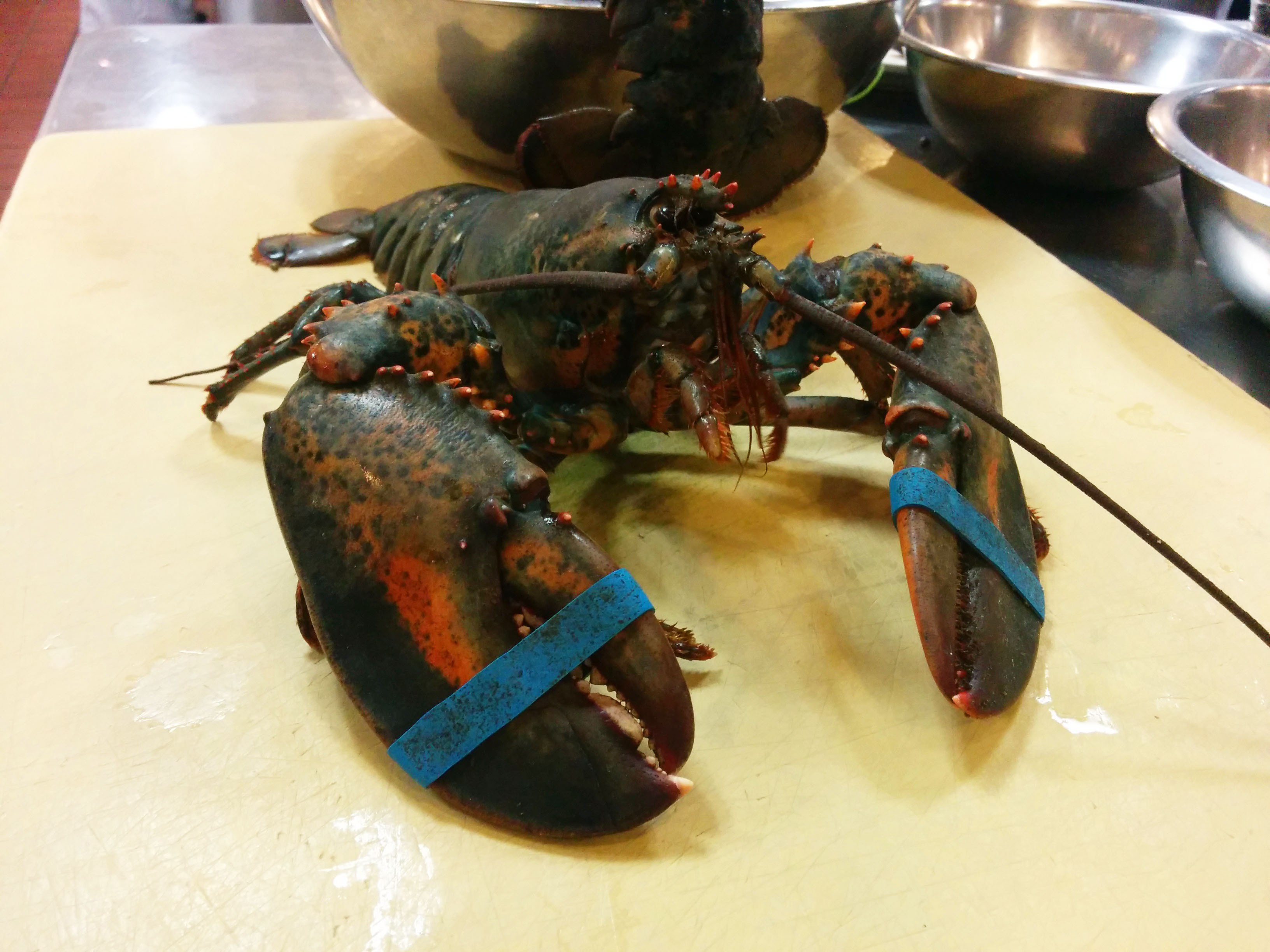
Here in New York, the weather is finally starting to warm up and our thoughts are wandering to sunny beaches and dockside escapades. With that in mind, what better summer treat is there than a hefty lobster roll made with healthy amounts of butter and mayo? (Yes, I realize that lobster rolls are typically made with either mayo (Maine) or butter (Connecticut), but here in Brooklyn, I’ve decided it’s ok to use both.) For an added dash of sophistication, I added some truffle oil to the mayo, but you can leave this out if it’s not on hand. You could also use store-bought mayo, but homemade mayo is SO much better in flavor and not difficult to do, so if you’ve never tried it, here’s your chance.

Culinary School: Why I’m making the worst food of my life

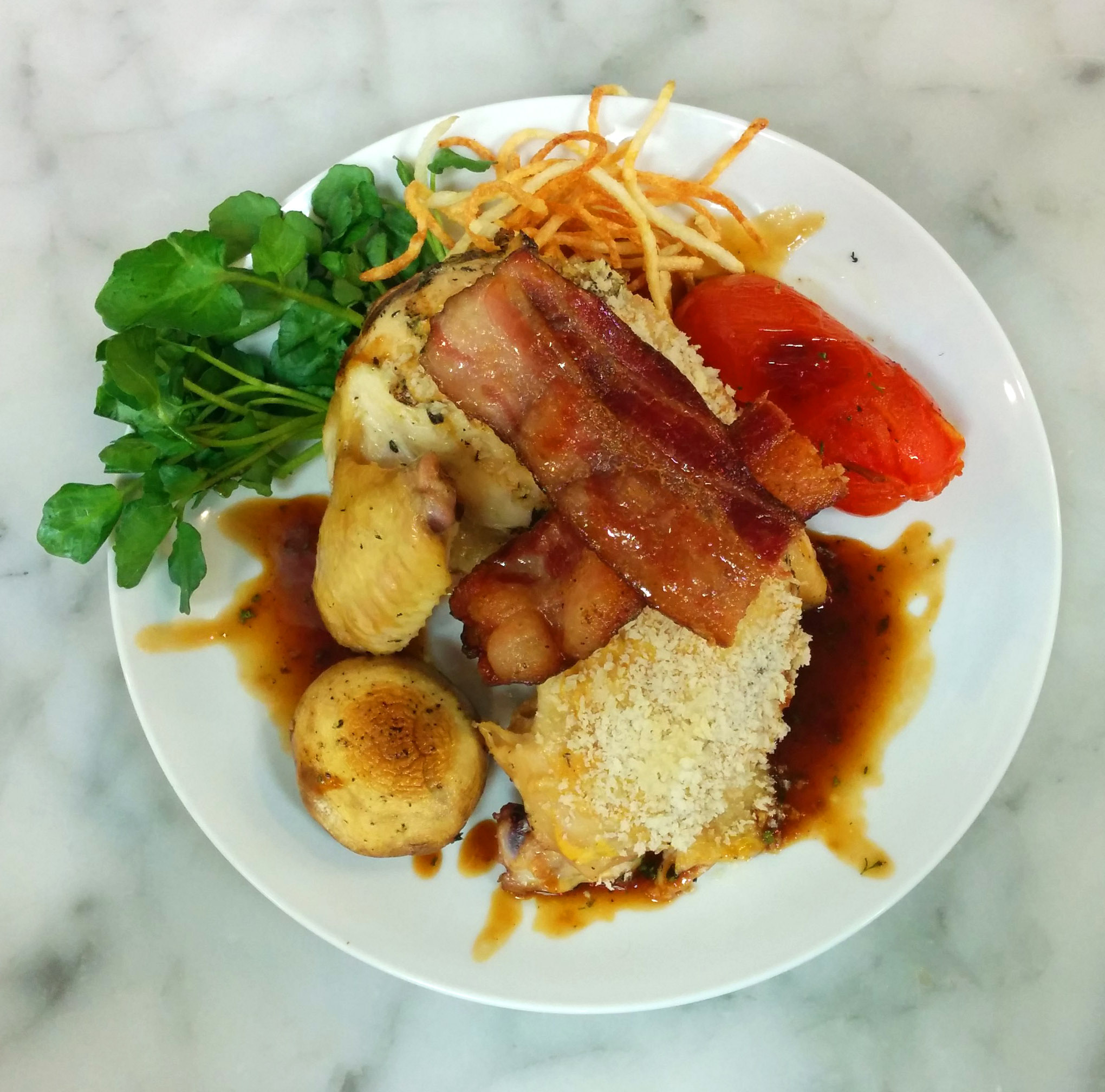
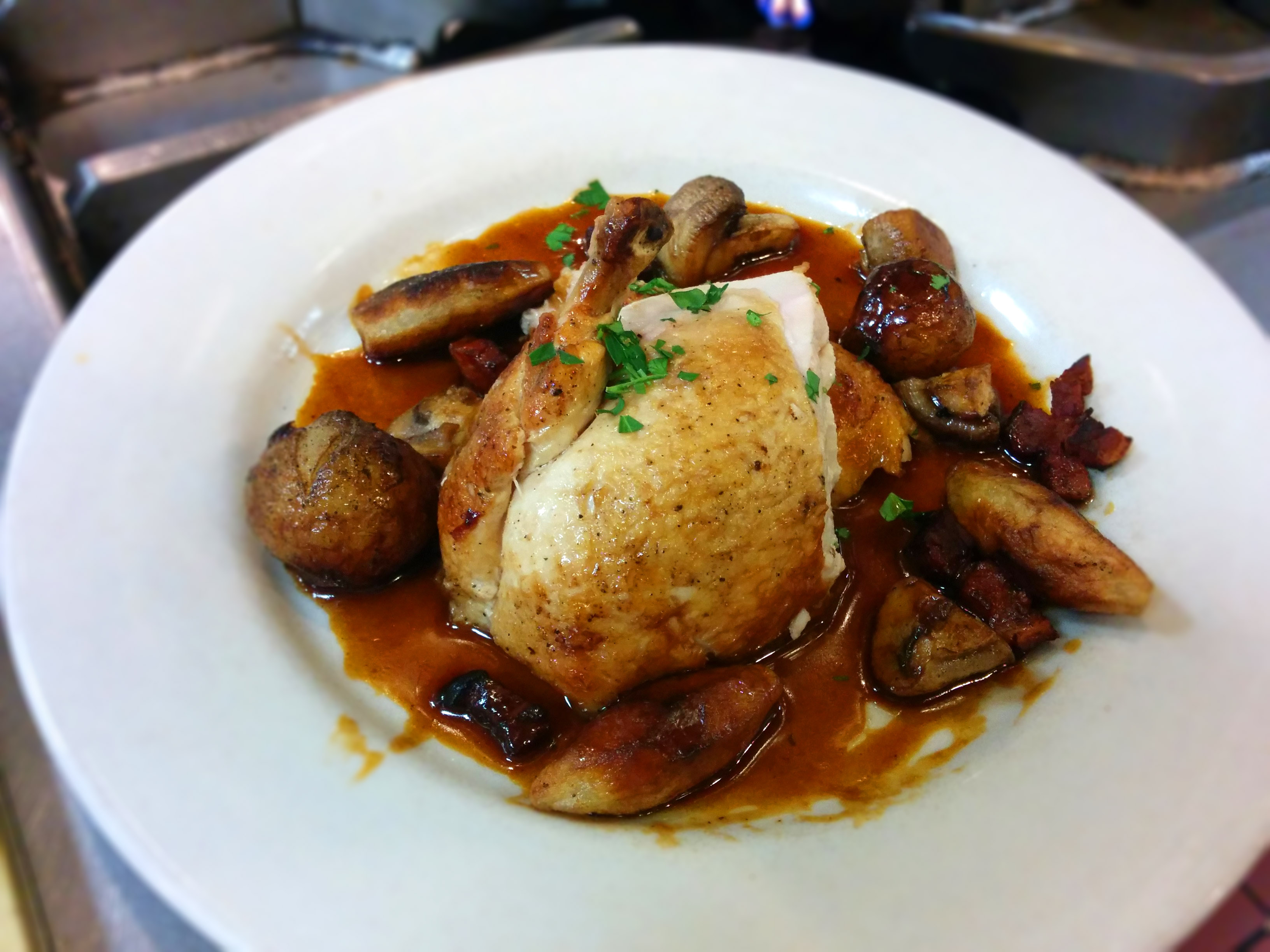
Poulet Saute Chasseur

Nights in culinary class move in a dance of steel and time pressure. Yank out the wishbone. Quarter the chicken. Sear the skin. Chop the mirepoix. Simmer the stock. Strain the sauce. Pull the chicken from the oven. Plate the food. Run to the front. Hope for the best.

Chef Ray glanced at my plate of poulet sauté chasseur (hunter-style chicken) and gave me a hard look. “I think I’ve told you this before,” he said. “This plate. What’s wrong with it?” I looked down at my chicken. Among the finely shredded flakes, there were some unruly tufts of parsley perched on top, shamelessly advertising their prowess at escaping my knife. “I know, I know,” I apologized, “the parsley isn’t chopped small enough. And there’s some pieces of stems.”

“Hit It Like a Mal Boyfriend” and Other Lessons from Chef François Payard

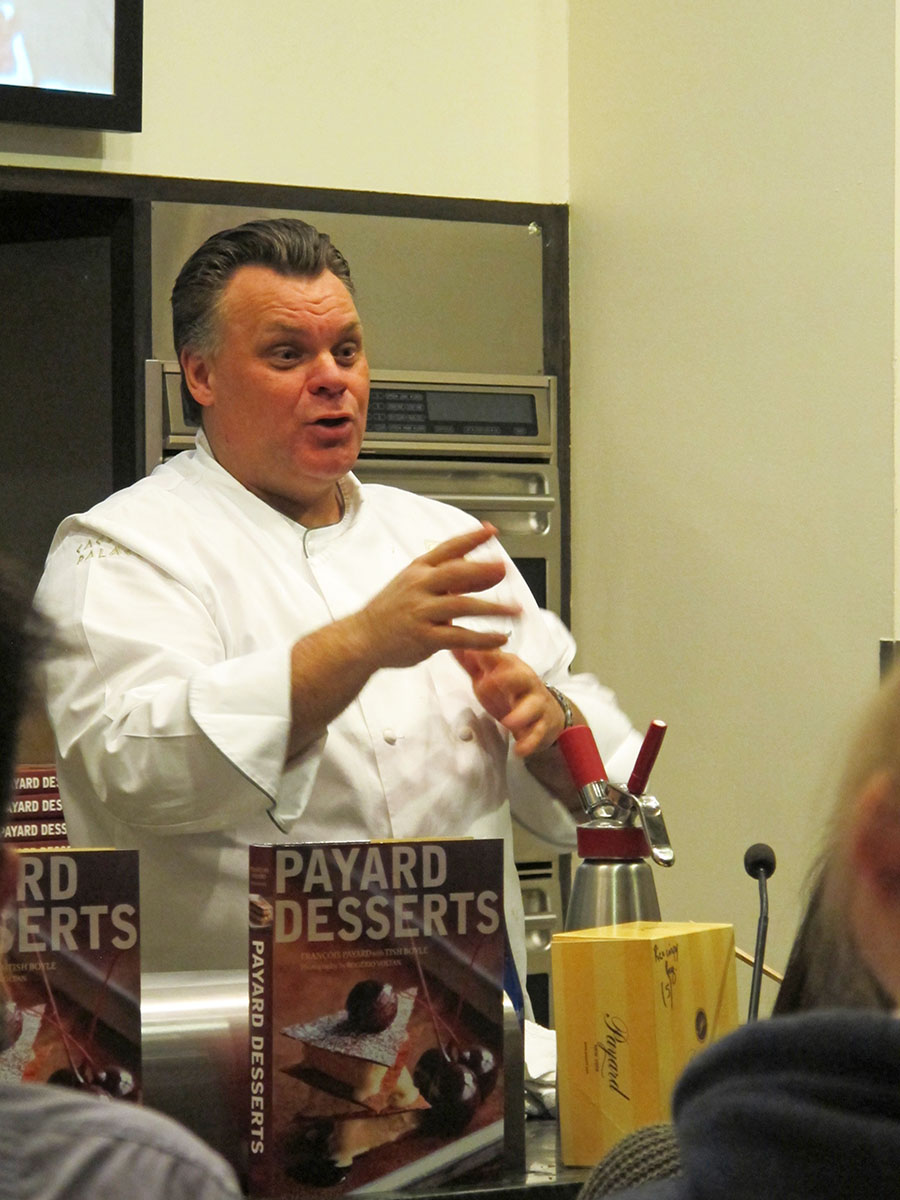
Francois Payard

François Payard is a top pastry chef, a long-standing innovator in New York’s dessert scene and winner of a James Beard award in 1995. Which is why it’s incredibly jarring when he’s looking at you from 10 feet away, asking what’s in egg whites. “Yes you, I’m looking at YOU in the second row,” he says. “Uh,” you stammer, “it can’t be lecithin because that’s in yolks…so albumin?”

The El Bulli Exhibit: Creativity as Organized Process

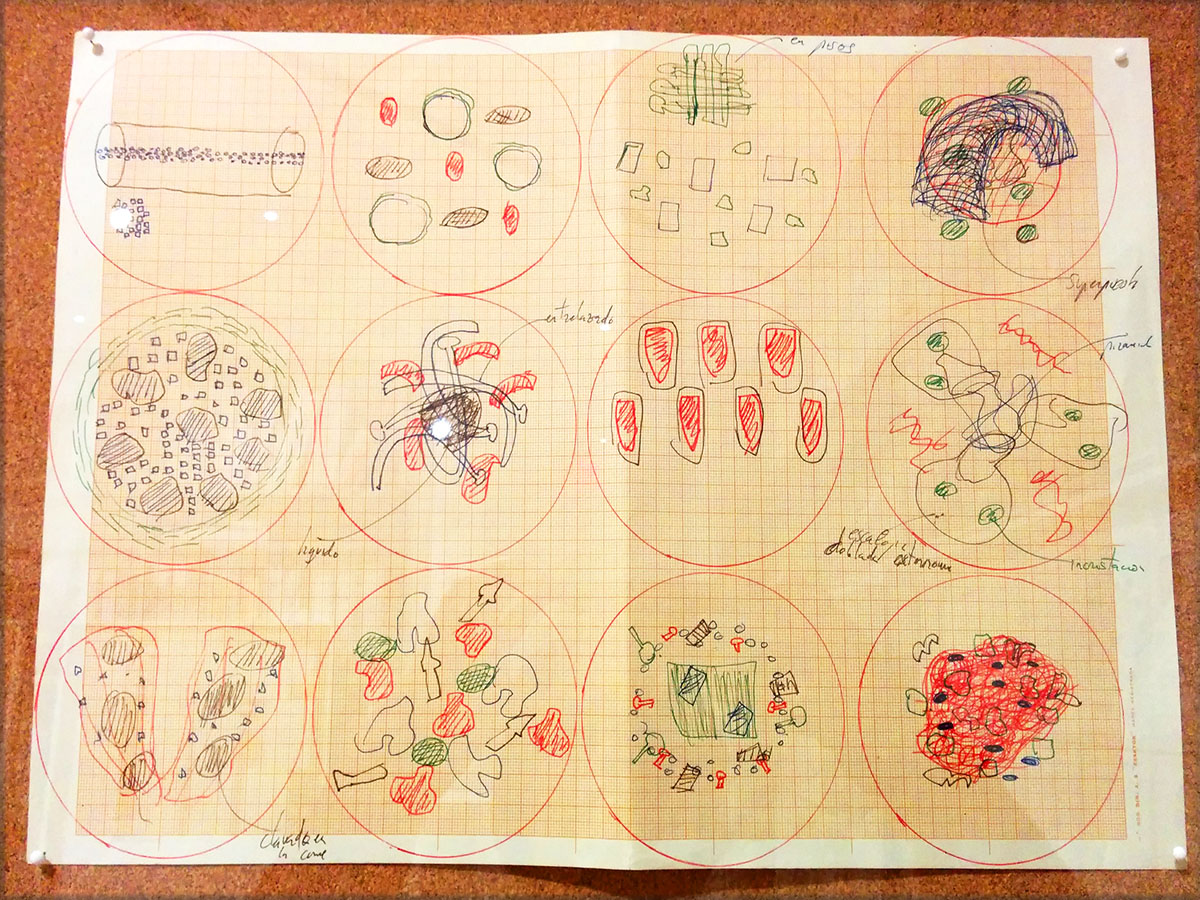
El Bulli Plating Diagrams

The Drawing Center is hosting Ferran Adrià: Notes on Creativity, the first major museum exhibition of Adrià’s notebooks and visualization tools. As you may know, Adrià is widely acknowledged as one of the best chefs of our time, someone who radically impacted the way cooking has evolved in the last decade or so. For over two decades, he helmed the kitchen at El Bulli in Roses, Spain, where his staff rigorously experimented with the play of aromas, textures and flavors. You may never have an opportunity to try Adrià’s spherified olives, pine nut marshmallows or rose-scented mozzarella, especially since El Bulli is now closed. However, if you’ve ever encountered a traditional dish remade in another form (like a sandwich presented as a drink) or a contemporary menu without defined categories (appetizers vs entrees), you’ve probably tasted Adrià’s influence.

Good Thing There’s Sauce: How to Butcher and Cook Whole Fish

Striped Bass

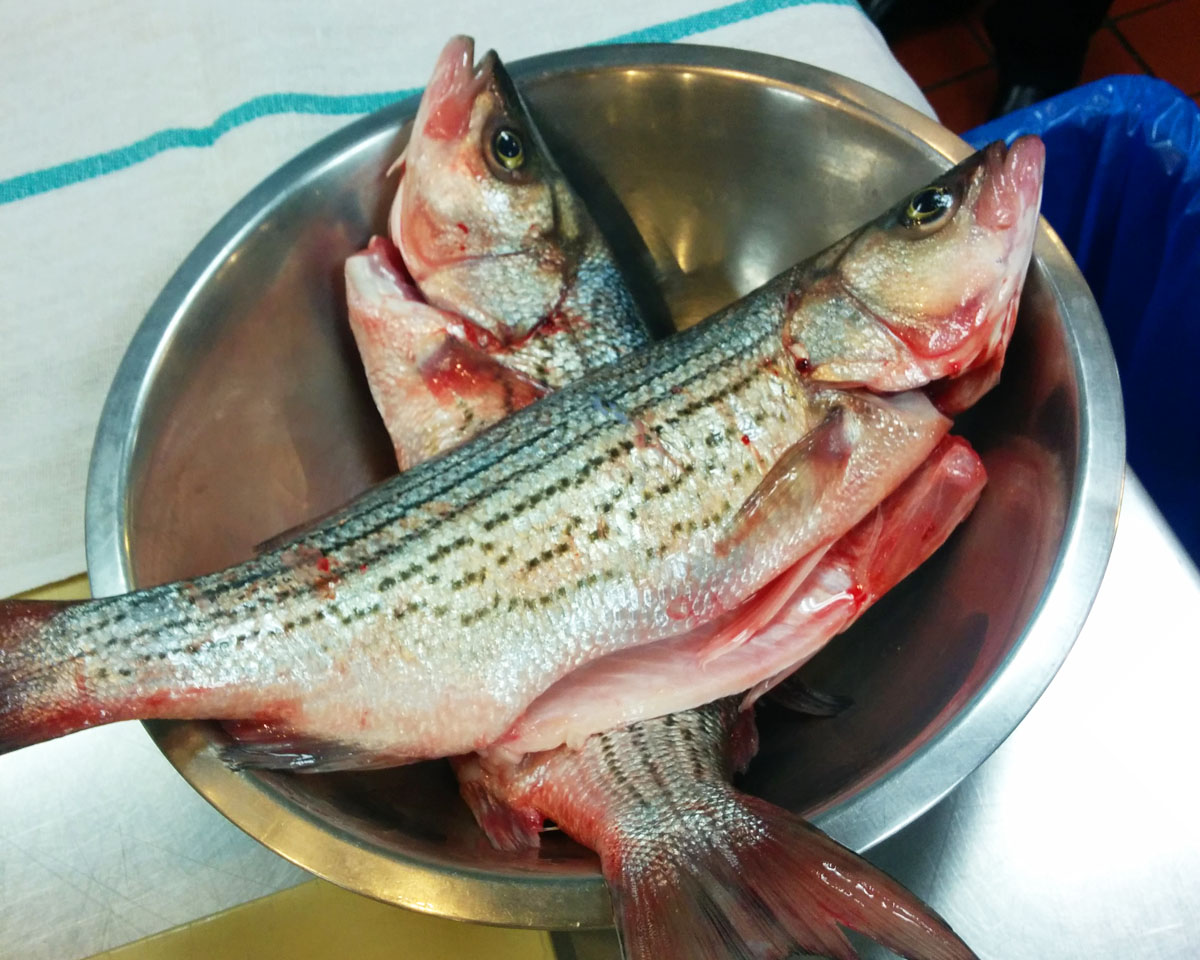
Dear readers, I have a confession to make: while I work in the seafood industry and am an avid seafood lover, I have never filleted a fish. It’s not for a lack of opportunity per se. The thing is, I was raised in an Asian family where the policy on fish was, “If you can’t pick out the bones, then you don’t deserve to eat.” So we cleaved our fish into large steaks or steamed it whole, with a splash of soy sauce over a shower of ginger and scallion strips. It was simple and satisfying, no need to get fancy.