Food

Époisses: Durian of Cheeses?
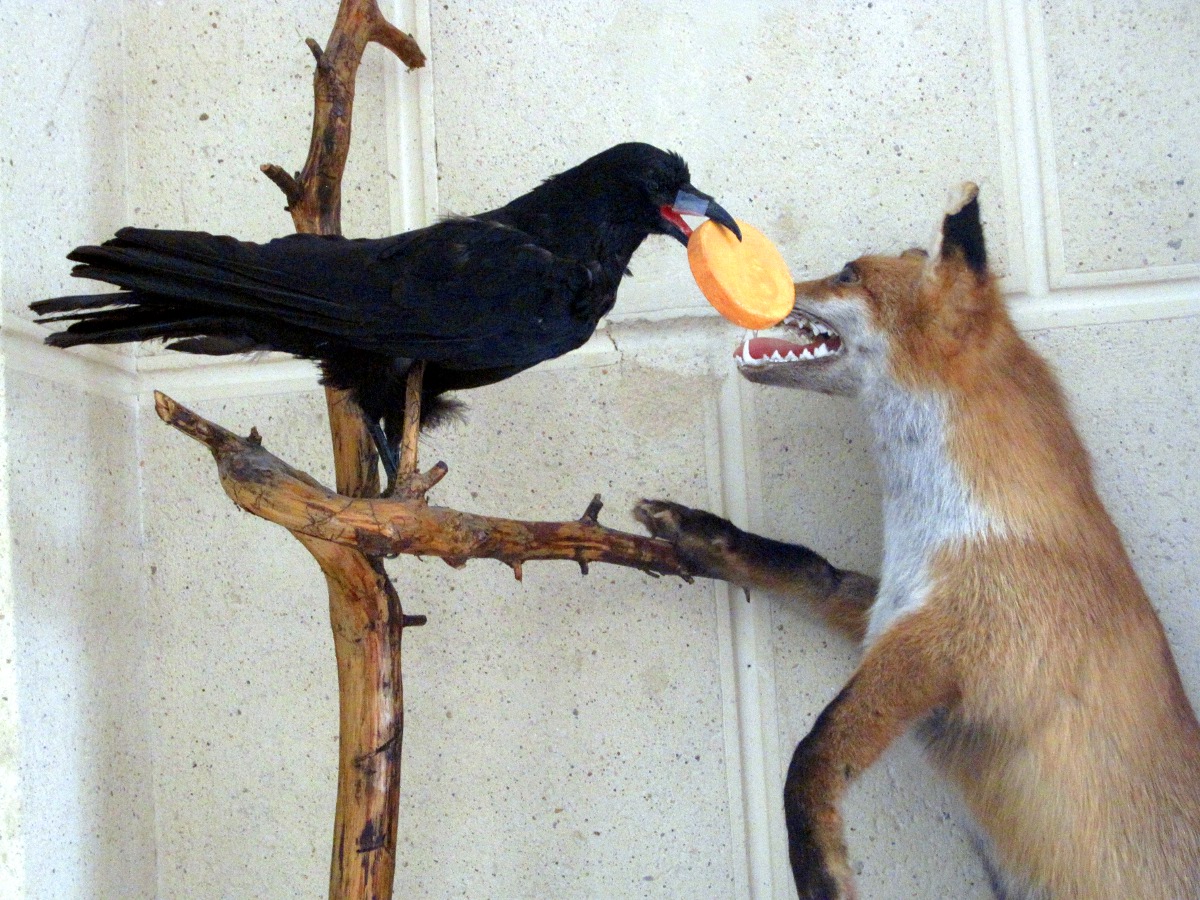
Le Renard s’en saisit, et dit : « Mon bon Monsieur, / Apprenez que tout flatteur / Vit aux dépens de celui qui l’écoute : / Cette leçon vaut bien un fromage, sans doute. » -Jean de La Fontaine

“Have you ever tried Époisses cheese?” I shook my head no. “Well, you know how they ban carrying the durian onto trains in Singapore because the fruit is so smelly? Époisses is sort of like the durian of cheeses.” With that in mind, I walked into the Fromagerie Gaugry cheese factory and my nose curled from the sharp olfactory assault of ripened cheese. The Époisses smell was pungent and earthy, somewhere between unwashed socks and West Coast hippies. As this NYT article highlights, its reputation and odor precede it. On the plus side, within a few minutes, my nostrils adjusted to the odor and I was breathing regularly again.
Blood at Dawn: Meeting Your Meat

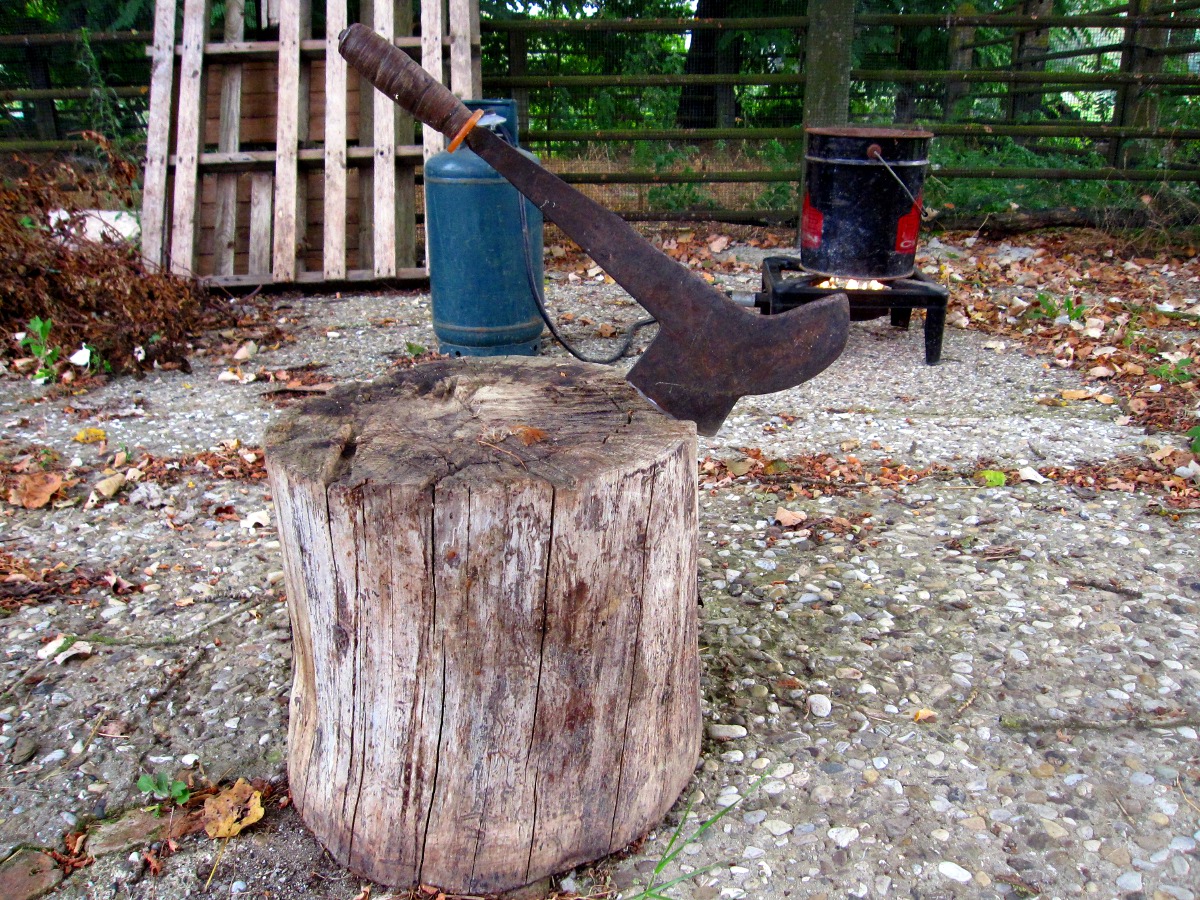
The bucket of hot water burbled gently above a gas burner, just behind a weathered wood chopping block. Jutting out from the edge, the ax rose with elegant, curved lines, primeval and practical in function. The preparations were set; today, a living being was going to die.

There had originally been two turkeys at Barbialla Nuova, but the first one had fallen victim to a fox the night before it was slated for slaughter. The second turkey had been given a temporary reprieve because she had just laid a bunch of eggs. Though there was no male turkey in the vicinity and the eggs were unfertilized, Ken kindly snuck a few fertilized chicken eggs into the nest so that the turkey could see a brood of chicks come to fruition. Alas, just as the eggs were about to hatch, the turkey inadvertently crushed the emerging chicks and killed them. And so, the sole remaining turkey on the farm was getting a bit “clucky,” restless and lonely without her friend, and was now due to be given “the chop.”

Swiss Eats: Cheese, Chocolate and…Pasta?


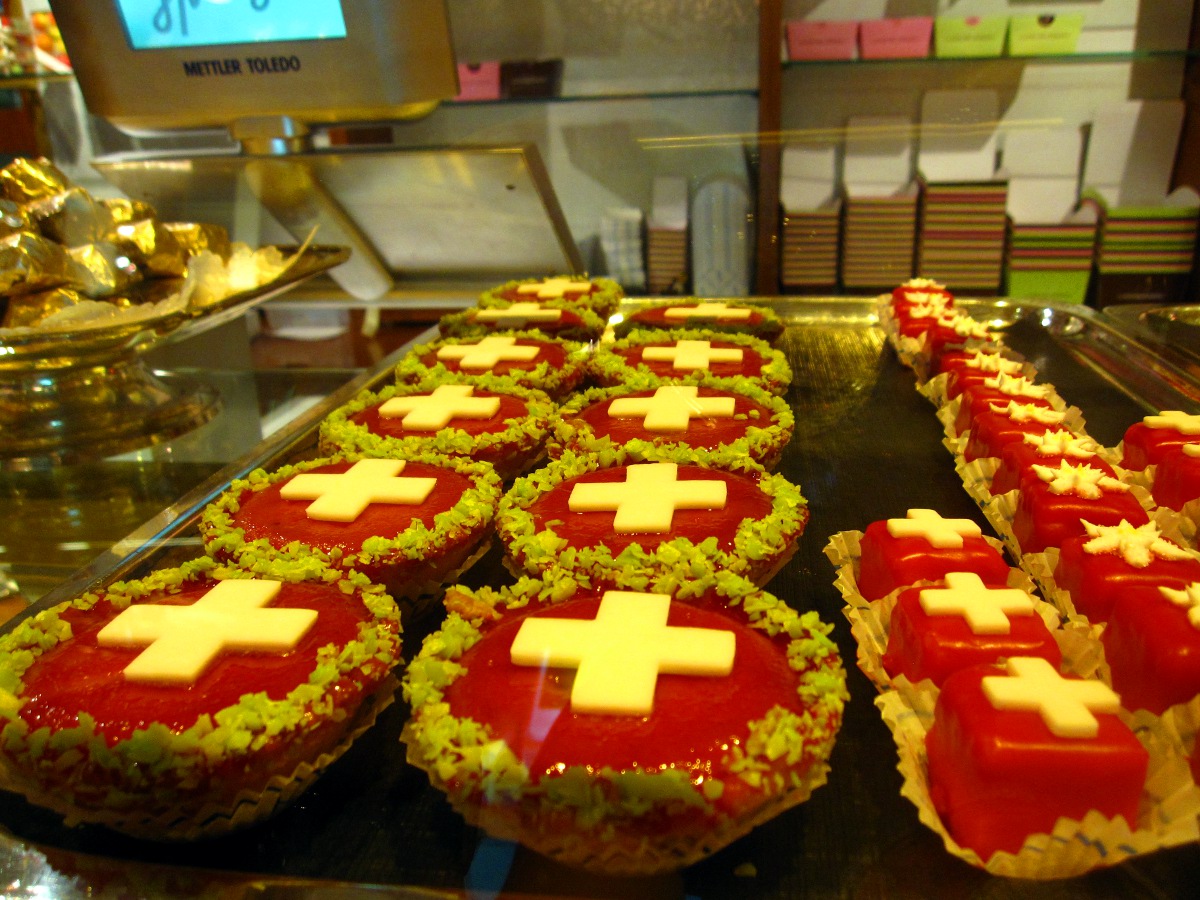
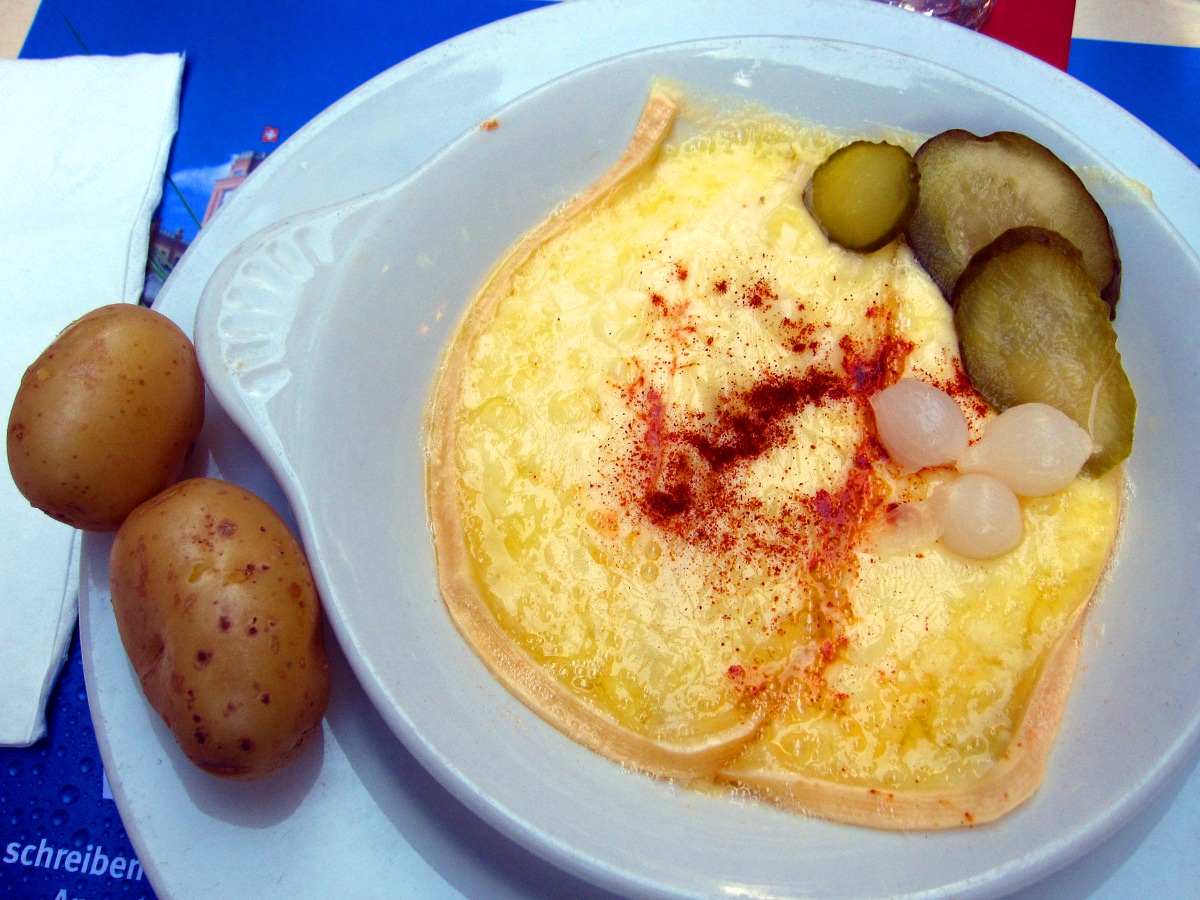
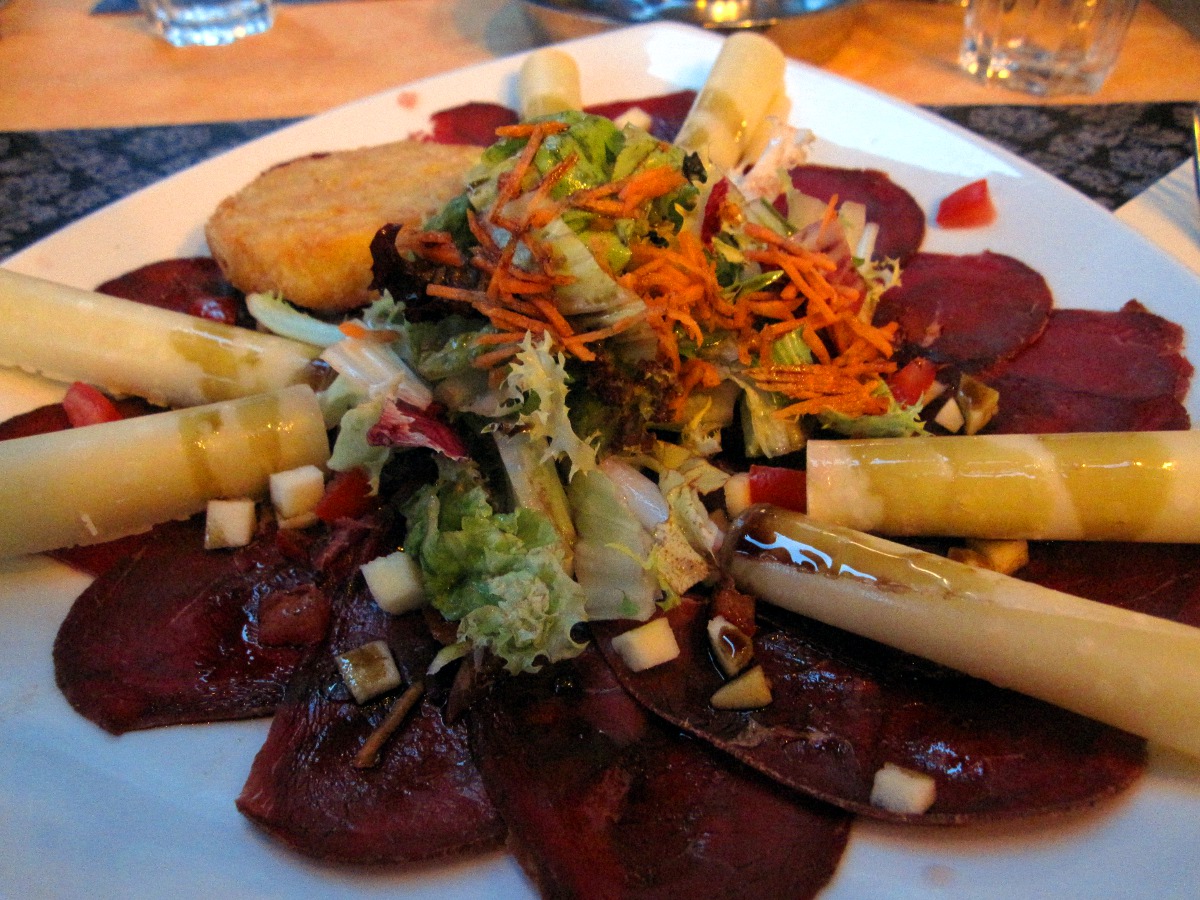
Clockwise: Beef carpaccio and Swiss cheese rolls with olive oil and rösti from the Cafe de Paris (Interlaken); luxemburgerli from Confiserie Sprüngli; raclette with potatoes, pickles and pickled onions; confections to celebrate Swiss National Day (Aug 1)

“I might be done with cheese after this week in Switzerland,” I joked to the waitress. She looked at me with consternation. “Oh no, I could never be done with cheese!”

Hiking and Ruminating the Italian Alps


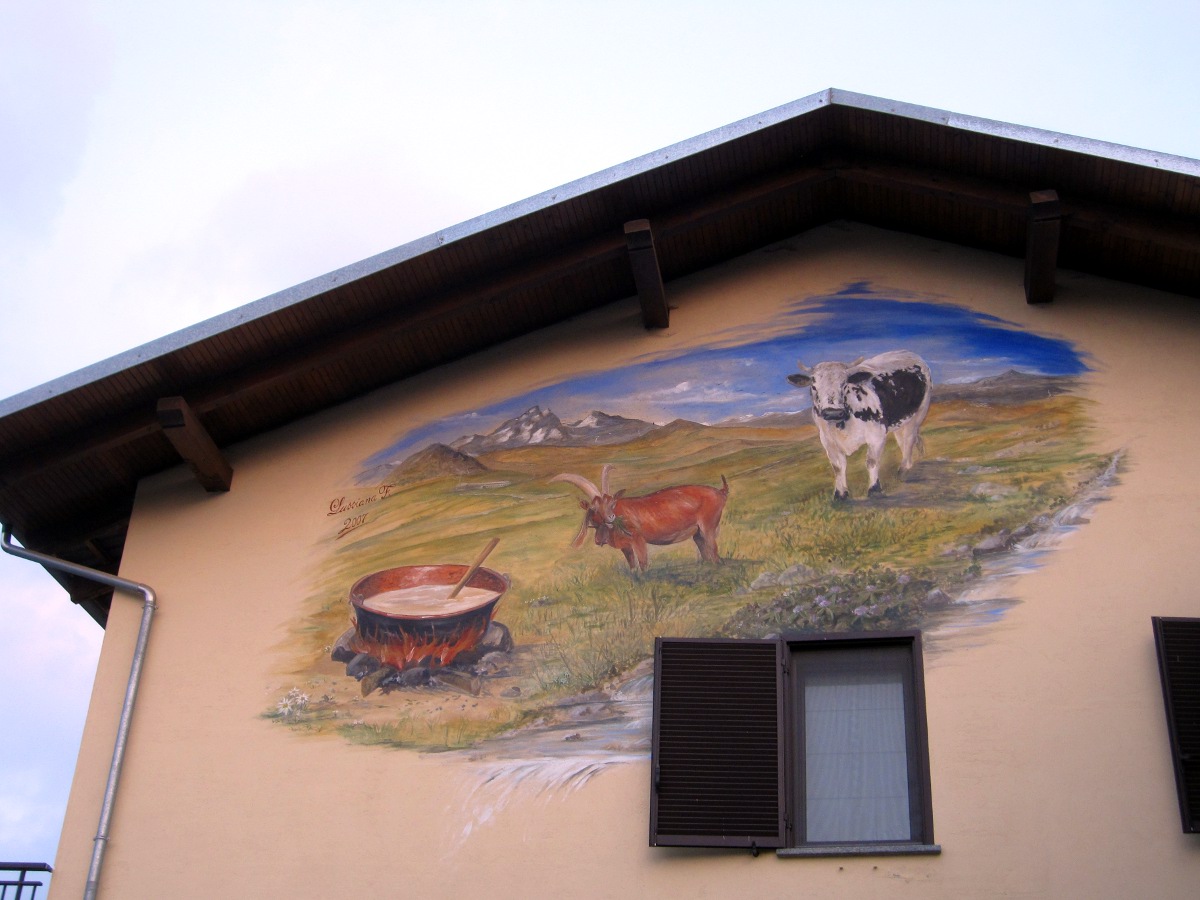
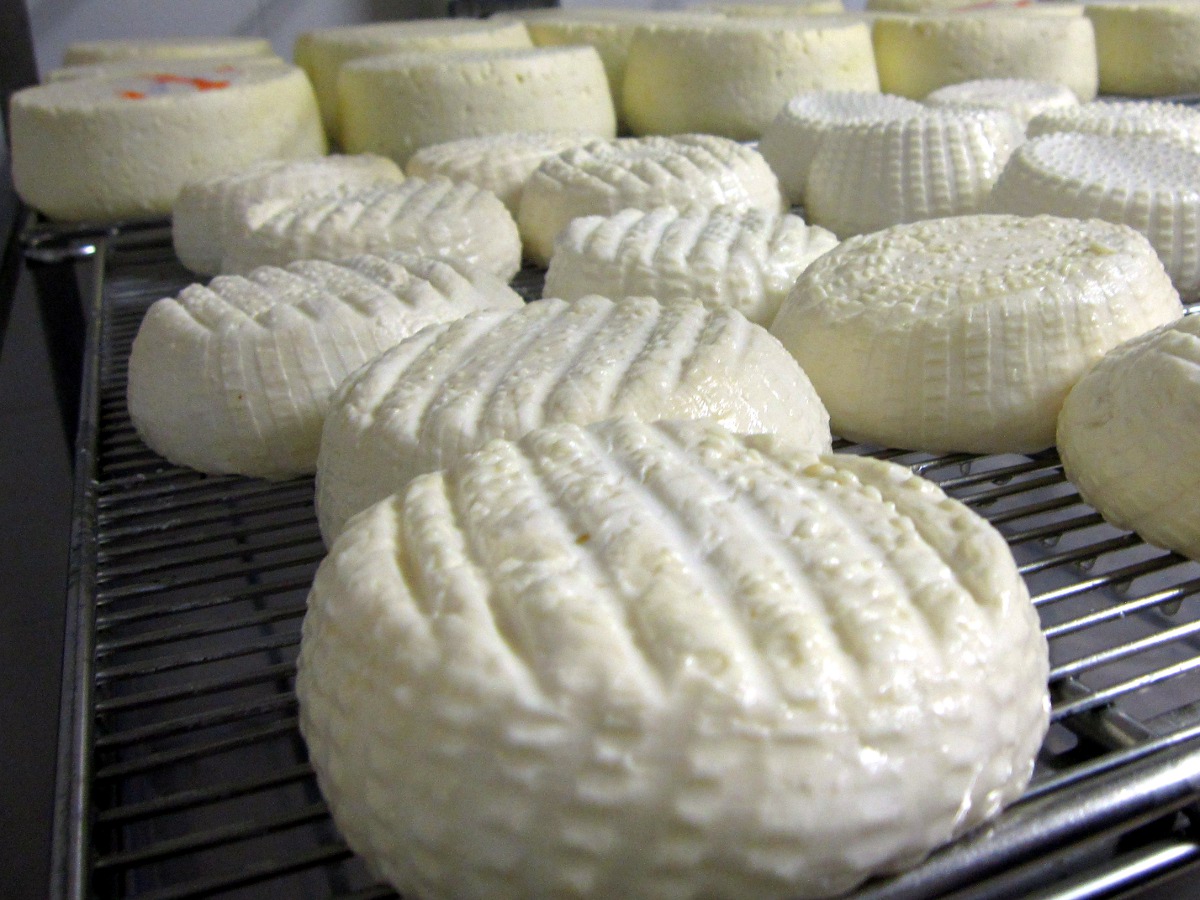
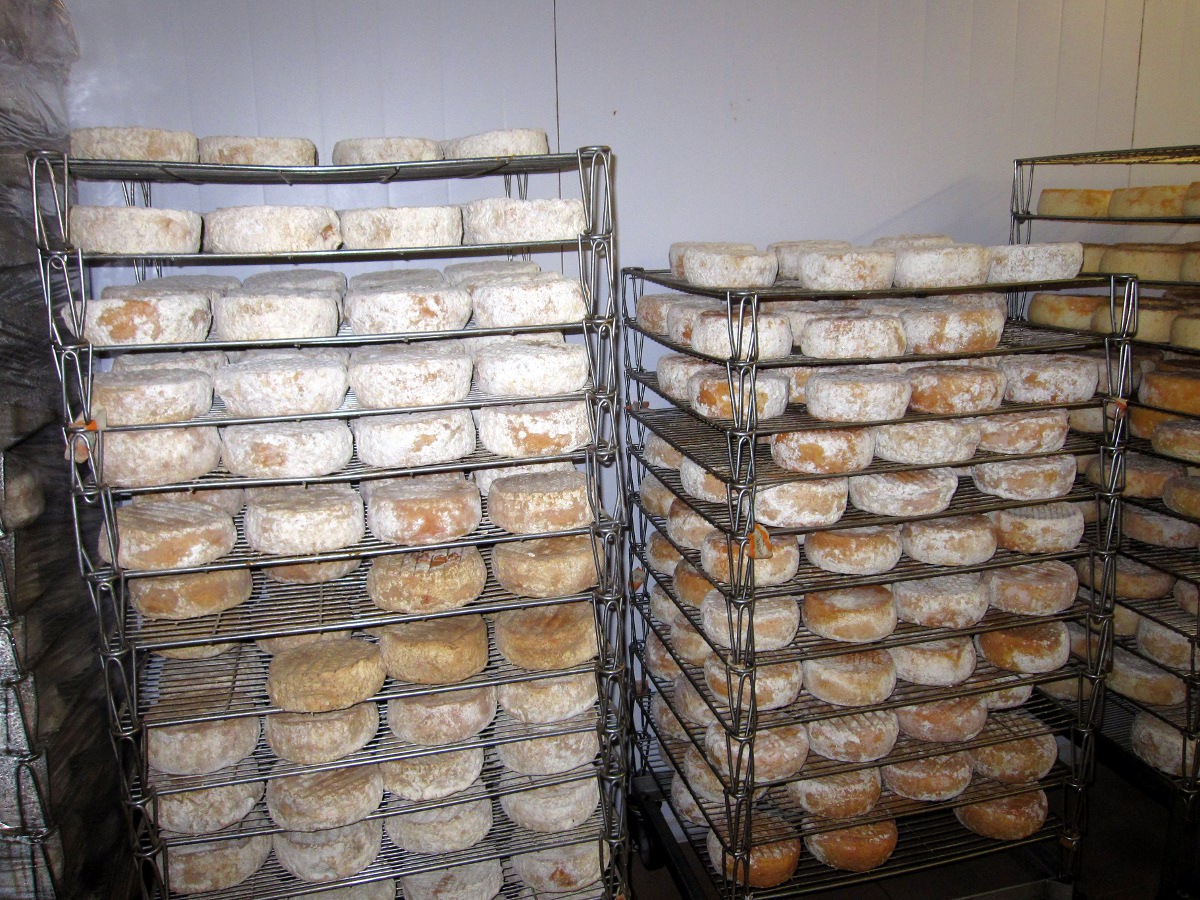
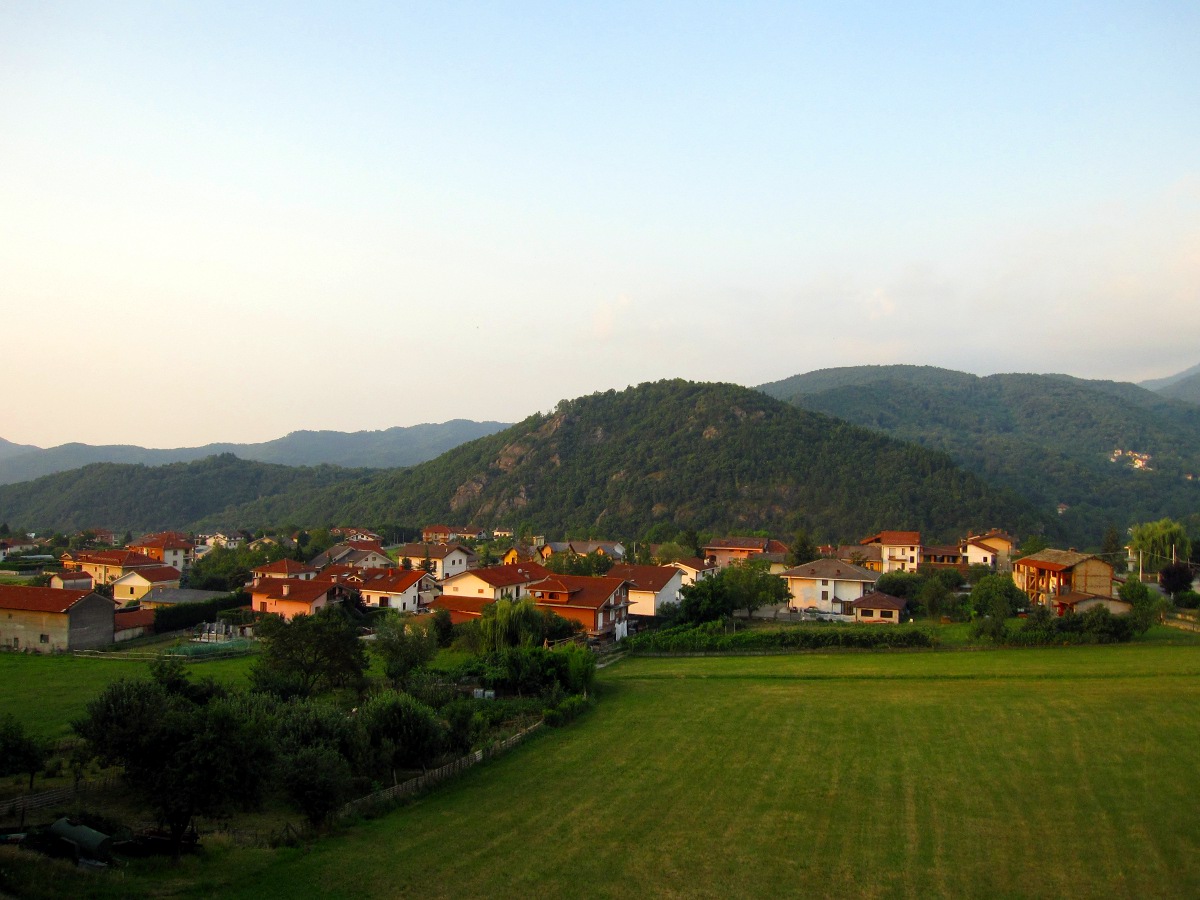
Clockwise: Mural of a mountain goat and cow outside Fratelli Lussiana creamery, fresh wheels of cevrin in warm room, foothills of Piedmont, aging wheels of cevrin in cold room

A couple weeks ago while on the Piedmont stage, our class visited Fratelli Lussiana creamery, a cheese producer in Giaveno, about 35 km west of Turin. The primary cheese they produce is cevrin di Coazze, made with half goat and half cow’s milk and aged for 3 months. At the time, I was tired, hot and not in the mood to see yet another farm, but we all fell headlong in love with this cheese producer. After showing us an overview of the cheesemaking process and aging rooms, the lovely Lussiana siblings piled us into a hay-filled tractor and trundled us up a narrow, rocky mountain path, while we tried to keep our balance, yodeled and ducked under overhanging tree branches. Once we reached the mountaintop farm, we were greeted by a herd of seriously dexterous goats, placidly ruminating cows, and the friendliest donkey in the world (who kept sneaking into photos and nuzzling for attention). The farm caretakers welcomed us with fresh wheels of cevrin, salame, bread and red wine, and we ate cheese next to the animals who produced the milk for it, as the sun went down over the Italian Alps. It was one of the best days of my life.

Puglia Food Products: Olive Oil, Capocollo, Wine, Cheese and Seafood

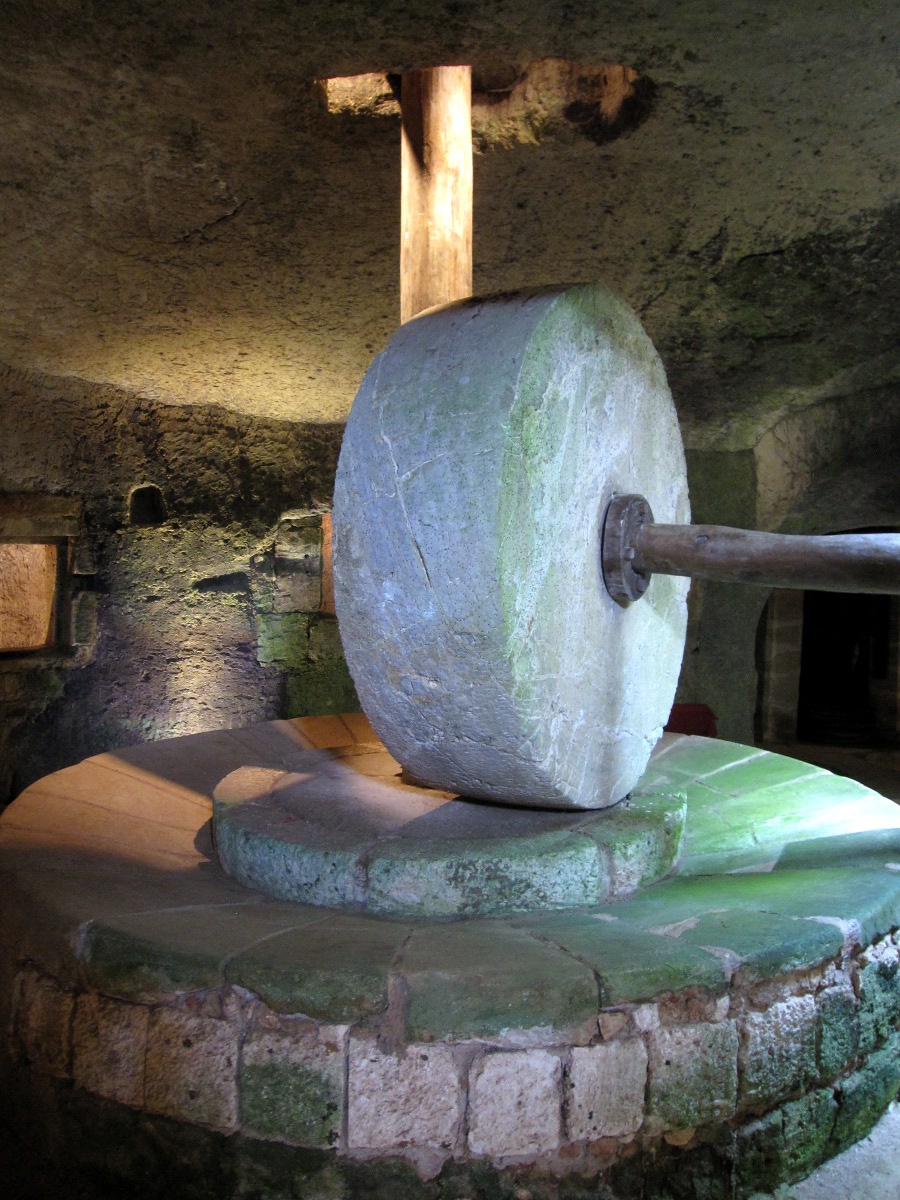
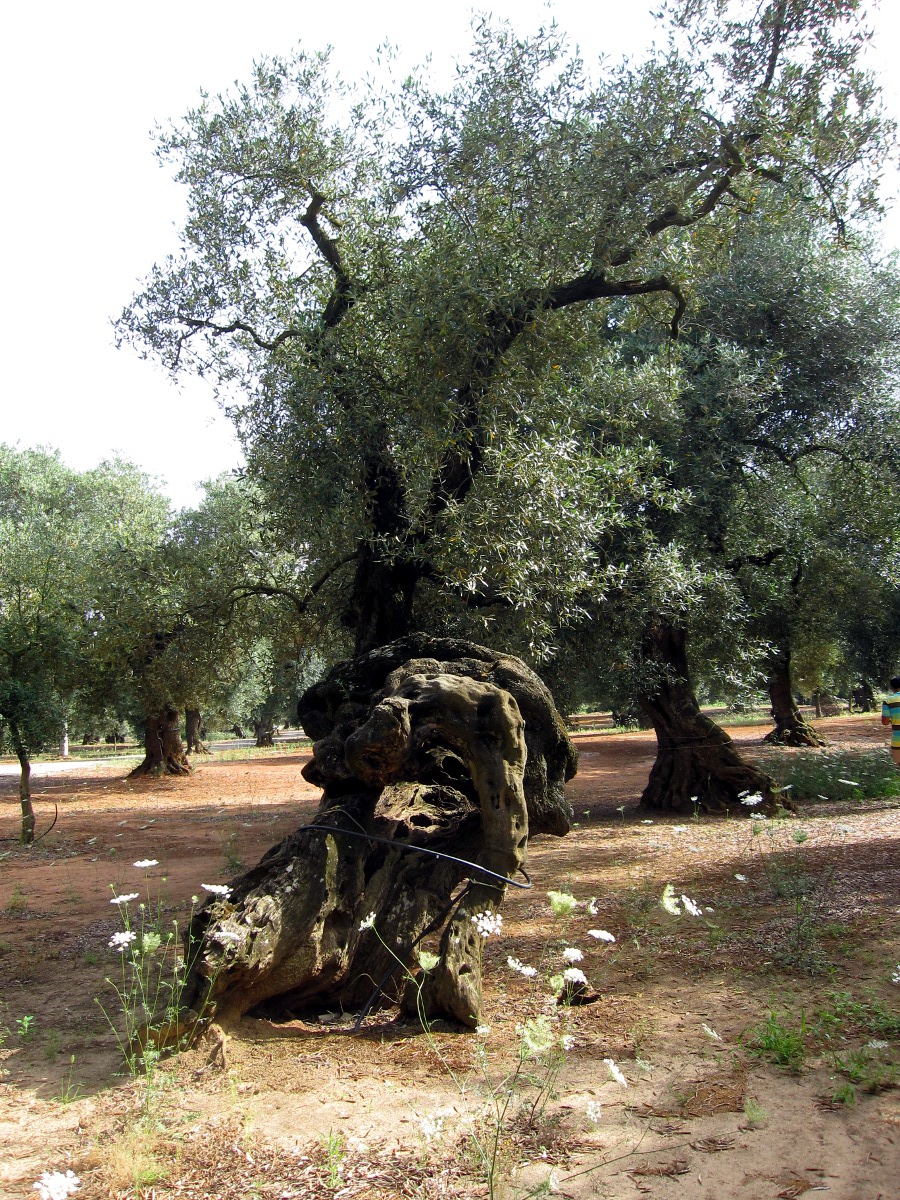
Grindstone for a 17th century olive oil mill, a thousand-year old olive tree

Though some time was alloted in Puglia for activities not requiring mastication, the bulk of the trip was spent at food production sites, restaurants and agricultural lands. I realize that this must sound like the best foodie vacation ever, but eating rich foods nonstop for a week is not as pleasant as it may seem. Some of us had the added stress of documenting the trip in detail because there is a paper and presentation required after the stage. By the end, we were all thoroughly sick of cured meats, cheeses and each other. A few people actually became ill, though I cannot say whether this was due to food poisoning, general infection, or the stress of traveling and eating from 9 am to 1 am every day. My advice for anyone who goes on these trips is to ingest plenty of fiber and choose your roommate carefully.

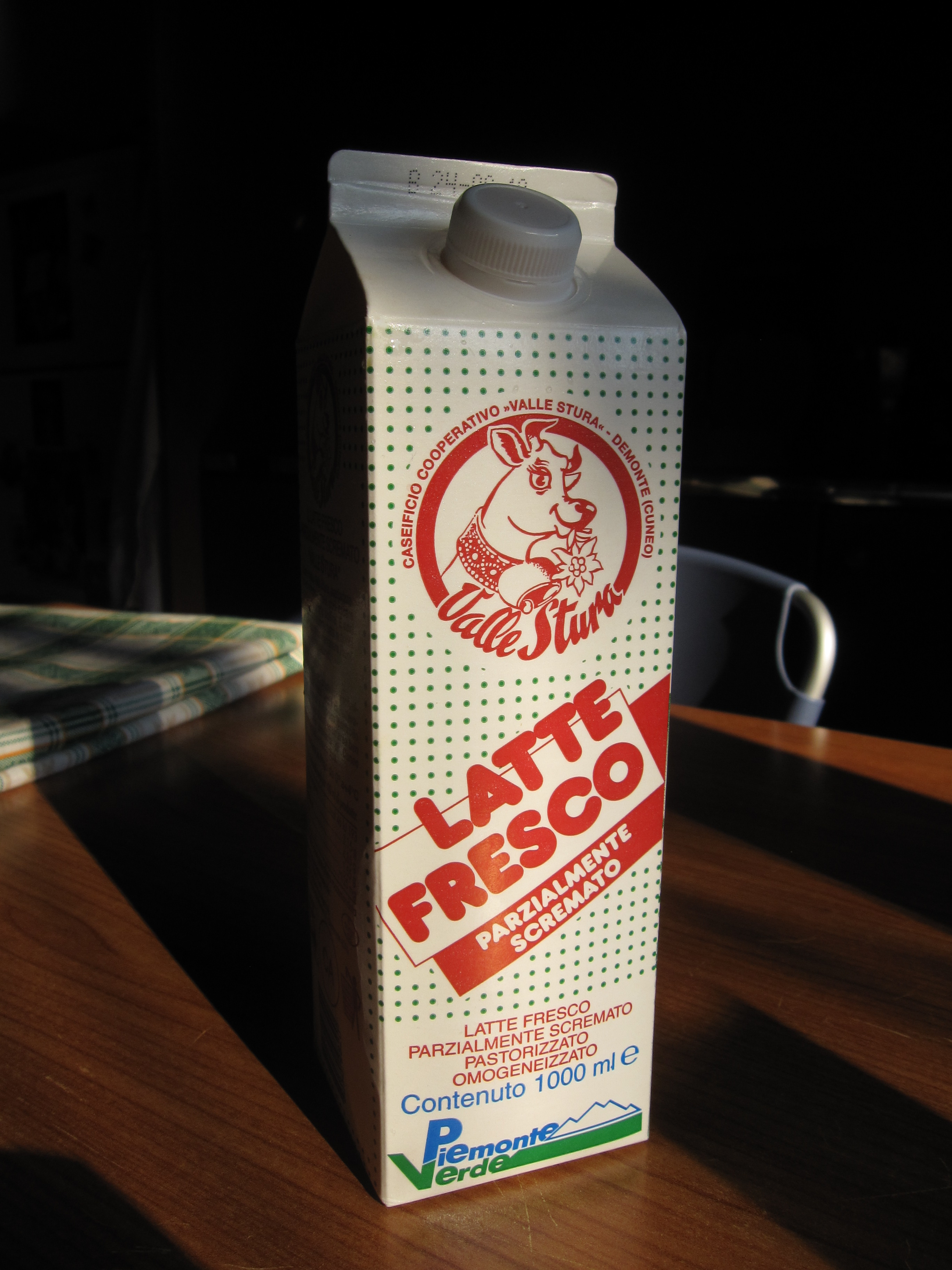
Confession: I Hate Italian Milk

Here in Bra, the heart (and physical headquarters) of Slow Food-landia, people are raised from birth to eat locally, cook with raw, unprocessed ingredients, and buy from small, independent producers. Great, these are philosophies that I have tried to uphold all along, so it’s not like I have suddenly been told to wear a burka.

Well, today I am going to go rogue and fess up about something that has been irritating the hell out of me: Italian milk. It sucks.

Lunch, UNISG Edition

In a previous post, I discussed what it was like to have lunch at the Fed, but there was no mention of the food, mostly because the Sodexo-run cafeteria, while competent and better than your average corporate cafeteria, mostly catered to the greatest common denominator and offered nothing of blogworthy interest.

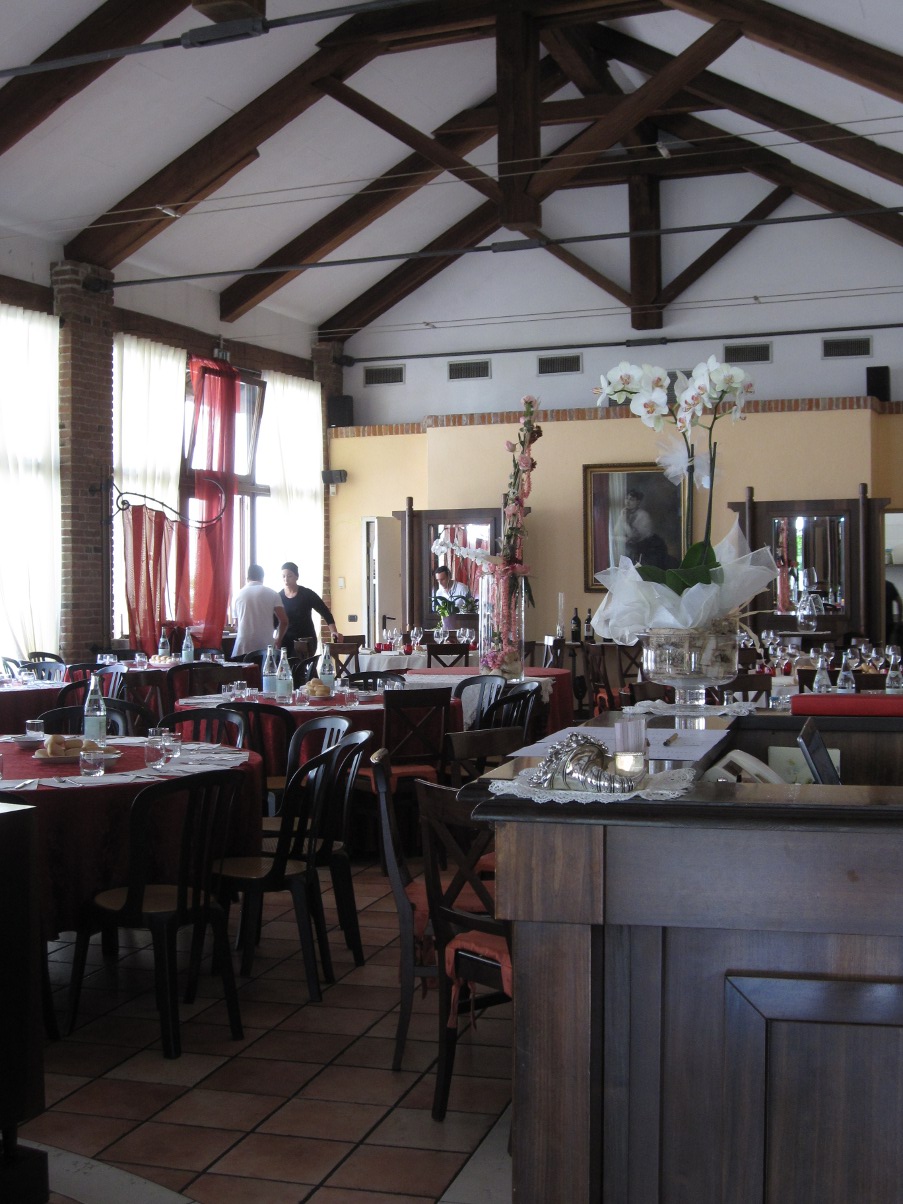
Here at the University of Gastronomic Sciences, you can avail yourself of the midday meal service plan for €1000, and be assured a hot lunch every day that you are at school. For the first week of classes, everyone can dine at the canteen, which gives you a chance to try the food and determine whether or not you want to bring your own lunch instead. I wasn’t sure what to expect, but figured that this would be a nicer, more intimate version of Cornell’s dining halls (which were actually pretty good compared to the institutional slop served at most other universities). I definitely did not expect a 3 or 4 course meal, complete with full table service.

First Pizza

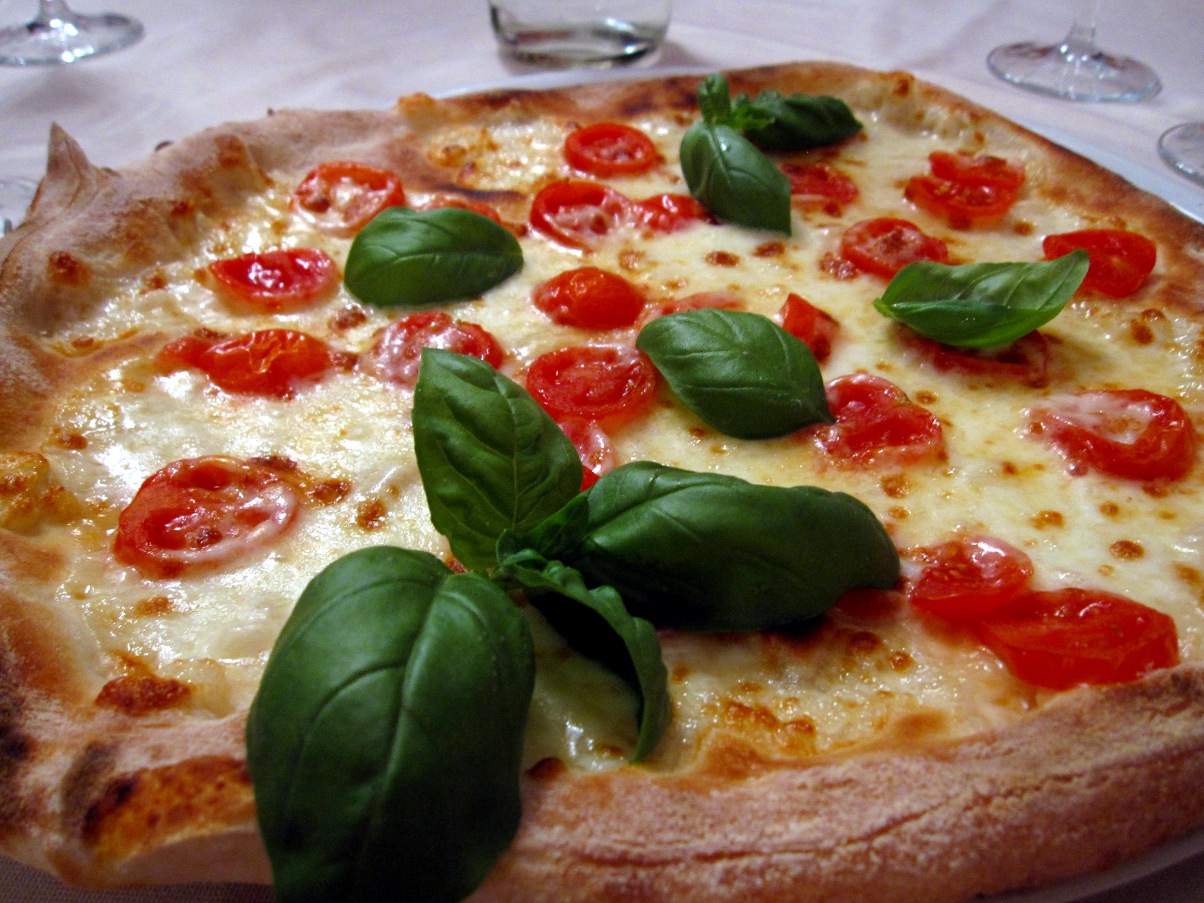
For an informal pre-start of class get-together, the UNISG May 2010 cohort gathered for beers/aperitivo at the bar on the premises of the Slow Food headquarters. In the courtyard, there is a small restaurant named Baladin, with a small bar outdoors that serves wine and a couple beers on tap. On this particular night, the Isaac and Nora beers were available, the former being similar to a Belgian white beer and the latter an “Egyptian” style lager.