Blog

A Foodie State of Mind, Or Damn They’re Strange in Flyover Country

Serious Eats links to the above map of food-by-state produced by the hard working folks at I Can Haz Cheezburger, which is actually a lot more interesting than I had anticipated. Sure, lots of the chosen foods are obvious regional specialties or major crops associated with the state (MA clam chowder, Idaho potatoes, Georgia peaches), and then there are the lesser-known items coming from the (let’s be honest) lesser-known states. Michigan and pasties, is there a large population descended from Yorkshire miners in Michigan? Arkansas and jelly pie, an item invented out of the necessities of poverty, like Indiana’s sugar cream pie? And Colorado’s Denver omelette looks an awful lot like a burger to me, rather than fried eggs folded around diced ham, onions and bell peppers.
Continue reading

Finding Sticky Gold: The Greatest Grocery Store in Bra

Publication forthcoming in the January 2011 edition of the UNISG newsletter

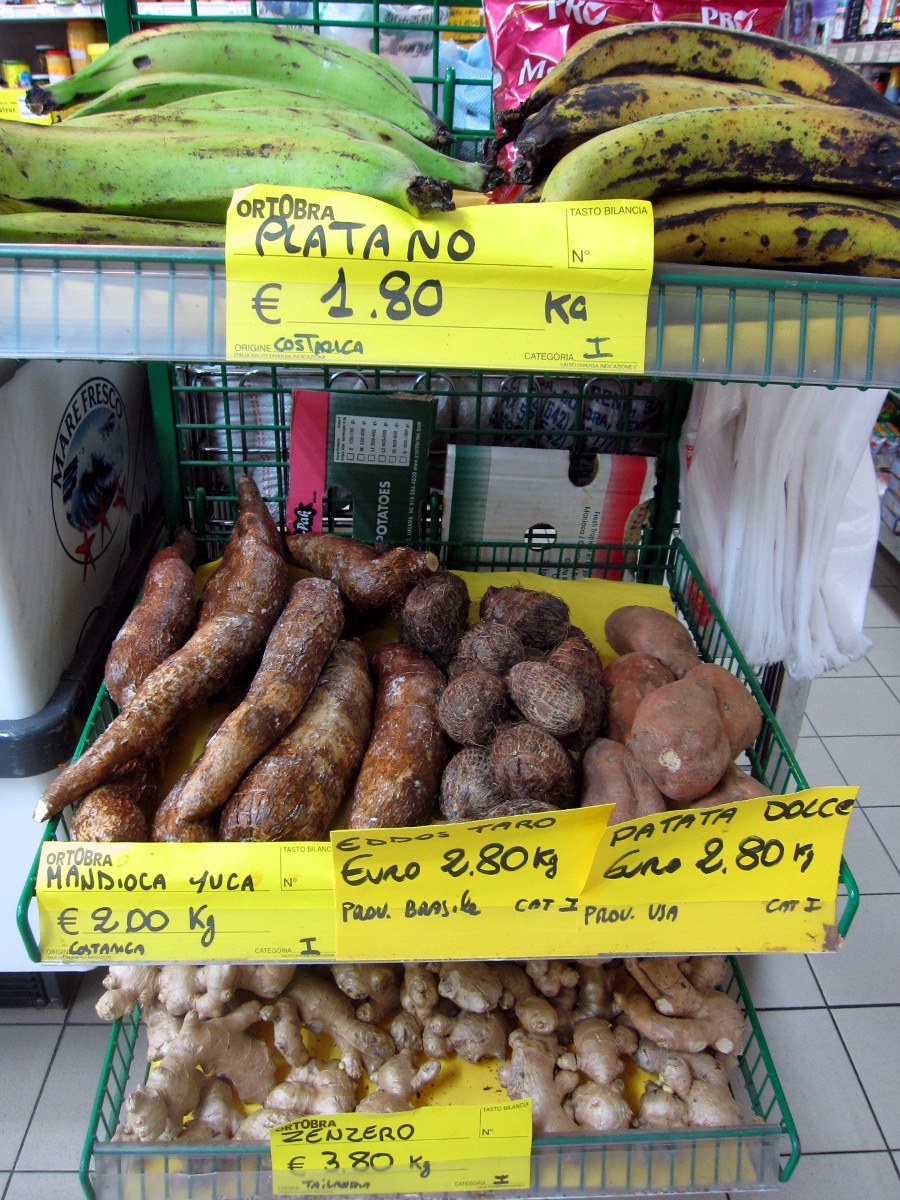
The discontent arrived in fits and starts. Mere days after arriving in Italy, I stood crestfallen at the market, valiantly searching for a bunch of cilantro. Piles of parsley surrounded me, a taunting, isomorphic reminder that I was far from home. The bulk bins were swollen with cannellini beans and lentils, but there was nary a sign of black beans. In the baking aisle, I combed the shelves for baking powder. Instead, thin packages with florid photos of cakes touted the ammonia-based leavening agent inside. Skeptical, I stifled my frustration and went home to yet another meal with pasta.

Continue reading

Italian for People Who Can’t Legge Bene

In the months between my acceptance and moving to Italy, I spent a good chunk of time learning Italian through as many venues as possible. I went through three levels of Rosetta Stone. I read Italian blogs and newspapers. I discovered some great Italian films (and some pretty terrible melodramatic, sad-violin ones). Then, I stepped onto my first train in Italy, promptly missed the transfer and ended up in Cuneo. It was about 8 pm on a Mon night, and the trains stop running shortly thereafter. Panicked, I tried to ask the guy across the aisle for help, but all the Italian I’d learned had flown out the window. Luckily, he knew enough English to tell me I had 5 minutes left to catch the last train of the night. Clearly, my Italian still had a ways to go.

Continue reading

Winter in Italy

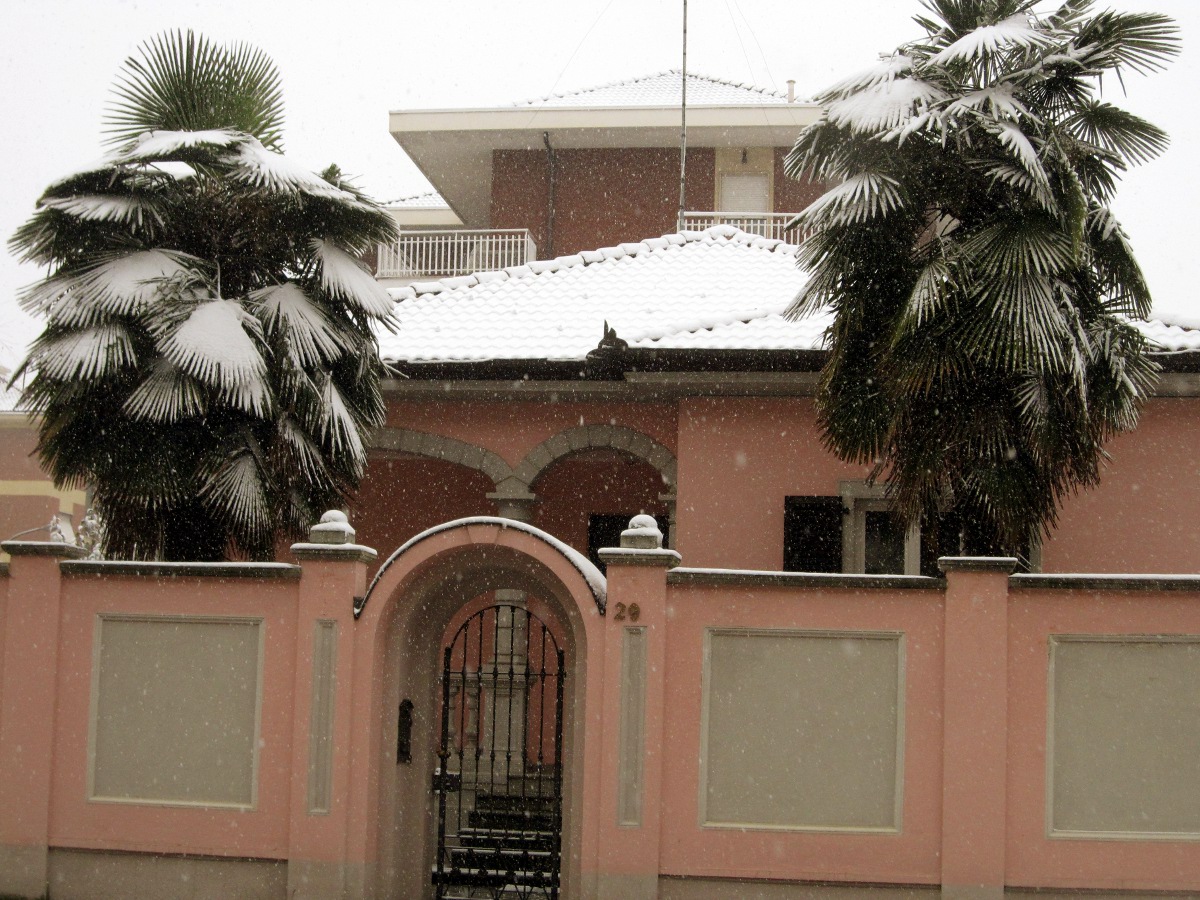
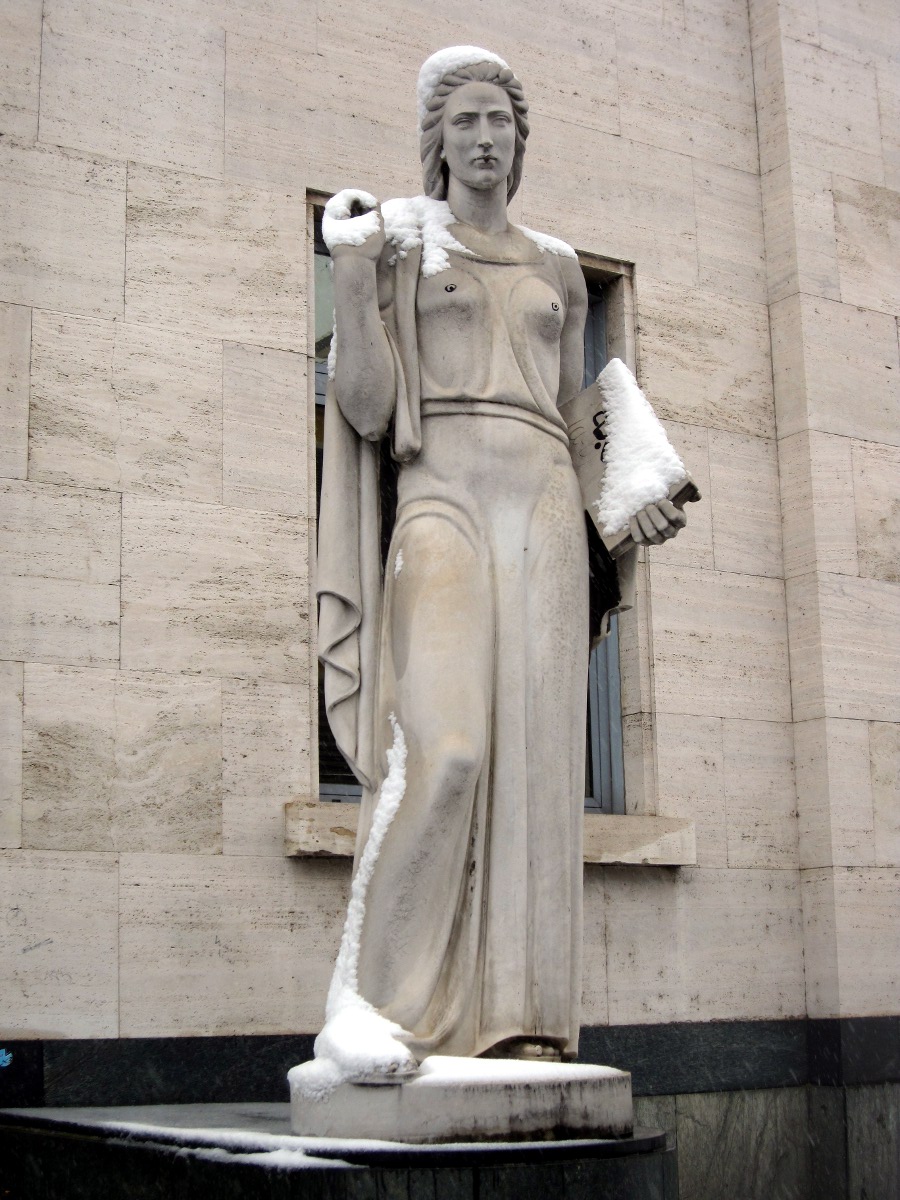
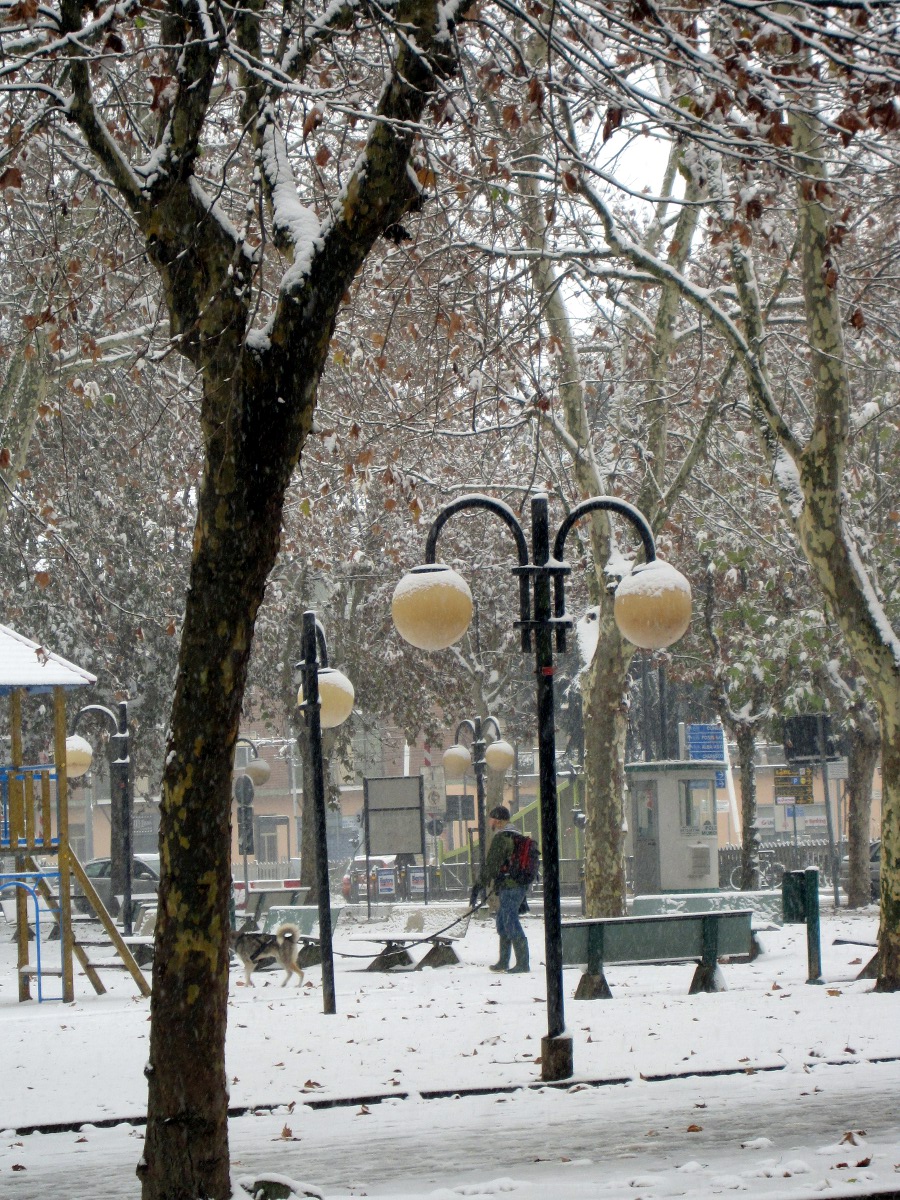
Today I woke to find that everything was covered in a pristine blanket of fluffy, white snow. It was the first snowfall of the season in Bra.

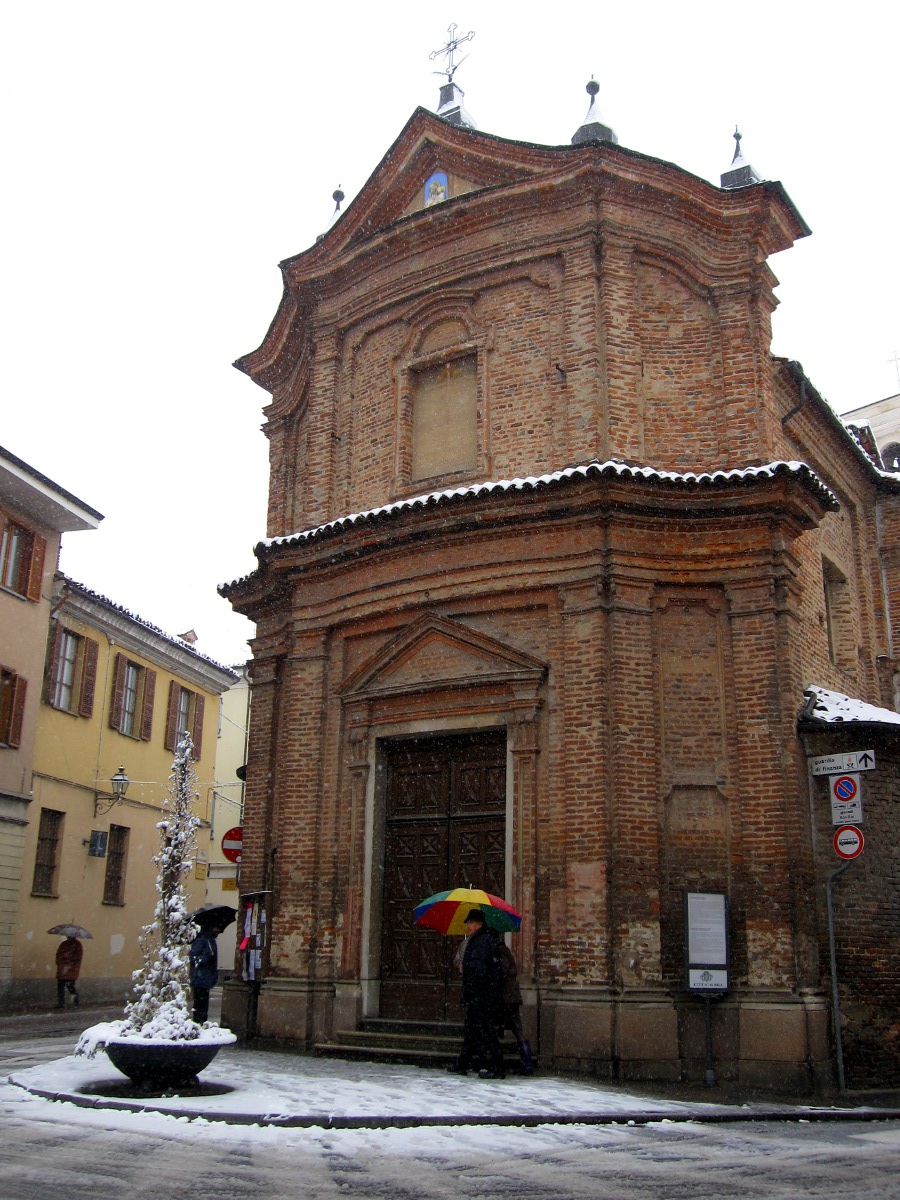
Townspeople gather to read town notices on the bulletin board outside the church.

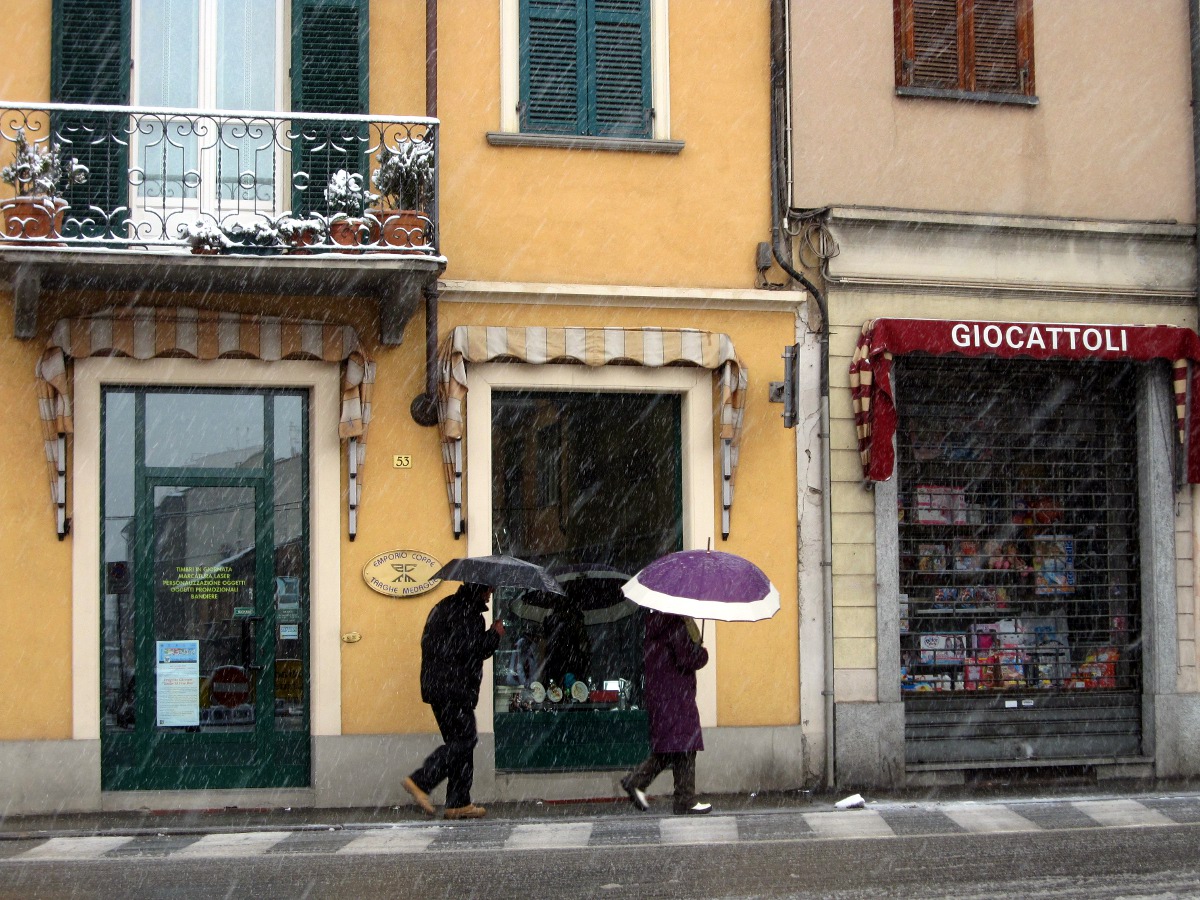
In Italy, umbrellas are commonly used by pedestrians to shield themselves from falling snow.

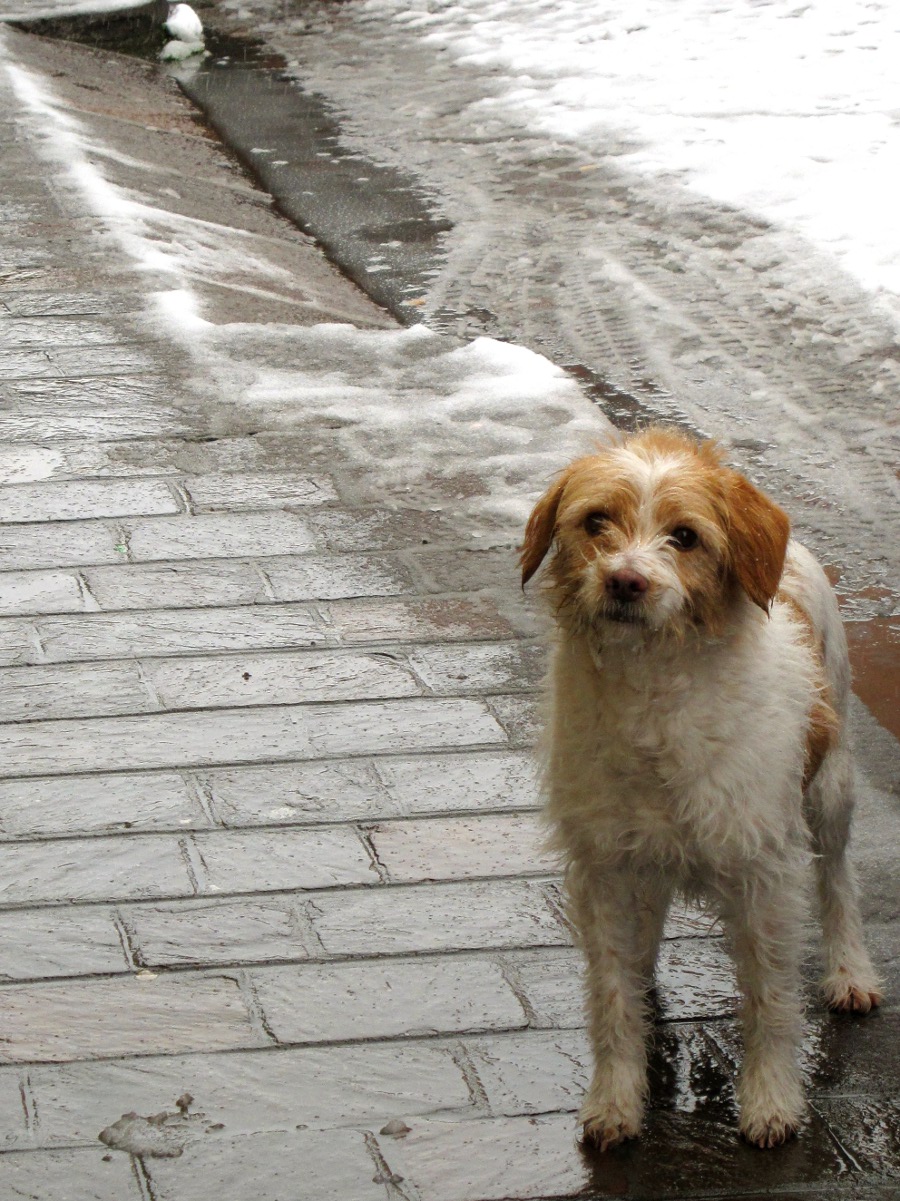
Playgrounds were hushed, save for the padding of dogs walking their masters.

Continue reading

Badass Sage and Sausage Stuffing, or a UNISG Thanksgiving

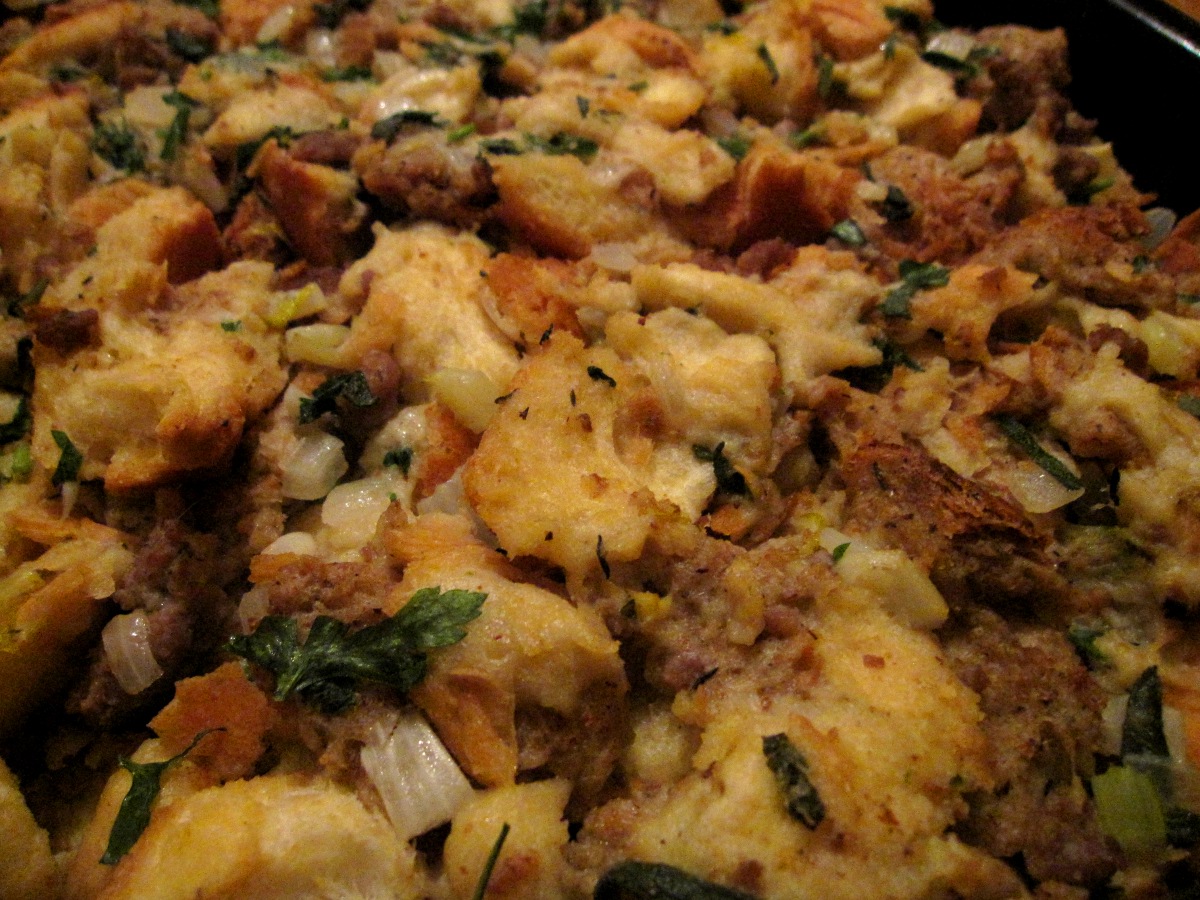
No cranberries. No pecans. And forget the canned pumpkin. Celebrating America’s most foodie of holidays while abroad certainly poses its challenges. But by jove, we were going to try our darndest. The email was sent out to the class: “The 4th Thursday of November is a national holiday in the USA, a day originally to remember and celebrate the hospitality that the Native Americans showed the pilgrims during their first winter. Without the Native Americans sharing their knowledge of native crops, of squash, corn etc, the pilgrims may not have survived. (Whether the Native Americans may have later regreted this generousity is another story.)” A list of suggested dishes was provided, with the invitation to choose one and bring it to the Thanksgiving potluck. Without giving it too much thought, I volunteered to make the stuffing. After all, the StoveTop version takes six minutes to make; how difficult can this possibly be?

Continue reading

Gone Fishing on Lake Trasimeno

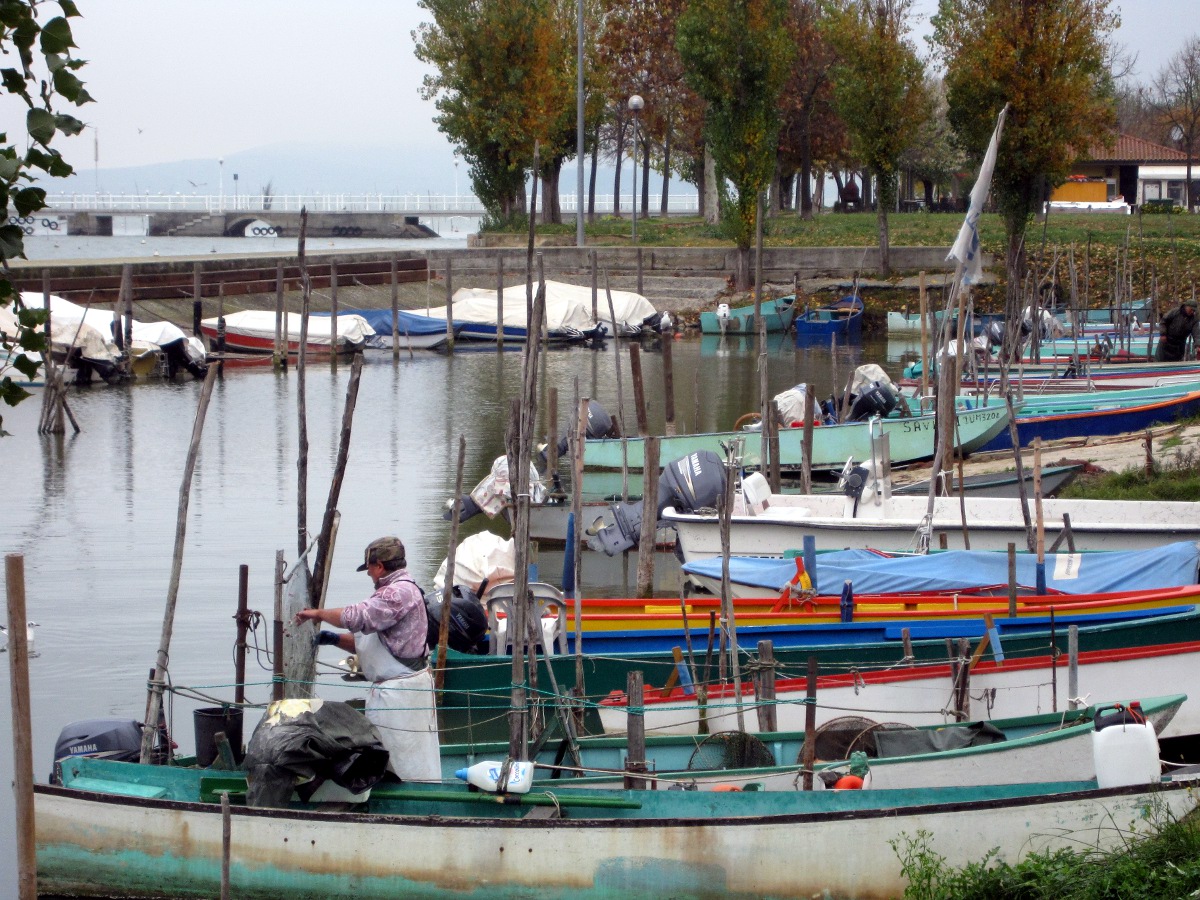
A bone-chilling wind whistled across the water, as I huddled on a boat with fingers tucked into my armpits. We were sailing across Lake Trasimeno, the second largest body of freshwater in Italy. Aurelio, our captain and president of the local Trasimeno fishermen’s cooperative, explained that the maximum depth of the lake was about 5 m, and the area we were currently in was only 1,8-2 m deep. Moreover, this is an endorheic body of water, a lake with no natural outlets that is entirely rain-fed. Essentially, we were rocking our way across a giant puddle.

Continue reading

Cash, Lies and Truffles at Urbani Tartufi

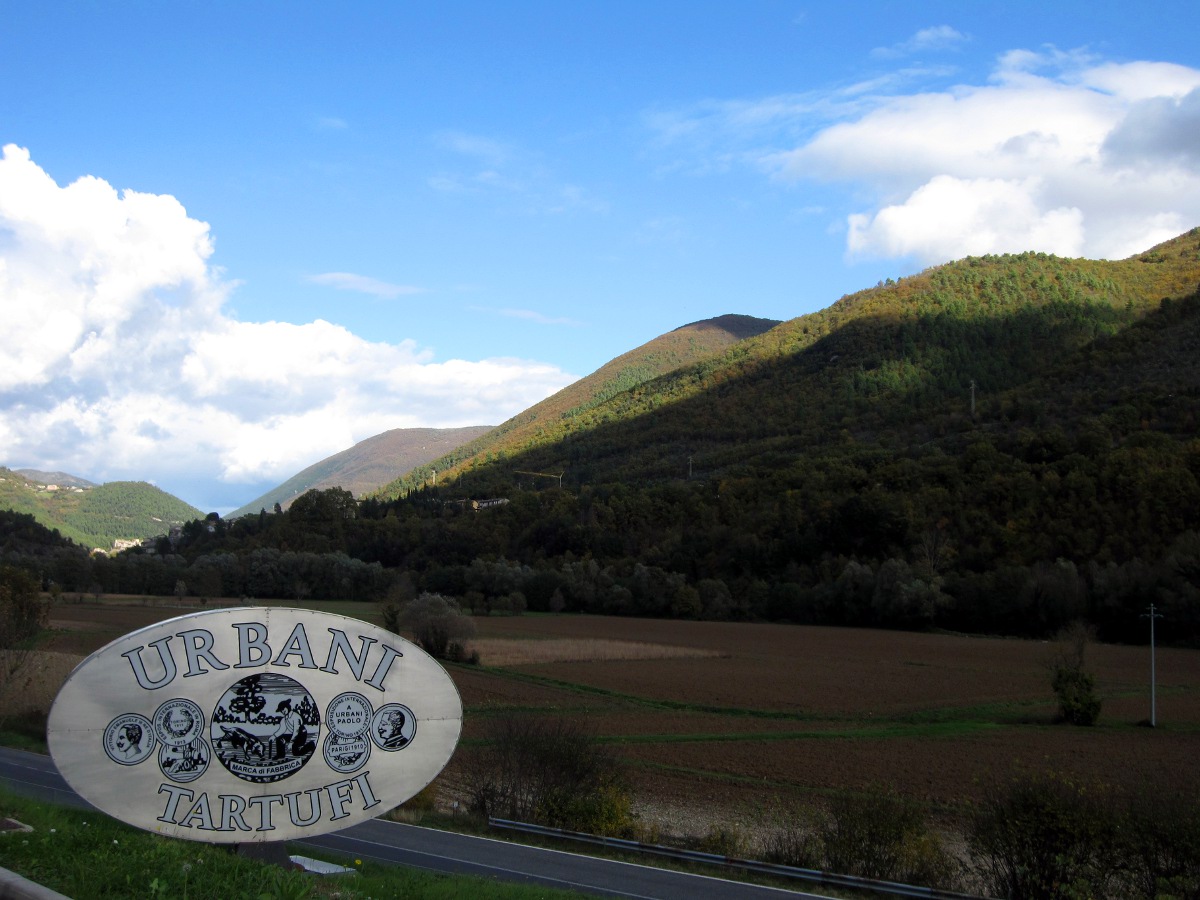
The stillness was broken only by the sound of breathing. All around us, rolling foothills and oak-covered peaks stretched into the distance, a gently shimmering tapestry of fall foliage. But the outward peace of this halcyon setting masked a burning secret. Beneath the roots of these forests, there was buried treasure–truffles, worth millions of euros and sitting in the cross-hairs of Italy’s legions of truffle hunters.

Continue reading

Recipe: Red Bean Mochi

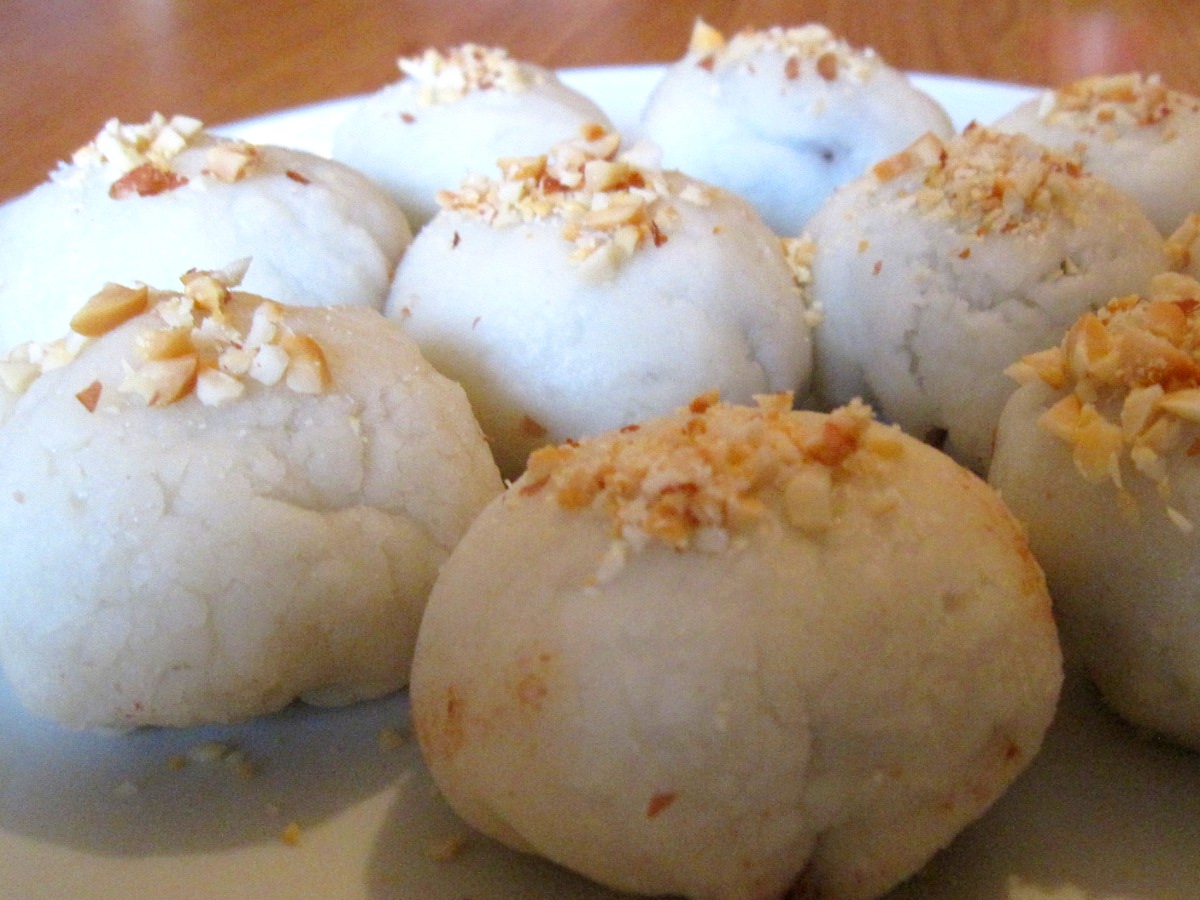
Inspired by the plethora of kakanin rice cake sweets at Dia de los Difuntos, I decided to make some glutinous rice flour treats of my own. Enter the red bean mochi.

Mochi is a Japanese sweet with dough made from sticky (glutinous) rice flour, filled with red bean paste, strawberries, ice cream or other fillings. Traditionally, mochi is made in a ceremony called mochitsuki, where glutinous rice is soaked overnight, then pounded with a large wooden mallet. While one person wields the mallet, another person turns the mass of rice. They must keep a steady rhythm to avoid injury! You can check out a high-speed demonstration of mochi pounding in this video.

Continue reading

The Bottled Poetry of Arnaldo Caprai

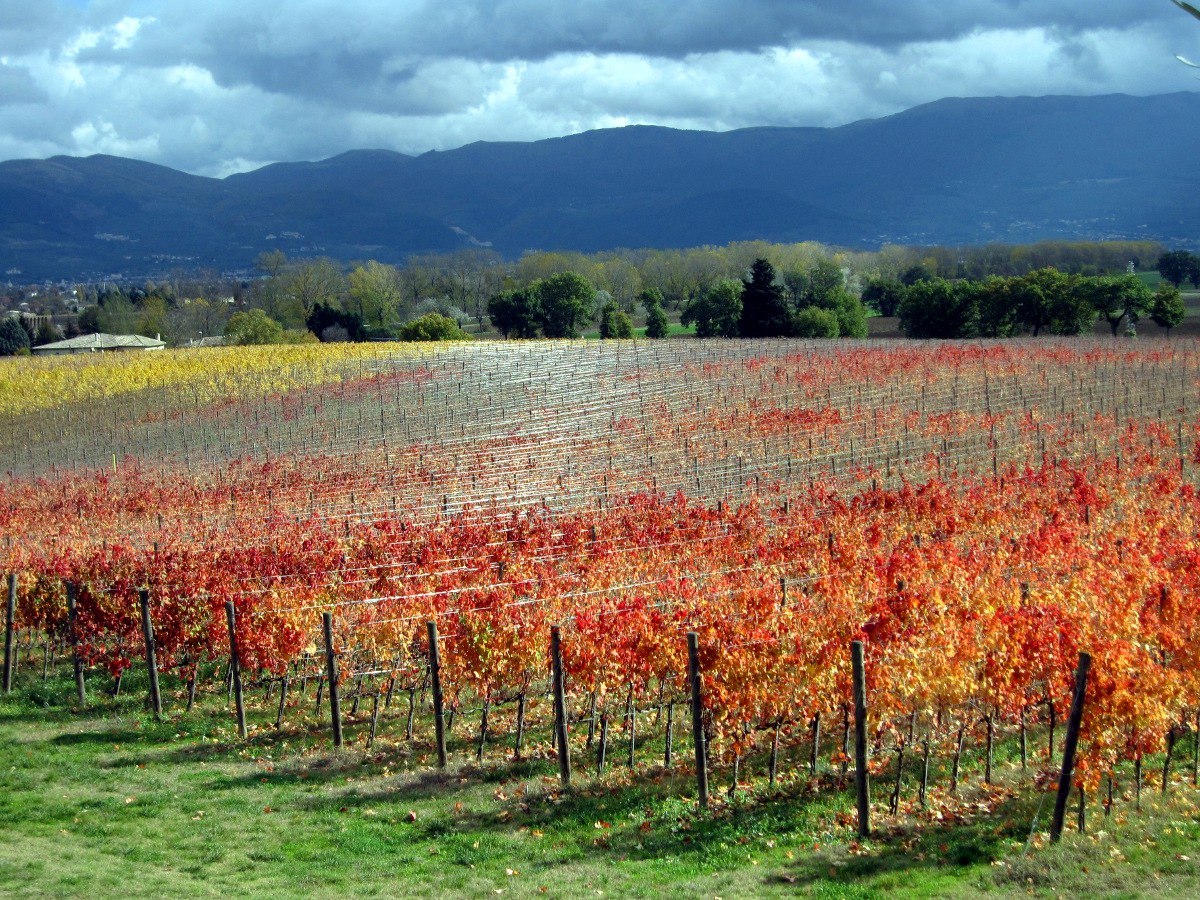
“This is one of the most important products in the panorama of Italian wines. Are you familiar with it?” I was haplessly ignorant as Eleonara Marzi began her presentation on sagrantino wines. Over the next week though, we would drink the hometown favorite of Umbria more times than I could remember.

Sagrantino is a native grape variety that has been cultivated in Montefalco for over 400 years, and sagrantino secco is recognized as a DOCG wine indigenous to Umbria. However, until the 1970s, most Umbrian wineries focused on producing merlot and cabernet sauvignon. Sagrantino was mostly relegated to the production of passito, or sweet dessert wines. This was due in part to the intensity of sagrantino grapes, which are higher in tannins and polyphenols than any other grape. To combat the persistence of the tannins, farmers generally added sugar to increase the softness of the wine and make it more drinkable.

Continue reading

An Introduction to Wine Journalism

Wine journalism. Is it a public service, or simply pretentious nonsense? What forms does it come in? Does anyone pay attention to this stuff anyway? Who is the target audience?

On this gray November day, we were greeted by the warm presence of Richard Baudains, a wine writer for Decanter who has also contributed to the Arcigolo Gambero Rosso guides Vini d’Italia (Wines of Italy) and Vini del Mondo (Wines of the World). He hails from the Channel Islands (an archipelago between England and France), but has spent the last two decades living and drinking in Italy.

Continue reading