Blog

Travel Note: Umbria Stage
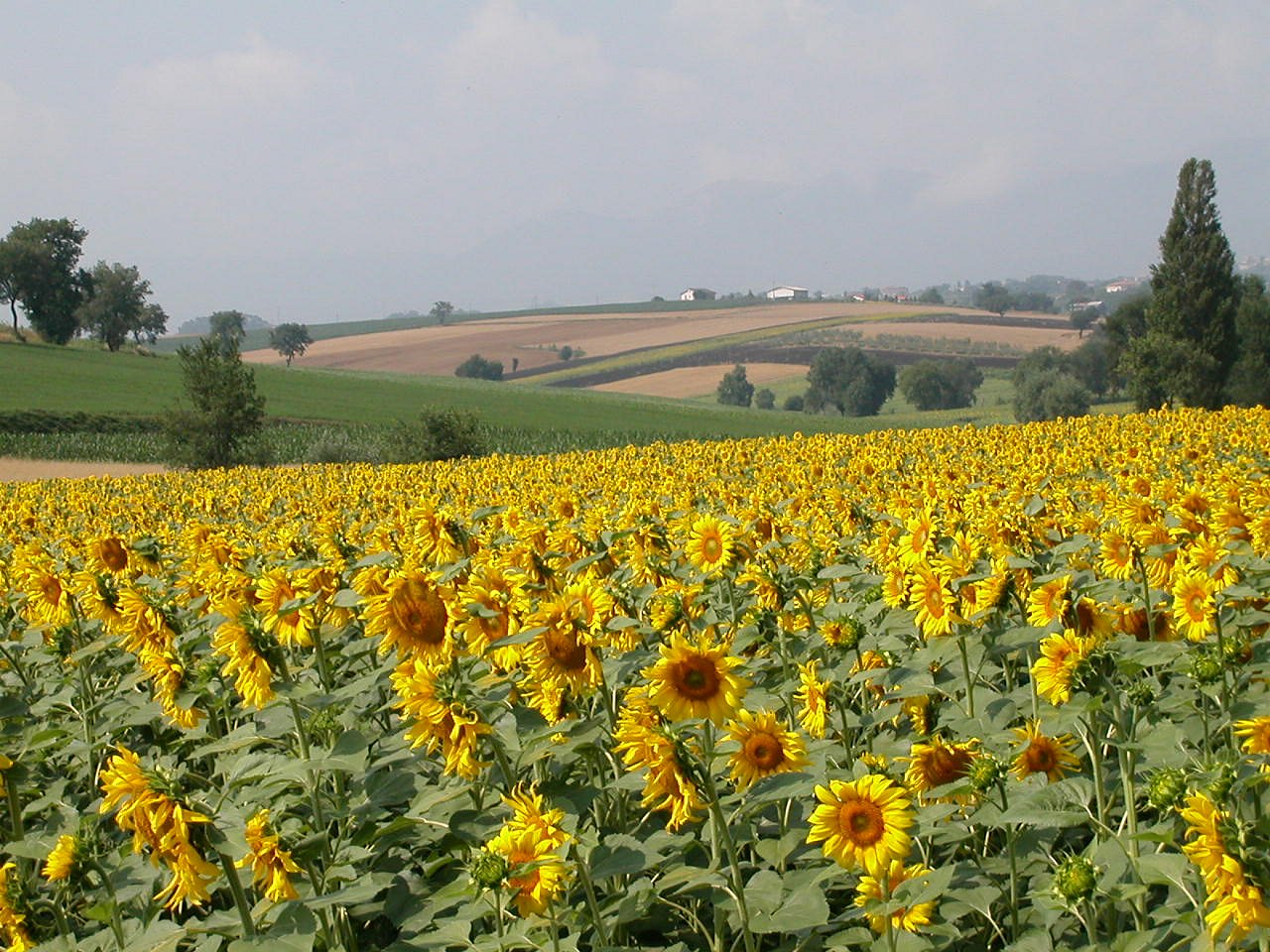
It’s that time of the month again; the UNISG masters students are heading out this week for another round of travel. The destination for this stage is Umbria, a region in central Italy, bordering Tuscany and Lazio, where Rome is located. It is the only region of Italy that has no borders with other countries and no coastal access. Over the next few days, we will be exploring Umbria’s famed olive oils, truffles, wines and cured meat products. Best of all, if the weather cooperates, we will be fishing on Lake Trasimeno with a bunch of local fishermen! I am mildly embarrassed to admit that I have never gone fishing before, so this is pretty exciting.
Continue reading

An Un-American Halloween: Dia de los Difuntos

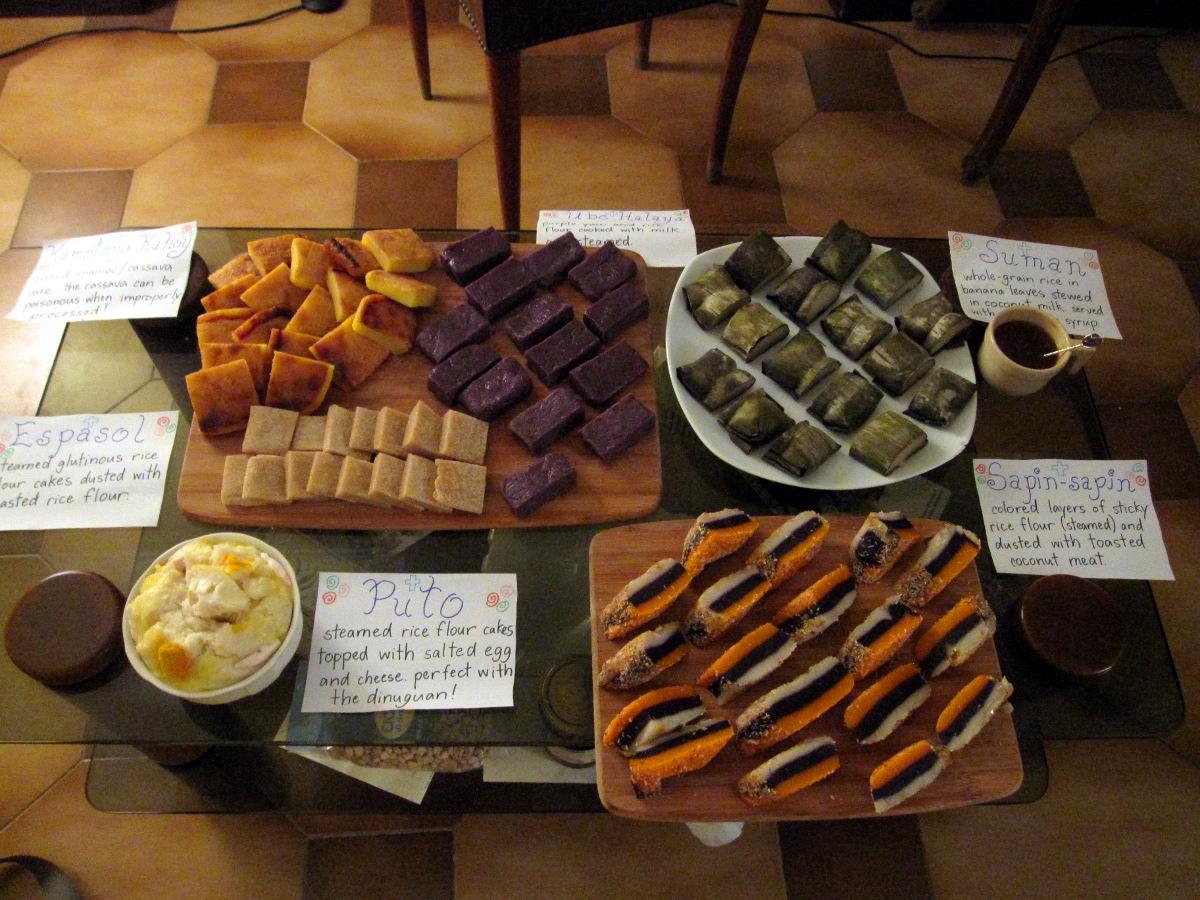
While all my stateside friends were partying for Halloween in scandalous, ironic and/or terrifying costumes, a couple of my classmates organized an event with a decidedly more serious tone. Dia de los Difuntos (Day of the Dead) is commonly celebrated on November 1 in former Spanish colonies, coinciding with All Saints Day in the Catholic church. For the occasion, Caro and Rae organized a gathering that combined traditions from their respective countries of Ecuador and the Philippines. Most interesting, you could see how Spanish missionaries were able to integrate elements of Catholicism with indigenous practices of ancestor worship.

Continue reading

The Terra Madre Formula: Farmer = Revolutionary


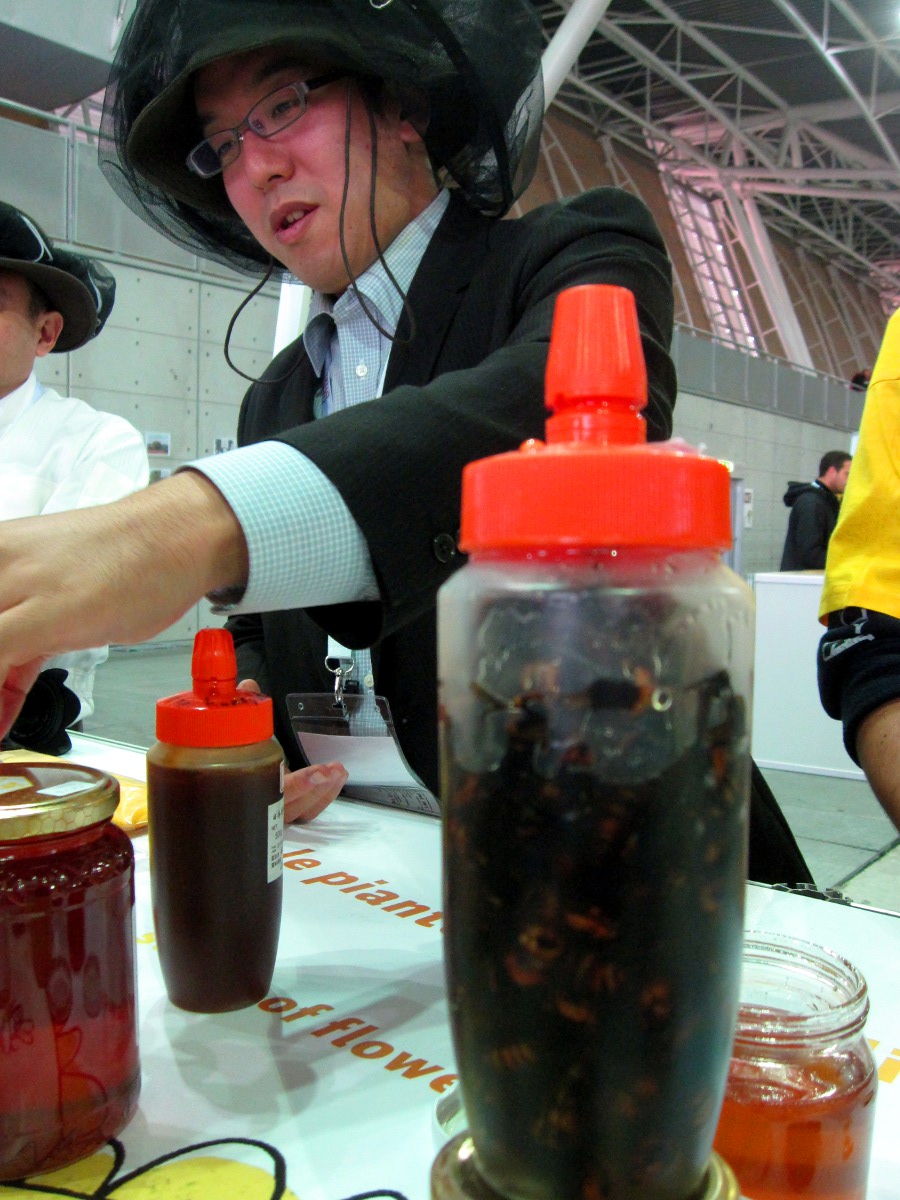
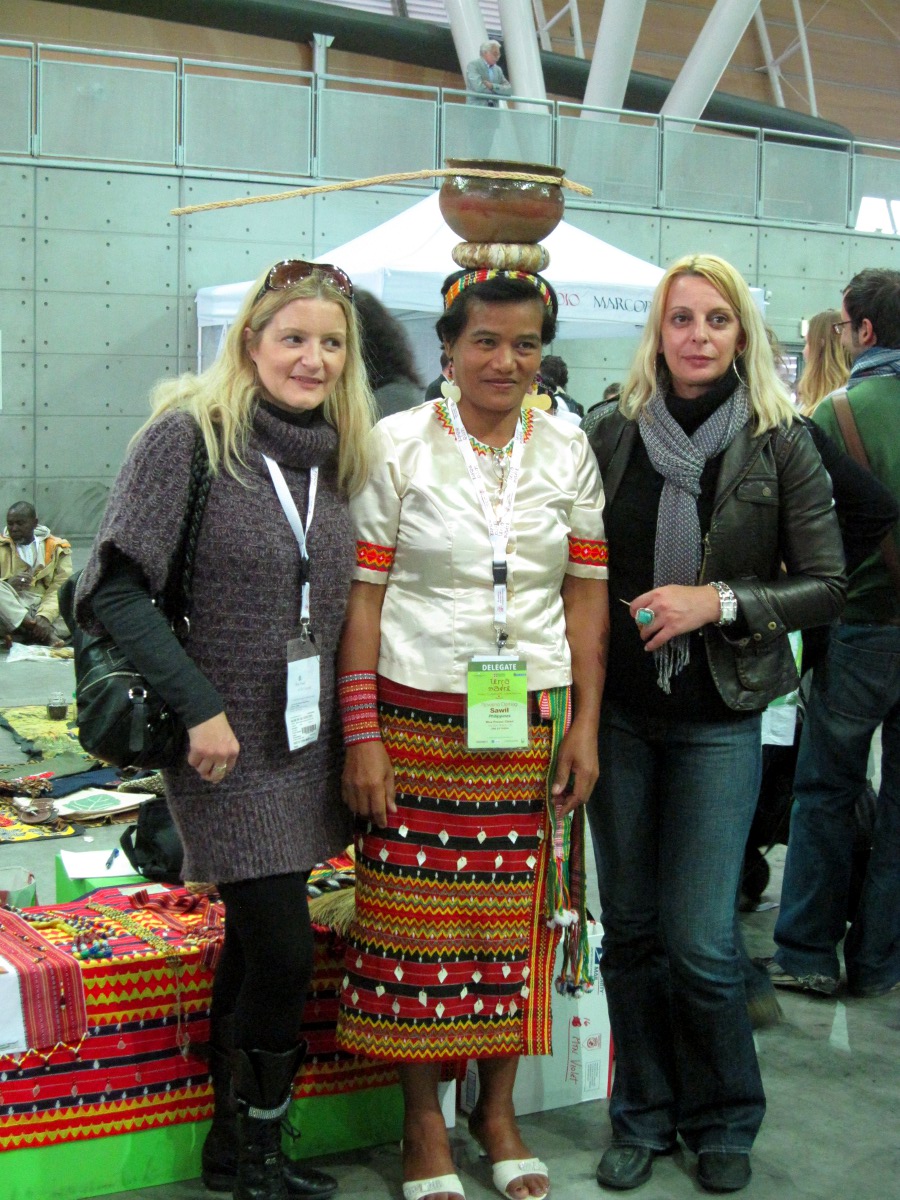
Delegate from the Philippines demonstrates her prowess at balancing objects on her head; Japanese beekeepers gather at the Honey Bar

At the registration for Terra Madre, small pins were passed out depicting the silhouettes of a farmer and a soldier, with an equals sign between them. In many ways, this icon summarizes what Terra Madre is about. It is a gathering of food communities and food producers, and a strategy session on how best to battle the onslaught of industrialized food, environmental degradation and social injustice. (Update: I’ve learned that the pins are from Slow Food Nation, and actually depict farmer = Statue of Liberty. Apparently I glanced at it too quickly.)

Continue reading

Inside Salone del Gusto, Italy’s Artisanal Foodie Mecca


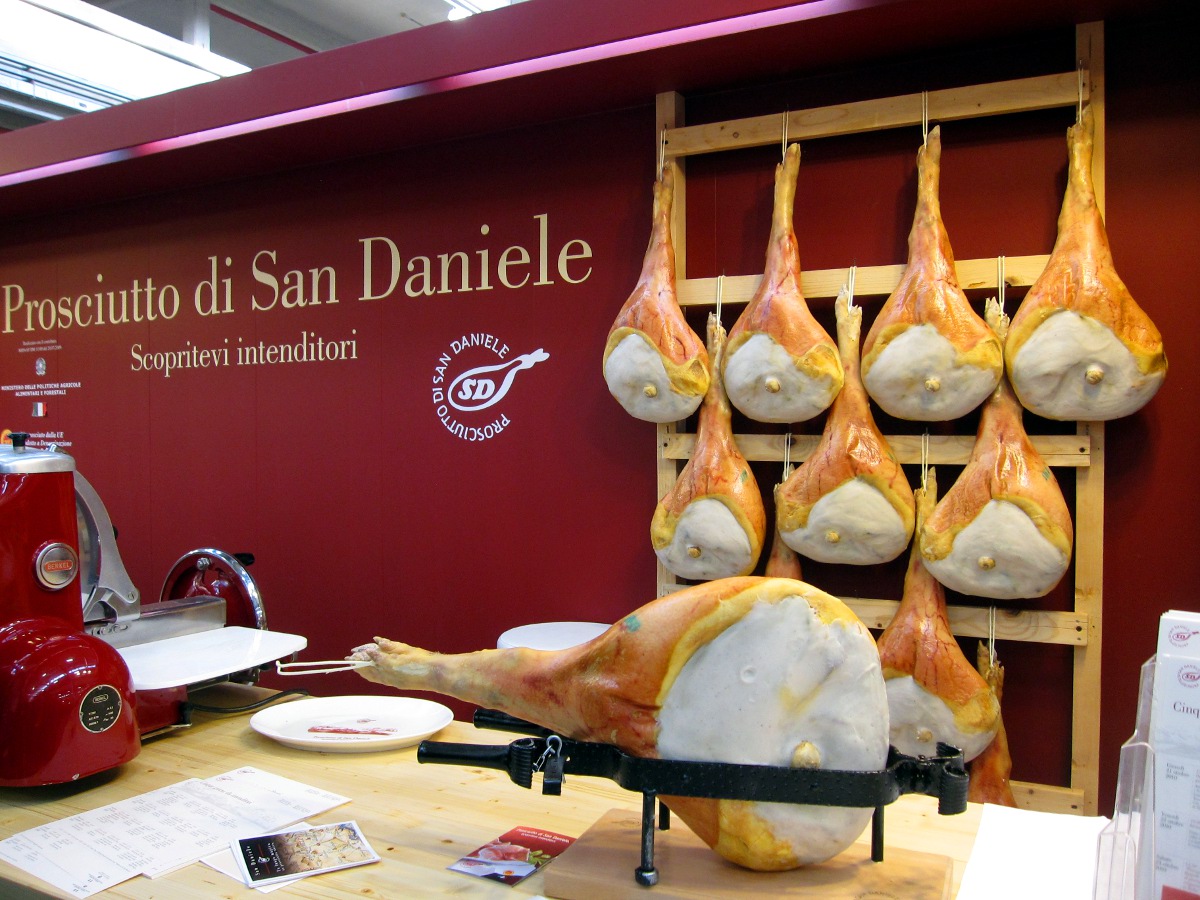
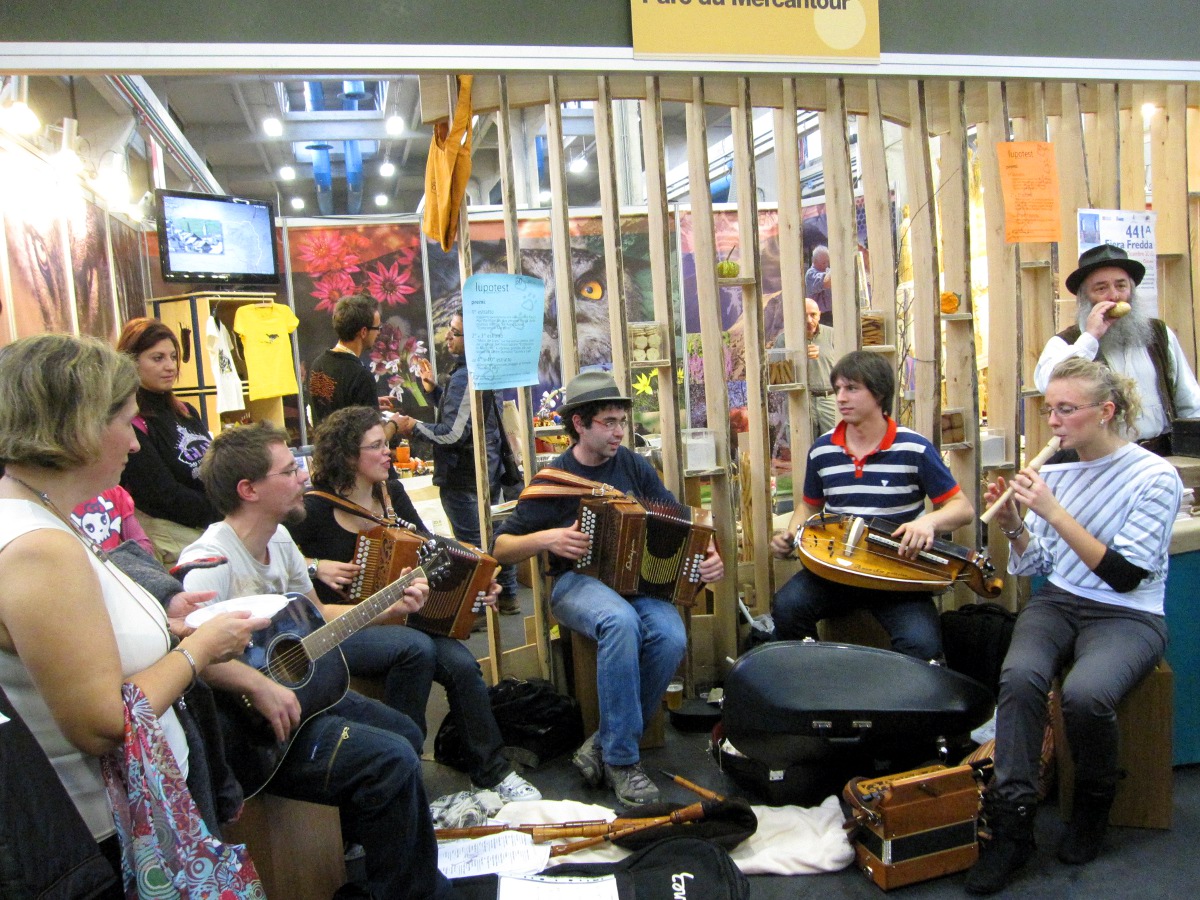
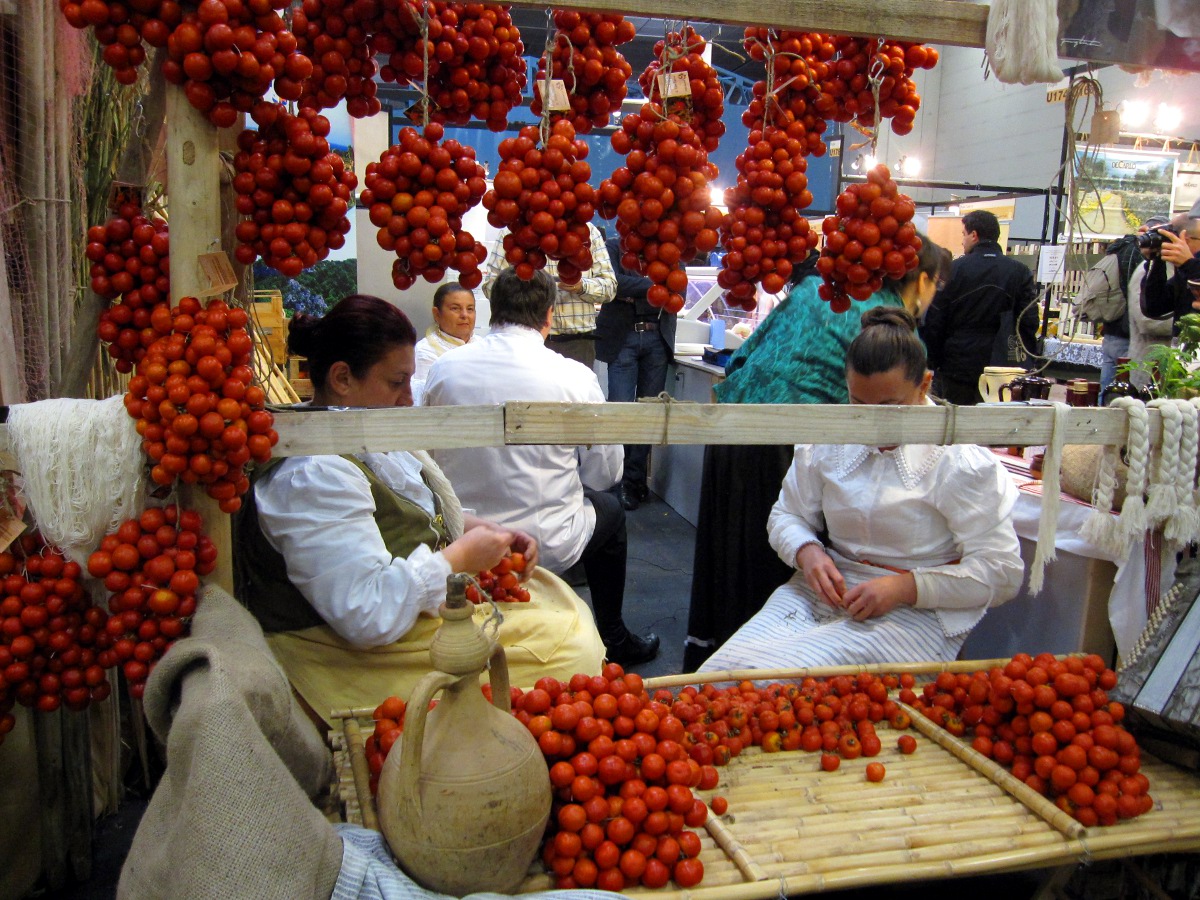
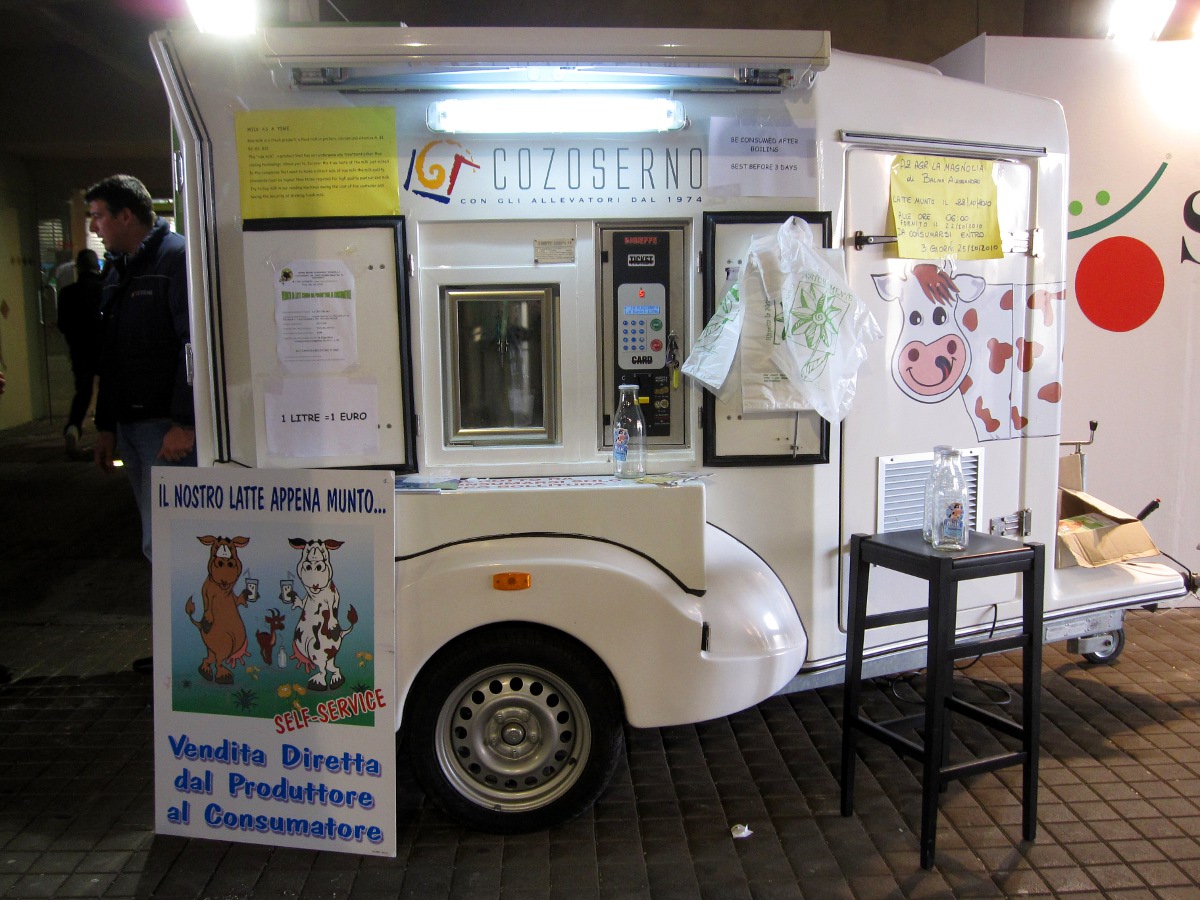
Clockwise: whole prosciutto from San Daniele on display; a band of two accordions, a guitar and a hurdy-gurdy (the bearded man on the right was making animal puppets out of a hankerchief to entertain the kids); a self-service milk truck parked outside Salone del Gusto; Puglian women stringing cherry tomatoes by hand

After a long morning of seminars, I was sipping a glass of Left Hand beer, when the sound of drums and horn began thundering down the hall. It was Macedonian folk ensemble Akud Mirce Acev, beating a lively rhythm and whipping a crowd of Asians into a frenzied dance. Heads bobbed, cameras flashed, women in hanbok dresses waved their arms in the air. Just another day at Salone del Gusto.

Continue reading

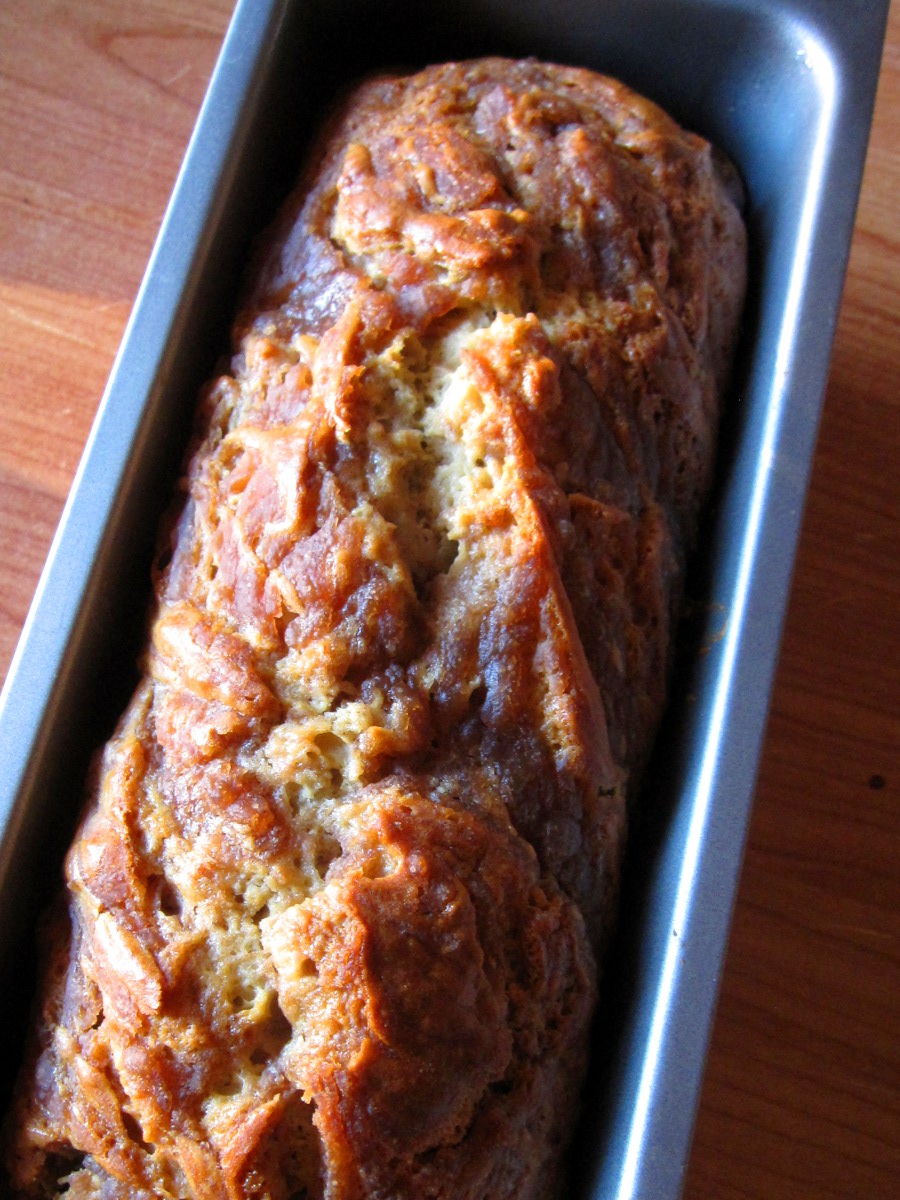
Recipe: Banana and Chestnut Bread, or a Celebration of Baking Powder in Italy

One of the (many) ironies of living in Italy is that I barely twitch my eyebrows at the products that gourmets fantasize about (white truffles, Barolo wine) because they are here in abundance, while my pulse races at certain items that would be staples in every American supermarket, yet are nearly impossible to find in Italy. This phenomenon is not limited to only me; one of the highlights of our class trip to France was the discovery of a vendor stocked with cilantro at the Dijon market. The ensuing stampede of students who each snapped up two or four bunches must have left that vendor shaking his head in confusion as to what was causing the run on cilantro. When in Bra, we covertly swap info on where to find cilantro as if we are Soviet spies. (Tip: you must ask for it to be brought out, but there is a particular butcher who sells cilantro on Fridays and Saturdays. Who knew.)

Continue reading

Terra Madre and Salone del Gusto

Tomorrow marks the opening of one of the sustainable food world’s most prestigious events, Terra Madre (or “mother earth”). This is a biennial conference sponsored by Slow Food since 2004, a meeting of farmers, chefs, producers, researchers, students, and other people who want to revolutionize the way we feed ourselves. Over the next five days, 8.000 people from 150 nations will gather in my backyard (Turin) to share ideas, make new friends and revel in the solidarity that we may be few but strong.

Continue reading

Bruges: In Flanders Fields, the Chocolates Grow


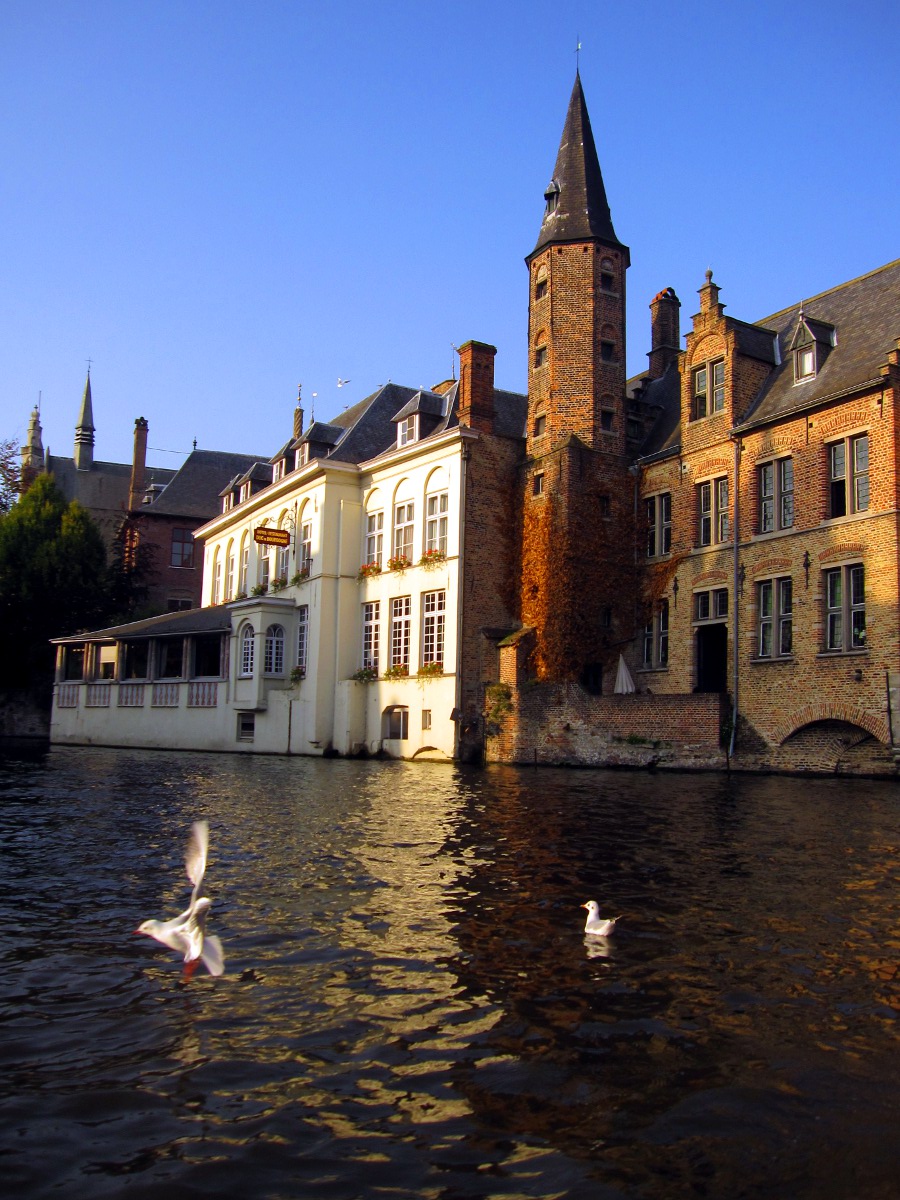
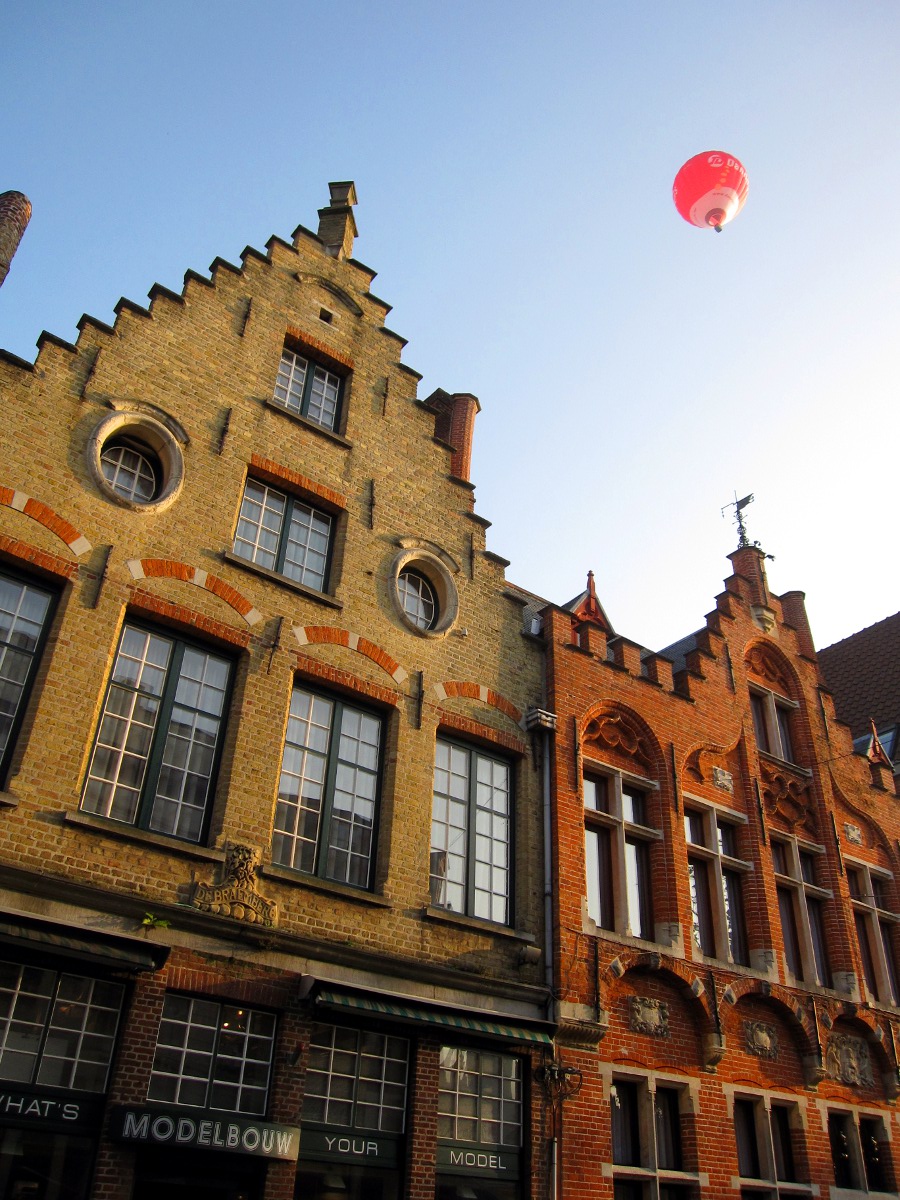
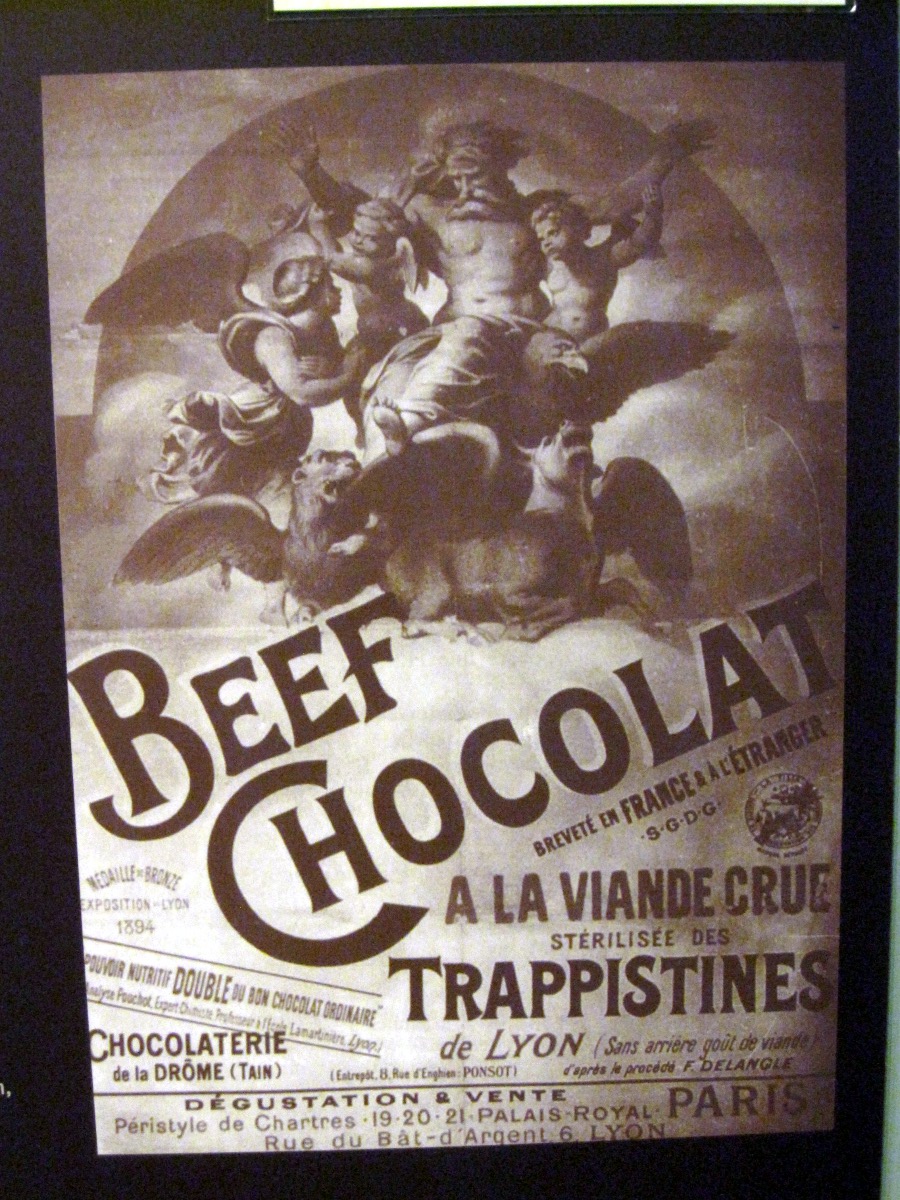
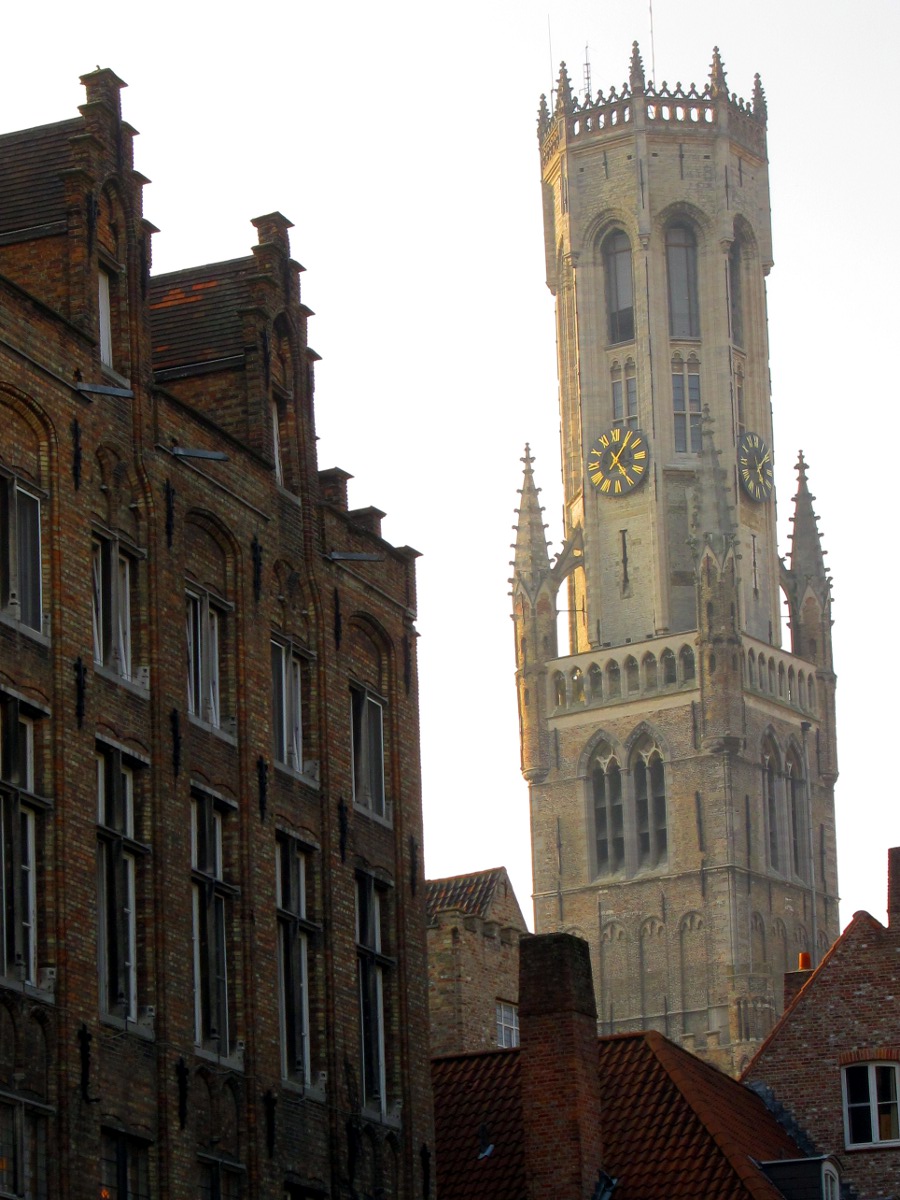
Clockwise: ducks and swans swim through the canals of Bruges; a hot air balloon rises above the city; the Grote Markt belfry dominates the skyline; old advertisement for Trappist-made beef chocolate using raw meat, designed to fight fatigue

Bruges is a quaint little town located in West Flanders, in a Flemish-speaking section of Belgium. The Gothic architecture of the old city center is recognized as a UNESCO Heritage site, and the town is often nicknamed the “Venice of the North,” due to the network of canals traversing the city. Like the center of Brussels, Bruges features a stunning central public square named Grote Markt, which includes the Belfort tower housing a 47-bell carillon. You can climb the 366 steps to reach the top of the 83 m tower for an aerial view of the city. It seems that the carilloneur’s repertoire is as diverse as that of Cornell chimesmasters; all afternoon, the air was filled with the tinkling of baroque and Billy Joel.

Continue reading

Mussels in Brussels and Other Carbtastic Adventures

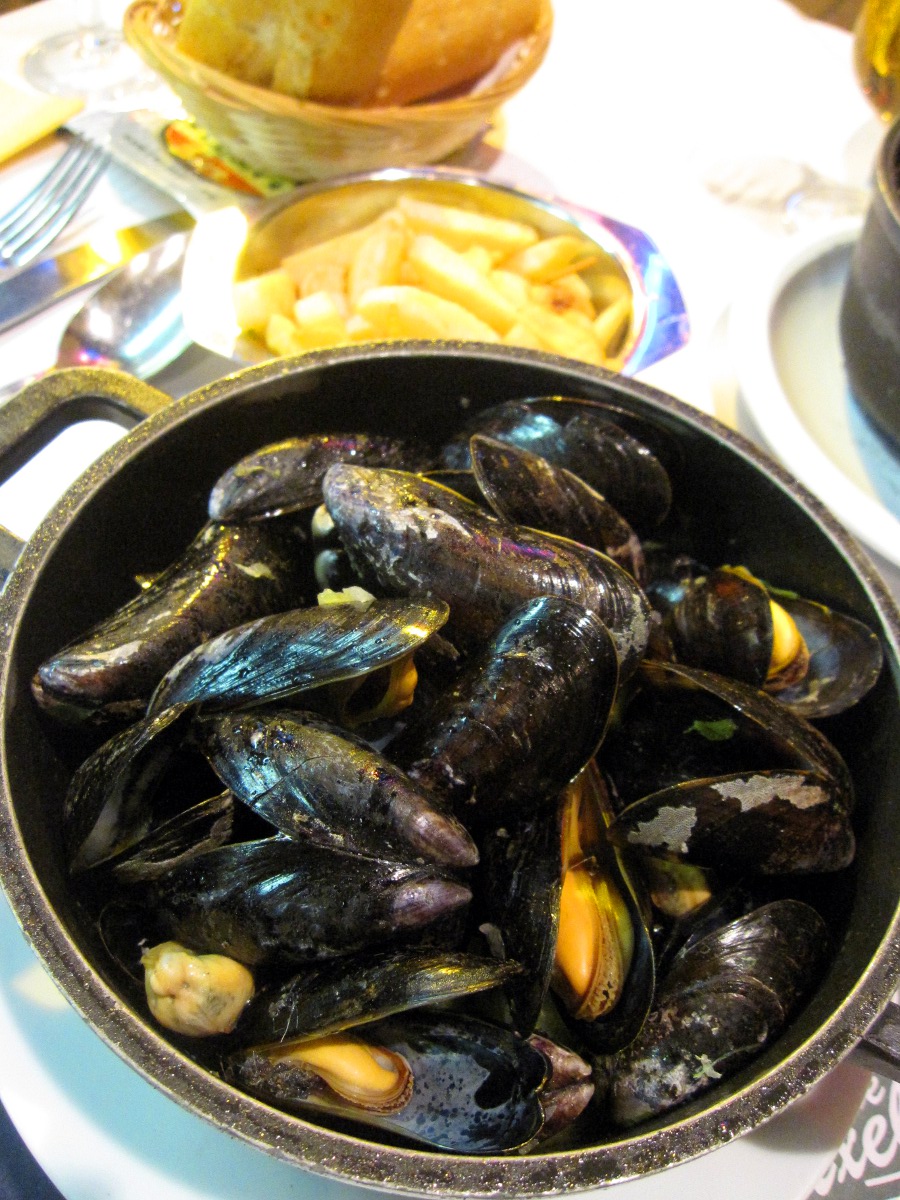
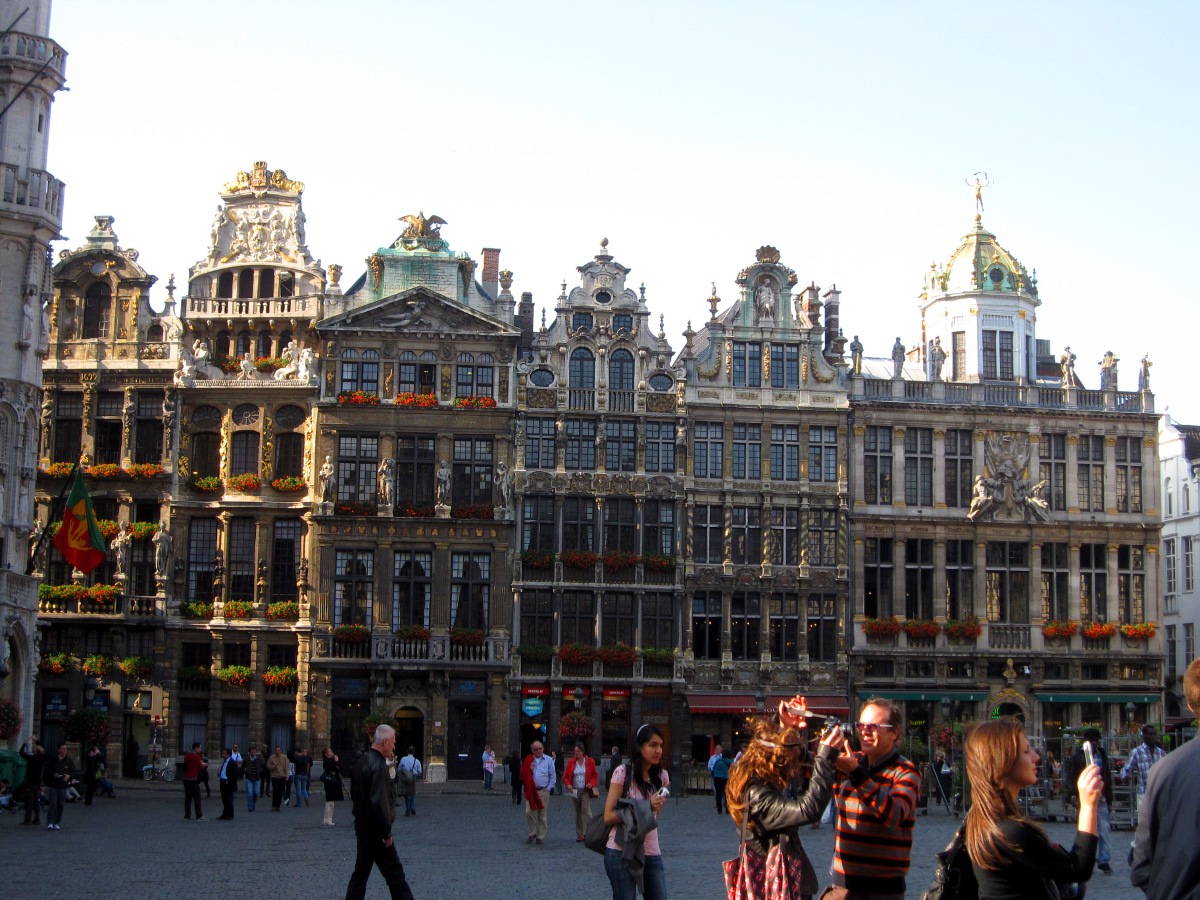
You can get a classic moules-frites dinner with mussels, fries and a beer for about €13 in Brussels; Grand Place/Grote Markt is the central square of Brussels and recognized by UNESCO

Several weeks ago, Professor Peter Scholliers of Vrije Universiteit in Brussels stopped by to give our class some lectures on Belgian and European food history of the 19th and 20th centuries. Soon afterwards, one of my roommates noticed that Ryanair flights from Torino to Brussels were quite inexpensive, and there was a four-day weekend coming up, so we made a spontaneous decision to treat ourselves to a weekend in Belgium. After all, isn’t the point of living in Europe that you can fly off at a moment’s notice to another country? I’d like to think we were inspired by class, so this was really a didactic experience anyway.

Continue reading

Bad Ass Racing: Alba’s Palio degli Asini

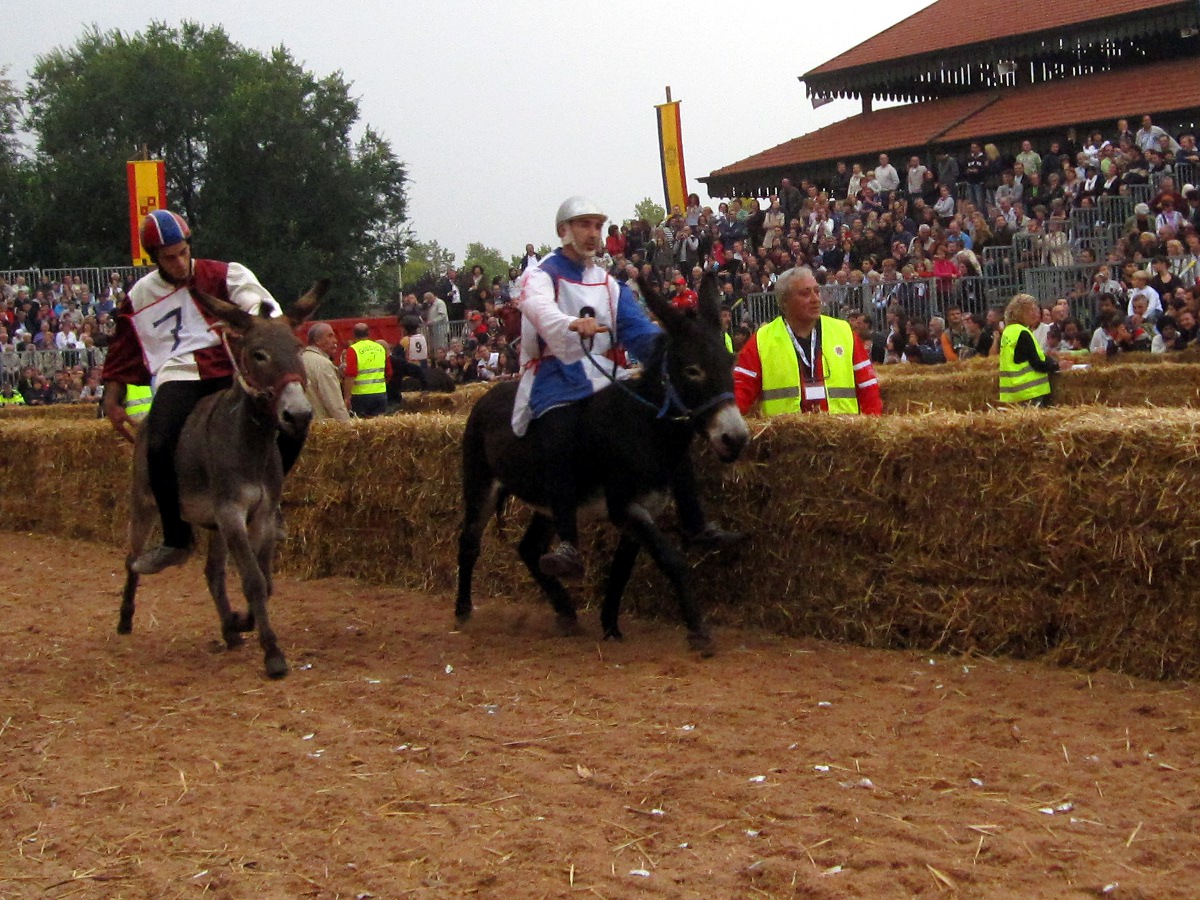
What’s furry, recalcitrant, and represents a medieval middle-finger? The Alba Palio degli Asini donkey race, of course!

You see, in 1275, the Piedmont towns of Asti and Alba were at war. On August 10, the feast day for Alba’s patron saint San Lorenzo, Asti attacked Alba and laid waste to the fields outside the city walls. To further cement their victory and humiliate the people of Alba, Asti’s army held a horse race around the Alba city walls. According to legend, the residents of Alba simultaneously held a donkey race inside the city walls, as a thumb to the noses of their aggressors.

Continue reading