Blog

Travel Note: Portugal and Extremadura, Spain
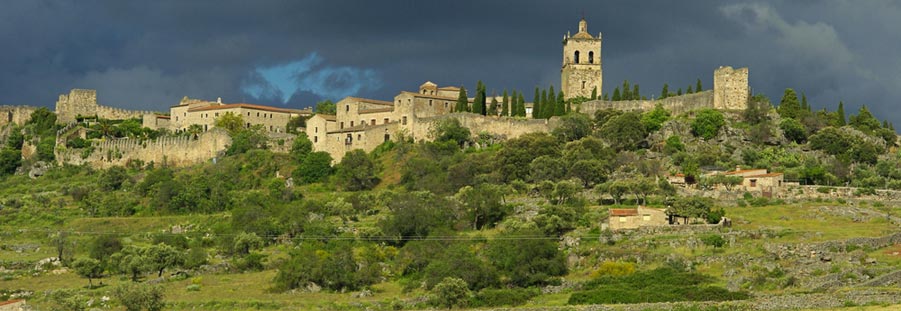
Not sure how this managed to happen, but I’ve only got three more weeks left on the continent. (But wait, I haven’t even gone to Rome yet!) Of course, the UNISG masters students will be going out with a bang—for our last stage, we’ll be taking a 2-week long excursion to Portugal and Spain. We start off in Lisbon, then gradually move toward the Spanish border region of Extremadura, traveling east to Évora, Cáceres, Mérida and finally, Seville. The foodstuffs look quite similar to Italian cuisine, with a lot of olive oil, wine, cheese and cured meats, but we are also making stops to investigate the production of pastéis de Belém (sweet pastries), herb liquors, paprika, and eating lunch at a zero-kilometer restaurant (with locally-sourced products).
Continue reading

Mutato-Archive: Celebrating the Beauty of Heterogeneous Fruit

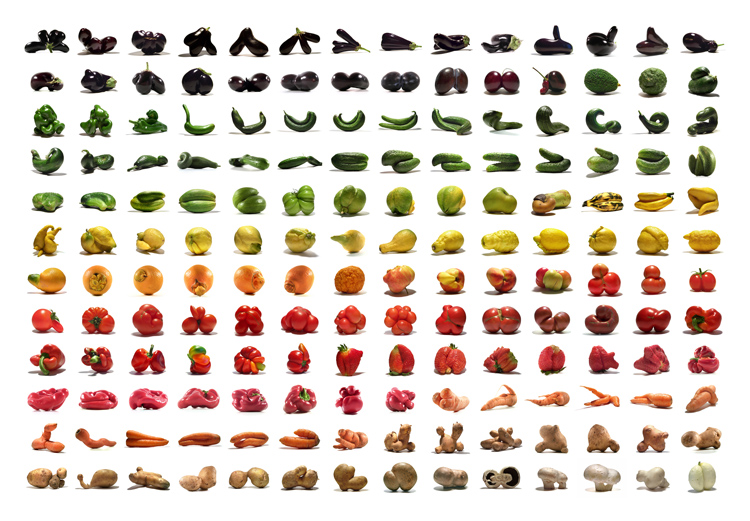
SwissMiss pointed me to this gorgeous poster from the Mutato-Archive, a collection of misshapen and irregular fruits, vegetables and roots. With an eye for color and careful selection, Uli Westphal took dozens of photos of gnarly tubers, trident-shaped carrots and Siamese mushrooms. In other words, the set is a stunning display of natural diversity.

Too often, produce is bred to be perfectly uniform, symmetric and well, monotonous. Anything that shows a little too much character is often thrown out at the supermarket. What a shame! At least the EU has finally abandoned a law that bans the sale of irregularly-shaped but still nutritious produce. Maybe it’s not always about looks after all.

Continue reading

The Story of Stuff

[youtube=http://www.youtube.com/watch?v=9GorqroigqM]

This is the Story of Stuff. It is a project from Annie Leonard centered on telling how you got the stuff in your hands, who paid for it (hint: it wasn’t you) and what happens when you throw it away. It is the story of how we’re destroying our planet (but mostly just ourselves), while becoming less and less happy all the time.

Yes, it’s 20 minutes and most of you will just think “tl;dw” (too long; didn’t watch), but I hit play and couldn’t stop watching. It’s a chunk of time well-spent for anyone interested in connecting the dots between many of our environmental, economic and social problems. Certainly, some of the information was played up for dramatic effect, but overall, I found the film to be clear, concise and informative for the intelligent layperson.

Continue reading

Escape from Heathrow Hell

This tale is getting published about a month later than I had anticipated, but I figure everyone likes listening to a good yarn of travel woe, so here it is.

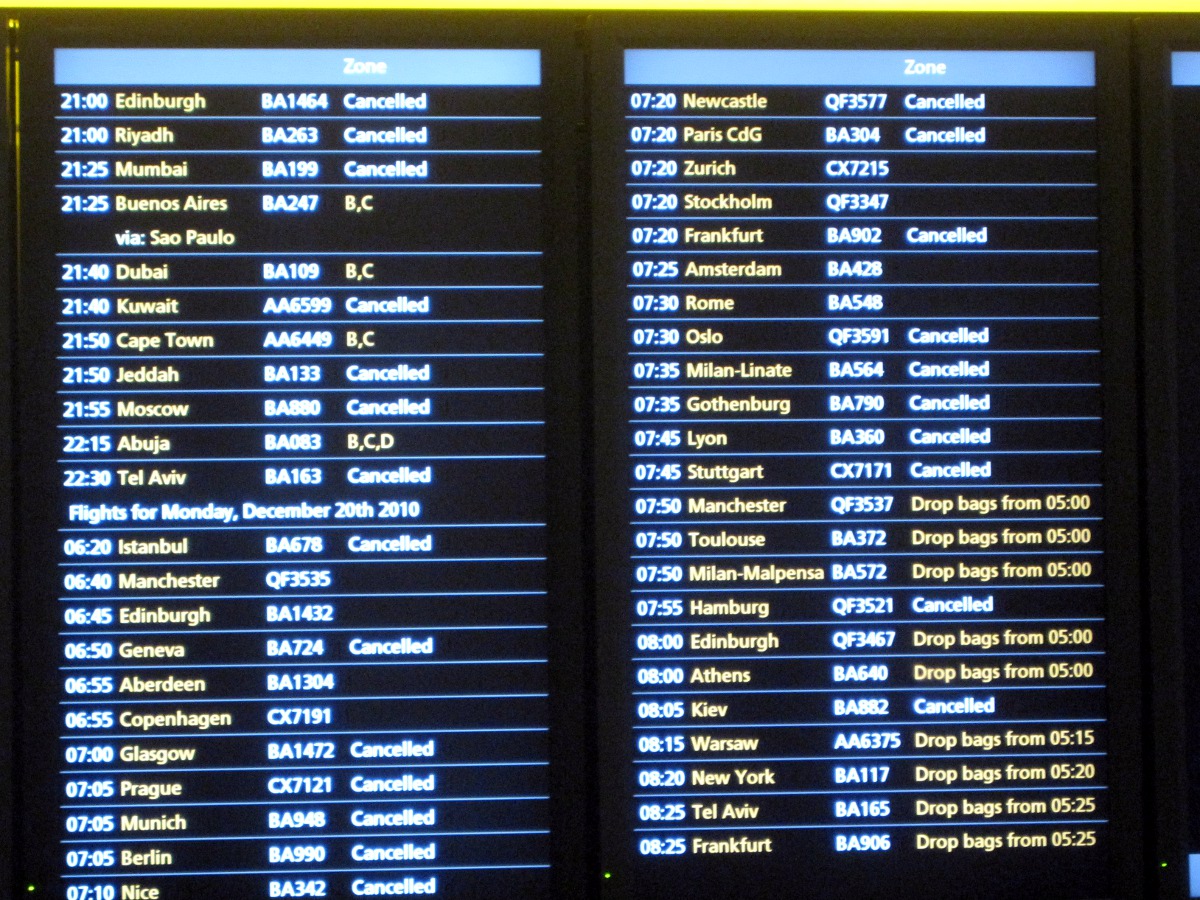
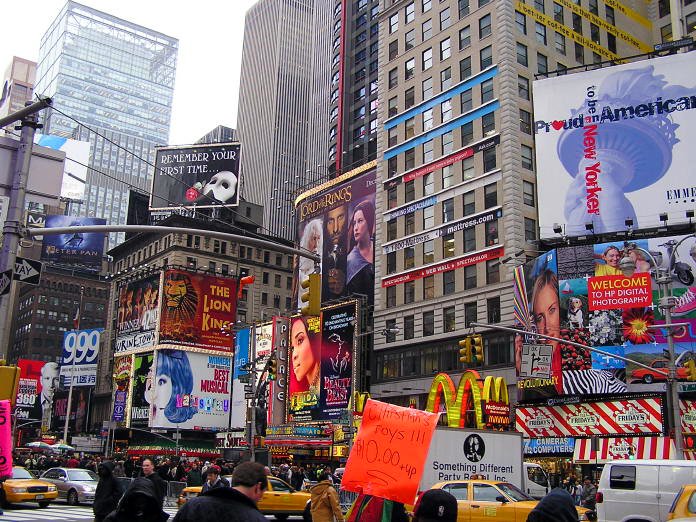
Like most disasters, this one started out with a quiet whimper buried amidst the lull of complacency. True, I had checked the BBC the day before, and the headline story was about “severe weather disruptions” and cancelled flights at London’s airports due to snowfall. However, the amount of snow that had fallen (4-5″) was piddling by North American standards, and the article seemed to indicate that everything would be functioning normally by the next day. And so, I happily hopped on a flight out of Turin to London, where I would transfer to a connecting flight to New York. I was returning “home,” whatever that word meant after seven months of expat life in Italy. In Turin, British Airways staff boarded the flight with nary a hint of distress. Naturally, while we were in the air, my connecting flight out of London was cancelled.

Continue reading

A Grating Topic: Parmesan Cheese

Toward the end of 2008, there was an unpopular multi-million dollar bailout by the government for the benefit of a single industry. No, I’m not talking about Wall Street, or the auto manufacturing industry, or insurance on obscure structured finance products. I’m talking about the Italian cheese market.

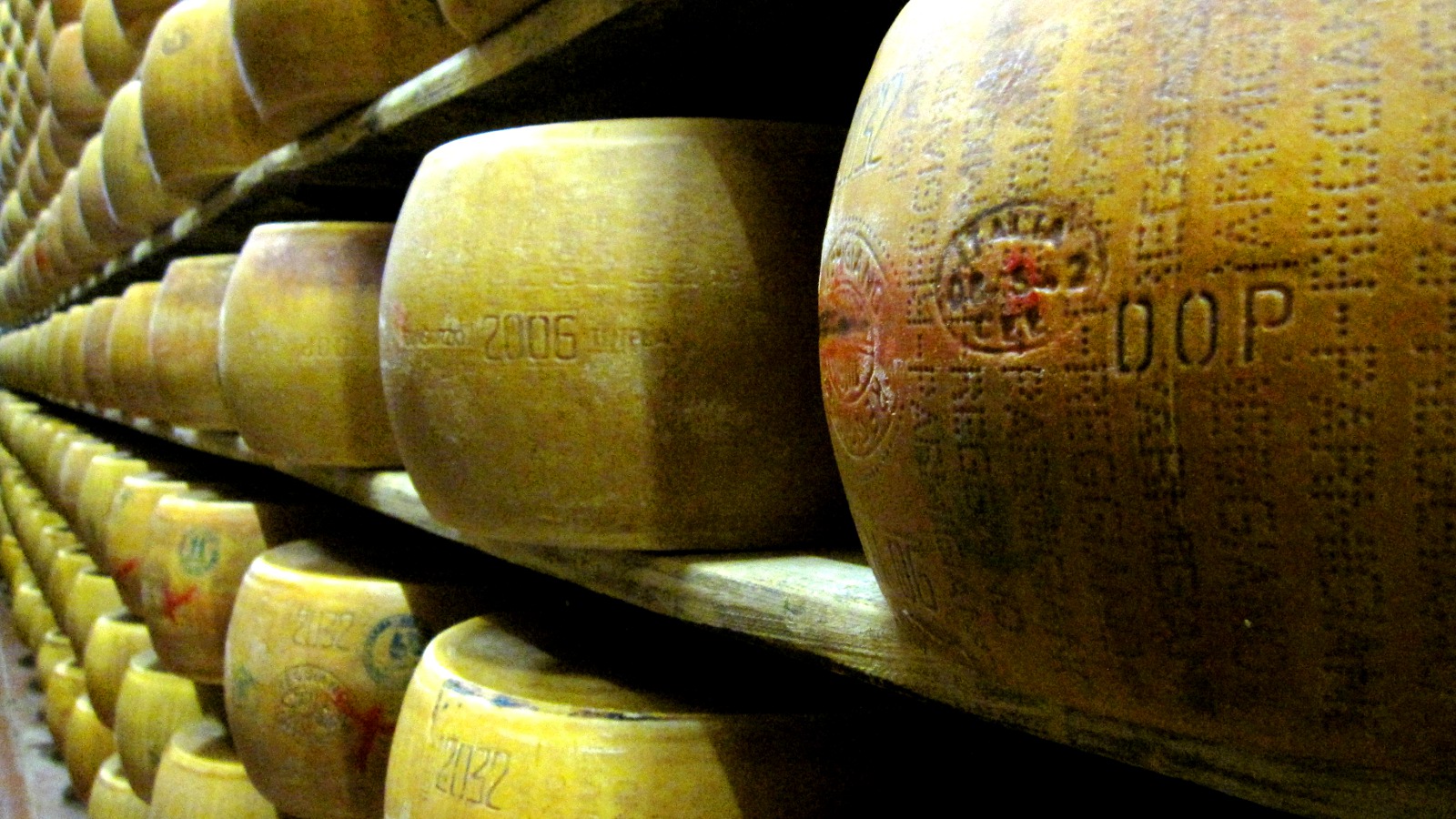
Back when the rest of the world’s politicians were stumbling over how to manage the global financial crisis, Italy enacted measures to help its cheesemakers. The government bought up 100,000 wheels of the highly touted parmesan cheese, along with 100,000 wheels of another popular cheese, grano padano. The reason? The wholesale price of these cheeses had fallen to €7-7,50/kg, below the production cost of €8-8,50/kg needed to make traditional parmigiano-reggiano cheese. And if the country’s signature cheese industry went under, what else would Italy have to offer? Mio dio! Thus, much parmesan was bought to help prop up the price and rescue Italy’s 430 or so parmesan cheesemakers. The food was subsequently donated to charity.

Continue reading

The Barilla Gorilla: A Day Inside Academia Barilla

Do you know what Italian company was single-handedly responsible for changing the texture of America’s pasta?

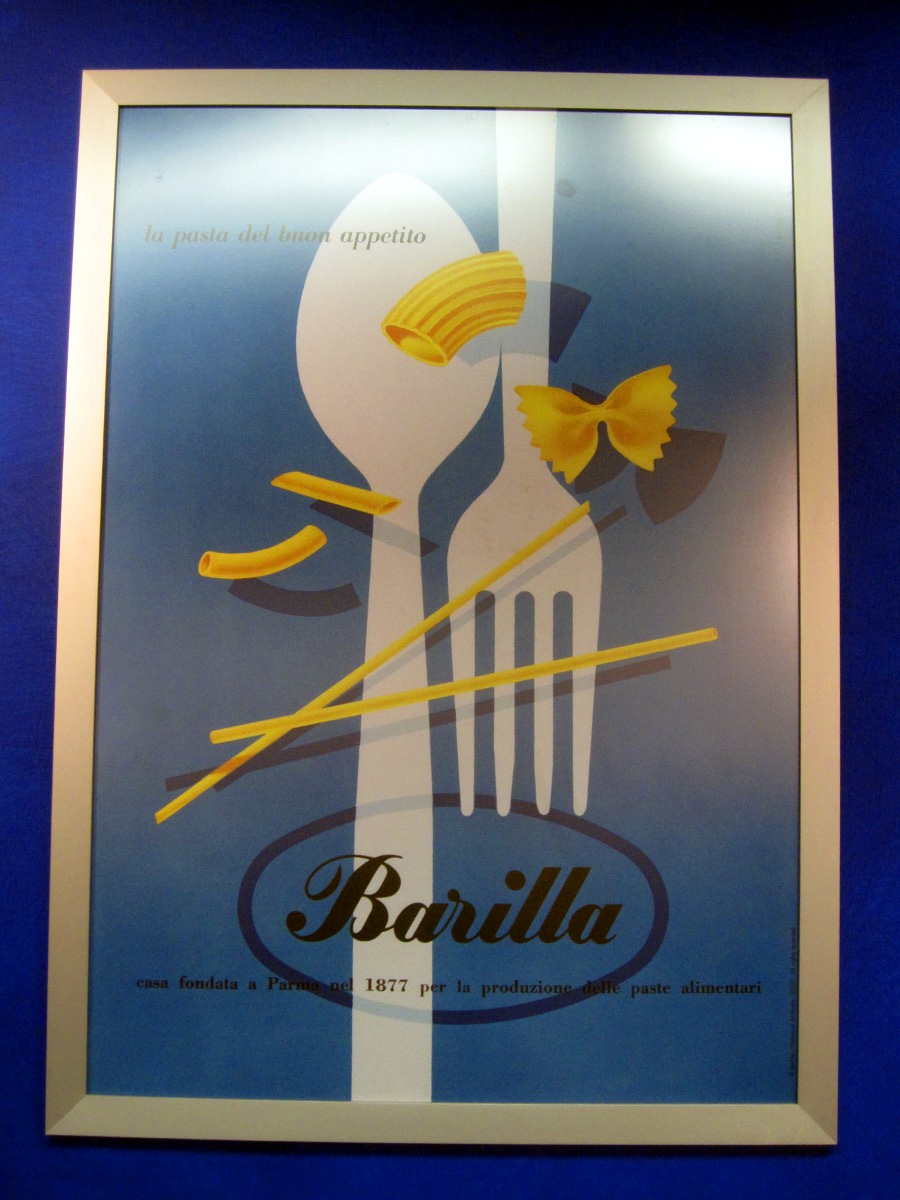
Barilla was founded in 1877 by Pietro Barillo Sr., who began the business as a simple pasta shop in Parma. The company is now on its fourth generation of family owners, and has been almost continuously privately owned, save for a gap in the ‘70s when Barilla was bought out by U.S. multinational W.R. Grace. In 1990, Barilla began aggressively expanding into international markets, through the acquisition of local pasta companies and the development of manufacturing plants abroad. This included the creation of the first American plant in Ames, Iowa in 1999, with a second plant following in upstate New York.

Continue reading

Internships & Books: Putting My Pen Where My Mouth Is

Photo: E. Bennett

It’s internship season here at the University of Gastronomic Sciences, and everyone is abuzz with plans for the near-future and exit strategies post-graduation. Our last classes will take place on March 4th, at which point we will each set off on two-month long internships of our own design. These can take place anywhere in the world (though you have to fund your own food and housing), and can take a variety of forms, from independent research to a structured corporate program. At the end of the two months, we must turn in a thesis, which is usually (but not always) related to your experiences on internship. Graduation is set for May 13th, and then we officially become UNISG alumni.

Continue reading

Sausage Party, or the Stuff FDA Nightmares Are Made Of

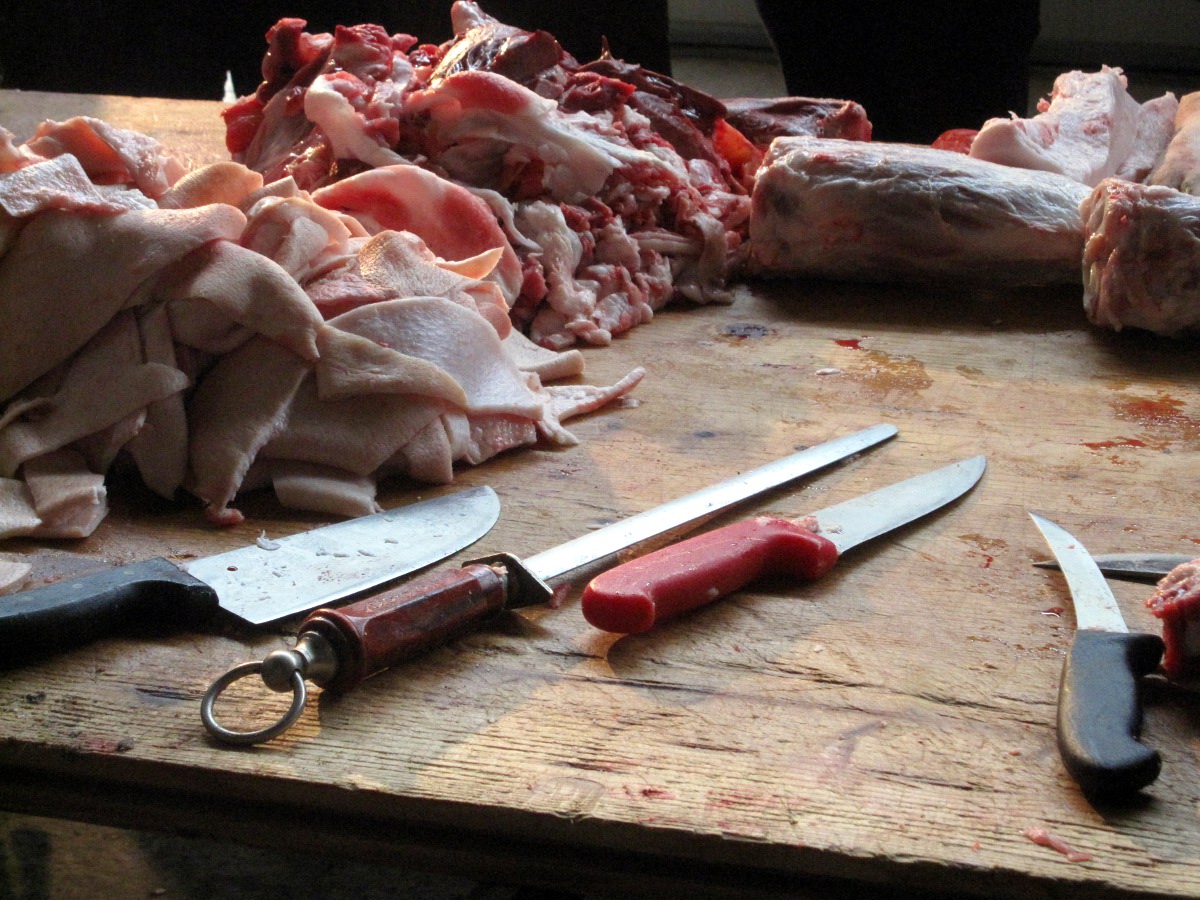
Still foggy with sleep, we tumbled off the bus to see two wood-fired cauldrons, belching out clouds of smoke and steam in a medieval fashion. The air was filled with the finest perfume any gastronome could wear: the scent of pig lard.

I found myself on yet another of northern Italy’s ubiquitous small-scale farms, surrounded by idle farm machinery, deadened remnants of the fall harvest, and the sharp smell of pig shit. This trip had been touted on the syllabus as a visit to an “artisanal butcher,” but we were about to see that this butcher was one of the more minimalistic variety.

Continue reading

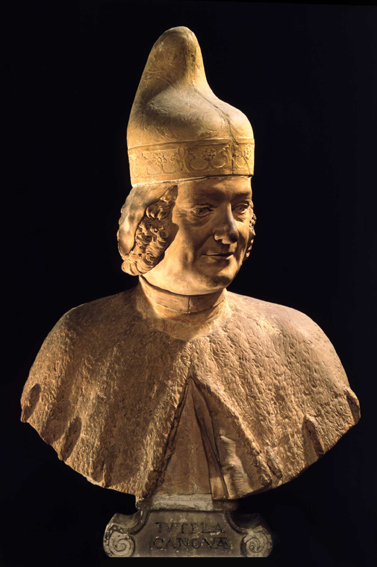
Politics in Italy: Electing the Doge

After football, one of the greatest past-times in Italy is bemoaning the state of Italian politics. After all, there is nothing quite like the mixture of sheepish chagrin and amusement one feels when hearing that class-act Prime Minster Berlusconi has been caught with yet another outrageous quip, like “I am a man who works hard all day long and if I sometimes look at some good-looking girl, it’s better to be fond of pretty girls than to be gay.” (You can see the news conference here…and hear the resulting applause from the audience.)

Continue reading

Travel Note: Emilia-Romagna Stage

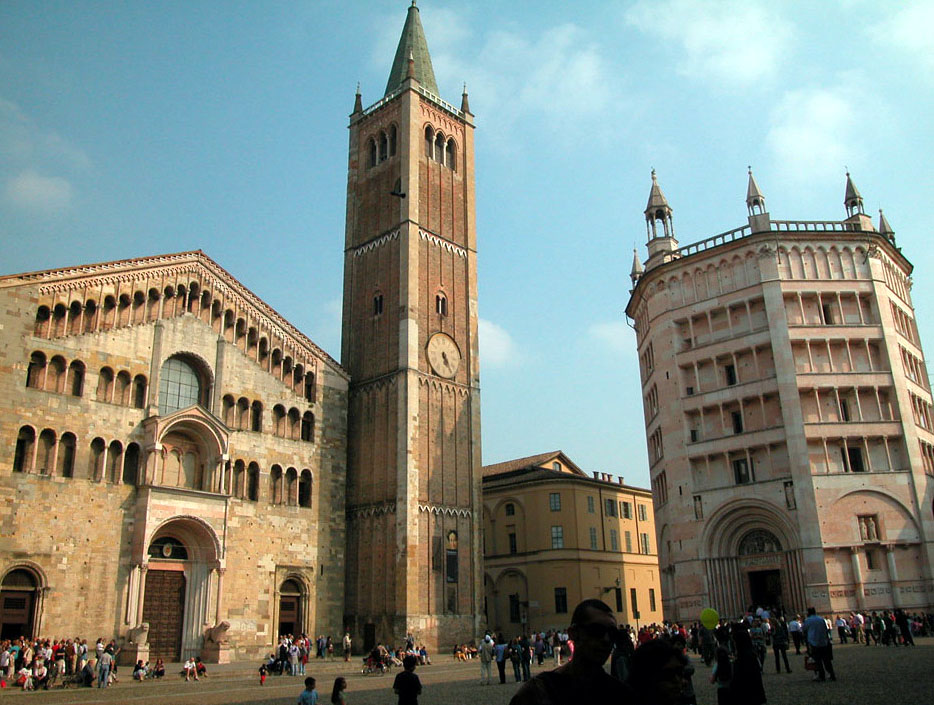
Chiesa di Parma

I’ve been back in Italy for only a week, which means it’s time for another stage! For our last intranational trip, the Food Culture masters students are traveling to Emilia-Romagna, a region in northern Italy that is credited with having the country’s highest quality of life (and cost of living). Here you will find the grand Renaissance city of Bologna, home of the oldest university in the world, and the cities of Modena and Parma. These latter two are the namesakes of the world-renowned products Modena balsamic vinegar and Parma prosciutto. In addition, we will be exploring and tasting our way through culatello (ham aged in a bladder), salami, cotechino (boiled sausage) and pasta. Good thing there are no vegetarians among us.

Continue reading