Blog

Signs That You Are in Italy

  • “These paintings are from the 17th century, so they are very modern.”
  • You have seen two straight men wearing purple pants in the last four hours. One had a matching lilac shirt and purple moccasins.
  • Voice acting is a serious study; the dubbing is spot on for American TV programs.
  • Coach buses come with coffee makers.
  • McDonald’s is placed next to Roman ruins.
  • You pull to open a door, push to close.
  • Wine is cheaper than petrol.

Continue reading

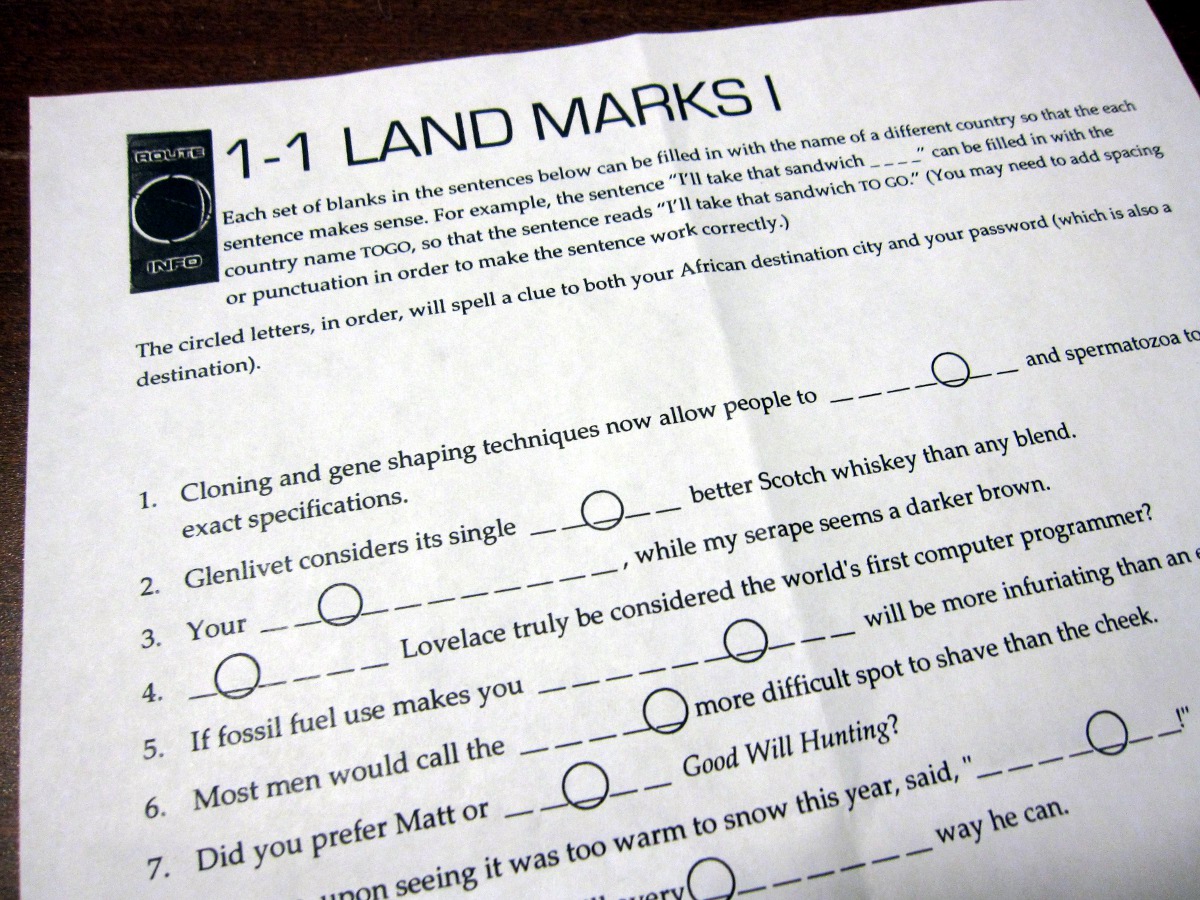
Gridlock: Battling Wits at the American Crossword Puzzle Tournament

“For this puzzle, each answer will be a 7-letter word. I’m going to give you the first and last letters, and the middle 5 letters will be an anagram of the word ‘inset.’ If you think you know the answer, yell it out. Ready? F, S.”

“Fitness!”

“D, T.”

“Dentist!”

“J, G.”

“Jesting!”

“Ok, this next combination has two possible answers. D, Y.”

“Destiny—and density!”

I scribbled furiously. All around me, the best puzzle solving minds in America were gleefully shouting out answers. Meanwhile, I could barely keep up recording the answers on paper. Clearly, my brain was missing some wiring in the verbal juggling department.
Continue reading

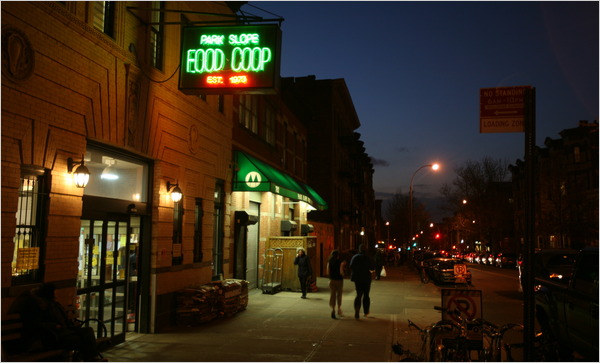
Park Slope Food Coop: Will Work for Food


Photo: Michael Nagle/NYT

“The co-op is worse than socialism. Because at least in a socialist country, if you know the right people, you can get out of it.”

“For a long time, the co-op member who lived furthest away was from—can anyone guess?—Ithaca, NY. Once a month, he would drive all the way to Park Slope, do his work shift, and then load up his car with groceries. There’s a food co-op in Ithaca too, but apparently it was still worth it to come all the way here.”

Continue reading

In the City that Never Sleeps: I Think I Have an Overemployment Problem


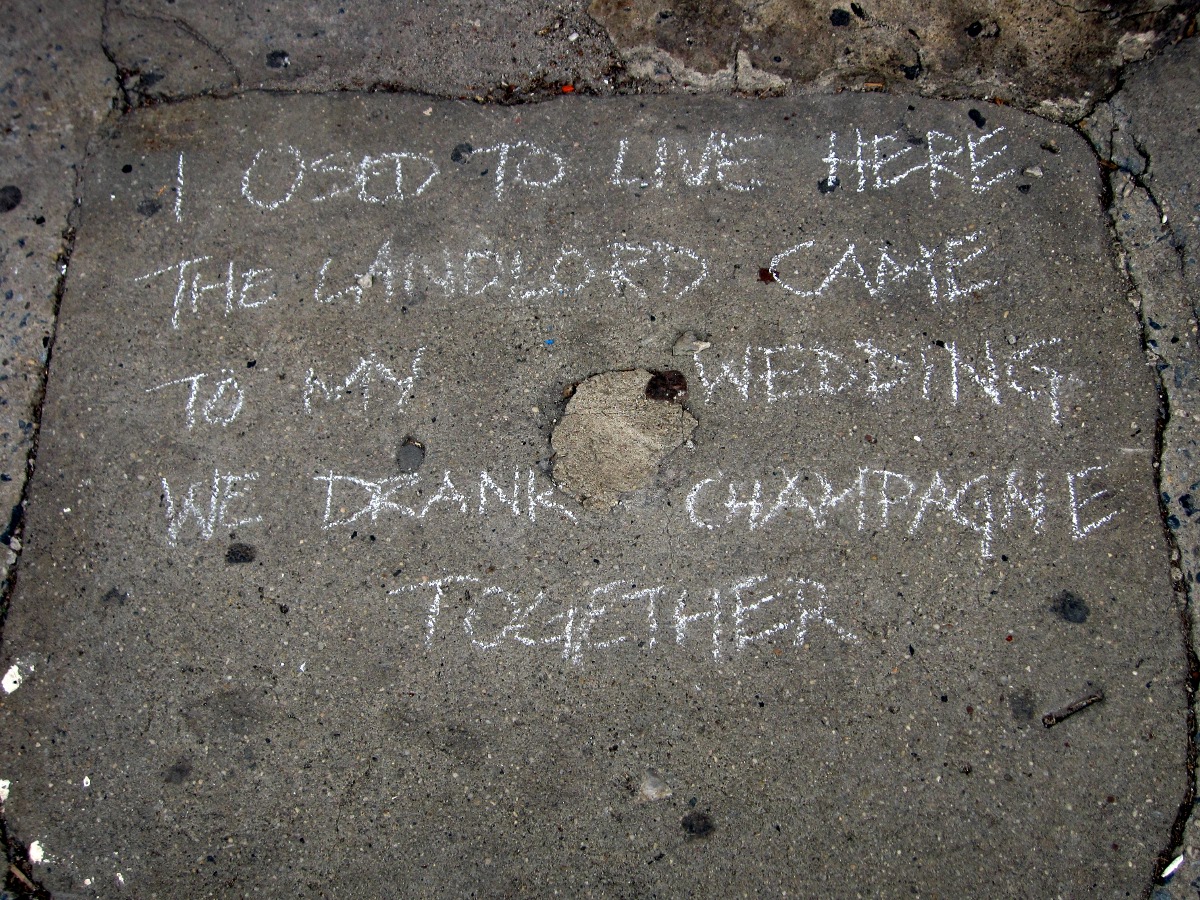
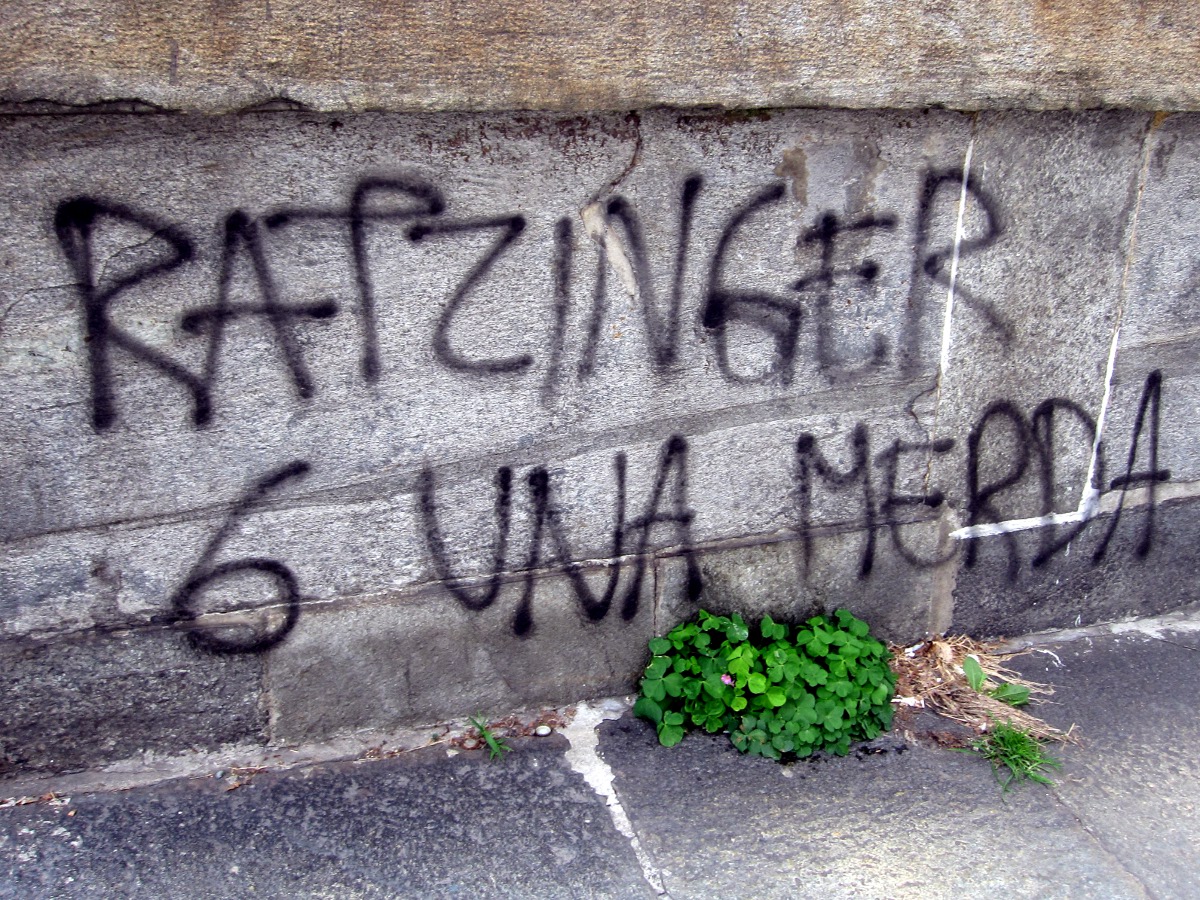
The sort of sidewalk message I pass on the way to work. I love Brooklyn.

Someone once asked me if I am like a shark—if I stop moving, will I die? Which is to say, I have never been one for being idle. But this time, I may have outdone myself. Right now, I am simultaneously a full-time student and a full-time employee. Score, I have created a monstrosity that will truly screw with BLS unemployment statistics.

Continue reading

Why I’m Never Going to Make It as a Writer

Corby Kummer, august senior editor for the Atlantic and one of my all-time idols, thinks my writing is shit.

Fine, he didn’t say it exactly like that.

Kummer was teaching a weeklong writing workshop, and everyone had submitted second drafts of essays on food. One by one, he whisked us into the hallway for individual conferences, then periodically returned to give comments to the entire group. All day, I had a nagging feeling that something was wrong. Why wasn’t my piece being read out loud to the class? Why was it at the bottom of the pile?

Continue reading

Cork Forests: Actually, Money Does Grow on Trees

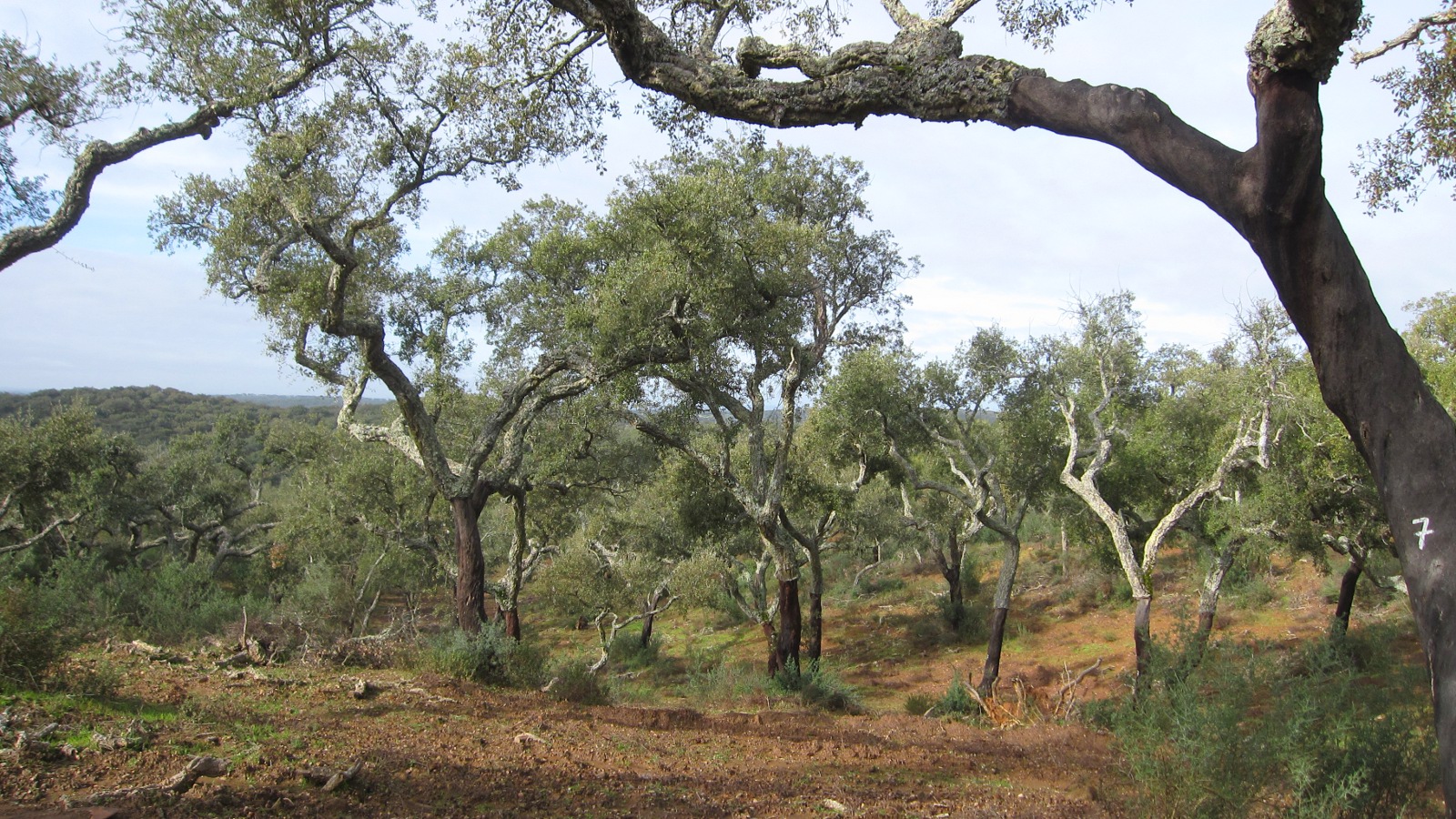
Think about the last bottle of wine you drank. Was it sealed with a natural cork? A synthetic plastic closure? A screw top cap? Where does cork come from, and what’s with all the buzz about cork trees being endangered? To investigate, we ventured off to Alentejo, a rural region in south-central Portugal, and one of the world’s largest sources of cork oaks. All told, Portugal produces about 75% of the world’s cork, and about 75% of this goes into wine bottle stoppers. About 33% of all cork trees grow in Portugal, and 95% of these are in the Alentejo region.

Continue reading

Lisbon’s Pastéis de Belém: Religiously Good?

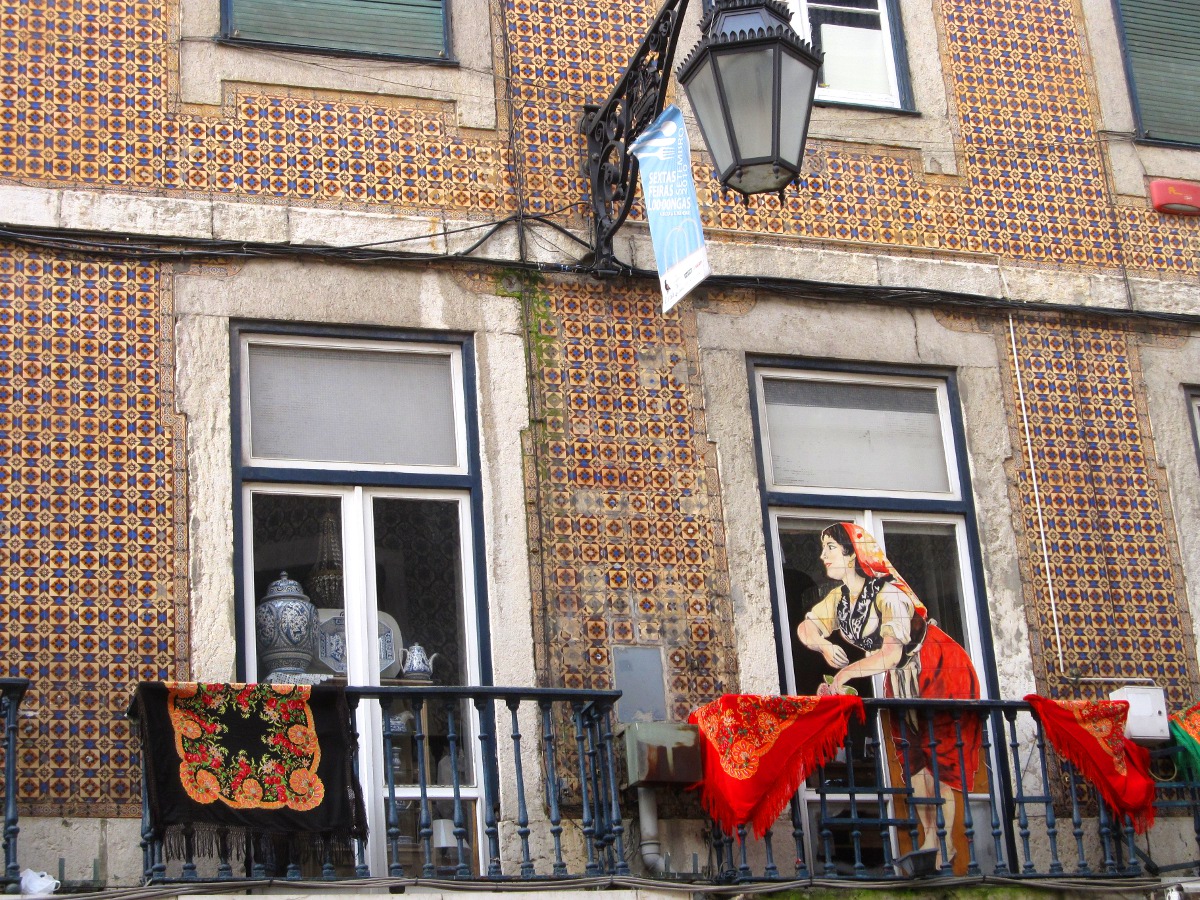
Lisbon, seaside port and the commercial heart of Portugal. For centuries, Portugal wielded outsize influence beyond its borders through a vigorous policy of mercantilism and colonial exploration. From these waters, Vasco da Gama captained the first ships to set sail directly from Europe for India. Other explorers would reach the shores of South Africa, China and Japan. “Look, we have Spain on one side, water on the other. So everyone either has to fight, to conquer, or face the ocean and see what’s beyond,” said our guide, Victor Lamberto, head of Slow Food’s Alentejo chapter.

Continue reading

Stuart Franklin’s Political Ecology


Photography: Stuart Franklin

The entry on our school calendar was unassuming and inconspicuous—”Franklin, Journalism.” The description in our student guidebook was even more humble, simply a thin line that read “Stuart Franklin, English photographer.” I glanced at it and the night before, on a lark, I decided to google the name to see Franklin’s previous work. Much to my shock, I soon realized that Franklin was a world-renowned Magnum photographer, the man who had taken the photo of Tank Man in Tiananmen Square. Yes, That photo.

Continue reading

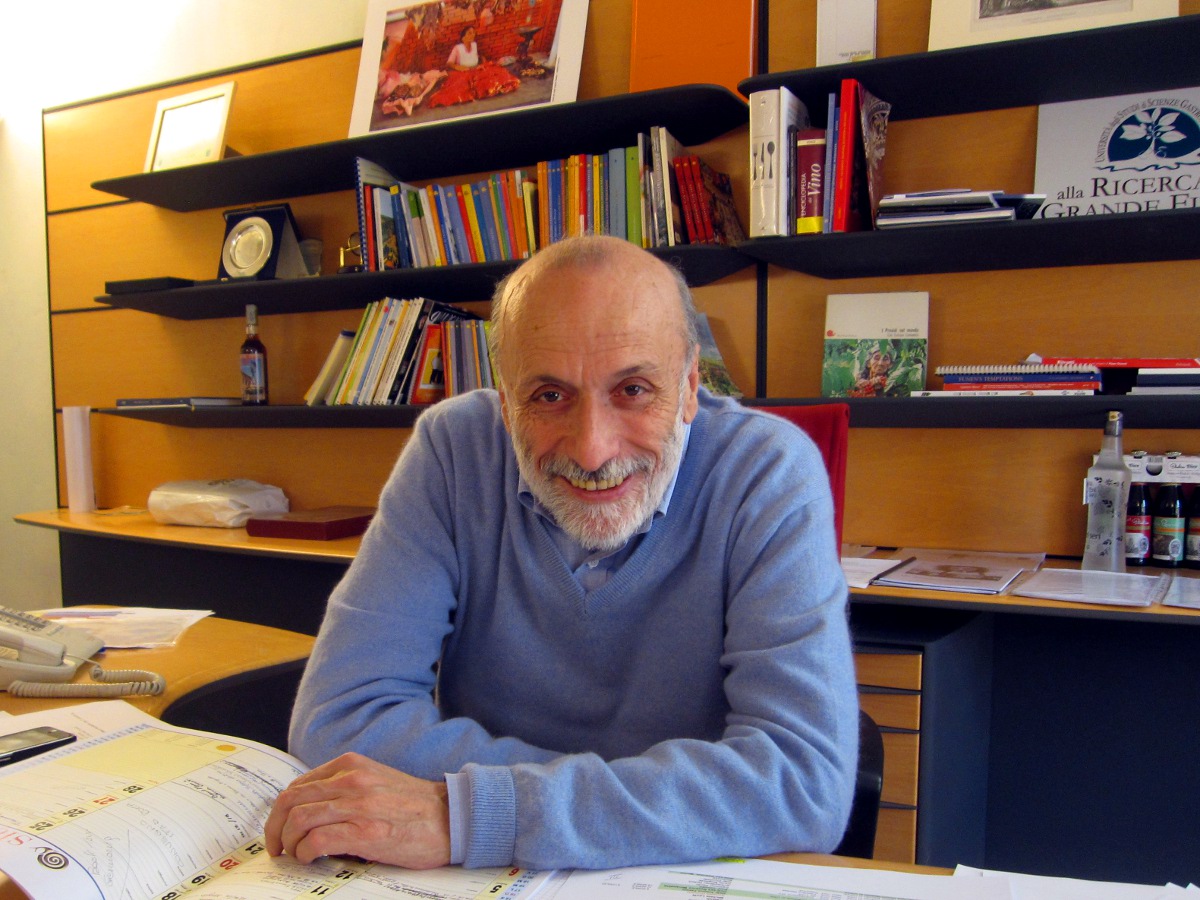
A Chat with Slow Food Founder Carlin Petrini

In 1986, the first branch of McDonald’s in Italy opened in the heart of Rome, at the Piazza di Spagna. As in many other countries, protesters howled and demonstrated. One man took decisive action.

Carlo Petrini, or Carlin as he is known to Italians, has quietly grown from being a little-known left-wing journalist, to becoming the leader of one of the world’s largest food activism organizations. Concerned about the encroachment of multinational influence on traditional food culture, he built a resistance movement to defend and protect local food ecosystems, a counterpoint to the unrelenting onslaught of corporate hegemony.

Continue reading

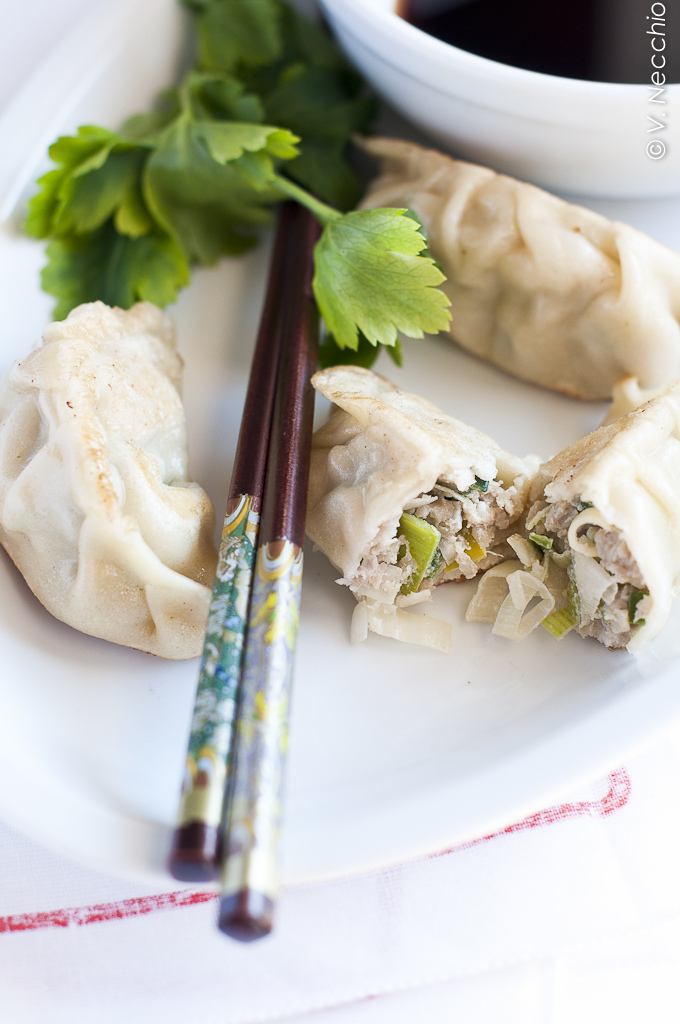
Recipe: Potstickers, Politics and Pork


Photo: Valeria Necchio

Last week marked a new lunar year, so in conjunction with my UNISG classmates, we held a Chinese New Year celebration, with all the Asian-style dishes you can possibly concoct (using the limited supplies found in Italy). There were all the classic, prosperity-bringing foods, like fish and tangerines, along with Thai-style noodles, pork with black bean sauce, and a heaping bowl of deep-fried squid. Yum, bring out the Sriracha!

Continue reading