Academics

The Slow Evolution of Fast Money

[gigya src=”http://prezi.com/bin/preziloader.swf” type=”application/x-shockwave-flash” allowfullscreen=”true” allowscriptaccess=”always” width=”550″ height=”400″ bgcolor=”#ffffff” flashvars=”prezi_id=lyqatakeqlkv&lock_to_path=0&color=ffffff&autoplay=no&autohide_ctrls=0″]

Shamefully, it has been a month since I last posted, but at least the thesis brouhaha is over. I spent much of this weekend preparing slides for the presentation next week, and graduation for our class of gastronomes is set for Friday the 13th. Apparently, 13 is not an inauspicious number in Italian culture, however 17 is.

If you are interested in seeing the slides and some dizzying spatial effects, you can check out the presentation in Prezi.
Thesis, or Reasons to Stay Late at the Office on Friday Night

Lately, all my writing energy has been devoted to working on this damn thesis, due on May 6th. I just want to get the thing written and turned in, so that I can move on with other projects.

Already, I’ve had to trim lots of interesting material that isn’t entirely relevant out of fear that this will turn into a book. Only a select few of you will find this topic totally absorbing, but I’ll post a tentative abstract here to ward off the inevitable questions.

Why I’m Never Going to Make It as a Writer

Corby Kummer, august senior editor for the Atlantic and one of my all-time idols, thinks my writing is shit.

Fine, he didn’t say it exactly like that.

Kummer was teaching a weeklong writing workshop, and everyone had submitted second drafts of essays on food. One by one, he whisked us into the hallway for individual conferences, then periodically returned to give comments to the entire group. All day, I had a nagging feeling that something was wrong. Why wasn’t my piece being read out loud to the class? Why was it at the bottom of the pile?

Stuart Franklin’s Political Ecology


Photography: Stuart Franklin

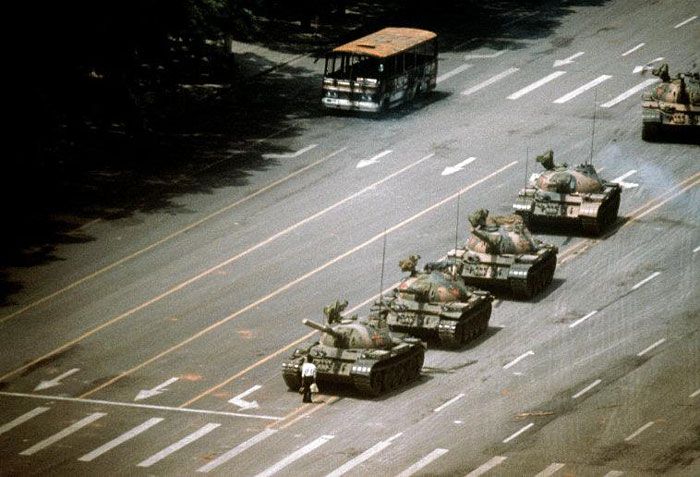
The entry on our school calendar was unassuming and inconspicuous—”Franklin, Journalism.” The description in our student guidebook was even more humble, simply a thin line that read “Stuart Franklin, English photographer.” I glanced at it and the night before, on a lark, I decided to google the name to see Franklin’s previous work. Much to my shock, I soon realized that Franklin was a world-renowned Magnum photographer, the man who had taken the photo of Tank Man in Tiananmen Square. Yes, That photo.

Italian for People Who Can’t Legge Bene

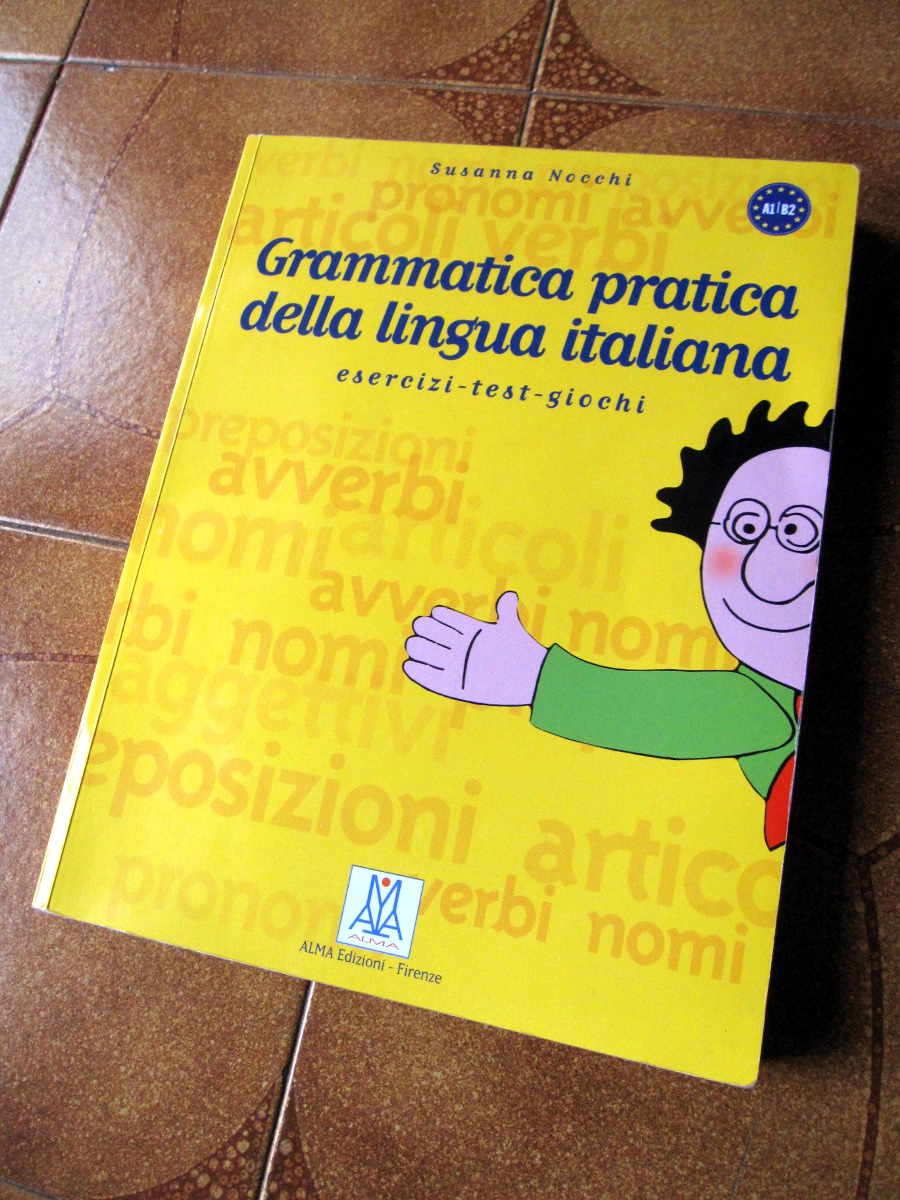
In the months between my acceptance and moving to Italy, I spent a good chunk of time learning Italian through as many venues as possible. I went through three levels of Rosetta Stone. I read Italian blogs and newspapers. I discovered some great Italian films (and some pretty terrible melodramatic, sad-violin ones). Then, I stepped onto my first train in Italy, promptly missed the transfer and ended up in Cuneo. It was about 8 pm on a Mon night, and the trains stop running shortly thereafter. Panicked, I tried to ask the guy across the aisle for help, but all the Italian I’d learned had flown out the window. Luckily, he knew enough English to tell me I had 5 minutes left to catch the last train of the night. Clearly, my Italian still had a ways to go.

An Introduction to Wine Journalism

Wine journalism. Is it a public service, or simply pretentious nonsense? What forms does it come in? Does anyone pay attention to this stuff anyway? Who is the target audience?

On this gray November day, we were greeted by the warm presence of Richard Baudains, a wine writer for Decanter who has also contributed to the Arcigolo Gambero Rosso guides Vini d’Italia (Wines of Italy) and Vini del Mondo (Wines of the World). He hails from the Channel Islands (an archipelago between England and France), but has spent the last two decades living and drinking in Italy.

The Terra Madre Formula: Farmer = Revolutionary


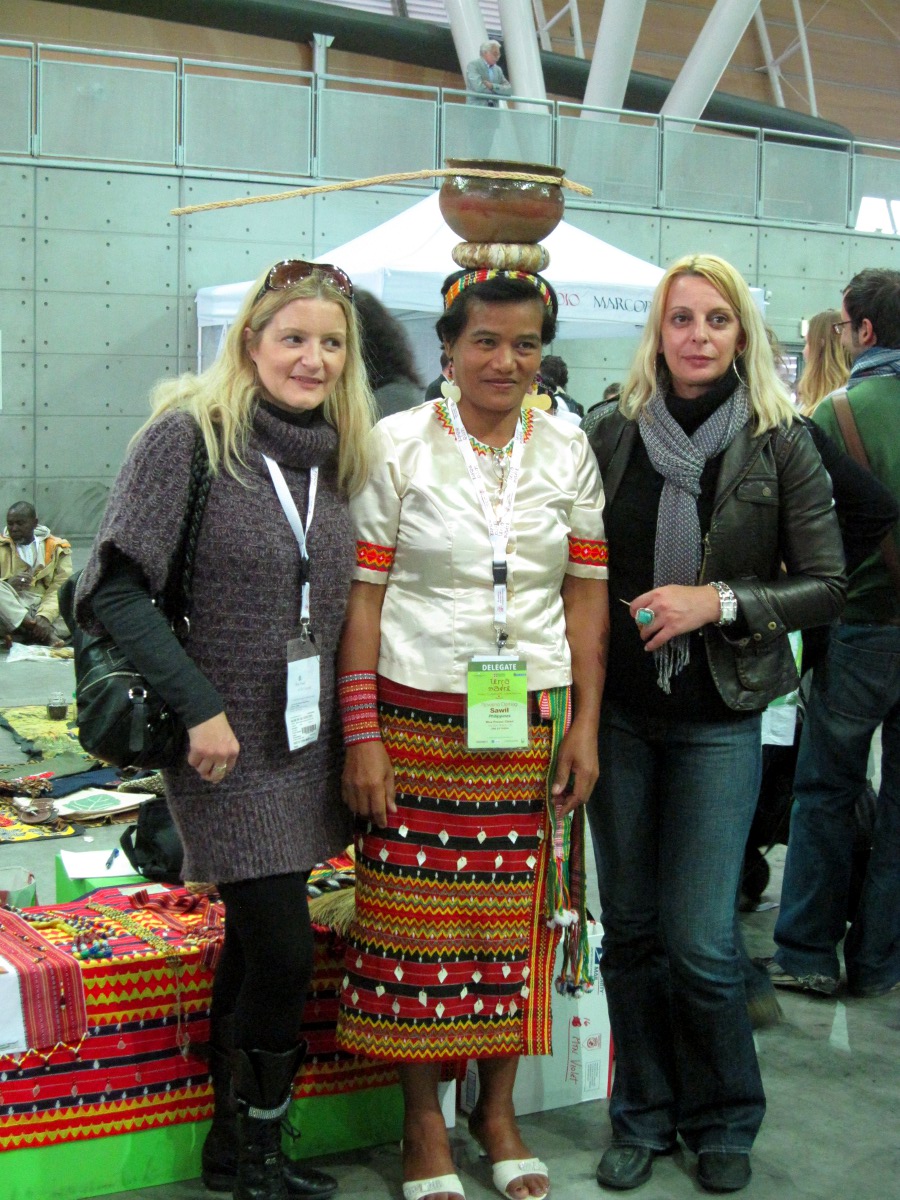
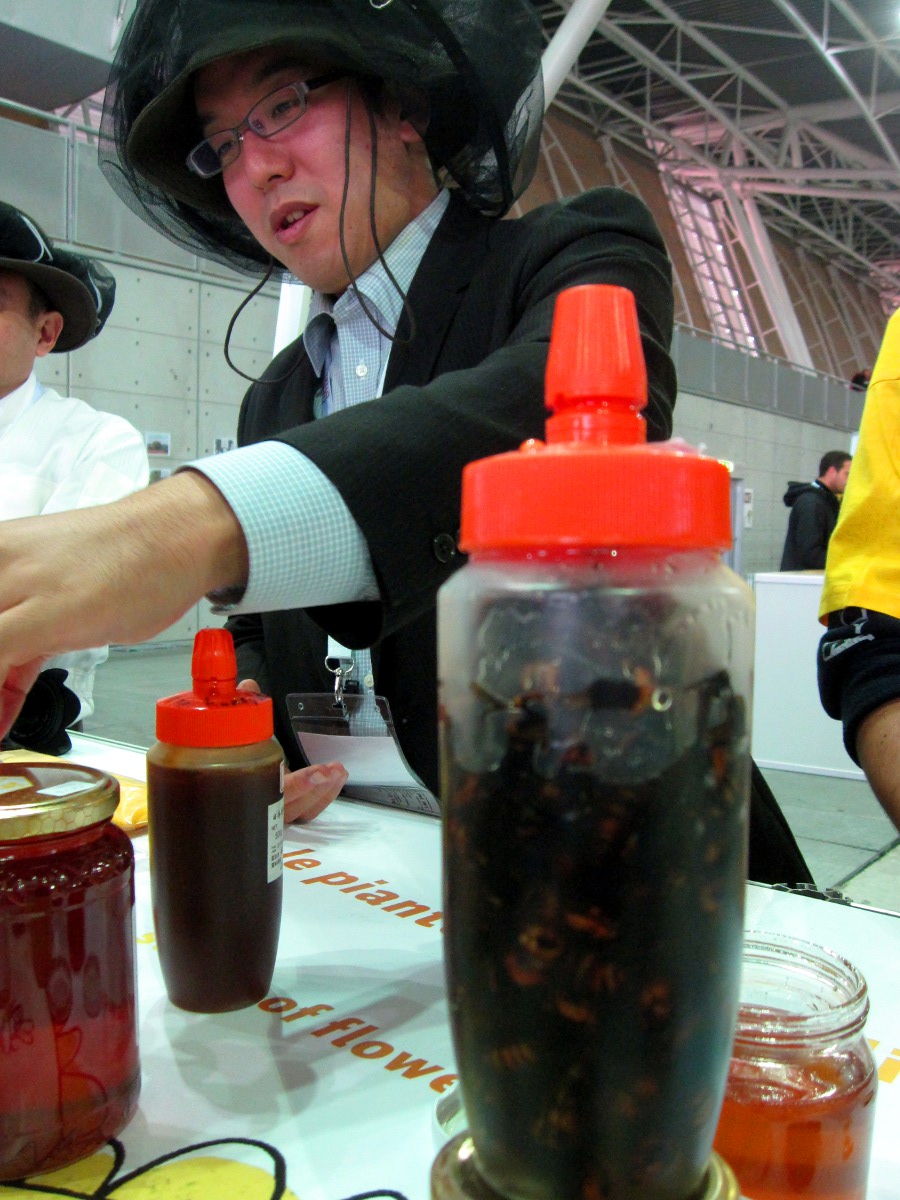
Delegate from the Philippines demonstrates her prowess at balancing objects on her head; Japanese beekeepers gather at the Honey Bar

At the registration for Terra Madre, small pins were passed out depicting the silhouettes of a farmer and a soldier, with an equals sign between them. In many ways, this icon summarizes what Terra Madre is about. It is a gathering of food communities and food producers, and a strategy session on how best to battle the onslaught of industrialized food, environmental degradation and social injustice. (Update: I’ve learned that the pins are from Slow Food Nation, and actually depict farmer = Statue of Liberty. Apparently I glanced at it too quickly.)

Terra Madre and Salone del Gusto

Tomorrow marks the opening of one of the sustainable food world’s most prestigious events, Terra Madre (or “mother earth”). This is a biennial conference sponsored by Slow Food since 2004, a meeting of farmers, chefs, producers, researchers, students, and other people who want to revolutionize the way we feed ourselves. Over the next five days, 8.000 people from 150 nations will gather in my backyard (Turin) to share ideas, make new friends and revel in the solidarity that we may be few but strong.

Food in Pop Culture Through the Lens of Marshmallow Peeps

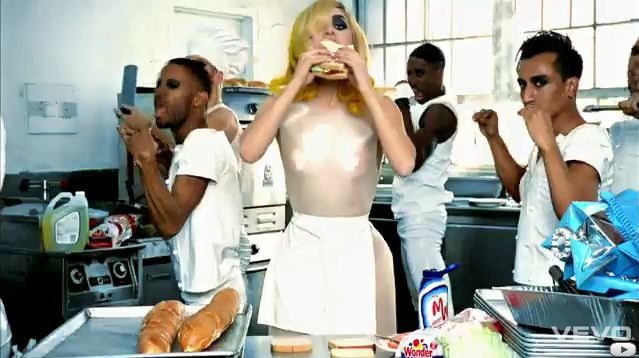
“You might be too distracted to notice the first time through, but there is actually a lot of food imagery used in the Telephone music video.” And so, for the first time, I scrutinized a Lady Gaga video not for the outrageously skimpy outfits, but for the usage of food items. At the end of the ten minutes, our class was taken aback at the number of product placements in the film short. “It’s just a big ad for Virgin, Honey Buns and Polaroid, isn’t it?” The video makes frequent use of ersatz, convenience products like WonderBread and Miracle Whip. “Lady Gaga is well aware of her status as a highly commercial icon, and makes no pretense of acting otherwise. In a sense, she has tricked you into watching a 10-minute long ad masquerading as music video, one that you will now send to all your friends.” And what’s with the Diet Coke can hair rollers? In modern society, the panopticon of body image compels women to diet and lose weight, even without explicit pressure. She is trapped by both an interior and exterior prison.

Food Anthropology: Chitalian Cuisine

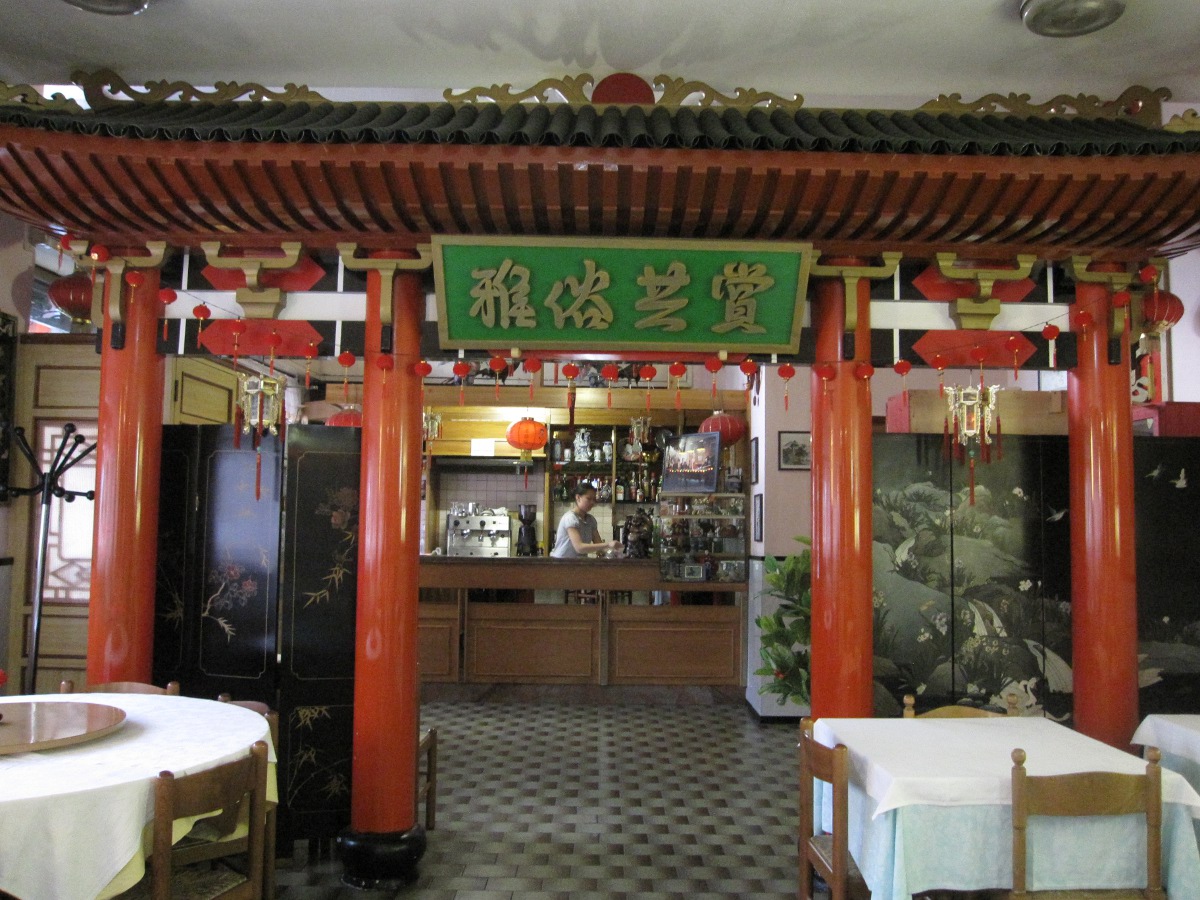
Last week, as part of a class on food anthropology, we all had to conduct an ethnographic study of a food production place in town using participant-observation methods (read: hanging out and discreetly taking notes). Rather than choosing one of the town’s many pizzerias or gelato shops, I decided to investigate the one place that has elicited a sort of morbid fascination for me for the last month: The Chinese restaurant in Bra. That’s right, there’s only one, and there isn’t too much other ethnic food in town to speak of, aside from a couple small kebab shops.