Academics

What I Learned in Culinary School (and Why I’m Quitting)
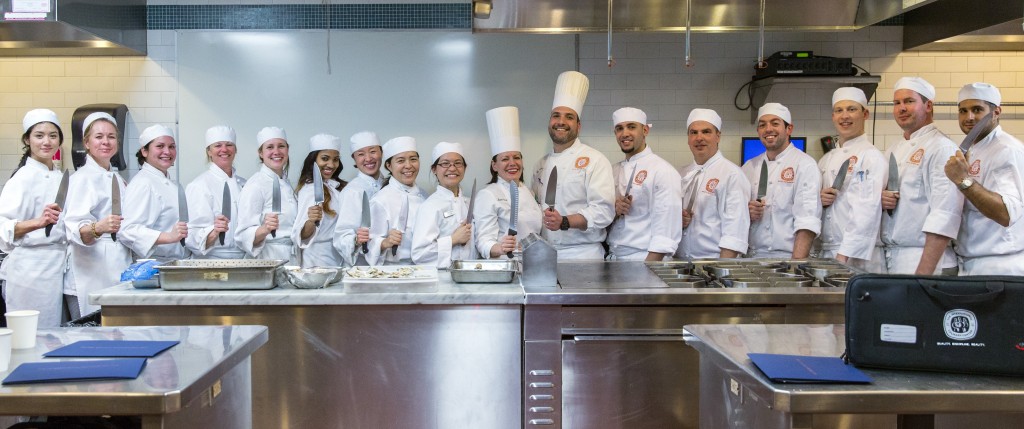
Class Photo

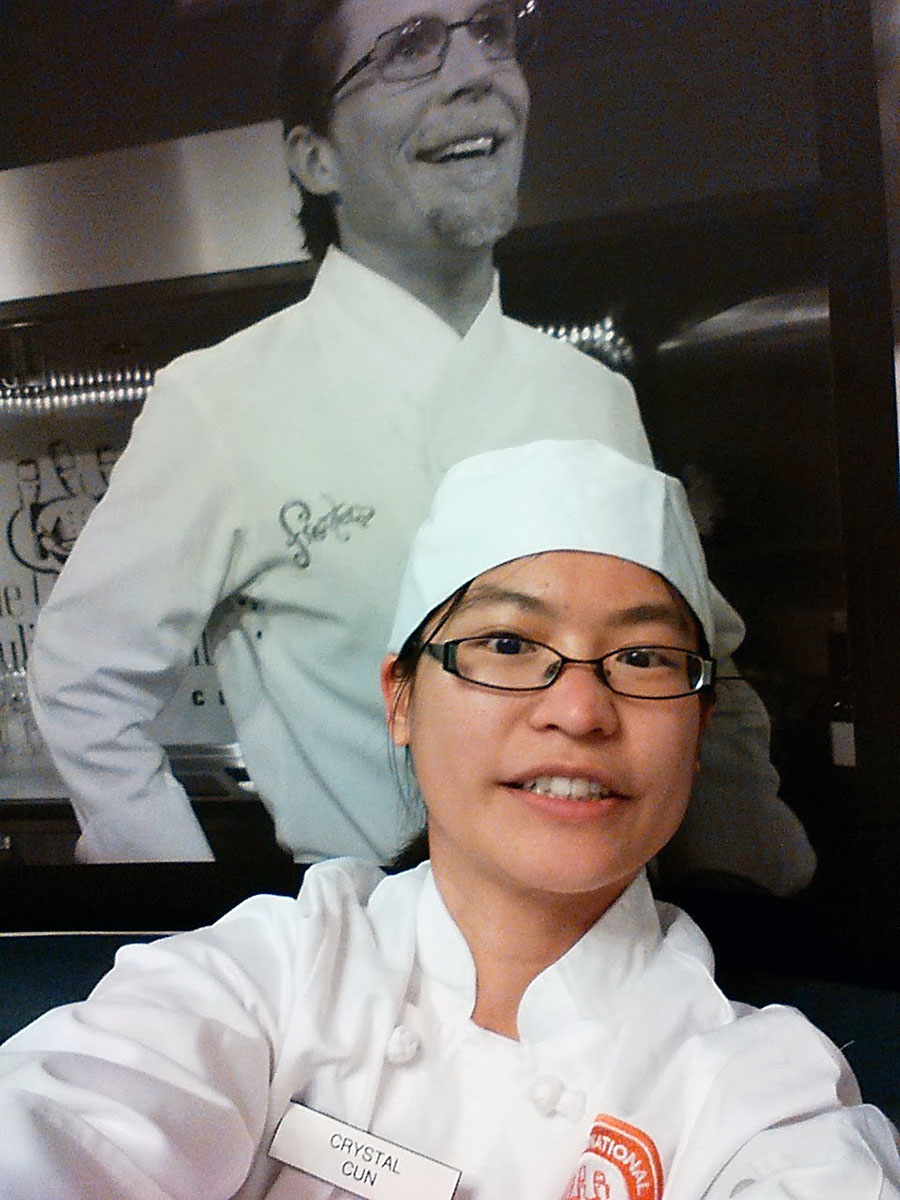
After 22 classes and 110 hours in the kitchens, I am sad but proud to have finished the Culinary Techniques course at the International Culinary Center.

We began on day one by struggling to chop some onions and carrots, and trying to memorize the French names of all the new equipment. Some of us cut ourselves simply pulling knives out of our bags. Somehow that lesson took five hours to cover. We were green as the tray of herbs that was passed around for an identification lesson.
Culinary School: Why I’m making the worst food of my life

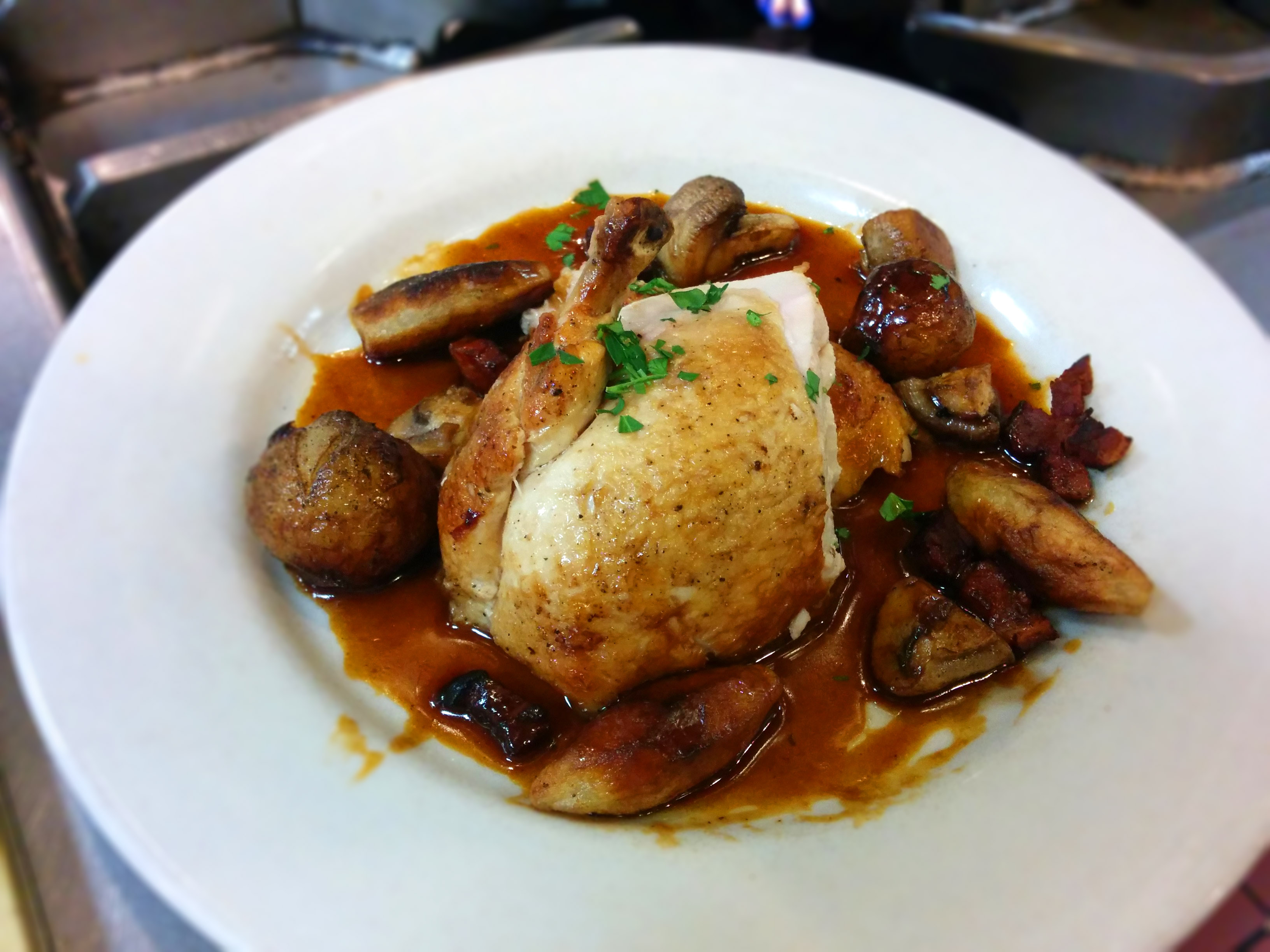
Poulet Saute Chasseur

Nights in culinary class move in a dance of steel and time pressure. Yank out the wishbone. Quarter the chicken. Sear the skin. Chop the mirepoix. Simmer the stock. Strain the sauce. Pull the chicken from the oven. Plate the food. Run to the front. Hope for the best.

Chef Ray glanced at my plate of poulet sauté chasseur (hunter-style chicken) and gave me a hard look. “I think I’ve told you this before,” he said. “This plate. What’s wrong with it?” I looked down at my chicken. Among the finely shredded flakes, there were some unruly tufts of parsley perched on top, shamelessly advertising their prowess at escaping my knife. “I know, I know,” I apologized, “the parsley isn’t chopped small enough. And there’s some pieces of stems.”

“Hit It Like a Mal Boyfriend” and Other Lessons from Chef François Payard

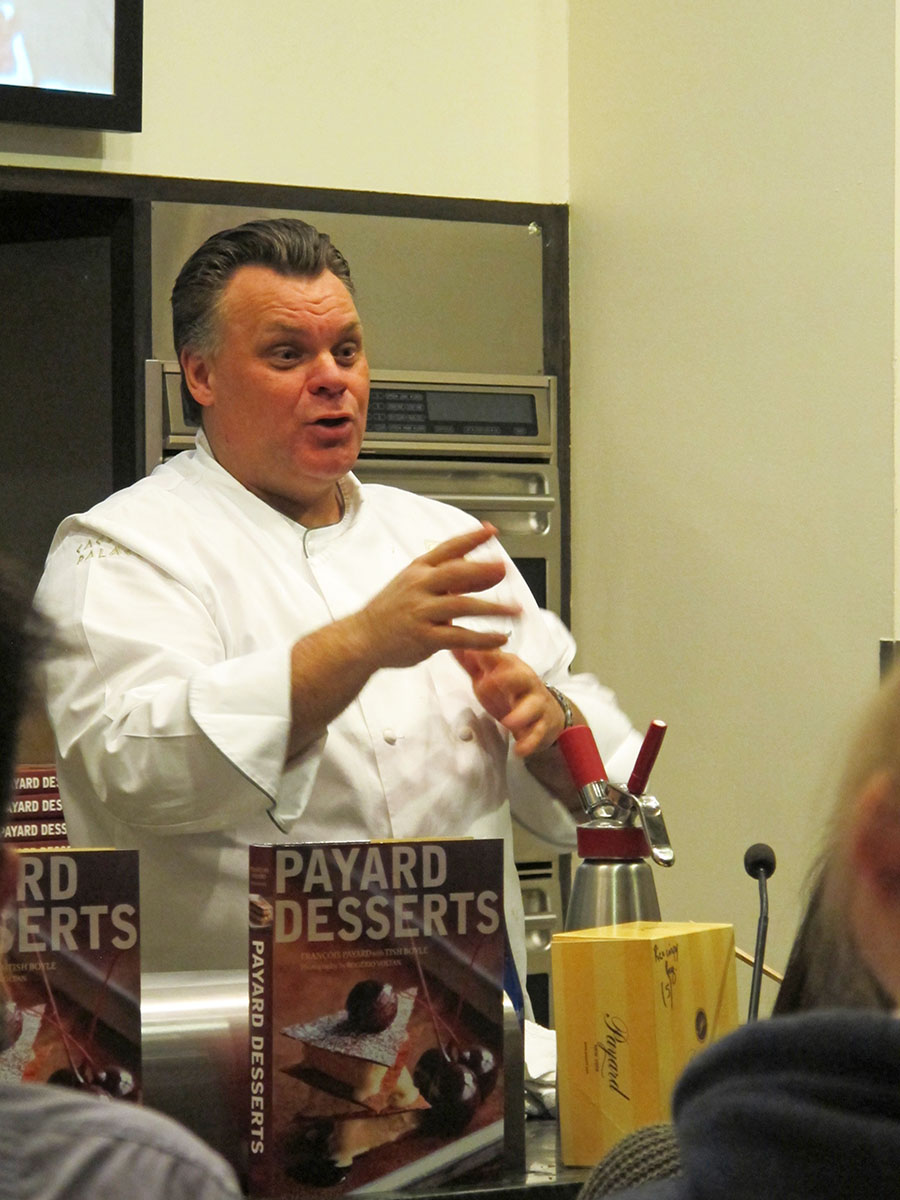
Francois Payard

François Payard is a top pastry chef, a long-standing innovator in New York’s dessert scene and winner of a James Beard award in 1995. Which is why it’s incredibly jarring when he’s looking at you from 10 feet away, asking what’s in egg whites. “Yes you, I’m looking at YOU in the second row,” he says. “Uh,” you stammer, “it can’t be lecithin because that’s in yolks…so albumin?”

Good Thing There’s Sauce: How to Butcher and Cook Whole Fish

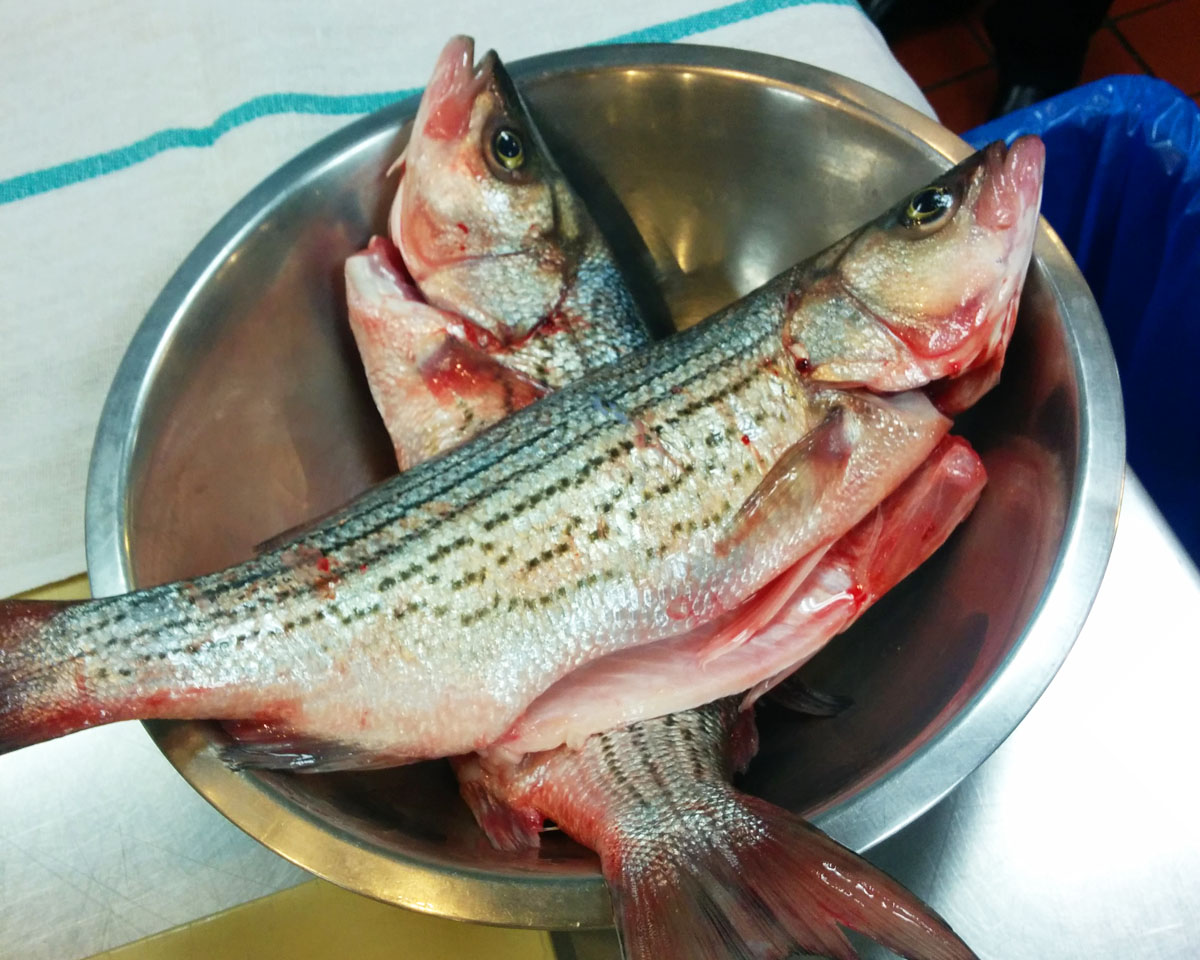
Striped Bass

Dear readers, I have a confession to make: while I work in the seafood industry and am an avid seafood lover, I have never filleted a fish. It’s not for a lack of opportunity per se. The thing is, I was raised in an Asian family where the policy on fish was, “If you can’t pick out the bones, then you don’t deserve to eat.” So we cleaved our fish into large steaks or steamed it whole, with a splash of soy sauce over a shower of ginger and scallion strips. It was simple and satisfying, no need to get fancy.

Eat Your Veggies…Because They’re Surprisingly Fun to Cook

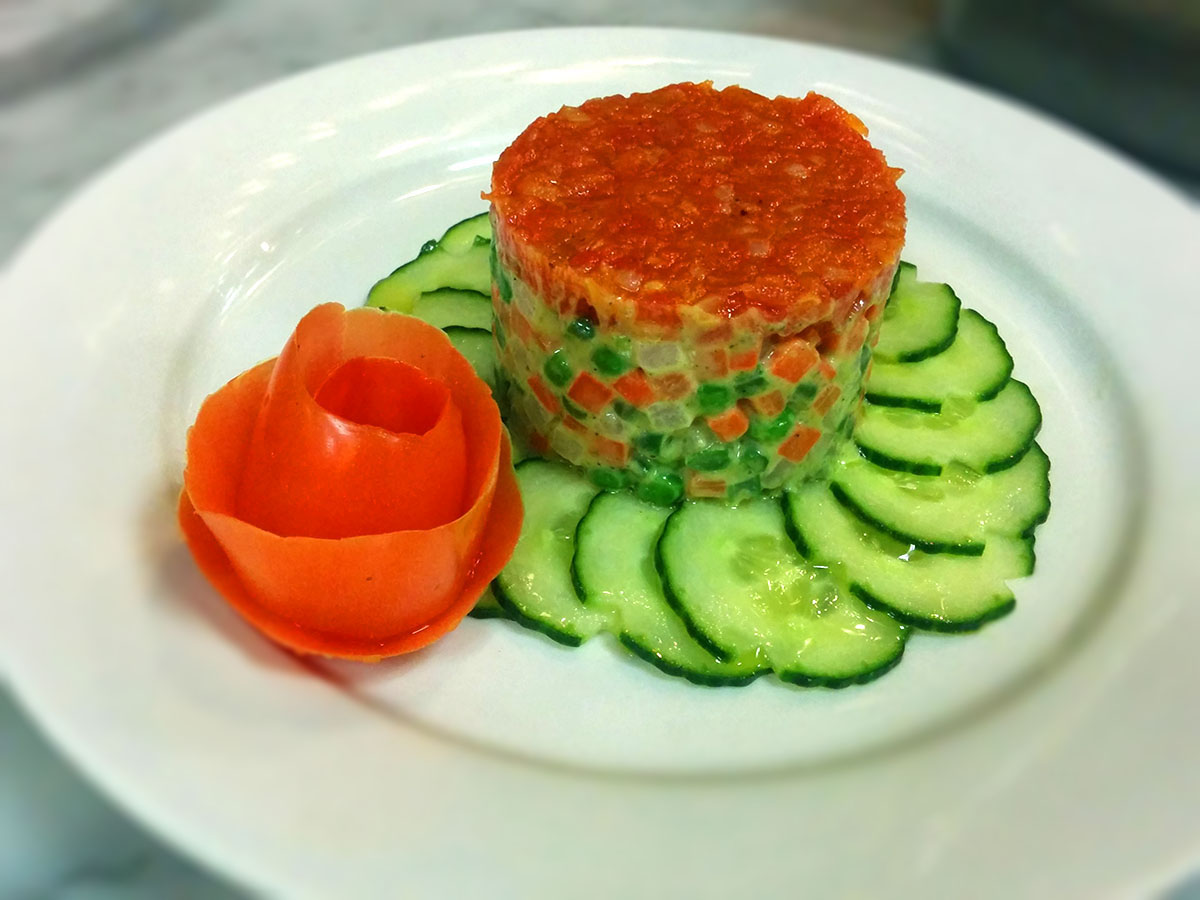
Macédoine  de légumes

After several introductory classes of stock and sauce making, we moved into making complete dishes. Namely, salads, vegetable dishes and soups. I tried not to yawn. “Vegetables are important!” insisted my chef-friend Wendy. “It’s difficult to do them well.” I tried to muster some excitement, but the thought of making 6 different types of vinaigrette was already making my whisking arm ache.

Tournage and Stocks: How to Channel OCD into Acceptable Culinary Pursuits

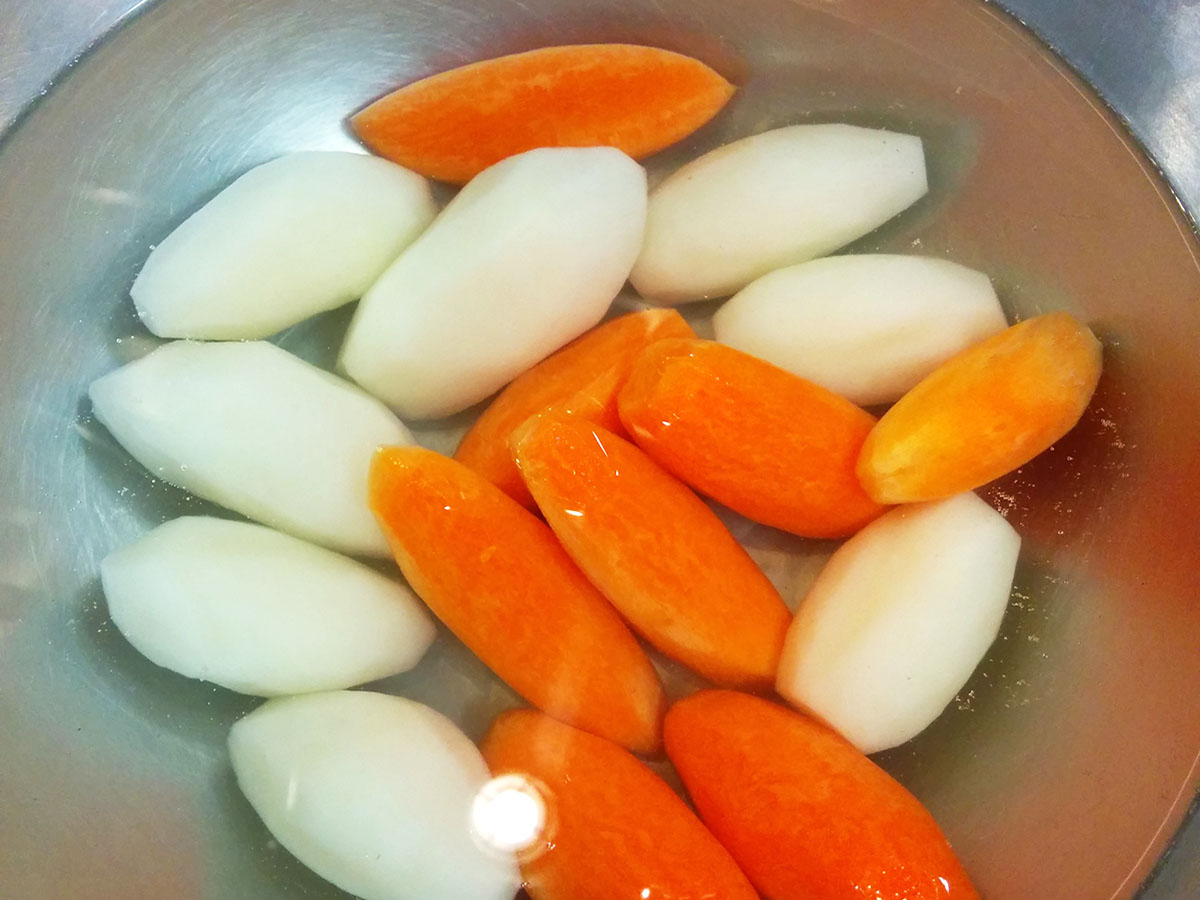
Tournage vegetables

After last week’s lesson on taillage vegetable cuts, we reconvened for the quintessential skill of tournage, or turned vegetables. Essentially, you have to cut pieces of vegetables into blunt footballs. “For tonight, don’t worry too much about the number of sides,” said Chef Ray, “but traditionally there are seven sides to each turned vegetable. And remember, you have to use your wrists to curve around the vegetable.” He demonstrated and in just a few deft moves, he held up a perfectly shaped cocotte out of a shower of carrot trimmings.

Lesson 1: Who Knew Cutting Vegetables Could Be So Complicated?

In the locker room, we carefully unpacked the contents of our tote bags. Crisp white jackets with cloth knot buttons, wide-legged houndstooth pants and a cap to keep stray hairs in place. I carefully slipped the knots on the jacket in and out of the loops; it was a long, laborious process. “Wait a minute,” said the girl down the aisle, “The jackets are big enough that you can put them on without untying the buttons!” At the bottom of my bag, a neatly folded triangle of white cloth remained. “Is this a side towel? Or a napkin?” I asked. “Actually, I think it’s the neckerchief,” another student replied. “But I have no idea how to tie it on.”

So You Think You Can Cook: Signing Up for Culinary School

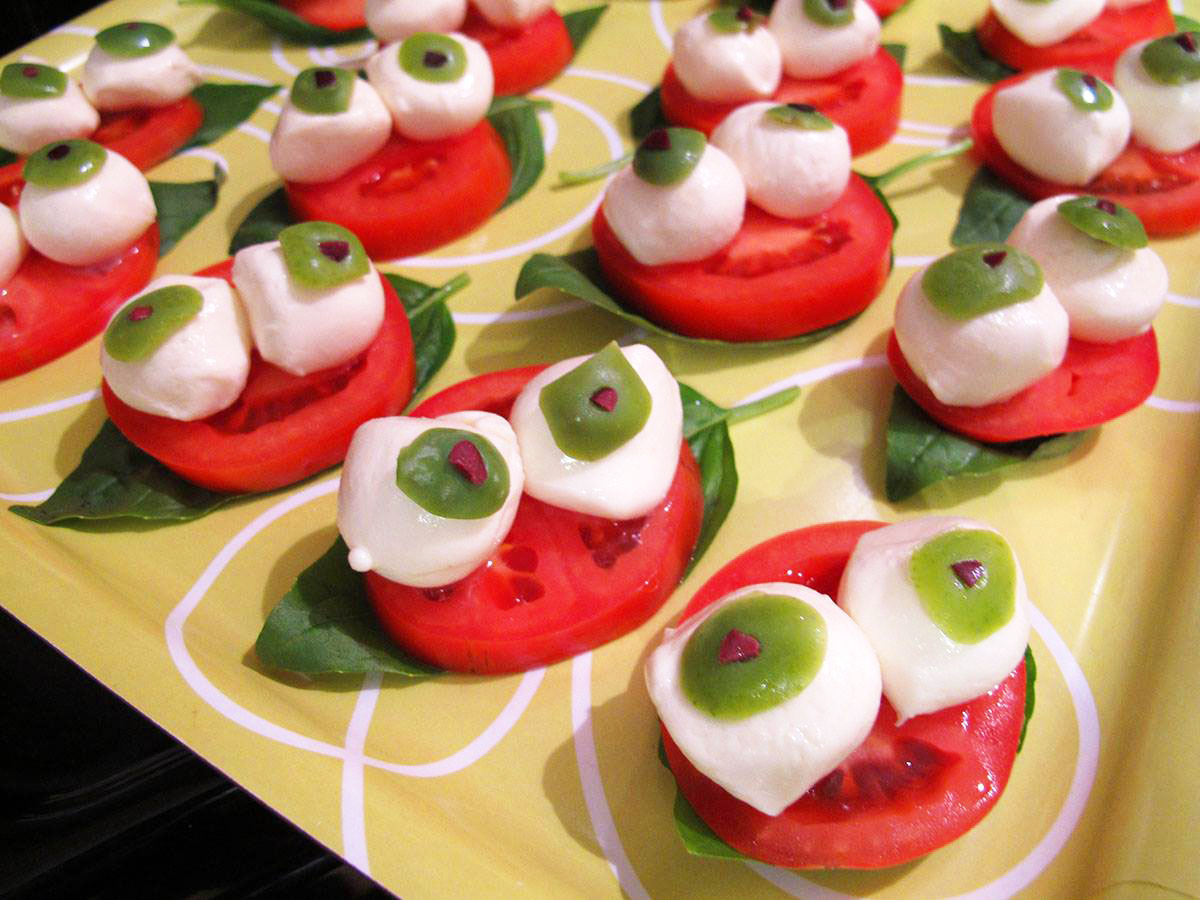
A Spooky Eyeball Caprese

For a year while attending the University of Gastronomic Sciences, I was constantly asked, “How’s culinary school? Are you going to be a chef?” I would patiently explain that no, that’s not really what gastronomy is about.

Don’t get me wrong, I spent A LOT of time cooking during that year, with some of the freshest, most affordable produce I’ve ever seen in my life. Our class potlucks were lavish, internationally diverse and subtly competitive; everyone worked hard to bring their A-game to the table. Since coming to New York (land of take-out and tiny kitchens), I have yet to be surrounded by cooks in the same intensity and density.

A Brutally Honest Review of the University of Gastronomic Sciences

PLEASE READ: My original assessment of the UNISG masters program in 2011 is below, but I am thrilled to hear from current students/staff that UNISG has made significant progress in the years since I was a student there!

Sept. 2017: Michele Fino, a professor of law at UNISG, reached out to me to send an update on the UNISG masters program. It has been appended below.

What the Hell is Gastronomy, Anyway?

May 2010

It’s the million-dollar question that everyone in my program has faced, yet no one seems to have a definitive answer. I have certainly given my 30-second elevator rendition of what gastronomy is (“Well er, it’s not cooking school, it’s sort of about the analysis of food’s role in the world…”), but I still have niggling doubts over whether I am simply talking out of my ass. Which is why I was secretly relieved when we had a seminar on gastronomy and its meaning.