Wine

Cork Forests: Actually, Money Does Grow on Trees
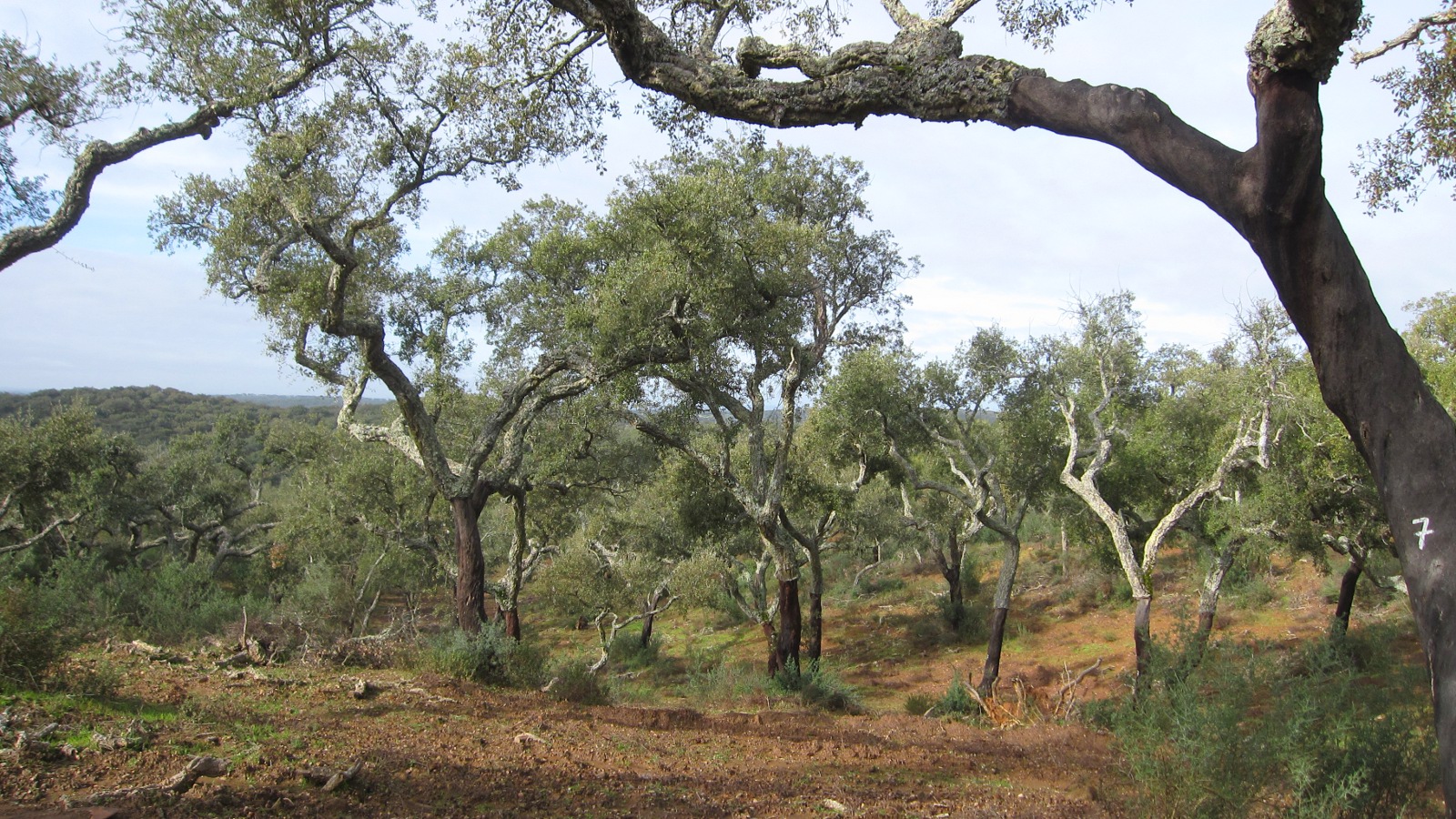
Think about the last bottle of wine you drank. Was it sealed with a natural cork? A synthetic plastic closure? A screw top cap? Where does cork come from, and what’s with all the buzz about cork trees being endangered? To investigate, we ventured off to Alentejo, a rural region in south-central Portugal, and one of the world’s largest sources of cork oaks. All told, Portugal produces about 75% of the world’s cork, and about 75% of this goes into wine bottle stoppers. About 33% of all cork trees grow in Portugal, and 95% of these are in the Alentejo region.
An Introduction to Wine Journalism

Wine journalism. Is it a public service, or simply pretentious nonsense? What forms does it come in? Does anyone pay attention to this stuff anyway? Who is the target audience?

On this gray November day, we were greeted by the warm presence of Richard Baudains, a wine writer for Decanter who has also contributed to the Arcigolo Gambero Rosso guides Vini d’Italia (Wines of Italy) and Vini del Mondo (Wines of the World). He hails from the Channel Islands (an archipelago between England and France), but has spent the last two decades living and drinking in Italy.

Arqua Petrarca: Love, Wine and Petrarch


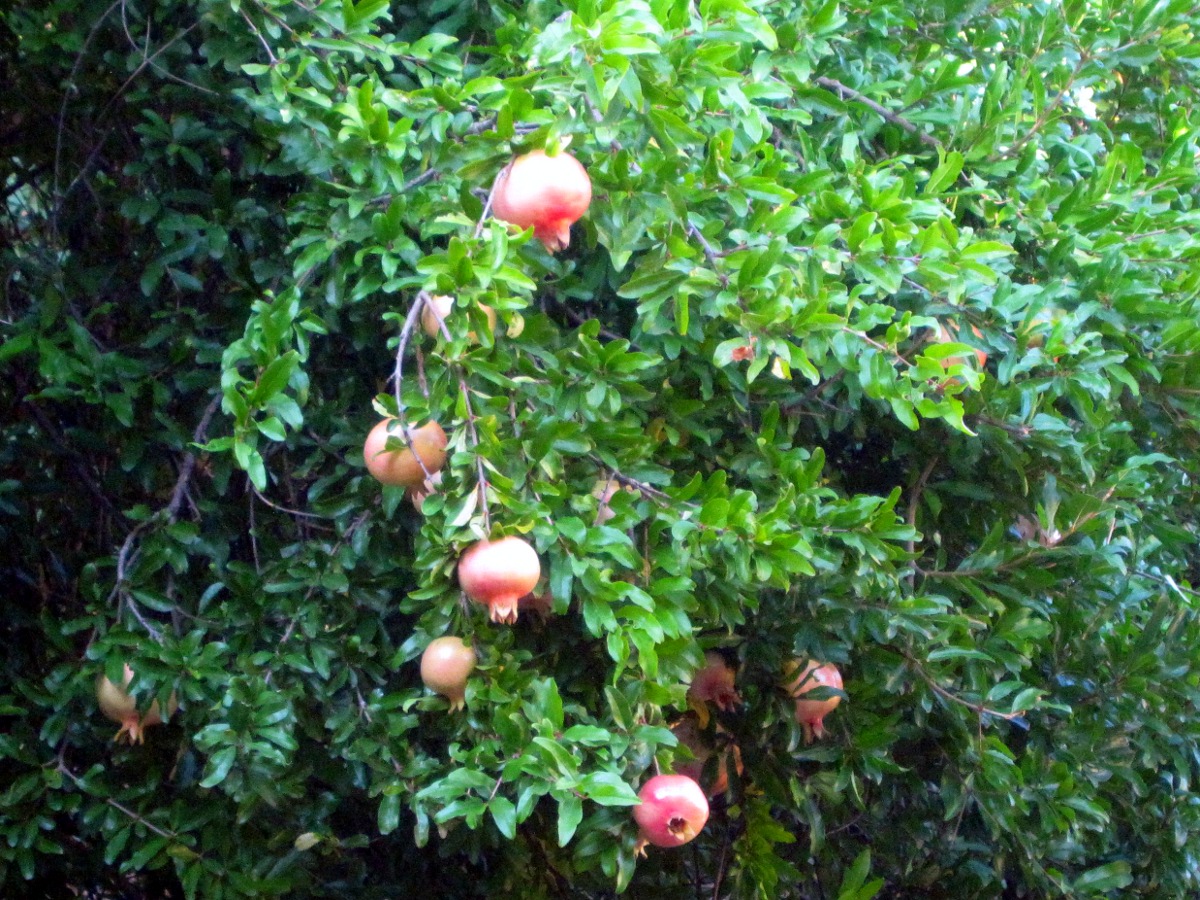
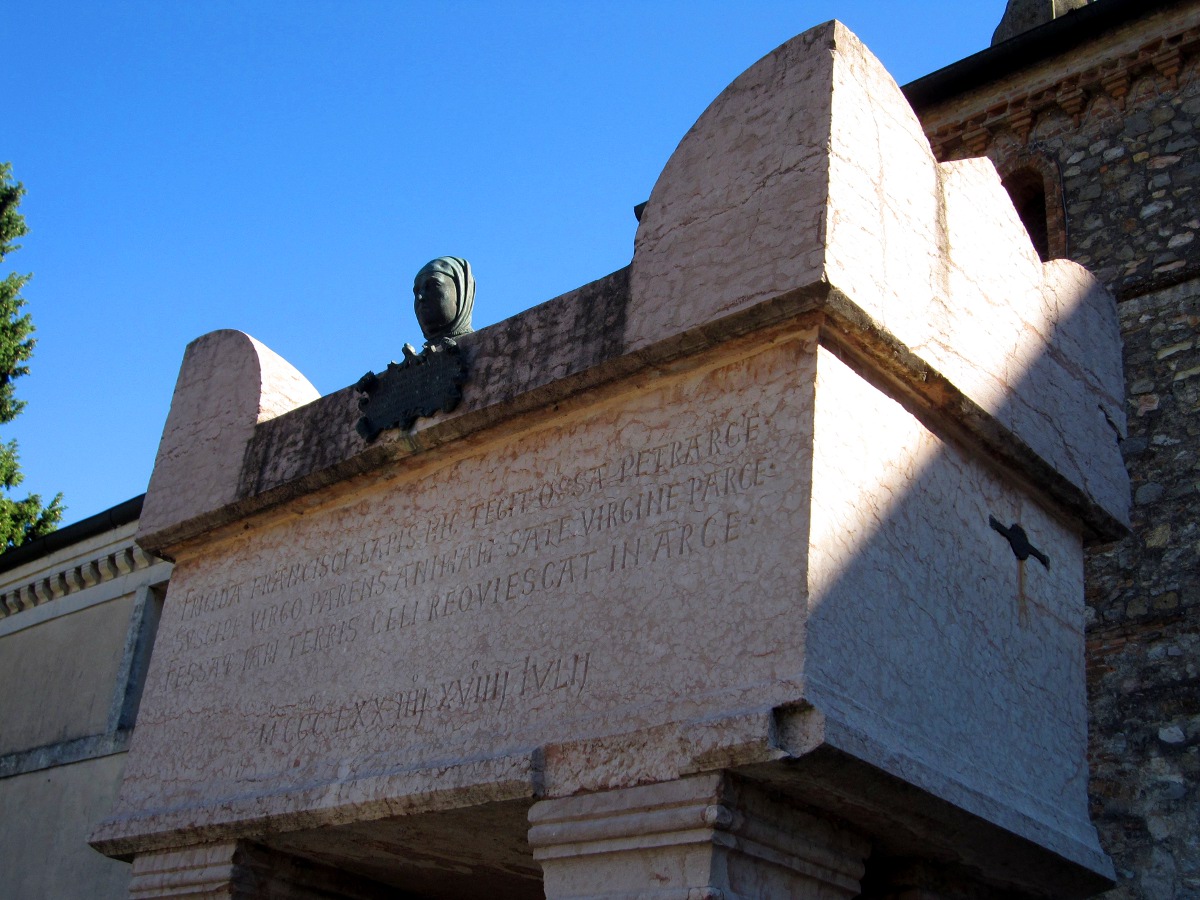
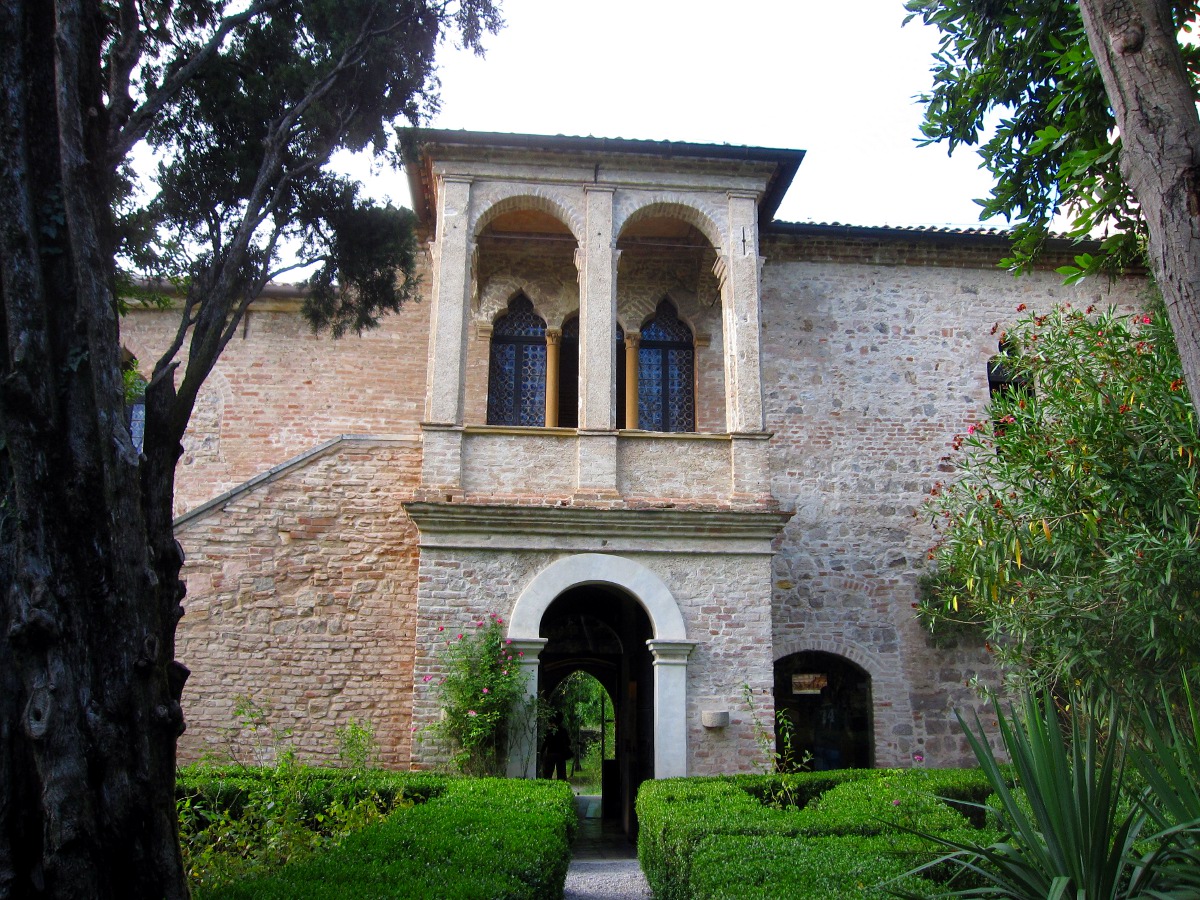
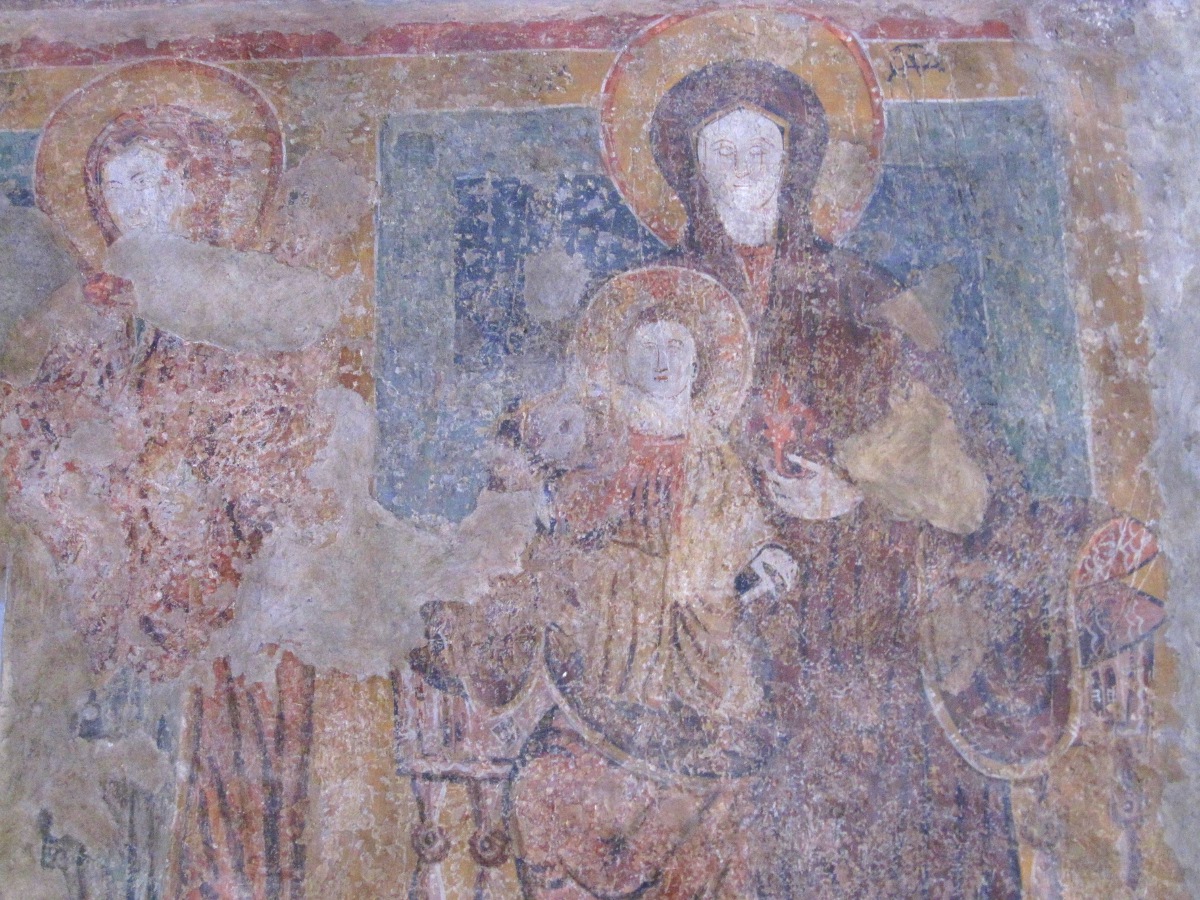
Clockwise: the entrance to Petrarch’s home; 13th century Venetian school fresco inside the Santa Maria church; Petrarch’s tomb; pomegranates growing on a roadside tree

Se ti agita sacro amore di Patria, t’inchina a queste mura ove spirò la grande anima il cantor dei Scipioni e di Laura. If you are moved by the sacred love of country, bow down before this wall where a great soul, the singer of Scipio and of Laura passed away.
-Inscription at the house of Petrarch

Puglia Food Products: Olive Oil, Capocollo, Wine, Cheese and Seafood

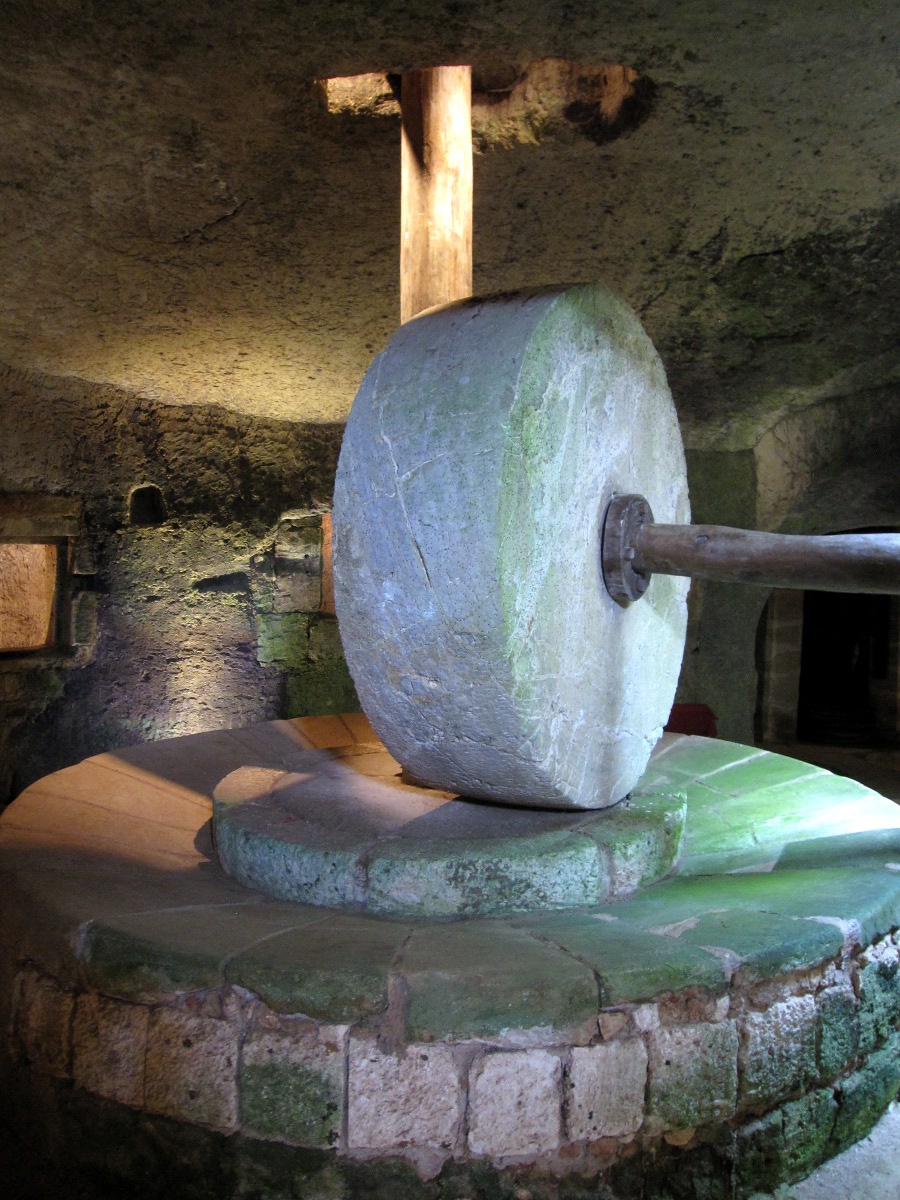
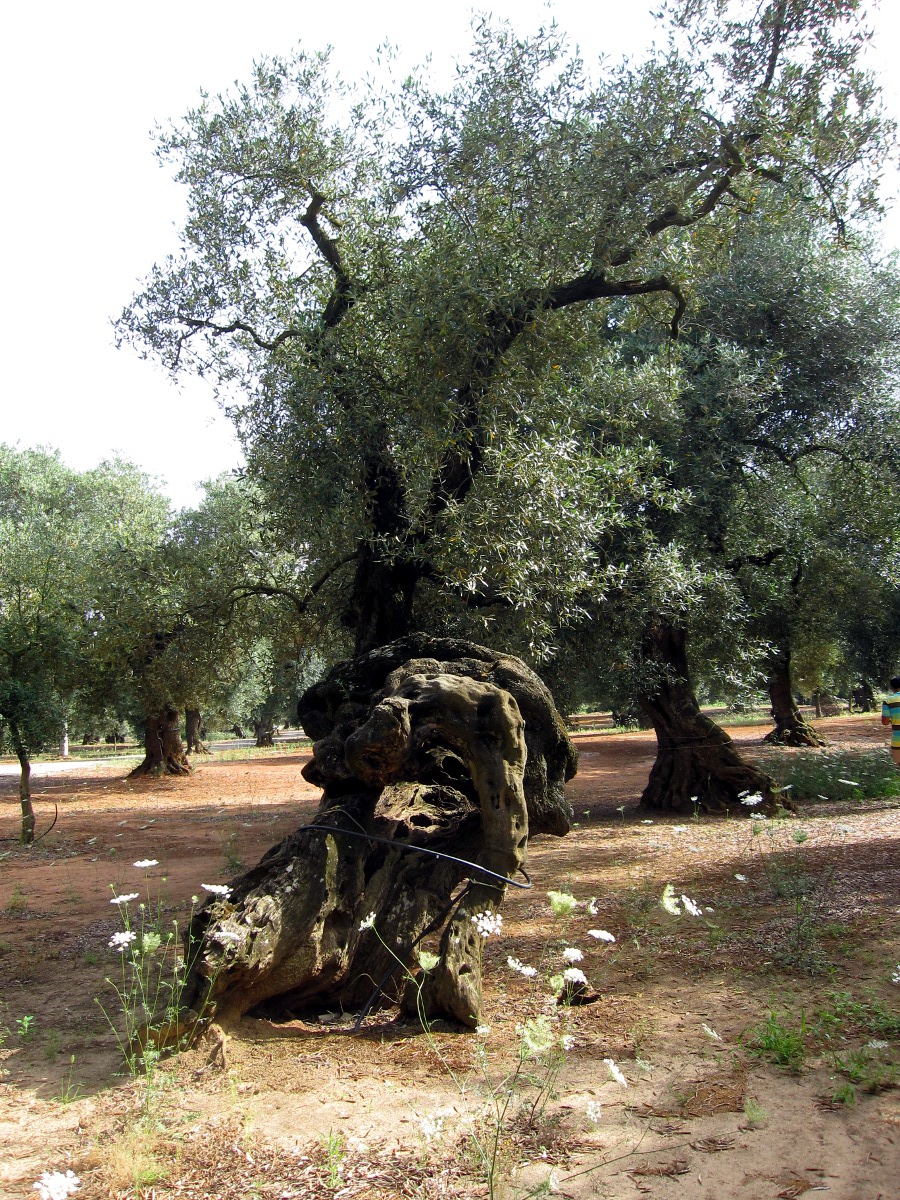
Grindstone for a 17th century olive oil mill, a thousand-year old olive tree

Though some time was alloted in Puglia for activities not requiring mastication, the bulk of the trip was spent at food production sites, restaurants and agricultural lands. I realize that this must sound like the best foodie vacation ever, but eating rich foods nonstop for a week is not as pleasant as it may seem. Some of us had the added stress of documenting the trip in detail because there is a paper and presentation required after the stage. By the end, we were all thoroughly sick of cured meats, cheeses and each other. A few people actually became ill, though I cannot say whether this was due to food poisoning, general infection, or the stress of traveling and eating from 9 am to 1 am every day. My advice for anyone who goes on these trips is to ingest plenty of fiber and choose your roommate carefully.

Wine Snobbery 101

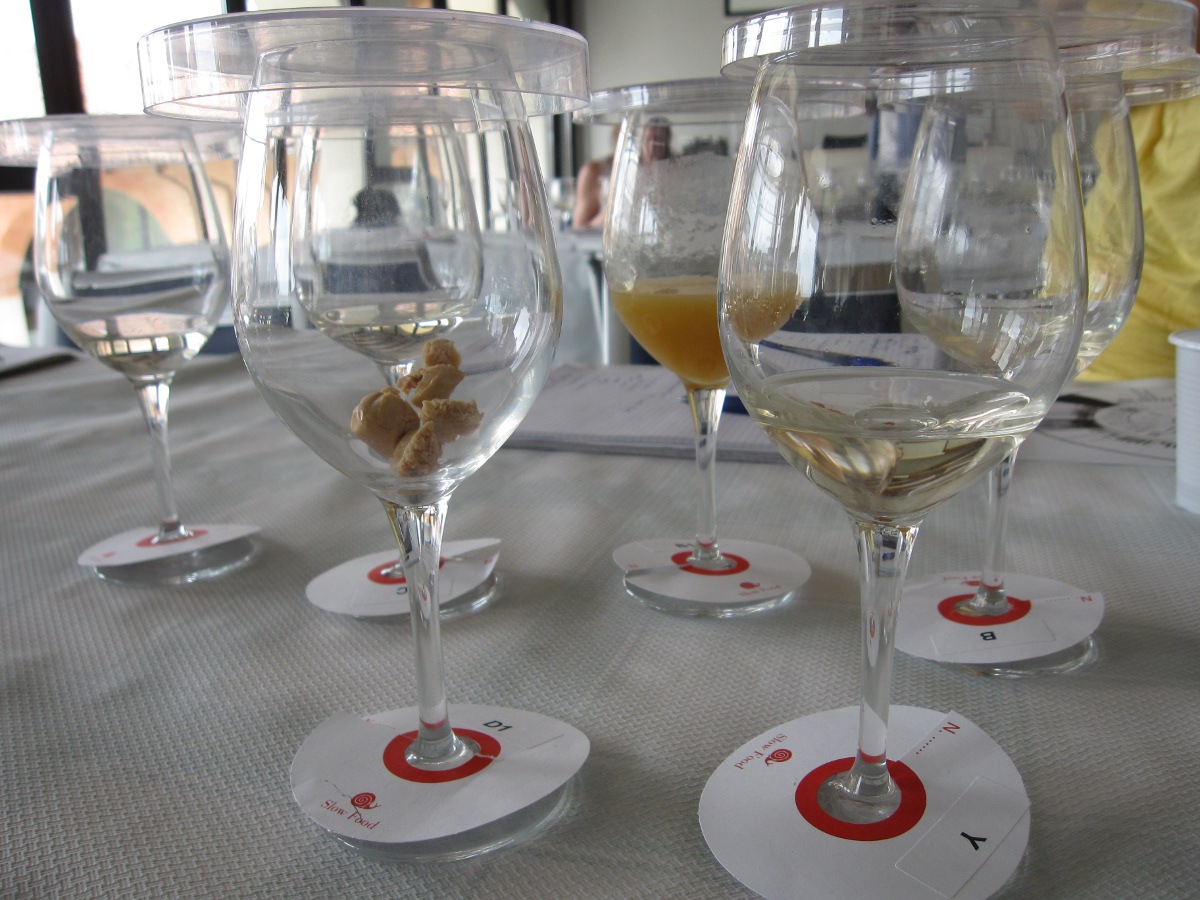
“Everyone has the ability to taste and analyze wine, you just need to have the vocabulary and focus to do it,” said Ann Noble, a retired UC Davis professor of Viticulture and Enology. With that, we launched into two days of Sensory Analysis classes, an overview of the sensory properties of wine (appearance, aroma, mouthfeel, flavor, aftertaste) and some of the psychological factors that influence the perception of wine. And though her appearance was unassuming, Noble turned out to be a colorful, crusty character full of dry, sarcastic comments such as “You just have a pinot fetish” and “You’re a prostitute when you’re a researcher because you need money!”