Umbria

Gone Fishing on Lake Trasimeno
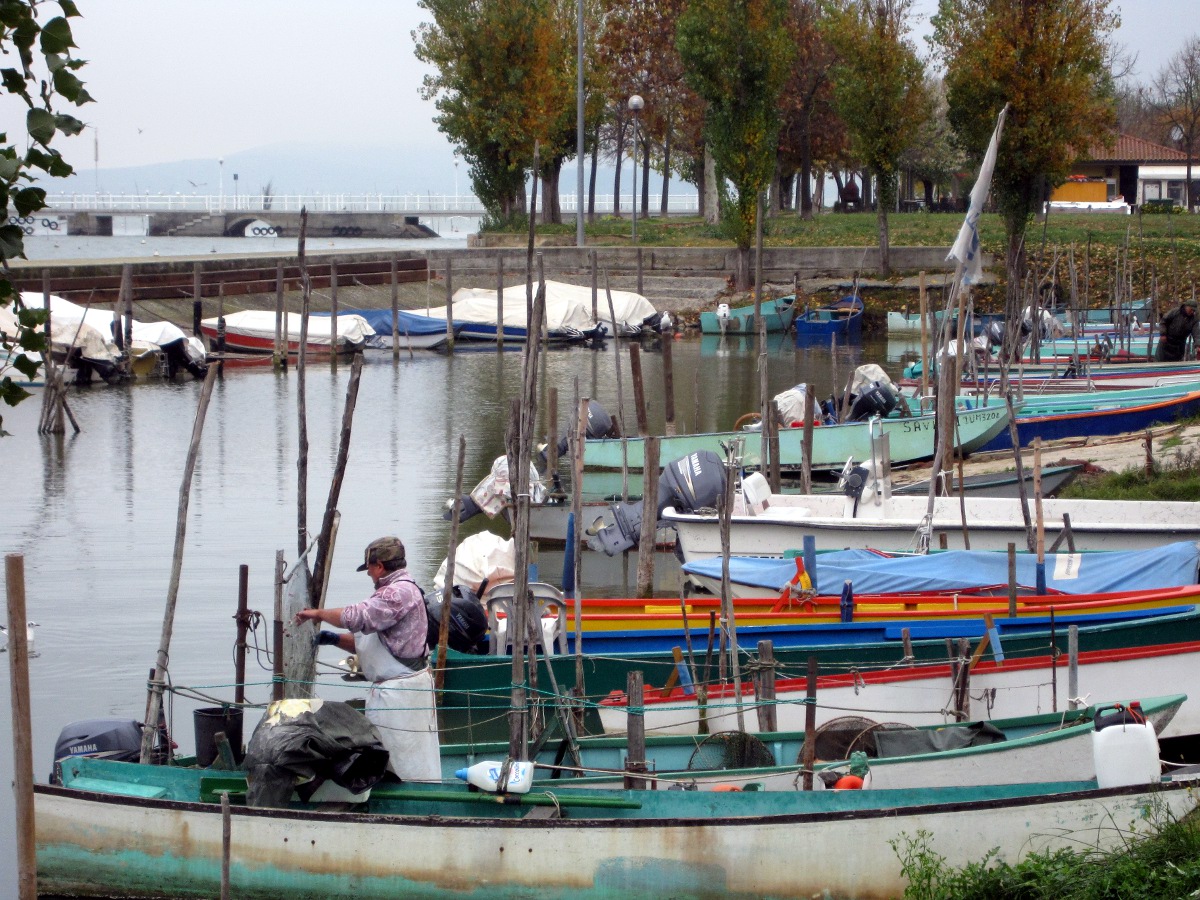
A bone-chilling wind whistled across the water, as I huddled on a boat with fingers tucked into my armpits. We were sailing across Lake Trasimeno, the second largest body of freshwater in Italy. Aurelio, our captain and president of the local Trasimeno fishermen’s cooperative, explained that the maximum depth of the lake was about 5 m, and the area we were currently in was only 1,8-2 m deep. Moreover, this is an endorheic body of water, a lake with no natural outlets that is entirely rain-fed. Essentially, we were rocking our way across a giant puddle.
Cash, Lies and Truffles at Urbani Tartufi

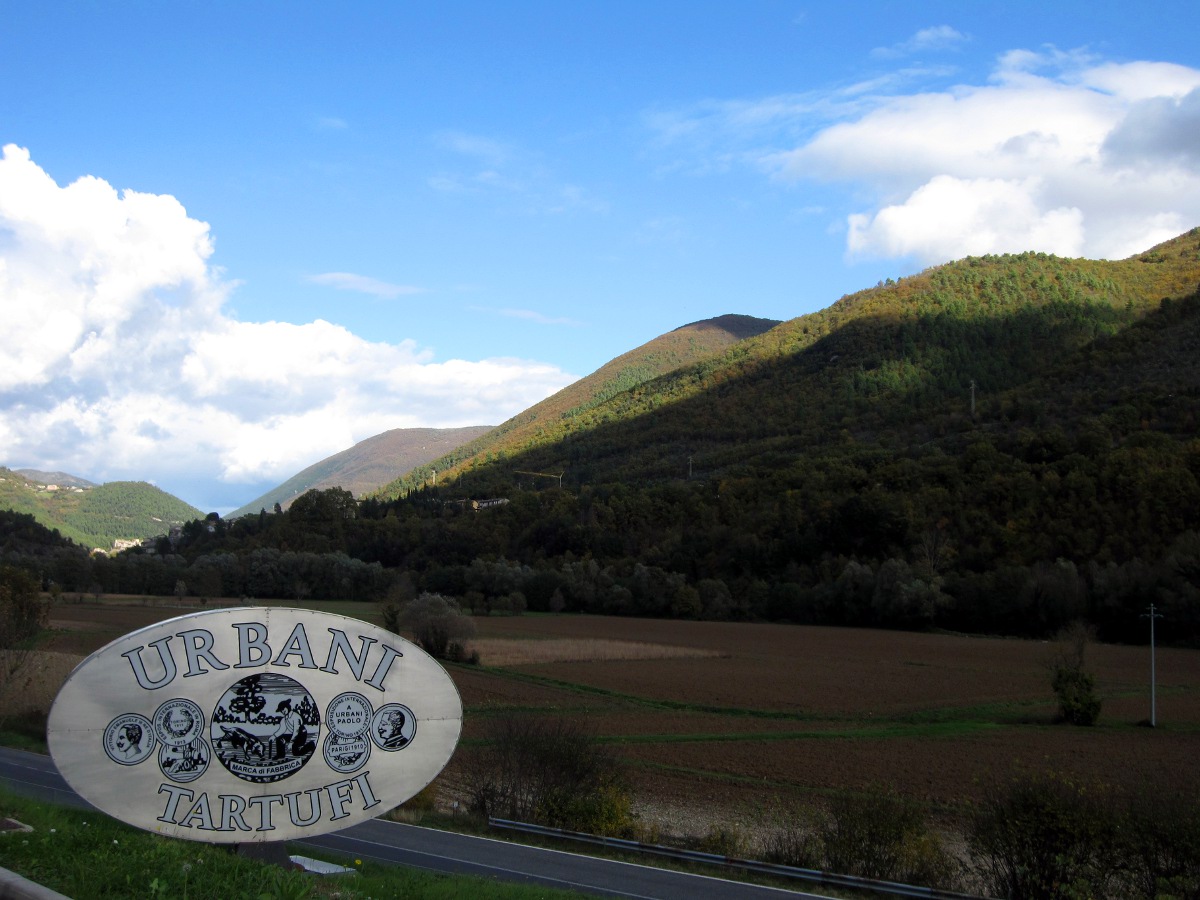
The stillness was broken only by the sound of breathing. All around us, rolling foothills and oak-covered peaks stretched into the distance, a gently shimmering tapestry of fall foliage. But the outward peace of this halcyon setting masked a burning secret. Beneath the roots of these forests, there was buried treasure–truffles, worth millions of euros and sitting in the cross-hairs of Italy’s legions of truffle hunters.

The Bottled Poetry of Arnaldo Caprai

“This is one of the most important products in the panorama of Italian wines. Are you familiar with it?” I was haplessly ignorant as Eleonara Marzi began her presentation on sagrantino wines. Over the next week though, we would drink the hometown favorite of Umbria more times than I could remember.

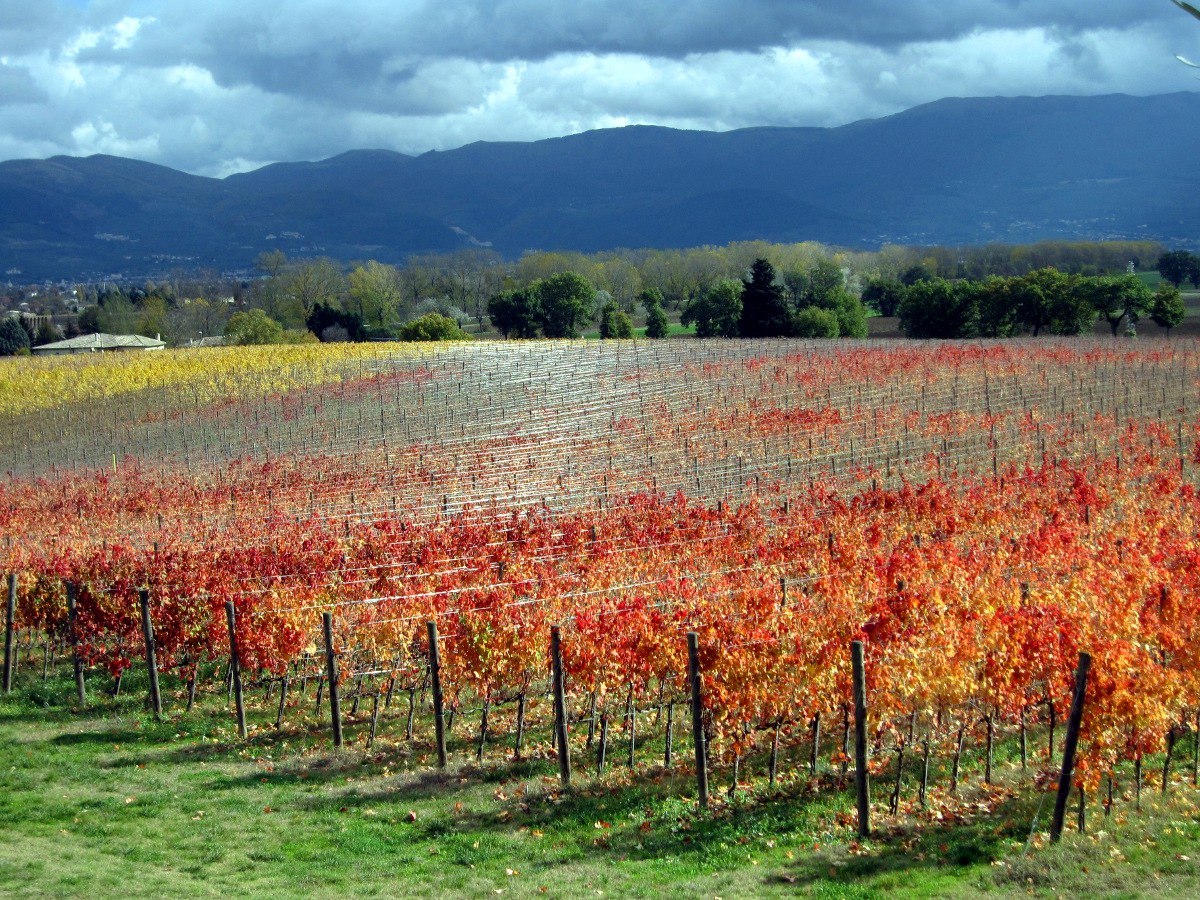
Sagrantino is a native grape variety that has been cultivated in Montefalco for over 400 years, and sagrantino secco is recognized as a DOCG wine indigenous to Umbria. However, until the 1970s, most Umbrian wineries focused on producing merlot and cabernet sauvignon. Sagrantino was mostly relegated to the production of passito, or sweet dessert wines. This was due in part to the intensity of sagrantino grapes, which are higher in tannins and polyphenols than any other grape. To combat the persistence of the tannins, farmers generally added sugar to increase the softness of the wine and make it more drinkable.

Travel Note: Umbria Stage

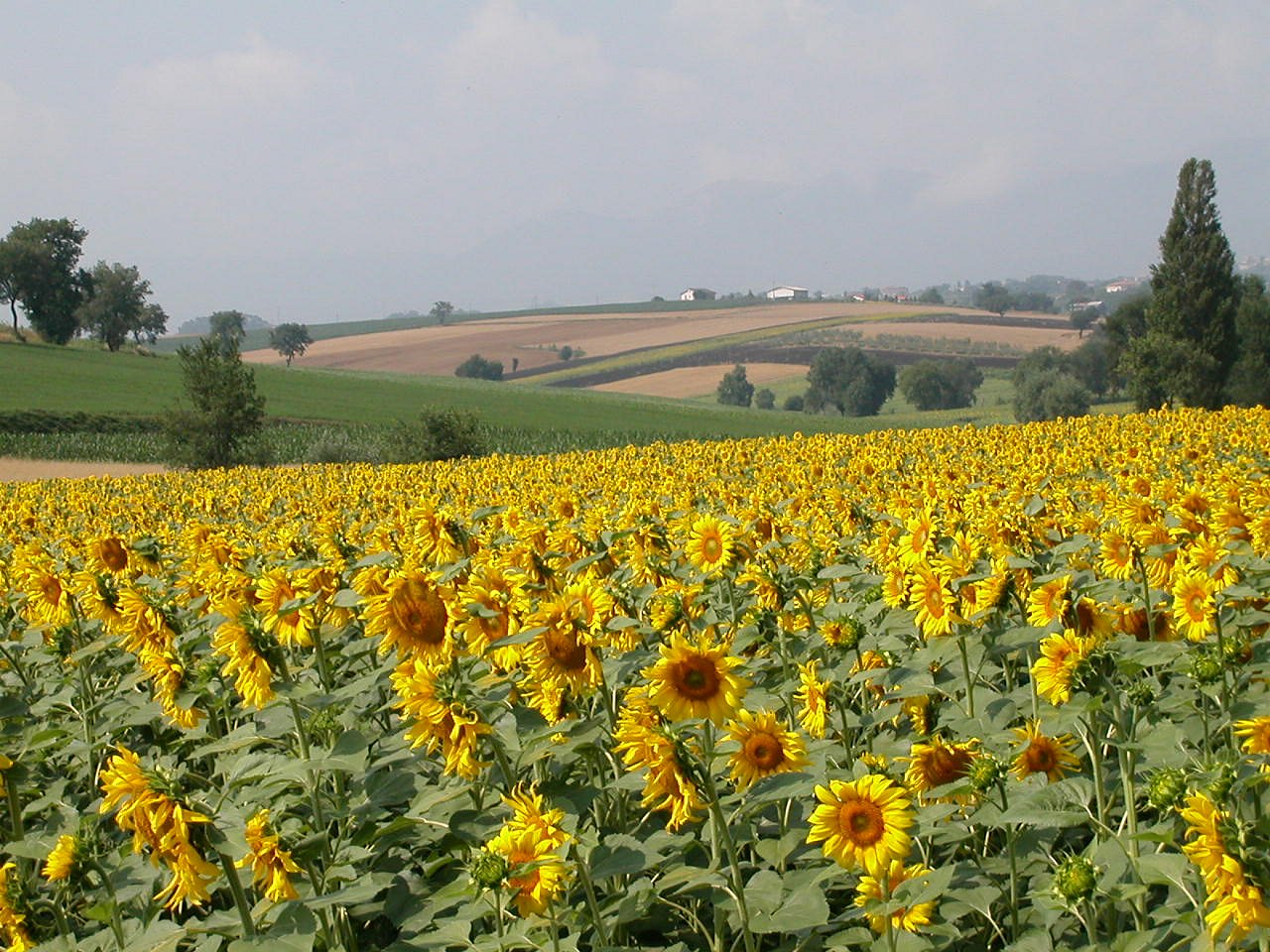
It’s that time of the month again; the UNISG masters students are heading out this week for another round of travel. The destination for this stage is Umbria, a region in central Italy, bordering Tuscany and Lazio, where Rome is located. It is the only region of Italy that has no borders with other countries and no coastal access. Over the next few days, we will be exploring Umbria’s famed olive oils, truffles, wines and cured meat products. Best of all, if the weather cooperates, we will be fishing on Lake Trasimeno with a bunch of local fishermen! I am mildly embarrassed to admit that I have never gone fishing before, so this is pretty exciting.