Sustainability

Nature as Measure: What’s the future of farming?
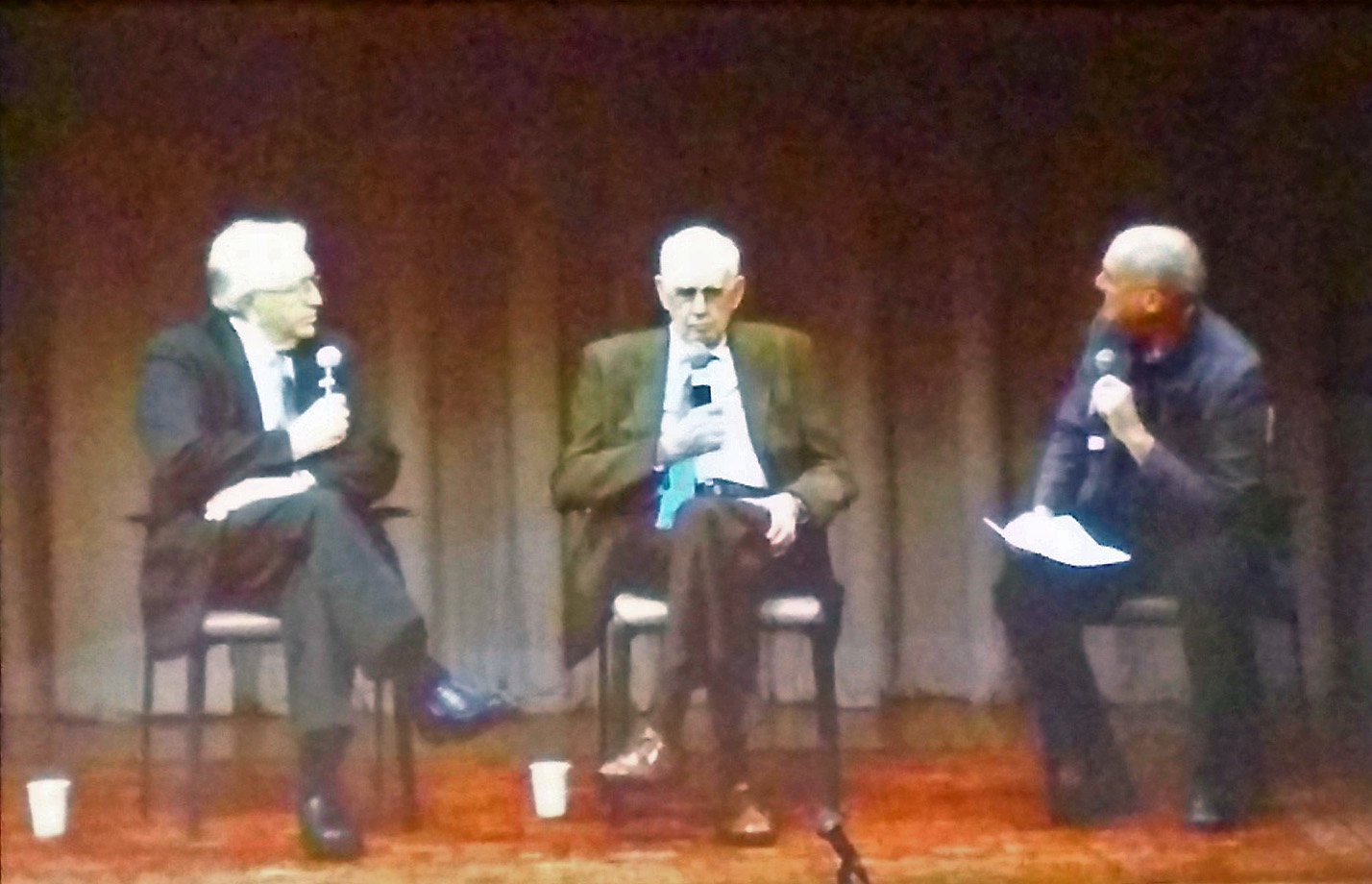
Wes Jackson, Wendell Berry, Mark Bittman at Cooper Union
Wes Jackson, Wendell Berry and Mark Bittman at Cooper Union

Tonight, some of the biggest names in the sustainable food movement gathered in the Great Hall at Cooper Union. The occasion? “Nature as Measure,” a talk on agriculture and the future of farming presented by the Land Institute and the Berry Center.

If I had to choose a single cookbook for today’s aspiring home chefs, it would be Mark Bittman‘s How to Cook Everything. He first became nationally known through his NYT column “The Minimalist,” which cut through the confusion to teach healthy, painless home cooking. I used to describe Bittman as my generation’s Julia Child, but he has since moved on to bigger and bolder topics: influencing national food policy. I don’t always agree with his pronouncements, but aside from perhaps Michael Pollan, no other American food writer is as well-loved and widely-read as Mark Bittman.
The Story of Stuff

[youtube=http://www.youtube.com/watch?v=9GorqroigqM]

This is the Story of Stuff. It is a project from Annie Leonard centered on telling how you got the stuff in your hands, who paid for it (hint: it wasn’t you) and what happens when you throw it away. It is the story of how we’re destroying our planet (but mostly just ourselves), while becoming less and less happy all the time.

Yes, it’s 20 minutes and most of you will just think “tl;dw” (too long; didn’t watch), but I hit play and couldn’t stop watching. It’s a chunk of time well-spent for anyone interested in connecting the dots between many of our environmental, economic and social problems. Certainly, some of the information was played up for dramatic effect, but overall, I found the film to be clear, concise and informative for the intelligent layperson.

Internships & Books: Putting My Pen Where My Mouth Is

Photo: E. Bennett

It’s internship season here at the University of Gastronomic Sciences, and everyone is abuzz with plans for the near-future and exit strategies post-graduation. Our last classes will take place on March 4th, at which point we will each set off on two-month long internships of our own design. These can take place anywhere in the world (though you have to fund your own food and housing), and can take a variety of forms, from independent research to a structured corporate program. At the end of the two months, we must turn in a thesis, which is usually (but not always) related to your experiences on internship. Graduation is set for May 13th, and then we officially become UNISG alumni.

The Terra Madre Formula: Farmer = Revolutionary


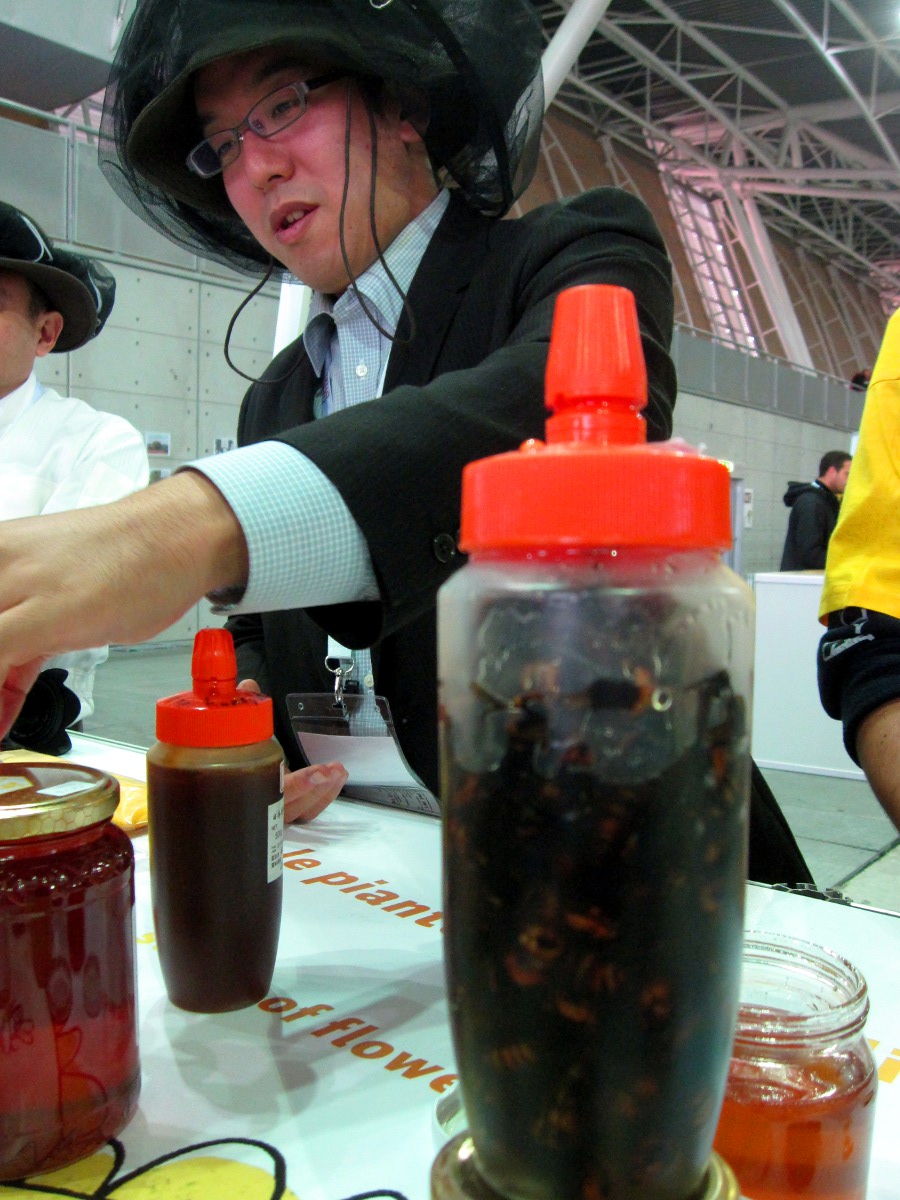
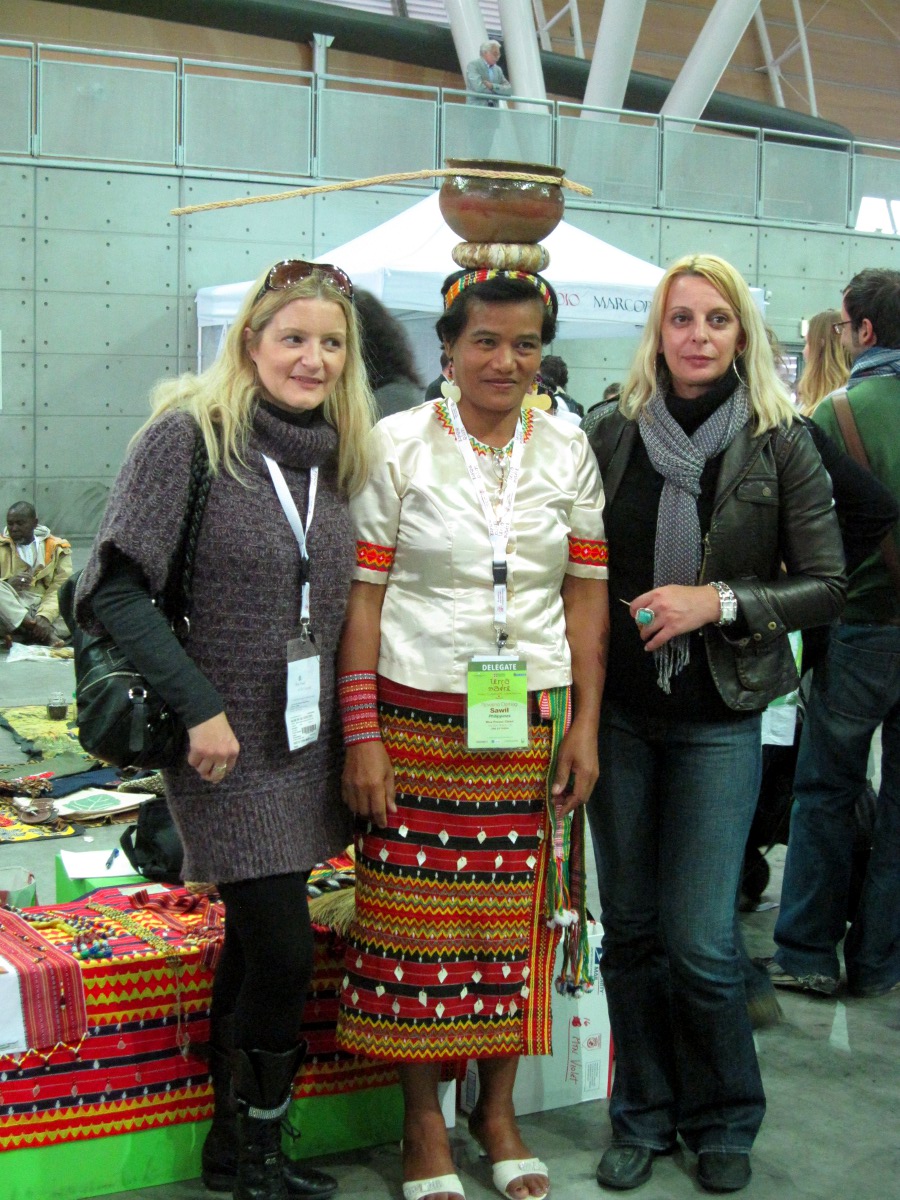
Delegate from the Philippines demonstrates her prowess at balancing objects on her head; Japanese beekeepers gather at the Honey Bar

At the registration for Terra Madre, small pins were passed out depicting the silhouettes of a farmer and a soldier, with an equals sign between them. In many ways, this icon summarizes what Terra Madre is about. It is a gathering of food communities and food producers, and a strategy session on how best to battle the onslaught of industrialized food, environmental degradation and social injustice. (Update: I’ve learned that the pins are from Slow Food Nation, and actually depict farmer = Statue of Liberty. Apparently I glanced at it too quickly.)