Restaurants

Tales from a Mexican Line Cook

Puebla parade

Like many restaurants, my kitchen was staffed largely by cooks/runners/dishwashers of Latin American origin, particularly Mexicans from the state of Puebla. This made sense, given that we were cooking Latin-influenced food, but you’ll find Mexican cooks everywhere in New York, from diners to Chinese restaurants to fine dining.

There are many great cultural exchanges to be had from hanging out with Latino cooks, from hearing the latest reggaeton to learning the true meaning of Cinco de Mayo. (Turns out it’s not just about cheap margaritas.) But as you while away hours peeling yucca in the slow afternoon, sometimes the conversation takes a turn for the serious. You ponder aloud: what you’re doing with your life, what your dreams are, who you love, where it all went wrong. You share your hopes for your family, your fears that you’re not good enough, your ambitions to go to college. You tell your life story, how you came to the US and found your footing here. You do all this while crammed into a closet-sized space, with tweezers in one hand and a fish fillet in the other. This is the trench.
How to Stage/Intern/Trail at a Restaurant: The Right Way

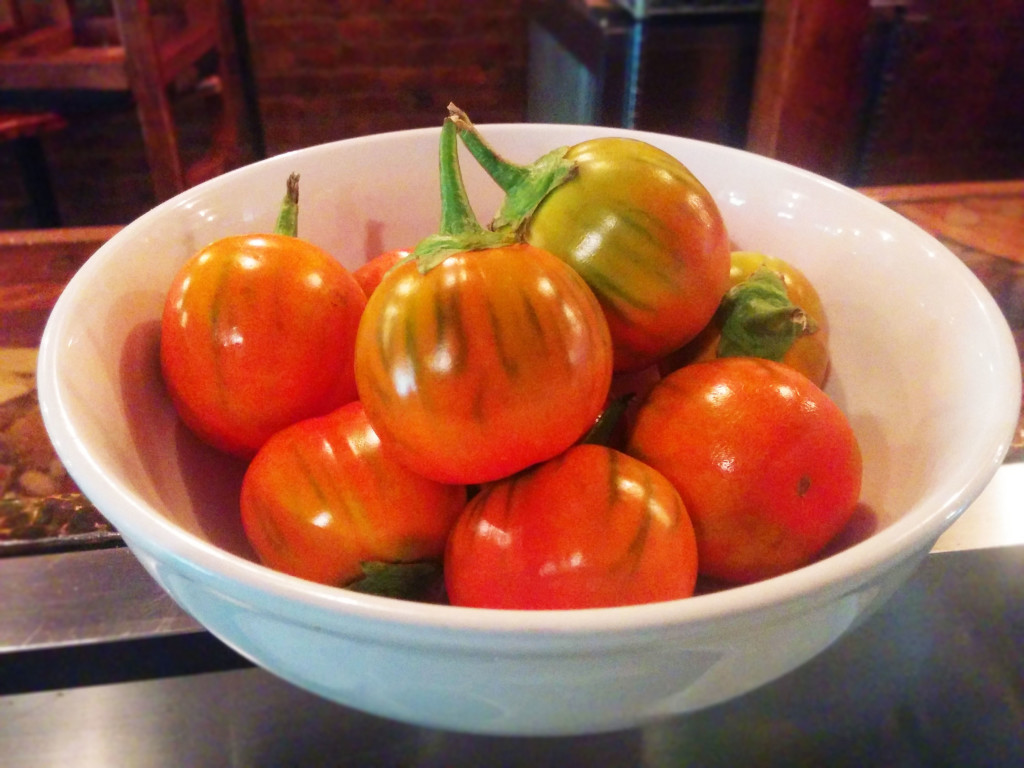
Turkish Eggplants
Turkish Eggplants

Undeterred by how quickly I’d flunked out of my first kitchen, I immediately set about finding a new one. Maybe a pizzeria? Pizza is my all-time favorite comfort food after all. I emailed a neighborhood Neapolitan pizzeria and got no reply. What about a sushi restaurant? I stopped by a sushi restaurant and asked to apprentice myself to the chef; he didn’t even want to talk to me. (Wait, was this a hint that I should come back 300 more times?) I kept walking and strode into a Latin American restaurant, one that I knew was helmed by a chef-owner known to use seasonal and local ingredients. It was busy but not slammed, the kitchen was comfortably large and relatively cool, and the staff was friendly and encouraging when I explained that I’d like to come in as an intern. As I left, the chef’s mother caught my elbow. “I overheard your conversation just now, and he definitely takes students in from time to time, so I think it will work out!” Things were looking much brighter.

Trailing at Gramercy Tavern

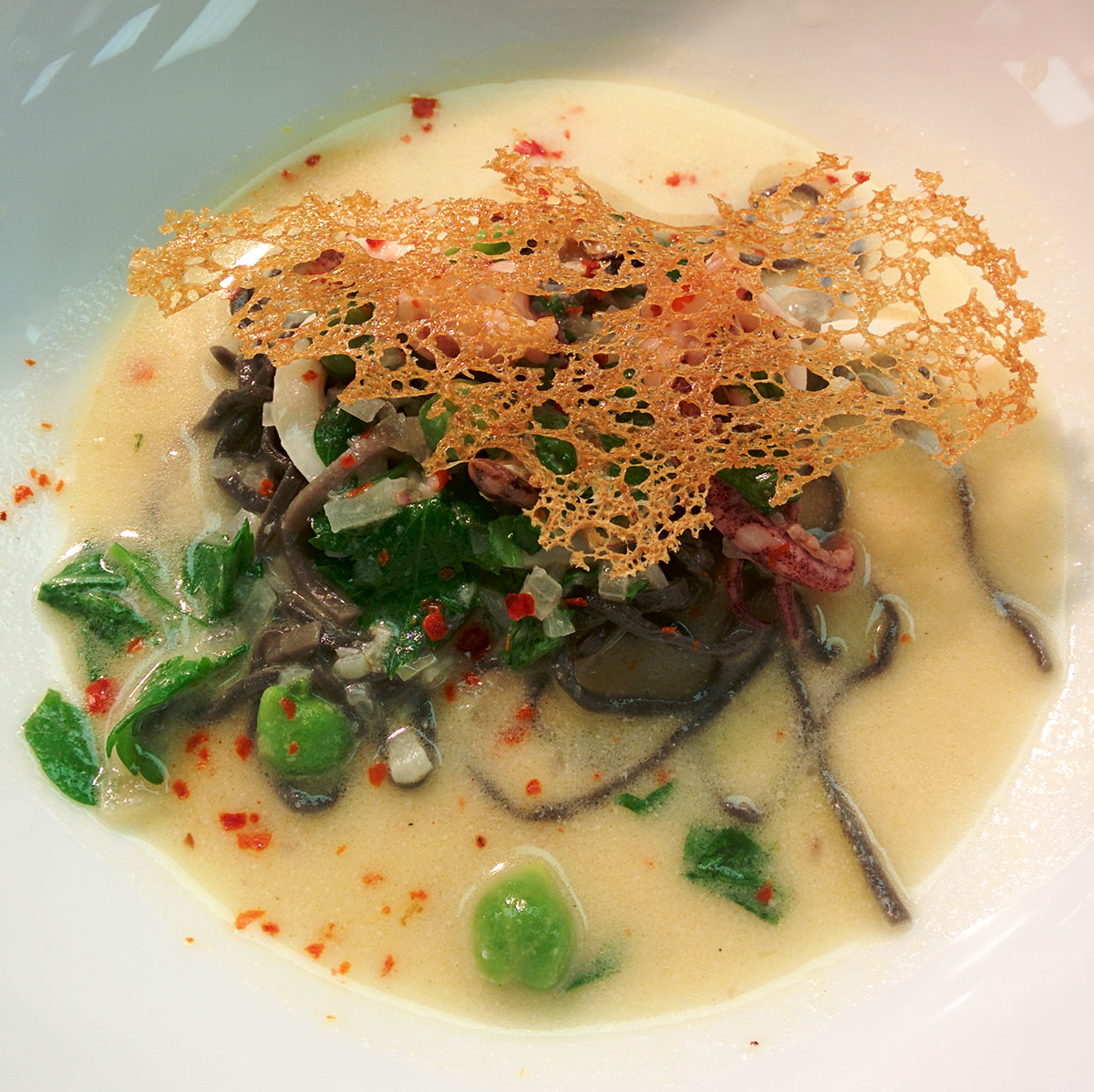
Gramercy Tavern Squid Ink Spaghetti
Squid ink spaghetti, grilled calamari, sesame, fresh green chickpeas (!), crisp, mussel broth, pepper flakes

“Fire four halibut.”
“Four halibut!”

A warm evening in May, and flowers were blooming inside the wood accented dining room of Gramercy Tavern. It was early for dinner, but students were already gathering with their families, a parade of graduation gowns mingling with power suits and little black dresses.

How to Stage/Intern/Trail at a Restaurant: The Wrong Way

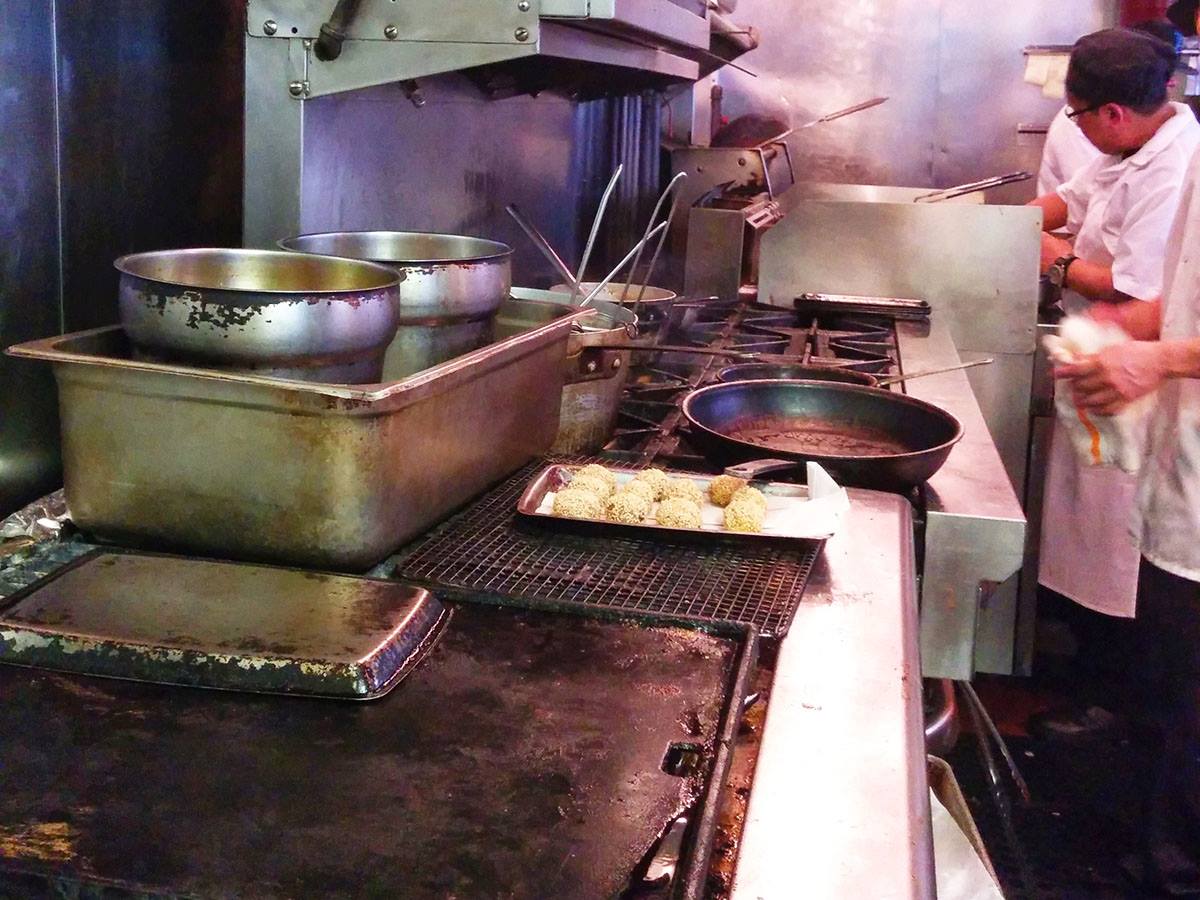
kitchen line

So you want to cook professionally and think you have the mettle to work your way up the line? Or you’re a culinary student who’s looking for an internship to get real world experience? Welcome, young stagiaire!

A stage (rhymes with corsage) is the French term for an unpaid internship or apprenticeship, where a trainee volunteers in a kitchen in order to learn new techniques. This can apply to inexperienced cooks, or to experienced professionals who want to learn new cuisines. Ferran Adria’s El Bulli was flooded with applications from aspiring stagiaires, for instance, all of whom were at the top of their fields in their home countries.

What I Learned in Culinary School (and Why I’m Quitting)

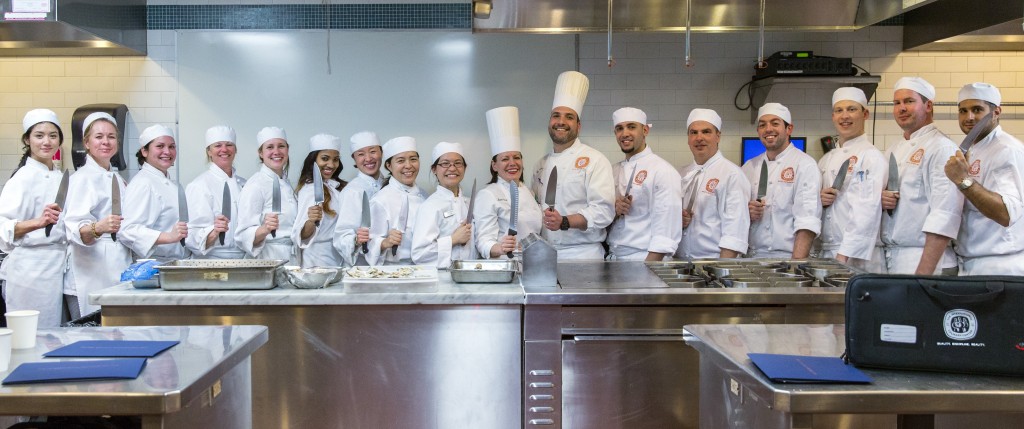
Class Photo

After 22 classes and 110 hours in the kitchens, I am sad but proud to have finished the Culinary Techniques course at the International Culinary Center.

We began on day one by struggling to chop some onions and carrots, and trying to memorize the French names of all the new equipment. Some of us cut ourselves simply pulling knives out of our bags. Somehow that lesson took five hours to cover. We were green as the tray of herbs that was passed around for an identification lesson.

So You Think You Can Cook: Signing Up for Culinary School

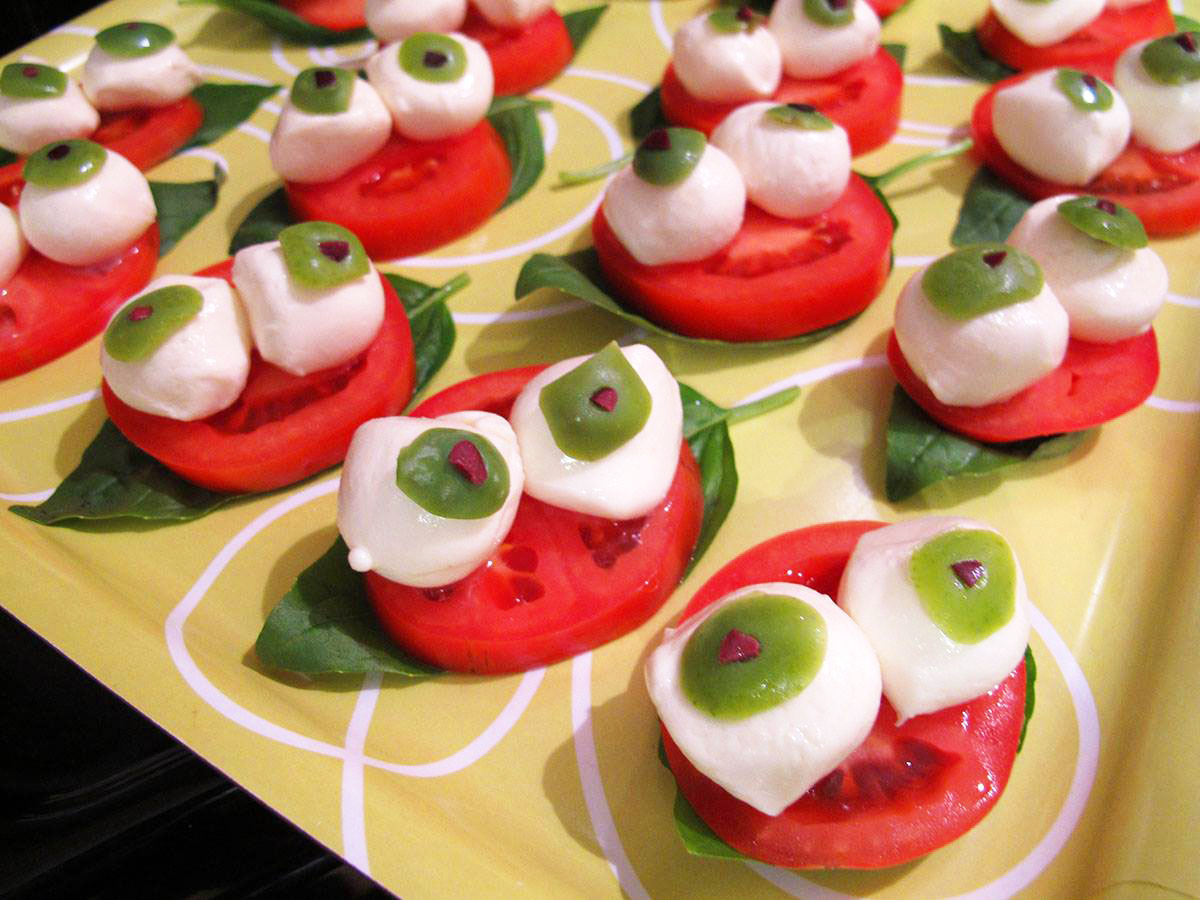
A Spooky Eyeball Caprese

For a year while attending the University of Gastronomic Sciences, I was constantly asked, “How’s culinary school? Are you going to be a chef?” I would patiently explain that no, that’s not really what gastronomy is about.

Don’t get me wrong, I spent A LOT of time cooking during that year, with some of the freshest, most affordable produce I’ve ever seen in my life. Our class potlucks were lavish, internationally diverse and subtly competitive; everyone worked hard to bring their A-game to the table. Since coming to New York (land of take-out and tiny kitchens), I have yet to be surrounded by cooks in the same intensity and density.

How to Build a Restaurant Empire

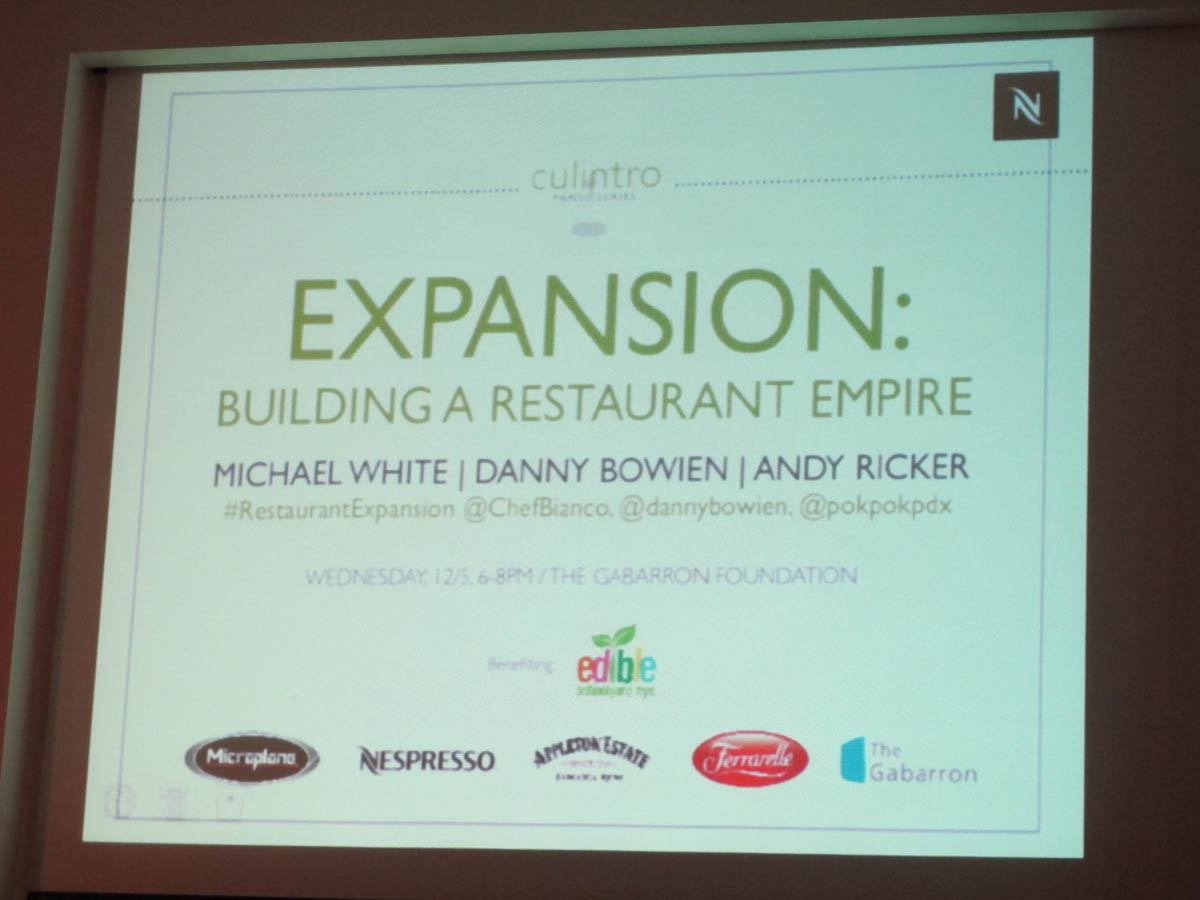
So you’ve created a wildly successful restaurant, and you’re just beginning to have some semblance of stability and free time again. Is it time to expand and build another location? At last night’s Culintro panel on restaurant expansion, three prominent chefs tackled that question and more. Danny Bowien (Mission Chinese), Andy Ricker (Pok Pok) and Michael White (Marea, Ai Fiori, Osteria Morini, Nicoletta) collectively shared their insights and mused on why anyone would decide to “go do the hardest thing in the world—open a restaurant in New York.”

On Fast Food, Money and Child Labor: I Grew Up as a Restaurant Brat

The roach skittered towards a cardboard box, and Cheryl raised her hand to smash it before the customers could see. The kitchen was in the weeds—we were short-staffed because the fry cook had been jailed last night for a DUI. Dad would stop by later to bail him out and give him another futile lecture. Meanwhile, the insistent beep of the drive-through sensor rang out. I scurried back to my post atop an overturned milk crate and pressed the speaker button. “Welcome to Lucky Phoenix, can I help you?” Just another June afternoon working at the family restaurant.

French Cuisine Triptych: Terrible, Traditional and Avant-Garde

The other day, my aunt asked me, “So you keep raving about how delicious everything is, but are there any bad meals?” Yes, of course there are. Though I generally travel with boatloads of research and a good sense of intuition, I do get stuck with bland, uninspired meals like everyone else. While in France, the quality of the food was (unsurprisingly) very good, but no country is fail-proof. Here is a glimpse into how our class of well-traveled and knowledgeable students critiques meals: