Nature

Nature as Measure: What’s the future of farming?
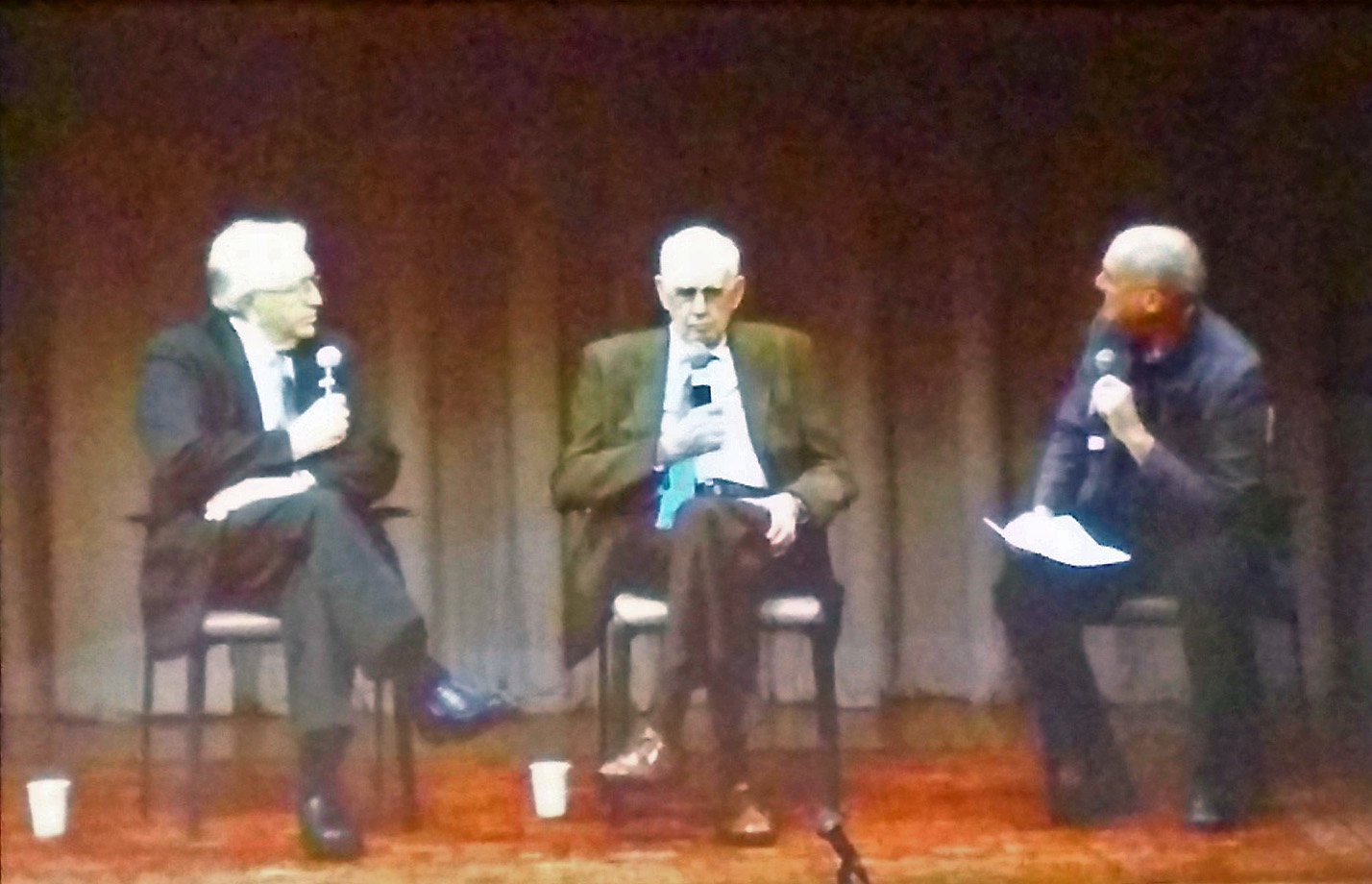
Wes Jackson, Wendell Berry, Mark Bittman at Cooper Union
Wes Jackson, Wendell Berry and Mark Bittman at Cooper Union

Tonight, some of the biggest names in the sustainable food movement gathered in the Great Hall at Cooper Union. The occasion? “Nature as Measure,” a talk on agriculture and the future of farming presented by the Land Institute and the Berry Center.

If I had to choose a single cookbook for today’s aspiring home chefs, it would be Mark Bittman‘s How to Cook Everything. He first became nationally known through his NYT column “The Minimalist,” which cut through the confusion to teach healthy, painless home cooking. I used to describe Bittman as my generation’s Julia Child, but he has since moved on to bigger and bolder topics: influencing national food policy. I don’t always agree with his pronouncements, but aside from perhaps Michael Pollan, no other American food writer is as well-loved and widely-read as Mark Bittman.
Lessons from a Small Farmer


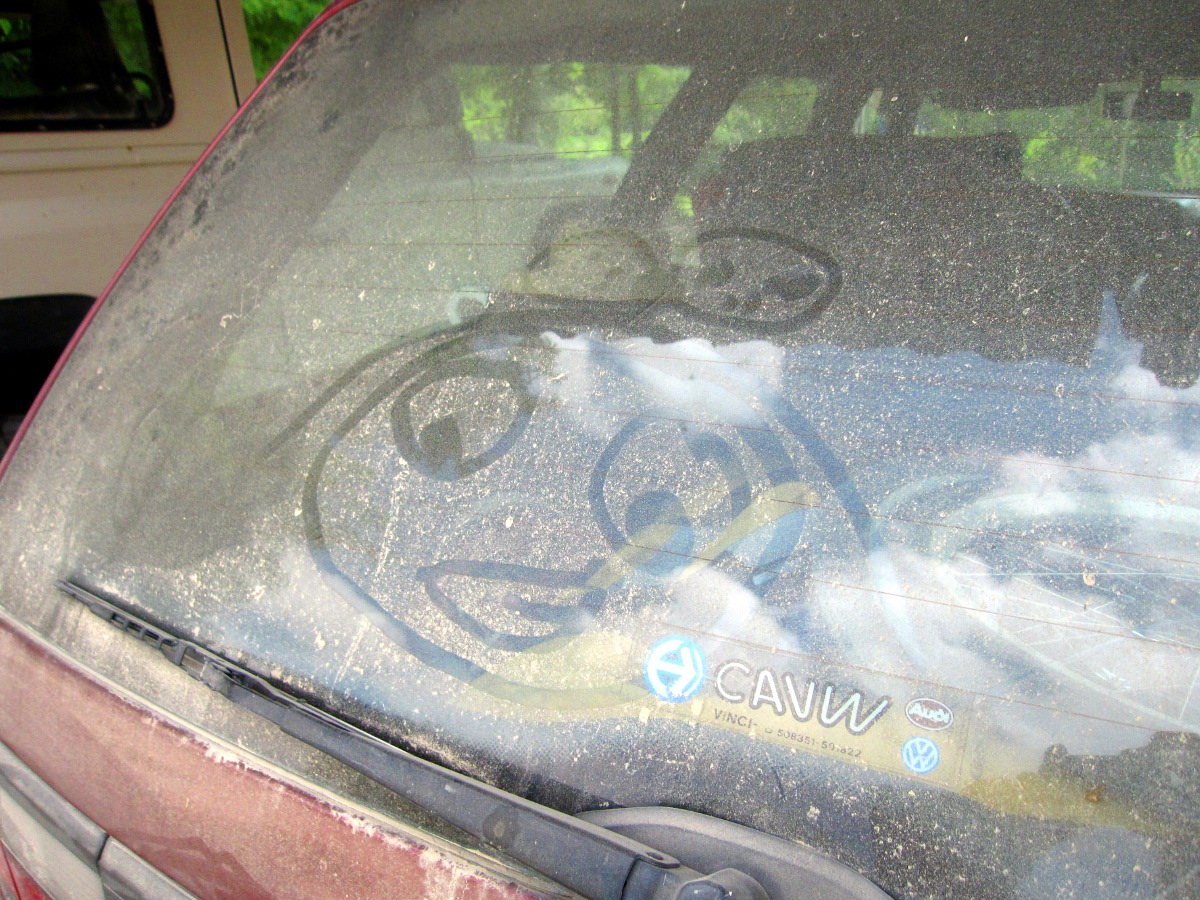
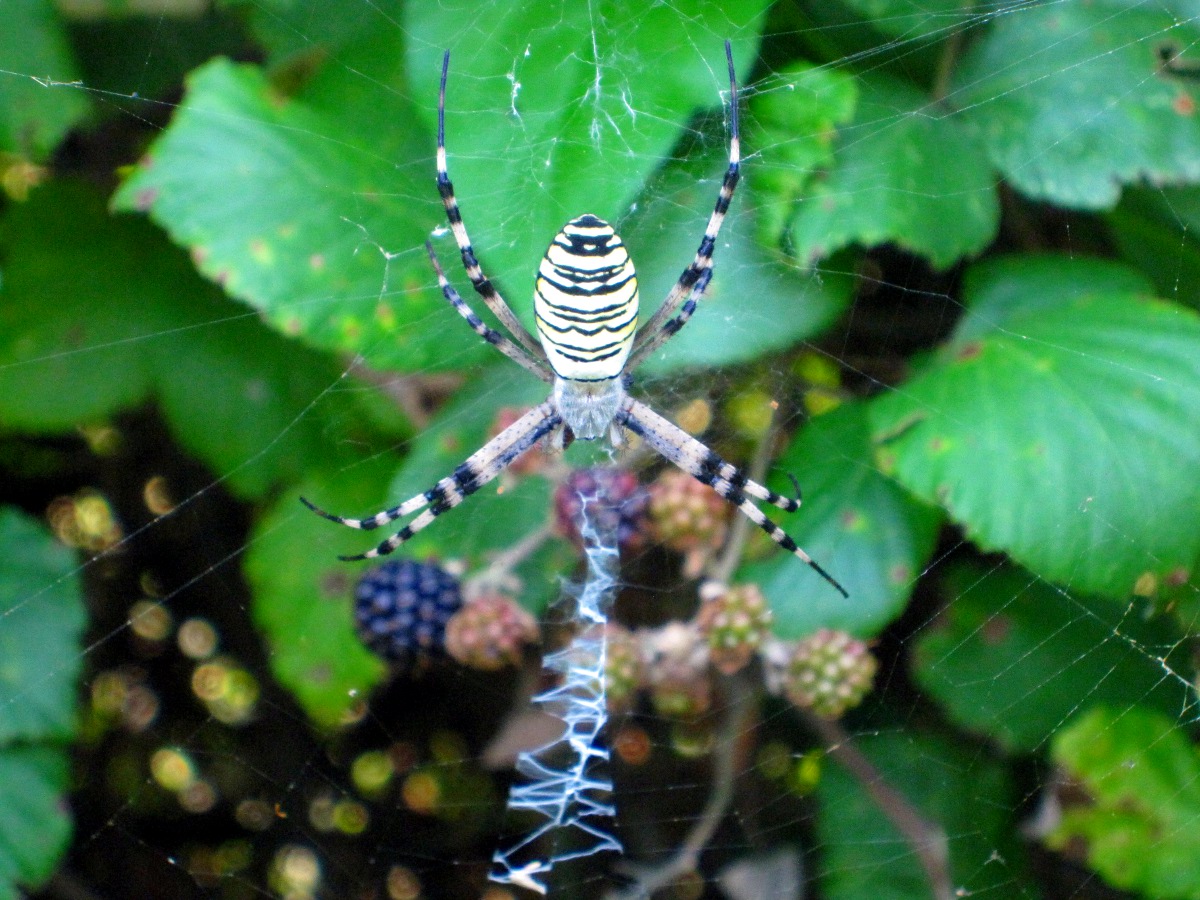
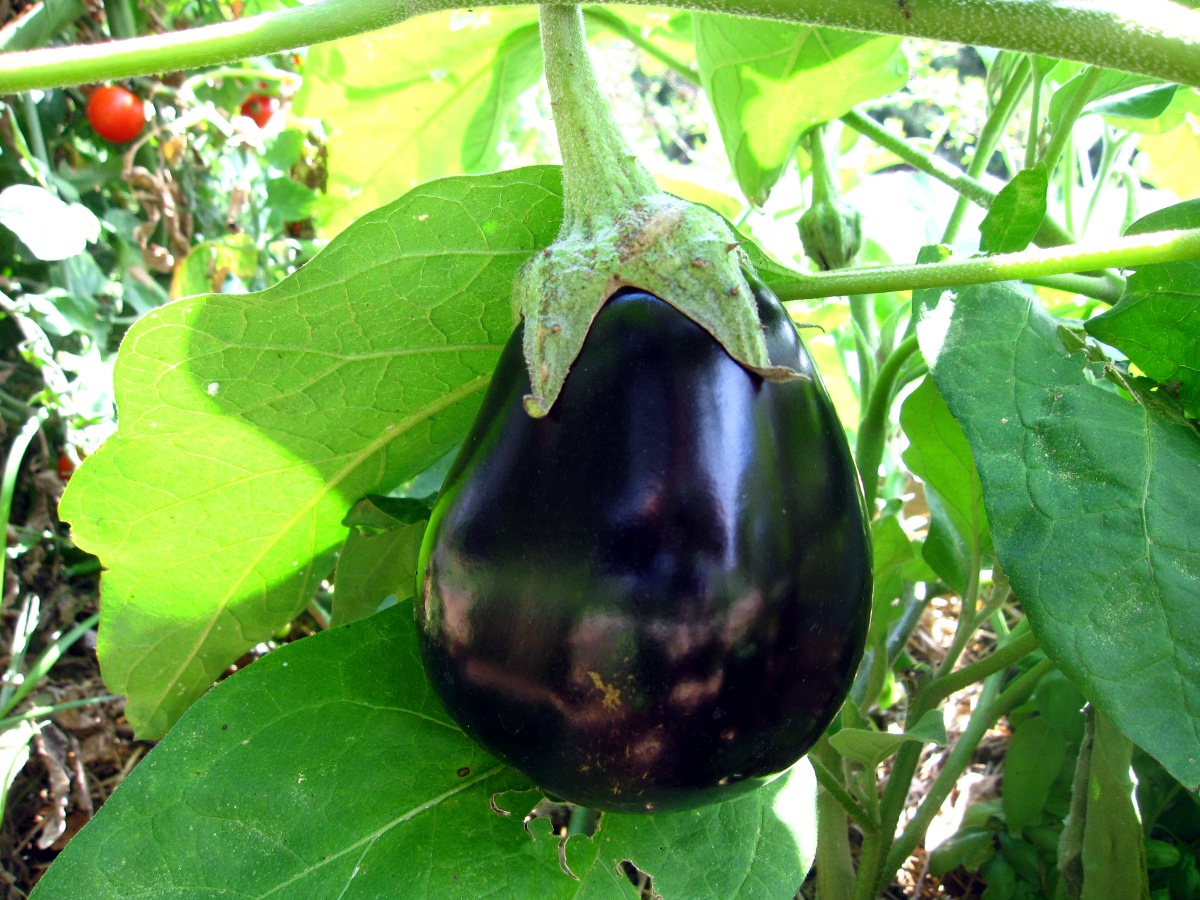
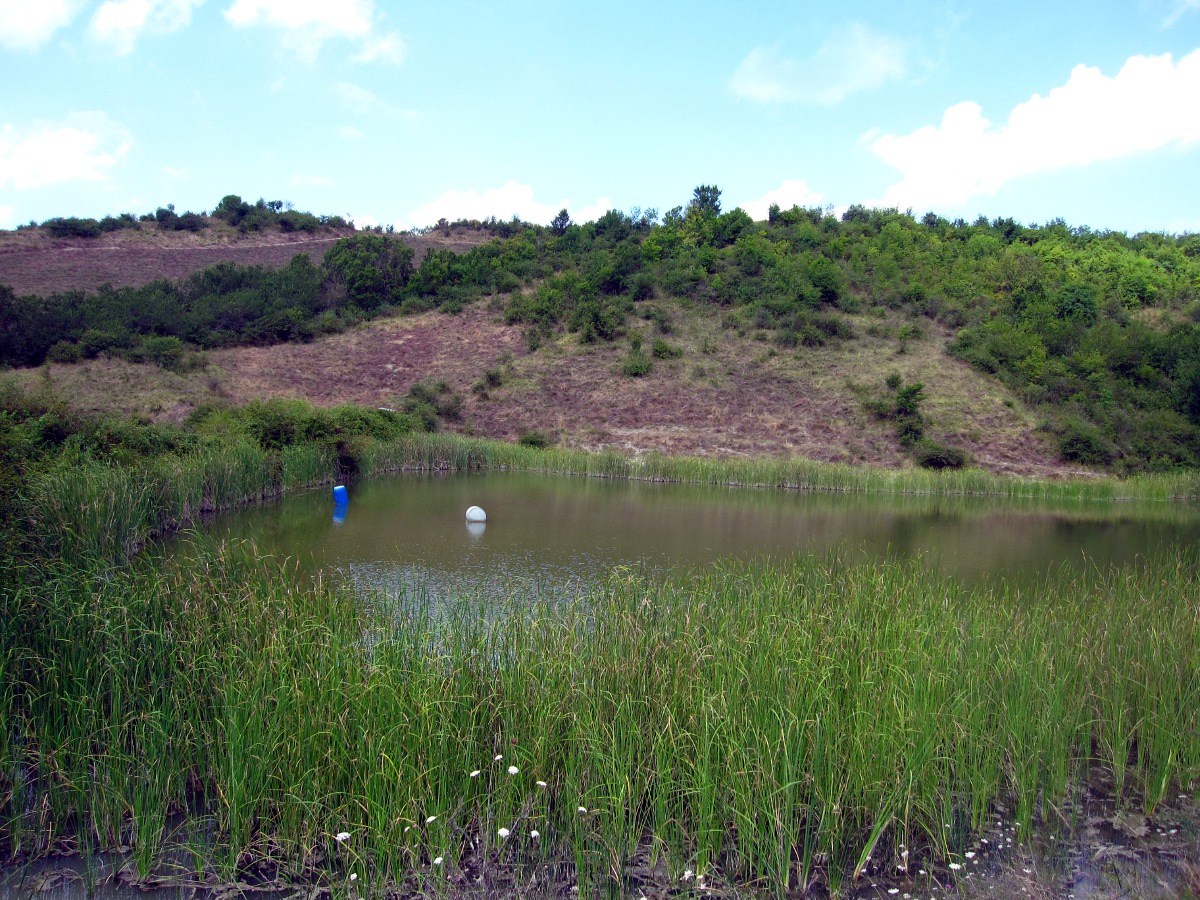
Clockwise: aubergine growing in the garden; Barbialla Nuova’s lake; a spider makes its home amidst the blackberry brambles; drawing on the car’s dusty rear window for kids by kids

Over the last couple weeks while WWOOFing, I weeded a pumpkin patch, staked tomatoes, cleaned and revitalized a garden bed, created and turned compost piles, sanded and painted wood beams, and helped measure and construct a pergola. All these were activities I’d never done before. They were only the tip of the iceberg in what I learned while in Tuscany.

Interlaken: Jungfrau’s Cosmopolitan Hotspot

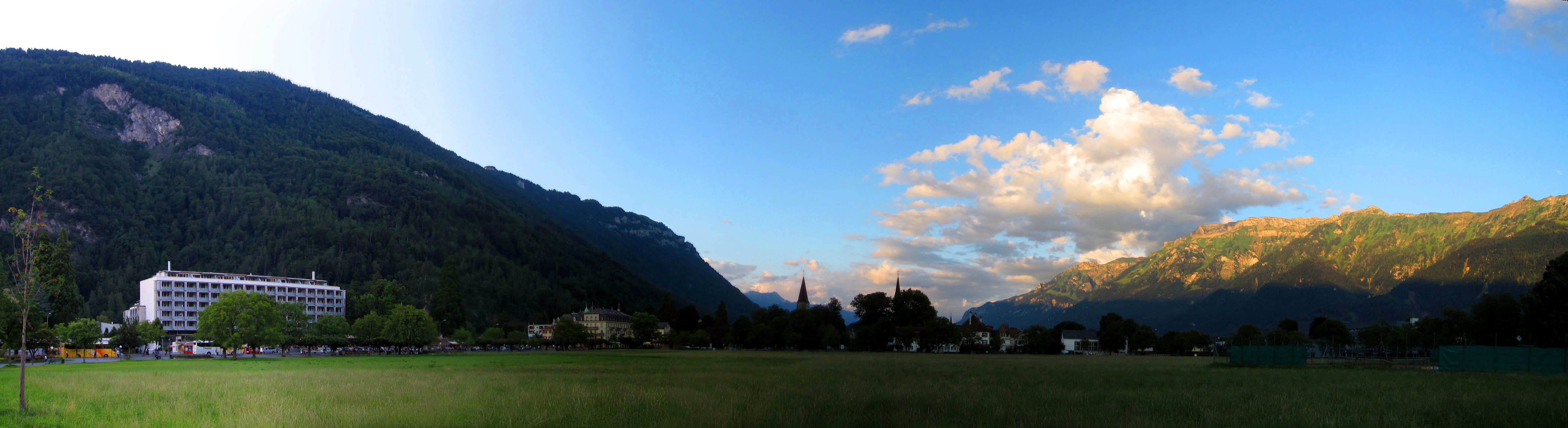
Interlaken is an unusual confluence of college-age backpackers, international tourists, avid nature lovers and extreme sports enthusiasts. Strolling around the town’s grassy quadrangle, it is not unusual to see American frat boys, veiled Muslim women and Korean photographers, all gathered to take in the beauty of the Jungfrau peak of the Berner-Oberlander region, while sipping a beer at Hooters. Due to the town’s central location and diverse amenities, Interlaken is well-known globally as a tourist hotspot. English-speaking travelers should have no trouble navigating the town, given that there is signage and menus written in languages from French to Korean. On the downside, the town does have quite a few tourist trap restaurants and probably more souvenir shops per capita than any other town I have seen. The best meal I had in Interlaken was at the Cafe de Paris, just a block north of the main drag, with reasonably priced entrees (~20 CHF) and excellent food. The beer of choice here is Rugenbräu, which unfortunately reminds me a lot of Bud Light. For better alternatives, I recommend Buddy’s Pub, which also has Feldschlösschen Hopfenperle and Dunkle Perle on tap.

Hiking and Ruminating the Italian Alps


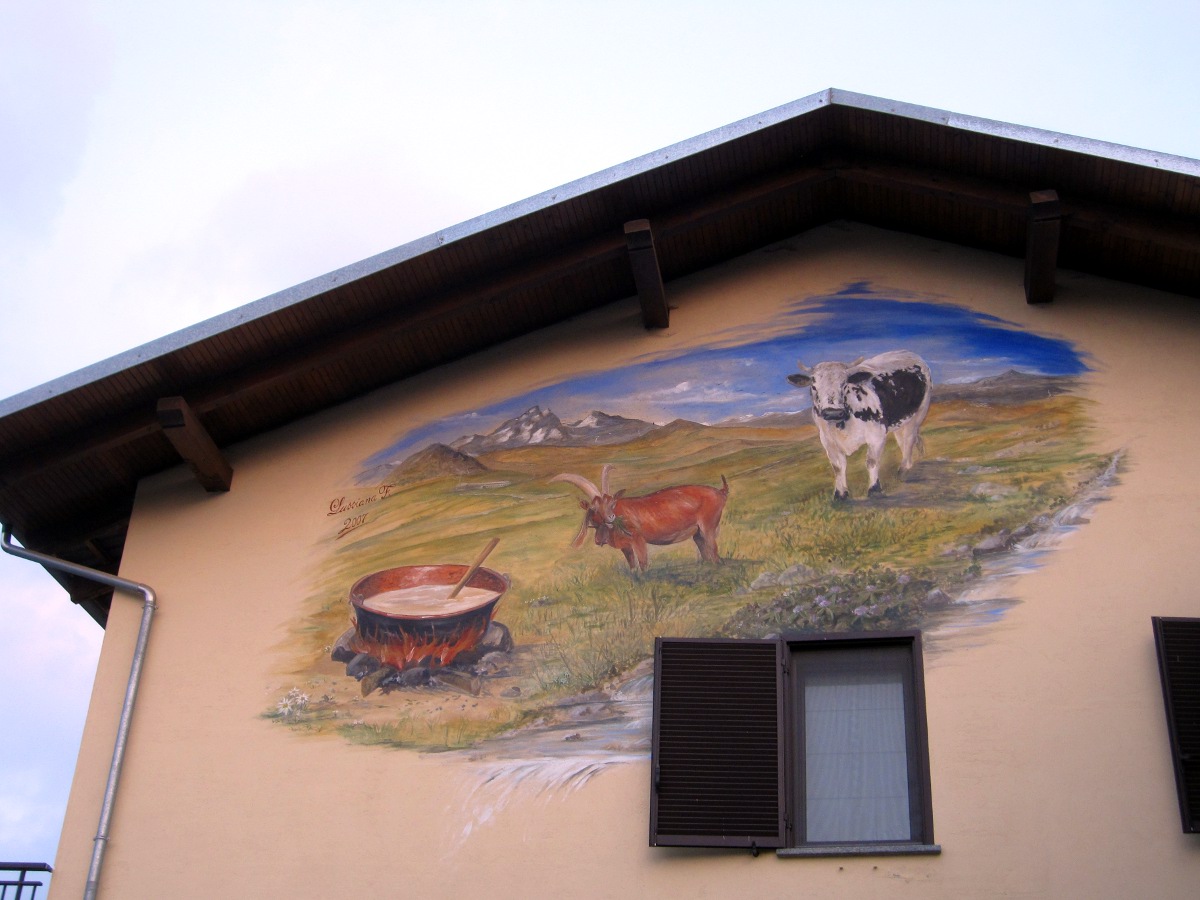
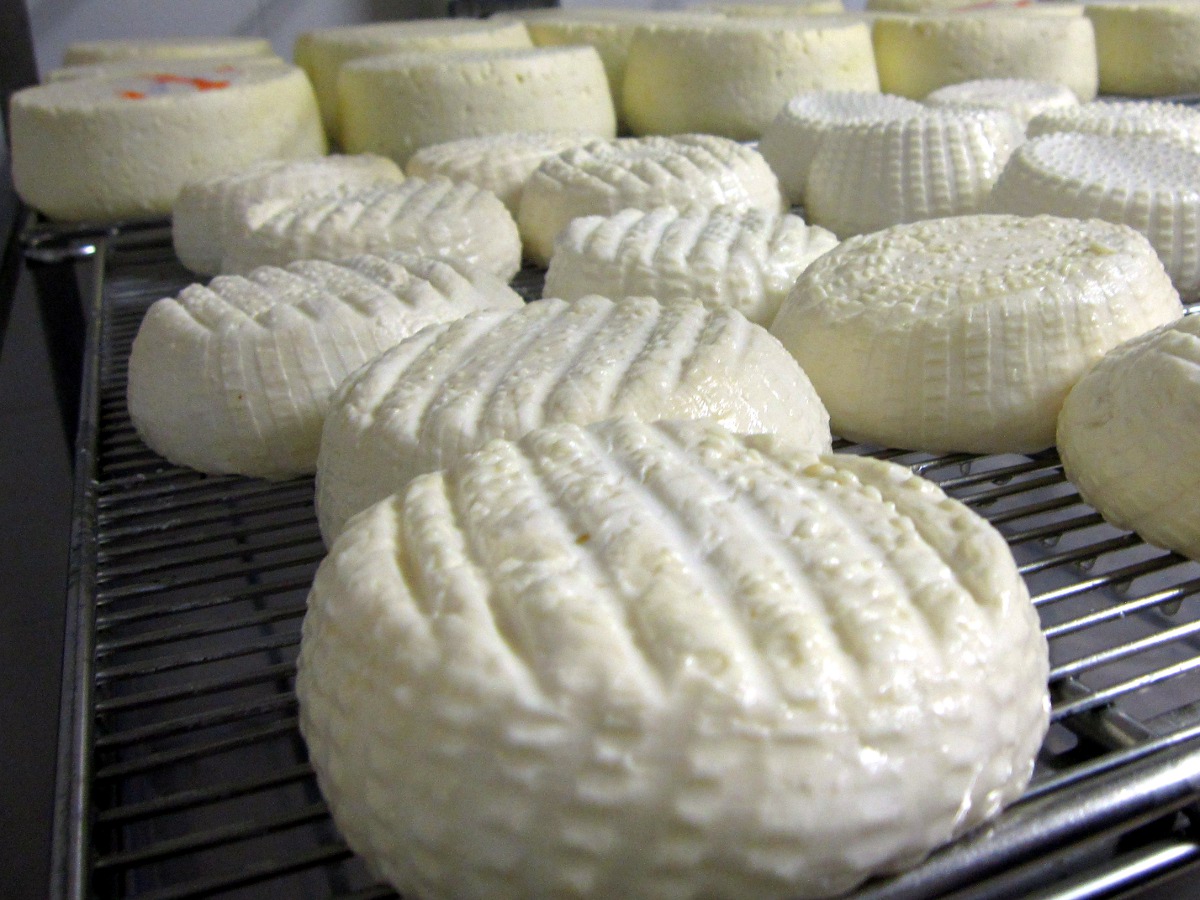
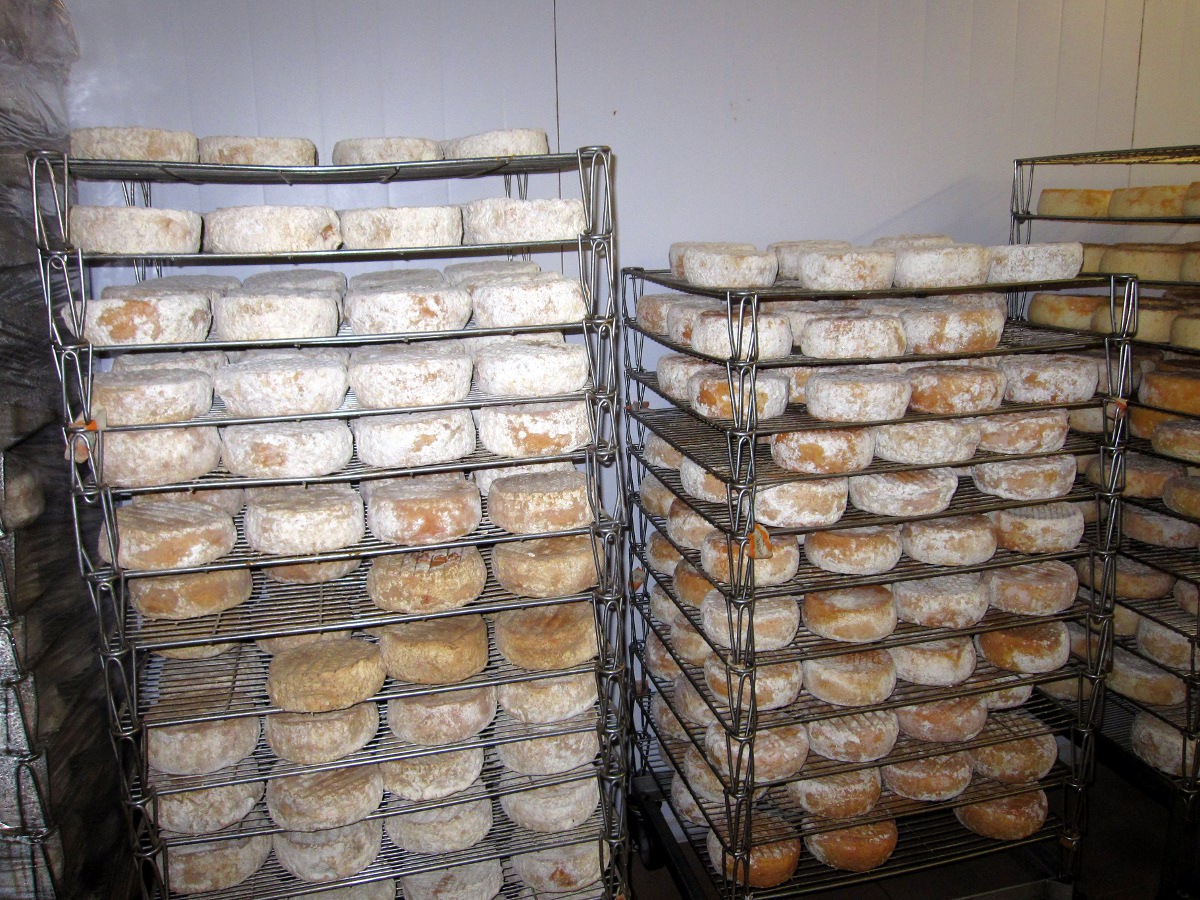
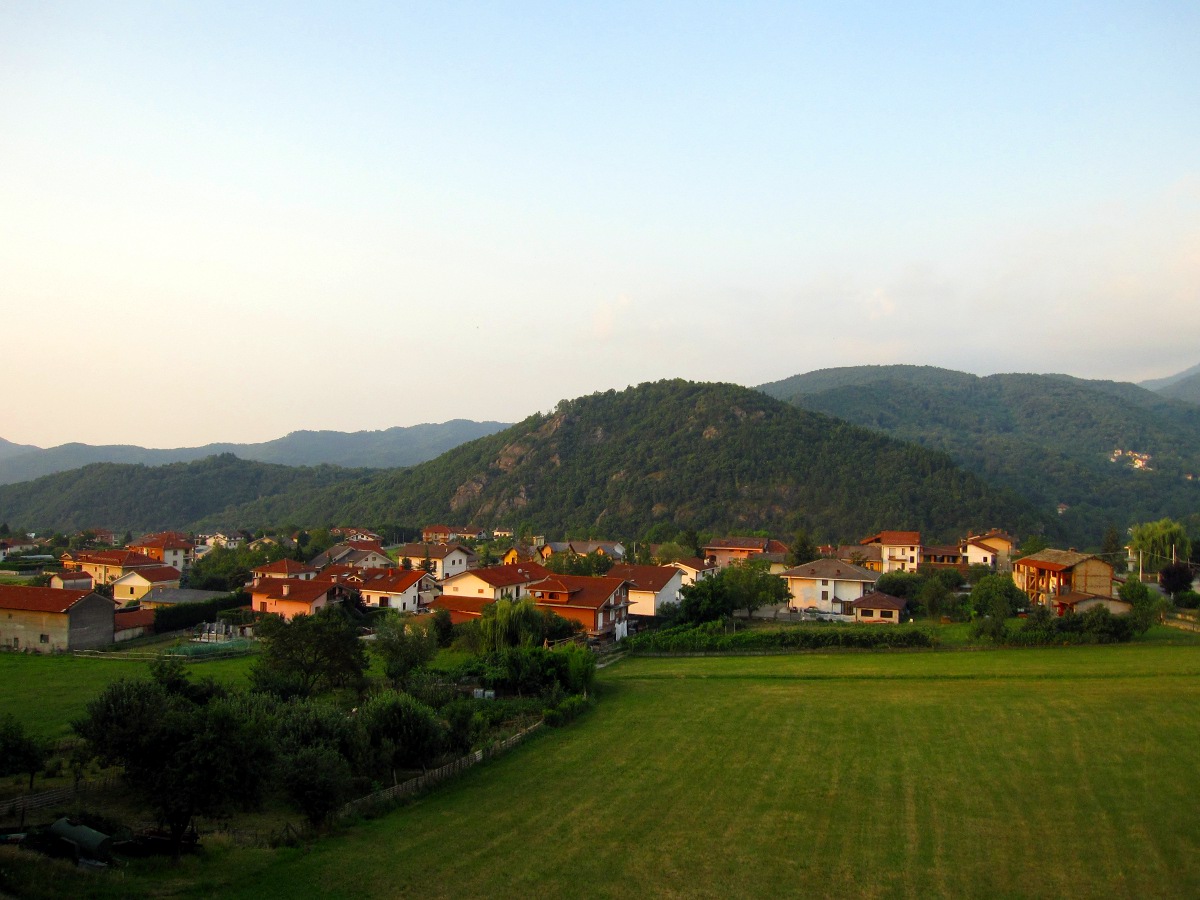
Clockwise: Mural of a mountain goat and cow outside Fratelli Lussiana creamery, fresh wheels of cevrin in warm room, foothills of Piedmont, aging wheels of cevrin in cold room

A couple weeks ago while on the Piedmont stage, our class visited Fratelli Lussiana creamery, a cheese producer in Giaveno, about 35 km west of Turin. The primary cheese they produce is cevrin di Coazze, made with half goat and half cow’s milk and aged for 3 months. At the time, I was tired, hot and not in the mood to see yet another farm, but we all fell headlong in love with this cheese producer. After showing us an overview of the cheesemaking process and aging rooms, the lovely Lussiana siblings piled us into a hay-filled tractor and trundled us up a narrow, rocky mountain path, while we tried to keep our balance, yodeled and ducked under overhanging tree branches. Once we reached the mountaintop farm, we were greeted by a herd of seriously dexterous goats, placidly ruminating cows, and the friendliest donkey in the world (who kept sneaking into photos and nuzzling for attention). The farm caretakers welcomed us with fresh wheels of cevrin, salame, bread and red wine, and we ate cheese next to the animals who produced the milk for it, as the sun went down over the Italian Alps. It was one of the best days of my life.

Back Roads of the Italian Countryside, or My Daily Commute

Note: This post is mostly geared towards UNISG students, so it will be fairly useless to you unless you need to get from Bra to Pollenzo.

Living in Italy, you start to realize that there are always two ways of doing everything, the official system and the back door in-the-know route. Take the process of acquiring a permesso di soggiorno residency permit, required for all non-EU citizens staying in Italy for over 90 days. In Bra, you can either go to the Post Office, pick up an application kit and struggle to figure out what to put down so as to not have your application rejected, or you can go to the Al Elka-L’incontro center for foreign citizens, which provides consulting services and staff who fill out the application for you. Granted, the center is only open for 7 hours a week, on Tuesday afternoons and Friday mornings, but that is different gripe. Ah, Europe.