Learning

What I Learned in Culinary School (and Why I’m Quitting)
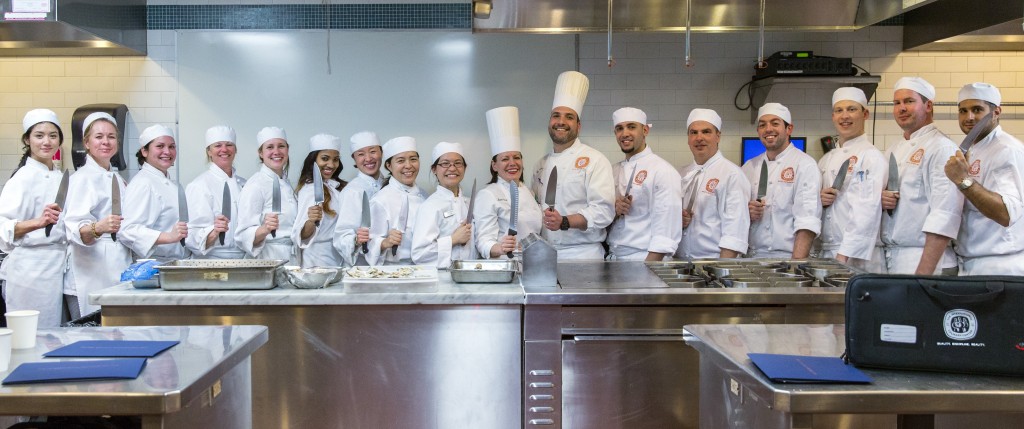
Class Photo

After 22 classes and 110 hours in the kitchens, I am sad but proud to have finished the Culinary Techniques course at the International Culinary Center.

We began on day one by struggling to chop some onions and carrots, and trying to memorize the French names of all the new equipment. Some of us cut ourselves simply pulling knives out of our bags. Somehow that lesson took five hours to cover. We were green as the tray of herbs that was passed around for an identification lesson.
An Employment Epistle

Dear R.,

It has only been six weeks since that napkin-crumpling, tear-stained breakfast with you at the Z-7 Diner, but it feels like years have passed. My job was on tenterhooks; I needed to find a new one or soon join the swelling ranks of the unemployed. Murmurs of a double dip recession were getting louder. I had so many questions and too little time. What do you do with a gastronomy degree anyway? Why is it that the sustainable, “socially responsible” organizations are the ones offering only unpaid internships? How do I land a new apartment lease in the highly competitive NYC real estate market if I can’t demonstrate an income? I am a fighter, yes, but this city is one who fights back. And I was determined to go down in a Viking pyre of glory.

Why I’m Never Going to Make It as a Writer

Corby Kummer, august senior editor for the Atlantic and one of my all-time idols, thinks my writing is shit.

Fine, he didn’t say it exactly like that.

Kummer was teaching a weeklong writing workshop, and everyone had submitted second drafts of essays on food. One by one, he whisked us into the hallway for individual conferences, then periodically returned to give comments to the entire group. All day, I had a nagging feeling that something was wrong. Why wasn’t my piece being read out loud to the class? Why was it at the bottom of the pile?

Italian for People Who Can’t Legge Bene

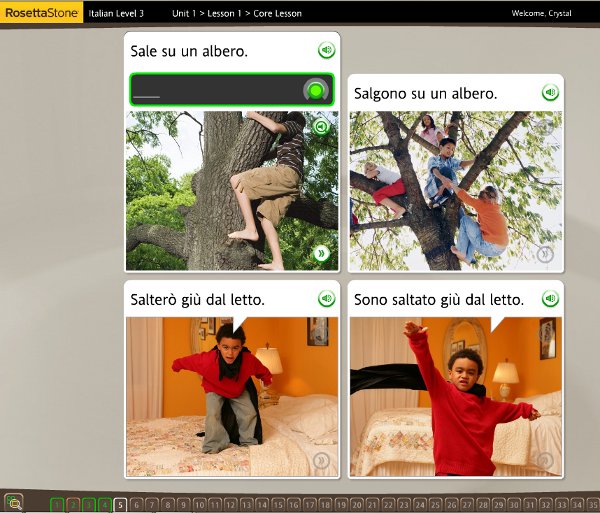
In the months between my acceptance and moving to Italy, I spent a good chunk of time learning Italian through as many venues as possible. I went through three levels of Rosetta Stone. I read Italian blogs and newspapers. I discovered some great Italian films (and some pretty terrible melodramatic, sad-violin ones). Then, I stepped onto my first train in Italy, promptly missed the transfer and ended up in Cuneo. It was about 8 pm on a Mon night, and the trains stop running shortly thereafter. Panicked, I tried to ask the guy across the aisle for help, but all the Italian I’d learned had flown out the window. Luckily, he knew enough English to tell me I had 5 minutes left to catch the last train of the night. Clearly, my Italian still had a ways to go.

Italian-Style Cultural Immersion

For good measure, I tried to find other sources of Italian media and incorporated them into my daily life. The following is a list of resources for anyone who wants to learn more about Italian culture:

  1. Blogs: The Transparent Language Italian blog is an invaluable resource in learning the intricacies of Italian grammar, and includes insider details on holidays and volcanic dust in Italy. I particularly love this post on commonly used gestures in Italy. Since I am gearing up to study food, I also follow some Italian food blogs written partially in English, including Dulcis in Furno and Briciole.
  2. Newspaper: La Repubblica, based in Rome and the second most circulated newspaper in Italy. Scan the news and see if you can figure out what’s happening in the US. If all else fails, resort to Google Translate.
  3. Movies: I sat through a number of pretty terrible Italian movies until I wised up and began asking for recommendations instead of choosing randomly. Oscar-winners Life is Beautiful and Nuovo Cinema Paradiso are obvious choices. For a change of pace from sad-violin dramas, La Sconosciuta (The Unknown Woman) is a fast-paced (by Italian standards) psychological thriller. And in the canon of classic Italian film, you cannot ignore the contributions of Vittorio De Sica and Frederico Fellini. I watched De Sica’s Ladri di Biciclette (Bicycle Thieves) and Il Giardino dei Finzi-Contini (The Garden of the Finzi-Continis), which are both set in periods around World War 2. Fellini’s work is interesting because it moves over time from neorealism to somewhat uh quirkier art films over time. While I enjoyed La Dolce Vita and 8 1/2, I found his later work to be a a bit more…eccentric. Amacord follows the life and ongoings of a small town in Fascist Italy (I found the lack of centralized plot off-putting), and E la Nave Va (And the Ship Sails On) portrays a luxury cruise ship carrying a love-sick rhinoceros and the friends of a deceased opera singer, as they travel to bury her at sea. Yeah. Watch at your own risk.
  4. Books: For a glimpse into contemporary Italian living, I recommend Tim Parks’ Italian Neighbors. It does for small town Italian living what Adam Gopnik’s Paris to the Moon did for the City of Light. The novel follows a British expat who moves to Italy and gradually acquaints himself to the intricacies of wine-making, combative neighbors, and the proper techniques for bribing bureaucrats. I laughed out loud on many occasions.
  5. Music: There is a lot of Europop out there, and they also listen to a lot of American tunes, but I was much more interested in quality music, preferably spoken at a comprehensible rate (not so much rap). Jovanotti is an Italian singer-songwriter who blends the Italian Cantautore tradition with funk, rap and other world influences. I was floored by the beauty of “Fango” (Mud). The chorus includes the line “Io lo so che non sono solo/ anche quando sono solo,” or “I know that I am not alone / even when I am alone.”

2 thoughts on “Italian-Style Cultural Immersion

  1. Italian-Style Cultural Immersion

    For good measure, I tried to find other sources of Italian media and incorporated them into my daily life. The following is a list of resources for anyone who wants to learn more about Italian culture:

    1. Blogs: The Transparent Language Italian blog is an invaluable resource in learning the intricacies of Italian grammar, and includes insider details on holidays and volcanic dust in Italy. I particularly love this post on commonly used gestures in Italy. Since I am gearing up to study food, I also follow some Italian food blogs written partially in English, including Dulcis in Furno and Briciole.
    2. Newspaper: La Repubblica, based in Rome and the second most circulated newspaper in Italy. Scan the news and see if you can figure out what’s happening in the US. If all else fails, resort to Google Translate.
    3. Movies: I sat through a number of pretty terrible Italian movies until I wised up and began asking for recommendations instead of choosing randomly. Oscar-winners Life is Beautiful and Nuovo Cinema Paradiso are obvious choices. For a change of pace from sad-violin dramas, La Sconosciuta (The Unknown Woman) is a fast-paced (by Italian standards) psychological thriller. And in the canon of classic Italian film, you cannot ignore the contributions of Vittorio De Sica and Frederico Fellini. I watched De Sica’s Ladri di Biciclette (Bicycle Thieves) and Il Giardino dei Finzi-Contini (The Garden of the Finzi-Continis), which are both set in periods around World War 2. Fellini’s work is interesting because it moves over time from neorealism to somewhat uh quirkier art films over time. While I enjoyed La Dolce Vita and 8 1/2, I found his later work to be a a bit more…eccentric. Amacord follows the life and ongoings of a small town in Fascist Italy (I found the lack of centralized plot off-putting), and E la Nave Va (And the Ship Sails On) portrays a luxury cruise ship carrying a love-sick rhinoceros and the friends of a deceased opera singer, as they travel to bury her at sea. Yeah. Watch at your own risk.
    4. Books: For a glimpse into contemporary Italian living, I recommend Tim Parks’ Italian Neighbors. It does for small town Italian living what Adam Gopnik’s Paris to the Moon did for the City of Light. The novel follows a British expat who moves to Italy and gradually acquaints himself to the intricacies of wine-making, combative neighbors, and the proper techniques for bribing bureaucrats. I laughed out loud on many occasions.
    5. Music: There is a lot of Europop out there, and they also listen to a lot of American tunes, but I was much more interested in quality music, preferably spoken at a comprehensible rate (not so much rap). Jovanotti is an Italian singer-songwriter who blends the Italian Cantautore tradition with funk, rap and other world influences. I was floored by the beauty of “Fango” (Mud). The chorus includes the line “Io lo so che non sono solo/ anche quando sono solo,” or “I know that I am not alone / even when I am alone.”

    0 thoughts on “Italian-Style Cultural Immersion

    1. Learning Italian Without Memorization

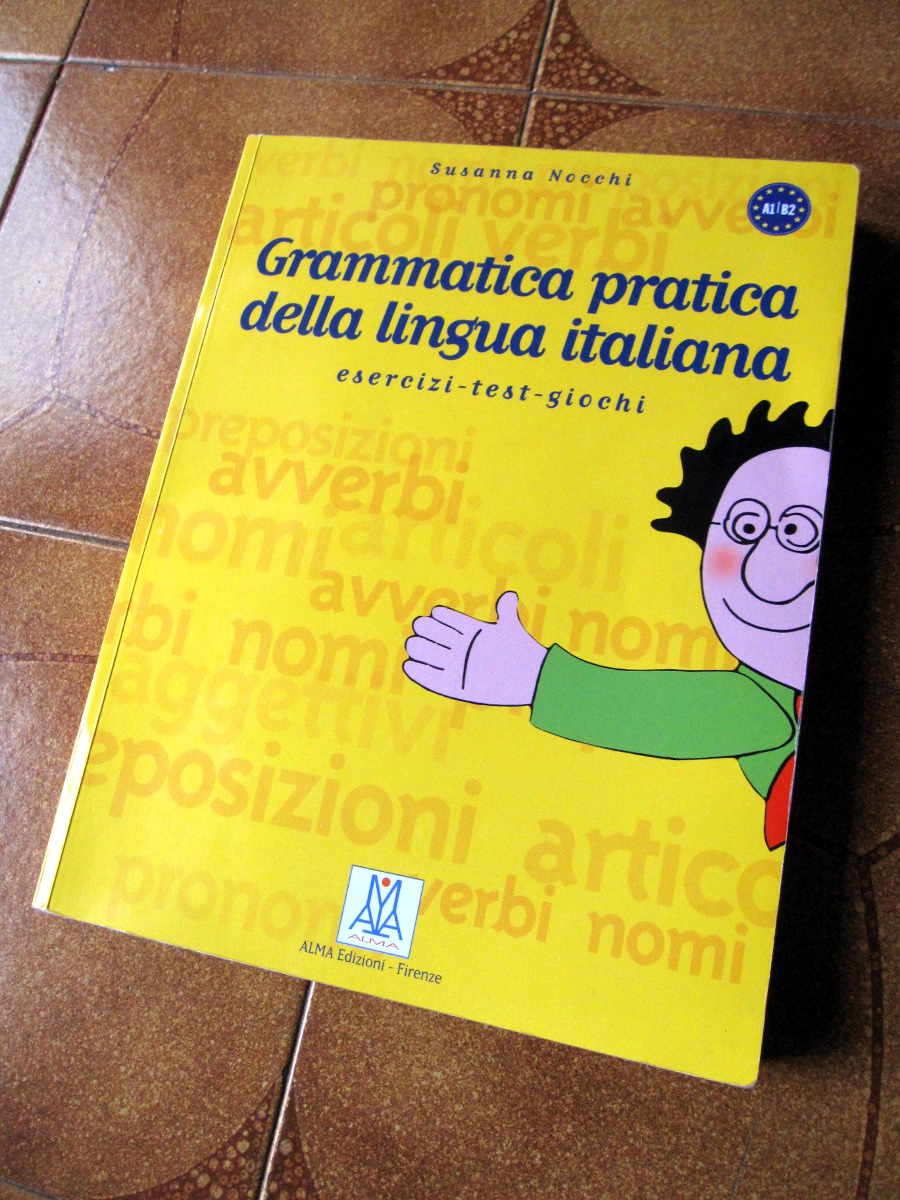
      Though I have extensive experience at charades and my classes will all be in English, I thought it might be expedient to learn some Italian before moving across the pond. I mean, my other alternative would be to follow Peter’s example in this clip from Family Guy. Side note: I had an elderly family friend who was convinced that if she spoke Cantonese in a high-pitched voice, she was speaking English. This tended to inspire much confusion and head-scratching.

      Learning Italian Without Memorization

      Though I have extensive experience at charades and my classes will all be in English, I thought it might be expedient to learn some Italian before moving across the pond. I mean, my other alternative would be to follow Peter’s example in this clip from Family Guy. Side note: I had an elderly family friend who was convinced that if she spoke Cantonese in a high-pitched voice, she was speaking English. This tended to inspire much confusion and head-scratching.