Hispanic Culture

Tales from a Mexican Line Cook
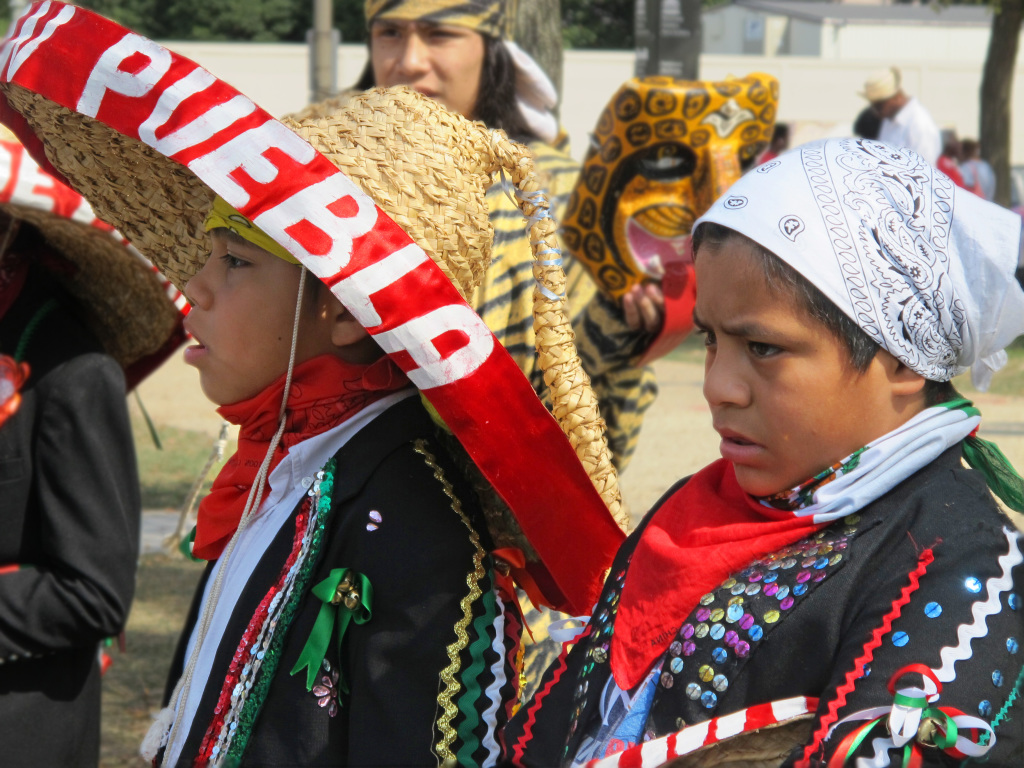
Puebla parade

Like many restaurants, my kitchen was staffed largely by cooks/runners/dishwashers of Latin American origin, particularly Mexicans from the state of Puebla. This made sense, given that we were cooking Latin-influenced food, but you’ll find Mexican cooks everywhere in New York, from diners to Chinese restaurants to fine dining.

There are many great cultural exchanges to be had from hanging out with Latino cooks, from hearing the latest reggaeton to learning the true meaning of Cinco de Mayo. (Turns out it’s not just about cheap margaritas.) But as you while away hours peeling yucca in the slow afternoon, sometimes the conversation takes a turn for the serious. You ponder aloud: what you’re doing with your life, what your dreams are, who you love, where it all went wrong. You share your hopes for your family, your fears that you’re not good enough, your ambitions to go to college. You tell your life story, how you came to the US and found your footing here. You do all this while crammed into a closet-sized space, with tweezers in one hand and a fish fillet in the other. This is the trench.
How to Stage/Intern/Trail at a Restaurant: The Right Way

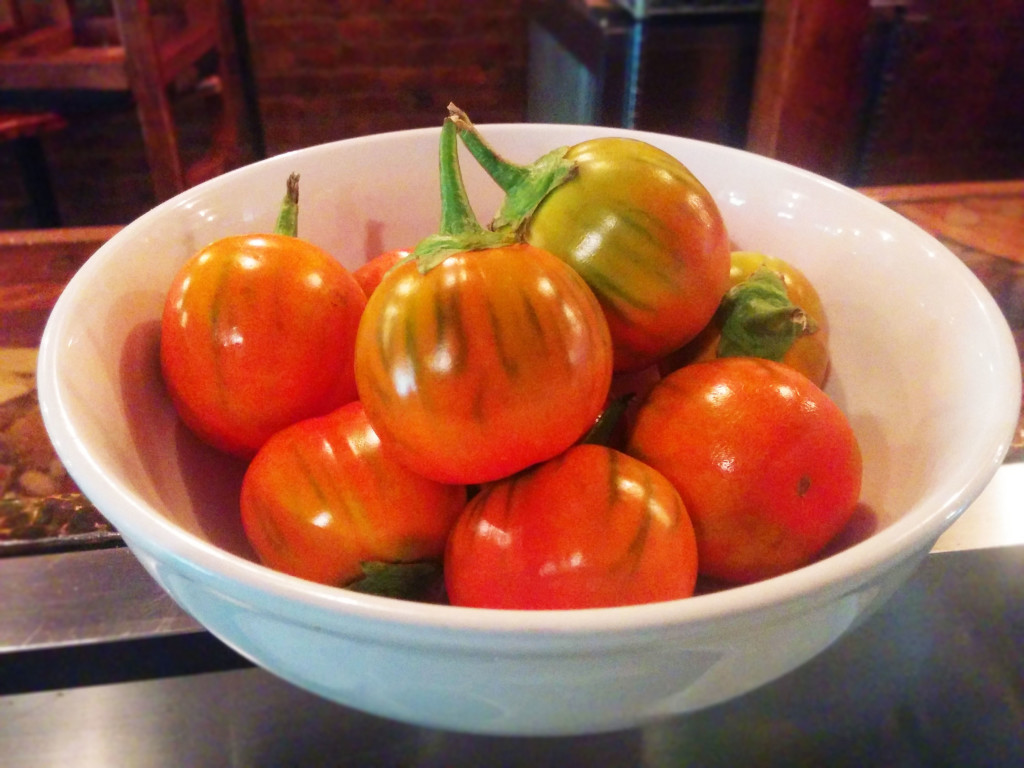
Turkish Eggplants
Turkish Eggplants

Undeterred by how quickly I’d flunked out of my first kitchen, I immediately set about finding a new one. Maybe a pizzeria? Pizza is my all-time favorite comfort food after all. I emailed a neighborhood Neapolitan pizzeria and got no reply. What about a sushi restaurant? I stopped by a sushi restaurant and asked to apprentice myself to the chef; he didn’t even want to talk to me. (Wait, was this a hint that I should come back 300 more times?) I kept walking and strode into a Latin American restaurant, one that I knew was helmed by a chef-owner known to use seasonal and local ingredients. It was busy but not slammed, the kitchen was comfortably large and relatively cool, and the staff was friendly and encouraging when I explained that I’d like to come in as an intern. As I left, the chef’s mother caught my elbow. “I overheard your conversation just now, and he definitely takes students in from time to time, so I think it will work out!” Things were looking much brighter.

An Un-American Halloween: Dia de los Difuntos

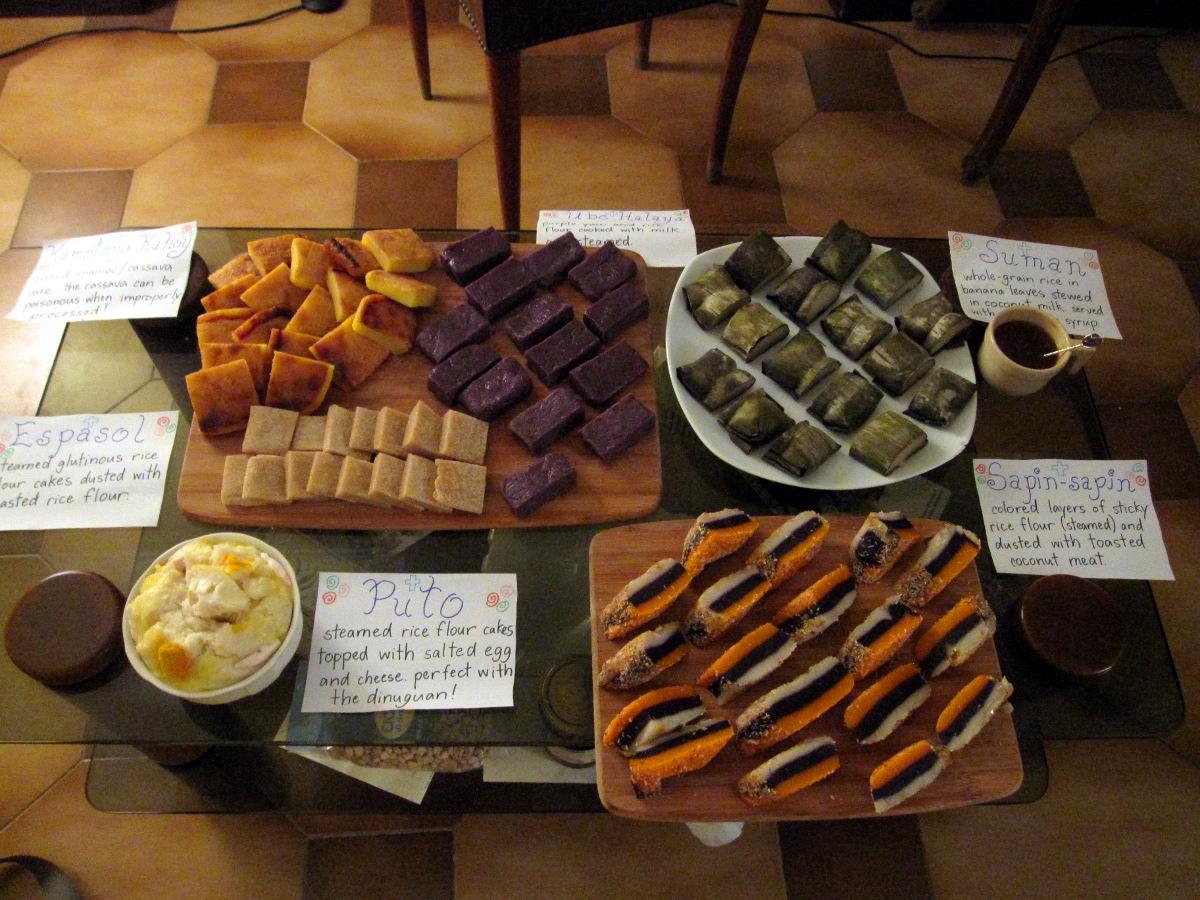
While all my stateside friends were partying for Halloween in scandalous, ironic and/or terrifying costumes, a couple of my classmates organized an event with a decidedly more serious tone. Dia de los Difuntos (Day of the Dead) is commonly celebrated on November 1 in former Spanish colonies, coinciding with All Saints Day in the Catholic church. For the occasion, Caro and Rae organized a gathering that combined traditions from their respective countries of Ecuador and the Philippines. Most interesting, you could see how Spanish missionaries were able to integrate elements of Catholicism with indigenous practices of ancestor worship.