Farms

Historic Sweden: Royal Palace, Skansen, Vasa Museum
Gamla Stan
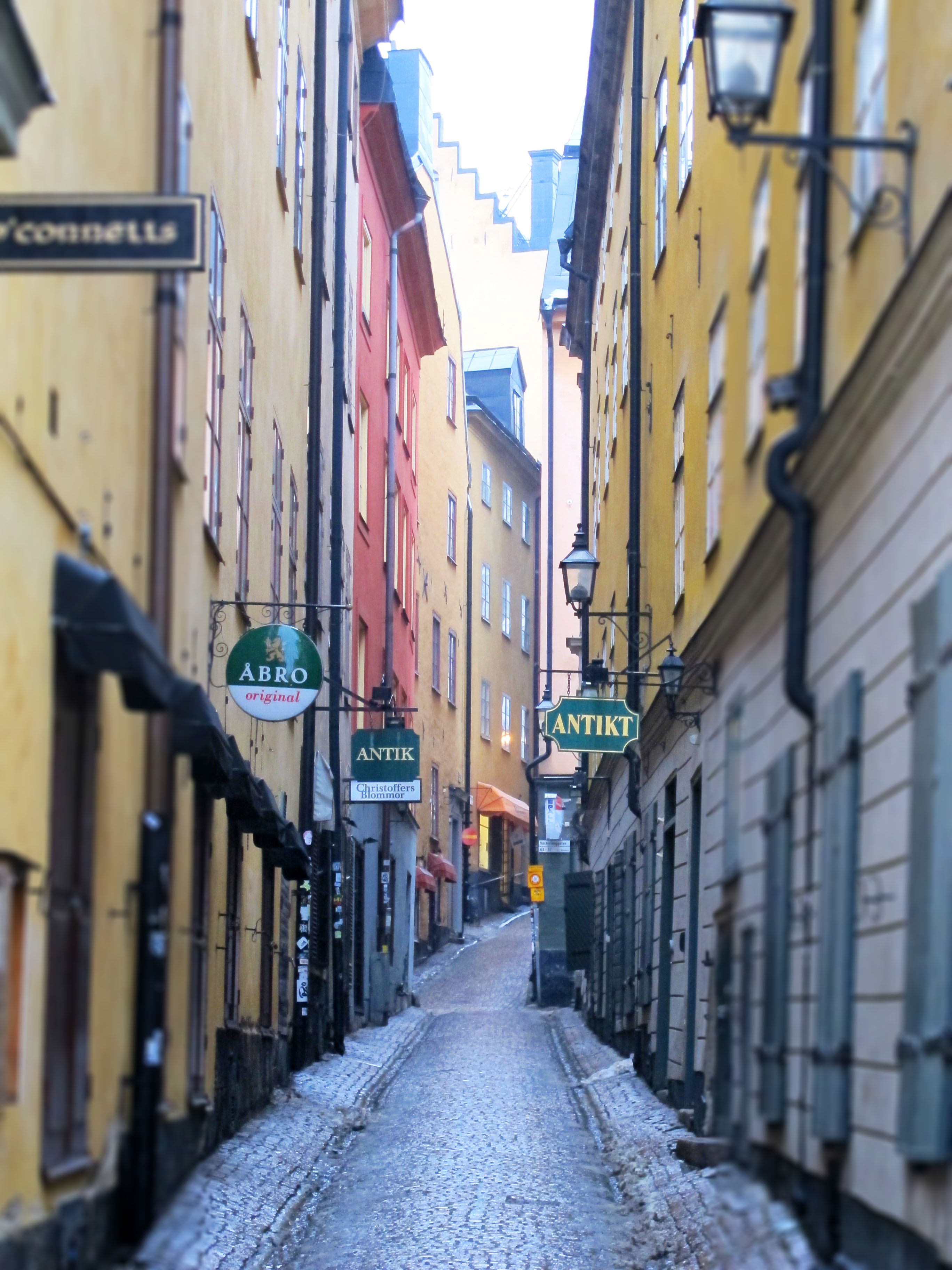
Sweden’s most well-known exports today are IKEA furniture and H&M clothing, which means my impression of the country is one of sleek modernism. Naturally, Sweden does have a history and is rightfully proud of its past accomplishments, I’ve simply never bothered to learn anything about them. So when I began researching this trip, I was a bit surprised at all the recommendations to see the Royal Palace. To be honest, before this trip, I didn’t even know Sweden still had a royal family. It seems a rather archaic institution to support (the state still funds them partially), though I guess the tourism benefits now outweigh any concerns about the monarchy trying to regain control. (More below.)
Sausage Party, or the Stuff FDA Nightmares Are Made Of

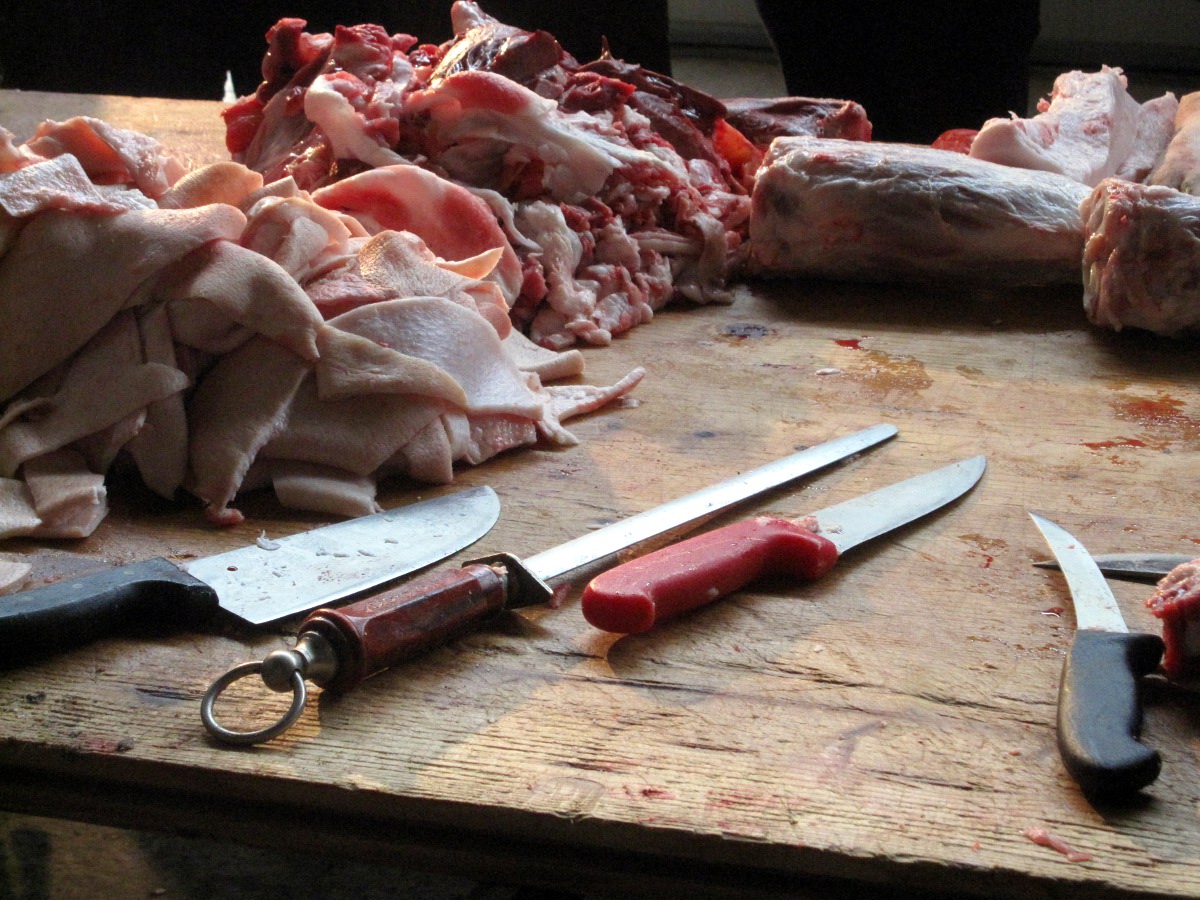
Still foggy with sleep, we tumbled off the bus to see two wood-fired cauldrons, belching out clouds of smoke and steam in a medieval fashion. The air was filled with the finest perfume any gastronome could wear: the scent of pig lard.

I found myself on yet another of northern Italy’s ubiquitous small-scale farms, surrounded by idle farm machinery, deadened remnants of the fall harvest, and the sharp smell of pig shit. This trip had been touted on the syllabus as a visit to an “artisanal butcher,” but we were about to see that this butcher was one of the more minimalistic variety.

Ferme des Levées: the Happiest Pigs in France

Anyone who has even briefly investigated livestock production at industrial farms knows that the process is wholly unnatural, with animals reduced to meat-generating machines, forced to live in dirty, cramped conditions.

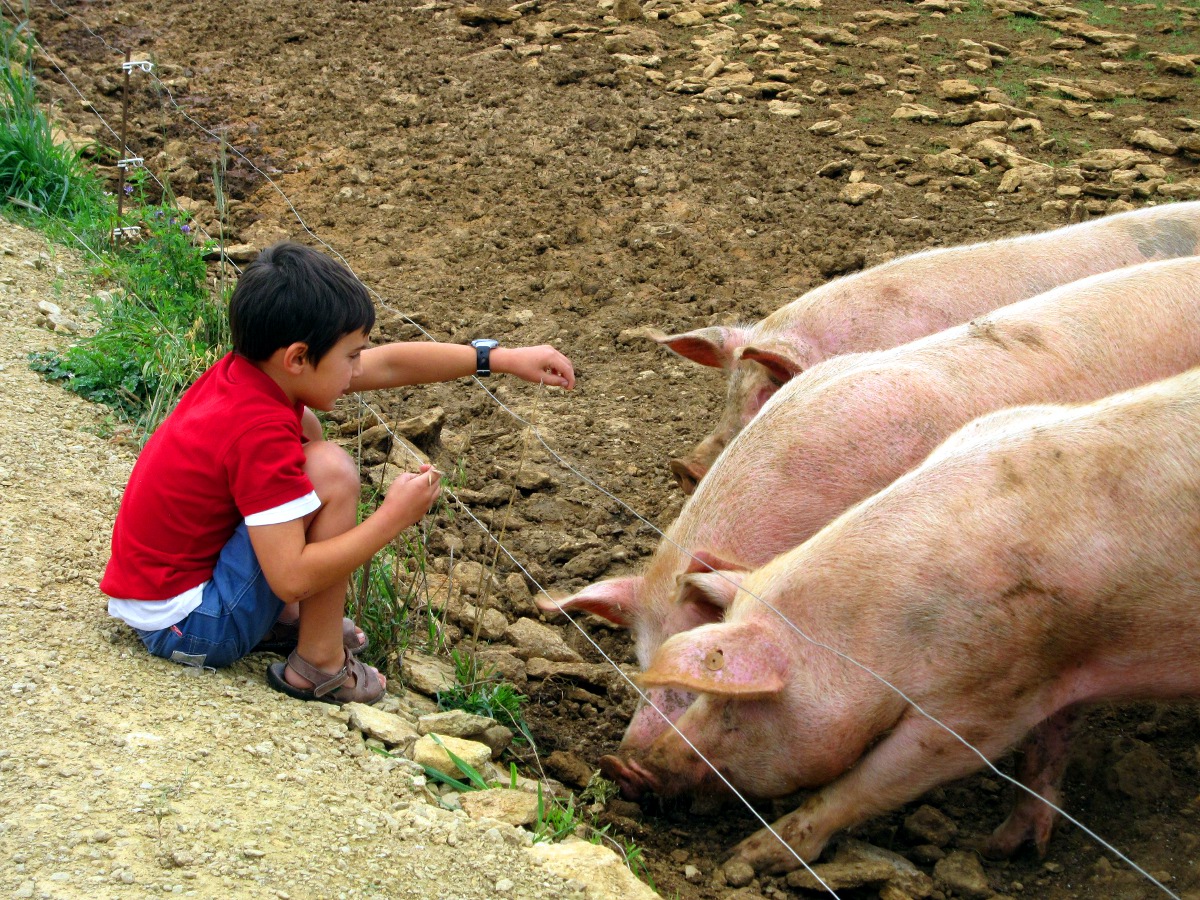
At Ferme des Levées, owners Anne and Jacques Volatier firmly believe in treating their pigs with respect and raising them with traditional, organic farming methods. Jacques began raising pigs in 2000, and prior to purchasing this farm, he had no farming experience and worked as a civil engineer in town planning. “I don’t know how exactly to describe it, but I had an intuitive sense that I wanted to find a way to help grow the planet and start a project that would benefit the local economy. The intuition has now become certainty and a way of life in the countryside.” He attended an agricultural training program for a year, acquired the necessary capital and decided to launch a pig breeding operation because it was a product that could be raised and transformed entirely on the farm.

Soaring Through Centuries: Falcons and Farms in Tuscany

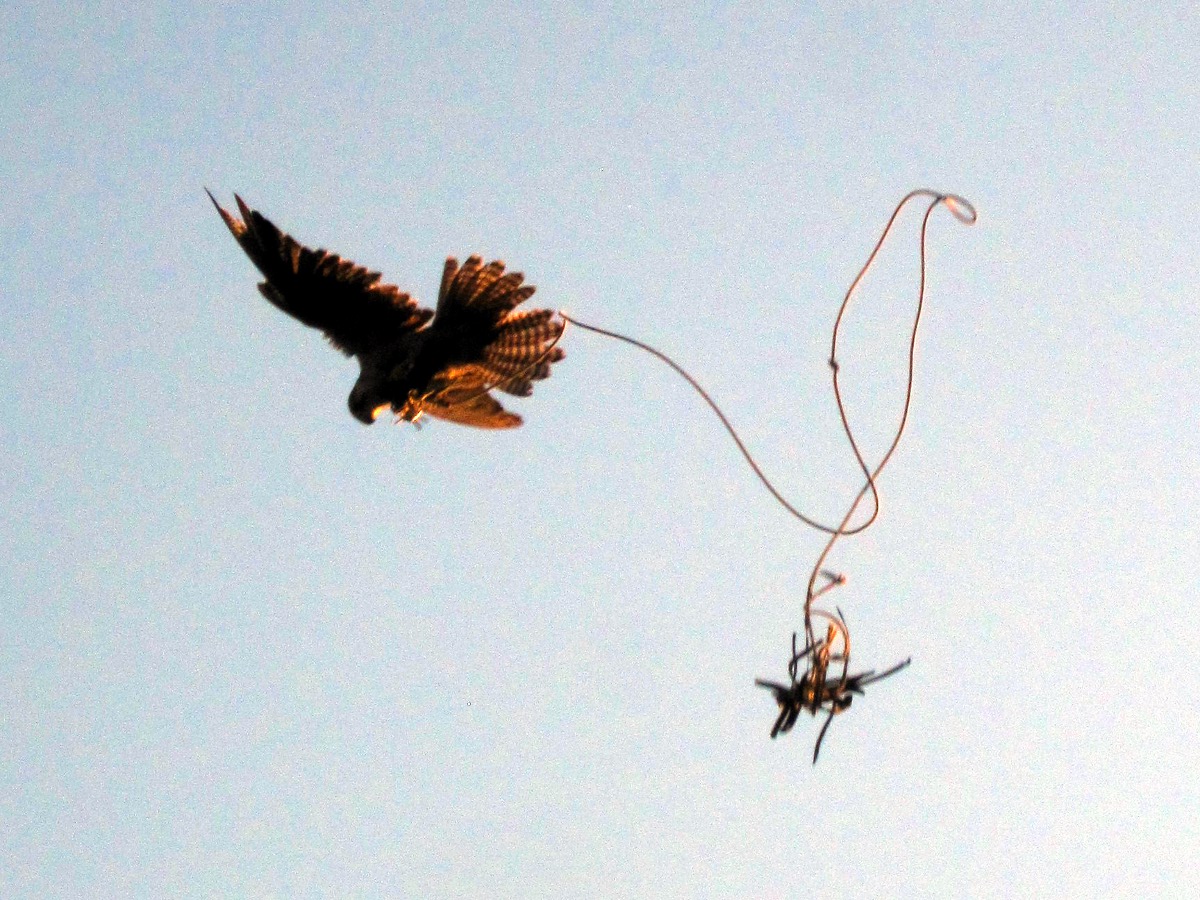
A falcon catches a lure mid-air.

After a 7 hour battle for seating on a hot, overbooked train, I stepped off the platform in San Miniato and took a good look around. This was Italy’s famed Tuscany, the stuff that Hollywood movies and expat marriage dreams are made of. All was quiet, and I paused uncertainly as I looked at the empty train station waiting room. If I were a WWOOF host, where would I be, I thought to myself. My worries were allayed however, when I spotted a woman waiting around the corner. She approached me with a smile and said, “Hi, are you Crystal? I’m Amy, nice to meet you, I’m glad that you made it!”

Hiking and Ruminating the Italian Alps


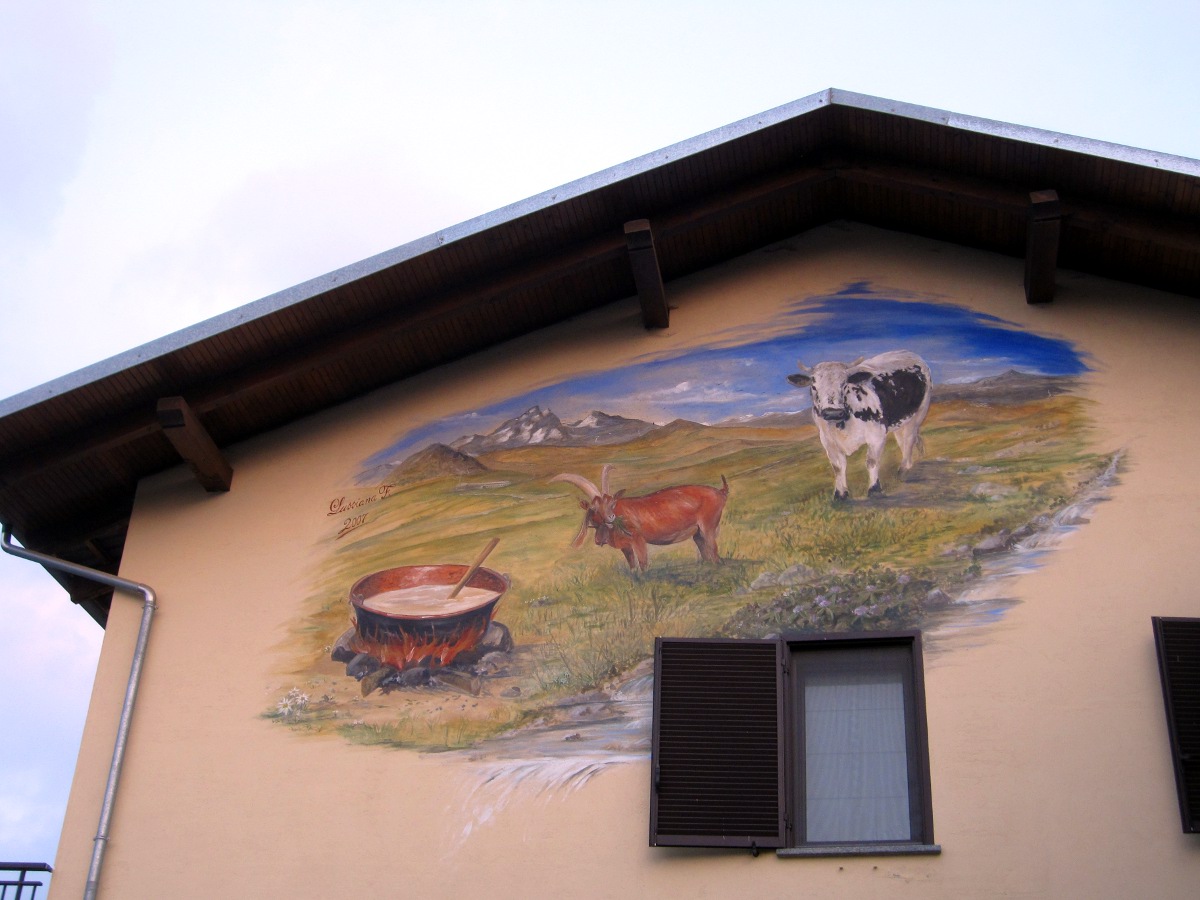
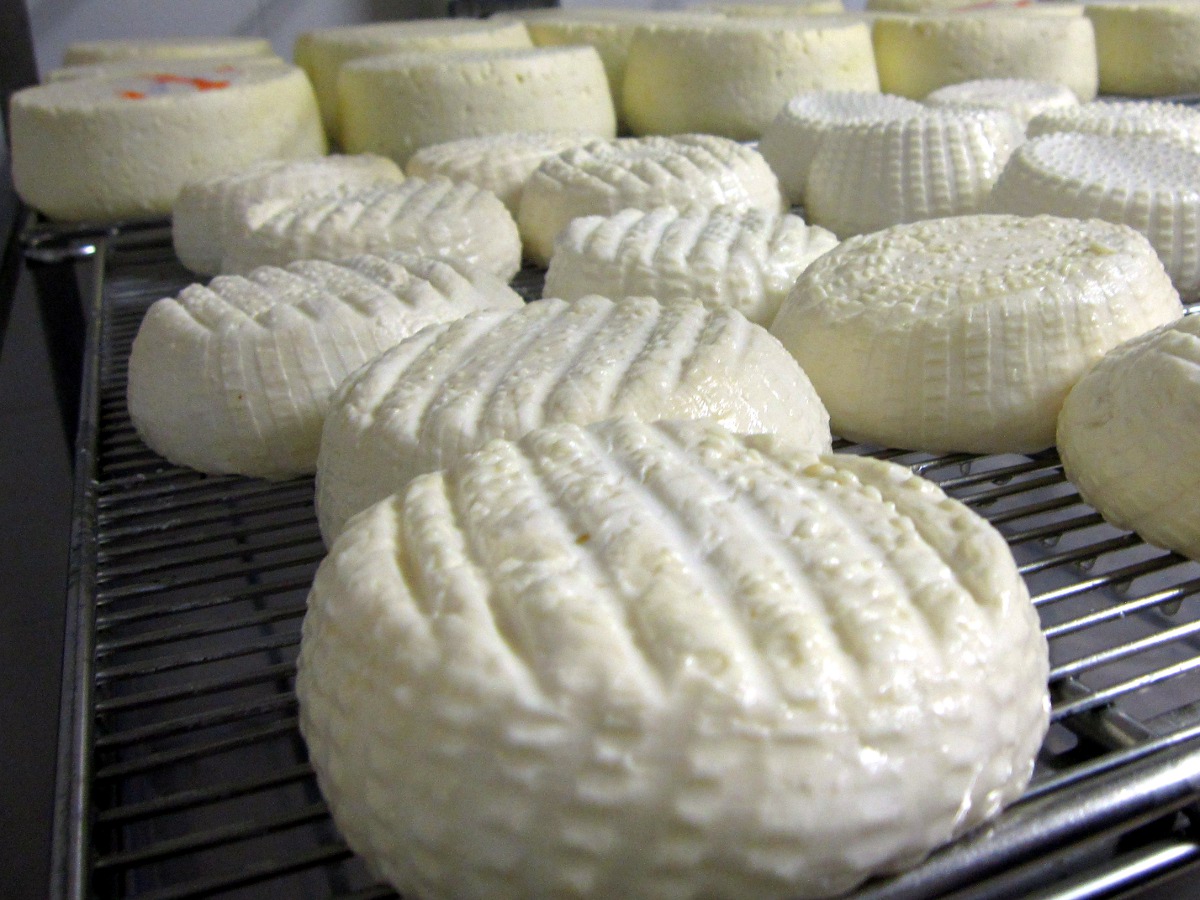
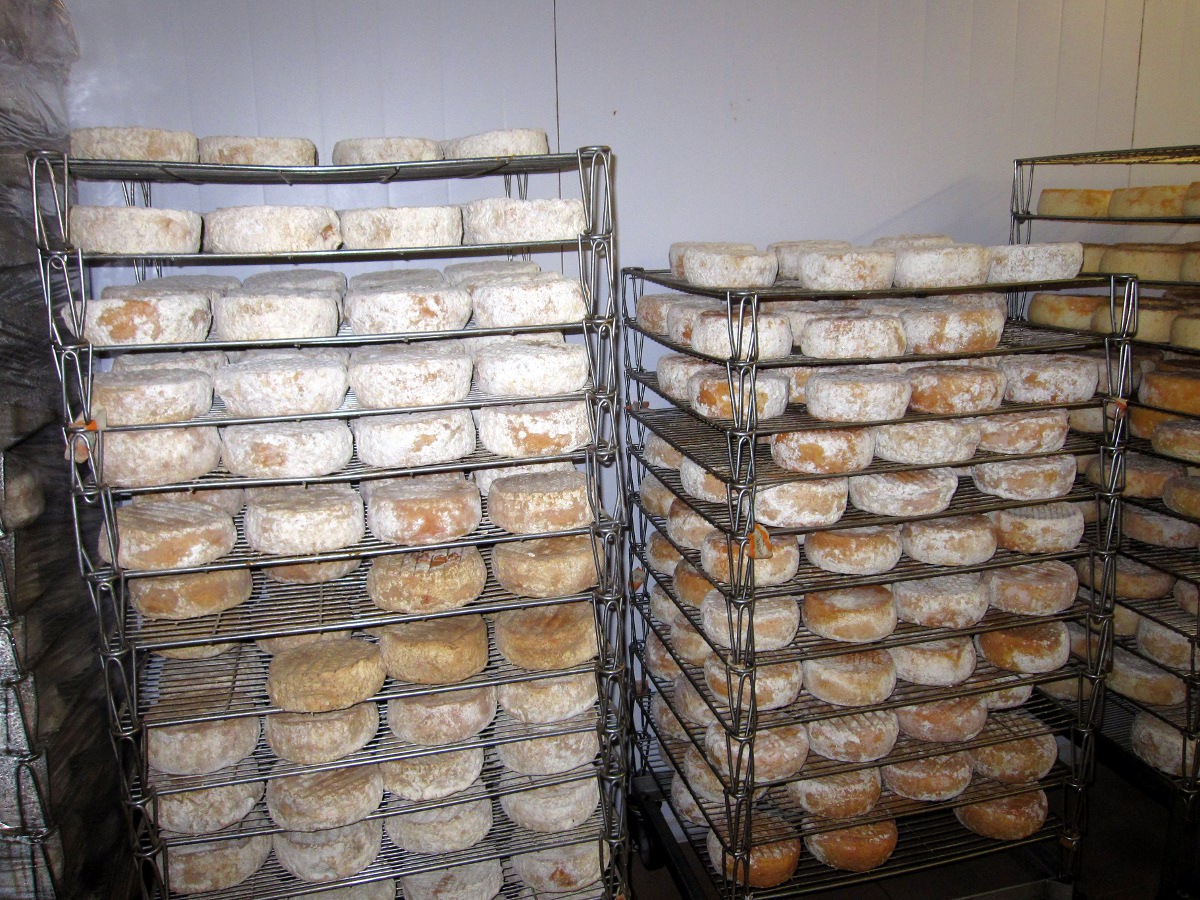
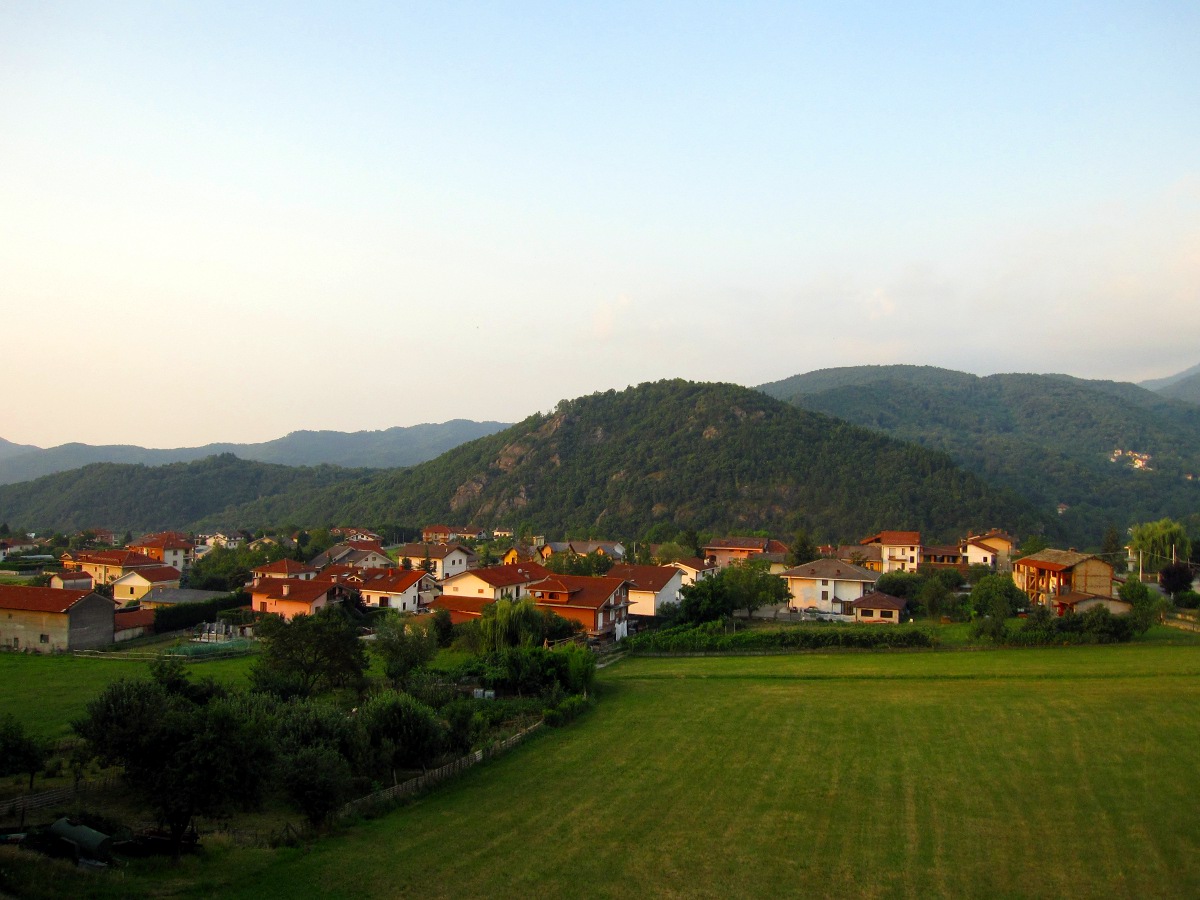
Clockwise: Mural of a mountain goat and cow outside Fratelli Lussiana creamery, fresh wheels of cevrin in warm room, foothills of Piedmont, aging wheels of cevrin in cold room

A couple weeks ago while on the Piedmont stage, our class visited Fratelli Lussiana creamery, a cheese producer in Giaveno, about 35 km west of Turin. The primary cheese they produce is cevrin di Coazze, made with half goat and half cow’s milk and aged for 3 months. At the time, I was tired, hot and not in the mood to see yet another farm, but we all fell headlong in love with this cheese producer. After showing us an overview of the cheesemaking process and aging rooms, the lovely Lussiana siblings piled us into a hay-filled tractor and trundled us up a narrow, rocky mountain path, while we tried to keep our balance, yodeled and ducked under overhanging tree branches. Once we reached the mountaintop farm, we were greeted by a herd of seriously dexterous goats, placidly ruminating cows, and the friendliest donkey in the world (who kept sneaking into photos and nuzzling for attention). The farm caretakers welcomed us with fresh wheels of cevrin, salame, bread and red wine, and we ate cheese next to the animals who produced the milk for it, as the sun went down over the Italian Alps. It was one of the best days of my life.

Scenes from Puglia


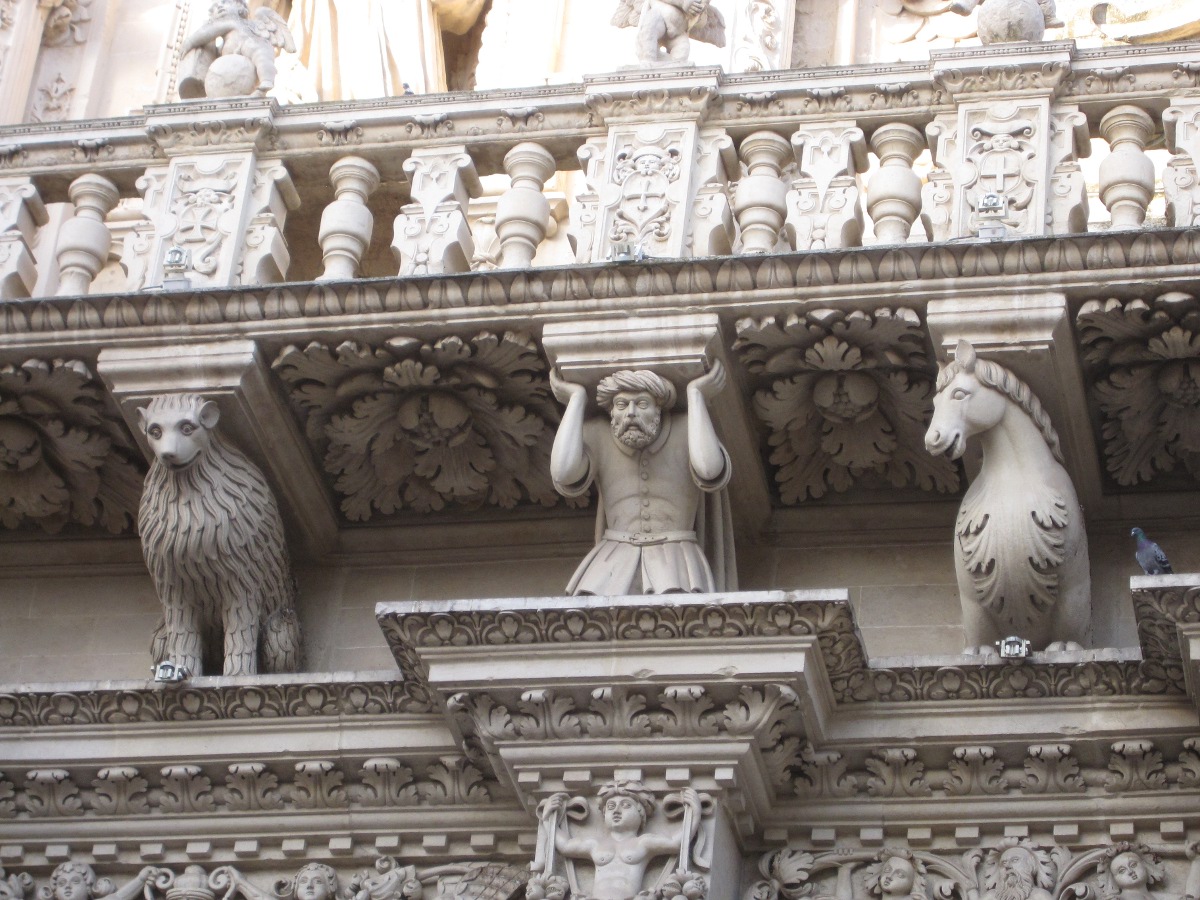
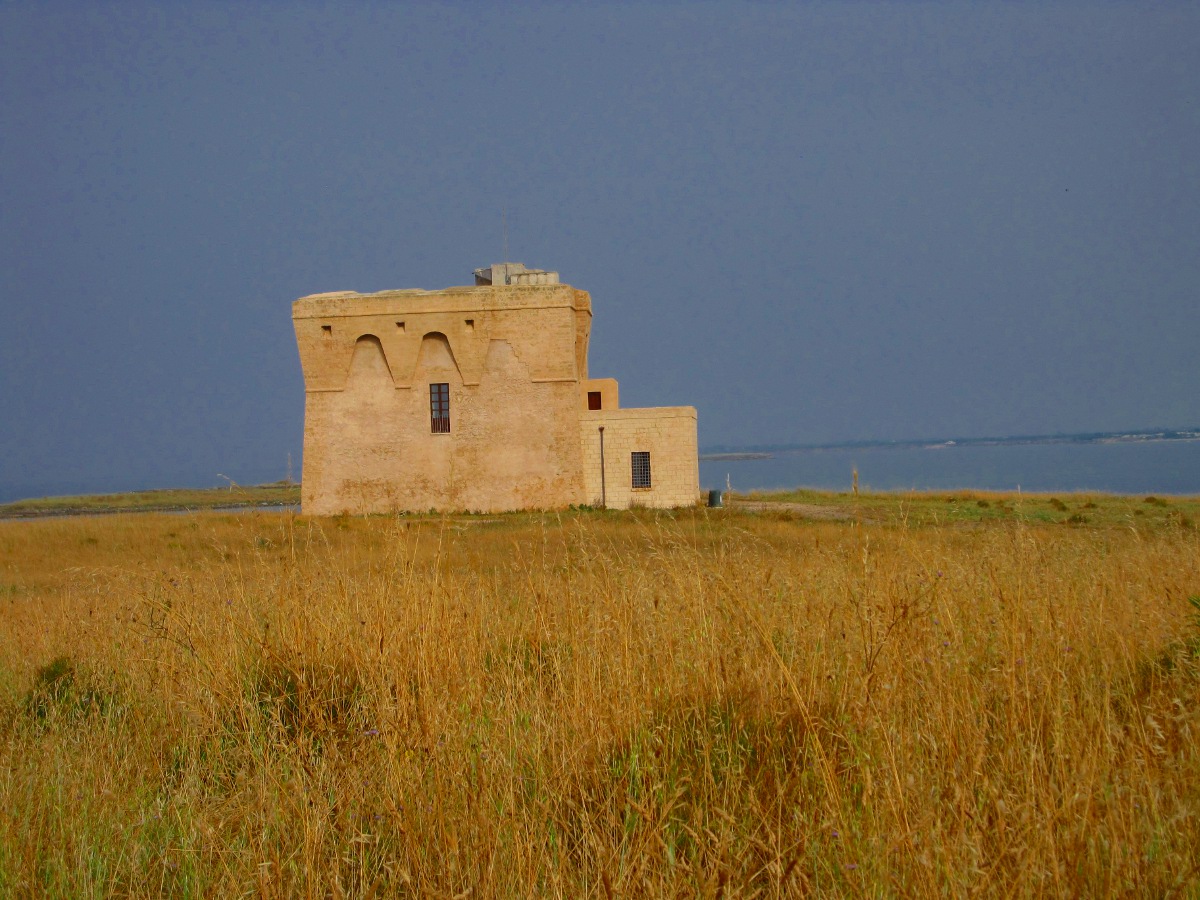
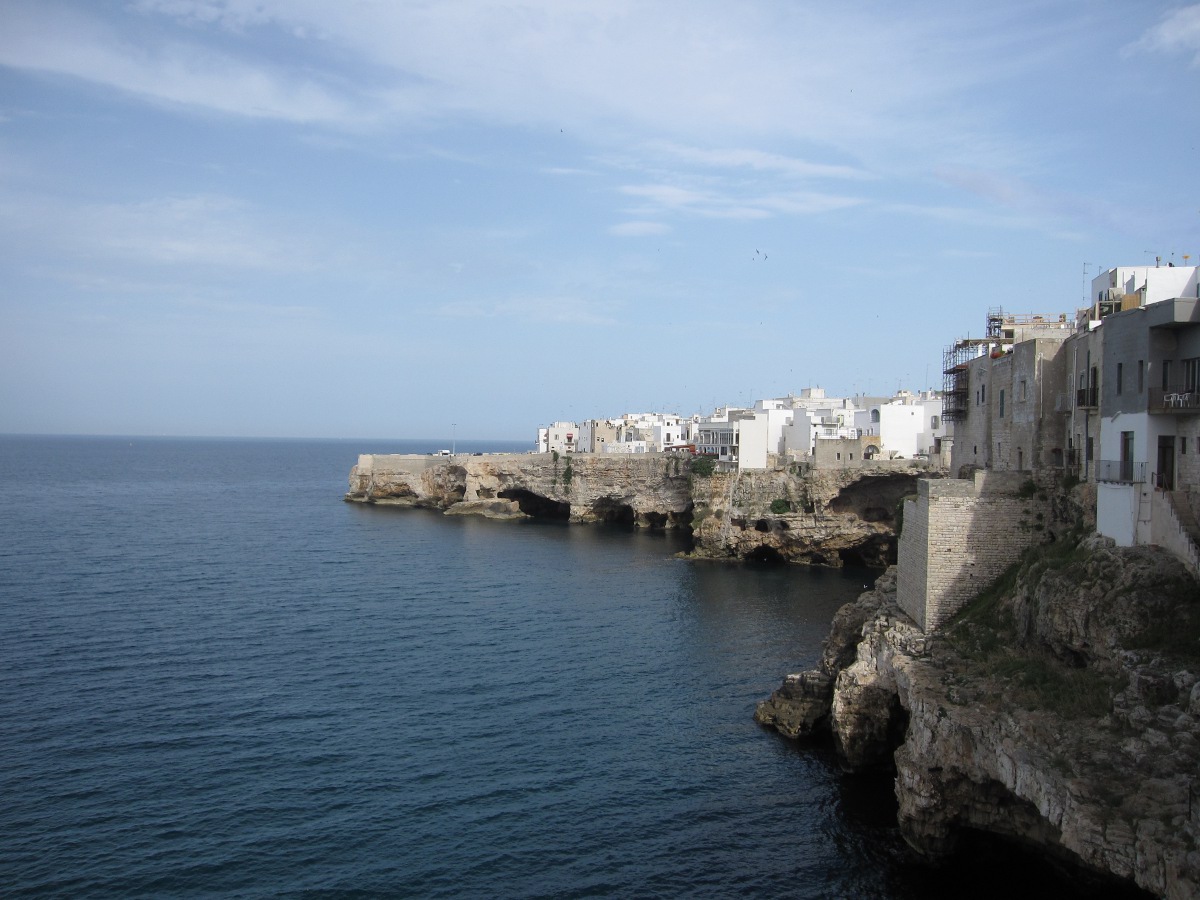
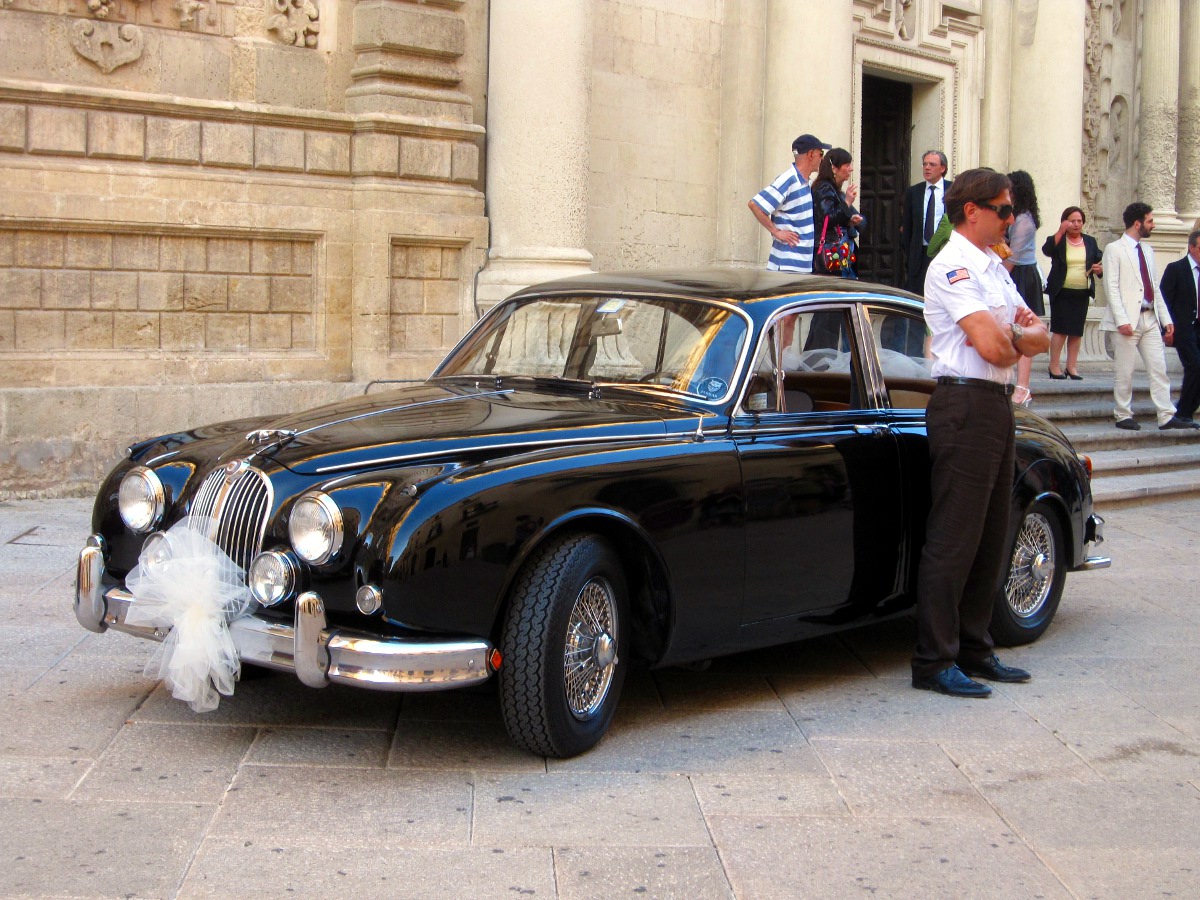
Clockwise: Gargoyles on a cathedral in Lecce, the 16th century watchtower of Torre Guaceto, a driver awaits outside a wedding ceremony, the cliffs of Pogliano a Mare

Located in the southeastern part of Italy (the heel of the boot), Puglia is a peninsula of a peninsula, surrounded by sea and just a 12-hour ferry ride across the Adriatic to Greece. Ah, the sea. Having lived in the midwest for several years, it’s been a while since I’ve heard the crash and smelled the sting of saltwater. And as you can imagine, the sea plays a major role in shaping Puglian history. Being first point of entry by sea, Puglia has been conquered by pretty much every major civilization and conquering marauder that has attacked Italy in the past few thousand years. Ergo, it has a rich history of influences from a variety of cultures. As such, the region’s people, places and activities are heavily influenced by the bountiful amounts of sunlight, seafood and historical exchange.