Farming

Nature as Measure: What’s the future of farming?

Wes Jackson, Wendell Berry, Mark Bittman at Cooper Union
Wes Jackson, Wendell Berry and Mark Bittman at Cooper Union

Tonight, some of the biggest names in the sustainable food movement gathered in the Great Hall at Cooper Union. The occasion? “Nature as Measure,” a talk on agriculture and the future of farming presented by the Land Institute and the Berry Center.

If I had to choose a single cookbook for today’s aspiring home chefs, it would be Mark Bittman‘s How to Cook Everything. He first became nationally known through his NYT column “The Minimalist,” which cut through the confusion to teach healthy, painless home cooking. I used to describe Bittman as my generation’s Julia Child, but he has since moved on to bigger and bolder topics: influencing national food policy. I don’t always agree with his pronouncements, but aside from perhaps Michael Pollan, no other American food writer is as well-loved and widely-read as Mark Bittman.
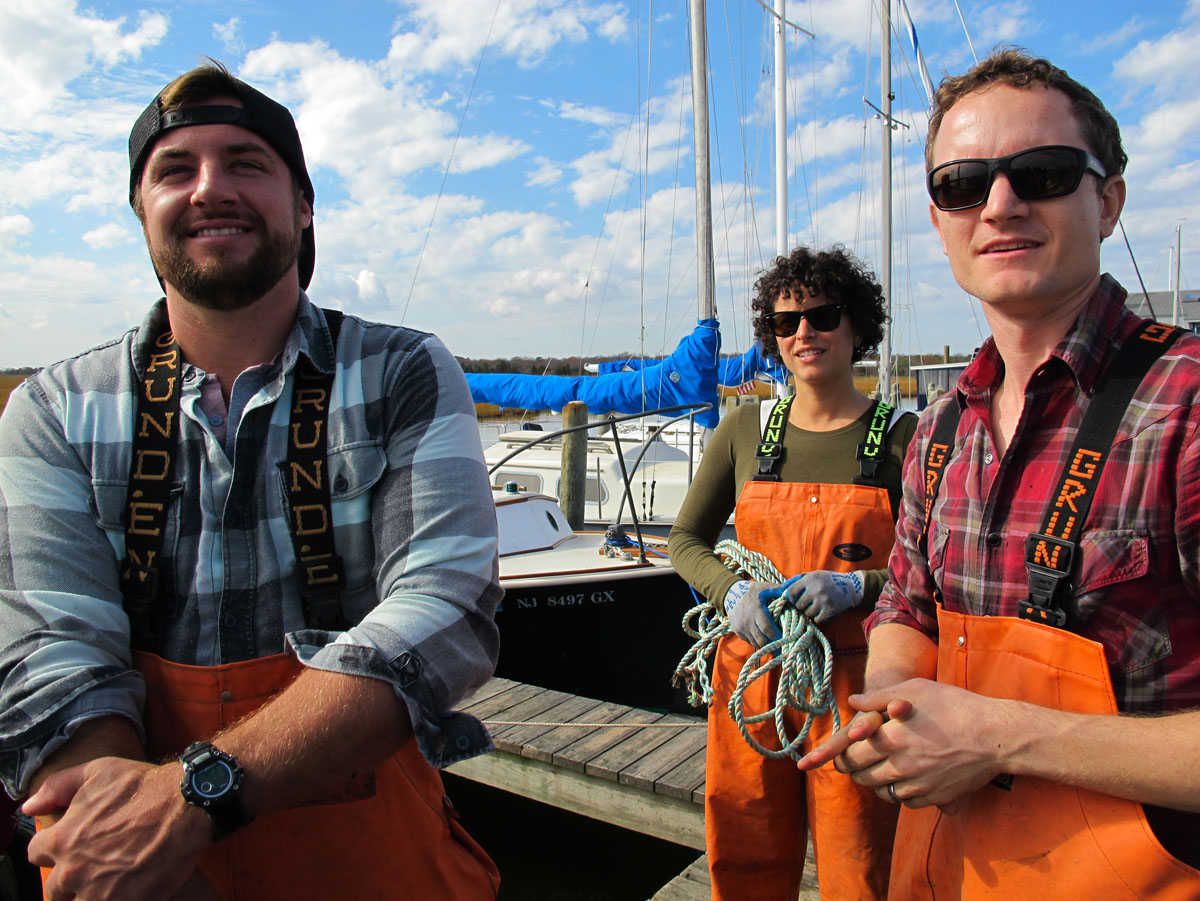
Forty North Oyster Farm: Surviving and Thriving Post-Hurricane Sandy

In the fall of 2012, Forty North Oyster Farm had just begun planting their first crop of oysters. Mere days later, Hurricane Sandy hit the Eastern seaboard, destroying coastal towns and remaking the shoreline. “Of the 300 or so houses in Mantoloking, 50 or 60 of them were missing after Sandy,” said founder and farmer Matt Gregg. “We were cleaning up plastic and debris for months, and it was incredible how the contents of people’s lives were scattered all across the bay.”

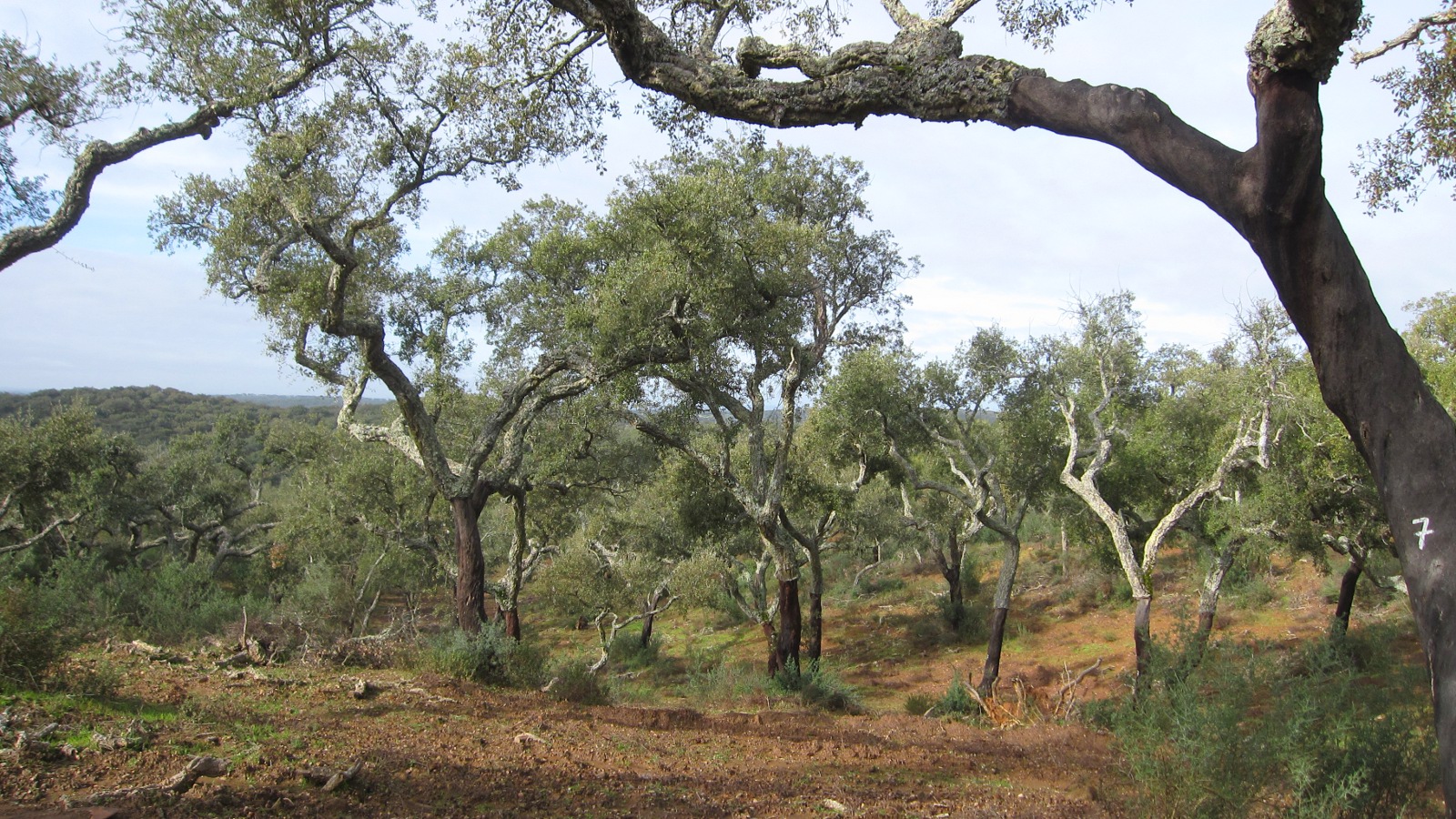
Cork Forests: Actually, Money Does Grow on Trees

Think about the last bottle of wine you drank. Was it sealed with a natural cork? A synthetic plastic closure? A screw top cap? Where does cork come from, and what’s with all the buzz about cork trees being endangered? To investigate, we ventured off to Alentejo, a rural region in south-central Portugal, and one of the world’s largest sources of cork oaks. All told, Portugal produces about 75% of the world’s cork, and about 75% of this goes into wine bottle stoppers. About 33% of all cork trees grow in Portugal, and 95% of these are in the Alentejo region.

Ferme des Levées: the Happiest Pigs in France

Anyone who has even briefly investigated livestock production at industrial farms knows that the process is wholly unnatural, with animals reduced to meat-generating machines, forced to live in dirty, cramped conditions.

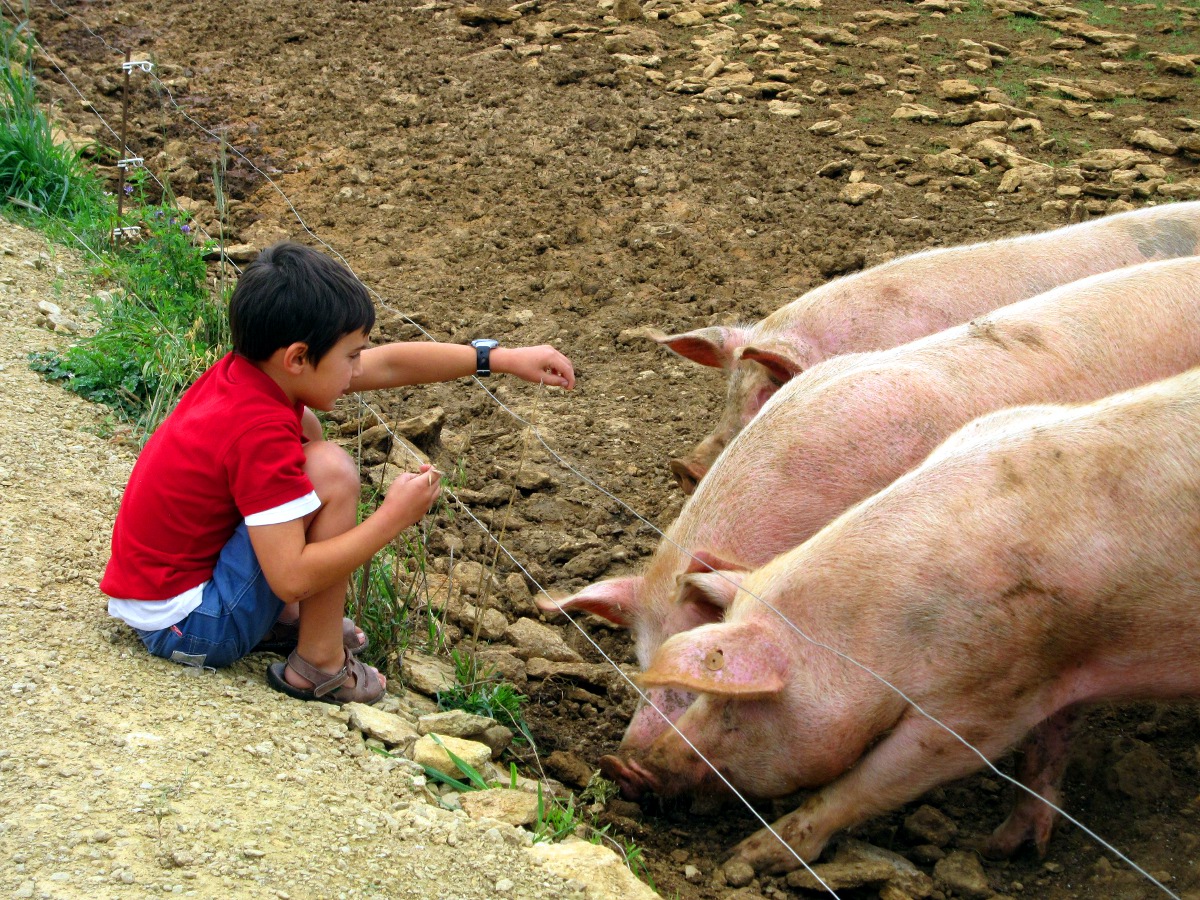
At Ferme des Levées, owners Anne and Jacques Volatier firmly believe in treating their pigs with respect and raising them with traditional, organic farming methods. Jacques began raising pigs in 2000, and prior to purchasing this farm, he had no farming experience and worked as a civil engineer in town planning. “I don’t know how exactly to describe it, but I had an intuitive sense that I wanted to find a way to help grow the planet and start a project that would benefit the local economy. The intuition has now become certainty and a way of life in the countryside.” He attended an agricultural training program for a year, acquired the necessary capital and decided to launch a pig breeding operation because it was a product that could be raised and transformed entirely on the farm.

Lessons from a Small Farmer


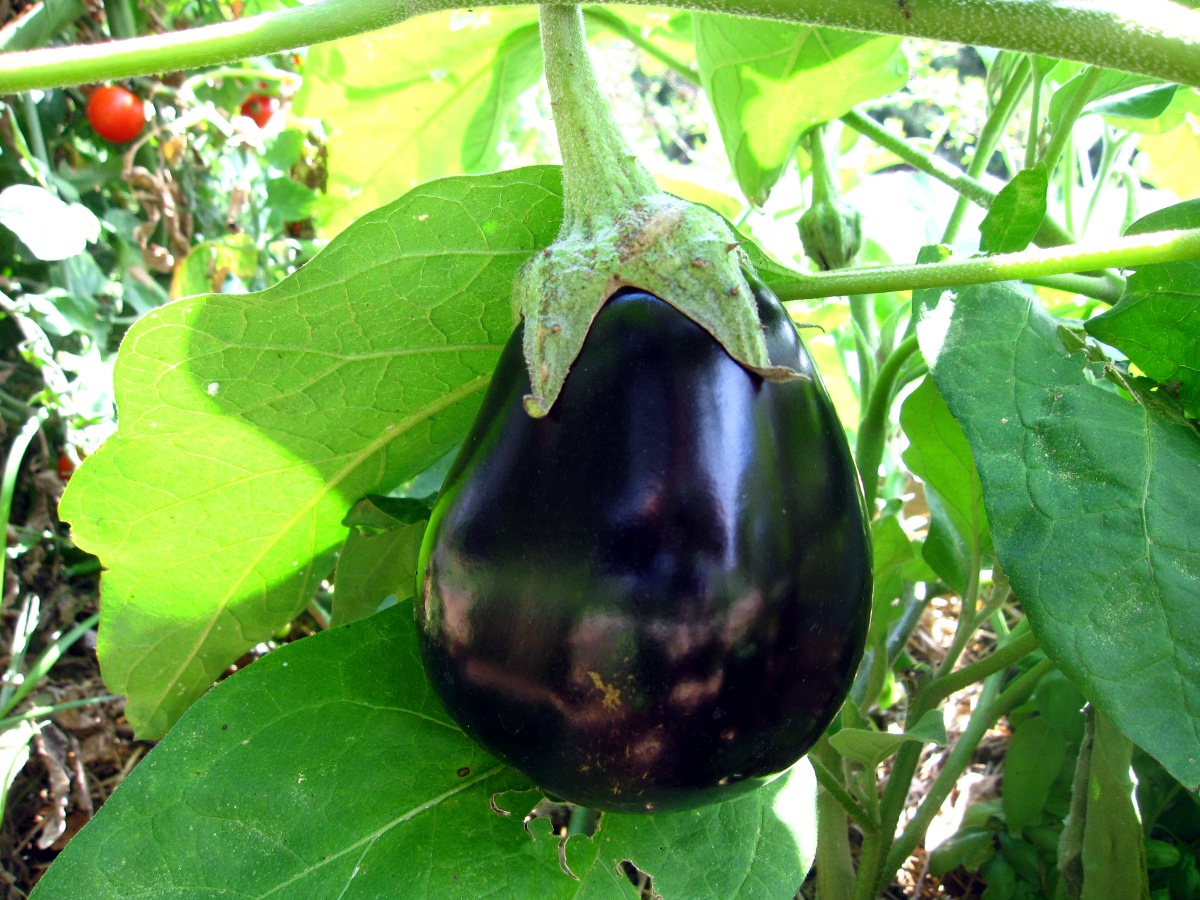
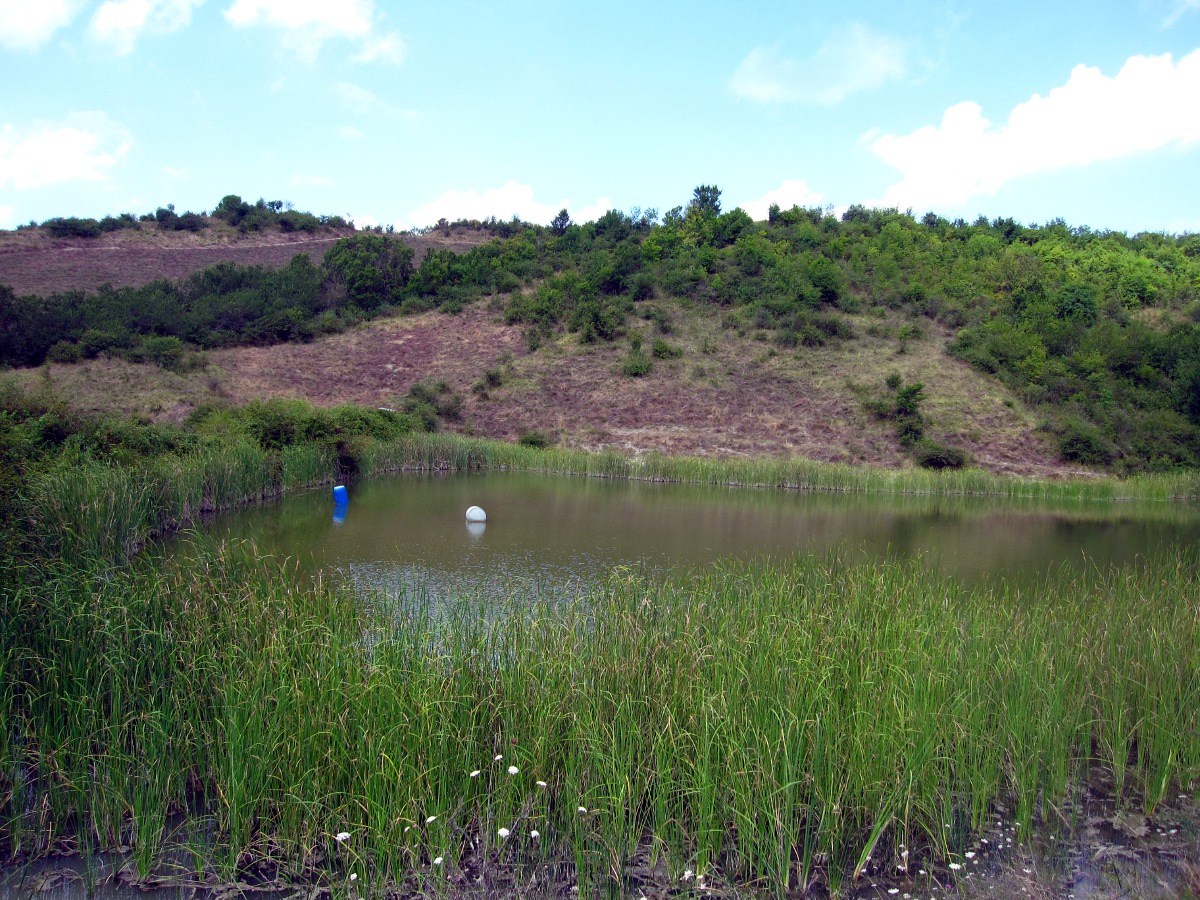
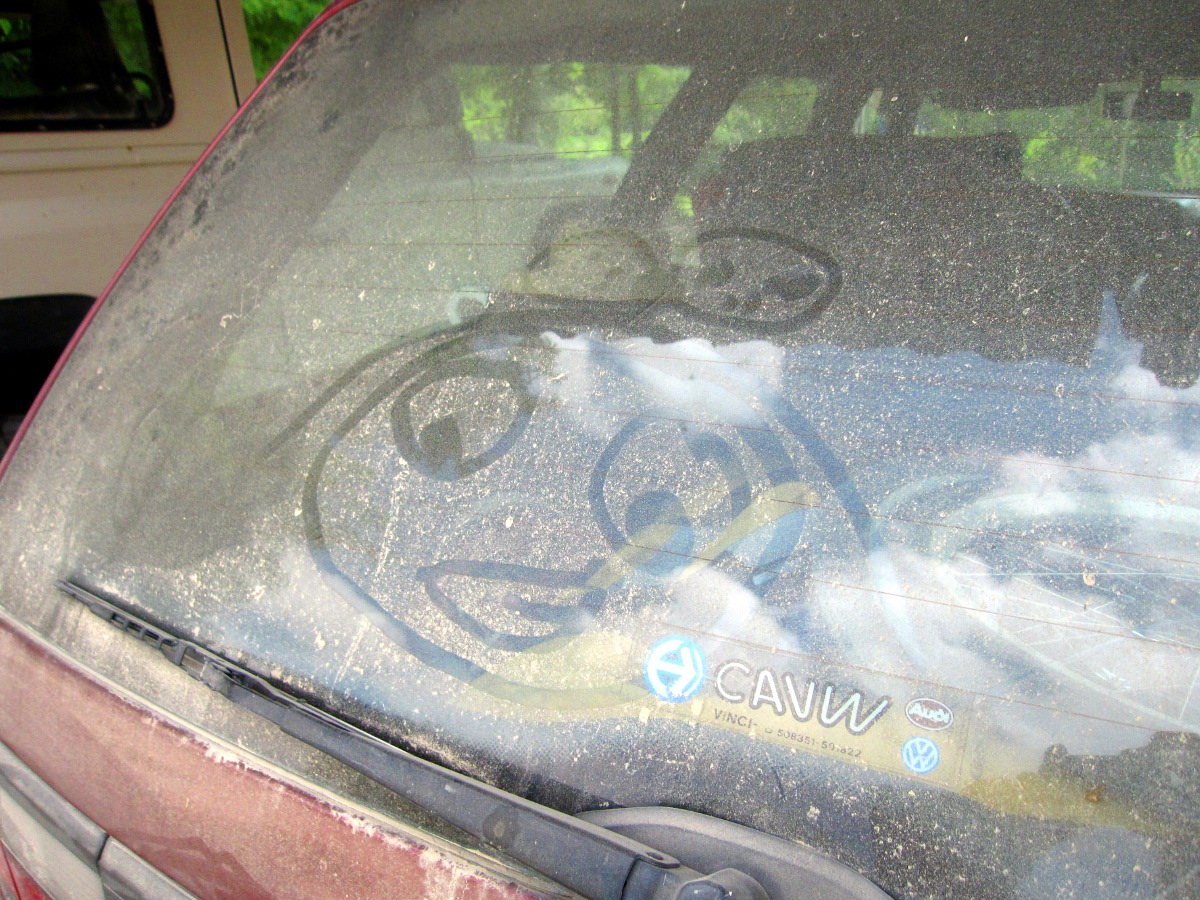
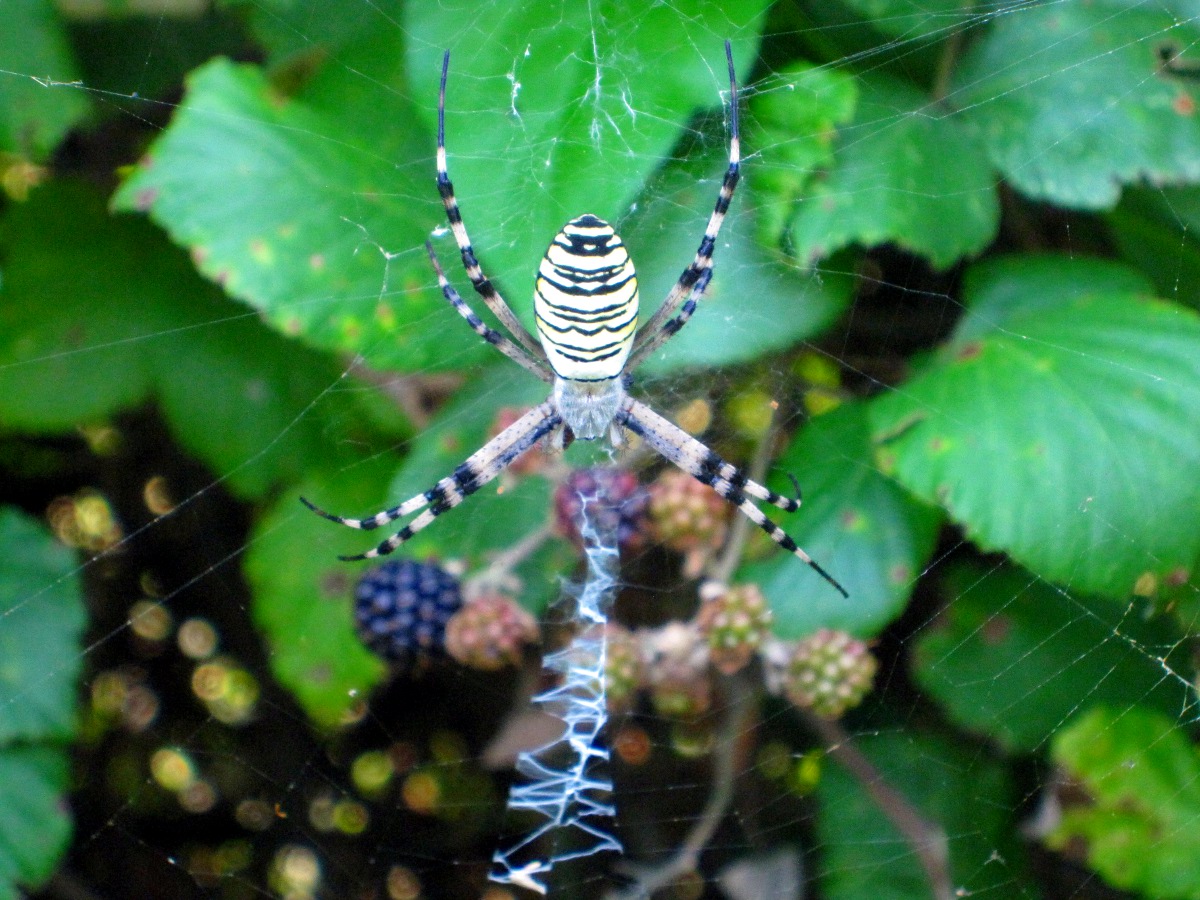
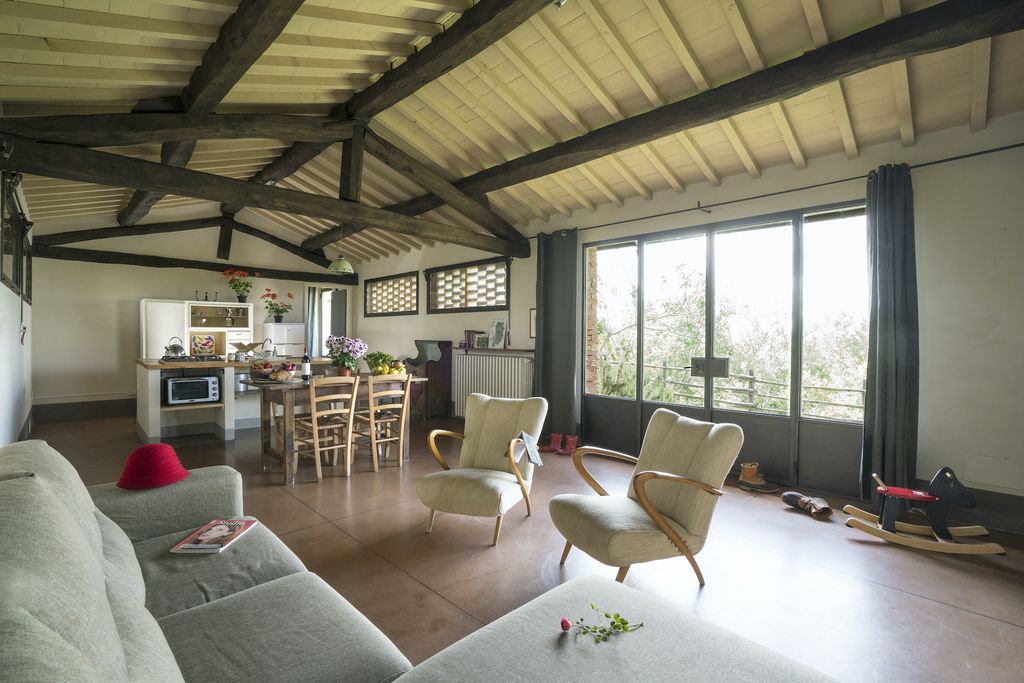
Clockwise: aubergine growing in the garden; Barbialla Nuova’s lake; a spider makes its home amidst the blackberry brambles; drawing on the car’s dusty rear window for kids by kids

Over the last couple weeks while WWOOFing, I weeded a pumpkin patch, staked tomatoes, cleaned and revitalized a garden bed, created and turned compost piles, sanded and painted wood beams, and helped measure and construct a pergola. All these were activities I’d never done before. They were only the tip of the iceberg in what I learned while in Tuscany.

WWOOF Italy: Will Work For Food

Barbialla Nuova farm

Have you ever been curious about what it’d be like to live on a farm? Want to travel to new places? Learn about healthy, sustainable agriculture? Interested in communing with nature and taking a break from the hectic pace of urban life? Does the idea of manual labor in exchange for food and shelter sound appealing? Then you might want to check out the World Wide Opportunities on Organic Farms (WWOOF).

Back Roads of the Italian Countryside, or My Daily Commute

Note: This post is mostly geared towards UNISG students, so it will be fairly useless to you unless you need to get from Bra to Pollenzo.

Living in Italy, you start to realize that there are always two ways of doing everything, the official system and the back door in-the-know route. Take the process of acquiring a permesso di soggiorno residency permit, required for all non-EU citizens staying in Italy for over 90 days. In Bra, you can either go to the Post Office, pick up an application kit and struggle to figure out what to put down so as to not have your application rejected, or you can go to the Al Elka-L’incontro center for foreign citizens, which provides consulting services and staff who fill out the application for you. Granted, the center is only open for 7 hours a week, on Tuesday afternoons and Friday mornings, but that is different gripe. Ah, Europe.