Culture

What the Hell is Gastronomy, Anyway?

May 2010

It’s the million-dollar question that everyone in my program has faced, yet no one seems to have a definitive answer. I have certainly given my 30-second elevator rendition of what gastronomy is (“Well er, it’s not cooking school, it’s sort of about the analysis of food’s role in the world…”), but I still have niggling doubts over whether I am simply talking out of my ass. Which is why I was secretly relieved when we had a seminar on gastronomy and its meaning.
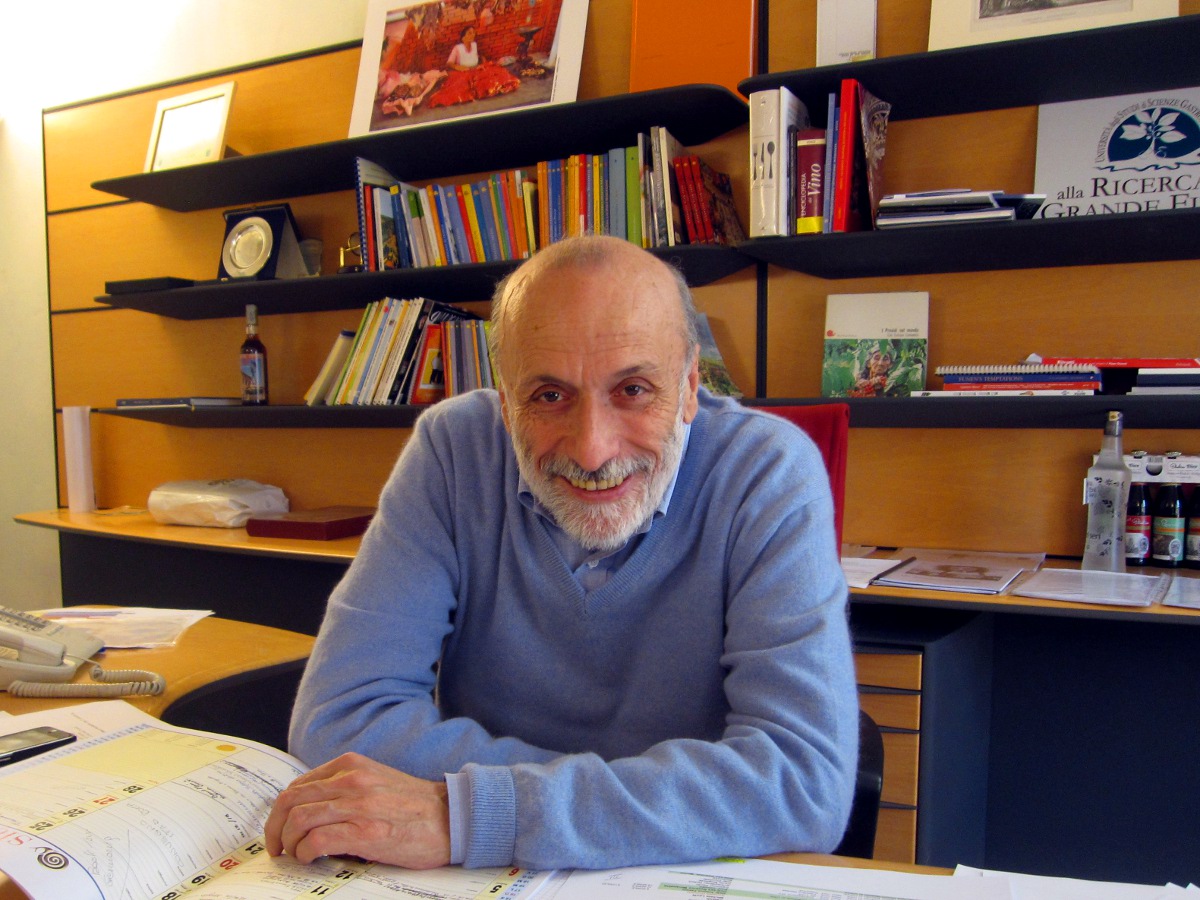
A Chat with Slow Food Founder Carlin Petrini

In 1986, the first branch of McDonald’s in Italy opened in the heart of Rome, at the Piazza di Spagna. As in many other countries, protesters howled and demonstrated. One man took decisive action.

Carlo Petrini, or Carlin as he is known to Italians, has quietly grown from being a little-known left-wing journalist, to becoming the leader of one of the world’s largest food activism organizations. Concerned about the encroachment of multinational influence on traditional food culture, he built a resistance movement to defend and protect local food ecosystems, a counterpoint to the unrelenting onslaught of corporate hegemony.

Zurich: Financial Centre with an Edge

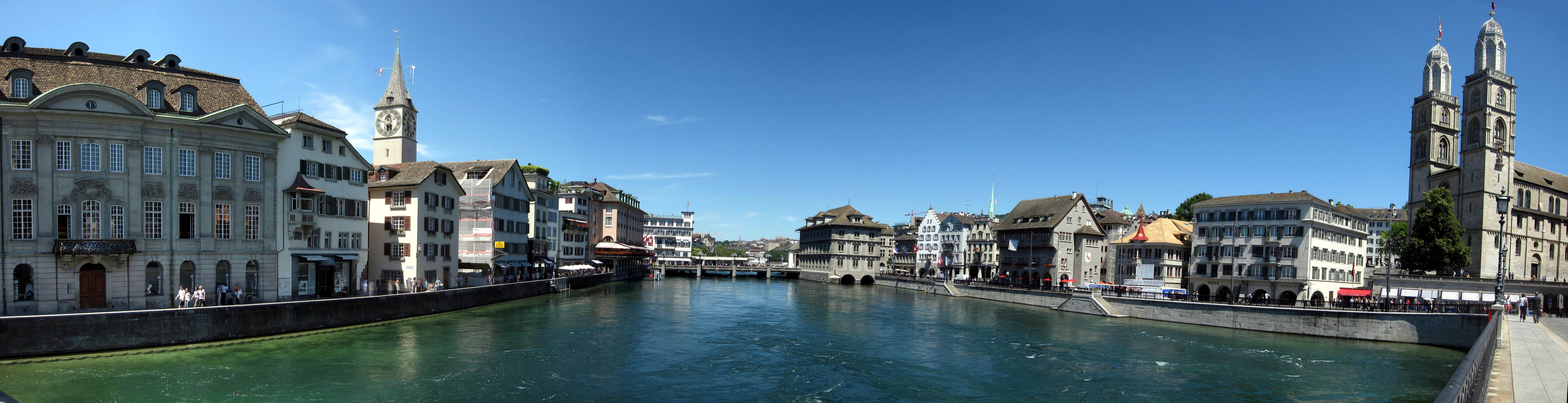
Limmat River cuts through Zurich and is crisscrossed by many bridges. You can see the twin towers of the Grossmünster church on the right, and the tower of St. Peterskirche on the left, which boasts the largest church clock face in Europe.

Let’s throw this out there first: Zurich is expensive. And not in the same way as other purportedly expensive cities I have traveled in (Tokyo, NYC), where there is a large range in prices, and some goods are nosebleeding pricey but you can find deals if you look in the right places. Instead, Zurich seems to have uniformly leveled all of its prices about $10-20 up from what you might expect. Strolling through downtown Zurich, it is usual to see coffee for CHF 7 and Chinese take-out for CHF 16. (Right now, CHF 1 = $0.96.) Even the “dollar” menu at McDonald’s has been replaced with burgers for CHF 2.50 and a side salad for CHF 3. A small size meal with an “NYC Crispy” burger costs CHF 12.30. An 800 meter cab ride from the main train station sets you back CHF 26 and dinner at an average restaurant runs about CHF 35. Even Swiss products that I have bought in the US (Victorinox knives, Sigg water bottles) cost more in Switzerland. I am scratching my head as to why there isn’t more cross-border arbitrage.

Italian Fashion: Then and Now

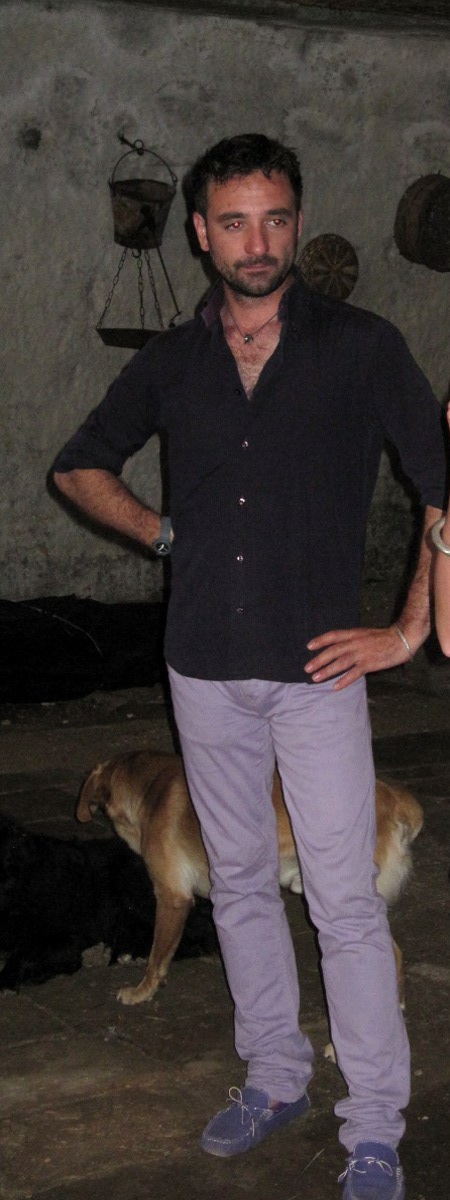
Gentleman on the right was our tour guide at an olive oil mill in Puglia. I am impressed that even in the midst of farmland and olive tree orchards, Italians are impeccably color-coordinated with purple shirt, lilac trousers and amethyst moccasins. Just a few hours later that night, we saw another man wearing purple pants. Clearly, purple is the new black.

Scenes from Puglia


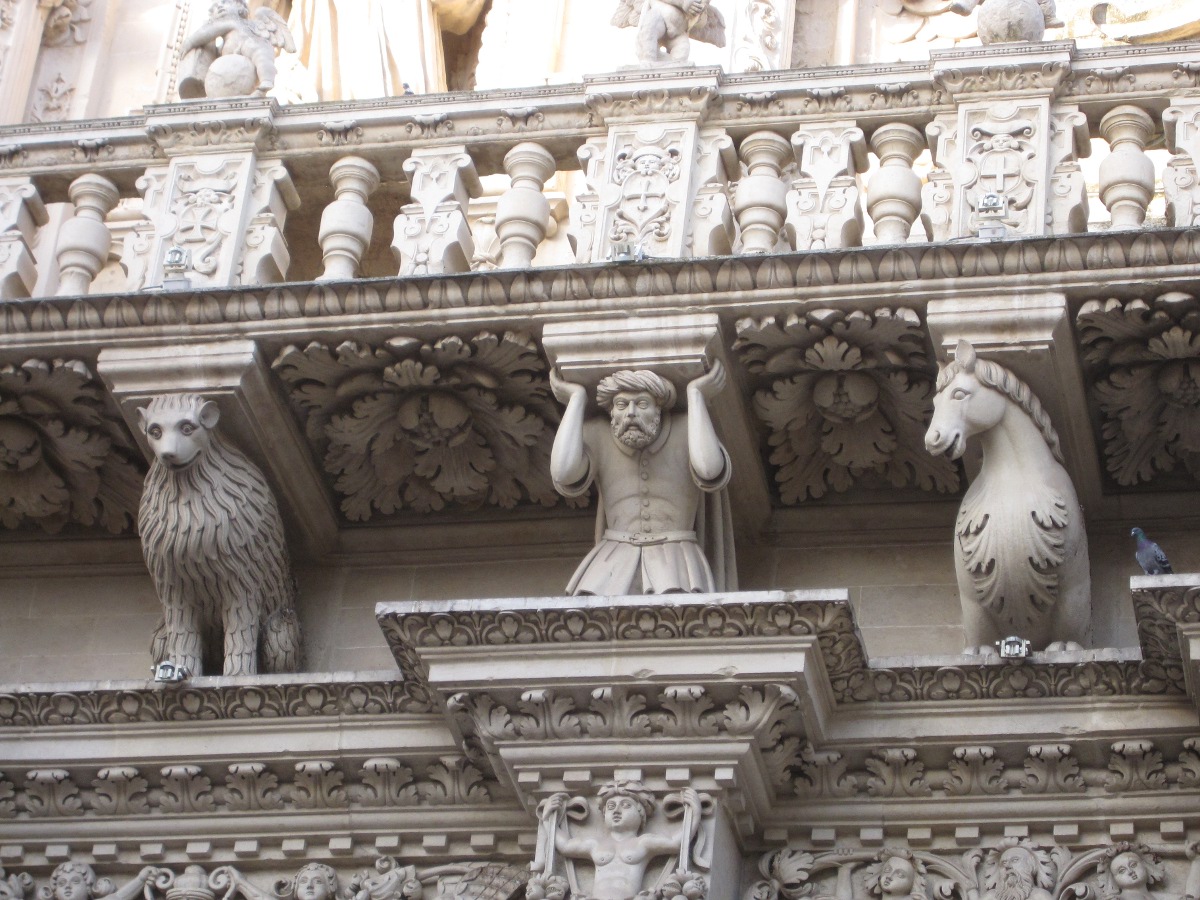
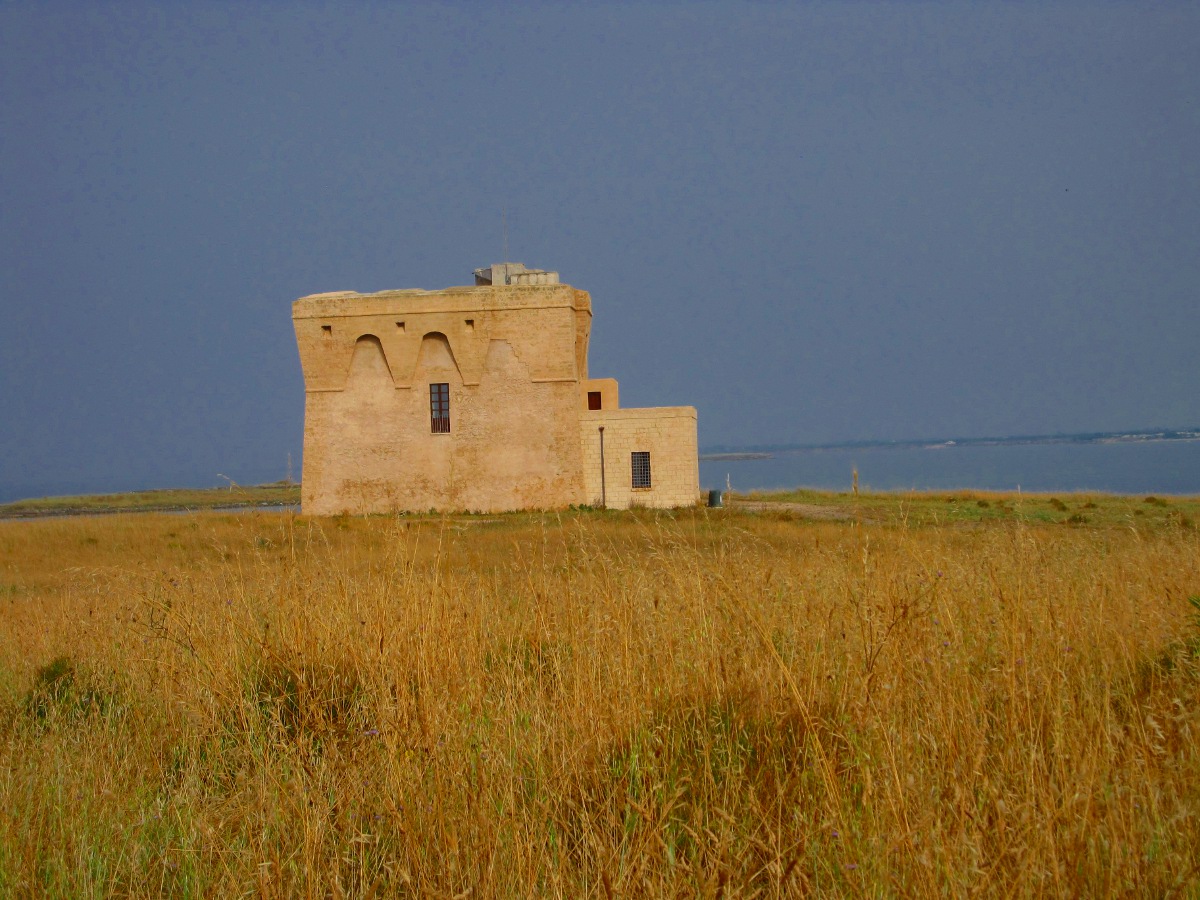
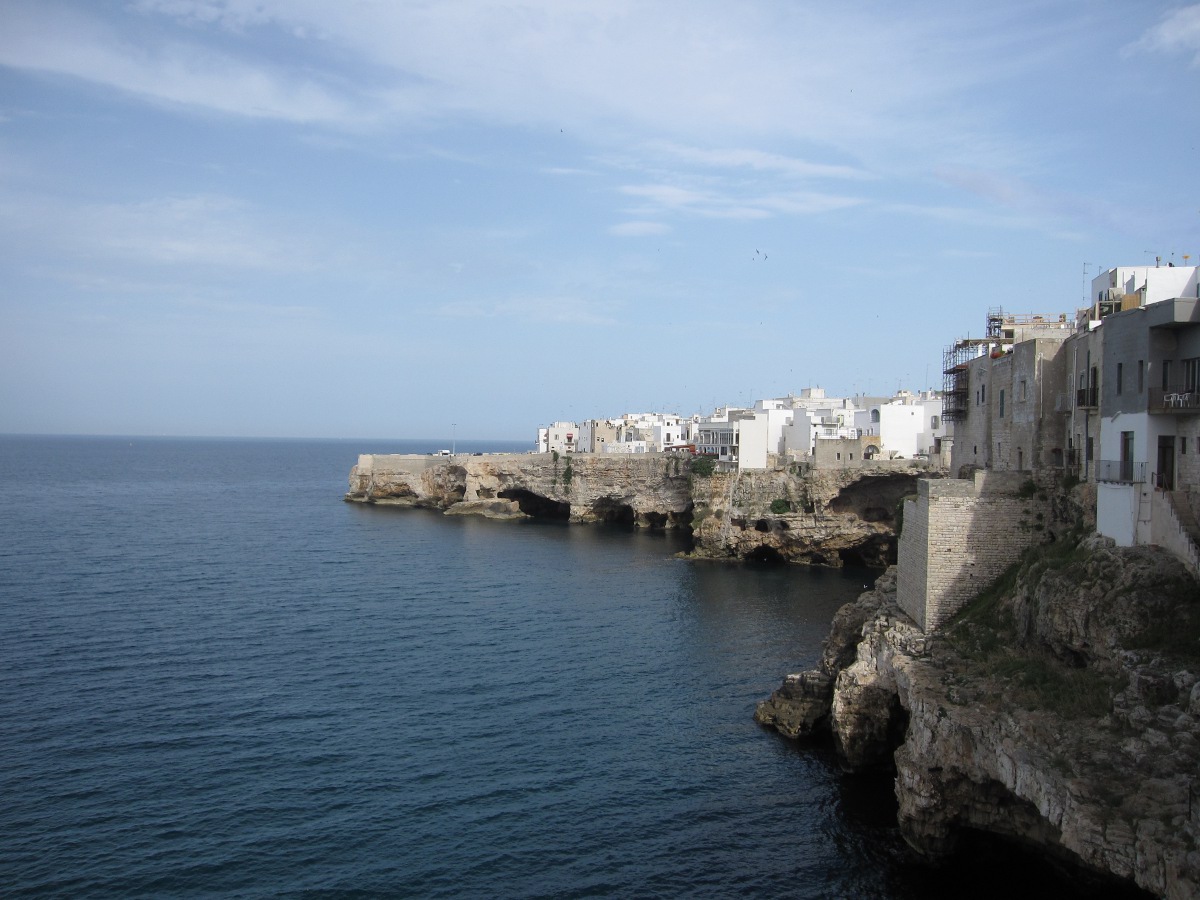
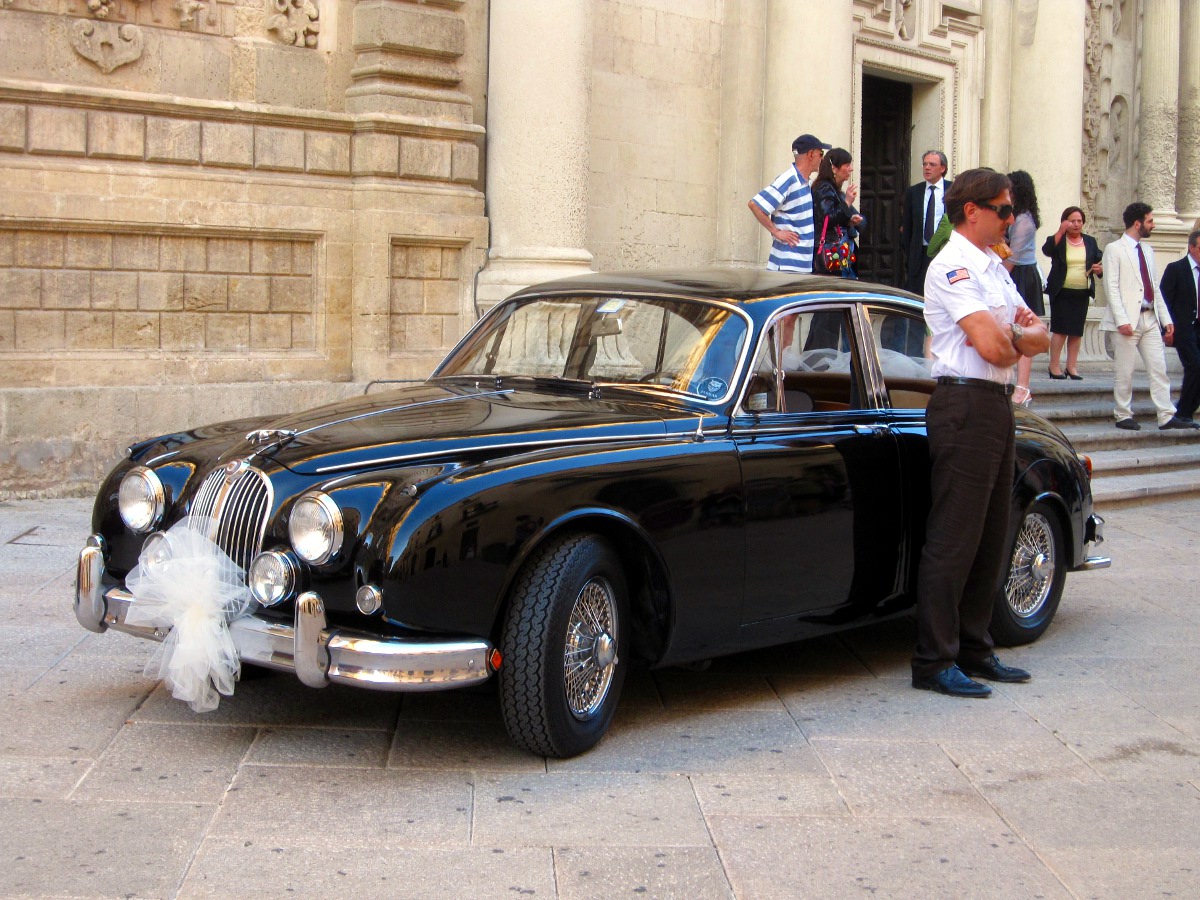
Clockwise: Gargoyles on a cathedral in Lecce, the 16th century watchtower of Torre Guaceto, a driver awaits outside a wedding ceremony, the cliffs of Pogliano a Mare

Located in the southeastern part of Italy (the heel of the boot), Puglia is a peninsula of a peninsula, surrounded by sea and just a 12-hour ferry ride across the Adriatic to Greece. Ah, the sea. Having lived in the midwest for several years, it’s been a while since I’ve heard the crash and smelled the sting of saltwater. And as you can imagine, the sea plays a major role in shaping Puglian history. Being first point of entry by sea, Puglia has been conquered by pretty much every major civilization and conquering marauder that has attacked Italy in the past few thousand years. Ergo, it has a rich history of influences from a variety of cultures. As such, the region’s people, places and activities are heavily influenced by the bountiful amounts of sunlight, seafood and historical exchange.

Temptation in the Garden of Italy

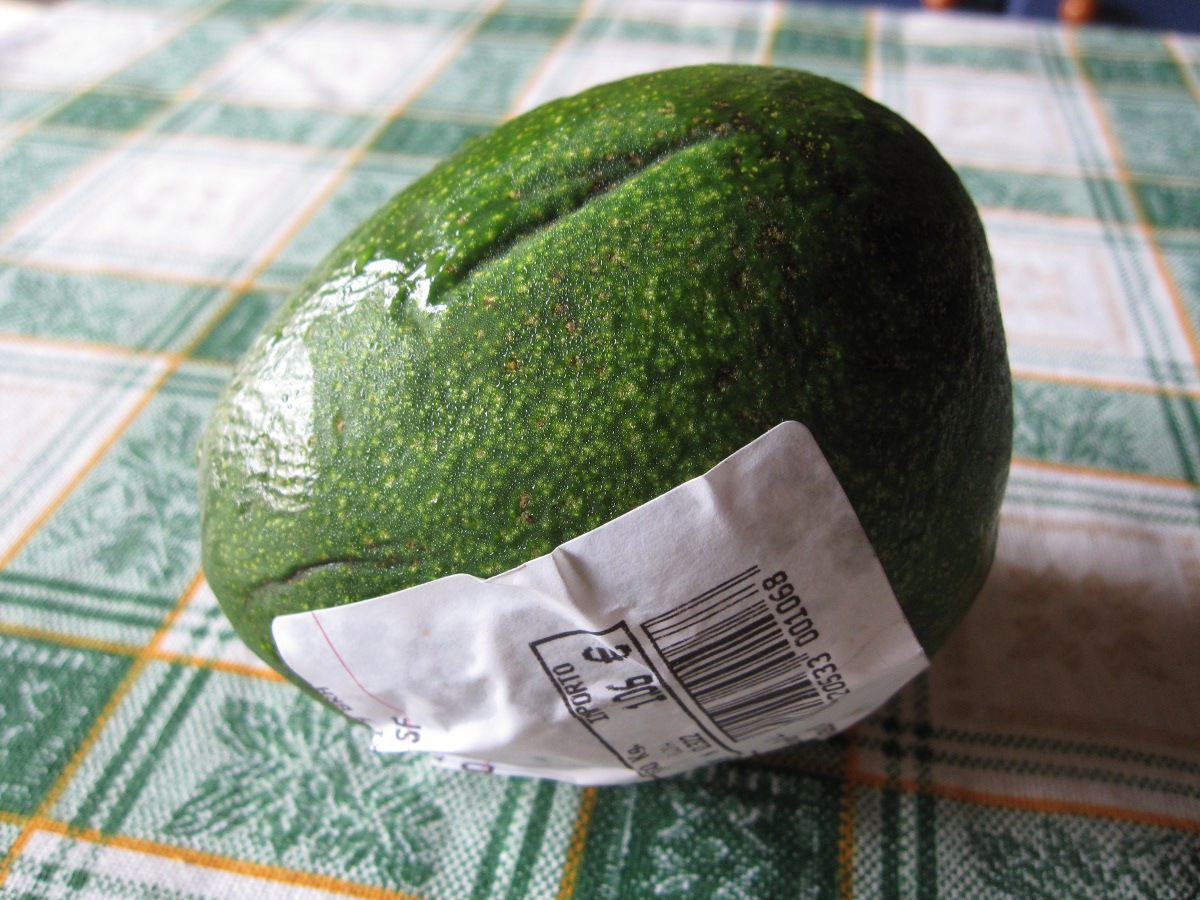
My eyes alighted on it as soon as I stepped into the Coop grocery store, akin to spotting the love of your life from across the room. It stared openly back at me. Green, smooth, palpable. An avocado, delicately ripe, full of rich promise and culinary inspiration.

Danielle looked at me with chagrin. “Didn’t we just discuss the merits of eating locally grown food in class? How many air miles has that flown? Where is it from anyway?” I grimaced. “Italy? They grow avocados in the foothills of Piedmont, right?” We inspected the sign. Origin: Israel. Damn. I tried to rationalize. At least we’re not so far from the Middle East, compared to the United States?