Bra

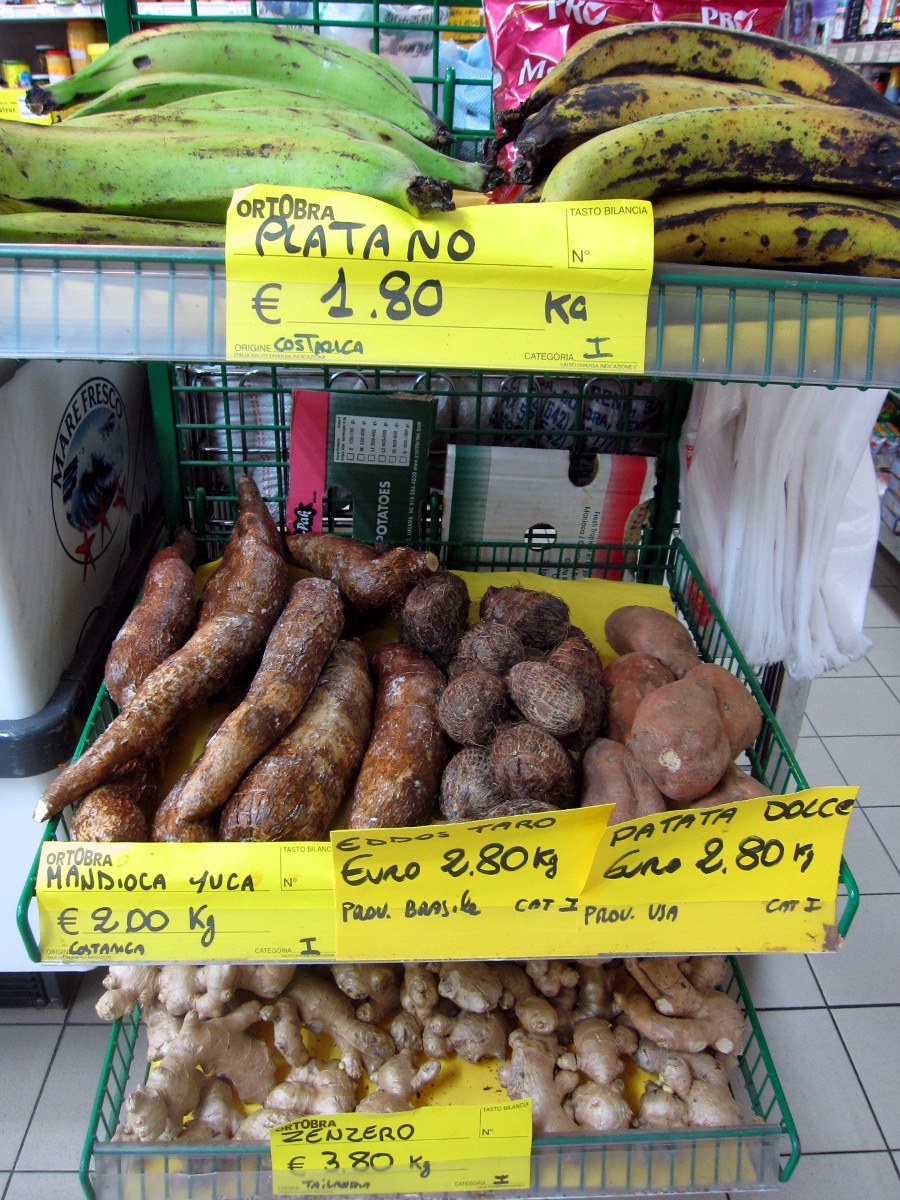
Finding Sticky Gold: The Greatest Grocery Store in Bra
Publication forthcoming in the January 2011 edition of the UNISG newsletter

The discontent arrived in fits and starts. Mere days after arriving in Italy, I stood crestfallen at the market, valiantly searching for a bunch of cilantro. Piles of parsley surrounded me, a taunting, isomorphic reminder that I was far from home. The bulk bins were swollen with cannellini beans and lentils, but there was nary a sign of black beans. In the baking aisle, I combed the shelves for baking powder. Instead, thin packages with florid photos of cakes touted the ammonia-based leavening agent inside. Skeptical, I stifled my frustration and went home to yet another meal with pasta.
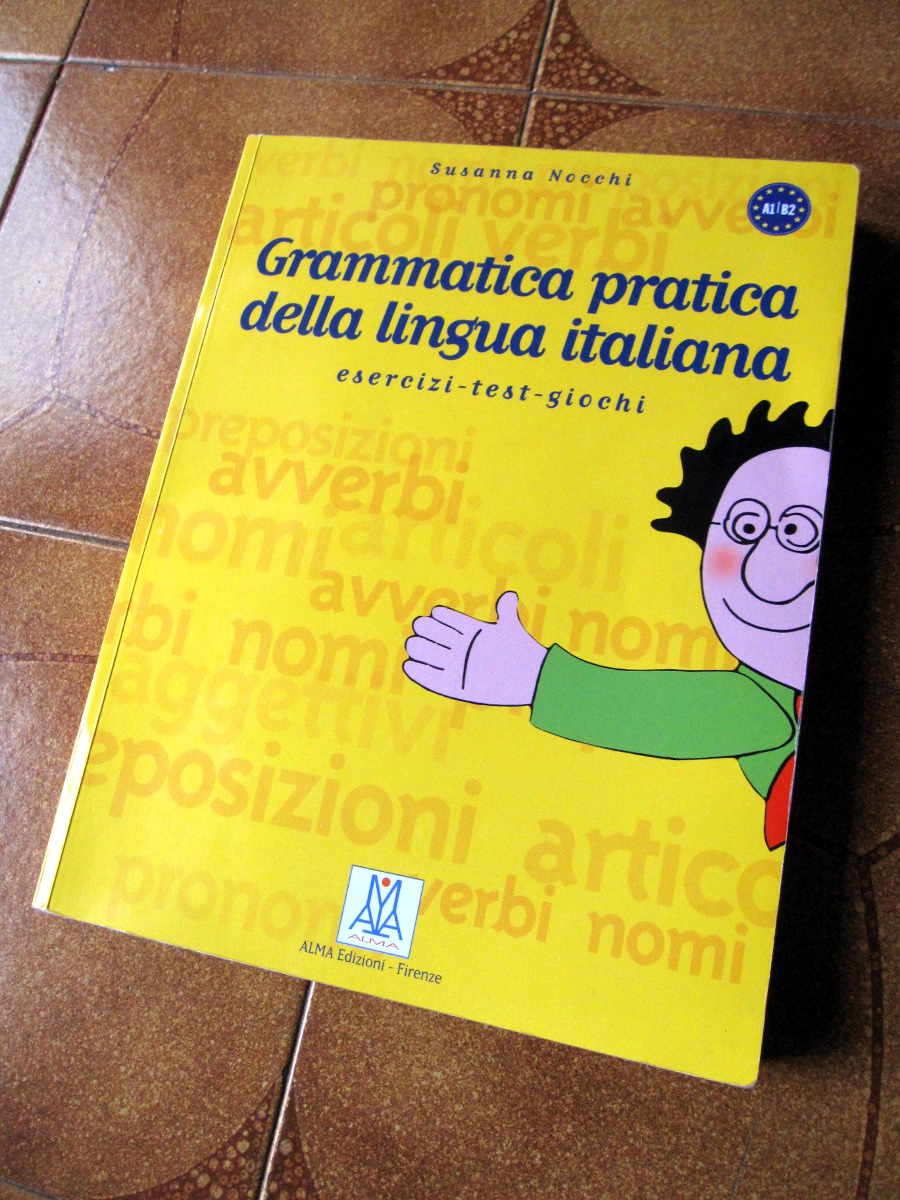
Italian for People Who Can’t Legge Bene

In the months between my acceptance and moving to Italy, I spent a good chunk of time learning Italian through as many venues as possible. I went through three levels of Rosetta Stone. I read Italian blogs and newspapers. I discovered some great Italian films (and some pretty terrible melodramatic, sad-violin ones). Then, I stepped onto my first train in Italy, promptly missed the transfer and ended up in Cuneo. It was about 8 pm on a Mon night, and the trains stop running shortly thereafter. Panicked, I tried to ask the guy across the aisle for help, but all the Italian I’d learned had flown out the window. Luckily, he knew enough English to tell me I had 5 minutes left to catch the last train of the night. Clearly, my Italian still had a ways to go.

Winter in Italy

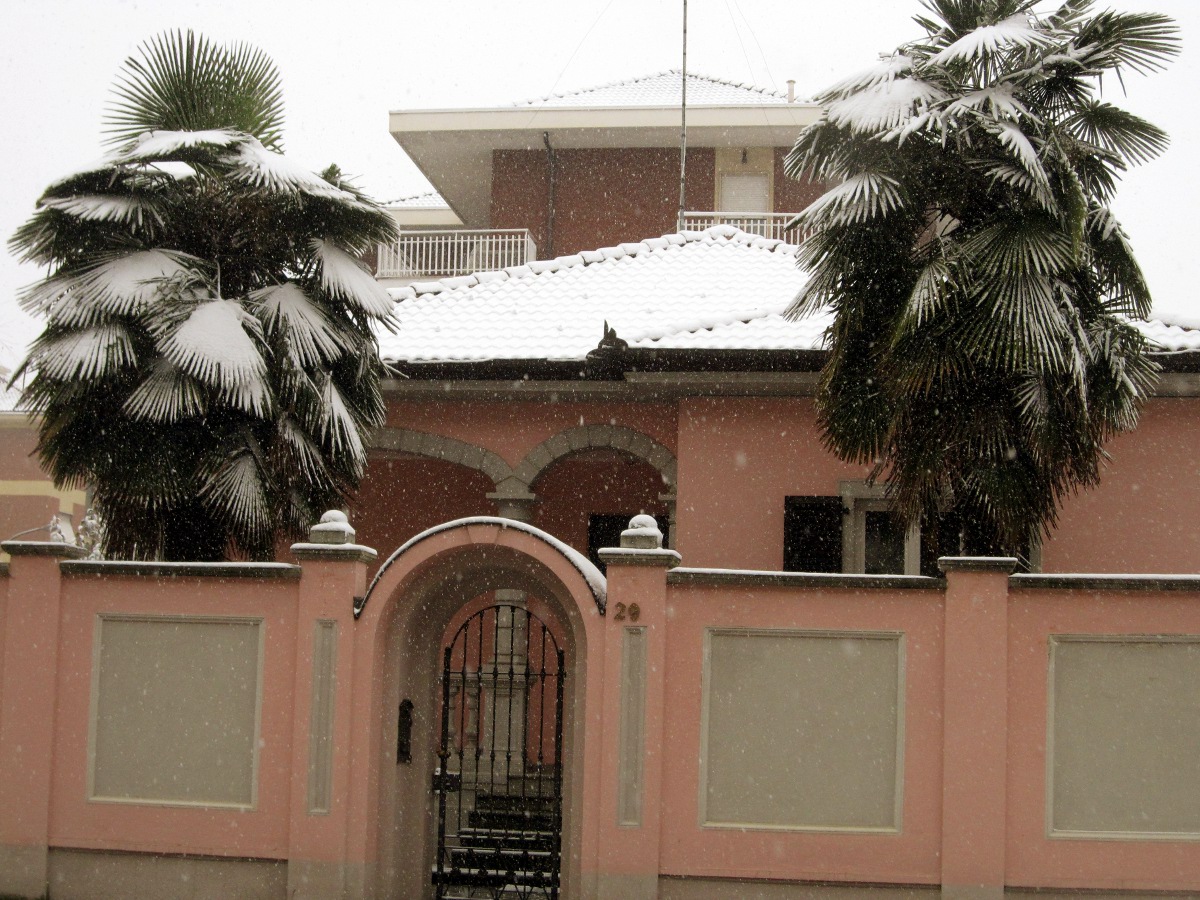
Today I woke to find that everything was covered in a pristine blanket of fluffy, white snow. It was the first snowfall of the season in Bra.

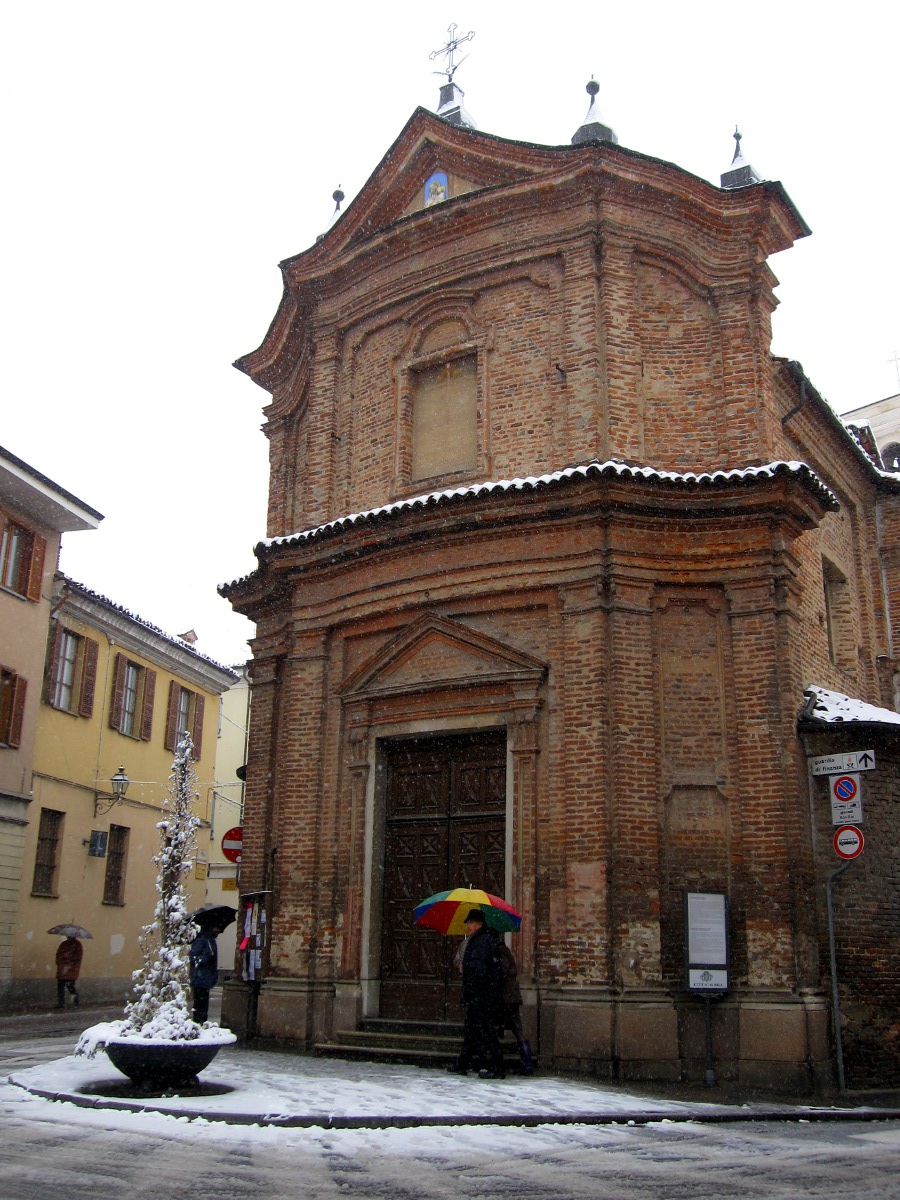
Townspeople gather to read town notices on the bulletin board outside the church.

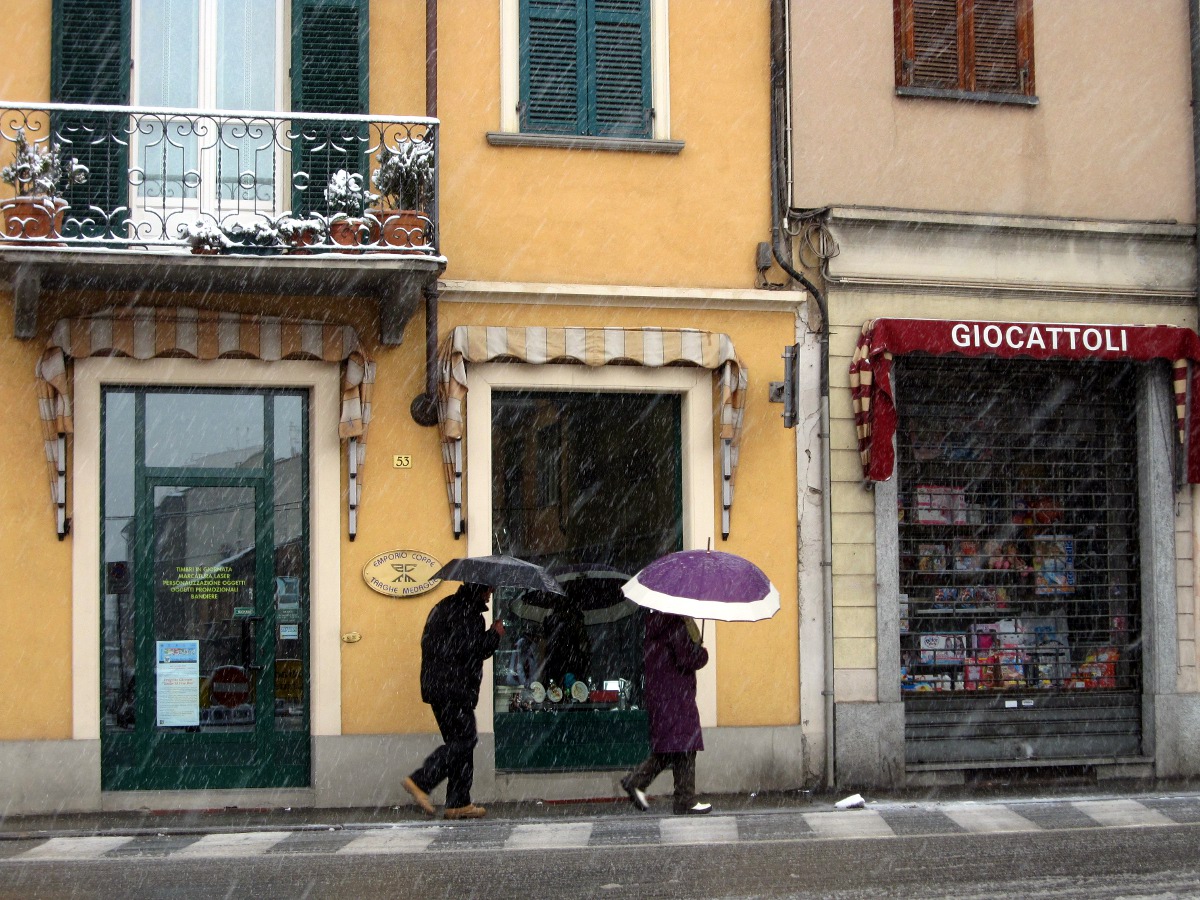
In Italy, umbrellas are commonly used by pedestrians to shield themselves from falling snow.

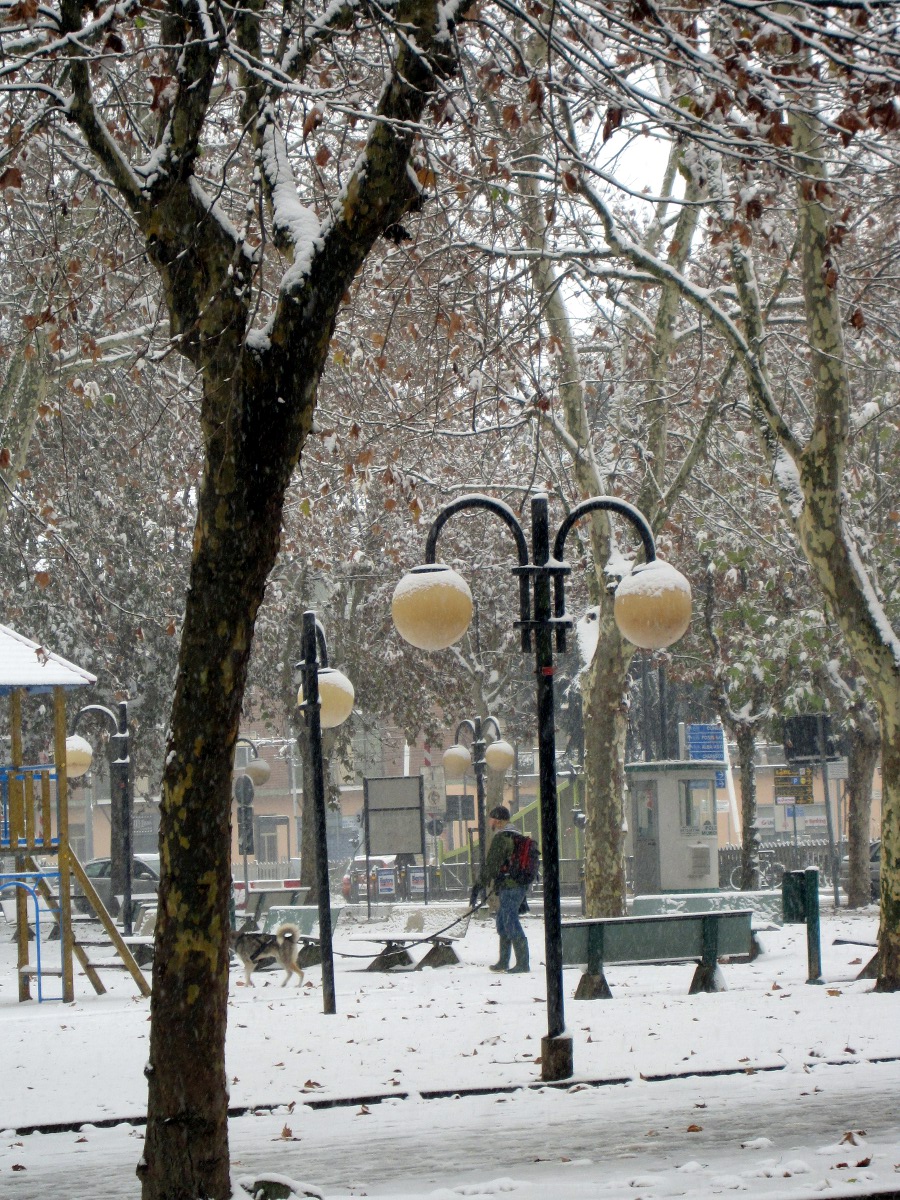
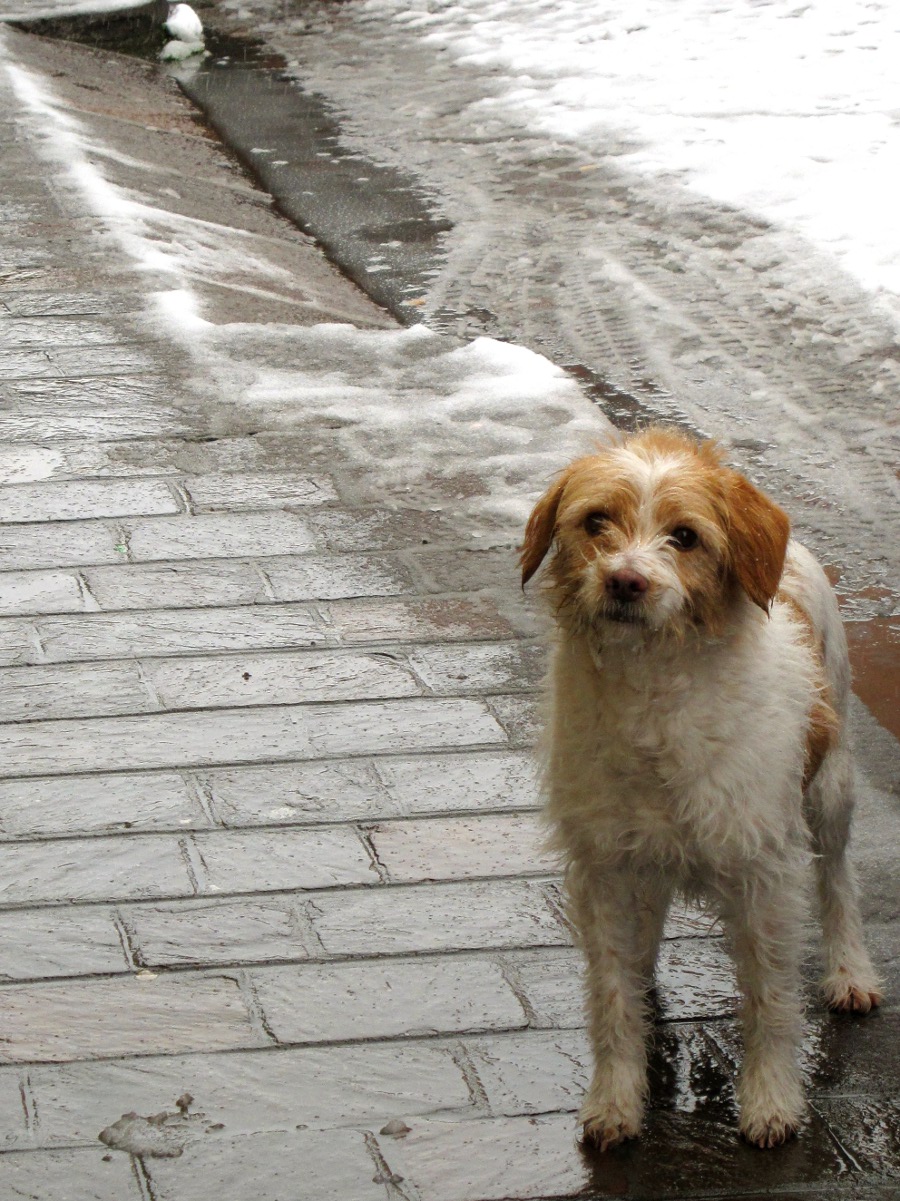
Playgrounds were hushed, save for the padding of dogs walking their masters.

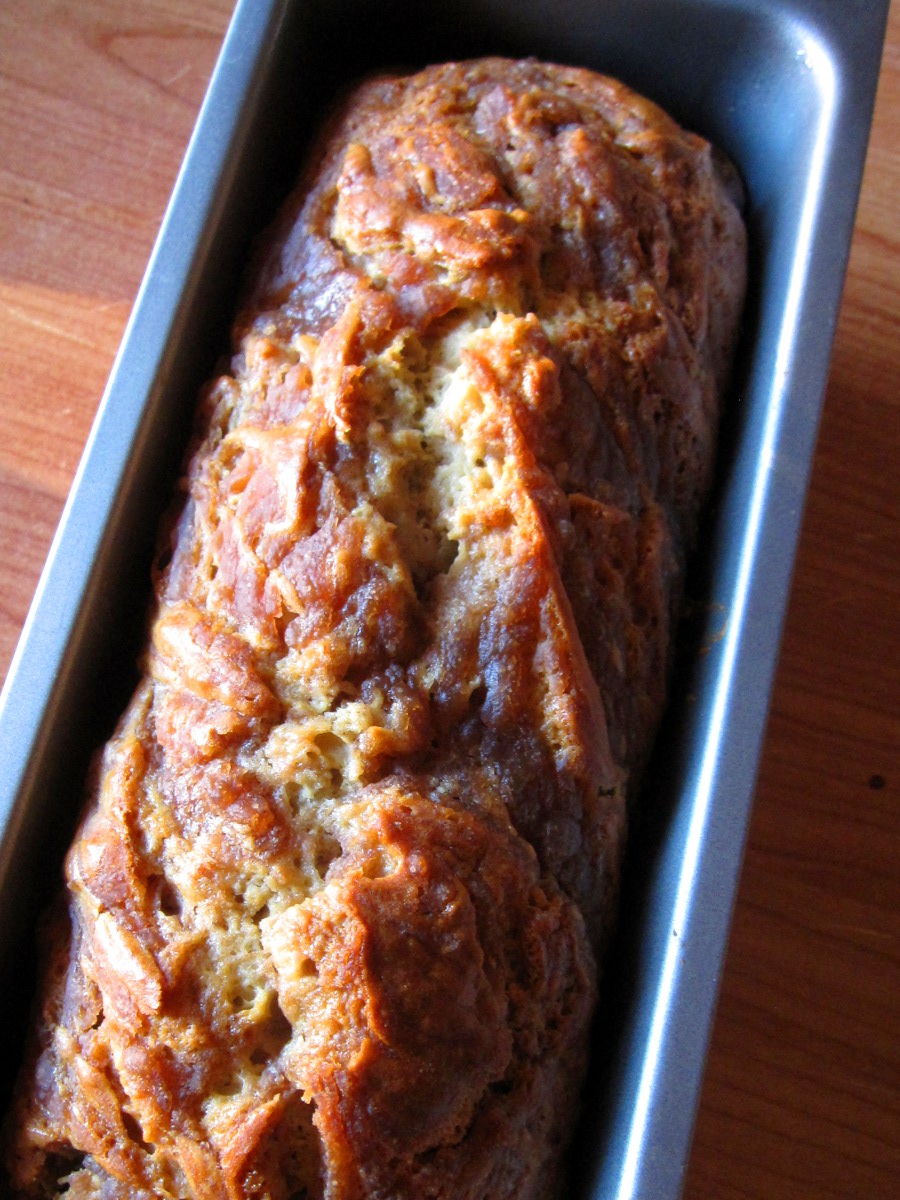
Recipe: Banana and Chestnut Bread, or a Celebration of Baking Powder in Italy

One of the (many) ironies of living in Italy is that I barely twitch my eyebrows at the products that gourmets fantasize about (white truffles, Barolo wine) because they are here in abundance, while my pulse races at certain items that would be staples in every American supermarket, yet are nearly impossible to find in Italy. This phenomenon is not limited to only me; one of the highlights of our class trip to France was the discovery of a vendor stocked with cilantro at the Dijon market. The ensuing stampede of students who each snapped up two or four bunches must have left that vendor shaking his head in confusion as to what was causing the run on cilantro. When in Bra, we covertly swap info on where to find cilantro as if we are Soviet spies. (Tip: you must ask for it to be brought out, but there is a particular butcher who sells cilantro on Fridays and Saturdays. Who knew.)

Food Anthropology: Chitalian Cuisine

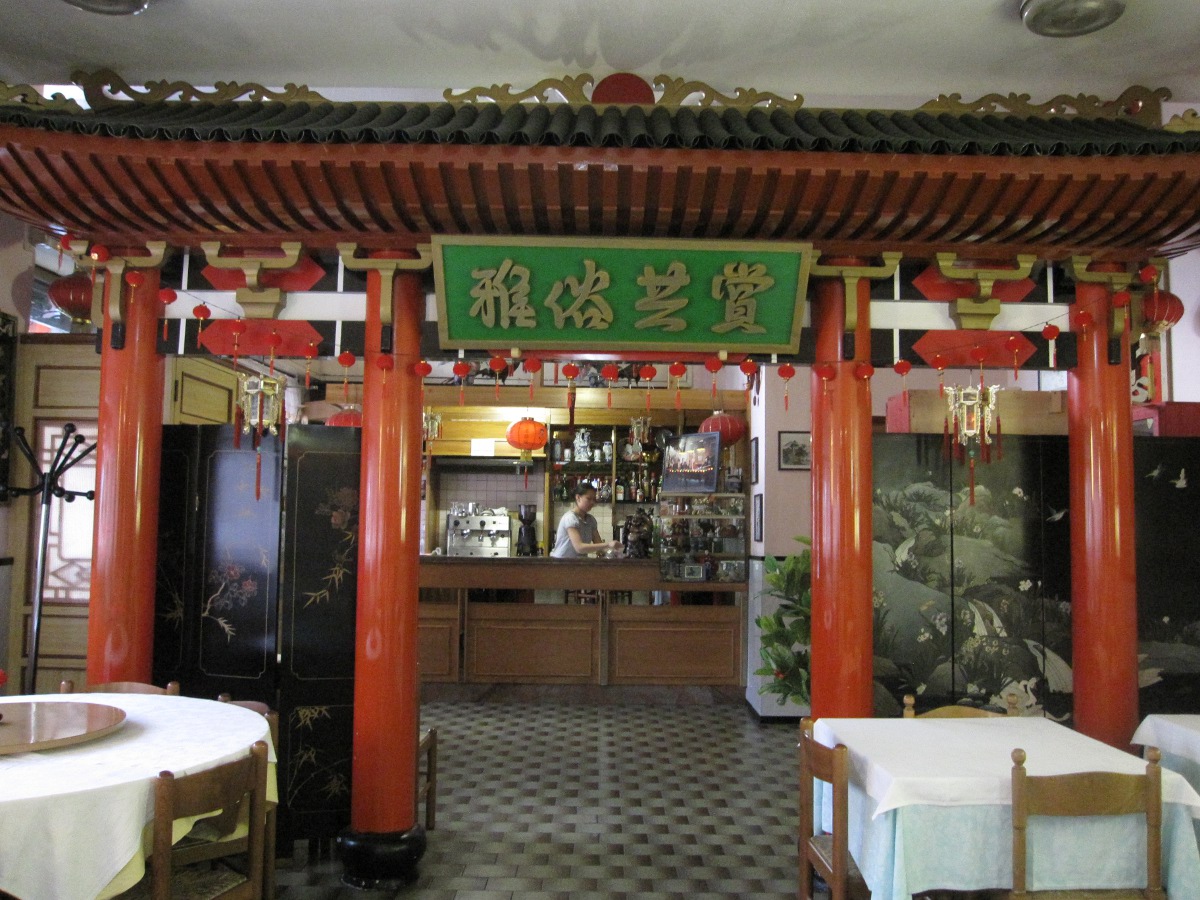
Last week, as part of a class on food anthropology, we all had to conduct an ethnographic study of a food production place in town using participant-observation methods (read: hanging out and discreetly taking notes). Rather than choosing one of the town’s many pizzerias or gelato shops, I decided to investigate the one place that has elicited a sort of morbid fascination for me for the last month: The Chinese restaurant in Bra. That’s right, there’s only one, and there isn’t too much other ethnic food in town to speak of, aside from a couple small kebab shops.

Back Roads of the Italian Countryside, or My Daily Commute

Note: This post is mostly geared towards UNISG students, so it will be fairly useless to you unless you need to get from Bra to Pollenzo.

Living in Italy, you start to realize that there are always two ways of doing everything, the official system and the back door in-the-know route. Take the process of acquiring a permesso di soggiorno residency permit, required for all non-EU citizens staying in Italy for over 90 days. In Bra, you can either go to the Post Office, pick up an application kit and struggle to figure out what to put down so as to not have your application rejected, or you can go to the Al Elka-L’incontro center for foreign citizens, which provides consulting services and staff who fill out the application for you. Granted, the center is only open for 7 hours a week, on Tuesday afternoons and Friday mornings, but that is different gripe. Ah, Europe.