Wine

The Bottled Poetry of Arnaldo Caprai
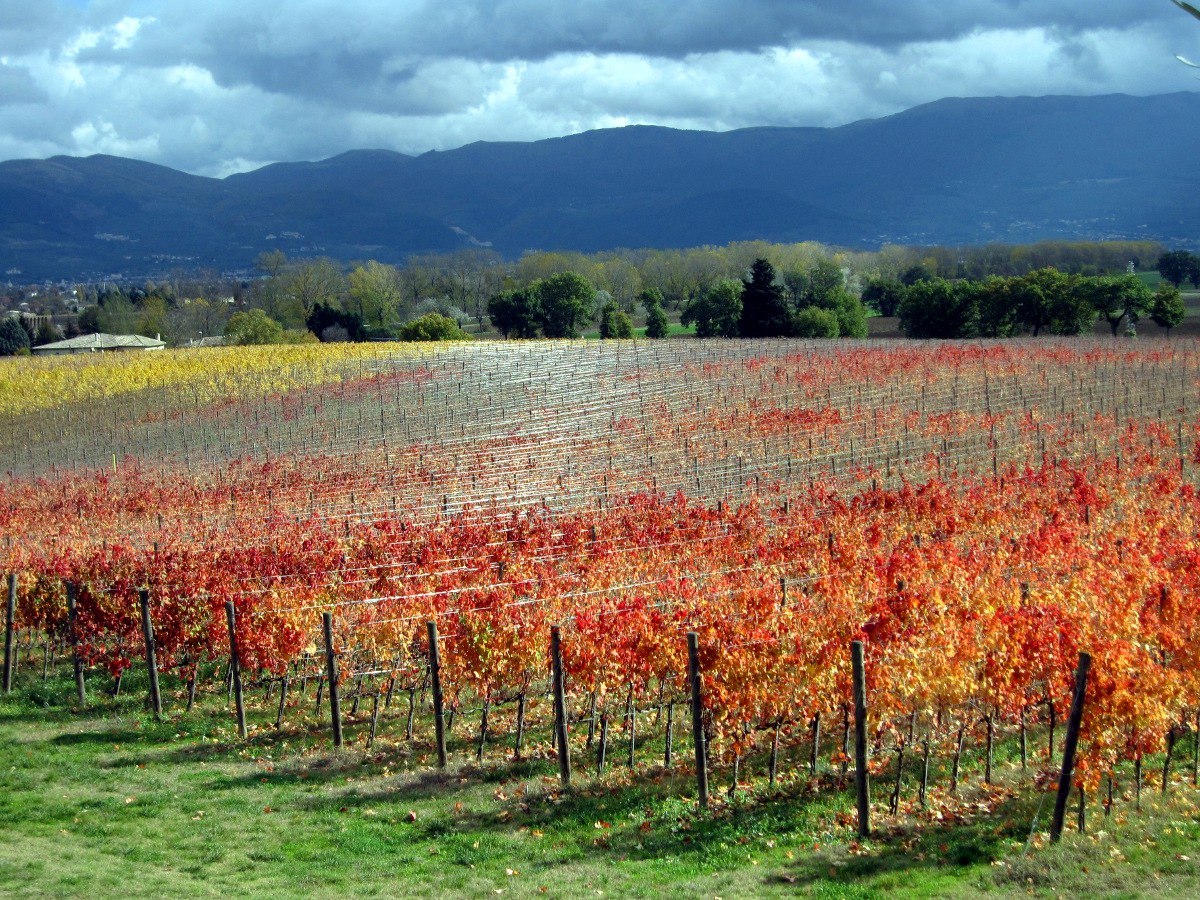
“This is one of the most important products in the panorama of Italian wines. Are you familiar with it?” I was haplessly ignorant as Eleonara Marzi began her presentation on sagrantino wines. Over the next week though, we would drink the hometown favorite of Umbria more times than I could remember.

Sagrantino is a native grape variety that has been cultivated in Montefalco for over 400 years, and sagrantino secco is recognized as a DOCG wine indigenous to Umbria. However, until the 1970s, most Umbrian wineries focused on producing merlot and cabernet sauvignon. Sagrantino was mostly relegated to the production of passito, or sweet dessert wines. This was due in part to the intensity of sagrantino grapes, which are higher in tannins and polyphenols than any other grape. To combat the persistence of the tannins, farmers generally added sugar to increase the softness of the wine and make it more drinkable.
Barrels of Fun: François Frères Tonnellerie

Update Dec. 9: I’ve made a couple corrections per request by François Frères.

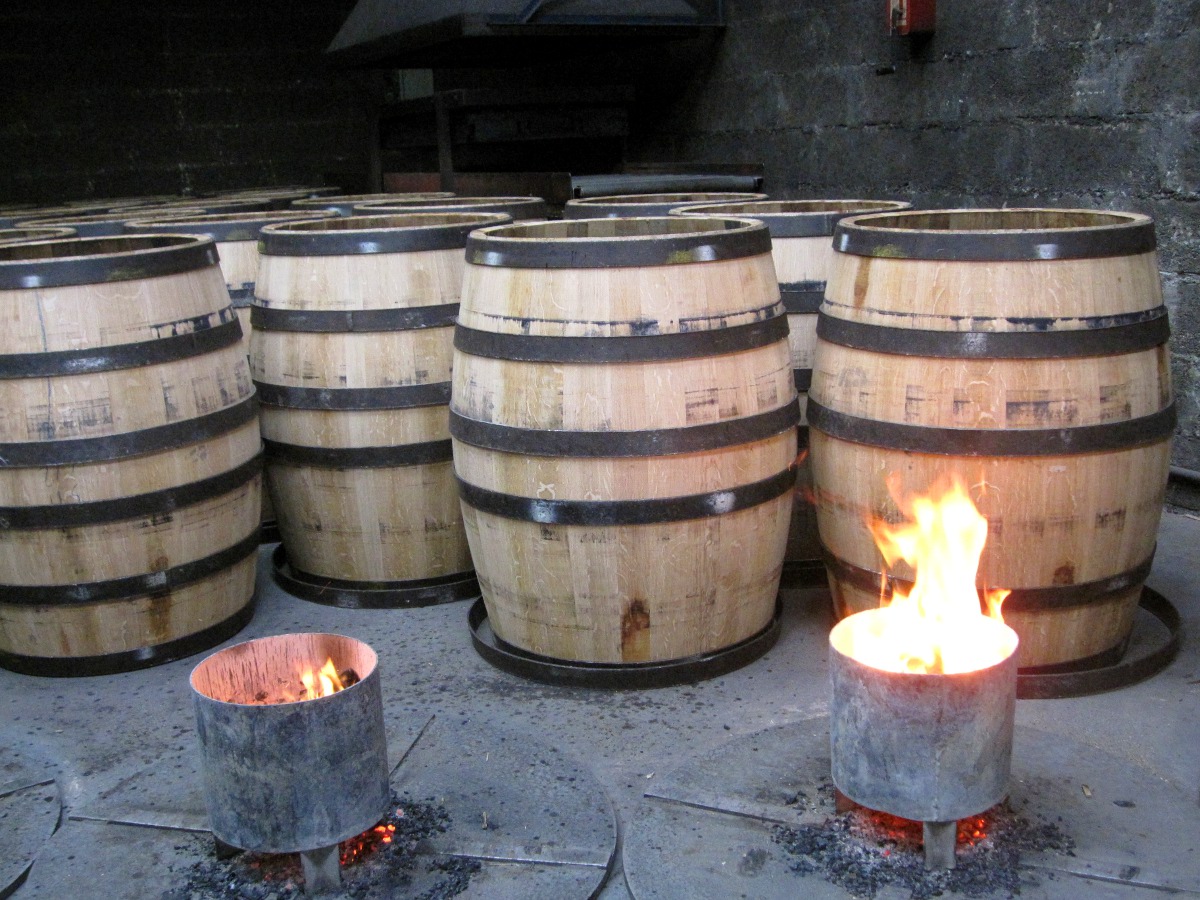
Vinoscenti spend a lot of time debating the minutiae of varietals, vintages and vineyards, but what about the scrutinizing the whole package? I am of course referring to the barrels that wines are typically aged in, handcrafted vessels used by France’s prolific wine industry to add and mellow flavors as a wine matures.

Historical Wine Cellars in Piedmont


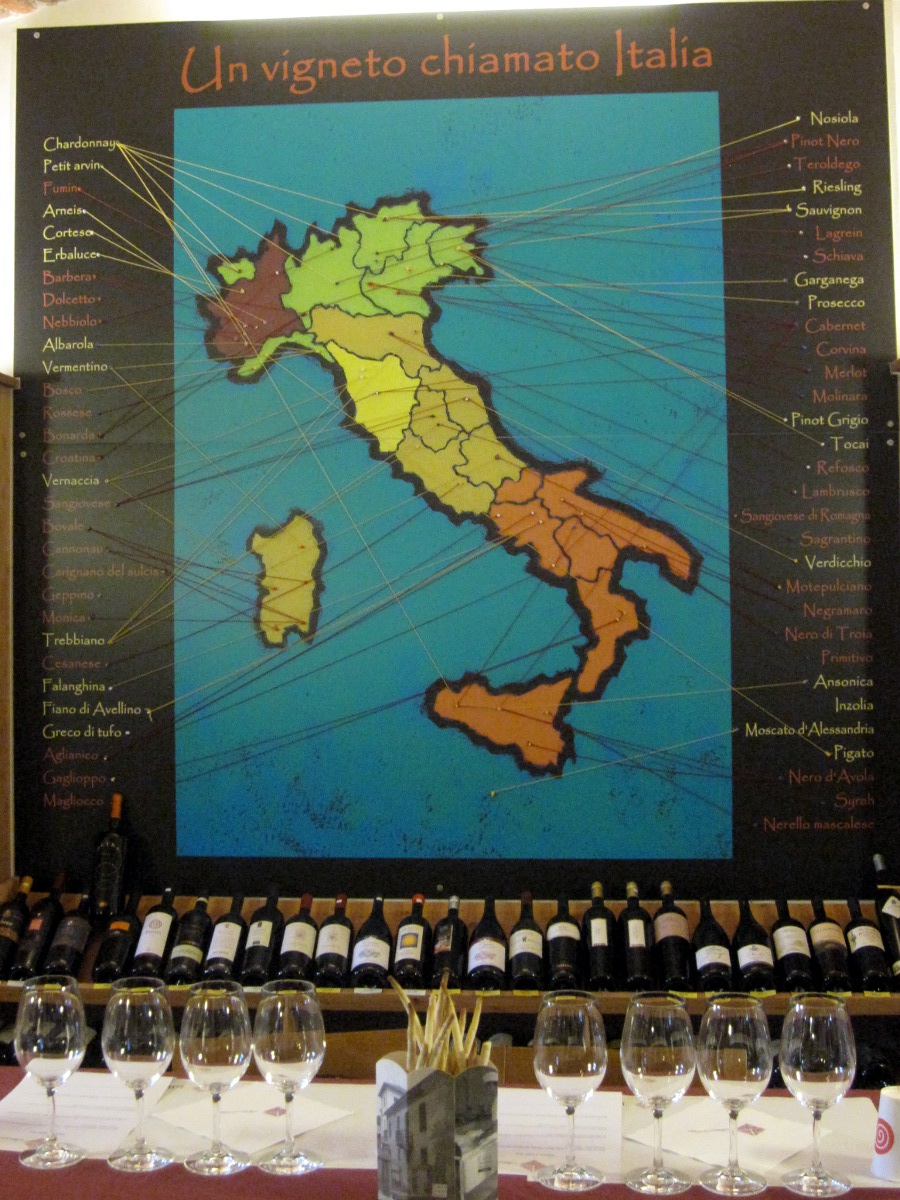
At the Wine Bank: a map of Italy’s most important varietals and their regions

The Piemonte region is an area in northwestern Italy, bordering France and Switzerland, with distinct seasons and mountainous terrain (literally: “foot of the mountain”). It is considered one of the greatest winemaking regions in Italy, renowned for its Barolo and Barbaresco red wines made from Nebbiolo grapes.

For the first day of the Piedmont stage, we stopped by the Banca del Vino (wine bank) housed inside the Agenzia di Pollenzo, which is also home to (you guessed it) the University of Gastronomic Sciences. Ah, familiar stomping grounds. Inspired by a vision from Carlo Petrini, the Banca del Vino is an effort to build a historical record of Italian wines, to select, stock and maintain the best of the Italian peninsula. Thus, the vault is part storage cellar, part museum, and holds a collection of wines from over 300 producers across Italy while providing tastings for visitors. They also offer themed workshops if you are interested in researching one region or varietal in particular. Outside of the vault, a large number of wines line the shelves and are available for sale. I was amused to see one labeled “Cornell,” although additional research suggests that the wine has nothing to do with my alma mater or Ezra Cornell’s descendants.

Wine Snobbery 101

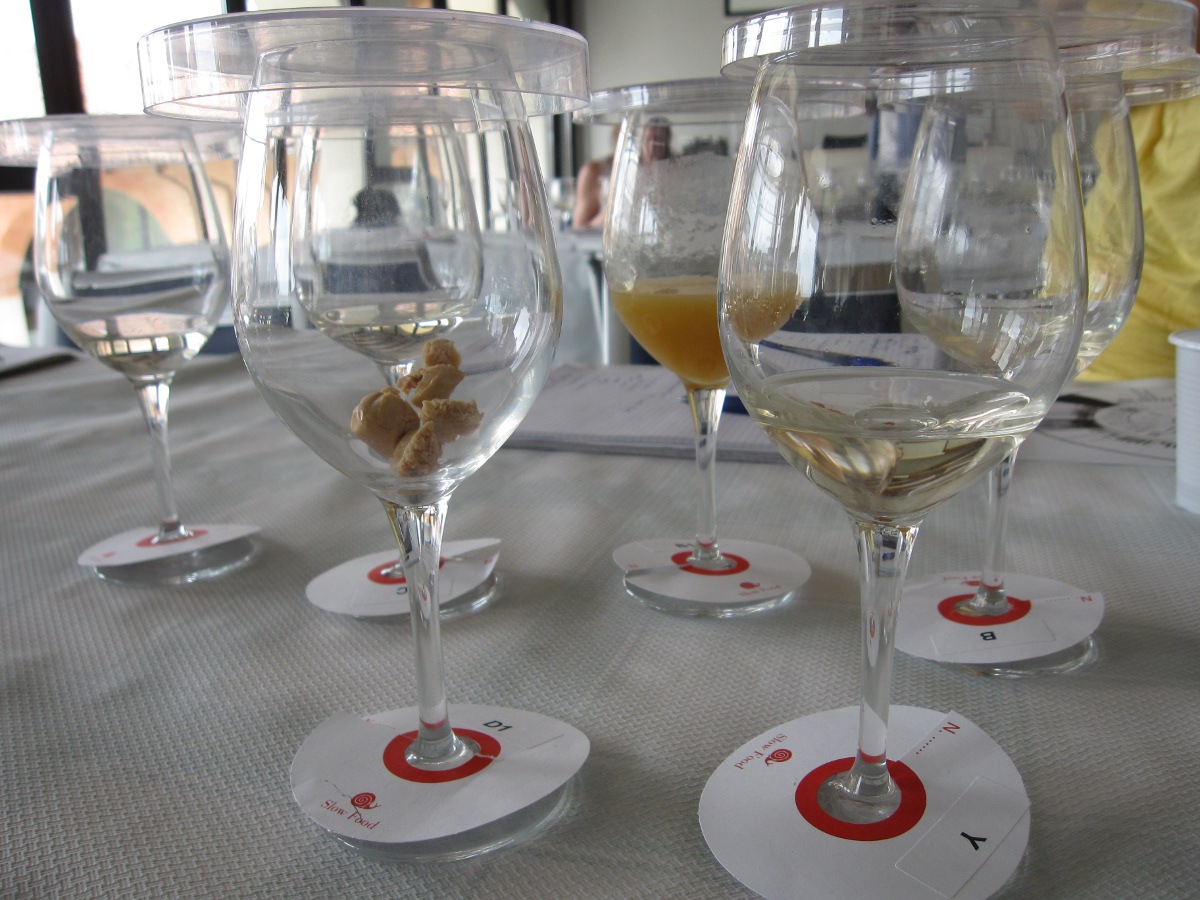
“Everyone has the ability to taste and analyze wine, you just need to have the vocabulary and focus to do it,” said Ann Noble, a retired UC Davis professor of Viticulture and Enology. With that, we launched into two days of Sensory Analysis classes, an overview of the sensory properties of wine (appearance, aroma, mouthfeel, flavor, aftertaste) and some of the psychological factors that influence the perception of wine. And though her appearance was unassuming, Noble turned out to be a colorful, crusty character full of dry, sarcastic comments such as “You just have a pinot fetish” and “You’re a prostitute when you’re a researcher because you need money!”