Travel

Arqua Petrarca: Love, Wine and Petrarch


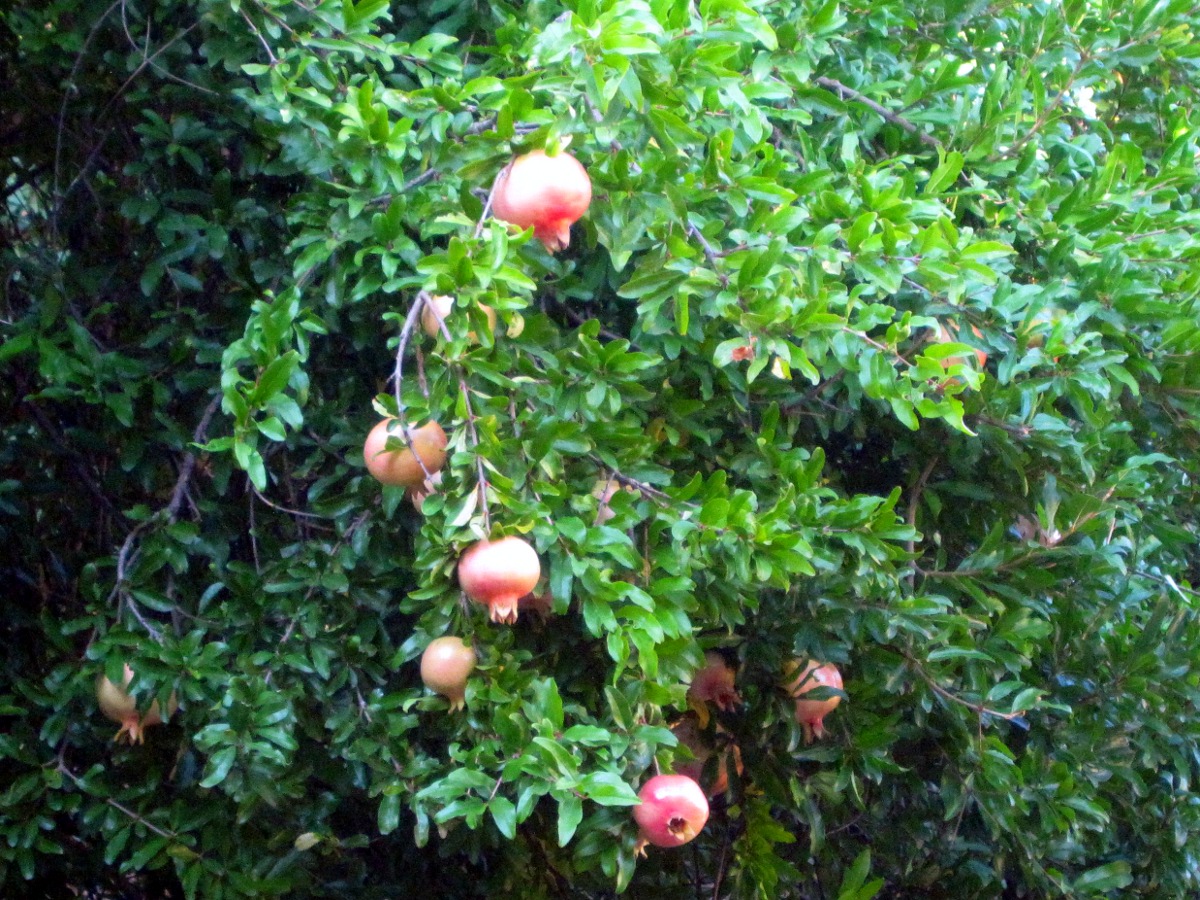
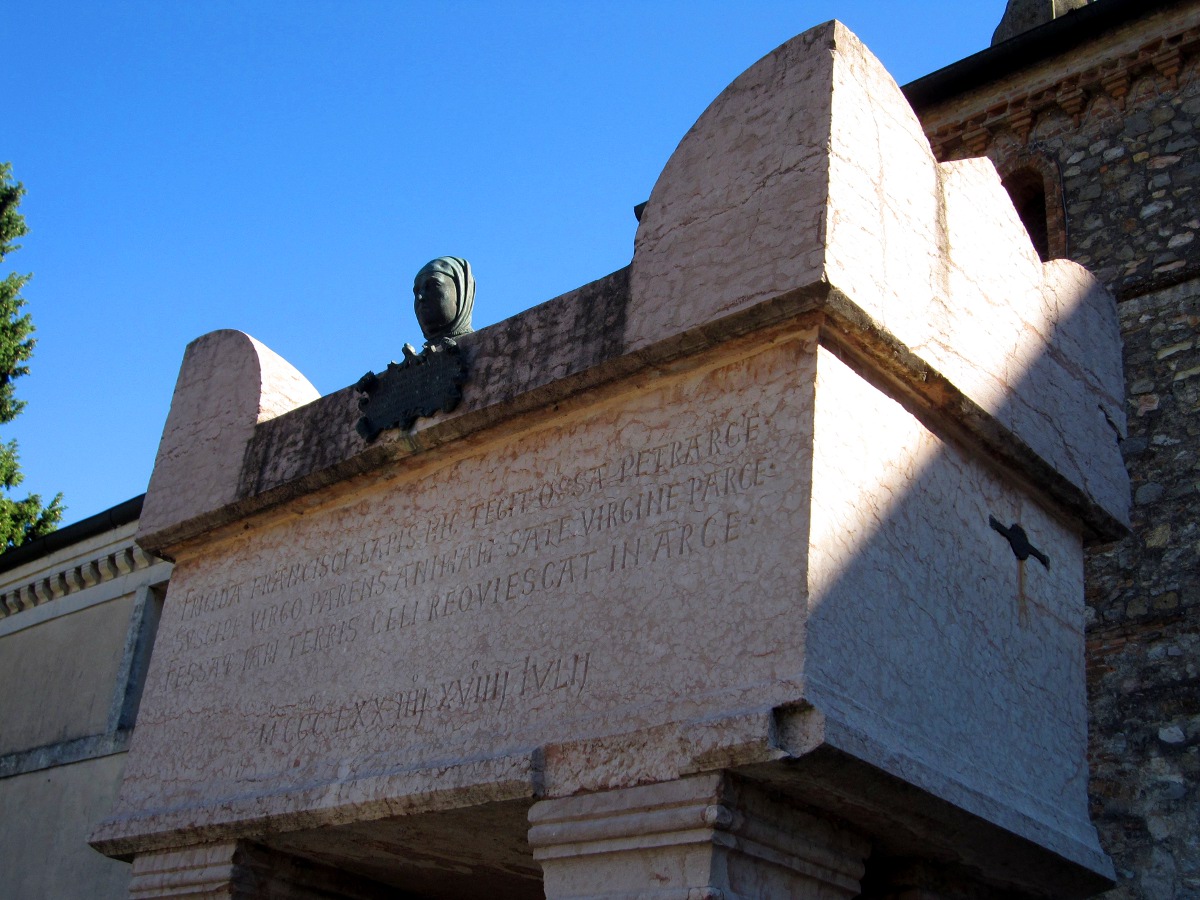
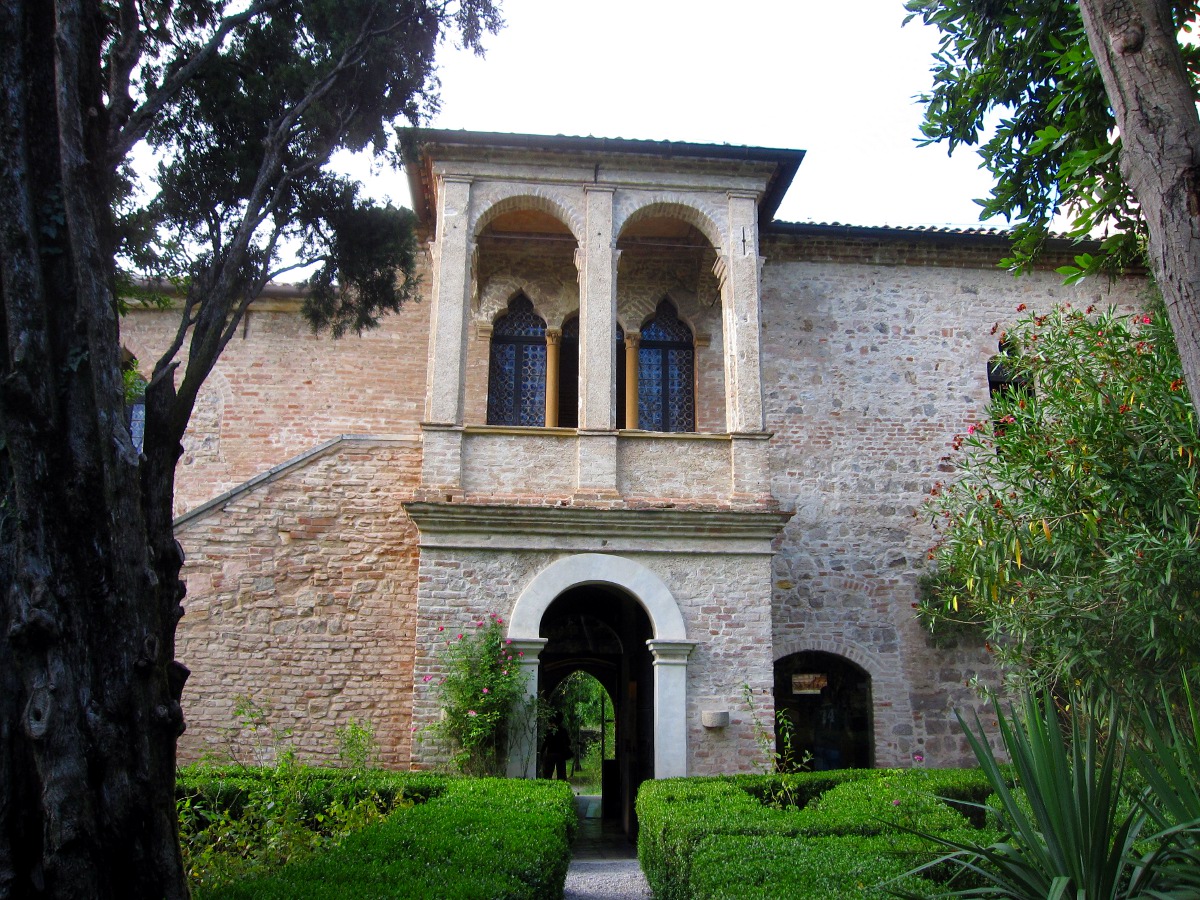
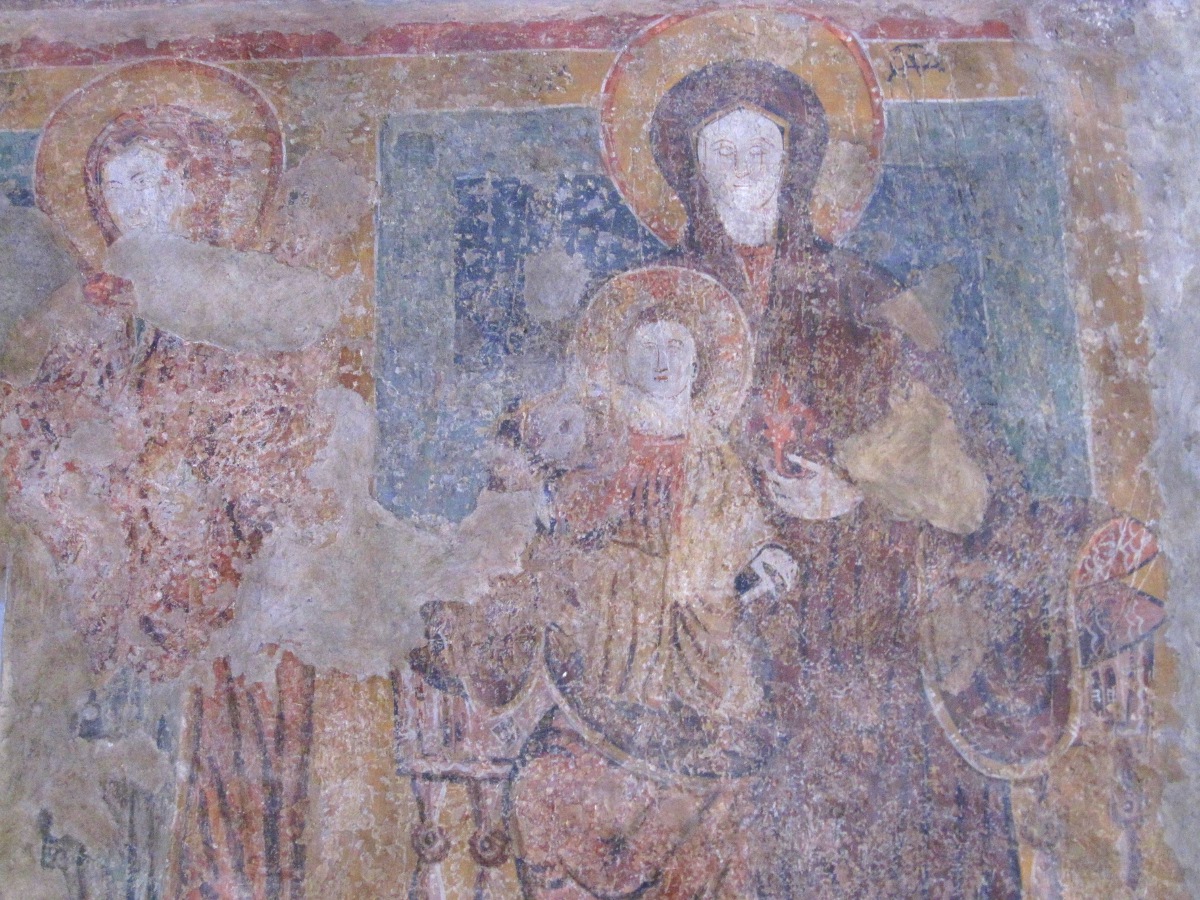
Clockwise: the entrance to Petrarch’s home; 13th century Venetian school fresco inside the Santa Maria church; Petrarch’s tomb; pomegranates growing on a roadside tree

Se ti agita sacro amore di Patria, t’inchina a queste mura ove spirò la grande anima il cantor dei Scipioni e di Laura. If you are moved by the sacred love of country, bow down before this wall where a great soul, the singer of Scipio and of Laura passed away.
-Inscription at the house of Petrarch

Cruising the Mediterranean: Fortifications & Volcanoes

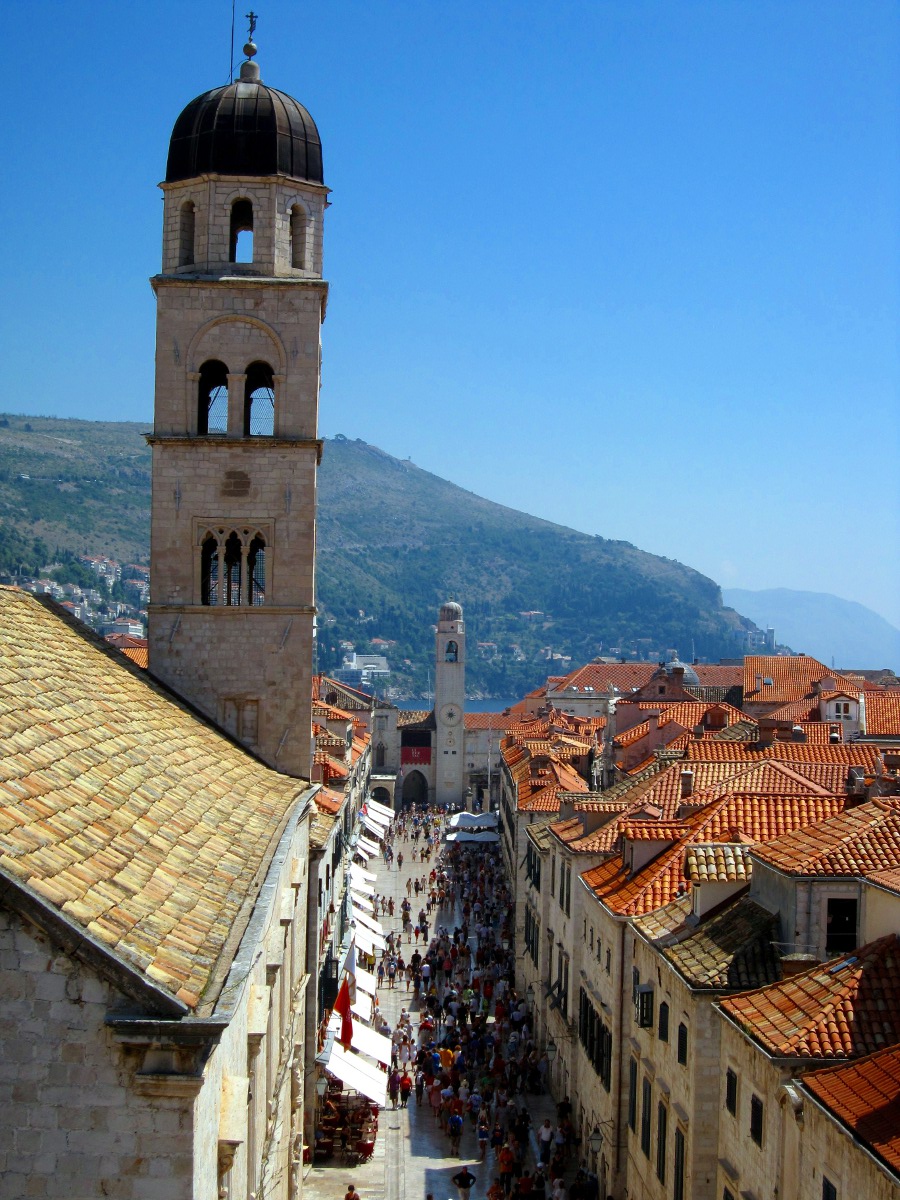
The Placa, Dubrovnik’s main pedestrian promenade

Through a series of fortunate events, I ended up sailing on a Royal Caribbean cruise a couple weeks ago, departing from Venice with stops in the port cities of Dubrovnik, Croatia; Kusadasi, Turkey; Santorini and Corfu, Greece. It was the first cruise I’d ever been on, and thus, it was the worst (and best) cruise of my life. The sunsets were beautiful, the lox & bagels delicious (my first since leaving the US), and the ship rocked at a frequency of 1/10 hz for only one night (the frequency most prone to causing seasickness). The week was so fabulous, I almost stopped pining for internet access.

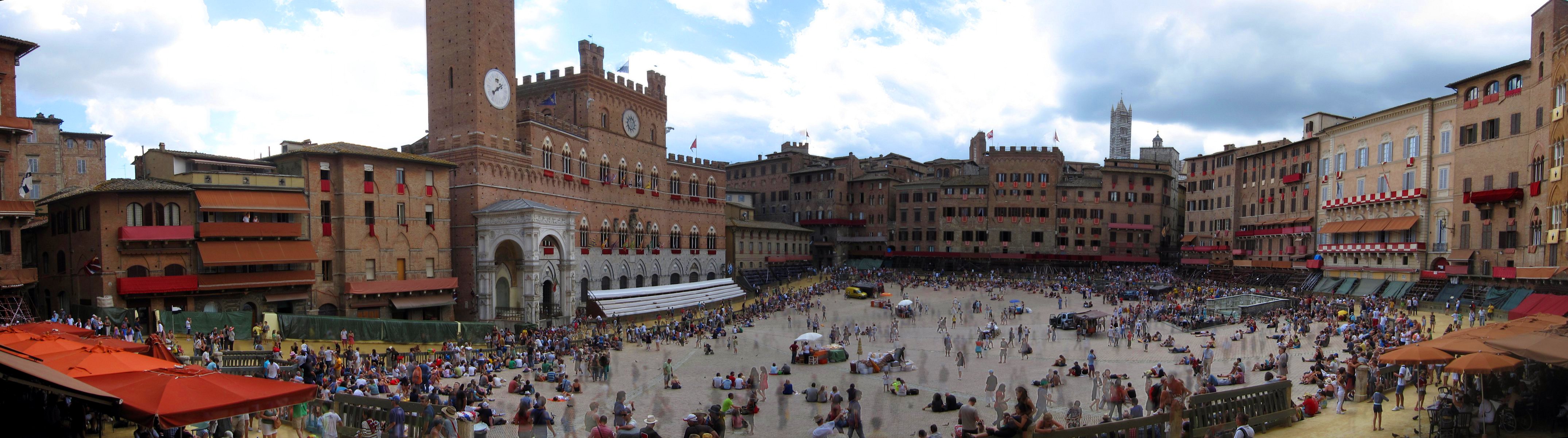
Scenes from the Palio di Siena

Liberamente nel Campo di Siena / Ogni vergogna deposta, s’affisse.
(Freely upon the Campo of Siena / All shame being laid aside, he placed himself.)
-Dante, Purgatory, XI 134-135

Having been born in Louisville, home of the celebrated Kentucky Derby, I was pretty keen to hear about another famed horse race in Italy, the Palio di Siena. This race is generally held twice annually, on July 2 and August 16, and takes place in the town’s main square, the Piazza del Campo. A dirt track is laid out on the ground, bleachers are thrown up and the town takes a day off to carouse and carry on a centuries-old tradition.

Turning Back Time in Florence

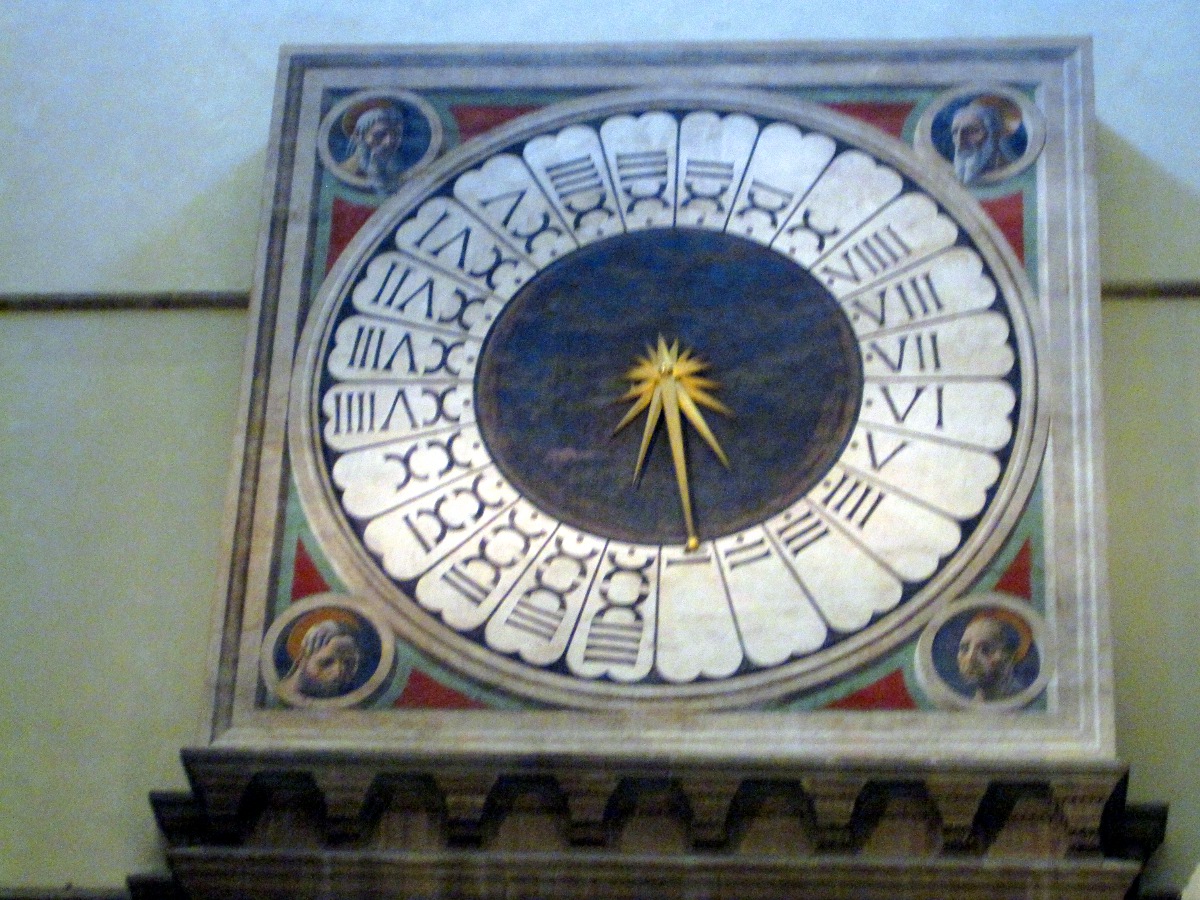
The clock inside the Florence Duomo runs counterclockwise and starts its days at sunset (it is 4-6 hours fast). This is because when the clock was designed in the 1400s, sunset was the point at which the city gates were closed and all residents had to be inside the city walls.

It was the worst of times possible to visit Florence.

August 15 is the height of ferragosto, or summer holiday season in Italy. It also marks the Feast of the Assumption, and is a public holiday in most Catholic countries. The word comes from Latin for feriae Augusti (August vacations), and any proper Italian worth their salt jets to a beach (or possibly mountain) resort and spends the month surrounded by sand and surf. The cities are vacated and left for the hordes of tourists who descend upon Rome, Florence and Venice, wondering why the storefronts are dark and empty. To be fair, things are a lot better now than they were a few decades ago, when Italian news channels would televise shots of hapless tourists wandering outside closed museums, and elderly residents struggling to find an open pharmacy or bakery to buy a loaf of bread. These days, local authorities have mandated that a certain number of businesses need to stay open, so that basic needs can be supplied. Still, my 36 hours in Florence were one disappointment after another, as almost all the independent retailers not geared towards tourists displayed the ubiquitous “chiuso per ferie” (closed for holiday) sign. Did I mention that it also rained all day?
Bern: Clocks, Relativity & Bears, Oh My


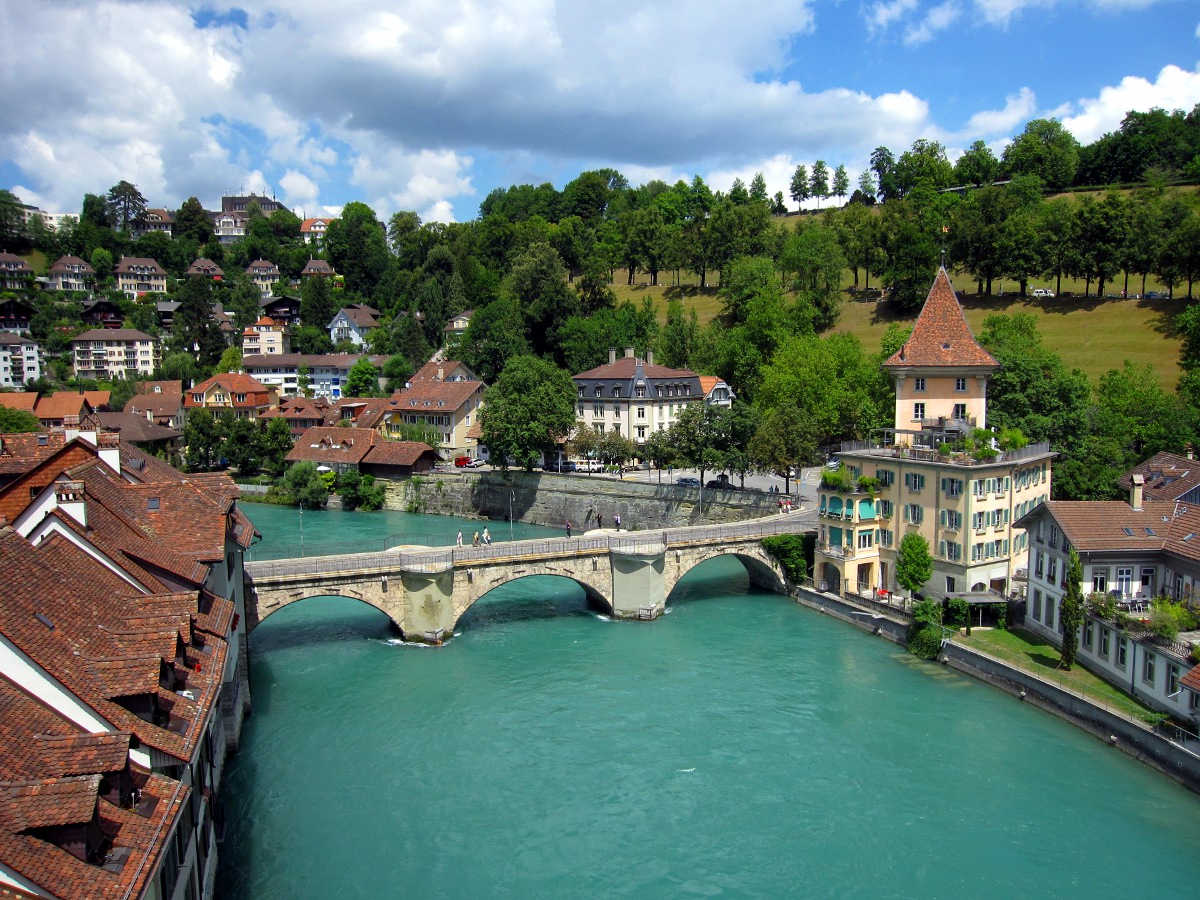
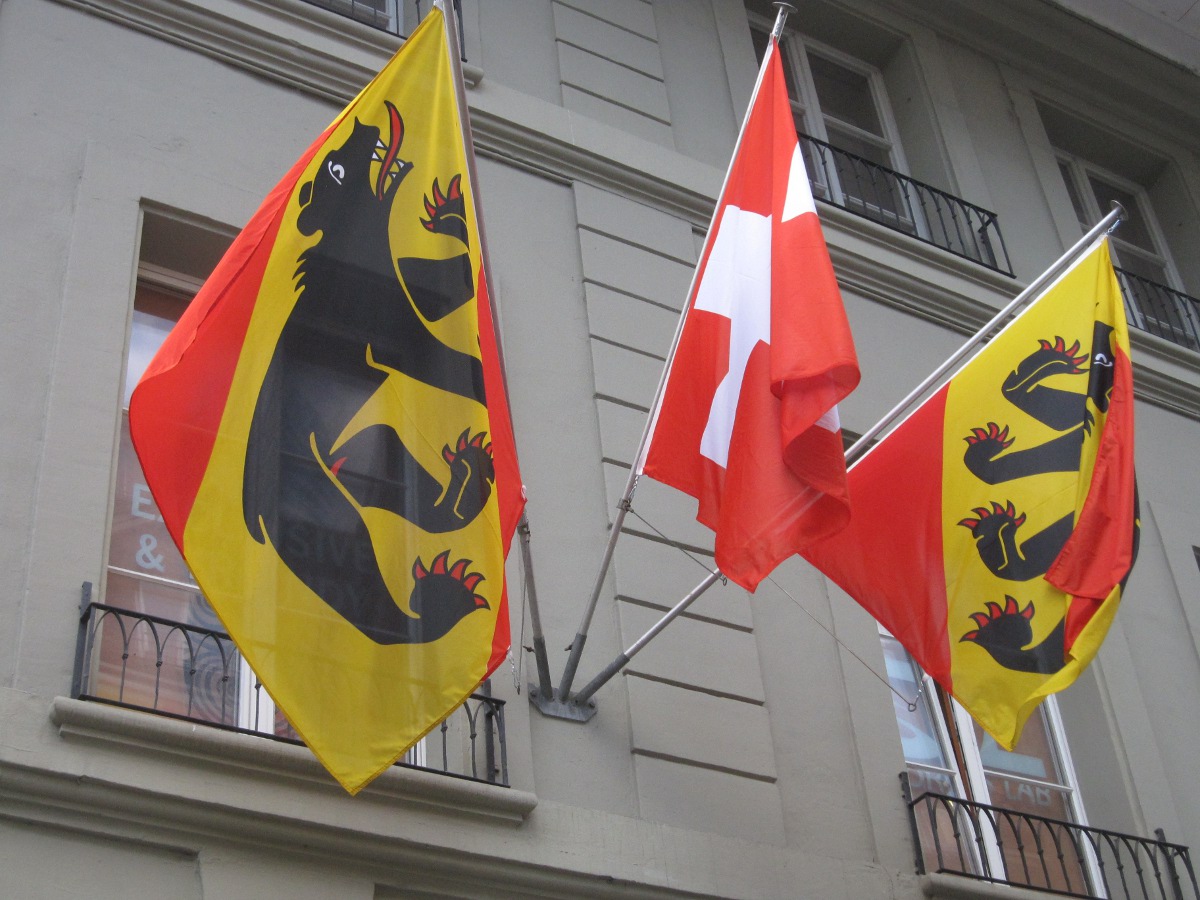
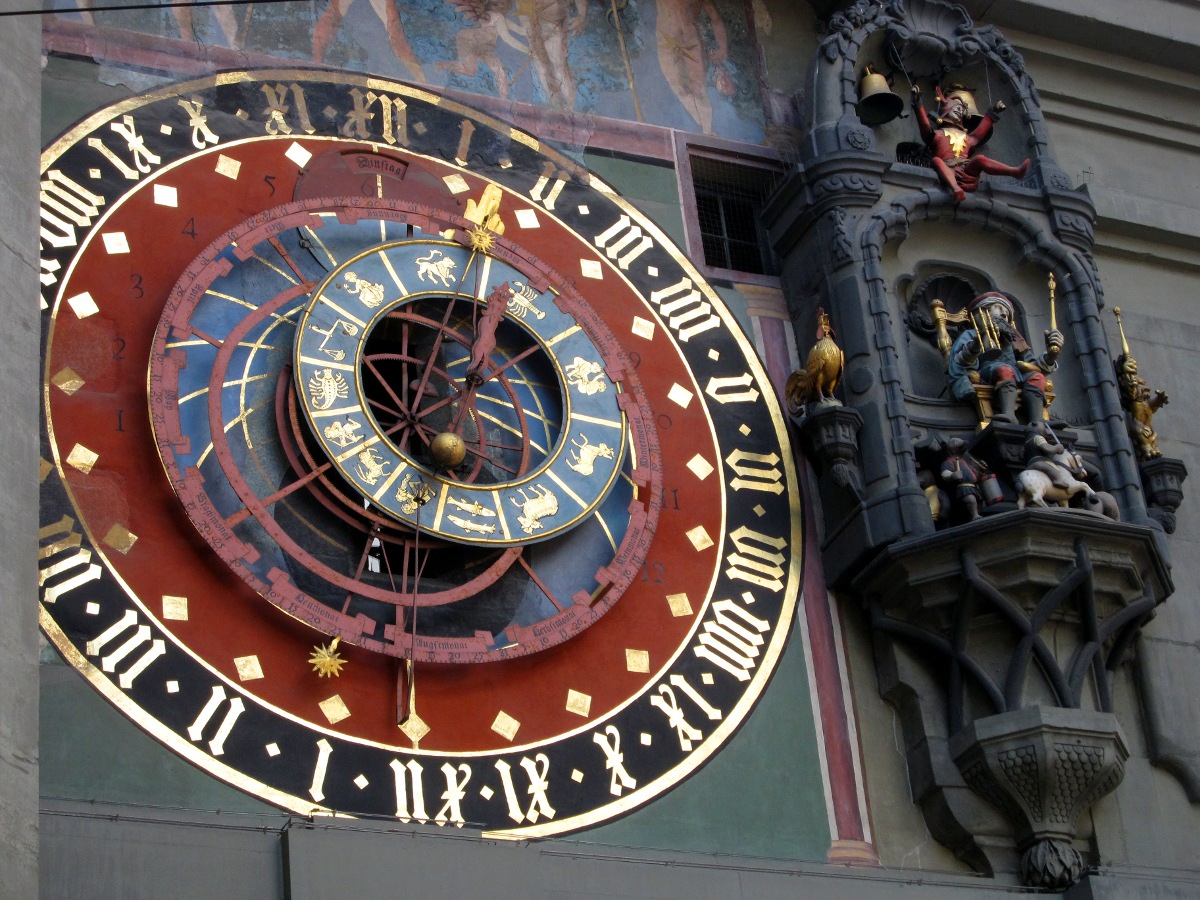
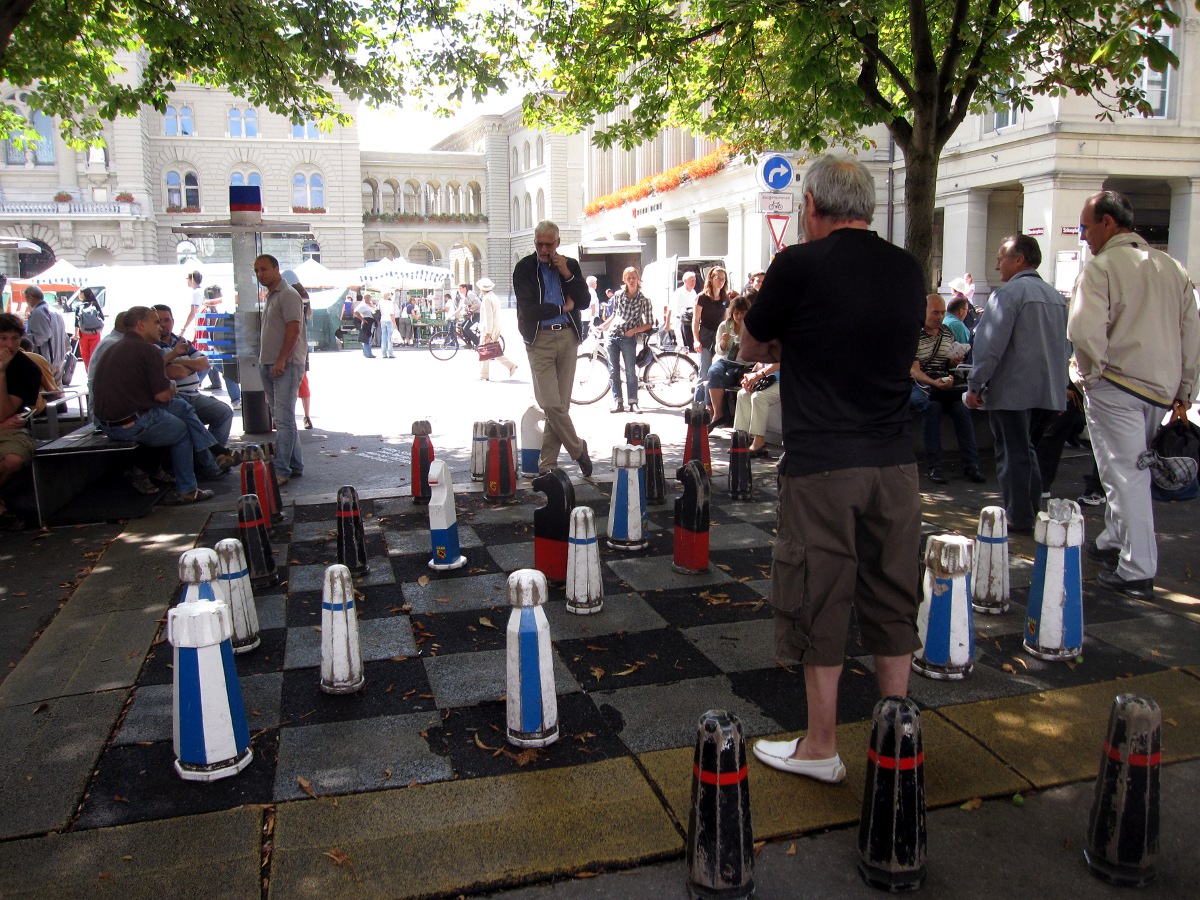
Clockwise: the Aare River meanders through Bern; the flag of the Bern canton features a bear; chess players pondering in the park; the intricate astronomical dial of Bern’s largest clocktower displays the day of the week, day of the month, sunrise, sunset and zodiac signs

Bern is a city of about 350,000 people, and as the capital of Switzerland, is both the physical and legislative center of the nation. A train transfer is required here to get from Zurich to Interlaken, so we stopped and spent the day wandering Bern’s historic district, which happens to be a UNESCO World Heritage Site.

Interlaken: Jungfrau’s Cosmopolitan Hotspot

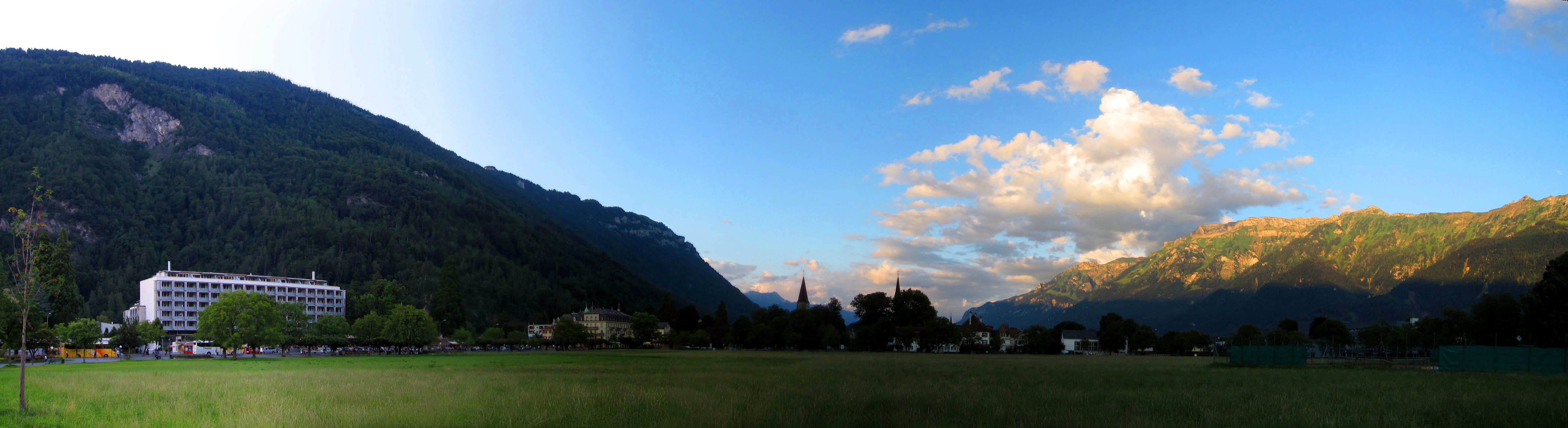
Interlaken is an unusual confluence of college-age backpackers, international tourists, avid nature lovers and extreme sports enthusiasts. Strolling around the town’s grassy quadrangle, it is not unusual to see American frat boys, veiled Muslim women and Korean photographers, all gathered to take in the beauty of the Jungfrau peak of the Berner-Oberlander region, while sipping a beer at Hooters. Due to the town’s central location and diverse amenities, Interlaken is well-known globally as a tourist hotspot. English-speaking travelers should have no trouble navigating the town, given that there is signage and menus written in languages from French to Korean. On the downside, the town does have quite a few tourist trap restaurants and probably more souvenir shops per capita than any other town I have seen. The best meal I had in Interlaken was at the Cafe de Paris, just a block north of the main drag, with reasonably priced entrees (~20 CHF) and excellent food. The beer of choice here is Rugenbräu, which unfortunately reminds me a lot of Bud Light. For better alternatives, I recommend Buddy’s Pub, which also has Feldschlösschen Hopfenperle and Dunkle Perle on tap.

Zurich: Financial Centre with an Edge

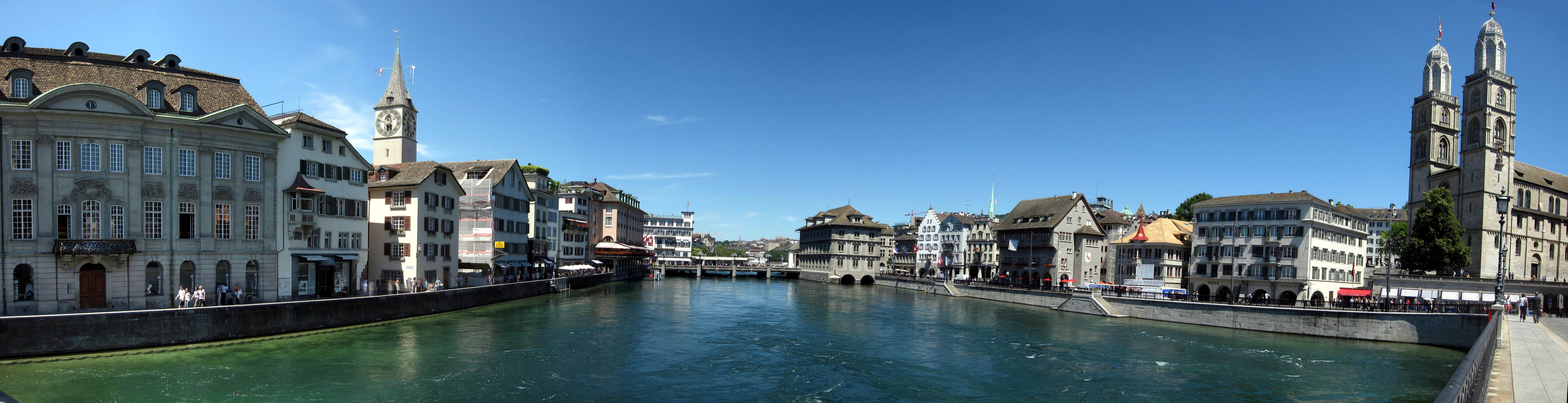
Limmat River cuts through Zurich and is crisscrossed by many bridges. You can see the twin towers of the Grossmünster church on the right, and the tower of St. Peterskirche on the left, which boasts the largest church clock face in Europe.

Let’s throw this out there first: Zurich is expensive. And not in the same way as other purportedly expensive cities I have traveled in (Tokyo, NYC), where there is a large range in prices, and some goods are nosebleeding pricey but you can find deals if you look in the right places. Instead, Zurich seems to have uniformly leveled all of its prices about $10-20 up from what you might expect. Strolling through downtown Zurich, it is usual to see coffee for CHF 7 and Chinese take-out for CHF 16. (Right now, CHF 1 = $0.96.) Even the “dollar” menu at McDonald’s has been replaced with burgers for CHF 2.50 and a side salad for CHF 3. A small size meal with an “NYC Crispy” burger costs CHF 12.30. An 800 meter cab ride from the main train station sets you back CHF 26 and dinner at an average restaurant runs about CHF 35. Even Swiss products that I have bought in the US (Victorinox knives, Sigg water bottles) cost more in Switzerland. I am scratching my head as to why there isn’t more cross-border arbitrage.

Infrequently Asked Questions on Cinque Terre

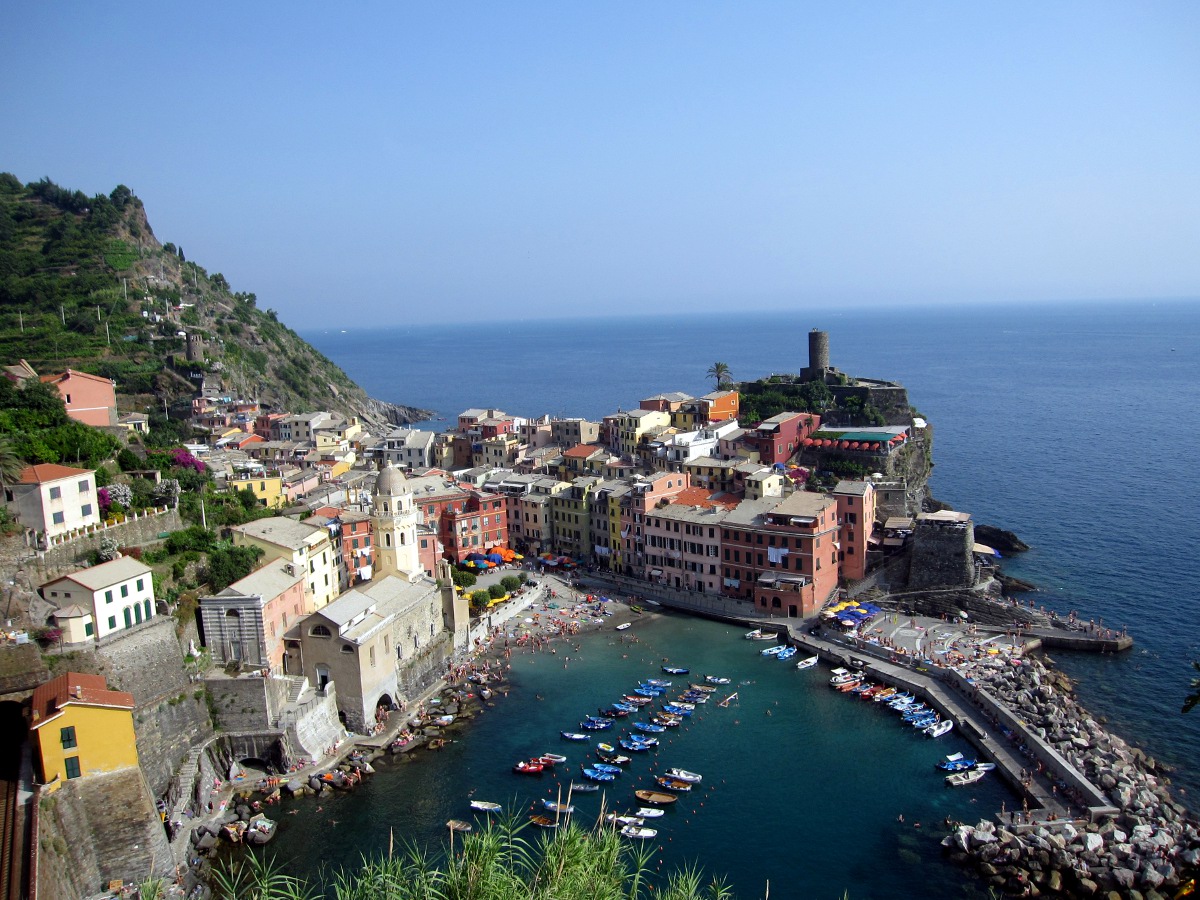
Overhead view of Vernazzo, on the trail towards Monterosso

What is Cinque Terre?

Cinque Terre, or “five lands,” is a series of small seaside towns in the Italian Riviera, in the Liguria region. It is widely known for being one of the most beautiful places on earth, and is recognized as a UNESCO Heritage Site. Visitors can hike the trails between the five towns and be rewarded with gorgeous cliffside views of the sea. Unfortunately, the booming popularity of the region has turned Cinque Terre into something more akin to Disneyland, particularly during the high summer season. The influx of American tourists toting Rick Steve’s guidebooks, kitschy souvenir shops and high prices has warped the towns into a bit of a tourist trap, where more English is spoken than Italian.

Travel Note: Piedmont Stage

Fresh off the heels of a trip to Puglia, we will be away on stage again this week, this time to our home region of Piemonte! Unlike last time though, we will be returning home every night to sleep in our own beds (yay!) and use our own computers (double yay!). So, I expect to not be continuously whining about the lack of internet access.

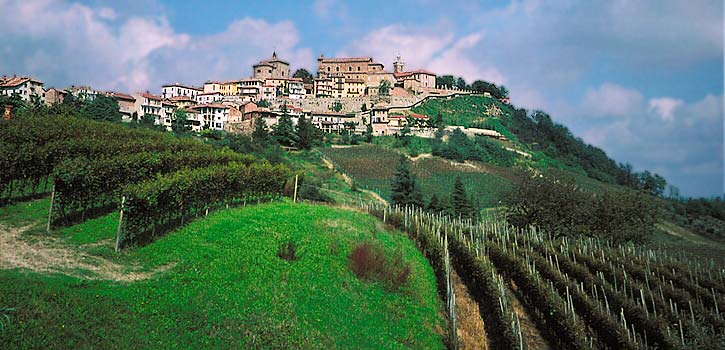
Piedmont is well known for its rolling mountains, wines (Barolo) and chocolate (in Turin). A sample itinerary (for Thursday July 8th):

Scenes from Puglia


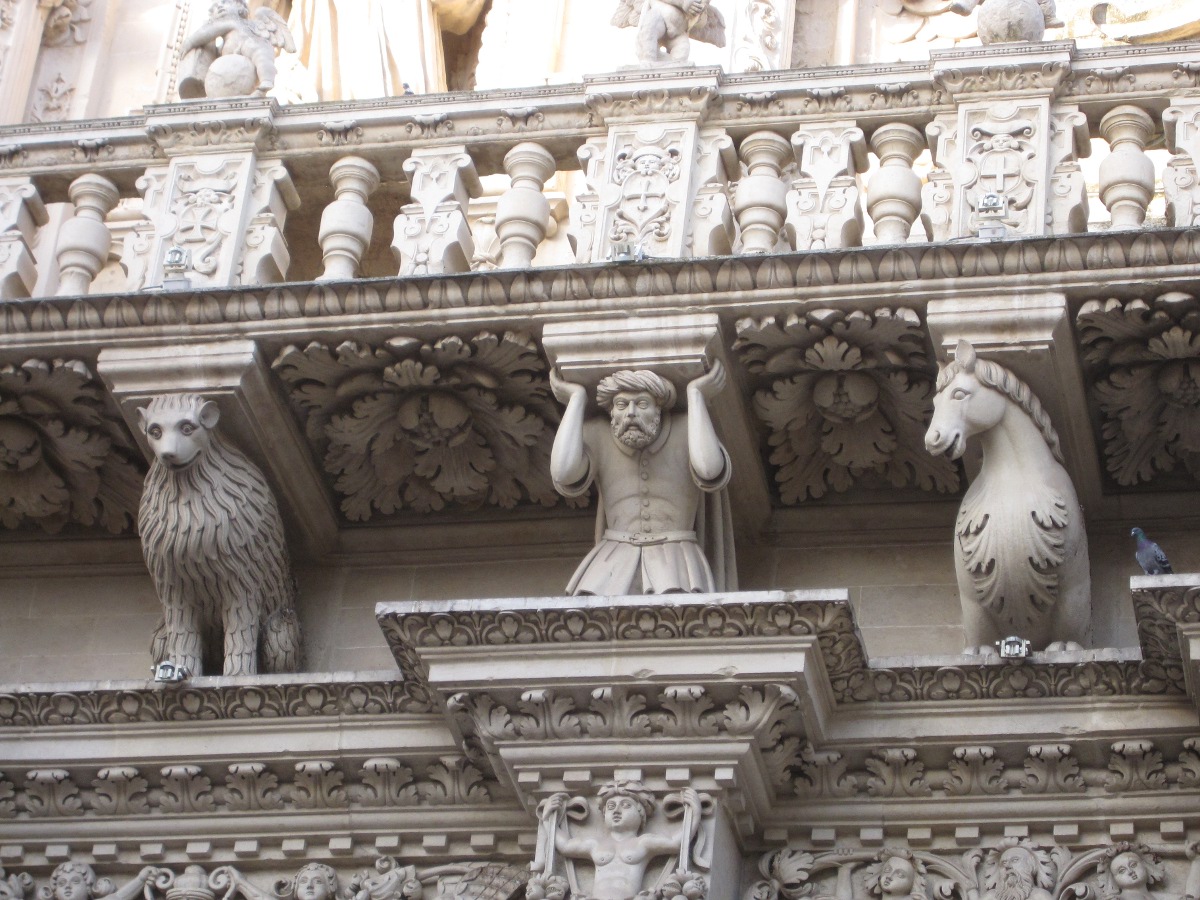
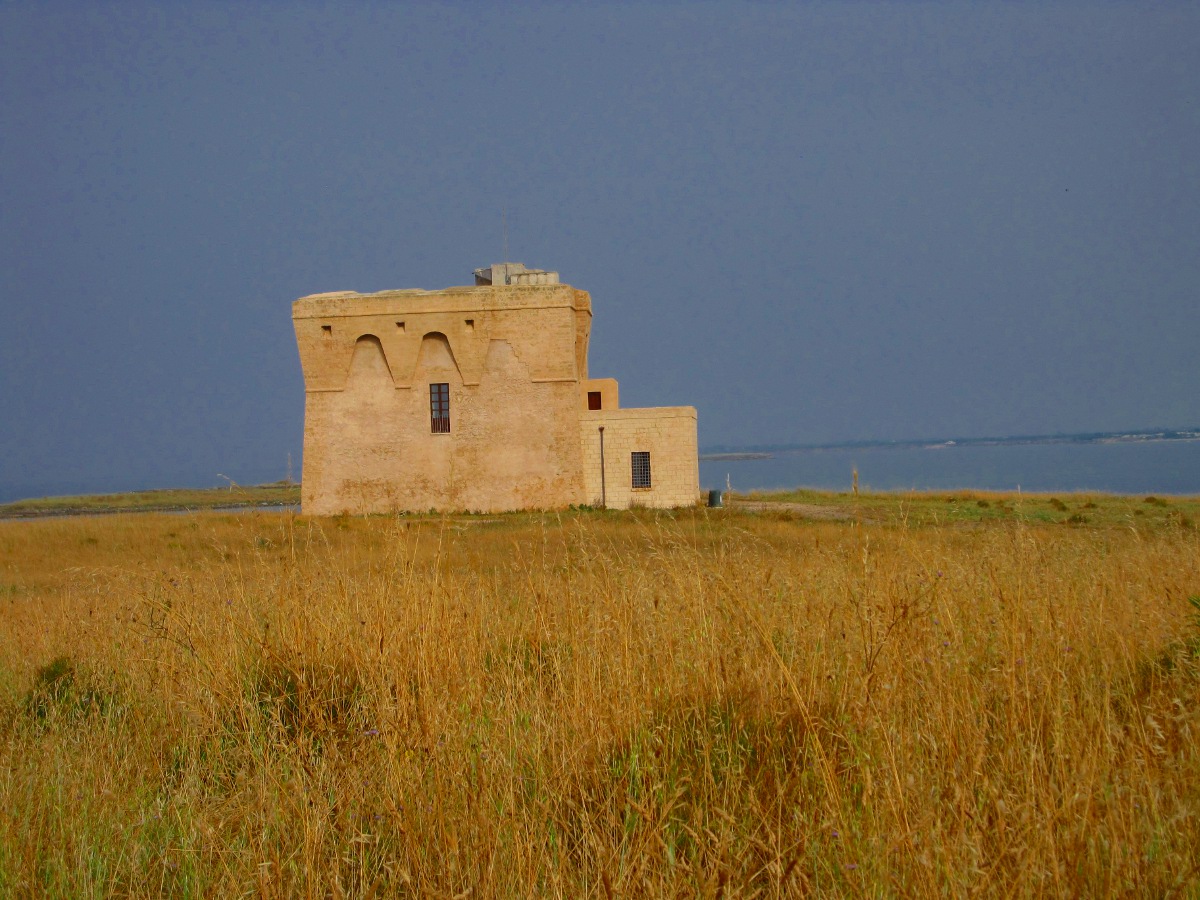
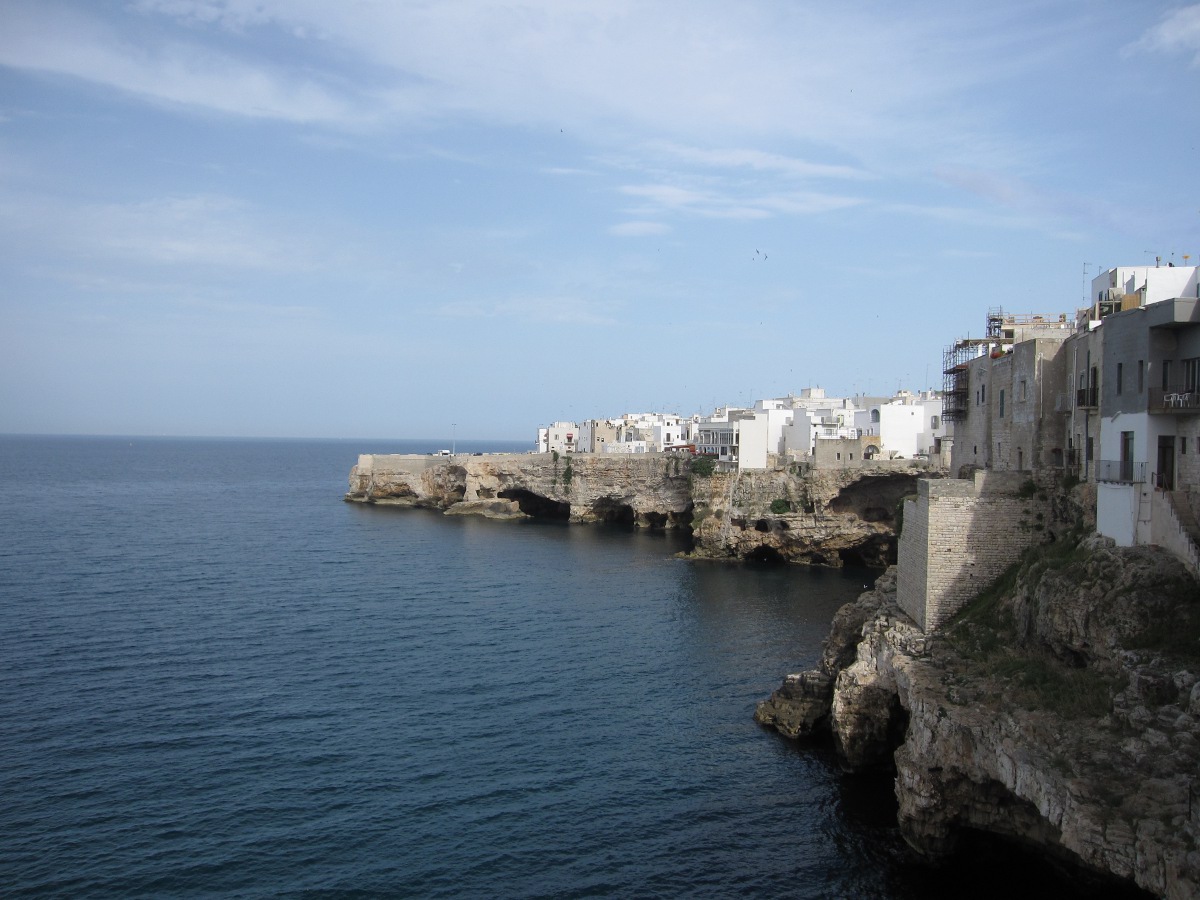
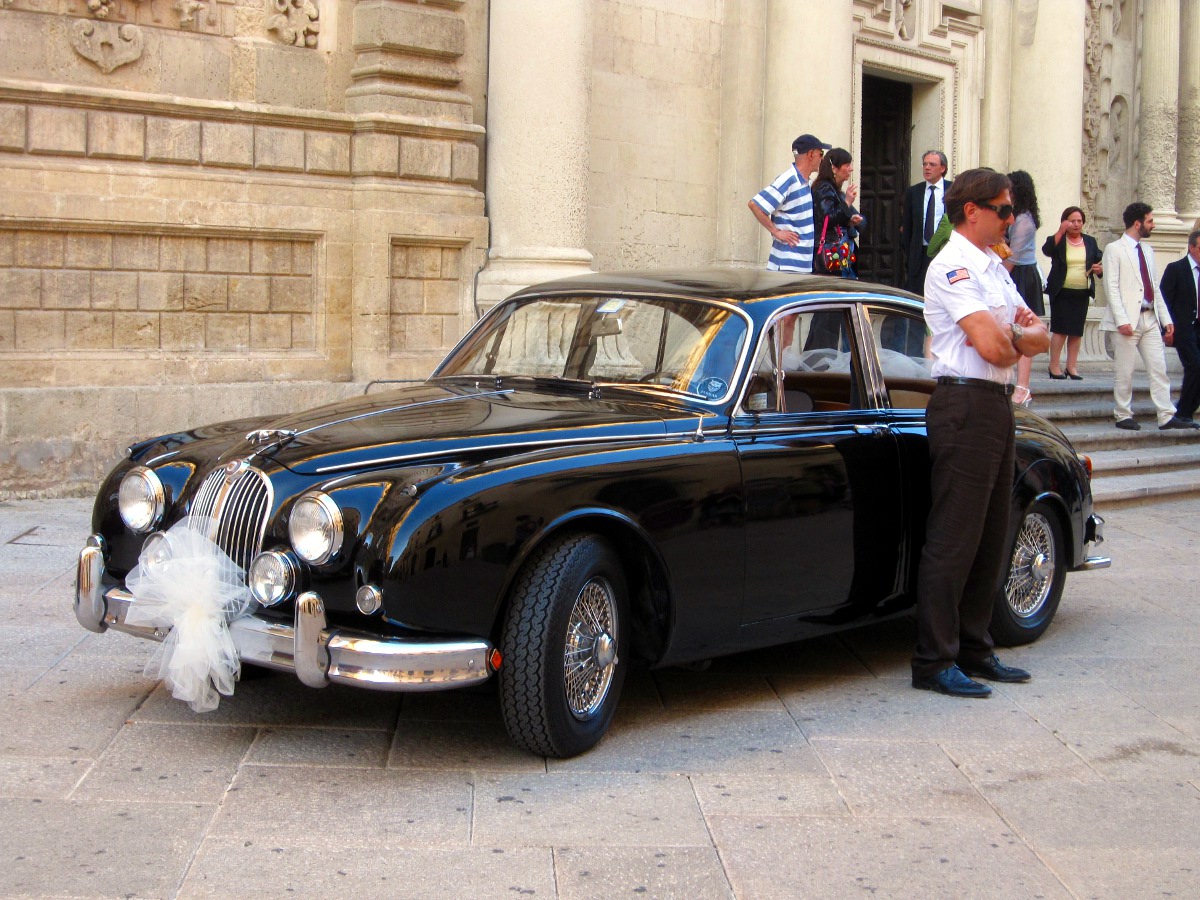
Clockwise: Gargoyles on a cathedral in Lecce, the 16th century watchtower of Torre Guaceto, a driver awaits outside a wedding ceremony, the cliffs of Pogliano a Mare

Located in the southeastern part of Italy (the heel of the boot), Puglia is a peninsula of a peninsula, surrounded by sea and just a 12-hour ferry ride across the Adriatic to Greece. Ah, the sea. Having lived in the midwest for several years, it’s been a while since I’ve heard the crash and smelled the sting of saltwater. And as you can imagine, the sea plays a major role in shaping Puglian history. Being first point of entry by sea, Puglia has been conquered by pretty much every major civilization and conquering marauder that has attacked Italy in the past few thousand years. Ergo, it has a rich history of influences from a variety of cultures. As such, the region’s people, places and activities are heavily influenced by the bountiful amounts of sunlight, seafood and historical exchange.