Blog

I Went To Jail For Beer
A cackling rooster call pierced the silence, followed by the sound of quiet laughter. We stood in a courtyard ringed by oppressively institutional gray buildings, and I swiveled my head nervously as a stiff breeze blew through Saluzzo. The giggly presence of two dozen young students had attracted some attention from the residents of this casa di reclusione. In less euphemistic, non-Italian terms, that would be a prison.

Continue reading

Historical Wine Cellars in Piedmont


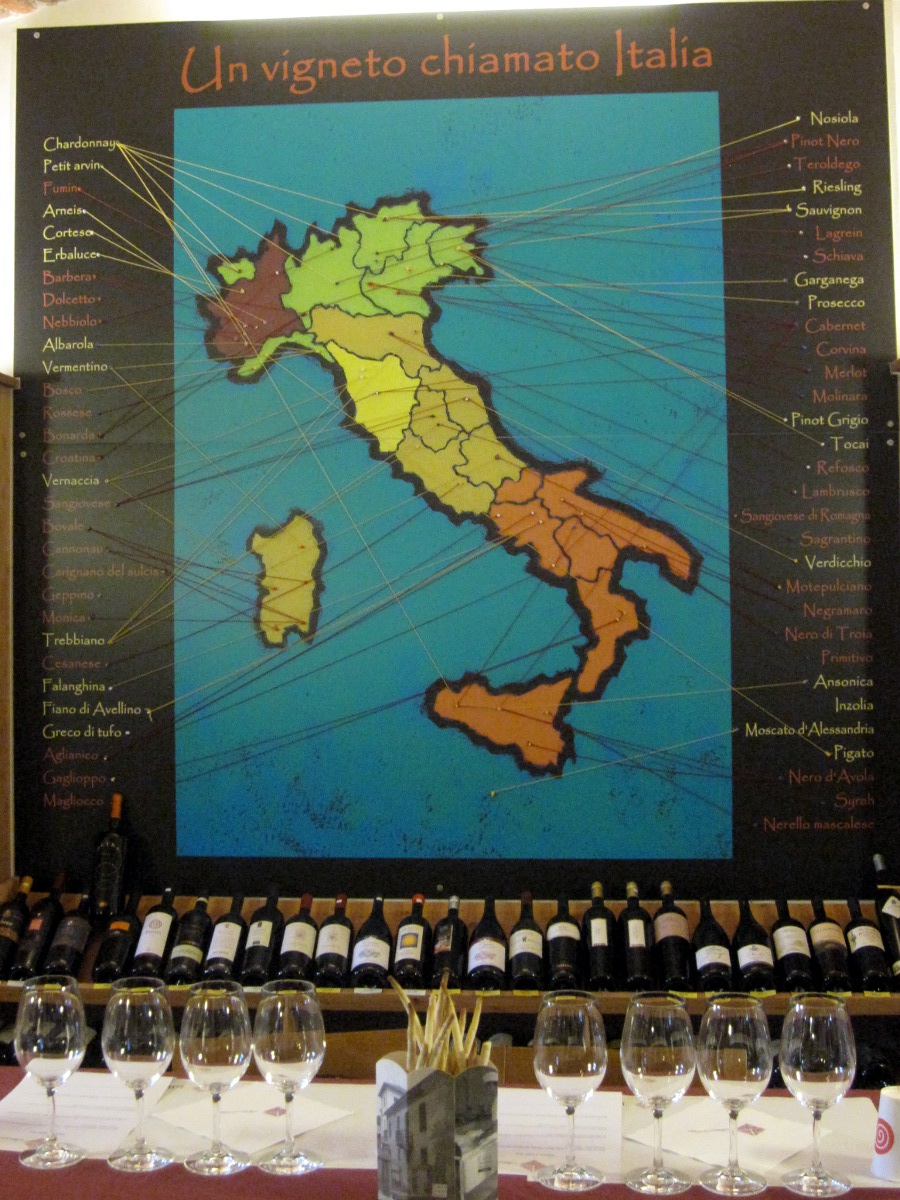
At the Wine Bank: a map of Italy’s most important varietals and their regions

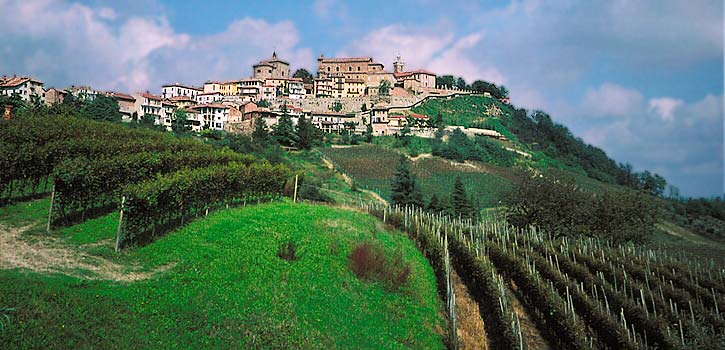
The Piemonte region is an area in northwestern Italy, bordering France and Switzerland, with distinct seasons and mountainous terrain (literally: “foot of the mountain”). It is considered one of the greatest winemaking regions in Italy, renowned for its Barolo and Barbaresco red wines made from Nebbiolo grapes.

For the first day of the Piedmont stage, we stopped by the Banca del Vino (wine bank) housed inside the Agenzia di Pollenzo, which is also home to (you guessed it) the University of Gastronomic Sciences. Ah, familiar stomping grounds. Inspired by a vision from Carlo Petrini, the Banca del Vino is an effort to build a historical record of Italian wines, to select, stock and maintain the best of the Italian peninsula. Thus, the vault is part storage cellar, part museum, and holds a collection of wines from over 300 producers across Italy while providing tastings for visitors. They also offer themed workshops if you are interested in researching one region or varietal in particular. Outside of the vault, a large number of wines line the shelves and are available for sale. I was amused to see one labeled “Cornell,” although additional research suggests that the wine has nothing to do with my alma mater or Ezra Cornell’s descendants.

Continue reading

Travel Note: Piedmont Stage

Fresh off the heels of a trip to Puglia, we will be away on stage again this week, this time to our home region of Piemonte! Unlike last time though, we will be returning home every night to sleep in our own beds (yay!) and use our own computers (double yay!). So, I expect to not be continuously whining about the lack of internet access.

Piedmont is well known for its rolling mountains, wines (Barolo) and chocolate (in Turin). A sample itinerary (for Thursday July 8th):

Continue reading

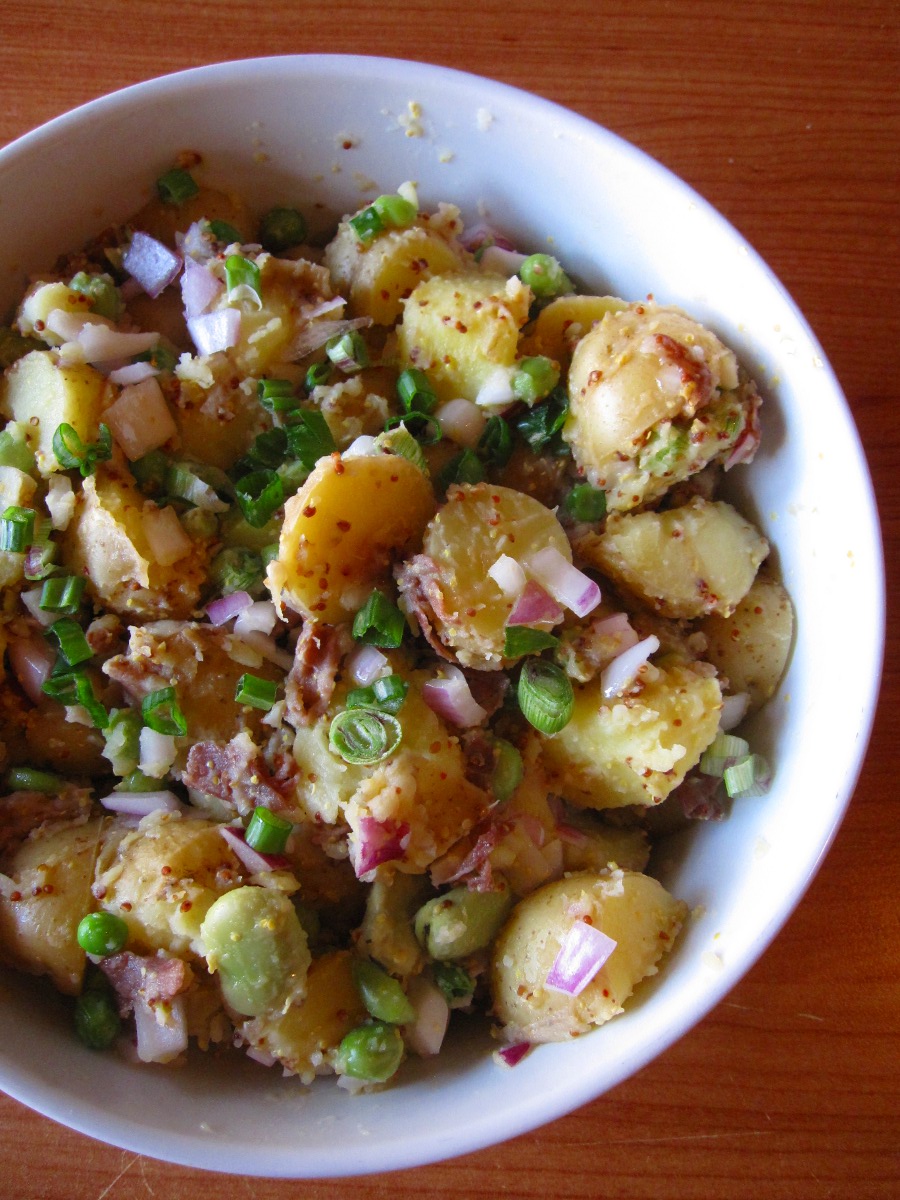
Recipe: Potato Salad with Prosciutto, Peas & Fava Beans

Grad school being what it is, I haven’t had as much free time as I would like for inspired cooking, resorting instead to a weekly routine of nourishing (albeit slightly boring) pastas, salads and sandwiches. Compounding the problem is our apartment’s lack of oven, and my perennial struggle to find ingredients that are not readily available in Italian markets. (This afternoon, I searched high and low to find fresh dill. I miss the herb stand at Green City Market.) It would also be highly helpful to have a blender. As Danielle put it, never before in my life have I talked about food so much without really making it. O.o

Continue reading

Food Anthropology: Chitalian Cuisine

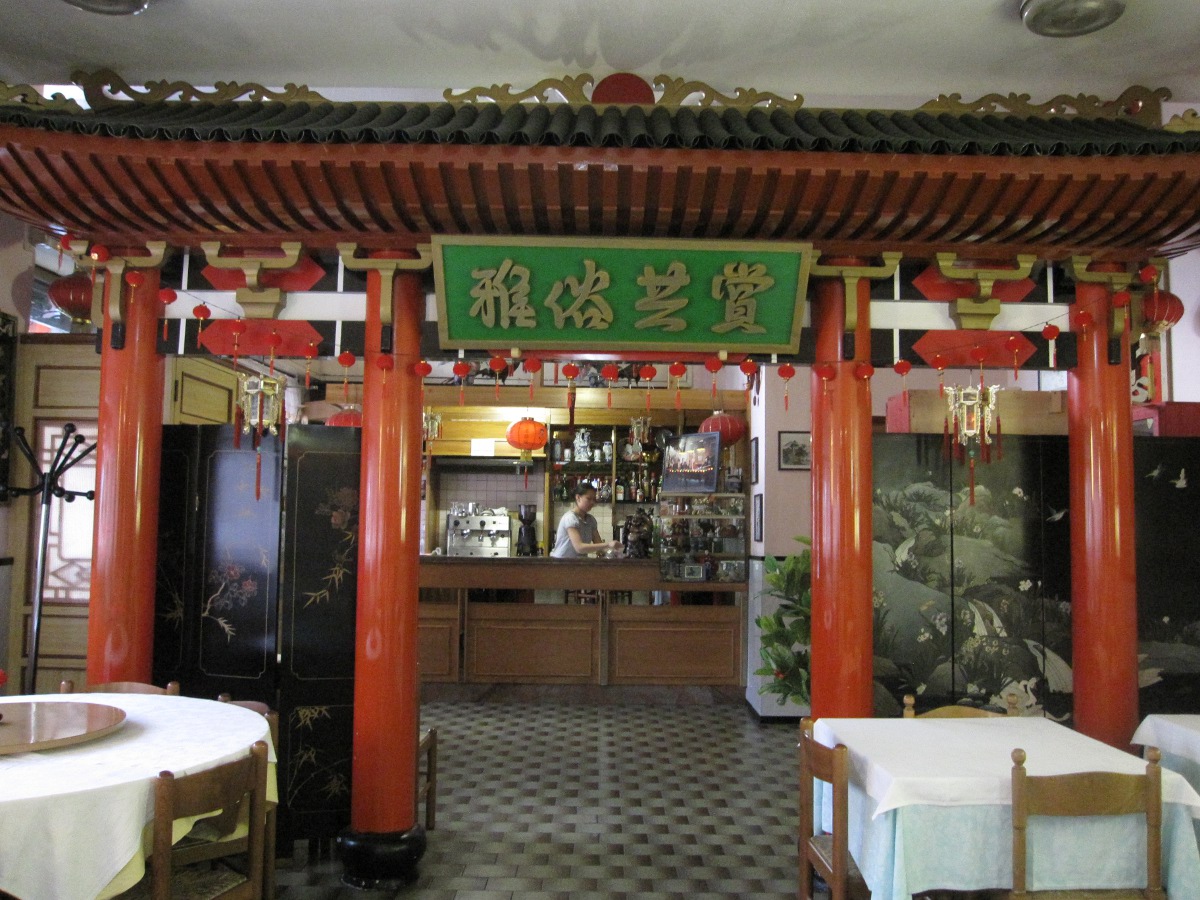
Last week, as part of a class on food anthropology, we all had to conduct an ethnographic study of a food production place in town using participant-observation methods (read: hanging out and discreetly taking notes). Rather than choosing one of the town’s many pizzerias or gelato shops, I decided to investigate the one place that has elicited a sort of morbid fascination for me for the last month: The Chinese restaurant in Bra. That’s right, there’s only one, and there isn’t too much other ethnic food in town to speak of, aside from a couple small kebab shops.

Continue reading

Italian Fashion: Then and Now

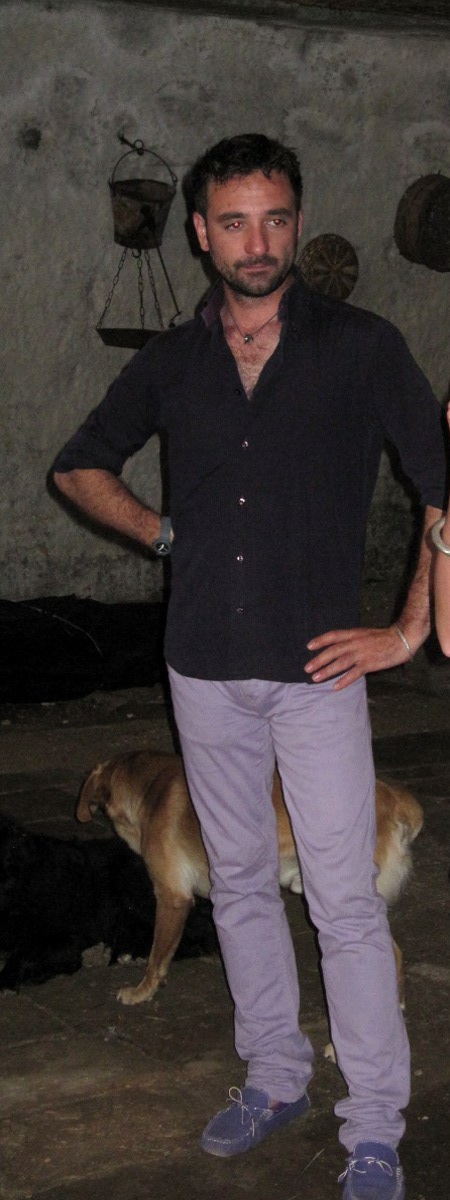
Gentleman on the right was our tour guide at an olive oil mill in Puglia. I am impressed that even in the midst of farmland and olive tree orchards, Italians are impeccably color-coordinated with purple shirt, lilac trousers and amethyst moccasins. Just a few hours later that night, we saw another man wearing purple pants. Clearly, purple is the new black.

Puglia Food Products: Olive Oil, Capocollo, Wine, Cheese and Seafood

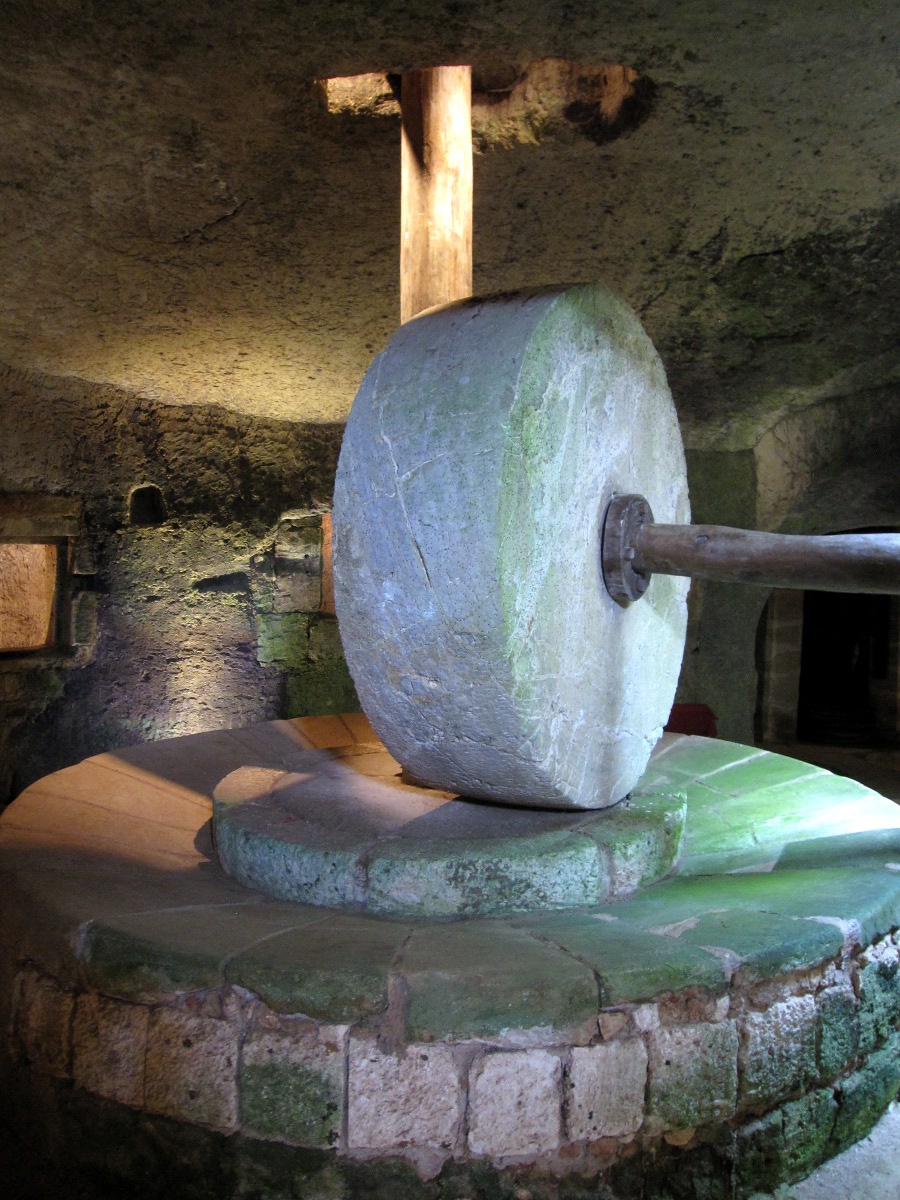
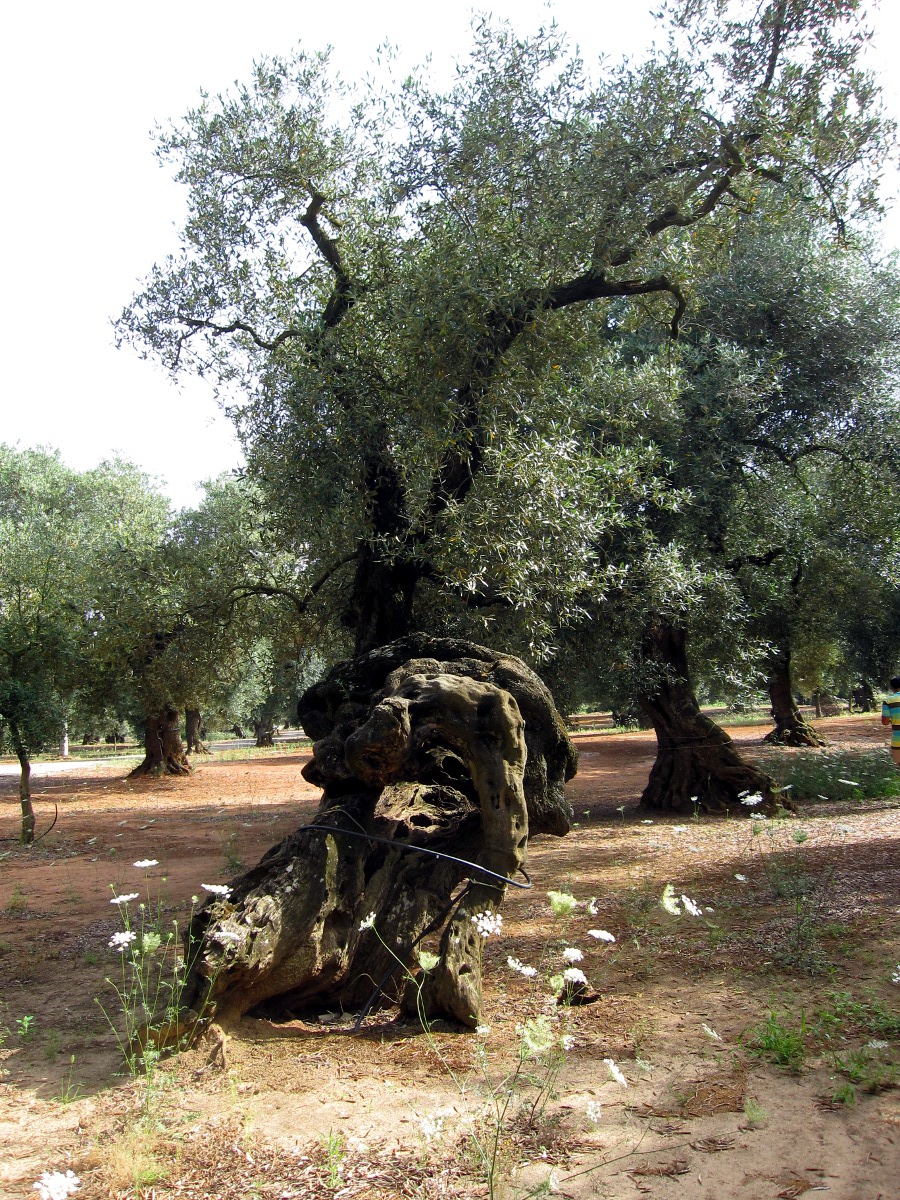
Grindstone for a 17th century olive oil mill, a thousand-year old olive tree

Though some time was alloted in Puglia for activities not requiring mastication, the bulk of the trip was spent at food production sites, restaurants and agricultural lands. I realize that this must sound like the best foodie vacation ever, but eating rich foods nonstop for a week is not as pleasant as it may seem. Some of us had the added stress of documenting the trip in detail because there is a paper and presentation required after the stage. By the end, we were all thoroughly sick of cured meats, cheeses and each other. A few people actually became ill, though I cannot say whether this was due to food poisoning, general infection, or the stress of traveling and eating from 9 am to 1 am every day. My advice for anyone who goes on these trips is to ingest plenty of fiber and choose your roommate carefully.

Continue reading

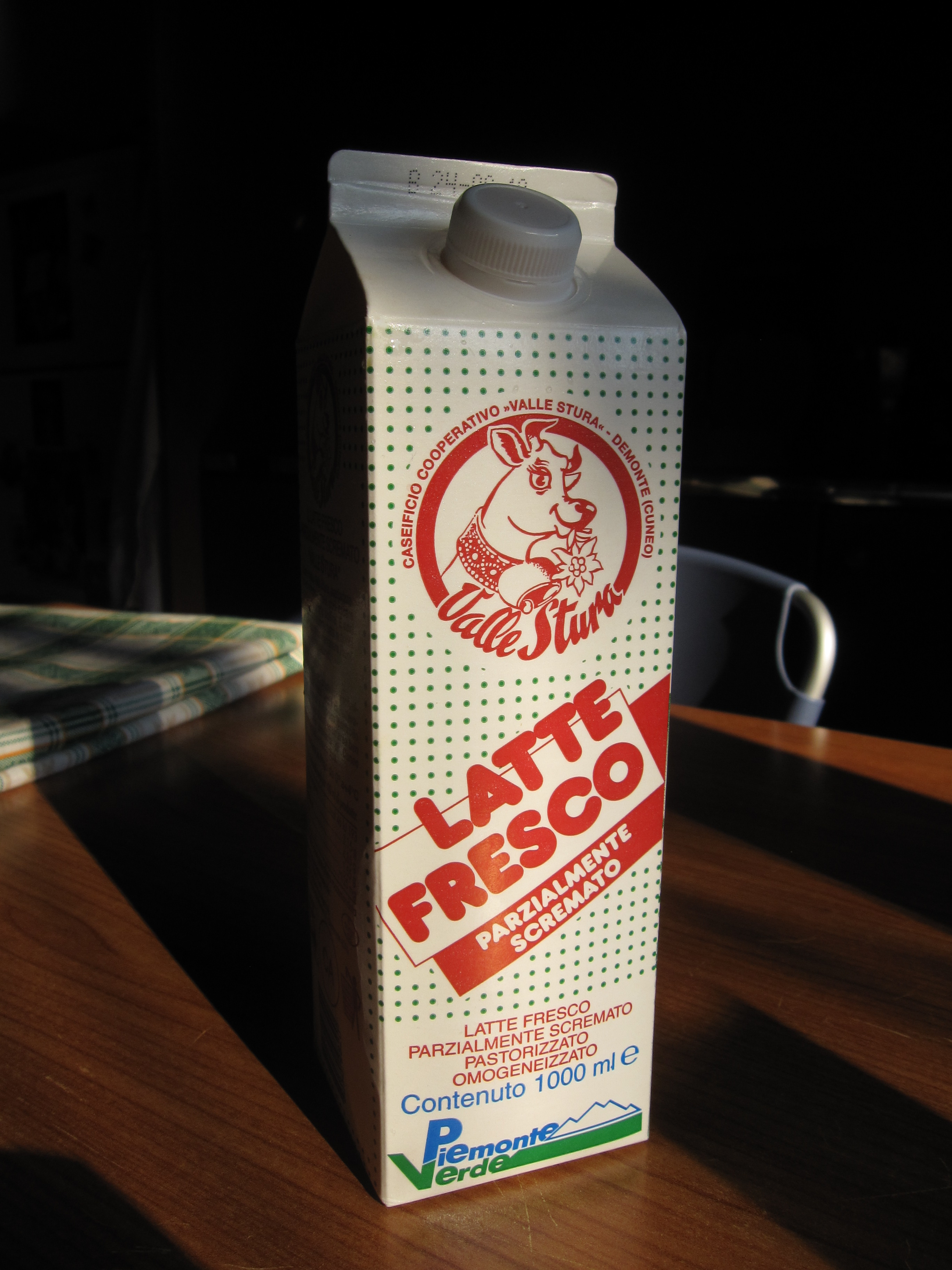
Confession: I Hate Italian Milk

Here in Bra, the heart (and physical headquarters) of Slow Food-landia, people are raised from birth to eat locally, cook with raw, unprocessed ingredients, and buy from small, independent producers. Great, these are philosophies that I have tried to uphold all along, so it’s not like I have suddenly been told to wear a burka.

Well, today I am going to go rogue and fess up about something that has been irritating the hell out of me: Italian milk. It sucks.

Continue reading

Constant Donations

In 2008, I decided that I would donate $25 every year to the Cornell Chimes Fund. After all, they paid for an awful lot of meals/trips to high places (belltowers) for me over my 3-year stint as a chimesmaster, so the least I can do is help fund a current chimesmaster’s dinner at Banfi’s. Further, I decided to donate $25 in 2008 inflation-adjusted dollars, so that the real value of my donation would remain constant.

Continue reading

Scenes from Puglia


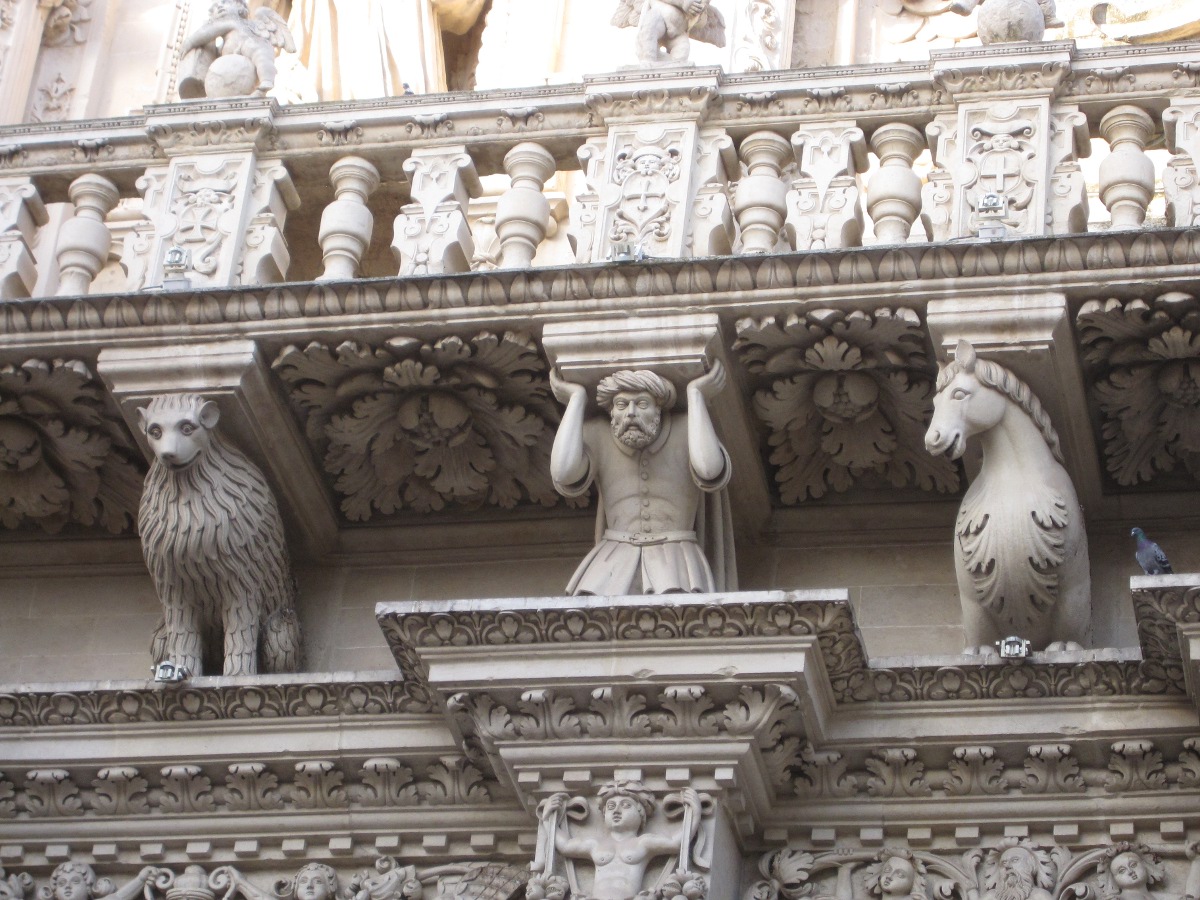
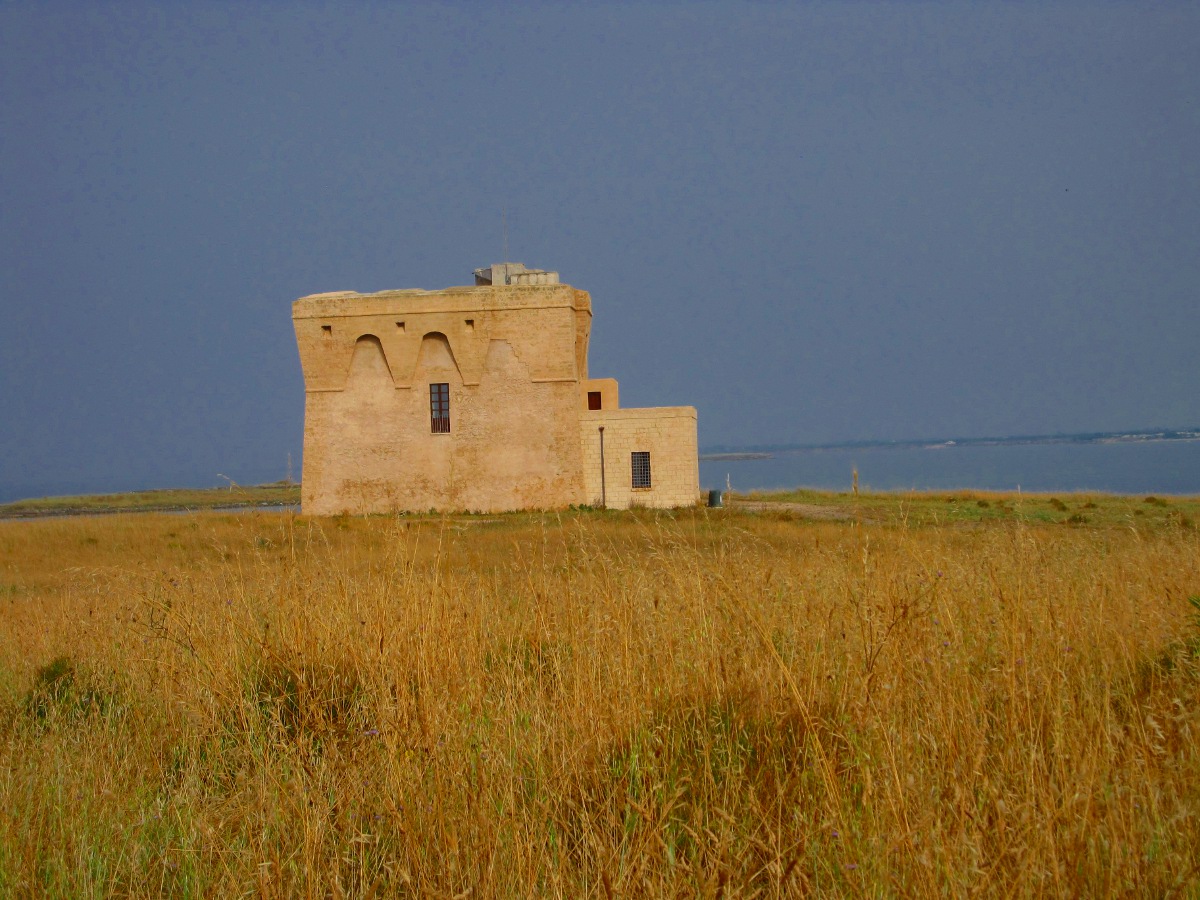
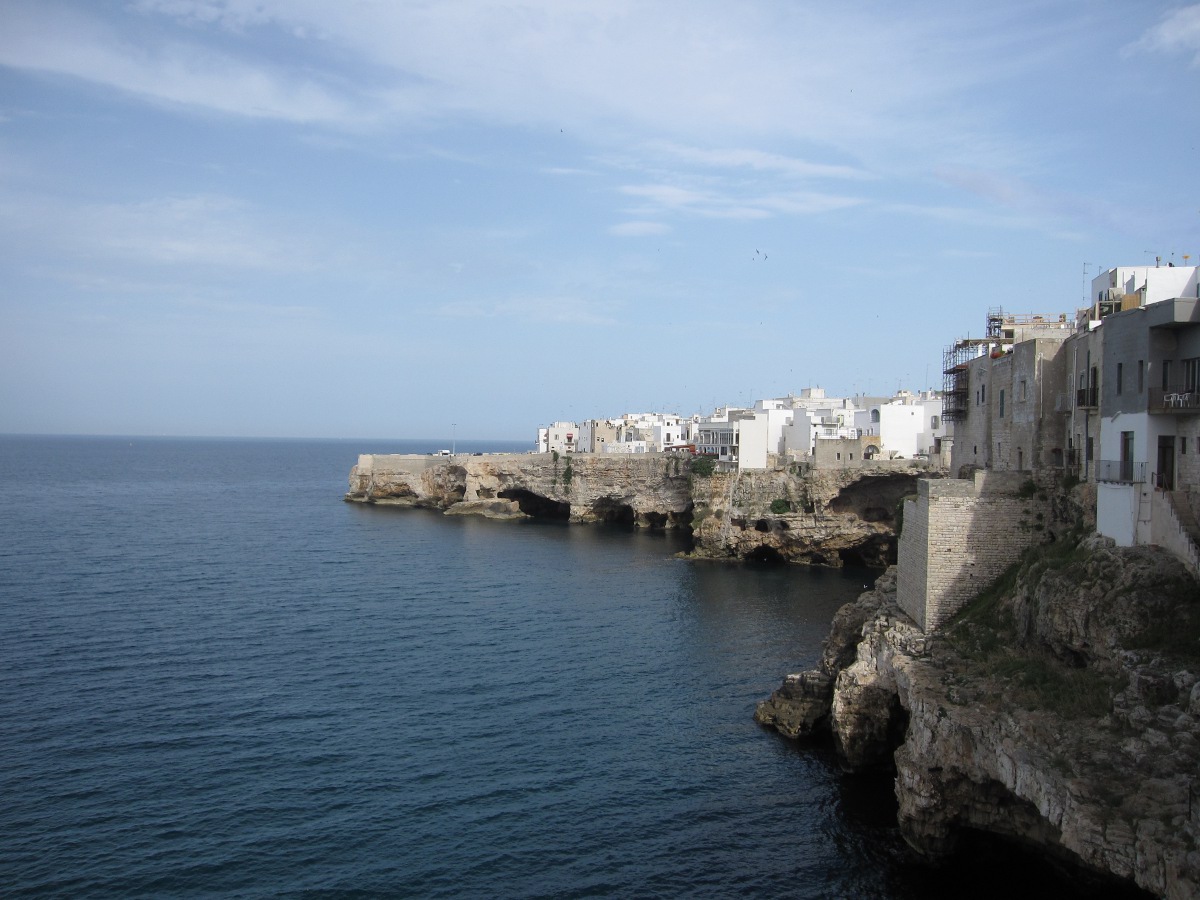
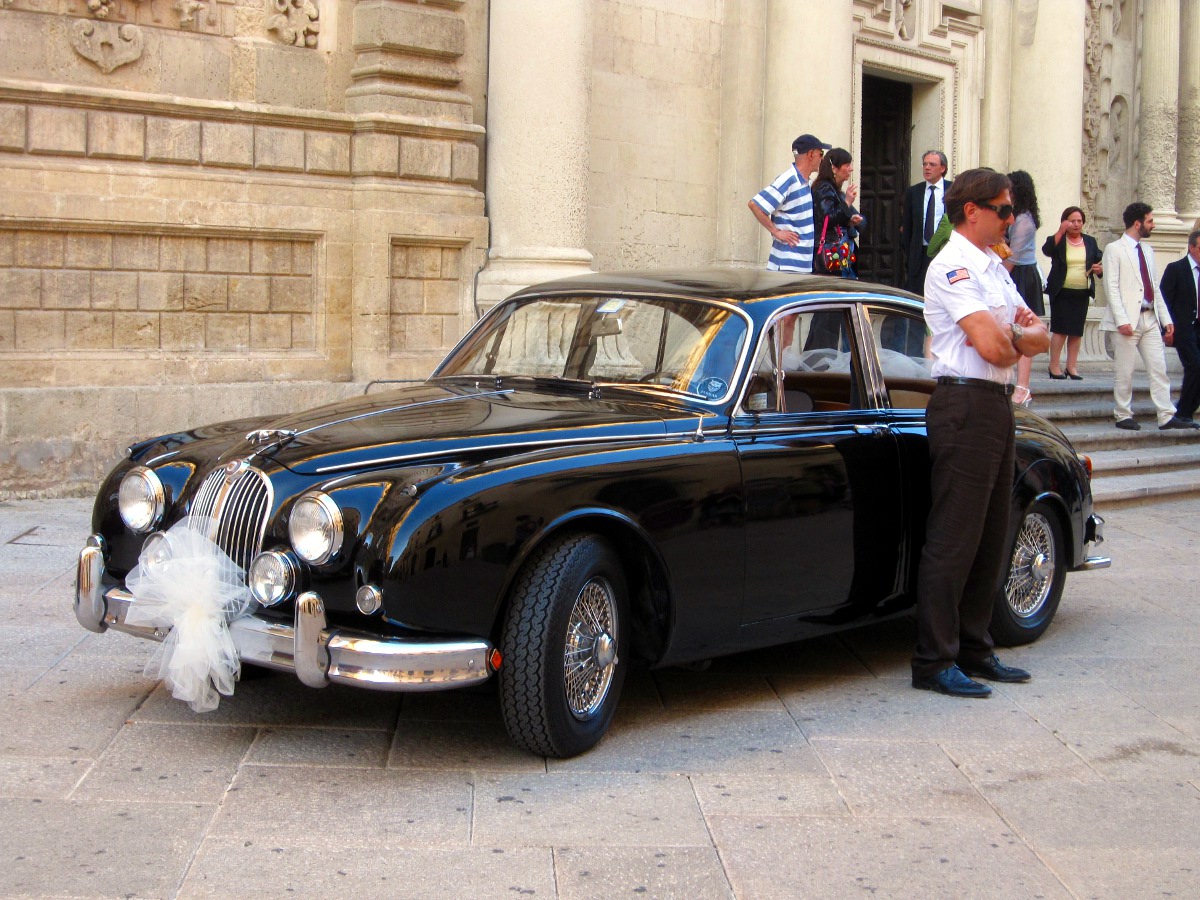
Clockwise: Gargoyles on a cathedral in Lecce, the 16th century watchtower of Torre Guaceto, a driver awaits outside a wedding ceremony, the cliffs of Pogliano a Mare

Located in the southeastern part of Italy (the heel of the boot), Puglia is a peninsula of a peninsula, surrounded by sea and just a 12-hour ferry ride across the Adriatic to Greece. Ah, the sea. Having lived in the midwest for several years, it’s been a while since I’ve heard the crash and smelled the sting of saltwater. And as you can imagine, the sea plays a major role in shaping Puglian history. Being first point of entry by sea, Puglia has been conquered by pretty much every major civilization and conquering marauder that has attacked Italy in the past few thousand years. Ergo, it has a rich history of influences from a variety of cultures. As such, the region’s people, places and activities are heavily influenced by the bountiful amounts of sunlight, seafood and historical exchange.

Continue reading